

Acer Liquid Express E320 Complete Specifications: Every Detail, From Battery Life to Audio
The Acer Liquid Express E320 arrived at a time when Android phones were getting smaller, cheaper and easier to carry, and this compact model from Acer summed up that shift. Announced in September 2011 and released in November 2011, it paired a 3.5-inch screen with Android 2.3 Gingerbread, a single-core processor and a removable battery. For readers searching for the Acer Liquid Express E320 full specifications and review, this guide gathers every published detail in one place, from the chipset and memory to the camera, the display, the battery and the audio hardware. It is written for collectors, second-hand buyers and anyone trying to identify a handset found in a drawer, so the focus stays on facts that can be checked against the original specification sheet.
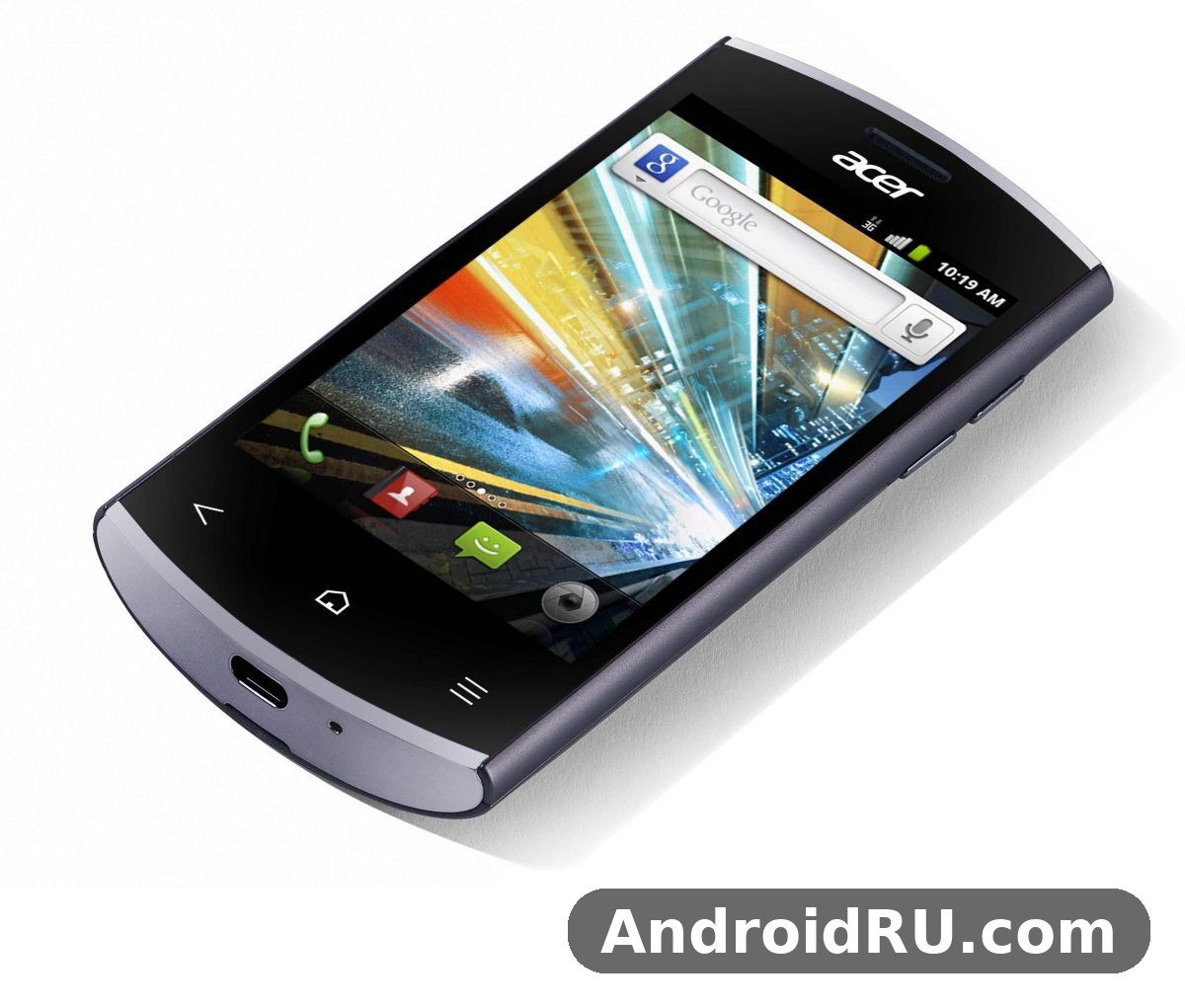
A quick look at the Acer Liquid Express E320 specs shows a phone built for basic communication, light media and everyday organisation rather than heavy multitasking. The Acer Liquid Express E320 review record from its era placed it in the entry-level group, where price mattered more than raw speed. That context helps explain the choices Acer made: a modest screen resolution, 512 MB of RAM, a 5 megapixel camera and a battery that could be swapped by the owner. Nothing here was meant to chase flagship phones. The E320 was meant to be affordable, pocketable and simple to use, and its specification sheet reads exactly that way.
Overview of the Acer Liquid Express E320
The Liquid Express E320 sat in Acer’s early Android range beside phones such as the Liquid mini, and it shared the family focus on compact bodies and Acer’s own interface touches. The Acer Liquid Express E320 release came in November 2011, about two months after the announcement, at a listed price of about 90 EUR. That price put it within reach of first-time smartphone buyers and of people moving from a feature phone to Android for the first time. Its 138 gram body, 3.5-inch display and Mini-SIM slot all belong to the same era, when phones were still shaped for one-handed use and a physical home area with touch sensitive controls.
What the E320 Was Built For
This was a phone for calls, text messages, email, maps, music and casual photos, not for long gaming sessions or large video files. The Acer Liquid Express E320 performance in everyday tasks came from an 800 MHz single-core processor and 512 MB of RAM, a combination that handled the apps of 2011 but left little headroom for the heavier apps that followed. Acer added its own interface layer over Gingerbread, with touch sensitive controls around the screen, and it kept the extras practical: FM radio, a document viewer, an organiser, voice memo and predictive text input. Readers comparing it with its smaller relative will find the Acer Liquid Express E320 vs Acer Liquid mini E310 comparison useful, because the E320 offered the larger 3.5-inch screen, the faster 800 MHz chip and the same 5 megapixel camera idea in a slightly bigger body.
Release Context in Late 2011
By late 2011 Android 2.3 Gingerbread was the standard version on new entry-level phones, and the Acer Liquid Express E320 release date November 2011 details place it squarely in that window. The Acer Liquid Express E320 price in Europe at launch was about 90 EUR, which made it one of the cheaper ways into a full Android phone with Wi-Fi, GPS and a 5 megapixel camera. The Acer Liquid Express E320 T-Mobile version specifications and features matched the global model in the main areas, and the handset was also known in some markets as the Acer C6. Acer sold it in black, a single colour choice that kept the range simple. The phone is now listed as discontinued, and any example found today is a used or collector handset rather than a new retail device.
Design and Build
The E320 is a plain, rounded slab with a 3.5-inch screen, a black finish and a plastic body that was typical of affordable phones in 2011. The Acer Liquid Express E320 design avoids fancy materials and keeps the weight down to 138 grams, so it sits comfortably in a hand or a jacket pocket. Acer Liquid Express E320 dimensions are 115 x 60.8 x 13.4 mm, and the Acer Liquid Express E320 weight of 138 grams gives it a solid feel without making it heavy. The screen-to-body ratio is about 48.3 percent, which leaves a visible bezel above and below the display, exactly as buyers in 2011 expected. For a sense of how Acer treated larger devices from the same period, see Acer Allegro: Is It the Right Phone for You? Review and Specs.
Dimensions, Weight and Finish
The Acer Liquid Express E320 dimensions weight and design details are straightforward: 115 mm tall, 60.8 mm wide and 13.4 mm thick, at 138 grams. The Acer Liquid Express E320 black colour model design and finish used a dark plastic shell with a matte look, and the Acer Liquid Express E320 colors choice was limited to black in the published specification. That single colour kept the phone understated, and it also made the screen stand out when the phone was switched on. The Mini-SIM slot, the microSDHC slot and the removable back cover all sit within this compact frame, and the battery can be reached by taking the cover off, a routine that was normal in 2011 and is now rare on modern phones.
Grip and Pocket Fit
At 60.8 mm wide the phone fits a single hand, and the 13.4 mm thickness gives the fingers something to hold. The rounded edges stop the corners from digging into a palm, and the 138 gram weight is light enough to carry all day in a pocket. A phone of this size also works well as a spare or travel handset today, because it takes up little space and its removable battery can be swapped if a spare is available.
Buttons and Ports Placement
Touch sensitive controls sit below the display, the 3.5 mm headphone jack sits on the top edge, and the microUSB 2.0 port handles charging and data. The Acer Liquid Express E320 microUSB charging port and accessories from the period used the standard microUSB cable that most Android phones shared, so a replacement cable is easy to find. The power and volume controls are placed for thumb use, and the loudspeaker grille and the 5 megapixel camera sit on the back and rear of the body. Nothing about the layout is unusual, and that was part of the appeal: a buyer could pick the phone up and use it without learning a new layout.
Display in Daily Use
The Acer Liquid Express E320 display is a 3.5-inch TFT panel with 256K colours and a resolution of 320 x 480 pixels, giving about 210 pixels per inch. The Acer Liquid Express E320 3.5 inch display resolution and size put it in the small-screen class even by 2011 standards, and the Acer Liquid Express E320 320 x 480 pixel TFT screen is best suited to reading messages, checking maps and browsing simple web pages. Colours are adequate for photos and video at this size, though the TFT panel does not match the viewing angles or contrast of later AMOLED screens. Acer added its own interface touches to the display area, and the touch sensitive controls below the screen handle back, home and menu actions.
Full Specifications
The table below lists the complete published specification of the Acer Liquid Express E320, as recorded by GSMArena, so every figure in this guide can be checked in one place. The Acer Liquid Express E320 specs in this table cover the network, body, display, platform, memory, camera, sound, connectivity, sensors and battery, and they use the original values rather than rounded modern equivalents.
| Feature | Acer Liquid Express E320 |
|---|---|
| Announced | September 2011 |
| Released | November 2011 |
| Status | Discontinued |
| Network technology | GSM / HSPA |
| 2G bands | GSM 850 / 900 / 1800 / 1900 |
| 3G bands | HSDPA 900 / 2100 |
| Speed | HSPA |
| Dimensions | 115 x 60.8 x 13.4 mm (4.53 x 2.39 x 0.53 in) |
| Weight | 138 g (4.87 oz) |
| SIM | Mini-SIM |
| Display type | TFT, 256K colours |
| Display size | 3.5 inches, 33.8 cm2, about 48.3% screen-to-body ratio |
| Resolution | 320 x 480 pixels, about 210 ppi density |
| Operating system | Android 2.3 (Gingerbread) |
| Chipset | Qualcomm MSM7227T-1 Snapdragon S1 |
| CPU | 800 MHz ARM 11 |
| GPU | Adreno 200 |
| Card slot | microSDHC (dedicated slot), 2 GB included |
| Internal memory | 512 MB RAM, 512 MB storage |
| Main camera | 5 MP, autofocus, LED flash |
| Video recording | Yes |
| Front camera | No |
| Loudspeaker | Yes |
| 3.5 mm jack | Yes |
| WLAN | Wi-Fi 802.11 b/g/n, hotspot |
| Bluetooth | 2.1, A2DP, EDR |
| Positioning | GPS, A-GPS |
| NFC | Region specific |
| Radio | Stereo FM radio, RDS |
| USB | microUSB 2.0 |
| Sensors | Accelerometer, proximity |
| Battery | Removable Li-Ion 1300 mAh |
| Standby | Up to 400 h (2G) / up to 480 h (3G) |
| Talk time | Up to 8 h (2G) / up to 6 h 40 min (3G) |
| Colours | Black |
| Price | About 90 EUR |
Performance and Software
The E320 runs Android 2.3 Gingerbread on the Qualcomm MSM7227T-1 Snapdragon S1 chipset, with an 800 MHz ARM 11 processor and Adreno 200 graphics. The Acer Liquid Express E320 processor is a single-core chip, so it handles one demanding task at a time and slows down when several apps run together. The Acer Liquid Express E320 Android version is 2.3 Gingerbread, which was the common Android release for affordable phones in 2011, and it includes the Gingerbread keyboard, copy and paste improvements and the app layout of that era. The Acer Liquid Express E320 RAM is 512 MB, and the internal memory is also 512 MB, so the phone needs a microSDHC card for music, photos and extra files. Anyone looking up the Acer Liquid Express E320 Snapdragon S1 processor performance test will find that the chip was an entry-level part even when new, and its limits are part of the honest story of this phone.
Android 2.3 Gingerbread Experience
The Acer Liquid Express E320 Android Gingerbread operating system features include the Gingerbread home screens, widgets, notification bar and the Android Market of the time, together with Acer UI touches and touch sensitive controls. The Acer Liquid Express E320 document viewer and organizer apps included on the phone cover basic office files, notes and schedules, and the Acer Liquid Express E320 apps for music, video and voice memo are the standard players of the period. The Acer Liquid Express E320 memory limits are real: with 512 MB of RAM and 512 MB of internal memory, the phone keeps only a small number of apps installed at once, and the Acer Liquid Express E320 512 MB RAM multitasking limits mean that switching between several apps can force a reload. A microSDHC card is therefore not an extra, it is part of how the phone was meant to be used.
Memory Limits in Practice
The Acer Liquid Express E320 RAM and internal memory capacity both sit at 512 MB, so owners had to choose which apps to keep and which files to move to the card. The Acer Liquid Express E320 microSD card slot expansion options use a dedicated microSDHC slot, with a 2 GB card included in the box, and the slot does not share space with the SIM. Moving photos, music and documents to the card frees the small internal memory for apps, and it keeps the phone running better for longer.
Processor and Graphics
The Acer Liquid Express E320 800 MHz ARM 11 processor speed is modest by any later standard, and the Adreno 200 GPU handles the simple 2D and 3D graphics of 2011-era games. The Acer Liquid Express E320 Adreno 200 graphics and gaming performance suit casual games, menus and video playback at the phone’s own 320 x 480 resolution, but they do not suit large modern games or high-resolution video. The chipset is the Turbo version of the Snapdragon S1, the MSM7227T-1, which runs faster than the 600 MHz MSM7227-1 in the smaller Liquid mini. That difference is one of the clearest reasons to choose the E320 over its smaller relative, and it shows in menu speed and in web page loading. A larger Acer tablet from the same era shows a different scale of hardware, as described in Acer Iconia Tab A501 Specifications and Detailed Overview: Build Quality Explained.
Camera and Video
The Acer Liquid Express E320 camera is a single 5 megapixel rear camera with autofocus and an LED flash, and there is no front camera. The Acer Liquid Express E320 5 megapixel autofocus camera video recording covers still photos and video clips, and the Acer Liquid Express E320 video recording is a basic VGA-level function suited to short clips rather than long films. The Acer Liquid Express E320 camera quality and LED flash are best judged in daylight, where the 5 megapixel sensor can capture clear photos of people, streets and documents, and the flash helps with close subjects in low light. Photos are saved to the microSDHC card when one is fitted, which matters because the internal memory is only 512 MB.
Rear Camera Details
The rear camera uses autofocus to lock onto a subject before the shot, and the LED flash adds light for indoor photos. The 5 megapixel resolution gives images of about 2592 x 1944 pixels, which is enough for prints at small sizes and for sharing on the social apps of the time. The camera app is the standard Gingerbread camera, with simple controls for flash, scene and white balance, and video is recorded through the same app. For readers who want to compare Acer imaging across different device sizes, the tablet overview in Breaking Down the Acer Iconia Tab A500: Review, Features and Full Specs gives a useful contrast with a larger screen and a different camera setup.
Battery Life
The Acer Liquid Express E320 battery is a removable Li-Ion unit rated at 1300 mAh, and it is one of the most practical parts of the phone. The Acer Liquid Express E320 battery life and talk time figures from the specification sheet are up to 8 hours of talk on 2G, up to 6 hours 40 minutes on 3G, and up to 400 hours of standby on 2G or up to 480 hours on 3G. The Acer Liquid Express E320 1300 mAh battery standby time hours show that the phone could sit unused for days, while a day of calls, messages and light browsing was a realistic expectation in 2011. Because the battery is removable, an owner could carry a spare and swap it in seconds, a habit that modern sealed phones have taken away.
Talk Time and Standby Figures
The published figures are the best guide to what the battery could do when new: up to 8 hours of 2G talk, up to 6 hours 40 minutes of 3G talk, and standby of up to 400 hours on 2G and up to 480 hours on 3G. Real results always depended on signal strength, screen brightness and app use, and a battery that is now more than a decade old will hold less charge than a new one. The Acer Liquid Express E320 removable battery replacement guide idea is simple in practice: remove the back cover, lift the old battery out, fit a compatible replacement and charge it fully before first use. Any replacement should match the original 1300 mAh Li-Ion type and the E320 battery shape, and a worn battery is the most common reason a used E320 now switches off early.
Audio and Connectivity
Audio and connectivity on the E320 cover the basics well: a loudspeaker, a 3.5 mm headphone jack, stereo FM radio, Wi-Fi, Bluetooth, GPS and a microUSB port. The Acer Liquid Express E320 audio setup is built around the loudspeaker and the headphone jack, and the Acer Liquid Express E320 connectivity includes Wi-Fi 802.11 b/g/n with hotspot, Bluetooth 2.1 with A2DP and EDR, GPS with A-GPS, and region specific NFC. The Acer Liquid Express E320 WiFi Bluetooth and GPS connectivity together cover home wireless, wireless headsets and car hands-free, and satellite navigation with assisted GPS for faster fixes. The Acer Liquid Express E320 SIM is a Mini-SIM, and the Acer Liquid Express E320 mini SIM card and network bands cover GSM 850 / 900 / 1800 / 1900 and HSDPA 900 / 2100, with HSPA data speeds of the period.
Audio Playback and the Headphone Jack
The Acer Liquid Express E320 FM radio and audio playback features include a stereo FM radio with RDS, an MP3, WAV, WMA and eAAC+ player, and an MP4, WMV and H.264 video player. The Acer Liquid Express E320 3.5 mm headphone jack audio quality is the main route for private listening, and the Acer Liquid Express E320 speaker on the back handles ringtones, speakerphone calls and short video clips. The Acer Liquid Express E320 radio needs wired headphones as an aerial, which was standard for FM phones of the time, and the RDS display shows station names where the signal carries them. The Acer Liquid Express E320 charger connects through microUSB, and the Acer Liquid Express E320 USB port is microUSB 2.0 for charging and for moving files to a computer.
Wireless Connections and Sensors
Wi-Fi 802.11 b/g/n covers home and public hotspots, and the phone can share its mobile data as a hotspot. The Acer Liquid Express E320 Bluetooth version is 2.1 with A2DP and EDR, which supports stereo headsets and file transfer to other phones of the era. The Acer Liquid Express E320 GPS uses GPS with A-GPS, and the Acer Liquid Express E320 sensors are an accelerometer and a proximity sensor, which handle screen rotation and switching the screen off during calls. The Acer Liquid Express E320 proximity sensor and accelerometer features are simple but useful, and the Acer Liquid Express E320 NFC is region specific, so it is present only in some markets and should not be assumed on every handset. The Acer Liquid Express E320 NFC region specific availability explained in one line is that NFC depended on the region and the carrier version, so buyers should check the exact handset rather than the model name alone. Another Acer device overview, Acer Iconia Tab A510 Overview: Review, Audio and Complete Specifications, shows how Acer handled audio and connectivity on a larger device from the same period.
Pros and Cons
The E320 is easy to judge fairly when it is placed in its own era. Its strengths are its compact size, its removable battery, its simple Android software and its low launch price, while its limits are its small memory, its single-core processor and its lack of a front camera. The Acer Liquid Express E320 discontinued phone collector value today comes from its place in Acer’s early Android history rather than from daily use, and a clean example with its original battery cover and a working 5 megapixel camera is the one collectors look for.
Pros
Compact and light at 138 grams, with a 3.5-inch screen that suits one-handed use. Removable 1300 mAh battery with long standby figures for its class. Android 2.3 Gingerbread with Wi-Fi, GPS, Bluetooth and FM radio included. Dedicated microSDHC slot with a 2 GB card in the box. Low launch price of about 90 EUR, which made Android affordable for many buyers.
Cons
Only 512 MB of RAM and 512 MB of internal memory, which limits apps and multitasking. Single-core 800 MHz processor that struggles with heavier apps. No front camera, so no video calls from the phone itself. Small 320 x 480 TFT display with limited viewing angles. Discontinued since 2011, with no software updates and no support for modern apps.
Frequently Asked Questions
These questions cover the details buyers and collectors ask about most often, using the published specification as the answer each time.
Is the Acer Liquid Express E320 still usable today?
It can still make calls, send messages, play music and take photos on 2G and 3G networks where those networks remain active, but it cannot run modern apps, and many current services need a newer Android version. It works best today as a spare phone, a music player, a simple camera or a collector piece, rather than as a main daily phone.
What is the battery capacity of the Acer Liquid Express E320?
The battery is a removable Li-Ion unit rated at 1300 mAh. Published talk time is up to 8 hours on 2G and up to 6 hours 40 minutes on 3G, with standby of up to 400 hours on 2G and up to 480 hours on 3G. A battery this old will usually hold less charge than when new, so a replacement is worth fitting if the phone switches off early.
Does the Acer Liquid Express E320 have a front camera?
No, the phone has no front camera. The only camera is the 5 megapixel rear camera with autofocus and an LED flash. Video calls from the front of the phone are therefore not possible, and self-portraits need the rear camera and the display as a guide.
How much RAM and storage does the Acer Liquid Express E320 have?
It has 512 MB of RAM and 512 MB of internal storage, with a dedicated microSDHC card slot and a 2 GB card included in the box. Photos, music and documents should be kept on the card, because the internal memory fills up quickly once apps are installed.
Final Thoughts
The Acer Liquid Express E320 is a clear snapshot of affordable Android in late 2011: a small black phone with a 3.5-inch screen, Gingerbread software, a Snapdragon S1 chip, 512 MB of RAM, a 5 megapixel camera and a removable 1300 mAh battery. Its released in November 2011 timing, its 512 MB of RAM, its 3.5-inch TFT display and its removable 1300 mAh battery together explain both its appeal and its limits. It was cheap, compact and practical when new, and it remains interesting now as a collector handset and as a record of how far entry-level phones have come. Anyone buying one today should check the battery, the camera, the microSDHC slot and the Mini-SIM tray first, and should expect a simple classic phone rather than a modern smartphone. For a final comparison with another Acer tablet of the period, see Acer Iconia Tab A511 Specifications, Review and Verdict: Is It Worth It?.

