

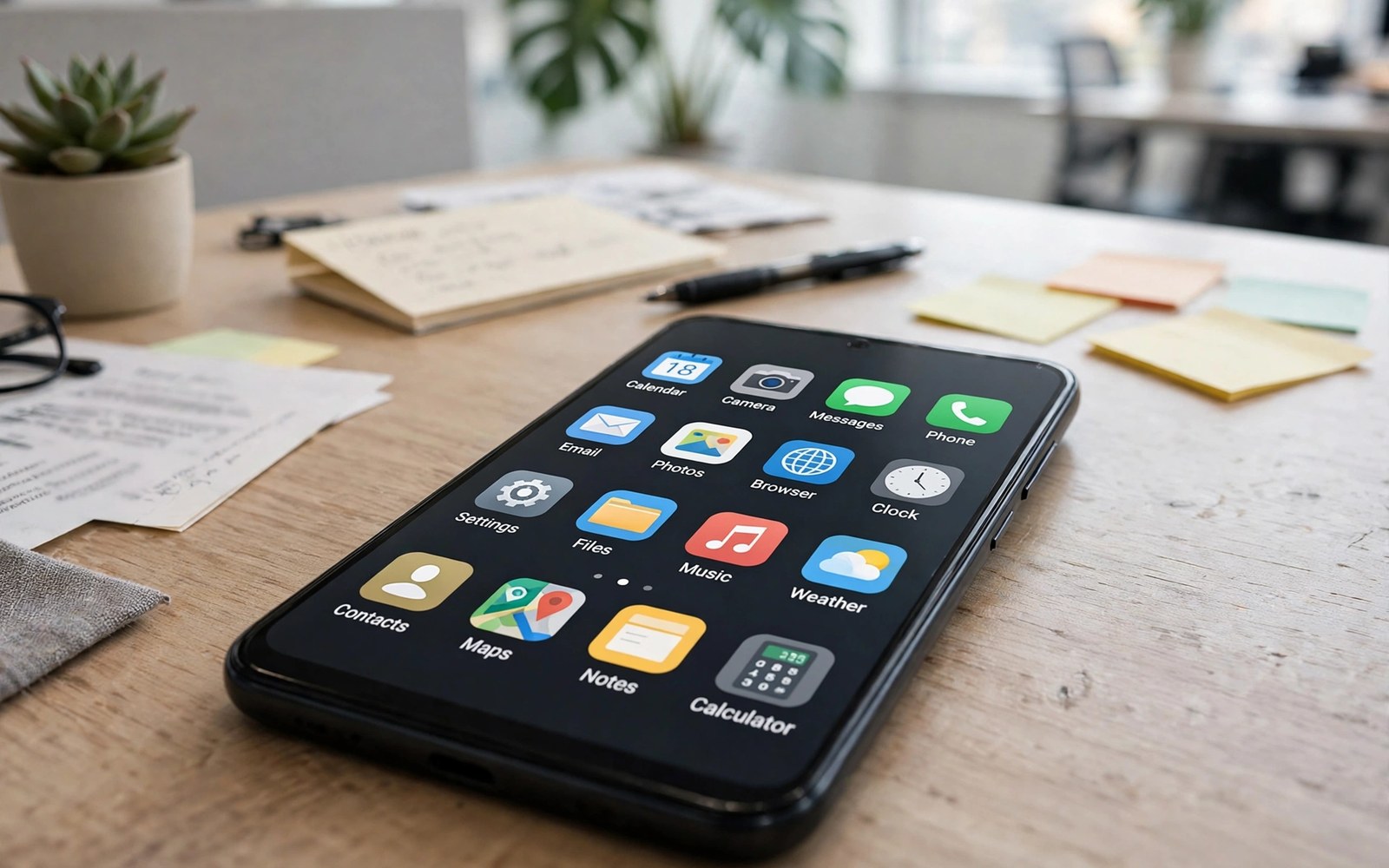
Choosing a phone today means judging 64-bit Android design with care. The keyphrase for this guide is 64-bit only Android architecture legacy apps. It shapes how we compare 64-bit Android phones in fair and practical terms. The shift to 64-bit only code cleans up old baggage. It also leaves some legacy apps behind.
In this guide you will learn what app compatibility and speed can tell you and what it cannot. We focus on running older apps on new phones because that is where differences show up. By the end you will know how to read a result with confidence.
Understanding 64-Bit Android Design
Think of app compatibility and speed as one clue among many. A strong clue still needs context. Heat and software tuning can change the outcome in real use. That detail matters for running older apps on new phones. It shapes how 64-bit Android phones feel in the hand. Small gains here add up over a full day.
Phone makers tune the same silicon in different ways. Cooling and software limits shape the final result. Two phones with similar chips can still feel different. Reviewers who skip this step miss real differences. They report peaks instead of lived experience. Readers deserve the fuller picture.
At its core 64-bit Android design is about balance. A chip can win one test yet lose the daily experience. That gap is why buyers should look past a single headline number. Software tuning can shift this result by a wide margin. One update can change heat behaviour. That is why fresh tests beat old charts.
Modern 64-bit Android phones pack many blocks into one small die. Each block handles a different job. Good design keeps those blocks fed with data without wasting power. Think about your longest session when you judge this. Short demos hide the weak points. Long sessions reveal them clearly.
Think of app compatibility and speed as one clue among many. A strong clue still needs context. Heat and software tuning can change the outcome in real use. A balanced result often beats a record result. Balance keeps the phone cool and steady. Steady phones age better in daily use.
What the Tests Measure
Testers should keep screen brightness and network state steady. Small changes can skew a result. That discipline separates a useful test from a noisy one. Think about your longest session when you judge this. Short demos hide the weak points. Long sessions reveal them clearly.
Look for median results rather than one best run. A median resists lucky spikes. It gives a fairer picture of 64-bit Android design. A balanced result often beats a record result. Balance keeps the phone cool and steady. Steady phones age better in daily use. Readers who want more detail can explore 5G modem efficiency next.
Good tests measure app compatibility and speed under repeatable conditions. They run the same task several times. They also record heat and battery drain alongside speed. Check the same point on two different phones. Direct comparison removes guesswork. It also shows how much tuning matters.
A short burst test shows peak power. A long test shows staying power. Both views matter for running older apps on new phones. That detail matters for running older apps on new phones. It shapes how 64-bit Android phones feel in the hand. Small gains here add up over a full day.
Testers should keep screen brightness and network state steady. Small changes can skew a result. That discipline separates a useful test from a noisy one. Reviewers who skip this step miss real differences. They report peaks instead of lived experience. Readers deserve the fuller picture.
Where It Matters in Daily Use
Camera and voice features lean on 64-bit Android design too. They run in the background while you use other apps. A balanced chip keeps them fast without slowing the phone. That detail matters for running older apps on new phones. It shapes how 64-bit Android phones feel in the hand. Small gains here add up over a full day.
In daily use 64-bit Android design shows up in small moments. Apps open faster when the pipeline is short. Scrolling stays smooth when frames arrive on time. Reviewers who skip this step miss real differences. They report peaks instead of lived experience. Readers deserve the fuller picture.
For running older apps on new phones the difference is easy to feel. Stutters break focus in a way that specs cannot capture. Smooth sustained output beats brief bursts of speed. Software tuning can shift this result by a wide margin. One update can change heat behaviour. That is why fresh tests beat old charts.
Battery life also reflects 64-bit Android design in daily use. An efficient design finishes tasks fast and then rests. That rest time saves energy across a long day. Think about your longest session when you judge this. Short demos hide the weak points. Long sessions reveal them clearly.
Camera and voice features lean on 64-bit Android design too. They run in the background while you use other apps. A balanced chip keeps them fast without slowing the phone. A balanced result often beats a record result. Balance keeps the phone cool and steady. Steady phones age better in daily use.
Mistakes to Avoid When You Compare Results
Another mistake is ignoring the test device. Cooling and software vary by phone. The same chip can score differently in two handsets. Think about your longest session when you judge this. Short demos hide the weak points. Long sessions reveal them clearly.
Buyers also overrate peak clock speed. Clocks fall fast under heat. Sustained behaviour matters more for running older apps on new phones. A balanced result often beats a record result. Balance keeps the phone cool and steady. Steady phones age better in daily use.
Do not compare scores across different test versions. Scoring rules change over time. Only compare results from the same test build. Check the same point on two different phones. Direct comparison removes guesswork. It also shows how much tuning matters.
The biggest mistake is trusting one total score. A total hides weak spots. Break the score into parts before you judge 64-bit Android phones. That detail matters for running older apps on new phones. It shapes how 64-bit Android phones feel in the hand. Small gains here add up over a full day.
Another mistake is ignoring the test device. Cooling and software vary by phone. The same chip can score differently in two handsets. Reviewers who skip this step miss real differences. They report peaks instead of lived experience. Readers deserve the fuller picture.
How to Test It Yourself
You can test 64-bit Android design with simple repeatable steps. Charge the phone and close background apps first. Run the same task three times and note each result. That detail matters for running older apps on new phones. It shapes how 64-bit Android phones feel in the hand. Small gains here add up over a full day.
Watch for heat during the test. A warm frame often precedes a speed drop. Note when the drop starts and how large it is. Reviewers who skip this step miss real differences. They report peaks instead of lived experience. Readers deserve the fuller picture. Readers who want more detail can explore mobile ray tracing next.
Record app compatibility and speed alongside battery change. That pairing shows efficiency in plain terms. A fast result that drains much power is not a clear win. Software tuning can shift this result by a wide margin. One update can change heat behaviour. That is why fresh tests beat old charts.
Repeat the test on a second day. Background updates can shift results. Stable results across days deserve more trust. Think about your longest session when you judge this. Short demos hide the weak points. Long sessions reveal them clearly.
You can test 64-bit Android design with simple repeatable steps. Charge the phone and close background apps first. Run the same task three times and note each result. A balanced result often beats a record result. Balance keeps the phone cool and steady. Steady phones age better in daily use.
What This Means When You Buy a Phone
Check reviews that test running older apps on new phones. Generic scores miss that context. Real task tests give a better buying signal. Think about your longest session when you judge this. Short demos hide the weak points. Long sessions reveal them clearly.
Think about long-term support as well. Updates keep a chip useful for years. A slightly slower phone with long support can be the smarter buy. A balanced result often beats a record result. Balance keeps the phone cool and steady. Steady phones age better in daily use.
When you buy a phone start from your own use. Gamers need sustained graphics power. Commuters need efficiency and strong signal handling. Check the same point on two different phones. Direct comparison removes guesswork. It also shows how much tuning matters.
Match 64-bit Android design to that use rather than to a ranking list. A top chip can be wasted on light use. A balanced chip can feel great for daily tasks. That detail matters for running older apps on new phones. It shapes how 64-bit Android phones feel in the hand. Small gains here add up over a full day.
Check reviews that test running older apps on new phones. Generic scores miss that context. Real task tests give a better buying signal. Reviewers who skip this step miss real differences. They report peaks instead of lived experience. Readers deserve the fuller picture.
Heat and Battery in Practice
A short burst test shows peak power. A long test shows staying power. Both views matter for running older apps on new phones. That detail matters for running older apps on new phones. It shapes how 64-bit Android phones feel in the hand. Small gains here add up over a full day.
Testers should keep screen brightness and network state steady. Small changes can skew a result. That discipline separates a useful test from a noisy one. Reviewers who skip this step miss real differences. They report peaks instead of lived experience. Readers deserve the fuller picture.
Look for median results rather than one best run. A median resists lucky spikes. It gives a fairer picture of 64-bit Android design. Software tuning can shift this result by a wide margin. One update can change heat behaviour. That is why fresh tests beat old charts.
Good tests measure app compatibility and speed under repeatable conditions. They run the same task several times. They also record heat and battery drain alongside speed. Think about your longest session when you judge this. Short demos hide the weak points. Long sessions reveal them clearly.
A short burst test shows peak power. A long test shows staying power. Both views matter for running older apps on new phones. A balanced result often beats a record result. Balance keeps the phone cool and steady. Steady phones age better in daily use.
Long-Term Value and Support
When you buy a phone start from your own use. Gamers need sustained graphics power. Commuters need efficiency and strong signal handling. Think about your longest session when you judge this. Short demos hide the weak points. Long sessions reveal them clearly.
Match 64-bit Android design to that use rather than to a ranking list. A top chip can be wasted on light use. A balanced chip can feel great for daily tasks. A balanced result often beats a record result. Balance keeps the phone cool and steady. Steady phones age better in daily use. Readers who want more detail can explore camera photo processing next.
Check reviews that test running older apps on new phones. Generic scores miss that context. Real task tests give a better buying signal. Check the same point on two different phones. Direct comparison removes guesswork. It also shows how much tuning matters.
Think about long-term support as well. Updates keep a chip useful for years. A slightly slower phone with long support can be the smarter buy. That detail matters for running older apps on new phones. It shapes how 64-bit Android phones feel in the hand. Small gains here add up over a full day.
When you buy a phone start from your own use. Gamers need sustained graphics power. Commuters need efficiency and strong signal handling. Reviewers who skip this step miss real differences. They report peaks instead of lived experience. Readers deserve the fuller picture.
Comparing Phones Side by Side
For running older apps on new phones the difference is easy to feel. Stutters break focus in a way that specs cannot capture. Smooth sustained output beats brief bursts of speed. That detail matters for running older apps on new phones. It shapes how 64-bit Android phones feel in the hand. Small gains here add up over a full day.
Battery life also reflects 64-bit Android design in daily use. An efficient design finishes tasks fast and then rests. That rest time saves energy across a long day. Reviewers who skip this step miss real differences. They report peaks instead of lived experience. Readers deserve the fuller picture.
Camera and voice features lean on 64-bit Android design too. They run in the background while you use other apps. A balanced chip keeps them fast without slowing the phone. Software tuning can shift this result by a wide margin. One update can change heat behaviour. That is why fresh tests beat old charts.
In daily use 64-bit Android design shows up in small moments. Apps open faster when the pipeline is short. Scrolling stays smooth when frames arrive on time. Think about your longest session when you judge this. Short demos hide the weak points. Long sessions reveal them clearly.
For running older apps on new phones the difference is easy to feel. Stutters break focus in a way that specs cannot capture. Smooth sustained output beats brief bursts of speed. A balanced result often beats a record result. Balance keeps the phone cool and steady. Steady phones age better in daily use.
What Comes Next
Expect tests to grow more honest too. Long runs and real tasks will replace short bursts. Buyers will gain a clearer view of 64-bit Android phones. Think about your longest session when you judge this. Short demos hide the weak points. Long sessions reveal them clearly.
The next step for 64-bit Android design is efficiency first. Gains will come from smarter scheduling. They will also come from better power gating. A balanced result often beats a record result. Balance keeps the phone cool and steady. Steady phones age better in daily use.
AI blocks will take a larger share of the die. They handle tasks that once needed the cloud. That shift makes local speed more valuable. Check the same point on two different phones. Direct comparison removes guesswork. It also shows how much tuning matters.
Cooling design will matter as much as silicon. Vapor chambers and graphite spread heat better. Better cooling protects sustained speed. That detail matters for running older apps on new phones. It shapes how 64-bit Android phones feel in the hand. Small gains here add up over a full day.
Expect tests to grow more honest too. Long runs and real tasks will replace short bursts. Buyers will gain a clearer view of 64-bit Android phones. Reviewers who skip this step miss real differences. They report peaks instead of lived experience. Readers deserve the fuller picture.
A Simple Test You Can Run
The short example below shows how to record and compare simple test numbers. You can adapt the values to your own phone and your own routine. Keep the test conditions steady so each run stays comparable.
arch = 'arm64'
print('Device architecture:', arch)
print('64-bit apps use modern registers')
print('Old 32-bit apps need a compatibility path')
The code above is a simple illustration only. It is meant to help you test one idea in a controlled way. You can change the values to match your own device and your own use.
Final Verdict
For most buyers 64-bit Android design should be judged by sustained results and efficiency. A strong peak score is a good start. It is not the full story for running older apps on new phones.
Use app compatibility and speed as a guide and pair it with real task tests. That habit will lead you to a phone that stays fast and cool. It will also help you avoid paying for speed you will never feel.

