

Acer Allegro: Is It the Right Phone for You? Review and Specs
This Acer Allegro review looks at a small, light handset from the early Windows Phone years, and it gives you the Acer Allegro full specifications and review for 2011 in one place. The Acer Allegro is a classic Windows Phone from a time when phone makers were still testing what a pocket computer should feel like, and this 2011 smartphone still draws interest from collectors and fans of early mobile design. If you are weighing up a second-hand buy, a shelf piece for a collection, or plain curiosity about how phones worked fifteen years ago, this guide will help you decide. The short answer is that the Acer Allegro Windows Phone 7.5 Mango phone review story is one of modest hardware, a clean tile interface, and honest limits, and the Acer Allegro release date November 2011 and price of about 140 EUR put it firmly in the affordable range of its day.
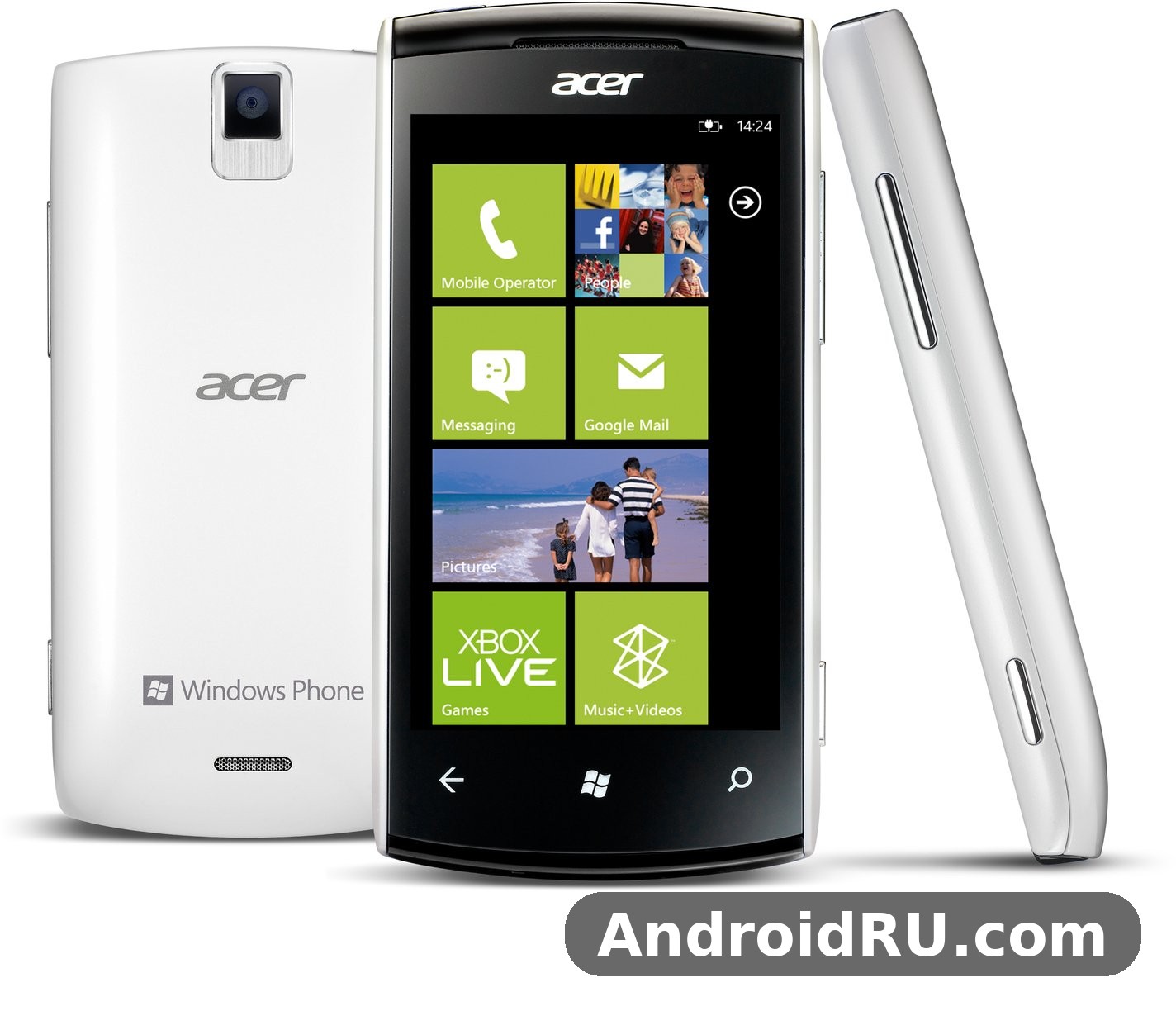
One fact matters more than any other here, so let us state it plainly at the start: this handset runs Windows Phone 7.5 Mango, not Android. It never ran Google software, it cannot run modern apps from today, and its tile-based home screen, People hub, and Office tools belong to Microsoft’s mobile platform of 2011. Keep that in mind as you read, because every strength and every limit in this review flows from that choice of operating system.
What Is the Acer Allegro?
The Acer Allegro, also sold under the model name Acer Allegro M310, was Acer’s first phone built on Microsoft’s Windows Phone platform. It arrived as a compact, friendly device aimed at buyers who wanted a smartphone without a large screen or a high price. The Acer Allegro M310 model number and other names explained in brief: the handset is listed in most spec sheets as the Allegro M310, and some retailers also used the name Acer W4, so if you see either name on a listing, you are looking at the same phone.
In an Acer Allegro vs other Windows Phone 7.5 handsets comparison, the Allegro stands out for its size rather than its speed. Rival handsets of the period often stretched past four inches, while the Allegro kept a 3.6-inch screen and a body that slipped easily into a jacket pocket. It was never a flagship, and Acer did not present it as one. It was a neat, affordable way into the Windows Phone world, with a bright screen, a simple camera, and the smooth tile interface that Microsoft was proud of at the time.
Windows Phone 7.5 Mango on a Compact Phone
Windows Phone 7.5, codenamed Mango, gave the Allegro live tiles, a People hub that pulled contacts and social updates into one place, and built-in Office apps for documents on the move. The interface felt calm and organised, with large type, sideways scrolling hubs, and a focus on content rather than rows of small icons. For buyers in 2011, that freshness was a real draw, and it is still the main reason collectors remember the phone fondly today.
Time has not been kind to the software side, though. The Windows Phone Marketplace of that era is long closed, and most services the phone once linked to have moved on. How to use Acer Allegro Windows Phone Mango today is therefore a question with a narrow answer: it works as a basic phone for calls and texts, a music player, a camera, and an offline organiser, but it cannot serve as a daily driver for modern messaging, banking, or maps. Treat it as a working piece of history, and it will not disappoint you.
Who Was It Built For?
Acer aimed the Allegro at first-time smartphone buyers, students, and anyone who found the big phones of 2011 too bulky. Its price, size, and simple interface made it an easy step up from a feature phone. The Acer Allegro discontinued status today means you will only find it second hand, and the Acer Allegro discontinued phone collector guide and value question comes down to condition: a clean, working example with its box and charger is worth more to a collector than a scuffed handset with a tired battery. This Acer Allegro overview keeps that collector angle in view, because for most readers in 2026 that is the realistic way to meet this phone.
Design and Display
The Acer Allegro design is simple and practical. A slightly curved back, a plain front with three capacitive keys below the screen, and a matte finish give it a tidy, unshowy look. It was compact and light at 126 grams, and that lightness is the first thing you notice when you pick it up after years of heavier glass phones.
Acer Allegro Display: Small Screen, Sharp Text
The Acer Allegro display is a 3.6-inch TFT panel, and the Acer Allegro 3.6 inch display resolution and screen quality story is better than the size suggests. At 480 by 800 pixels, text stays crisp, and the Acer Allegro 480 by 800 pixel screen sharpness for reading holds up well for messages, contacts, and short articles. Colours look lively for a TFT panel of its era, and the large type of the Windows Phone interface suits the small screen nicely.
Outdoor visibility is average rather than great, and viewing angles narrow when you tilt the phone, which was normal for TFT screens in 2011. There is no high refresh rate and no always-on display, and nobody should expect either from a phone of this age. What you get is a clear, readable screen that fits the phone’s modest ambitions.
Acer Allegro Colours and Finish
The Acer Allegro colors were black and white, and the Acer Allegro black and white colour options compared side by side show two different characters: black looks neat and businesslike, while white looks fresh and stands out in a collection. Both versions share the same matte plastic back, which resists fingerprints better than the glossy finishes that were common at the time.
Acer Allegro Size in the Hand
The Acer Allegro compact design weight dimensions and build add up to a phone that is easy to hold and easy to carry. The Acer Allegro 116 by 59 by 13 mm size in hand feels chunky by modern standards, at 13 mm thick, yet the narrow 59 mm width means most hands can reach across the whole screen with one thumb. The Acer Allegro dimensions of 116 by 59 by 13 mm and the Acer Allegro weight of 126 grams make it a true pocket phone, and the Acer Allegro 126 gram lightweight pocket friendly phone design is one of its best surviving qualities.
Performance and Memory
Acer Allegro performance was respectable for an affordable Windows Phone in 2011, because Microsoft’s platform was light on resources and ran well on modest chips. The phone feels quick when you swipe between tiles, open the People hub, or scroll through a short list of messages, and it rarely stumbles on the basic tasks it was built for.
Acer Allegro Snapdragon S2 Power
At the heart of the phone sits the Qualcomm MSM8255 Snapdragon S2, a chip that GSMArena lists for this model, with a single-core 1.0 GHz Scorpion CPU and Adreno 205 graphics. The Acer Allegro Snapdragon S2 processor performance and speed were fine for the Mango interface, and the Acer Allegro 1 GHz single core Scorpion CPU daily performance covers calls, texts, email, music, and light web browsing without drama. The Acer Allegro Adreno 205 graphics performance for casual games handles the simple titles of its era, though heavy 3D games and long sessions will show the limits of a single-core chip from 2011. It was single-core 1.0 GHz processor hardware, and that sets the ceiling for everything else.
The Acer Allegro Snapdragon name is worth getting right when you shop for one, because the plain MSM8255 is the chip GSMArena records for this handset. Some early reports mentioned a faster variant, but the verified spec sheet lists the standard MSM8255 Snapdragon S2, so judge the phone on that chip and you will not be misled.
Memory and Storage Limits
The Acer Allegro memory setup pairs 512 MB of RAM with 8 GB of internal memory, and the Acer Allegro 512 MB RAM and 8 GB internal memory figure shaped how owners used the phone. Half a gigabyte of RAM was the standard allowance for Windows Phone 7.5 handsets, and the system ran smoothly within it, but there was little room for heavy multitasking by later standards.
The bigger limit is the lack of expansion. The Acer Allegro no microSD card slot limitations explained in plain terms: what you see is what you get, and 8 GB has to hold the system, your apps, your music, and your photos together. Owners in 2011 learned to keep music libraries small and to move photos off the phone regularly. For a collector today, 8 GB is plenty for a working exhibit, but it rules out any idea of using the Allegro as a media library.
Camera and Audio
The Acer Allegro camera is a single 5 megapixel unit on the back with autofocus, and the Acer Allegro 5 megapixel camera photo quality and video results are fair for a budget phone of 2011. In good daylight, photos show decent colour and enough detail for small prints and screen viewing, and the autofocus helps with close subjects. Indoors and in low light, expect soft detail and visible noise, which was normal for phone cameras of that year. The Acer Allegro 5MP shooter records video too, though it will not match the steady, sharp clips that modern phones produce without effort.
There is no front camera, so selfies and video calls were never part of this phone’s job. That absence tells you a lot about 2011: front cameras were still a premium feature, and a budget handset could skip one without raising eyebrows. If you buy one today, judge the camera as a fun extra for a retro photo walk, not as a tool for daily photography.
Sound and the Headphone Jack
Sound is straightforward and practical. A loudspeaker on the back handles ringtones and speaker calls, and the Acer Allegro 3.5 mm headphone jack audio playback features cover wired headphones and the MP3, WAV, WMA, and eAAC+ formats the phone supports. The 3.5 mm jack sits on the top edge, a placement that feels natural when the phone is in a pocket with the cable running up to your ears. Audio quality through headphones is clean enough for music and podcasts, and the phone doubles as a small offline music player once you load a few albums onto its 8 GB of memory.
Battery Life and Connectivity
The Acer Allegro battery is a removable Li-Ion 1300 mAh cell, and the Acer Allegro 1300 mAh battery life and talk time figures from GSMArena quote up to six hours of talk time. The Acer Allegro talk time up to six hours on HSPA was a fair result for a small phone in 2011, and light users could often get through a full day on a charge. Heavy use of Wi-Fi, GPS, or the camera would shorten that, as it did on every phone of the period.
Because the battery comes out, the Acer Allegro removable battery replacement guide for beginners is short: power the phone off, lift the back cover, swap the cell for a fresh compatible one, and press the cover back on. That simple swap is a real advantage for collectors, since a tired battery is the most common fault in a phone of this age, and a replacement can bring a dead-looking handset back to life. Always use a battery made for this model, and check the contacts are clean before you close the cover.
Connections and Sensors
The Acer Allegro WiFi Bluetooth GPS connectivity features explained here show a solid mid-range set for 2011. Wi-Fi 802.11 b/g/n covers home and office networks, Bluetooth 2.1 with A2DP handles wireless headsets of the era, GPS with A-GPS supports location and maps, and microUSB 2.0 handles charging and file transfer. The Acer Allegro connectivity list also includes DLNA for sharing media with a TV or PC, plus a Mini-SIM slot and a 3.5 mm headphone jack.
The Acer Allegro microUSB charging port and cable compatibility is simple, since standard microUSB cables of the period fit, and the Acer Allegro Mini SIM card slot location and setup sits under the back cover beside the battery, so you will need to remove the cover to fit a Mini-SIM. Note that modern nano-SIM cards need an adapter, and that 3G-only data means the phone cannot use 4G or 5G networks. The Acer Allegro accelerometer compass proximity sensor functions explained in brief: the accelerometer turns the screen as you rotate the phone, the compass supports map orientation, and the proximity sensor switches the display off when you hold the phone to your ear.
Full Specifications
This Acer Allegro specs table gathers the verified details in one place, so you can check any figure at a glance. The Acer Allegro price at launch was about 140 EUR, and the Acer Allegro release was in November 2011, after an October 2011 announcement. The Acer Allegro 2011 launch makes it one of the early Mango handsets, and the Acer Allegro Mango software is the Windows Phone 7.5 release that defines the whole experience.
| Feature | Acer Allegro Detail |
|---|---|
| Model | Acer Allegro M310, also known as Acer W4 |
| Announced | October 2011 |
| Released | November 2011 |
| Status | Discontinued |
| Operating system | Microsoft Windows Phone 7.5 Mango |
| Chipset | Qualcomm MSM8255 Snapdragon S2 |
| CPU | 1.0 GHz single-core Scorpion |
| GPU | Adreno 205 |
| RAM | 512 MB |
| Internal memory | 8 GB, no microSD card slot |
| Display | 3.6-inch TFT, 480 x 800 pixels, about 259 ppi |
| Main camera | 5 MP with autofocus, video recording |
| Front camera | No |
| Battery | Removable Li-Ion 1300 mAh, talk time up to 6 hours |
| Dimensions | 116 x 59 x 13 mm |
| Weight | 126 g |
| SIM | Mini-SIM |
| Network | GSM and HSPA, no 4G |
| Wi-Fi | Wi-Fi 802.11 b/g/n, DLNA |
| Bluetooth | 2.1 with A2DP and EDR |
| Positioning | GPS with A-GPS |
| USB | microUSB 2.0 |
| Audio | Loudspeaker, 3.5 mm headphone jack |
| Sensors | Accelerometer, proximity, compass |
| NFC | No |
| FM radio | No |
| Colours | Black, White |
| Launch price | About 140 EUR |
Pros and Cons
Every classic phone is a mix of charm and compromise, and the Allegro is no exception. The pros are its compact size, its light weight, its clean Mango interface, its removable battery, and its honest budget price at launch. The cons are its small 8 GB of memory with no expansion, its single-core chip, its lack of a front camera, its 3G-only network, and its closed app world today. Weigh those two lists against what you actually want from the phone, and the answer usually becomes clear.
For a collector, the pros carry more weight than the cons, because the phone is bought to be kept, shown, and switched on now and then. As an Acer Allegro phone from the Mango era, its appeal is historical rather than practical. Any Acer Allegro collector will value a clean example, and the Acer Allegro features that matter most to collectors are the original battery cover, the working screen, and the untouched Mango software. For someone looking for a daily phone, the cons dominate, because modern messaging, maps, and banking simply do not live on this platform any more. That split is the heart of the Acer Allegro verdict, and it is worth keeping in mind through the rest of this guide.
Who Should Consider It?
The Acer Allegro verdict depends on why you want it. Collectors of early Windows Phone handsets will enjoy it, fans of small phones will like its pocket size, and anyone building a shelf of 2011 devices will find it a tidy, affordable addition. It also suits a retro photo walk or a weekend experiment with Mango, where its limits become part of the fun rather than a frustration.
It does not suit buyers who need a daily phone, parents looking for a first phone for a child, or anyone who relies on current apps and fast mobile data. The Acer Allegro Windows Phone Marketplace apps and limitations today mean you cannot install the apps that modern life expects, and the 3G-only radio limits where the phone can even connect. Where to find Acer Allegro second hand in good condition is the practical next question for interested buyers: check specialist second-hand listings, auction sites, and collector forums, ask for photos of the screen and battery cover, and confirm the phone powers on before you pay.
If you like Acer hardware from this era, you may also want to look at related models such as the Acer Iconia Tab A510 Overview: Review, Audio and Complete Specifications, the Acer Liquid Express E320 Complete Specifications: Every Detail, From Battery Life to Audio, the Acer Iconia Tab A511 Specifications, Review and Verdict: Is It Worth It?, the Acer Iconia Tab A501 Specifications and Detailed Overview: Build Quality Explained, and the Acer Iconia Tab A700 Detailed Overview: Screen Quality, Performance and What to Expect. Those pages cover Acer tablets and phones from the same period, and they give useful context for how the Allegro sat beside its stablemates.
Frequently Asked Questions
Is the Acer Allegro still worth buying in 2026?
It is worth buying as a collector piece or a retro experiment, but not as a daily phone. The Acer Allegro comparison with any modern budget phone ends quickly on apps, network speed, and camera quality, yet as a piece of Windows Phone history it still has charm, and clean examples are affordable. Buy it for what it is, a working classic, and you will enjoy it.
Does the Acer Allegro run Android?
No. The Acer Allegro runs Microsoft Windows Phone 7.5 Mango, and it never ran Android at any point. Its interface, apps, and services all belong to the Windows Phone platform, which is why its software world feels so different from the phones most people use today.
When was the Acer Allegro released?
The Acer Allegro was announced in October 2011 and released in November 2011. That launch date places it among the first wave of Windows Phone 7.5 Mango handsets, and it explains both its hardware choices and its affordable launch price of about 140 EUR.
Does the Acer Allegro have a microSD card slot?
No, it does not. The phone has 8 GB of internal memory and no card slot, so you cannot expand its memory with a card. Owners need to manage that 8 GB carefully, keeping only the music, photos, and apps they truly need on the handset.
Acer Allegro: Is It the Right Phone for You? Review and Specs comes down to a simple test: if you want a small, light, working piece of Windows Phone history, this 2011 handset earns its place, and if you want a phone for modern daily life, it does not. Its compact body, its Mango tiles, and its removable battery still tell the story of a hopeful moment in mobile design, and that story is worth preserving. It was discontinued and hard to find new, so a careful second-hand buy is the way in, and a clean example will reward you every time you switch it on.

