

POCO M3 Review: Build Quality, Battery and Daily Use
The POCO M3 arrived on 27 November 2020, three days after its announcement on 24 November 2020, and it quickly became known as the budget phone with the giant battery. This POCO M3 review build quality and daily use guide looks at what the phone is like to live with years after launch, from the textured back panel to the 6000mAh cell that defines it. The POCO M3 specs place it firmly in the budget class, yet several choices, including stereo speakers and a 48MP main camera, were unusual for the price at the time.
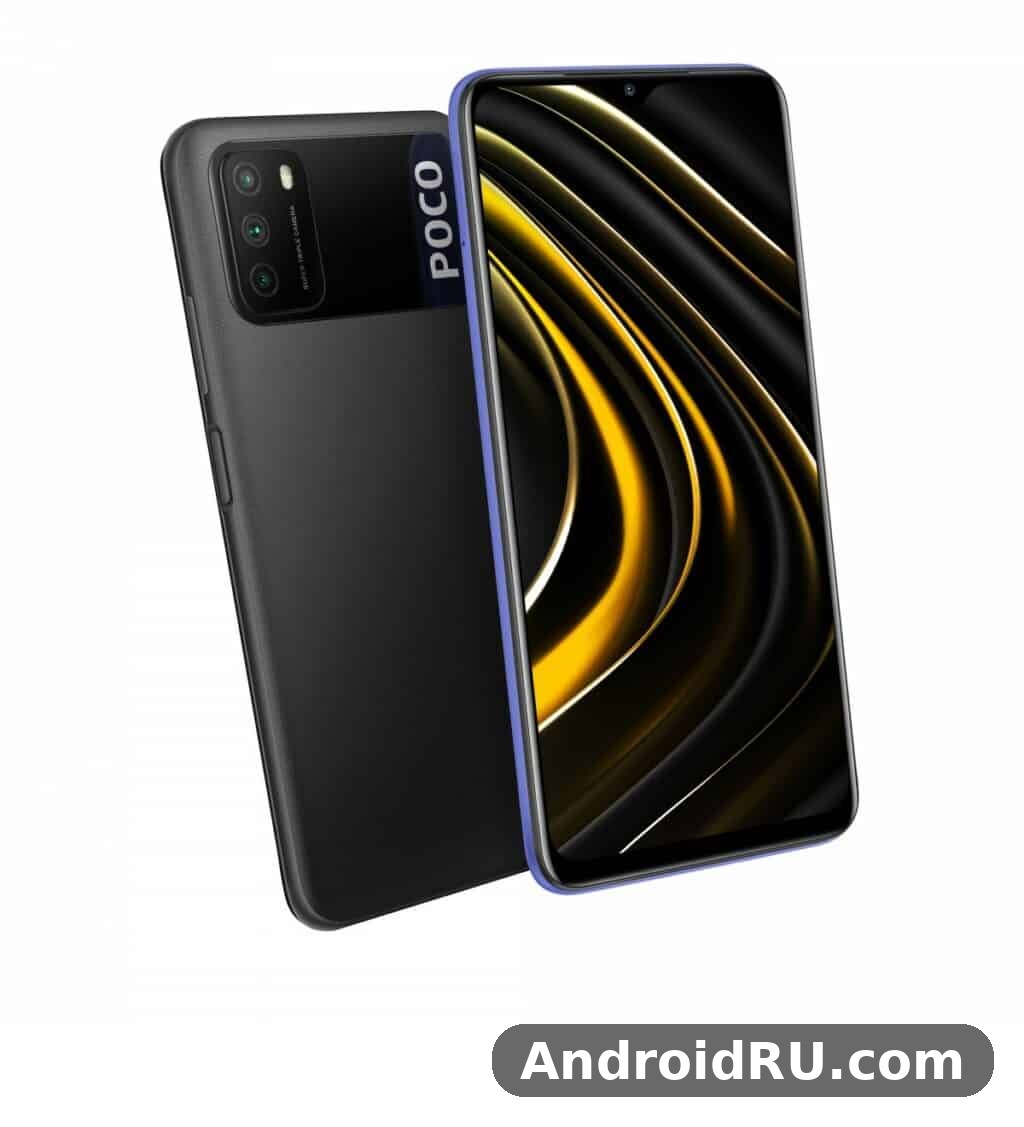
POCO M3 price and value for money in 2026 depend on what you pay for a used or remaining-new unit, because the phone launched at about 130 EUR and now sells far below that on the second-hand market. At that level the POCO M3 value is still easy to see for buyers who want long battery life, a large screen and a headphone jack, while buyers who want 5G, NFC or fast charging should look elsewhere. The sections below cover design, display, performance, cameras, battery and everyday features, followed by the full table of POCO M3 full specifications and key features.
Design and Build Quality
POCO M3 design is the most distinctive part of the phone, and it is the first thing most owners mention. The back panel uses a textured finish that looks and feels like leather, the camera module sits in a wide black strip across the top, and the POCO name is printed in very large letters down the side of that strip. It is a loud design, and that is clearly the point: this phone was made to be recognised at a glance rather than to blend in.
Leather-Like Back and the Large POCO Logo
The POCO M3 leather like back panel design review starts with the material itself. The rear is plastic with a fine grained texture that imitates leather, so it resists fingerprints far better than a glossy glass back and it gives the fingers something to grip. A large POCO logo runs vertically beside the camera strip, and the contrast between the textured panel and the smooth black strip is what gives the phone its character. POCO M3 yellow black blue colour options compared side by side, the yellow version is the boldest, the black version is the most restrained, and the blue version sits between the two.
The POCO M3 yellow colour option stands out in a crowd and shows the texture best, while the POCO M3 black option hides wear and smudges more easily. The POCO M3 blue option, sold as Cool Blue, is the calmest of the three and suits buyers who like the design but want a quieter colour. POCO M3 cases are easy to find because the phone sold in large numbers, and a simple case protects the textured back without hiding the camera strip completely. The frame is plastic, the front is glass, and the whole package feels solid rather than hollow, which matters for a phone that weighs close to 200 grams.
Size, Weight and In-Hand Feel
The POCO M3 dimensions are 162.3 x 77.3 x 9.6 mm, so this is a tall and fairly thick phone, and the 9.6 mm thickness is the price of the large battery inside. The POCO M3 weight is 198 grams, which is heavy for a budget phone but not unusual for a device with a 6000mAh cell. POCO M3 weight 198 grams one hand use is possible for short tasks, but most owners will hold it with two hands for typing and use a finger rest or a case with grip for longer sessions. POCO M3 durability is helped by the plastic back, which does not shatter the way glass does, and by the Gorilla Glass 3 on the front, which resists light scratches from keys and coins in a pocket.
Display
POCO M3 display measures 6.53 inches across the diagonal, and it is an IPS LCD panel with a Full HD+ resolution of 1080 x 2340 pixels. The 19.5:9 ratio makes the screen tall and narrow enough to hold, and the pixel density of about 395 ppi keeps text sharp at normal reading distance. Colours are natural rather than saturated, which suits reading and video, and the panel is protected by Corning Gorilla Glass 3.
Brightness, Colour and Outdoor Visibility
The POCO M3 6.53 inch display review and brightness section is where expectations need to be set honestly. The panel is rated at 400 nits typical brightness, and published measurements put the maximum at around 439 nits, so it is usable outdoors on a cloudy day but it can struggle in direct sunlight. Indoors the brightness is fine for reading, browsing and video, and the contrast ratio of about 1567:1 gives dark scenes reasonable depth for an LCD. There is no high refresh rate here, so scrolling is standard 60 Hz, and there is no always-on display, which is normal for an LCD panel at this price.
Gorilla Glass 3 Protection
POCO M3 Gorilla Glass 3 protection and durability cover the front glass, and the glass helps the screen survive the small knocks of daily use. It will still scratch if it meets sand or a sharp metal edge, so a screen protector remains a sensible addition, and a case with a raised edge keeps the glass off flat surfaces. The protection is a genuine plus at this price, because many rivals in the same class shipped with unbranded glass or no stated protection at all.
Performance and Software
POCO M3 performance is built around the Qualcomm Snapdragon 662, an 11 nm octa-core chip with four Kryo 260 Gold cores at up to 2.0 GHz, four Kryo 260 Silver cores at up to 1.8 GHz, and an Adreno 610 GPU. The chip was a familiar mid-range part when the phone launched, and in 2026 it reads as a basic everyday chip: quick enough for calls, messaging, browsing and video, but not a chip for heavy multitasking or demanding games. The POCO M3 Snapdragon 662 performance for everyday apps is smooth when the phone is kept tidy, with apps opening without long waits and the interface responding promptly to taps and swipes.
Snapdragon 662 in Everyday Use
In normal use the Snapdragon 662 handles social apps, email, maps, music and video playback without drama, and the published AnTuTu score of about 177,904 reflects that modest but usable level of power. Switching between a few apps is fine, and the phone keeps up with web pages that are heavy with images, although very large pages can take a moment to settle. Readers who compare this phone with its successor should note the POCO M3 vs POCO M3 Pro 5G differences explained in simple terms: the Pro adds 5G and a faster chip, while the standard M3 keeps the bigger battery and the lower price. For a closer look at the newer model, see POCO M3 Pro 5G Review: Daily Use, Software and Battery Life.
Multitasking with 4GB and 6GB RAM
POCO M3 RAM and storage options 4GB 6GB give buyers a real choice, and the choice matters more than it looks on paper. POCO M3 RAM comes in 4GB and 6GB versions, and the 6GB version holds more apps in memory, so switching back to a browser or a map app is less likely to force a reload. The 4GB version is fine for light users who run one or two apps at a time, but heavy users who keep many apps open will feel the difference, and the 6GB version is the one to pick when both are available at a similar price.
Storage Speed and Expandable Memory
POCO M3 storage comes in 64GB and 128GB versions, with the 128GB version using UFS 2.2 and the 64GB version using UFS 2.1, which is a detail worth knowing before buying. The 128GB version loads large apps a little faster, and it leaves far more room for photos, offline video and games. POCO M3 microSD card slot expandable storage support is present through a dedicated slot, so storage can be expanded without giving up the second SIM, and that dedicated slot is a practical advantage over phones that force a choice between a second SIM and a memory card.
Gaming on the POCO M3
POCO M3 gaming is possible at modest settings, and that is the honest way to describe it. The Adreno 610 GPU runs light games smoothly and handles popular titles at low to medium settings, and the large screen and stereo speakers help the experience more than the raw frame rate does. POCO M3 gaming performance PUBG Mobile settings should be kept at smooth graphics with a balanced frame rate for the steadiest result, because pushing the graphics higher leads to heat and frame drops in longer sessions. The 6000mAh battery is a real help here, because a long gaming session drains far less of the day than it would on a phone with a smaller cell.
Software: Android 10 and MIUI 12
POCO M3 software shipped as Android 10 with MIUI 12, and the POCO M3 Android 10 MIUI 12 software experience is typical of Xiaomi phones from that period, with a large set of features, a busy notification shade and plenty of preinstalled apps. POCO M3 Android 10 is the launch version, so buyers in 2026 should expect an older Android base and check the exact version on the unit they buy. POCO M3 MIUI 12 brings features such as a system-wide dark mode, gesture navigation and a control centre, and the interface can be tidied up by removing unwanted apps and turning off suggestions. POCO M3 update support is now limited, so the phone should be judged on the software it already has rather than on updates that may never arrive.
Cameras
POCO M3 camera setup is built around a 48MP main sensor, and it is supported by a 2MP macro camera and a 2MP depth sensor, with an 8MP front camera for selfies and video calls. There is no ultrawide camera and no 4K video, so the phone keeps its camera system simple and puts the budget into the main sensor. For everyday photos in good light that is a reasonable trade, and the results are generally pleasant for sharing online.
Main Camera: 48MP in Daylight
The POCO M3 48MP camera quality in daylight photos is the strongest part of the camera system. The 48MP sensor uses an f/1.8 lens with phase detection autofocus, and in bright conditions it produces detailed images with natural colours and decent dynamic range. Photos hold up well on a phone screen and on social apps, and the HDR mode helps when a scene mixes bright sky with darker foreground. Readers who want a comparison with a related budget model can read POCO M2 Pro Review: Everyday Speed, Cameras and Value, which covers a similar class of camera at a similar price.
Macro, Depth and Portrait Mode
The POCO M3 macro camera 2MP close up photos are a mixed bag, because the small sensor needs plenty of light and a very steady hand to produce a usable close-up. When the light is good it can capture the texture of a flower or a coin, but the fixed focus and low resolution mean the results are best viewed small. The POCO M3 depth sensor portrait mode bokeh effect works by separating the subject from the background, and portraits taken in good light show a soft background blur that flatters people shots. The effect can blur an edge of hair or glasses if the light is poor, so portraits are best taken outdoors or near a window.
Selfie Camera
POCO M3 selfie results are solid for the class, with the 8MP front camera producing clear images for video calls and social posts. The POCO M3 selfie camera 8MP photo quality review in plain terms is that faces look natural in good light, skin tones are handled gently, and the camera keeps detail well enough for profile pictures. In low light the front camera softens detail and adds noise, which is normal for an 8MP sensor without a flash, and video from both front and rear cameras is limited to 1080p at 30 frames per second.
Battery Life and Charging
POCO M3 battery capacity is 6000mAh, and the battery is the main reason many buyers chose this phone over its rivals. The cell is a lithium-polymer unit, and it is paired with 18W wired charging and 2.5W reverse wired charging, so the phone can also share a little power with another device. A two-day battery life is a realistic expectation for moderate users, which changes how the phone fits into a daily routine: charging becomes something to do every second night rather than every night.
How Long the 6000mAh Battery Lasts
POCO M3 battery life with 6000mAh capacity is the headline figure, and the published endurance rating of 154 hours backs it up. In practice that rating translates into two days of mixed use with calls, messaging, browsing, maps and video, and lighter users can stretch it further, while heavy video streaming and gaming will bring it down to a long single day. The POCO M3 battery endurance rating 154 hours explained in simple terms means the phone was measured to last that long across a mixed pattern of calls, web browsing and video playback on a single charge, so real results will vary with screen brightness, signal strength and how many hours the screen stays on.
18W Charging and Reverse Charging
POCO M3 charging is capped at 18W wired, and the POCO M3 charging time with 18W fast charging is slow by modern standards, because a full charge of the 6000mAh cell takes well over two hours from empty. That is the trade for the huge capacity: the phone lasts a long time, but it also takes a long time to refill, so overnight charging is the most convenient habit. The POCO M3 reverse charging 2.5W power bank feature lets the phone share charge with earphones or another phone through a cable, and while 2.5W is slow, it is enough to top up a small accessory in an emergency. A charger is included in the box, which is worth noting because many newer phones no longer include one.
Everyday Features and Sound
POCO M3 features include several extras that budget buyers notice in daily use, and they help explain why the phone stayed popular after launch. Stereo sound from dual speakers is the first of them, and it changes video watching more than any single specification on paper. The list covers sound, security, ports and small tools, and most of them work without any setup, so they add value from the first day.
Stereo Speakers and Audio
POCO M3 speakers are a genuine stereo pair, with one speaker at the bottom and the earpiece acting as the second channel, and that layout makes video and games sound wider than a single bottom speaker. The POCO M3 stereo speakers sound quality test in plain terms is that voices are clear, music has reasonable body for a phone, and the maximum volume is loud enough for a quiet room. POCO M3 audio is rounded out by a 3.5mm headphone jack with 24-bit and 192kHz high-resolution audio support, so wired earphones and headphones work without an adapter. The POCO M3 headphone jack and FM radio features also deserve a mention, because the FM radio works with wired earphones as an antenna and gives the phone a free source of radio without using mobile data.
Fingerprint Reader, Ports and Connectivity
The POCO M3 fingerprint reader sits on the side of the phone, built into the power button, and the POCO M3 fingerprint sensor side mounted location is easy to reach with a thumb on the right hand. POCO M3 fingerprint unlocking is fast once the finger is registered, and the side position avoids the smudges that an in-display reader can suffer from, although a case with a thick edge can make the button slightly harder to find by touch. The POCO M3 USB Type C port and OTG support cover charging and accessories, so the phone can connect to a flash drive or a keyboard with a suitable adapter. POCO M3 dual SIM Nano SIM slots explained briefly: the phone takes two Nano-SIM cards plus a separate microSD card, so a traveller can keep a home SIM and a local SIM while still expanding storage. POCO M3 infrared blaster remote control use is another small extra, because the IR port on the top edge lets the phone act as a remote for a television or air conditioner with the right app. The question of the POCO M3 no NFC what it means daily is simple: the phone cannot make tap-to-pay payments or tap to pair with some accessories, so buyers who rely on contactless payment should choose a different model. For a related 5G model in the same family, see POCO M4 5G Review: App Performance and Camera Quality.
Full Specifications
The table below brings together the POCO M3 full specifications and key features in one place, so the details from the review above can be checked at a glance. The figures cover the launch configuration of Android 10 with MIUI 12 for model numbers M2010J19CG and M2010J19CI.
At a Glance
The POCO M3 specs at a glance show a phone built around battery life and a large screen, with a Snapdragon 662 chip, 4GB or 6GB of RAM, and 64GB or 128GB of storage. The camera, display and battery figures below are the ones that matter most when comparing this phone with other budget models from the same year.
| Item | Specification |
|---|---|
| Launch | Announced 24 November 2020; Released 27 November 2020 |
| Body | 162.3 x 77.3 x 9.6 mm; 198 g; glass front with Gorilla Glass 3, plastic back, plastic frame; dual Nano-SIM |
| Display | 6.53-inch IPS LCD, 1080 x 2340 pixels, 19.5:9, about 395 ppi, 400 nits typical, Gorilla Glass 3 |
| Platform | Android 10, MIUI 12; Qualcomm Snapdragon 662 (11 nm); octa-core 4×2.0 GHz Kryo 260 Gold and 4×1.8 GHz Kryo 260 Silver; Adreno 610 |
| Memory | 4GB / 6GB RAM; 64GB / 128GB storage; UFS 2.1 (64GB), UFS 2.2 (128GB); dedicated microSDXC slot |
| Main Camera | Triple: 48MP, f/1.8, wide, PDAF; 2MP macro; 2MP depth sensor; LED flash, HDR, panorama; video 1080p at 30fps |
| Selfie Camera | 8MP, f/2.1, wide; panorama; video 1080p at 30fps |
| Sound | Dual speakers; 3.5mm headphone jack; 24-bit/192kHz audio |
| Comms | Wi-Fi 802.11 a/b/g/n/ac, dual-band, Wi-Fi Direct; Bluetooth 5.0; GPS, GLONASS, BDS, GALILEO; no NFC; infrared port; FM radio; USB Type-C 2.0, OTG |
| Features | Side-mounted fingerprint reader; accelerometer, proximity, compass |
| Battery | Li-Po 6000mAh; 18W wired charging; 2.5W reverse wired charging |
| Colours | Cool Blue, Poco Yellow, Power Black |
| Models | M2010J19CG, M2010J19CI |
Pros and Cons
No phone in this class is perfect, and the POCO M3 is best judged by weighing its long battery life and practical extras against its slow charging and missing features. The summary below keeps both sides in view.
What We Like
- 6000mAh battery with two-day use for moderate owners
- Large 6.53-inch Full HD+ display with Gorilla Glass 3
- Stereo speakers and a 3.5mm headphone jack
- 48MP main camera that performs well in daylight
- Dedicated microSD slot alongside dual SIM
- Distinctive leather-like back with a large POCO logo
What Could Be Better
- 18W charging is slow for a 6000mAh battery
- No 5G and no NFC
- No ultrawide camera and no 4K video
- Display brightness is modest in direct sunlight
- Android 10 base is now old, with limited update support
- 198 g weight and 9.6 mm thickness feel heavy in one hand
POCO M3 problems that owners mention most often are the slow charging, the absence of NFC, and occasional lag in MIUI when many apps are open at once. None of these is a defect in a single unit, and all of them are trade-offs that follow from the price, but buyers should know them before choosing the phone. A comparison with the earlier budget model can help set expectations: POCO M2 Review: Display, Cameras and Budget Trade-Offs.
Frequently Asked Questions
The questions below cover the points buyers ask about most often, from value in 2026 to charging, 5G and NFC.
Is the POCO M3 still worth buying in 2026?
It can be worth buying in 2026 as a cheap second phone or a backup, provided the price is low and the battery is still healthy. POCO M3 price and value for money in 2026 look best when the phone costs far less than a new budget model, because the 6000mAh battery, large screen and stereo speakers still work well for calls, video and browsing. POCO M3 long term use after five years shows the usual signs of age, including an older Android version and a battery that may hold less charge than when new, so a buyer should check battery health and the software version before paying. For a newer budget option in the same family, see POCO C75 Review: App Performance and Camera Quality.
How good is the POCO M3 battery life?
The battery life is the best feature of the phone, with two days of moderate use a realistic result and a published endurance rating of 154 hours. Heavy users who stream video or play games for hours will still get through a full day, and light users can reach a third day with careful use. The 18W charging is the weak point, because refilling the large cell takes well over two hours.
Does the POCO M3 support 5G?
No, the POCO M3 is a 4G LTE phone, and the Snapdragon 662 does not include a 5G modem. Mobile data runs on GSM, HSPA and LTE bands, which is enough for browsing, streaming and calls, but buyers who want 5G should look at the POCO M3 Pro 5G or a newer model instead.
Does the POCO M3 have NFC?
No, the POCO M3 does not have NFC, so it cannot be used for tap-to-pay in shops or for fast pairing with accessories that need NFC. That is one of the clearest trade-offs in the specification, and it is worth checking before buying if contactless payment matters to you.
What is the POCO M3 price and which version should you choose?
The launch price was about 130 EUR, and used prices in 2026 are much lower, so the exact price depends on condition, storage and the seller. The 6GB RAM and 128GB storage version is the better pick when the price gap is small, because it keeps more apps in memory and uses faster UFS 2.2 storage, while the 4GB and 64GB version suits light users who mainly call, message and browse.
Taken as a whole, this POCO M3 Review: Build Quality, Battery and Daily Use points to a phone that trades speed and modern extras for battery life, a large screen and a distinctive design. That trade still makes sense for buyers who charge overnight, want two days between charges, and value a headphone jack, stereo speakers and a dedicated memory card slot over 5G and NFC.

