

POCO M2 Pro Review: Everyday Speed, Cameras and Value
The POCO M2 Pro arrived in India in July 2020 as a practical mid-range phone with a clear brief: give buyers a fast chipset, a big battery, a large screen and four rear cameras without pushing the price into flagship territory. The poco m2 pro launch took place online in July 2020, the phone was announced on 7 July 2020 and released on 14 July 2020, going on sale through Flipkart, and the poco m2 pro india launch focused on value from the first day. The poco m2 pro price in india 4gb 64gb variant started at Rs 13,999 at launch, with the 6GB RAM versions priced higher. That launch price set the tone for everything that followed, because this phone was judged from day one on value, and it still makes sense to judge it that way now.
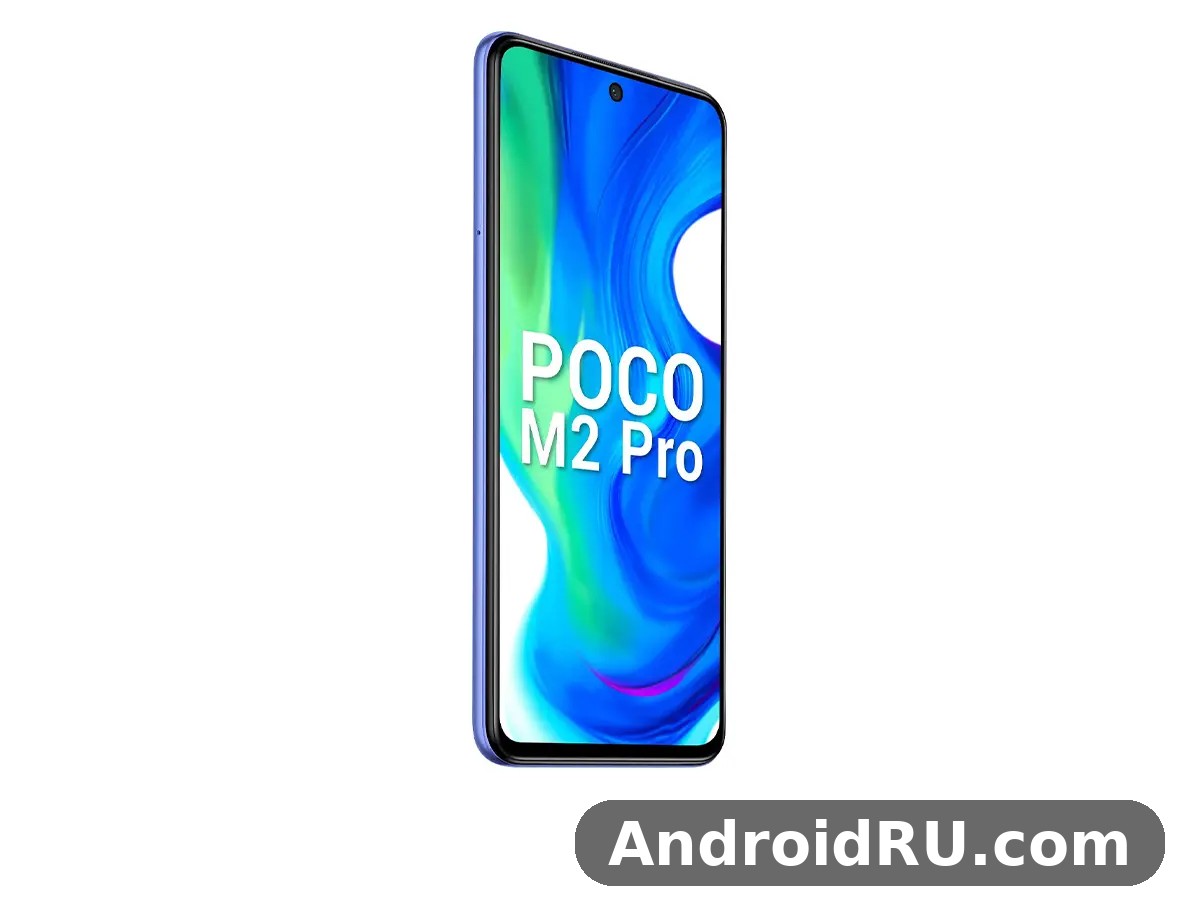
This poco m2 pro review looks at the phone through its specifications and the way those specifications behave in ordinary use: commuting, messaging, video, photography and gaming after work. The headline poco m2 pro features are a Qualcomm Snapdragon 720G chipset, a 6.67-inch Full HD+ display, a 48MP quad camera setup, a 16MP front camera and a 5000mAh battery with 33W fast charging. On paper that is a balanced package, and in practice the balance is the point. Nothing here tries to be the best in its class on its own. Instead, the parts fit together into everyday speed at a sensible price, a phone that handles the daily routine without fuss, and that is exactly what most buyers in this price range need. The poco m2 pro battery life 5000mah charging speed combination is a good example: a large cell for long days, plus a fast charger in the box so a short top-up before leaving home actually helps.
Design and Build Quality
The POCO M2 Pro is a large phone, and it feels like one. At 165.8 mm tall, 76.7 mm wide and 8.8 mm thick, with a weight of 209 grams, it fills the hand and the pocket, and one-handed use takes a little stretching. The frame is plastic with a glossy rear panel, and the finish changes colour as the light moves across it. POCO sold it in three finishes: Out of the Blue, Green and Greener, and Two Shades of Black. The blue and green versions are the lively ones, while the black version is the quiet choice for buyers who want the phone to blend in.
The poco m2 pro unboxing first impressions and design story starts well, because the box includes the 33W charger, a USB-C cable and a basic protective case. Few phones in this price range were that generous in 2020, and the included accessories meant many buyers did not need to shop for extras on day one. The poco m2 pro accessories that most owners add later are a tempered glass screen protector and a tougher case, since the glossy back picks up fingerprints quickly and the phone is heavy enough to hurt if it slips from a desk onto a hard floor.
In the Hand and in the Pocket
A phone this size suits two-handed use, and the curved edges of the rear panel help the grip more than the flat specification sheet suggests. The power button sits on the right edge where the thumb rests, and the volume rocker sits just above it. The layout is simple, and after a day or two the buttons become easy to find without looking. The rear camera block sits in the centre of the upper back, a square module that keeps the phone stable when it lies face up on a table, which is a small detail that owners notice more than they expect.
Buttons, Ports and the IR Blaster
The bottom edge holds the USB-C port, the loudspeaker and the main microphone, while the top edge holds the 3.5mm headphone jack and the IR blaster. That jack matters to buyers who still use wired earphones, and the poco m2 pro headphone jack audio quality and speakers are adequate for podcasts, calls and casual music, even if the single bottom speaker is not a match for stereo setups on pricier phones. The IR blaster is a classic Xiaomi family feature, and a short poco m2 pro ir blaster remote control setup guide is simple: open the Mi Remote app, pick the brand of your television or air conditioner, and point the phone at the device while the app tests the codes. Within a minute the phone works as a spare remote, which is genuinely useful in a living room.
Colours and the Camera Block
The square camera module gives the rear panel its identity, with four lenses and an LED flash arranged inside a raised square. It looks tidy rather than flashy, and the two-tone finish on some versions adds a strip of contrasting colour down the centre of the back. The poco m2 pro gorilla glass 5 screen protection durability is reasonable for everyday knocks, with Corning Gorilla Glass 5 over the display, but glass is still glass, and a drop onto concrete can crack any phone. A case is cheap insurance, and the poco m2 pro case and poco m2 pro cover choices available for this model are plentiful because it shares its body with a well-known sibling device, so covers, cases and screen protectors are easy to find even years after launch.
Display and Everyday Viewing
The poco m2 pro display is a 6.67-inch IPS LCD panel with a resolution of 1080 x 2400 pixels, a 20:9 aspect ratio and a density of about 395 pixels per inch. It is a flat panel with a centred punch-hole for the front camera, and the bezels are slim enough to keep the phone looking current. The panel runs at 60Hz, which was normal for this price in 2020, so scrolling is smooth enough without the extra fluidity of a high refresh rate screen. Colours look natural rather than oversaturated, and the white balance leans slightly cool, which suits reading and web browsing.
The poco m2 pro large display screen quality and brightness suit video, reading and maps, and the size makes split-screen use practical when you want a video on one side and a chat on the other. Text stays sharp at normal reading distances, and the 1080p resolution is a good match for streaming video, since most mobile video tops out at that quality anyway. The poco m2 pro screen brightness outdoor sunlight visibility test that matters most is the everyday one: step outside on a bright day and check whether you can still read a message. In shade and under cloud the screen stays readable, while in harsh direct sunlight it washes out a little and you will want to raise the brightness by hand. Auto brightness handles most of the work, but manual adjustment helps at noon.
Size, Sharpness and Brightness
For a phone of this size, the display is the main reason to buy it. Films and long articles are easier on a 6.67-inch screen than on a compact phone, and games gain from the extra space for on-screen controls. The IPS panel keeps viewing angles wide, so sharing a video with the person next to you does not wash the image out, and the punch-hole camera is small enough to ignore after a few days. Night reading benefits from the reading mode in MIUI, which warms the colours and lowers eye strain.
What the Screen Does Well, and What It Does Not
What the screen does well is size, sharpness and honest colour. What it does not do is match the deep blacks and punchy contrast of an AMOLED panel, and that shows in dark scenes at night, where black areas look dark grey. There is also no high refresh rate, so fast scrolling does not glide the way it does on newer mid-range phones. Neither limitation spoils the experience, but buyers coming from an AMOLED phone will notice the difference in the first week, and buyers coming from an older LCD phone will find this panel a clear step up.
Performance and Gaming
The heart of the phone is the Qualcomm Snapdragon 720G, an 8nm octa-core chipset with two Kryo 465 Gold cores at 2.3GHz, six Kryo 465 Silver cores at 1.8GHz and an Adreno 618 GPU. It was a strong mid-range chip in 2020, and it remains capable for the tasks most people actually do: social apps, messaging, browsing with many tabs open, maps, music and video. The poco m2 pro performance in everyday use feels quick, with apps opening promptly and the interface staying responsive when you switch between a browser, a chat app and a camera.
The poco m2 pro app opening speed daily use experience is helped by the UFS 2.1 storage, which loads apps and games faster than the slower eMMC storage used in cheaper phones of the same year. If you search for poco m2 pro antutu results, you will find scores typical of the Snapdragon 720G class, comfortably ahead of budget chips and behind the flagship silicon of the period, which is exactly where a phone at this price should sit. A poco m2 pro snapdragon 720g gaming performance test based on published benchmarks and owner reports shows the same picture: steady, playable performance in popular titles at sensible settings, without the heat and battery drain of a flagship chip pushed to its limits.
The Snapdragon 720G in Daily Use
Day to day, the Snapdragon 720G is the reason this phone feels faster than its price suggests. The two performance cores handle bursts of activity, such as opening the camera or loading a heavy web page, while the six efficiency cores keep background tasks ticking over without draining the battery. Multitasking between a music app, maps and messaging works without constant reloading, and the phone rarely stutters in normal use. The poco m2 pro gaming experience follows the same pattern: popular games run well at medium to high settings, and the large screen plus the headphone jack make longer sessions comfortable.
Gaming Settings That Suit the Chipset
For poco m2 pro pubg mobile gaming graphics settings, smooth graphics with a high frame rate is the sensible starting point, with shadows and effects kept at medium so the frame rate stays steady during busy fights. Call of Duty Mobile and similar titles behave the same way, running well at balanced settings. A poco m2 pro heating issue during long gaming sessions is rarely severe; the phone gets warm around the camera area after an hour of play, rather than hot, and frame rates hold up better if you take a short break between matches and keep the phone out of direct sun. The poco m2 pro overheating question comes up in owner forums from time to time, and the honest answer is that this phone warms up like any glass and plastic phone under load, but it does not throttle so hard that games become unplayable.
RAM, Storage and Multitasking
The phone shipped in three memory versions: 4GB RAM with 64GB storage, 6GB RAM with 64GB storage, and 6GB RAM with 128GB storage. This poco m2 pro ram 6gb multitasking performance review point is simple: the 6GB model keeps more apps in memory, so switching back to a game or a browser tab is quicker, while the 4GB model is fine for lighter use but reloads apps more often. The poco m2 pro ram choice matters more than the storage choice for most buyers, because the phone has a dedicated microSD slot. The poco m2 pro microsd card slot expandable storage option means you can add a memory card without giving up a SIM slot, so the 64GB model stays practical if you keep photos and music on a card. The poco m2 pro storage itself is UFS 2.1, which is quick enough for app installs and large game downloads, and the dedicated slot is a genuine advantage over phones that force a choice between a second SIM and extra space.
Cameras
The rear camera system is the most versatile part of the phone: a 48MP main camera, an 8MP ultrawide camera, a 5MP macro camera and a 2MP depth sensor, with an LED flash and a 16MP front camera. The poco m2 pro camera setup covers the shots most people take, from daylight landscapes to portraits and the occasional close-up, and the camera app is quick to open, with night mode, portrait mode, panorama and a pro mode for manual control. Video recording reaches 4K at 30 frames per second on the rear camera, with 1080p at 30, 60 and 120 frames per second and slow motion at 720p.
This poco m2 pro 48mp quad camera photo quality review finds daylight photos detailed and well exposed, with colours that lean slightly vivid in the standard mode. The 48MP sensor uses pixel binning to produce 12MP photos by default, which keeps file sizes sensible and improves low-light results, while a dedicated 48MP mode captures extra detail when the light is good and you plan to crop. The camera is at its best outdoors in daylight, where it produces photos that look good on a phone screen and hold up well when shared online.
The 48MP Main Camera
The main camera uses a 48MP sensor with an f/1.8 aperture and phase detection autofocus, and it focuses quickly in good light. Daylight shots show good detail in buildings, foliage and faces, and the dynamic range handles bright skies and shaded streets without blowing out the highlights too often. HDR mode helps in high-contrast scenes, and it is worth leaving on auto. Indoors, under warm artificial light, colours stay pleasant, although fine detail softens as the light drops, which is normal for a sensor of this size.
Ultrawide, Macro and Depth Cameras
The poco m2 pro ultrawide camera 8mp landscape photo quality is decent in daylight, and the 119-degree field of view fits wide buildings, groups of friends and landscapes into a single frame that the main camera would crop. Edges soften and straight lines bend a little, as they do on most ultrawide cameras in this price range, so it suits dramatic wide shots rather than architectural work. The depth sensor assists portrait mode, blurring the background behind a person while keeping the face sharp, and the effect looks natural when the subject stands a metre or two from the camera. Some poco m2 pro macro camera 5mp close up photography tips: get close to the subject, keep the light behind you, hold the phone steady with both hands, and tap to focus before you shoot. The macro lens works best on flowers, coins and small objects in bright light, where it reveals texture that the main camera cannot reach.
Selfies and Video
The poco m2 pro selfie camera uses a 16MP sensor in the punch hole, and the poco m2 pro selfie camera 16mp portrait mode quality is good in daylight, with natural skin tones and a portrait mode that blurs the background without cutting too much hair from the edges. Indoors and at night, selfies get noisier, and the screen flash helps in very dark rooms. The poco m2 pro night mode is the feature to reach for after sunset: the poco m2 pro night mode camera samples low light shots show brighter images with more visible detail than the standard mode, although fine texture softens and moving subjects can blur, so it suits still scenes such as streets and buildings. For video, the poco m2 pro video recording reaches 4K at 30 frames per second, and the poco m2 pro video recording 4k 30fps stabilisation quality is usable for casual clips, with electronic stabilisation smoothing out gentle walking movement at 1080p. Serious video work still benefits from a tripod or a gimbal, but family clips and holiday footage come out well.
Battery Life and Charging
The poco m2 pro battery is a 5000mAh lithium-polymer cell, and it is one of the strongest reasons to choose this phone. For a typical day of messaging, browsing, music and some video, the phone ends the day with charge to spare, and lighter users can stretch it across two days. Heavy users who game and stream video for hours will still get through a full day, which is more than many slimmer phones of the same period could promise. A large battery and a fast charger in the box pair well with the efficient 8nm chipset and the LCD panel, and that combination is why the battery life feels generous rather than merely adequate.
Charging is a 33W wired fast charge, and the poco m2 pro charger in the box is the full 33W unit, not a slow charger that forces a separate purchase. The poco m2 pro fast charging 33w charger in box setup takes a flat battery to a useful level in about half an hour and to a full charge in roughly an hour, although exact times vary with temperature and use while charging. A few poco m2 pro dark mode miui settings battery saving tips help stretch the cell further: turn on dark mode in the evening, lower the brightness a notch indoors, restrict background activity for apps you rarely open, and switch on battery saver when you know you will be away from a charger for a long time.
Two-Day Use for Light Users
Two-day use is realistic if your day is mostly calls, messages, email and a little browsing, with the screen brightness kept at a moderate level. The phone sips power on standby, and MIUI is aggressive about putting unused apps to sleep, which helps overnight drain stay low. If you stream video for hours or play games through the evening, plan on charging each night, and the 33W charger makes that routine painless. The battery is not removable, so long-term health depends on sensible habits: avoid leaving the phone on a hot dashboard, and do not worry about charging overnight, since the charging circuit manages the final stage.
Software and Everyday Experience
The phone launched with Android 10 and MIUI 11, and the poco m2 pro android experience at launch was the familiar Xiaomi interface: a custom home screen, a system-wide dark mode, gesture navigation, a second space for work and personal apps, and the Mi Remote app for the IR blaster. The poco m2 pro android 10 miui 11 software update path took the phone to MIUI 12 and later builds, and the poco m2 pro software update android 11 upgrade timeline rolled out through MIUI 12 and MIUI 12.5 builds, so owners who kept the phone received a newer Android version and a refreshed interface after launch. The poco m2 pro update story is a reminder to check for updates after setting the phone up, since the version in the box is rarely the latest one.
MIUI includes a fair number of pre-installed apps, and some owners remove or disable the ones they never open. The interface itself is fast and customisable, with themes, an always-on display option for notifications, and a game mode that blocks notifications while you play. The poco m2 pro fingerprint reader is a side-mounted sensor built into the power button, and the poco m2 pro fingerprint sensor side mounted unlock is fast and natural: pick the phone up, rest your thumb on the button, and the screen opens in one motion. Face unlock is available as a backup, and it works well in good light, although the fingerprint reader is the more reliable option outdoors.
MIUI 11 on Android 10, and Updates
Software support for a 2020 mid-range phone is limited by time, and buyers in 2026 should expect security patches to have ended rather than ongoing feature updates. That is normal for the class, and it does not stop the phone working well, but it does mean buyers who want the latest Android version should look at a newer model instead. For a second phone, a media device or a hand-me-down, the software is still capable, and the core apps, browser, camera and messaging all work as they should.
Calls, Audio and Connectivity
The poco m2 pro call quality speaker volume and microphone are clear enough for daily calls, and the earpiece is loud enough for a busy street. The bottom loudspeaker is a single unit, so music and video sound better through earphones or a Bluetooth speaker, and the 3.5mm jack keeps wired listening simple. The poco m2 pro wifi dual band connectivity and bluetooth cover Wi-Fi 802.11 a/b/g/n/ac on both 2.4GHz and 5GHz bands, Bluetooth 5.0, GPS with multiple satellite systems, and FM radio. There is no NFC, so contactless payments by phone are not available, and there is no 5G, which was normal for this price in India in 2020. For readers weighing a newer POCO phone with similar priorities, the POCO M3 Review: Build Quality, Battery and Daily Use shows how the next generation of the budget line handled battery life and daily use.
Full Specifications
The poco m2 pro full specifications and features list below covers every key detail, from the chipset and cameras to the battery, connectivity and sensors. The poco m2 pro specs are taken from the published specification sheet for the model released in July 2020, and they match the hardware described in the review above, so you can check any single figure here without reading the whole article again.
| Feature | POCO M2 Pro |
|---|---|
| Announced | 7 July 2020 |
| Released | 14 July 2020 |
| Dimensions | 165.8 x 76.7 x 8.8 mm |
| Weight | 209 g |
| Build | Glass front with Gorilla Glass 5, plastic back, plastic frame |
| Display | 6.67-inch IPS LCD, 1080 x 2400 pixels, 20:9, 395 ppi, 60Hz, Gorilla Glass 5 |
| Chipset | Qualcomm Snapdragon 720G, 8 nm |
| CPU | Octa-core, 2×2.3 GHz Kryo 465 Gold and 6×1.8 GHz Kryo 465 Silver |
| GPU | Adreno 618 |
| RAM | 4 GB or 6 GB LPDDR4X |
| Storage | 64 GB or 128 GB UFS 2.1, dedicated microSDXC slot |
| Rear camera | 48 MP wide f/1.8 with PDAF, 8 MP ultrawide f/2.2 with 119-degree view, 5 MP macro, 2 MP depth, LED flash, HDR, panorama |
| Rear video | 4K at 30fps, 1080p at 30, 60 and 120fps, 720p at 960fps slow motion |
| Front camera | 16 MP wide f/2.0, HDR, panorama, 1080p video at 30fps |
| Battery | 5000 mAh Li-Po, non-removable, 33W wired fast charging, charger included |
| Operating system | Android 10 with MIUI 11, upgradable to MIUI 12 and Android 11 |
| Security | Side-mounted fingerprint sensor, face unlock |
| Connectivity | Dual SIM Nano-SIM, Wi-Fi 802.11 a/b/g/n/ac dual-band, Bluetooth 5.0, GPS, FM radio, USB Type-C, 3.5mm headphone jack |
| Extras | Infrared blaster, P2i splash-proof coating |
| Sensors | Fingerprint, accelerometer, gyro, proximity, compass |
| Colours | Out of the Blue, Green and Greener, Two Shades of Black |
| Launch price | Rs 13,999 in India for 4GB RAM and 64GB storage |
Pros and Cons
No phone in this price range is perfect, and the POCO M2 Pro is no exception. Its strengths are practical ones that show up every day, while its weaknesses are the trade-offs that kept the price low. Weighing them together is the quickest way to decide whether this phone fits the way you actually use a phone, rather than the way a specification sheet suggests you might.
What We Like
The Snapdragon 720G keeps daily use fast, the 5000mAh battery lasts a long day and charges quickly at 33W, the 48MP main camera takes good daylight photos, the large 6.67-inch screen suits video and reading, and the phone includes a headphone jack, an IR blaster, a dedicated microSD slot and a charger in the box. The side fingerprint sensor is quick and well placed, and the build feels solid for a plastic phone. For buyers who want the basics done well at a fair price, that list covers most of what matters, and in any poco m2 pro comparison with rivals from the same year, the battery and chipset stand out as strong value for buyers who want the basics done well.
What Could Be Better
The LCD panel cannot match AMOLED contrast, the 60Hz refresh rate feels plain next to newer screens, the ultrawide and macro cameras are weaker than the main camera, there is no 5G and no NFC, the phone is large and heavy at 209 grams, and software support has ended, so buyers in 2026 should not expect new Android versions. The glossy back also attracts fingerprints, and the single speaker is modest. A fair poco m2 pro vs redmi note 9 pro comparison shows two phones that share much of the same hardware, so the choice between them came down to price, availability and brand preference rather than a clear technical winner.
Frequently Asked Questions
Is the POCO M2 Pro good for gaming in 2026?
Yes, for casual and mid-level gaming. The Snapdragon 720G still handles popular titles such as PUBG Mobile and Call of Duty Mobile at balanced settings, and the large screen and 5000mAh battery suit longer sessions. Demanding new titles at maximum graphics will strain the chip, so keep the settings moderate and the phone will stay smooth. If gaming is your main priority and your budget stretches further, a newer mid-range phone with a faster chip and a high refresh rate screen is the better buy.
How long does the POCO M2 Pro battery last?
For typical use, a full day is easy, and light users can reach two days. The 5000mAh cell, the efficient 8nm chipset and the LCD panel work together to keep drain low, and the 33W charger refills the battery quickly when you do need a top-up. Heavy gaming and video streaming shorten that to a single day, which is still a solid result for a phone of this age and size.
Does the POCO M2 Pro support 5G?
No. The Snapdragon 720G is a 4G chipset, and the phone has no 5G modem. In 2020 that was normal for its price in India, and in areas where 4G remains fast and reliable, the phone still works well for browsing, streaming and calls. Buyers who need 5G should choose a newer model, and the POCO M3 Pro 5G Review: Daily Use, Software and Battery Life is a useful reference for how a later POCO phone handled 5G, software and battery life.
Is the POCO M2 Pro waterproof?
No, the poco m2 pro waterproof question has a clear answer: this phone is not waterproof and has no official water resistance rating. It does have a P2i splash-proof coating, which helps against light splashes and rain, but it should not be submerged or used in the shower. Keep it dry, and use a case if you often use the phone outdoors in wet weather.
Should I buy the POCO M2 Pro in 2026, or choose a newer POCO phone?
That depends on the price and your needs. As a cheap second phone, a media player or a first smartphone, a used POCO M2 Pro in good condition still does the basics well, and this poco m2 pro second hand price used phone buying guide in short form is: check the battery health, test the fingerprint sensor and cameras, confirm the phone is not locked to an account, and compare the price with newer budget models before you pay. If you want 5G, a high refresh rate screen, longer software support and a fresher battery, a newer POCO phone is the safer choice, and the POCO C75 Review: App Performance and Camera Quality shows what a more recent budget POCO offers in daily performance and cameras. For a direct sense of how the plain M2 compared with this Pro model, read the POCO M2 Review: Display, Cameras and Budget Trade-Offs before you decide.
Verdict: Who Should Buy the POCO M2 Pro?
The POCO M2 Pro is a phone that understood its job. It took a capable Snapdragon 720G chipset, a large screen, a versatile quad camera and a 5000mAh battery with 33W charging, and wrapped them in a solid body at a price that undercut many rivals. It was never the flashiest phone of 2020, and it was never meant to be. Its strength was the everyday experience: apps opened quickly, the battery lasted, the camera handled daylight well, and the phone kept working without demanding attention.
That balance still defines it. For a buyer who wants a reliable daily phone at a low price, a second handset for work or travel, or a media device for video and reading, the M2 Pro remains a sensible pick, provided the price reflects its age and the battery is still healthy. For a buyer who wants 5G, the latest software, an AMOLED screen or a high refresh rate display, the money is better spent on a newer model, and the POCO M4 5G Review: App Performance and Camera Quality is a good place to start that comparison. The poco m2 pro buy decision comes down to a simple test: if the price is low, the condition is good and your needs are calls, messages, video, photos and casual games, this phone still passes. It earned its reputation as a value pick in 2020, and on the things that matter every day, that reputation still holds.

