

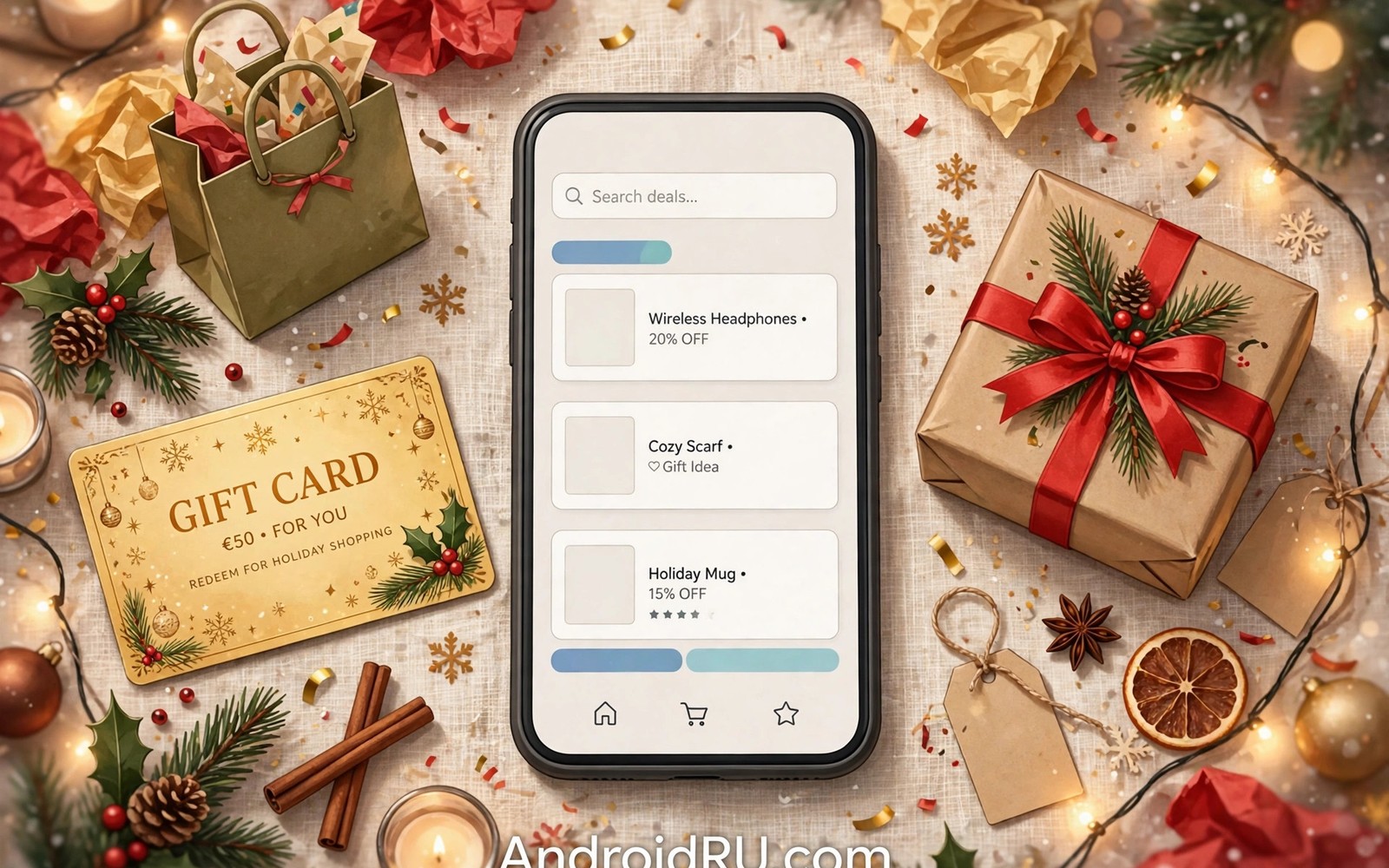
Gift card promotions look simple but their true value depends on fine details. A store may offer a large card with a new phone purchase. That card feels like cash back at first glance. Restrictions on expiry and eligible products can shrink its worth sharply. Smart buyers calculate true cost after card rules rather than before.
Start by treating a gift card as money only when you would spend it anyway. A card for a store you rarely use is worth less than its face value. A card with a short expiry may force rushed spending on items you do not need. A card with broad eligibility and long validity is close to cash. For deal timing read holiday shopping scam protection so card offers align with the best sale windows.
How Gift Card Offers Work
Stores issue gift cards as a promotion cost that keeps customers returning. The card brings you back for a second purchase later. That return visit is valuable to the store even when the card feels generous. The store also knows some cards will expire unused. Unused value is pure profit for the issuer in many cases.
Cards may arrive instantly at checkout or after a waiting period. Delayed cards prevent immediate returns that would cancel the promotion. Some cards activate only after the phone return window closes. Read activation timing before you count the card in your budget. A delayed card still counts but it cannot fund the phone purchase itself.
Calculating True Cost Honestly
True cost equals phone price plus fees minus usable card value. Usable value is the portion you will actually spend on needed items. A card you will fully use counts at face value. A card you will partly use counts only at the used portion. A card you will never use counts at zero regardless of its printed value.
Work through an example with your own shopping habits. A phone at a high price plus a large card may beat a cheaper phone without a card. It may also lose when the card forces spending at a pricier store. Compare total spending across both routes including the card redemption purchase. The route with lower total spending wins honestly.
Expiry And Restriction Traps
Expiry dates are the biggest trap in gift card promotions. A short expiry of thirty days pressures you into unnecessary purchases. A long expiry of a year or more gives calm choice. Check expiry rules in writing before you accept the offer. Some cards lose value gradually through dormancy fees in certain regions.
Product restrictions can also limit card usefulness sharply. Some cards exclude sale items or electronics or popular brands. Others work only in one department or one store chain. Read the exclusion list carefully for items you actually plan to buy. A card that excludes your planned purchase is not a saving at all.
Stacking Cards With Other Offers
Gift cards often stack with trade-in bonuses and cashback offers. Stacking can produce a very low true cost when all parts align. Confirm stacking in writing because some promotions exclude each other. A cashback offer may calculate only on cash paid rather than card value. Small stacking rules change totals more than headline figures suggest.
Payment method cashback can add another layer of value. A card payment that earns cashback on the phone price is straightforward. Cashback on the card redemption purchase may also apply in some programs. Track both layers separately to avoid double counting. Honest stacking counts each saving once and only when it is real.
Gift Cards Versus Direct Discounts
Direct discounts beat gift cards when you value simplicity and certainty. A direct cut lowers the amount you pay immediately with no future conditions. A gift card requires a second shopping decision to realise value. Buyers who dislike extra steps should prefer direct discounts of similar size. Simplicity has real value for busy shoppers.
Gift cards win when the card store matches your regular shopping. Grocery and general stores issue cards that cover everyday needs easily. Electronics only cards are narrower and harder to use fully. Match the card issuer to your normal spending before you judge. A card for your regular store is almost as good as cash.
Resale And Transfer Rules
Some gift cards cannot be transferred or resold easily. Others trade at a discount on secondary markets with fraud risks. Never buy or sell cards through unofficial channels without strong protections. Scammers target card markets because transactions are hard to reverse. Treat any card resale offer with extreme caution.
Keep card numbers and PINs safe until redemption is complete. Photograph the card front and back for your records in a secure place. Register the card when registration is offered by the issuer. Registration can protect value if the physical card is lost. A lost unregistered card often means lost value permanently.
A Simple True Cost Calculator
Use the short script below to calculate true cost with a gift card. Enter phone price and the usable portion of card value. The script subtracts only usable value rather than face value. That discipline prevents inflated savings claims. Adjust usable value honestly based on your real shopping plans.
phone_price = 899
card_face = 150
usable = 120
true_cost = phone_price - usable
print(f"True cost: {true_cost}")
print(f"Unused card value: {card_face - usable}")
The snippet above is a generic example created for illustration only. It uses placeholder prices and card figures with no store data. Replace the numbers with your own offer terms before deciding. The calculation is only honest when usable value reflects real spending plans.
Gift Card Fraud Awareness
Gift card fraud targets holiday shoppers through tampered cards. Scammers record card numbers from store displays. They drain value after activation by the buyer. Inspect gift cards for tampering before purchase. A damaged package or exposed PIN area is a warning sign.
Buy gift cards from behind counter stock when possible. Cards kept behind counters are harder to tamper with. Digital gift cards avoid physical tampering entirely. Digital delivery also creates a clear purchase record. Tamper awareness protects card value from the start.
Never share gift card numbers with unknown callers. No legitimate company demands payment by gift card urgently. Urgent gift card demands are always scams. Report such demands to the issuer immediately. Awareness stops the most common card fraud pattern.
Gift Cards For Business Purchases
Business buyers use gift cards differently from personal buyers. Bulk gift card purchases may attract discounts in some programs. Accounting for gift card spending needs clear records. Finance teams may restrict card use for audit reasons. Check company policy before business card purchases.
Gift cards as employee rewards carry tax implications in some regions. Employers should check local rules before issuing cards. Personal use cards avoid most business complications. Business card strategy needs professional advice. Do not assume personal card logic applies at work.
Small businesses can use gift cards to manage accessory budgets. A card ringfences spending for a specific store. That ringfencing prevents budget drift across suppliers. It also limits flexibility when needs change. Ringfenced budgets suit predictable accessory needs best.
Digital Versus Physical Gift Cards
Digital gift cards arrive instantly and cannot be physically tampered with. They suit last minute purchases and remote gifting. Digital cards still need secure email handling. A compromised email account exposes digital card value. Protect the delivery email account strongly.
Physical gift cards suit in-person gifting and visual presentation. A physical card feels more like a traditional gift. Physical cards carry tampering and loss risks. Keep physical cards secure until gifting. Presentation value must be weighed against security risk.
Some stores offer both formats with different terms. Expiry or fees may differ between formats. Check terms for the exact format you choose. Format choice should follow terms rather than habit. A format with better terms is the smarter gift.
Gift Card Budgeting Habits
Gift cards can help budgeting by pre-committing spending to a store. A card limits impulse spending elsewhere. That limit helps disciplined shoppers stay on budget. It hurts shoppers whose needs change after purchase. Pre-commitment suits stable shopping patterns best.
Track gift card balances in one place to avoid forgotten value. Forgotten cards are a common source of wasted money. A simple note with balances and expiry dates prevents loss. Review balances monthly during the card validity period. Small tracking effort recovers real money.
Set reminders before gift card expiry dates. A reminder a month before expiry allows calm spending. Last minute expiry spending often buys unnecessary items. Calm spending on needed items preserves card value. Reminders turn expiry from a trap into a plan.
Gift Card Expiry Law Differences
Gift card expiry laws differ by region and card type. Some regions ban expiry on certain cards. Others allow expiry after long periods. Check local law for your card type. Legal protections may extend value beyond printed terms.
Promotional gift cards may follow different rules from purchased cards. Promotional cards often expire faster legally. Read whether your card counts as promotional. Promotional status affects legal protection. Classification matters for expiry disputes.
Issuers sometimes extend expiry on request as goodwill. A polite request before expiry may succeed. After expiry extensions are harder to obtain. Contact issuers early when expiry approaches. Early goodwill requests preserve value.
Gift Card Partial Balances
Partial gift card balances are easy to forget and waste. Small remainders sit unused across many cards. Track remainders in one list to use them fully. Combine remainders with planned purchases. Small balance tracking recovers surprising totals over time.
Some stores allow balance transfers or top ups. Top ups can consolidate small balances usefully. Transfer rules vary by issuer. Ask about consolidation options for multiple cards. Consolidation simplifies spending and prevents waste.
Remainder spending should target needed items only. Forcing remainder spending on luxuries wastes value differently. Wait for a needed purchase to absorb remainders. Patience preserves remainder value for real needs. Remainder discipline completes gift card strategy.
Final Gift Card Advice
Value a gift card only at the amount you will truly spend before expiry. Read restrictions and activation timing before you count any saving. Compare true cost against a direct discount from another seller. For scam safety read cashback and warranty benefits and for cashback terms read Prime Day versus Black Friday deals before you commit. A gift card should lower your total spending rather than increase it.
Gift card promotions can be excellent when the card fits your life. They can also be traps when expiry and restrictions shrink usable value. Judge every offer by usable value and total spending. A careful calculation turns a flashy banner into a clear number. Your next phone should cost less in total rather than merely look cheaper.

