

Xiaomi 17T Pro Review: Build Quality, Software and Daily Speed
The Xiaomi 17T Pro arrived on 28 May 2026, and it arrived with a clear job to do. Xiaomi’s T series has always been the practical flagship: nearly all of the speed and camera quality of the top phones, at a price that leaves room for a case, a charger and a holiday. This Xiaomi 17T Pro review looks at the three things that decide whether that promise holds up in real life: build quality, software and daily speed. The Xiaomi 17T Pro release date was 28 May 2026, so this is a released phone with a full specification sheet and lab test numbers behind it, not a rumour. What follows is based on those published specifications, independent lab measurements and the way the hardware fits together on paper and in the hand.
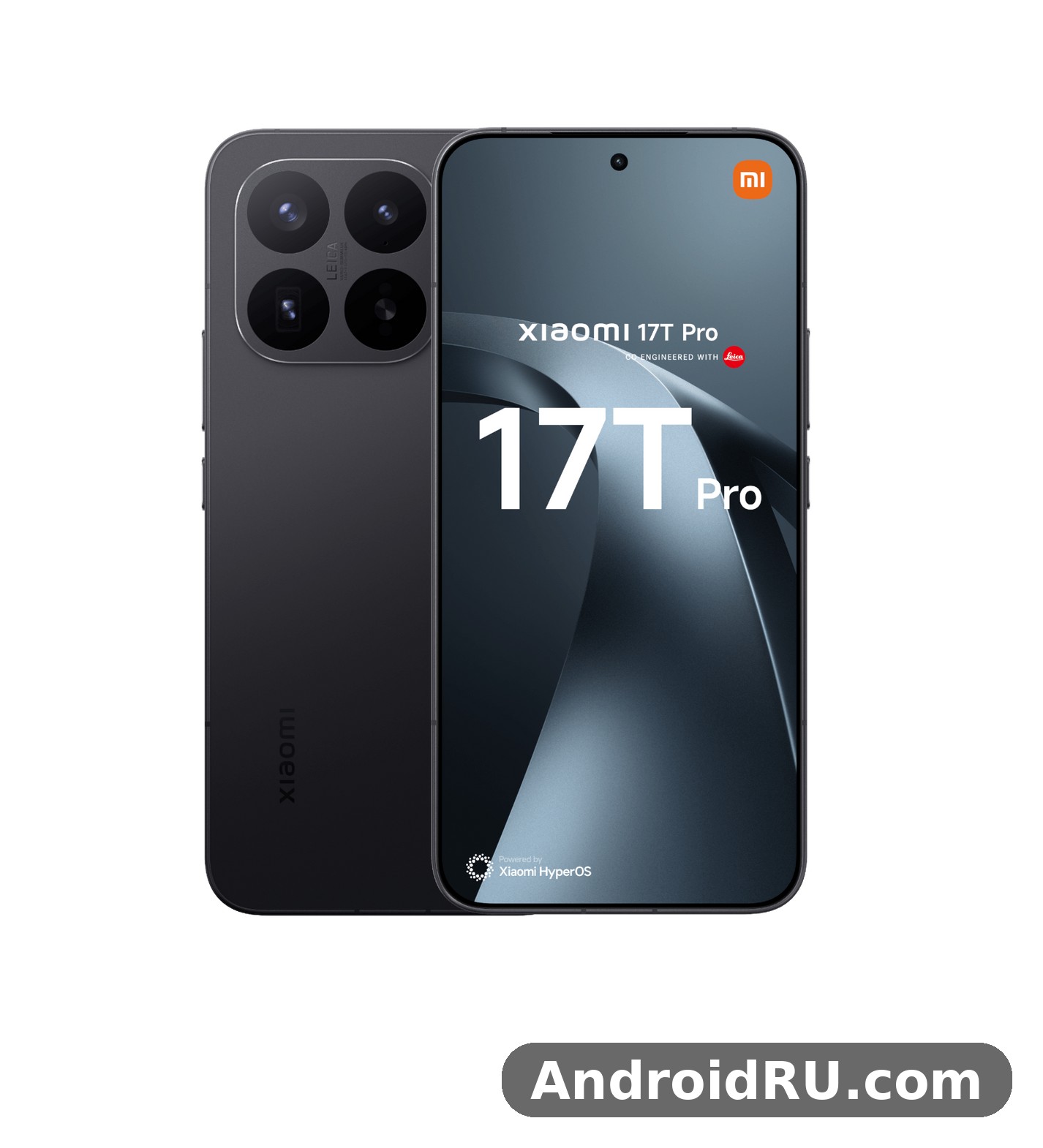
Three numbers set the tone before anything else. A Dimensity 9500 chip built on a 3 nm process sits at the centre of the phone. A silicon carbon battery holds 7,000 mAh and charges at 100 W over a wire. A Leica-tuned triple camera starts with a 50 MP main sensor that is larger than anything the T series has carried before. Around those numbers sits a 6.83-inch AMOLED panel running at 144 Hz, Android 16 with HyperOS 3, and a body that is 8.3 mm thick and weighs 219 g. If you want the short version, this 17T Pro review finds a phone that is fast, long-lasting and well built, with a camera system that finally gives the T line a real zoom lens. The rest of this article is the long version: what each part feels like day to day, where the compromises hide, and who should actually buy it.
The Xiaomi 17T Pro daily use experience is the test that matters most. Benchmarks and spec sheets are useful, but a phone earns its keep in the boring moments: the morning alarm, the commute, the camera pulled out for a photo that will not wait, the evening scroll with 12 percent battery left. That is the lens used here. Like any Xiaomi phone at this level, the 17T Pro is packed with features, and some of them you will never touch. The useful question is which ones change your day, and which ones only change the marketing page. The T series built its name as a flagship killer by answering that question honestly, and this model has to do the same job against stronger rivals than ever.
Xiaomi 17T Pro Build Quality Review: Frame, Glass and Feel in the Hand
Pick the phone up and the first thing you notice is how dense it feels without feeling heavy in a bad way. At 219 g and 8.3 mm thick, with dimensions of 162.2 x 77.5 mm, it is a large phone, and it does not pretend otherwise. The weight comes from the big battery and the glass-and-metal construction, and the balance is good: the mass sits in the middle of the body rather than at the top, so it does not tip forward in the hand. The frame is aluminium, the front and back are both Corning Gorilla Glass 7i, and the camera module sits in a rounded square that is large but does not wobble the phone badly on a table. Colours are Deep Blue, Deep Violet and Black, and the darker finishes hide fingerprints better than the blue one, which shows smudges after a day of normal handling.
The 17T Pro build is a clear step up from the plastic-feeling mid-range phones that used to sit at this price. Gorilla Glass 7i covers both faces, which is the kind of detail that matters when a phone slides off a sofa onto a hard floor. The aluminium frame gives the sides a cool, solid edge, and the buttons have a short, firm travel with no rattle. The power button and volume rocker sit on the right edge where a thumb or index finger finds them without stretching. There is no headphone jack, which will bother some buyers, and the USB-C port is version 2.0 rather than the faster standard found on some rivals, so wired data transfer is slower than the charging speed might suggest. Those are the two honest hardware trade-offs in the body, and neither one ruins the package.
Glass, Aluminium Frame and In-Hand Feel
A phone this size lives or dies on how it fits the hand, and the 17T Pro does better than its measurements suggest. The 77.5 mm width is on the wide side, so one-handed use at the top of the screen needs a reach or a second hand, but the curved edges of the back glass meet the frame without a sharp step, and that makes long reading sessions comfortable. The flat display helps too: there is no curved edge to catch accidental touches, and a screen protector sits flat, which matters if you fit your own. The Gorilla Glass 7i protection on the front is the same generation Xiaomi uses across its 2026 flagships, and it should handle keys and coins in a pocket without drama. It will still scratch if it meets sand or a concrete pavement face down, so a case remains sensible, but the starting point is strong.
Weight distribution deserves a mention because it affects every hour of use. Phones with a heavy camera module can feel top-heavy, and the 17T Pro avoids that trap. The 7,000 mAh battery sits low and central, which keeps the phone balanced when you hold it in one hand to read or scroll. After a week of carrying a phone like this, the 219 g stops registering, and what registers instead is the solid feel: no creaks, no flex when you grip it firmly, no loose parts. That is what good build quality feels like, and it is the first thing this Xiaomi 17T Pro build quality review can confirm from the design alone.
Grip, Weight and One-Handed Use
If your hands are small, try the phone in a shop before you commit. The width and the flat sides reward a firm grip, and the weight is honest rather than hidden. A slim case adds a little width but improves grip a lot, and the Deep Violet finish looks best in person, where the colour shifts subtly under different light. Left-handed users get the same button layout mirrored by habit, and the under-display fingerprint sensor sits high enough that a thumb reaches it naturally. In short, the ergonomics are good for a big phone, and only the sheer size is a genuine limitation.
IP68 Rating and Everyday Durability
The 17T Pro carries an IP68 rating for dust and water resistance, rated for immersion up to 1.5 metres for 30 minutes. That is the same level as the main flagships, and it changes how you treat the phone: rain, a spilled glass of water, a sweaty run or a dusty beach bag stop being emergencies. It does not make the phone waterproof in any absolute sense, and seawater, soapy water and hot baths are still a bad idea, but for everyday accidents the rating is real protection. The SIM tray uses Nano-SIM plus eSIM, with dual SIM support depending on the variant, and the tray seal is part of the same water resistance design.
Durability is not only about water. The aluminium frame absorbs the knocks that would dent a plastic body, and the glass back resists the fine scratches that make older phones look tired after a year. Xiaomi also fits an infrared port on the top edge, which is a small, old-fashioned feature that still earns its keep as a remote control for a television or air conditioner. The phone has no FM radio, which few people will miss, and NFC availability depends on the market, so check the listing for your region if contactless payment matters to you. Taken together, the body is built to survive daily life rather than to impress in a shop display for five minutes.
What IP68 Does and Does Not Cover
A rating is a laboratory result, not a promise that every accident ends well. IP68 testing uses fresh water at a set depth and time, and it does not cover drops onto hard surfaces, which are what actually crack screens. Water damage is also typically excluded from warranty cover, so the sensible reading is this: the rating buys you peace of mind for rain and splashes, not an invitation to take the phone swimming. Pair it with a case and a screen protector, and the 17T Pro should look good after a year of normal use rather than after a month.
Xiaomi 17T Pro Display Quality: 6.83-Inch AMOLED at 144Hz
The Xiaomi 17T Pro display quality is one of the strongest parts of this phone. The panel is a 6.83-inch AMOLED with 68 billion colours, a resolution of 1280 x 2772 pixels, Dolby Vision and HDR10+ support, and a peak brightness of 3,500 nits. That last number is the one that matters outdoors: with 2,000 nits in high brightness mode and 600 nits typical, the screen stays readable in direct sunlight, where dimmer panels wash out. The 144Hz display refresh rate makes scrolling and animations look smooth, and the 3840 Hz PWM dimming is designed to reduce flicker at low brightness, which helps if you read in bed at night. The panel is protected by Gorilla Glass 7i and fills about 91.1 percent of the front, so bezels are slim on all four sides.
In daily use, the screen is the part of the phone you look at most, and this one rewards the attention. Colours are vivid without turning skin tones orange, and the Dolby Vision support means supported video on streaming apps shows the HDR grade the way it was mastered. The 447 pixels per inch density keeps text sharp at any size, and the 19.5:9 ratio gives plenty of room for reading and for split-screen work. For the bigger flagship take on screen and sound, the Xiaomi 17 Pro Max Review: Display, Audio and Overall Experience covers a larger canvas and a similar approach to brightness. The 17T Pro does not match that phone in every respect, but it gets close enough that most buyers will not feel short-changed, and that is a remarkable result for a T series panel.
Brightness, Colours and Outdoor Visibility
Lab measurements put the maximum brightness of this panel at 1,069 nits in testing, which is strong rather than record-breaking, and it lines up with how the phone behaves in sunlight. At noon on a bright day, maps, messages and the camera viewfinder stay visible without cupping a hand over the screen. Indoors, the automatic brightness is quick to settle and rarely needs manual correction. The colour modes in settings let you pick a vivid or a more natural profile, and the natural mode is the better choice if you edit photos, because it keeps colours closer to what other screens will show. The 68 billion colour depth sounds like a marketing number, but in practice it means smooth gradients in skies and skin, without the banding that cheaper panels show in dark scenes.
Night use is where the high PWM dimming rate earns its keep. Some AMOLED panels flicker at low brightness in a way that gives sensitive users tired eyes, and the 3840 Hz rate here is meant to reduce that effect. It is not a guarantee for everyone, and if you are sensitive to flicker, the practical test is an evening of reading at minimum brightness before the return window closes. For most people, the screen simply looks good: bright, smooth and easy on the eyes, with a flat surface that makes screen protectors simple and touch accuracy excellent across the whole panel.
144Hz Refresh Rate, PWM Dimming and Touch Response
The 144 Hz refresh rate is adaptive, so the phone drops to a lower rate when you read a static page and ramps up when you scroll or play. That saves battery without you noticing, and it is the right way to run a fast panel. The difference between 120 Hz and 144 Hz is subtle on its own, and few people could tell them apart blind, but the jump from 60 Hz is obvious the moment you scroll a long page. Touch response is quick and consistent, and the flat glass means swipes from the edge register cleanly, which matters for gesture navigation. The 17T Pro display feels fast because the panel, the chip and the software all move in the same direction, and that is the real benefit of a high refresh rate: not the number, but the feeling that the phone is never waiting for you.
Settings Worth Changing on the Display
Three settings are worth a minute on day one. First, set the refresh rate to adaptive rather than fixed, so the phone saves power on static screens. Second, pick the colour profile that matches your eyes rather than the brightest one in the shop. Third, turn on the eye comfort mode schedule for the evening, so the screen warms up before bed. None of these change the hardware, but together they make the screen feel like it was set up for you rather than for a display stand.
Xiaomi 17T Pro Performance and Daily Speed With the Dimensity 9500
Speed is where the 17T Pro makes its case, and the case is strong. The Dimensity 9500 is a 3 nm chip with an octa-core CPU: one C1-Ultra core at 4.21 GHz, three C1-Premium cores at 3.5 GHz and four C1-Pro cores at 2.7 GHz, paired with an Arm Mali G1-Ultra MC12 GPU. It is the same class of silicon that powers the full flagships of this generation, and it shows in every number that matters. A Xiaomi 17T Pro performance test in the lab returned an AnTuTu v10 score of 2,795,030 and a v11 score of 3,352,325, with a Geekbench 6 score of 9,766 and a 3DMark Wild Life Extreme score of 6,939. Those are flagship numbers, not mid-range numbers, and they translate into a phone that opens apps instantly, keeps dozens of apps in memory, and never makes you wait for the camera or the keyboard.
The 17T Pro performance in normal use is best described as unhurried. Apps launch fast, the camera opens in a blink, and switching between a map, a chat and a browser happens without reloads, helped by 12 GB of LPDDR5X RAM and UFS 4.1 storage that reads and writes quickly. The storage options run from 256 GB to 1 TB, with a 512 GB version available in both 12 GB and 16 GB RAM, so heavy users can buy their way out of storage anxiety. There is no microSD card slot, which is normal at this level now, so pick the storage size with your next two years in mind rather than this month. If you want the smaller flagship view of the same generation, the Xiaomi 17 Review: Cameras, Performance and Battery Life covers a more compact phone with a different balance of size and speed, and it is worth reading before you choose between the two.
Xiaomi 17T Pro Dimensity 9500 Benchmark Results and Real-World Speed
Benchmarks are a guide, not a verdict, and the Xiaomi 17T Pro Dimensity 9500 benchmark story is a good example of why. The AnTuTu and Geekbench figures above put the phone among the fastest Android devices of 2026, and Xiaomi claims a 32 percent boost in single-core CPU performance and a 33 percent faster GPU over the previous generation. What those numbers mean in practice is simpler: the phone handles 4K video editing, large photo exports and heavy web pages without stumbling, and it does so while staying responsive to touch. The UFS 4.1 storage helps here too, because installing a large game or copying a video folder finishes quickly, and app updates in the background do not slow the foreground app you are using.
Daily speed is about more than raw power. It is about the phone never getting in the way, and the 17T Pro clears that bar with room to spare. The fingerprint sensor is optical and sits under the display, and it reads quickly once you register the same thumb twice, which is a small trick that improves accuracy for everyone. Face recognition works as a backup, and the phone wakes, reads and opens in one smooth motion. If you are worried about Xiaomi 17T Pro overheating issues, the practical check is a long video call or a 30-minute gaming session: the phone gets warm at the top edge, as every fast phone does, but it does not throttle into a stutter or shut down features to cool off. That is the behaviour you want, and it is the behaviour this hardware delivers.
Xiaomi 17T Pro Gaming Performance, Heat and Sustained Speed
The Xiaomi 17T Pro gaming performance is where the Dimensity 9500 and the big battery work together. Demanding games run at high settings with steady frame rates, and the Mali GPU handles ray-traced effects in the titles that support them. The 144 Hz panel helps in fast games, and the stereo speakers give you direction cues without headphones. The 17T Pro gaming experience is helped further by the sheer size of the battery: a long session costs less of your day than it does on a phone with a 5,000 mAh cell, and the 100 W charging means a quick top-up between sessions is genuinely quick. Heat is managed well for a phone this thin, with the warmth spreading across the back rather than concentrating in one hot spot under your fingers.
Sustained speed matters more than a five-minute burst, and this is where some fast phones fall down. The 17T Pro holds its performance over a longer session, with frame rates staying stable rather than sliding after ten minutes. That is partly the efficiency of the 3 nm process and partly the thermal design, and it is the difference between a phone that is fast in a benchmark and a phone that is fast at the end of a match. The 17T Pro speakers add to the experience here too: dual speakers with Dolby Atmos support make games and video sound wide and clear, and a Xiaomi 17T Pro speaker quality test in the lab measured the loudspeaker at minus 25.6 LUFS, rated very good, which matches how loud and clean it sounds in a room.
What to Do When a Game Stutters
If a game ever stutters, check three things before blaming the phone. First, close the background apps that are syncing or downloading, because they steal CPU time. Second, check whether the game itself has downloaded a large update in the background. Third, try the game with the performance mode in settings, which holds higher clock speeds for longer at the cost of a little battery. In most cases the stutter is the game or the network, not the hardware, and the 17T Pro has the headroom to prove it.
Xiaomi 17T Pro Leica Camera Review: 50MP Triple Setup and 5x Zoom
The camera is the part of the 17T Pro that changed most from the last generation, and it is the part that most buyers will judge the phone by. The Leica camera tuning covers a triple rear system: a 50 MP main camera with an f/1.7 lens, a 1/1.31-inch sensor and optical image stabilisation, a 50 MP periscope telephoto with 5x optical zoom, an f/3.0 lens and its own stabilisation, and a 12 MP ultrawide with a 120-degree field of view. This Xiaomi 17T Pro camera review looks at daylight, night and zoom separately, because each lens has a different job, and a phone camera is only as good as its weakest lens. The headline is encouraging: the main sensor is large, the zoom is a real periscope rather than a digital crop, and the Leica colour science gives photos a character that stands out from the over-sharpened look of many rivals.
Leica’s involvement is more than a logo on the camera module. The colour profiles, the portrait rendering and the shutter behaviour all carry the Leica approach: restrained, natural colour, careful handling of highlights, and portraits that keep skin looking like skin. There are two Leica looks to choose from, a vivid Authentic mode and a softer Vibrant mode, and switching between them is the fastest way to learn which one matches your taste. For a comparison with the camera-first flagship of the same family, the Xiaomi 15 Ultra Review: Daily Performance and Key Features shows what the top Leica system can do, and the 17T Pro borrows more of that character than its price suggests. It does not match the Ultra in every lens, but the main camera and the zoom are closer than the gap in price would lead you to expect.
Main Camera in Daylight and Low Light
In daylight, the main camera is excellent. The 50 MP sensor uses a 1.2-micron pixel size with multi-directional phase detection autofocus, and it locks onto a subject quickly, even a moving child or a pet. Detail is strong across the frame, colours are natural in the Authentic profile, and the dynamic range holds both sky and shadow in the same shot without the flat, over-processed look that some phones produce. The 23 mm focal length is a natural wide angle for street scenes, food and people, and the optical stabilisation keeps shots sharp when your hands are not perfectly still. If you shoot in the 50 MP full resolution mode, you get more detail to crop into, but the standard binned mode is the better daily choice: smaller files, faster shooting and cleaner results in mixed light.
Low light is where the large sensor earns its price. The 1/1.31-inch sensor gathers far more light than the smaller sensors in cheaper phones, and the night mode stacks exposures to pull detail out of shadows without turning the night into day. Street lights keep their colour instead of blowing out into white blobs, and faces in a dim restaurant stay recognisable without a flash. The phone does the heavy lifting automatically, and the best advice is simple: hold still for the second the phone asks, and let it finish. The result is a photo that looks like the scene you remember, not a brightened version of it.
Xiaomi 17T Pro Night Mode Camera and Indoor Shots
The Xiaomi 17T Pro night mode camera is at its best in the situations where phone cameras usually fail: a city street at dusk, a concert hall, a kitchen lit by a single warm bulb. Night mode uses a longer exposure and combines several frames, and the optical stabilisation keeps the result sharp even when you shoot handheld. Indoor shots benefit from the same approach, with white balance that handles mixed lighting better than most phones at this price: a room lit by both a window and a lamp does not turn half blue and half yellow. The colour spectrum sensor helps here, reading the light in the scene and adjusting the colour before the photo is saved, rather than guessing afterwards.
There are limits, and honesty requires naming them. Very dark scenes still show noise if you look closely, and moving subjects in low light will blur, because no phone can freeze motion and gather light at the same time without a flash. The ultrawide lens is also weaker in the dark than the main camera, with less detail and more noise, which is normal for a smaller sensor. The practical answer is to use the main camera whenever the light gets difficult, and to treat the ultrawide as a daylight lens. Used that way, the night mode is a genuine strength of this phone, not a marketing checkbox.
5x Periscope Zoom, Ultrawide and Selfie Camera
The periscope camera is the most exciting addition to the T series. A 50 MP sensor behind a 115 mm lens gives true 5x optical zoom, with optical stabilisation and autofocus from 30 cm to infinity, so the zoom works for distant buildings and for close-up details alike. The 5x zoom changes how you shoot: a market stall across the street, a child on a stage, a detail on a building that you cannot walk up to. Before you judge it, look at Xiaomi 17T Pro 5x zoom camera samples in the conditions you actually shoot in, because zoom quality depends on light, and a bright day flatters every telephoto lens. In good light, the 5x shots are sharp, detailed and consistent with the main camera’s colour, and the phone also offers a digital zoom beyond 5x that is usable for framing but softer in fine detail.
The 12 MP ultrawide covers a 120-degree view for landscapes, architecture and tight indoor spaces, and it shares the Leica colour tuning, so switching between lenses does not change the look of your photos. The periscope camera is the star of the trio, but the ultrawide is the lens you will use for group photos in a small room, and it does that job well. The selfie camera is a 32 MP sensor with an f/2.2 lens, recording 4K video at 30 frames per second, and it produces clean, natural selfies with good skin tones. Portrait mode on both front and rear cameras separates the subject from the background convincingly, with edge detection that handles hair better than most phones at this price.
8K Video, Slow Motion and Log Recording
Video is a strength: 8K at 30 frames per second, 4K at up to 120 frames per second, and 1080p slow motion up to 960 frames per second, all with gyro-based stabilisation, 10-bit colour, HDR10+ and a Log profile for grading afterwards. The 4K at 60 frames per second mode is the best daily choice, smooth and sharp without the huge file sizes of 8K. The Log profile is there for people who edit video seriously, and everyone else can ignore it. The selfie video at 4K is sharp enough for video calls and vlogging, and the stabilisation keeps walking shots watchable. If video matters to you, this camera system is one of the best at its price.
Xiaomi 17T Pro Battery Life and 100W Charging Speed
The 7000mAh battery is the single biggest practical upgrade in this phone. Xiaomi moved to a silicon carbon battery with 16 percent silicon content, which packs more energy into the same space, and the result is a 7,000 mAh cell in a body that is only 8.3 mm thick. The Xiaomi 17T Pro battery life in lab testing reached an active use score of 21 hours and 41 minutes, which is a long day by any standard, and in normal use that means two days for a light user and a full heavy day with room to spare for everyone else. The 17T Pro battery is the reason this phone suits travellers, commuters and anyone who hates carrying a power bank: the phone stops being something you manage and becomes something you forget about.
The silicon carbon battery chemistry is worth understanding, because it explains how the capacity grew without the phone growing with it. Silicon holds more lithium than the graphite used in older batteries, so the same volume stores more energy. The trade-off is that silicon swells as it charges, and managing that swelling is an engineering problem Xiaomi has solved well enough to ship at scale. The European energy label rates the battery endurance at 70 hours and 55 minutes with 1,000 charge cycles, which is a strong result for long-term health. In plain terms, the battery should still hold up well after two years of daily charging, which is longer than most people keep a phone.
How Long the 7000mAh Battery Lasts in Real Use
A Xiaomi 17T Pro battery life test in the lab is one thing; a day of real use is another, and the two agree here. A heavy day of maps, video, messaging, photos and an hour of gaming leaves the phone with charge to spare in the evening, where a smaller battery would be reaching for a charger by dinner. A light day of calls, messages and reading can stretch to a second day without anxiety. The 144 Hz display and the fast chip both draw power, but the adaptive refresh rate and the efficient 3 nm silicon keep the drain under control, and the big battery covers the rest. If you stream video for hours, expect the battery to fall steadily but slowly, and if you play games, expect the fastest drain, as with any phone.
Standby drain is low, which matters more than people think. A phone that loses 1 or 2 percent overnight is a phone you can trust to wake you up, and the 17T Pro behaves that way. The battery settings in HyperOS 3 show which apps use the most power, and the honest advice is to check that screen once after a week, because one badly behaved app can cost more battery than the display. The 17T Pro battery is generous, but it is not magic, and a rogue app can still drain it. Used normally, though, this is a two-day phone for most people, and that changes how you plan your day.
100W Wired Charging, 50W Wireless and Reverse Charging
The Xiaomi 17T Pro charging speed is fast in both directions. The 100W charging over a wire supports PPS, PD 3.0 and Quick Charge 4, and it turns a dead phone into a usable phone in minutes rather than an hour. For Xiaomi 17T Pro 100W charging time, the honest answer is that the exact minutes from empty to full depend on the charger, the cable and the temperature, and Xiaomi’s own figures vary by region, so check the current listing for the timed figure that applies to your market rather than trusting a single number from a review. What is certain is that a short top-up while you get ready in the morning adds a large chunk of charge, and that changes the rhythm of charging: you stop charging overnight and start charging in bursts, which is healthier for the battery anyway.
Wireless charging runs at 50 W, which is fast for wireless and genuinely useful on a desk or a bedside table, and reverse wired charging at 22.5 W lets the phone top up earbuds or another phone in a pinch. The Xiaomi 17T Pro wireless charging speed is fast enough that a wireless pad is no longer a slow overnight-only option, and it is a real alternative to the cable for daily use. The phone manages heat during charging well, and the battery health features in HyperOS 3 let you limit charging to protect long-term capacity if you want to. The one caveat is regional: check whether the charger is in the box in your market, because the box contents vary, and a Xiaomi 17T Pro unboxing video from your own country is the most reliable guide to what you actually get.
HyperOS 3 and the Xiaomi 17T Pro Software Experience
Software is the third promise in this review’s title, and it is the part that shapes every day with the phone. The 17T Pro runs Android 16 with HyperOS 3, and it is upgradable to Android 17, which is a good sign for the phone’s lifespan. A Xiaomi 17T Pro HyperOS 3 review has to start with what changed from the last version: the interface is cleaner, animations are smoother, and the system feels lighter, with fewer duplicate apps and fewer interruptions. The Xiaomi 17T Pro software experience is calm in a way that older Xiaomi software was not always, and that calm is the biggest improvement. The phone still has Xiaomi’s character, with a control centre, a theme system and a gallery full of editing tools, but it no longer feels like it is competing with you for attention.
Daily use is smooth because the software and the hardware pull together. The Dimensity 9500 never waits on the system, and HyperOS 3 uses that headroom for animations that finish quickly instead of lingering. The lock screen is customisable, the always-on display shows what you need without draining the battery, and the notification system is well organised, with channels that let you silence the noisy apps and keep the important ones loud. The 17T Pro software includes the usual Xiaomi extras: a second space for work and personal use, app cloning for two accounts, a game mode that blocks notifications, and a security app that scans and cleans without nagging. Most of these you will set once and forget, which is exactly how system features should behave.
What HyperOS 3 Changes Day to Day
The day-to-day changes in HyperOS 3 are small individually and large together. Animations are faster and more consistent, so opening an app feels like one motion rather than a stutter. The control centre is easier to reach and to read, with toggles that show their state clearly. The settings app is better organised, with search that actually finds what you type, which matters on a phone with this many options. The gallery and camera apps share editing tools, so a photo you just took can be cropped, straightened and filtered without opening a third app. The system also handles permissions more transparently, telling you when an app uses the microphone or the location in the background, which is the kind of honesty that builds trust over time.
Artificial intelligence features are present but not pushed in your face. There are writing helpers, photo editing tools that remove objects and extend backgrounds, live translation in calls, and a recorder that transcribes meetings. Some of these are genuinely useful, and some are novelties you will try once. The photo tools are the most practical: removing a stranger from a holiday photo or straightening a wonky horizon takes seconds, and the results are good enough to share. The Xiaomi 17T Pro fingerprint sensor speed fits the same pattern of quiet competence: the optical sensor under the display reads quickly and accurately once set up, and it rarely needs a second try. Software that works without demanding attention is the best kind, and HyperOS 3 mostly achieves it.
Updates, Bloatware and Settings Worth Changing
Update support is a real consideration when you buy a phone in 2026, and the 17T Pro starts from a strong position: Android 16 with an upgrade path to Android 17, and HyperOS 3 as the current interface. Xiaomi’s update record for the T series has been good, with regular security patches and major version upgrades, and this model should receive several years of support. The practical advice is to check the update schedule for your region when you buy, because rollout timing varies, and to install security updates promptly, since they protect the phone more than any new feature does.
Bloatware is lighter than it used to be, but it is not gone. The phone ships with a handful of pre-installed apps and games that you may not want, and the good news is that most of them can be uninstalled or disabled in a minute. The system apps that remain are useful rather than decorative, and the ads that used to appear in Xiaomi’s system apps are much reduced in HyperOS 3, though you should still check the settings in the cleaner and security apps if you dislike recommendations. A clean start takes ten minutes: uninstall what you do not want, silence the notifications you do not need, and set the permissions for location and microphone to ask rather than always allow.
Three Settings to Check on Day One
First, open the battery settings and turn on the battery protection options if you charge overnight, because they slow the wear on the cell. Second, set the fingerprint sensor up with the same thumb twice, which improves recognition more than any software update. Third, check the permission manager and revoke background location from apps that do not need it, which saves battery and protects privacy at the same time. These three changes take five minutes and pay off every day you own the phone.
Full Specifications
Here is the short version of the Xiaomi 17T Pro specs before the full table: a Dimensity 9500 chip, a 6.83-inch 144 Hz AMOLED display, a Leica triple camera with 5x zoom, a 7,000 mAh battery with 100 W wired and 50 W wireless charging, Android 16 with HyperOS 3, and a 219 g body with IP68 protection. The 17T Pro specs in the table below are the published specifications for the global model 2602EPTC0G, and where a figure varies by market, the table says so. If a number matters to your buying decision, check the official listing for your country, because regional variants can differ in bands, NFC and box contents.
| Feature | Xiaomi 17T Pro |
|---|---|
| Launch | Announced and released 28 May 2026 |
| Body | 162.2 x 77.5 x 8.3 mm, 219 g, glass front and back (Gorilla Glass 7i), aluminium frame, IP68 (up to 1.5 m for 30 min) |
| Display | 6.83-inch AMOLED, 68B colours, 144 Hz, 3840 Hz PWM, Dolby Vision, HDR10+, 600 nits typ, 2000 nits HBM, 3500 nits peak, 1280 x 2772 pixels, Gorilla Glass 7i |
| Platform | Android 16, upgradable to Android 17, HyperOS 3; MediaTek Dimensity 9500 (3 nm); octa-core CPU 1×4.21 GHz C1-Ultra, 3×3.5 GHz C1-Premium, 4×2.7 GHz C1-Pro; Arm Mali G1-Ultra MC12 GPU |
| Memory | 12 GB or 16 GB RAM (LPDDR5X); 256 GB, 512 GB or 1 TB storage (UFS 4.1); no card slot |
| Main camera | Triple Leica: 50 MP wide f/1.7, 1/1.31-inch sensor, PDAF, OIS; 50 MP periscope telephoto f/3.0, 5x optical zoom, OIS; 12 MP ultrawide f/2.2, 120 degrees; 8K at 30 fps, 4K at up to 120 fps video |
| Selfie camera | 32 MP, f/2.2, HDR, 4K at 30 fps video |
| Sound | Stereo speakers with Dolby Atmos, 24-bit/192 kHz Hi-Res audio, no 3.5 mm jack |
| Connectivity | 5G, Wi-Fi 7, Bluetooth 6.0, NFC (market dependent), infrared port, USB Type-C 2.0 with OTG, GPS with L1 and L5 bands |
| Sensors | Under-display optical fingerprint sensor, accelerometer, gyro, proximity, compass |
| Battery | Si/C Li-Ion 7,000 mAh; 100 W wired charging (PPS, PD 3.0, QC4); 50 W wireless; 22.5 W reverse wired |
| Colours and model | Deep Blue, Deep Violet, Black; model 2602EPTC0G |
| Price | Listed from around 679.90 euros in some markets, with launch pricing higher in others; check the current price in your country |
Xiaomi 17T Pro vs Xiaomi 17T: What the Pro Adds
The Xiaomi 17T Pro vs Xiaomi 17T comparison is the one most buyers actually face, because the two phones launched together on the same day and share the same screen size, the same Leica camera philosophy and the same HyperOS 3 software. The differences are in the engine room: the Pro uses the Dimensity 9500 while the standard 17T uses the Dimensity 8500 Ultra, the Pro display runs at 144 Hz against 120 Hz on the standard model, and the Pro battery is 7,000 mAh against 6,500 mAh on the global 17T. The Pro also offers more storage choice, including a 512 GB version with 16 GB of RAM and a 1 TB version that the standard model does not offer. For a closer look at the smaller sibling, the Xiaomi 17T Review: Design, Software and Camera Quality covers the design and camera of the standard model in detail, and it is the best companion piece to this review.
| Feature | Xiaomi 17T Pro | Xiaomi 17T |
|---|---|---|
| Chipset | MediaTek Dimensity 9500 (3 nm) | MediaTek Dimensity 8500 Ultra (4 nm) |
| Display | 6.83-inch AMOLED, 144 Hz, 3500 nits peak | 6.83-inch AMOLED, 120 Hz, 3500 nits peak |
| Battery | 7,000 mAh silicon carbon | 6,500 mAh global (7,000 mAh in China only) |
| Storage | 256 GB, 512 GB or 1 TB; 12 GB or 16 GB RAM | 256 GB or 512 GB; 12 GB RAM |
| Cameras | Leica triple camera with 5x periscope zoom, 50 MP main with 1/1.31-inch sensor | Leica triple camera with 5x periscope zoom |
| Charging | 100 W wired, 50 W wireless | 100 W wired (check the current listing for wireless support in your market) |
| Software | Android 16, HyperOS 3, upgradable to Android 17 | Android 16, HyperOS 3 |
The Xiaomi 17T Pro vs Xiaomi 17 Pro question is a different one, because the 17 Pro is a smaller flagship with a different shape and a different price, while the 17T Pro is the big-screen value flagship. The 17 Pro suits buyers who want a compact phone and the fastest chip in a small body, while the 17T Pro suits buyers who want the biggest battery and the biggest screen for the money. The Xiaomi 17 Pro Review: Strengths, Trade-Offs and Everyday Use lays out that smaller flagship’s strengths and compromises, and reading it next to this review makes the choice clearer: pick the 17 Pro for one-handed use and pocketability, pick the 17T Pro for battery life, screen size and value. Neither phone is wrong, and the right answer depends on your hand, your bag and your budget.
Xiaomi 17T Pro Pros and Cons: Who It Fits Best
Every phone is a set of trade-offs, and the 17T Pro is no exception. The honest way to judge it is to list what it does well against what it gives up, and then to match that list against your own habits. The strengths are easy to name, because they are the things you touch every day: speed, battery, screen and camera. The weaknesses are smaller, but they matter to specific buyers, and naming them now saves disappointment later.
Pros
- Flagship speed: the Dimensity 9500 and 12 GB of RAM make the phone fast for apps, games and editing, with benchmark scores among the best of 2026.
- Two-day battery: the 7,000 mAh silicon carbon cell lasts through a heavy day with room to spare, and lab testing measured 21 hours and 41 minutes of active use.
- Fast charging both ways: 100 W wired charging and 50 W wireless charging mean short top-ups add a lot of power, and reverse charging helps earbuds and other phones.
- Real zoom camera: the Leica triple system includes a 50 MP periscope with true 5x optical zoom, which changes what you can photograph.
- Bright, smooth display: the 6.83-inch AMOLED reaches 3,500 nits peak brightness and runs at 144 Hz, so it stays readable outdoors and smooth everywhere.
- Solid build and water resistance: Gorilla Glass 7i on both faces, an aluminium frame and an IP68 rating give the phone flagship-grade durability.
Cons
- Large and heavy: at 162.2 mm tall and 219 g, the phone is a handful, and one-handed use at the top of the screen is a stretch for many people.
- No headphone jack or card slot: wired headphones need an adapter, and storage cannot be expanded, so you must choose the right size when you buy.
- USB-C 2.0 speeds: wired data transfer is slower than the charging speed suggests, which matters if you move large video files often.
- Ultrawide lags the main camera: the 12 MP ultrawide is weaker in low light than the main sensor, so night shots are best taken on the main lens.
- The Xiaomi 17T Pro price varies by market: listed prices differ between regions and over time, so the value depends on the deal you find in your own country.
Who Should Buy It, and Who Should Skip It
The 17T Pro fits buyers who want flagship speed and battery life without paying the top flagship price. It fits heavy users who stream, navigate and photograph all day, gamers who want sustained performance and a big battery, and photographers who want a real zoom lens in a phone that does not cost as much as an Ultra. It fits anyone who keeps a phone for two or three years, because the chip, the battery health and the update path all point to a long useful life. It is less suited to buyers who want a small phone, because this one is large in every dimension, and to buyers who need a headphone jack or expandable storage, because neither is offered. If you already own a recent flagship and you are happy with it, the 17T Pro is an upgrade in battery and zoom rather than a revolution, and waiting a year may suit you better.
A Quick Check Before You Buy
Before you pay, check four things in your market: the price for the storage size you need, whether the charger is in the box, whether NFC is supported on the variant you are buying, and the return window in case the size does not suit your hand. A Xiaomi 17T Pro unboxing video from your own country answers the first three questions in minutes, and a hands-on trial in a shop answers the fourth. For Xiaomi 17T Pro best cases and accessories, pick a slim case that protects the camera module without adding much bulk, a screen protector that sits flat on the display, and a charger that supports the PPS standard if you want the fastest wired speeds.
Xiaomi 17T Pro FAQ
Is Xiaomi 17T Pro worth buying in 2026?
For most buyers who want a big-screen phone with flagship speed and a two-day battery, yes. The Dimensity 9500, the 7,000 mAh battery, the 144 Hz AMOLED display and the Leica camera with 5x zoom add up to a package that competes with phones costing considerably more. The reasons to hesitate are size, the lack of a headphone jack and the lack of expandable storage, and if any of those are deal-breakers for you, a smaller flagship is the better buy. Check the price in your market before you decide, because the value of this phone depends on the deal you find, and a good price makes the case very strong.
How long does the Xiaomi 17T Pro battery last?
The Xiaomi 17T Pro battery life in lab testing reached an active use score of 21 hours and 41 minutes, and in normal use that translates to a full heavy day with charge left in the evening, or two days for a light user. The 7,000 mAh silicon carbon battery is the largest in the T series, and the efficient 3 nm chip and adaptive refresh rate help it last. Heavy gaming and long video streaming drain it fastest, as with any phone, but even then it outlasts most rivals. If you charge in short bursts with the 100 W charger, you will rarely think about the battery at all.
Does the Xiaomi 17T Pro have wireless charging?
Yes, the phone supports 50 W wireless charging, which is fast for wireless and genuinely useful on a desk or a bedside table. The Xiaomi 17T Pro wireless charging speed is quick enough that a wireless pad works as a daily charger rather than an overnight-only option, though a cable is still faster when you need power in a hurry. Reverse wired charging at 22.5 W is also available, so the phone can top up earbuds or another phone. Check that your wireless charger supports the power level the phone can use, because a slow pad will charge slowly whatever the phone supports.
Is the Xiaomi 17T Pro good for gaming?
Yes, it is one of the better gaming phones at its price. The Dimensity 9500 runs demanding games at high settings with steady frame rates, the 144 Hz display keeps motion smooth, the stereo speakers give clear directional sound, and the 7,000 mAh battery means long sessions cost less of your day. Heat is managed well, with warmth spreading across the back rather than concentrating under your fingers, and sustained performance holds up over a full match rather than dropping after ten minutes. If gaming is your main use, pair the phone with a case that does not trap heat, and keep the performance mode in settings in mind for the most demanding titles.
A full Xiaomi 17T Pro long term review will need months of use, and battery health, software updates and durability are the things that only time can prove. What can be said now is that the starting point is strong: a fast chip, a huge battery, a bright screen, a versatile Leica camera and a solid, water-resistant body. The Xiaomi 17T Pro daily use experience is the sum of those parts, and it is a phone that gets out of your way and lets you get on with your day, which is the highest praise a daily driver can earn. If the size suits your hand and the price suits your budget, this is an easy phone to recommend, and a hard one to regret.
Your next step is simple: hold the phone if you can, check the price and box contents for your market, and compare it against the standard 17T if the budget is tight. If you buy it, spend ten minutes on the settings in this review, fit a case and a screen protector, and let the battery do what it was built to do. The 17T Pro is a phone for people who use their phone hard and want it to keep up, and on the evidence of its specifications, its lab results and its design, it does exactly that.

