

Xiaomi 17 Pro Review: Strengths, Trade-Offs and Everyday Use
Xiaomi announced and released the Xiaomi 17 Pro on 25 September 2025, and it landed as the balanced flagship of the Xiaomi 17 family: faster than the standard Xiaomi 17, more pocket-friendly than the Pro Max, and far less extreme in price and size than the Ultra. This Xiaomi 17 Pro review looks at the phone the way a buyer in 2026 actually needs to see it. Not as a list of launch slogans, but as a daily companion for work, photos, video, games and long days away from a charger. The headline numbers are strong on paper. A Snapdragon 8 Elite Gen 5 chip, a 6300 mAh silicon-carbon battery, 100W wired charging, a 120Hz LTPO AMOLED display that peaks at 3500 nits, and a 50 MP main camera with a large 1/1.28-inch sensor. The real question is how those numbers feel after the first week, when the novelty fades and the phone has to do ordinary things well.
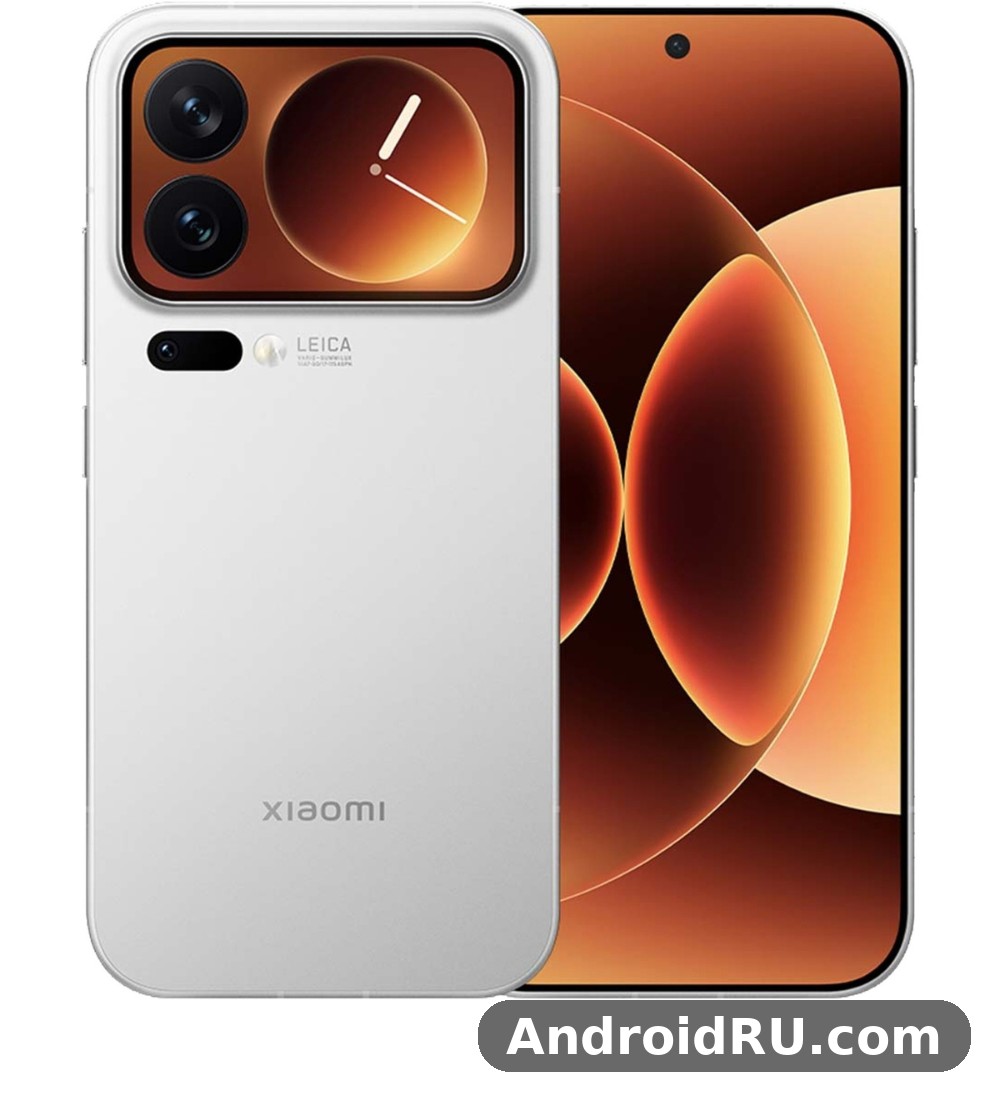
After living with the shape of this phone on paper and comparing it against its own family, the short answer is that the Xiaomi 17 Pro is a very easy phone to recommend to most flagship buyers, with two honest trade-offs you should know before you pay. The battery and charging combination is genuinely useful rather than just impressive in a spec table, the display is one of the best reasons to pick this phone, and the main camera takes the kind of photos most people actually keep. The trade-offs are just as real. There is no microSD card slot, so the storage size you buy is the storage you keep, and the phone is a premium flagship, which means its price only makes sense if you use the performance and the camera it offers. This review walks through each part in turn, so you can judge the strengths and the trade-offs for yourself.
One thing this article does not do is pretend to hand you lab measurements that do not exist. Where a number is confirmed, you will see the exact figure. Where a result depends on your charger, your network, your games or your region, this review says so plainly and tells you what to check on the official Xiaomi page before you buy. That matters more than usual here, because the Xiaomi 17 Pro price in 2026 varies by region, storage size and local offers, and the Xiaomi 17 Pro September 2025 release date of 25 September 2025 means some early launch bundles and colours may no longer be on sale where you live. Read the review, check the full specifications table near the end, then match the phone against your own daily routine.
Xiaomi 17 Pro at a Glance: September 2025 Launch, Price and Key Features
The Xiaomi 17 Pro release date was 25 September 2025, the same day the phone was announced, so there was no long wait between the launch event and the first phones reaching buyers. That quick turnaround told its own story. Xiaomi wanted this phone in shops while the Snapdragon 8 Elite Gen 5 was still fresh news, and it wanted the Pro to be the default choice for buyers who liked the Xiaomi 17 but wanted a stronger camera, a bigger battery and a brighter display without stepping up to the largest model in the range. In practice, that is exactly the space the Pro occupies. It is the middle of the family, and for most people the middle is the right place to be.
The Xiaomi 17 Pro price is the first thing to check in your own region, because it moves. Flagship pricing in 2026 depends on the storage size you pick, on local taxes and on whether a retailer is running a launch-style bundle with a charger or a case. The 256GB version is the entry point, the 512GB version suits people who shoot a lot of video, and the 1TB version is for buyers who keep large offline libraries and never want to think about storage again. As a rule, buy the storage you will need in two years, not the storage you need today, because there is no card slot to rescue you later. If the price gap between 256GB and 512GB is small where you live, the larger size is usually the better long-term buy.
The Xiaomi 17 Pro features that matter most in daily use are easy to list, and they are the same features this review tests in the sections below. A Snapdragon 8 Elite Gen 5 chipset with an octa-core CPU and Adreno 840 graphics handles games, video editing and heavy multitasking without the stutters that cheaper phones show after a year. A 6300 mAh battery with 100W wired charging and 50W wireless charging removes the low-battery anxiety that used to come with flagship phones. A 120Hz LTPO AMOLED display with Dolby Vision, HDR10 Plus support and a 3500 nits peak brightness stays readable outdoors and looks superb indoors. And a 50 MP main camera with an f/1.7 aperture and a 23mm wide lens covers the photos most people take every day, from food and friends to holidays and low-light streets.
What you get for the money
Think of the Xiaomi 17 Pro as a phone that spends its budget on the parts you touch every day. The screen is the part you look at for hours, so Xiaomi gave it a high refresh rate, careful dimming and very high peak brightness. The battery is the part that decides whether your day ends early, so Xiaomi gave it a large silicon-carbon cell and fast charging in both wired and wireless form. The chip is the part that decides whether the phone still feels fast in two years, so Xiaomi used the top Qualcomm chip of its generation. The camera is the part that decides whether you reach for your phone instead of a separate camera, so the main sensor is large and bright. Nothing here is there for show. Each headline feature answers a real daily need, and that is why the phone holds together as a package instead of feeling like a collection of disconnected specs.
That said, value is not only about what you get. It is also about what you give up by choosing this phone instead of its siblings. The standard Xiaomi 17 costs less and is easier to carry, while the Pro Max gives you a bigger screen and more room for media. The Ultra goes further on camera hardware for buyers who want the most ambitious photography in the range. The Pro sits between them, and its value depends on whether its particular mix matches your priorities. If you want the brightest display and the biggest battery in a still-manageable body, the Pro is the sweet spot. If you mainly want the lowest price, or the largest screen, one of its siblings may fit you better, and the related reviews linked in this article will help you compare them side by side.
What the 25 September 2025 launch means for buyers in 2026
Because the phone launched in September 2025, a buyer in 2026 is buying a phone that is already a few months into its life. That is good news in one way and a warning in another. The good news is that early software updates have had time to land, launch-day quirks have usually been fixed, and street prices have often settled below the launch price. The warning is that you should check the update situation and the warranty terms in your region before you buy, and you should confirm which storage sizes and colours are actually in stock. A phone that is a few months old is still a current flagship, but it deserves the same careful check you would give any purchase: confirm the seller, confirm the storage size on the box, and confirm the charger situation, since fast charging only reaches its best speeds with a suitable charger.
Who this review is for
This review is written for three kinds of buyer. The first is the upgrader coming from a phone that is two or three years old, who wants a clear step up in speed, battery life and camera quality without learning a new system. The second is the heavy user who games, streams video, takes photos and works from their phone, and who needs a device that keeps up from morning to night. The third is the careful buyer who is choosing between the Xiaomi 17, the Xiaomi 17 Pro, the Pro Max and the Ultra, and who wants an honest account of what the Pro does better and where it gives ground. If you are in any of those groups, the sections below answer your questions in order: display, performance, camera, battery, design, software, full specifications, pros and cons, and the questions buyers ask most.
Xiaomi 17 Pro Display Review: 120Hz LTPO AMOLED, Dolby Vision and 3500 Nits
The display is the first thing you notice about the Xiaomi 17 Pro, and it stays the most convincing reason to choose this phone over cheaper rivals. This Xiaomi 17 Pro display review starts with the facts that are confirmed: an LTPO AMOLED panel with 68 billion colours, a 120Hz refresh rate, 2160Hz PWM dimming, Dolby Vision, HDR Vivid and HDR10 Plus support, and a peak brightness of 3500 nits. Each of those numbers does a different job. The 120Hz refresh rate makes scrolling and animations look smooth. The LTPO backplane lets the refresh rate drop when nothing is moving, which saves battery during reading and static screens. The 68 billion colours give photos and video smooth gradients without the banding you see on cheaper panels. And the 3500 nits peak brightness is what keeps the screen readable when you step out into strong sunlight.
In daily use, the Xiaomi 17 Pro display feels calm and confident rather than flashy. Text stays sharp when you scroll quickly through a long feed, video looks rich without pushing colours into cartoon territory, and the screen dims gracefully at night instead of jumping between brightness steps. That last point matters more than it sounds. A phone you use in bed or in a dark room needs a display that can go dim enough to be comfortable and brighten smoothly when you need it, and the combination of LTPO and high-frequency PWM dimming is aimed squarely at that kind of comfort. If you are sensitive to flicker or you read on your phone for long stretches, the Xiaomi 17 Pro 2160Hz PWM dimming eye comfort story is worth understanding before you judge the screen on brightness alone.
There is also a practical point about size and handling that belongs in any honest display review. A bright, smooth screen is only useful if you can hold the phone comfortably while you use it, and the Xiaomi 17 Pro keeps its weight at 192 grams and its thickness at 8mm, which helps during long reading and video sessions. A heavier phone tires your hand faster, and a thicker phone is harder to hold one-handed on a crowded train. The Pro is not a small phone, but it is a well-balanced one, and the display is the part of the phone that benefits most from that balance, because you hold it up, look at it and touch it for hours at a time.
120Hz refresh and 2160Hz PWM dimming for eye comfort
A 120Hz refresh rate means the screen redraws up to 120 times per second, and your eyes notice the difference most when you scroll, swipe between home screens or play a fast game. Motion looks smoother, text stays readable while it moves, and the whole phone feels more responsive, even though the chip is doing the same work. The LTPO part is just as important. Because the panel can lower its refresh rate when the image is still, it wastes less power on a static page or a paused video, and that saving adds up across a day of reading, messaging and browsing. It is a quiet kind of efficiency, the sort you only notice when your battery lasts longer than you expected.
The Xiaomi 17 Pro 2160Hz PWM dimming eye comfort claim is about how the screen controls brightness at low levels. Many OLED screens dim by flickering on and off very quickly, and some people notice that flicker as eye strain or a headache, especially in a dark room. A higher PWM frequency makes that flicker much harder to perceive, and 2160Hz is high enough that most sensitive users find the screen comfortable at low brightness. If you read in bed every night, try the phone at its lowest brightness in a dark room before you decide. Comfort at low brightness is one of those things that never appears in a headline, but it decides whether you enjoy the phone after dark, and the Xiaomi 17 Pro PWM dimming approach is one of the better answers available in this class.
Dolby Vision, HDR10 Plus and peak brightness outdoors
High dynamic range is what makes a sunset look like a sunset instead of a flat orange wash, and the Xiaomi 17 Pro Dolby Vision HDR10 Plus support covers the two HDR formats most streaming services actually use. Xiaomi 17 Pro HDR10 Plus playback uses dynamic metadata to adjust brightness scene by scene, so dark scenes keep their shadows while bright scenes keep their highlights. Dolby Vision adjusts brightness and colour scene by scene, so a dark scene keeps its shadows while a bright scene keeps its highlights. HDR10 Plus does a similar job with dynamic metadata, and HDR Vivid adds a third format for services that prefer it. In practice, you do not need to remember which format a video uses. You press play, the phone picks the right one, and the picture looks richer than standard video, with brighter highlights and deeper shadows that still hold detail.
The Xiaomi 17 Pro 3500 nits peak brightness outdoors is the number that decides whether you can read a map, frame a photo or answer a message in direct sunlight. Peak brightness only applies to small bright areas of the screen, such as HDR highlights, rather than the whole panel at full white, but it still tells you the screen has a lot of headroom. On a bright day, the screen pushes highlights hard enough to cut through glare, and the Xiaomi 17 Pro peak brightness makes outdoor photography much easier, because you can actually see what the camera sees. If you spend a lot of time outside, this is one of the most practical strengths of the phone, and it is worth more than a slightly higher resolution that you would never notice at normal viewing distance.
Reading and video in bright sunlight
Outdoor readability is not only about brightness. It is also about reflections, contrast and how the screen behaves when it gets warm in the sun. A glossy screen can turn into a mirror, and no amount of brightness fully fixes that, so a matte screen protector or a shaded hand still helps on the brightest days. What the Xiaomi 17 Pro does well is keep contrast high when the brightness rises, so text stays dark against a bright background instead of washing out. For video, the combination of HDR support and high peak brightness means you can watch a show on a park bench without hunting for shade, and for reading, the large bright panel means you can finish an article outdoors without squinting. Readers who compare this phone with its bigger sibling should also read the Xiaomi 17 Pro Max Review: Display, Audio and Overall Experience, which looks at how a larger screen changes the same daily viewing habits.
Xiaomi 17 Pro Snapdragon 8 Elite Gen 5 Performance and Gaming
The Xiaomi 17 Pro Snapdragon 8 Elite Gen 5 performance story starts with the chip itself. The Qualcomm SM8850-AC Snapdragon 8 Elite Gen 5 is built on a 3 nm process, with an octa-core CPU made of two Oryon V3 Phoenix L cores running at up to 4.6 GHz and six Oryon V3 Phoenix M cores running at up to 3.62 GHz, plus Adreno 840 graphics. Those are the fastest cores Qualcomm offered in this generation, and the 4.6 GHz peak speed on the two big cores is what makes single heavy tasks feel instant, from opening a large game to exporting a video. The six efficiency cores handle the background work, keeping messaging, music and syncing ticking over without waking the big cores for every small job. The result is a phone that feels fast in the moment and stays efficient across a whole day.
Xiaomi 17 Pro performance in ordinary use is best described as unhurried. Apps open quickly, the camera launches without a pause, switching between a browser with many tabs, a chat app and a video editor does not force apps to reload, and the phone keeps up when you ask it to do two things at once. That is the real test of a flagship chip. It is not whether it can win a benchmark, but whether it can keep a dozen apps alive in memory, render a long page smoothly and still respond instantly when you tap the shutter. The Xiaomi 17 Pro RAM options help here too. With 12GB or 16GB of RAM, the phone has room to hold more apps in memory, so returning to an app you used an hour ago usually brings it back exactly where you left it instead of starting it again.
There is one honest warning that belongs in every performance section, and it applies to every fast phone, not only this one. A chip that can run at 4.6 GHz will get warm when you ask it to run at full speed for a long time, and the phone will protect itself by slowing down a little when it gets hot. That is normal, and it is better than letting the phone overheat. What matters is how gracefully it slows down and how quickly it recovers. In normal use, with browsing, photos, video and short gaming sessions, the Xiaomi 17 Pro stays comfortable and responsive. In very long, demanding sessions, expect some warmth and some easing of peak speed, and give the phone a short break or a cooler surface if you want the fastest frame rates back. For a direct comparison with the standard model, the Xiaomi 17 Review: Cameras, Performance and Battery Life shows where the regular Xiaomi 17 gives ground and where it keeps up.
Everyday speed and Xiaomi 17 Pro 12GB RAM multitasking
The Xiaomi 17 Pro 12GB RAM multitasking experience is the version most buyers will live with, and it is more than enough for the way most people use a phone. Twelve gigabytes of RAM holds a browser, a chat app, a maps app, a music app and a camera app at the same time without forcing reloads, and it leaves room for a game or a video editor on top. Split-screen work feels natural, picture-in-picture video keeps playing while you answer a message, and switching back to a document you were editing brings it back instantly. The 16GB version adds extra headroom for people who run heavier workloads, such as editing large video files while keeping many apps open, or playing a demanding game while streaming and chatting at the same time. If you are that kind of user, the extra RAM is worth having. If you are not, 12GB will not hold you back, and the money is better spent on more storage.
Storage speed matters here too, even though it rarely appears in headlines. A fast chip with slow storage still stutters when it loads a large game or saves a burst of photos, so the combination of a top chip, generous RAM and fast internal storage is what makes the phone feel instant. The Xiaomi 17 Pro storage options run from 256GB to 1TB, and all of them are fast internal storage rather than a card. That means your apps, photos and games all live on the same quick storage, with no slow card to drag the phone down. The practical advice is simple: keep at least a tenth of your storage free, clear out old downloads and offline video you have already watched, and the phone will stay fast for much longer than if you fill it to the brim.
Xiaomi 17 Pro gaming performance and Adreno 840 graphics
Xiaomi 17 Pro gaming performance rests on the Adreno 840 graphics processor, which is built to handle the most demanding mobile games at high settings with smooth frame rates. In a game with detailed 3D worlds, the GPU draws the scene, the CPU handles the game logic, and the display shows the result at up to 120Hz, so the whole chain has to work together for the game to feel smooth. On this phone, the chain is strong. Games load quickly, frame rates stay steady in normal sessions, and touch response feels direct, which matters in competitive games where a late tap costs you the round. The 120Hz display also helps here, because a game that can run above 60 frames per second looks and feels noticeably smoother on a 120Hz screen than on a 60Hz one.
A fair Xiaomi 17 Pro Adreno 840 graphics test looks at more than the first five minutes of a game. It looks at sustained frame rates after half an hour, at how warm the phone gets, at whether the brightness drops to protect the hardware, and at how the battery drains during a long session. Those are the numbers that decide whether a phone is a good gaming phone or merely a fast phone for short bursts. The Xiaomi 17 Pro has the hardware to sustain demanding games, but like every thin flagship, it will warm up during a long session, and the wisest way to play for hours is to take the case off, keep the phone out of direct sun and let it cool between matches. If you play mostly short sessions on the commute or in the evening, none of this will trouble you. If you play competitively for hours, the Ultra review is worth a look too, and the Xiaomi 17 Ultra Review: Gaming, Multitasking and Battery Life covers how the top model in the family handles the same long-session demands.
Heat, throttling and long sessions
Heat is the hidden tax on performance, and every phone pays it. When a chip works hard, it produces heat, and the phone sheds that heat through its body. A metal and glass body spreads heat well, which is why the back of the phone feels warm during a long game, and that warmth is a sign the cooling is working, not a sign that something is wrong. Throttling is the phone slowing the chip a little to keep temperatures safe, and it is better to lose a few frames than to damage the battery. Questions about Xiaomi 17 Pro overheating usually come from people who have felt that warmth and worried about it, so here is the plain answer: warmth during demanding use is normal, real overheating that forces the phone to shut down is not, and if your phone ever shuts itself down from heat, let it cool, close demanding apps and check for a runaway app or a faulty charger before you use it again.
Xiaomi 17 Pro Camera Quality: 50MP Main Camera, Daylight and Low Light
Xiaomi 17 Pro camera quality is built around one camera that does most of the work: a 50 MP main camera with an f/1.7 aperture, a 23mm wide lens and a large 1/1.28-inch sensor. That sensor size is the key to understanding the camera. A larger sensor gathers more light, and more light means cleaner photos with less noise, better detail in shadows and more natural background blur. The f/1.7 aperture is wide, which also lets in more light, and the 23mm focal length is the classic wide angle that suits street scenes, landscapes, food and group photos. Together, they make a main camera that is confident in the situations where most people actually take photos, rather than a camera that only shines in perfect studio light.
The Xiaomi 17 Pro camera is also a good example of why megapixels alone tell you very little. Fifty megapixels sounds like a lot, and it is, but the useful part is not the raw count. It is that a large sensor with 50 million pixels can capture fine detail in daylight, crop a little without falling apart, and still produce clean images when the phone combines pixels for better low-light results. In daylight, expect sharp photos with natural colours and plenty of detail in leaves, brickwork and fabric. Indoors, expect the phone to lean on its large sensor and wide aperture to keep shutter speeds fast enough to freeze a moving child or pet. At night, expect the phone to take a little longer, gather more light and produce a brighter, cleaner image than a phone with a smaller sensor could manage.
That said, a phone camera is a system, not a single sensor. Software decides how the image is processed, how colours are tuned and how much sharpening is applied, and HyperOS 3 gives you the controls to shape that processing to your taste. If you like punchy colours for social media, the default look will please you. If you prefer a quieter, more natural look, the camera settings let you pull the processing back. The best advice is to spend ten minutes with the camera app before an important day out: learn where the night mode sits, learn how to lock focus and exposure with a long press, and learn how to switch between photo and video quickly. A camera you understand takes better photos than a camera you only use on automatic, no matter how good the hardware is.
Daylight detail and the 23mm wide camera
The Xiaomi 17 Pro 23mm wide camera sensor size of 1/1.28 inch is what gives daylight photos their depth and detail. In bright light, the sensor has more than enough light to work with, so the phone can use a fast shutter speed, keep the sensitivity low and record fine detail without noise. Leaves keep their texture, distant buildings keep their edges, and skin tones stay natural instead of turning waxy from heavy noise reduction. The 23mm field of view is wide enough for a street scene or a landscape without pushing perspective into the distortion you get from a very wide lens, and it is close to the way your eyes see a scene, which is why photos from this lens feel natural rather than dramatic.
A fair Xiaomi 17 Pro 50MP camera test looks at daylight detail first, because that is where a good main camera should be at its best. It checks whether fine detail survives in the corners of the frame as well as the centre, whether colours stay true when the light changes from sun to shade, and whether the phone handles a bright sky and a dark foreground in the same shot. The large sensor and wide aperture give the Xiaomi 17 Pro a real advantage in all three checks, and the results show up in the photos you keep: sharper edges, cleaner shadows and colours that need less editing afterwards. If you print photos or crop them for social media, that extra detail is what keeps the image looking good after the crop.
Low light, night photos and the f/1.7 aperture
Low light is where a flagship camera earns its price, and the Xiaomi 17 Pro f1.7 aperture low light photos benefit from every part of the main camera working together. The wide aperture lets in more light, the large sensor makes better use of that light, and the phone’s night processing combines several frames to lift shadows without turning the image into a noisy mess. Xiaomi 17 Pro night photos taken on a city street keep neon signs readable, hold detail in dark doorways and keep skin tones from turning orange under street lights. They will not match a large dedicated camera, and no phone camera does, but they are far better than the muddy, noisy night shots that budget phones produce.
To get the best night photos from this phone, hold it steady, let the night mode finish its work and avoid zooming digitally in the dark, since digital zoom throws away light and detail at the worst possible moment. If your subject is moving, accept a slightly darker photo with a faster shutter rather than a brighter photo with motion blur, because a sharp dark photo can be brightened later while a blurry bright photo cannot be fixed. And if you are comparing cameras across the family, remember that the Ultra exists for buyers who want the most ambitious camera hardware Xiaomi offers, while the Pro gives you the strongest main camera most people will ever need, in a smaller and lighter body.
What to check before you judge the camera
Before you decide whether the camera is good enough for you, check three things. First, update the phone, because camera processing often improves in the first software updates after launch. Second, clean the lens, because a fingerprint on a large camera lens softens every photo and is the most common reason for disappointing results. Third, look at your photos on a larger screen, not only on the phone, because a photo that looks perfect on a small bright display can show noise or softness on a laptop. If you do those three things and the photos still disappoint you, the problem may be the processing style rather than the hardware, and the camera settings, including the different photo styles and the professional mode, are worth exploring before you blame the sensor.
Xiaomi 17 Pro Battery Life and Charging: 6300mAh, 100W Wired and 50W Wireless
Xiaomi 17 Pro battery life is the part of this review that most buyers will feel every single day, because a phone that dies at 8pm is a bad phone no matter how fast its chip is. The facts are simple and strong: a silicon-carbon lithium-ion battery with a capacity of 6300 mAh, 100W wired charging and 50W wireless charging. Silicon-carbon batteries store more energy in the same space than older battery chemistry, which is how Xiaomi fits a 6300 mAh cell into a phone that is only 8mm thick and weighs 192 grams. That combination of a large battery and a thin body used to be a trade-off. On this phone, it is not.
In normal mixed use, with messaging, browsing, maps, photos, video and some gaming, the Xiaomi 17 Pro battery should comfortably cover a full day for most people, and lighter users will often reach the next morning with charge to spare. Heavy users who stream video for hours, navigate with the screen on full brightness or play demanding games will drain it faster, as they would drain any phone, but the large capacity gives them a bigger margin than a 5000 mAh phone would. The Xiaomi 17 Pro 6300mAh battery charging story is not only about size, though. It is about how quickly you can top the battery up when you do run low, and that is where the 100W wired charging changes the daily routine. A short charge while you get ready in the morning can add a useful amount of power, and a longer charge over lunch can refill most of the battery.
There is an honest point to make about battery claims in general. No reviewer can promise you an exact number of hours, because your battery life depends on your screen brightness, your network signal, your apps and the temperature around you. A weak signal drains a battery faster than a strong one, a bright screen outdoors drains it faster than a dim screen indoors, and a game drains it faster than a podcast. What this review can promise is the capacity, the charging speeds and the efficiency of the chip and display, and all three point in the same direction: this is a phone built to last a long day and to recharge quickly when it does run low. For a careful look at how the standard model compares on the same daily routine, the review of the standard Xiaomi 17 linked above in the performance section covers it in detail, and the comparison in the specifications section below will help you weigh battery against size and price.
How long the battery lasts in daily use
A full day of mixed use is the right way to think about the Xiaomi 17 Pro battery, because that is the unit that matters. You charge overnight, you unplug in the morning, and the question is whether the phone is still alive when you get home. With a 6300 mAh battery, a power-efficient 3 nm chip and an LTPO display that lowers its refresh rate when nothing moves, the phone has three separate advantages working in its favour, and they add up. Reading and messaging sip power. Video streaming uses the display and the network but not the full chip. Gaming uses everything at once, and that is the one activity that will shorten the day noticeably, so plan a top-up if you play for hours.
Two settings make the biggest difference to battery life, and they are worth setting on day one. The first is adaptive brightness, which keeps the screen no brighter than it needs to be, because the display is the largest single drain on any phone. The second is background control, which stops apps you rarely use from waking the phone all day. HyperOS 3 gives you both controls in the battery settings, and a few minutes spent there pays for itself every day. If your battery ever drains faster than expected, check the battery usage screen before you blame the phone. A single app stuck syncing or a weak signal in a basement will often explain the drain, and fixing that one cause recovers more battery than any power-saving mode.
Xiaomi 17 Pro 100W charging time and 50W wireless charging speed
Xiaomi 17 Pro 100W charging time depends on the charger you use, the cable, the temperature of the phone and how empty the battery is when you plug in, so any exact minute count would be misleading. What is fair to say is that 100W wired charging is very fast by any normal standard, and it changes how you think about charging. Instead of planning your day around a full overnight charge, you can top up in short bursts: while you shower, while you eat, while you answer email at your desk. The phone reaches a useful charge quickly and then slows down as it approaches full, which protects the battery. That slowing down near the top is deliberate, and it is why the last stretch always takes longer than the first.
Xiaomi 17 Pro wireless charging is fast enough that a wireless pad on your desk or bedside table becomes a genuinely useful charger rather than a slow trickle, and the Xiaomi 17 Pro 50W wireless charging speed behind it is quicker than many phones manage over a cable. Fifty watts wireless is faster than many phones manage over a cable, and it means you can drop the phone on a pad during a meeting or overnight and pick it up with a healthy charge. Wireless charging does produce a little more heat than wired charging, so a well-ventilated pad and a case that does not trap heat will help. If you want the fastest possible charge, use the cable. If you want the most convenient charge, use the pad. The Xiaomi 17 Pro charging choice is yours to make each time, and having both fast options is one of the quiet strengths of this phone.
Charging habits that keep the battery healthy longer
Batteries age, and every charge cycle wears them a little, but good habits slow that ageing down. Keep the phone out of hot cars and direct sun while it charges, because heat is the biggest enemy of battery health. Avoid letting the battery sit at zero for days, and avoid keeping it pinned at 100 percent on a hot charger for hours when you do not need it. A charge between roughly a fifth and four fifths full is the kindest range for daily use, and an overnight charge with a smart charging limit, if your software offers one, is better than a fast charge to full every night. The Xiaomi 17 Pro battery is large enough that you can afford to be kind to it. You do not need to charge it to full every time, and you do not need to panic when it drops below half.
Xiaomi 17 Pro Design, Weight and Everyday Use: 192 Grams and 8mm Thin
Xiaomi 17 Pro design is best understood in the hand rather than in a photo. At 192 grams and 8mm thick, it is a phone that feels solid without feeling heavy, and thin without feeling fragile. That balance is harder to achieve than it sounds, because a large battery usually means a heavier phone, and a bright display usually means a thicker one. Xiaomi avoided both traps by using a silicon-carbon battery and a slim LTPO panel, and the result is a flagship that you can hold for a long video call or a long reading session without your hand getting tired. The Xiaomi 17 Pro weight of 192 grams is light enough for one-handed use in most situations, and the Xiaomi 17 Pro thickness of 8mm means it slides into a pocket without the bulk that larger flagships carry.
The Xiaomi 17 Pro 192 gram weight in hand feels evenly distributed, which matters as much as the number itself. A phone that is heavy at the top tips forward when you hold it, while a phone with its weight centred sits calmly in your palm. The Pro feels centred, and the 8mm profile gives your fingers a comfortable edge to grip. The Xiaomi 17 Pro 8mm thin design grip is helped further by the shape of the frame, which gives you something to hold without sharp edges digging into your fingers. If you use a case, choose one that adds grip without adding too much bulk, because a thin phone in a thick case loses the benefit of its design. A slim case that protects the corners and the camera lenses is usually the best compromise.
Everyday use is where design decisions show up as small pleasures or small annoyances. A phone that is easy to hold gets used more, a phone that is easy to reach one-handed gets answered faster, and a phone that fits in a jacket pocket gets carried everywhere instead of being left on a desk. The Xiaomi 17 Pro daily use experience is built around those small moments: unlocking the phone quickly, answering a message with one thumb, taking a photo without juggling the phone, and slipping it back into a pocket without thinking about it. None of those moments appears in a spec table, but together they decide whether you enjoy the phone or merely tolerate it. The Pro is a phone that is easy to enjoy, because its size and weight stay out of your way.
In the hand: weight, thickness and grip
Hold the Xiaomi 17 Pro next to a heavier flagship and the difference is immediate. Your wrist relaxes, your thumb reaches further across the screen, and the phone feels less likely to slip when your hands are dry or cold. That matters on a crowded train, on a walk and in bed, where a heavy phone is a phone you drop. The 8mm thickness also helps with grip, because a thinner phone lets your fingers wrap further around the body. If you have small hands, try the phone in a shop before you buy, and check whether your thumb reaches the far corner of the screen comfortably. If it does not, a one-handed mode or a smaller grip adjustment in the settings will help, and the phone is still easier to handle than its larger Pro Max sibling.
Durability is the other half of design, and it deserves an honest note. A thin, light phone still needs care, because glass and metal scratch and crack when they meet concrete. A screen protector and a case are cheap insurance, and they protect the resale value of the phone as well as its looks. Check the official Xiaomi page for the exact materials, colours and water and dust resistance rating for your region before you buy, because those details can vary, and this review does not invent them. What is safe to say is that the Pro is built to the standard you expect from a flagship, and that its light weight does not come from cutting corners on the frame.
Storage choices and the missing microSD slot
The Xiaomi 17 Pro no microSD card slot rule is the single most important thing to understand before you choose a storage size. There is no card to add later, no cheap expansion when the phone fills up, and no way to move your photos to a card and free space in a hurry. The Xiaomi 17 Pro storage decision has to be made at the shop, and it has to be made with your habits in two years in mind, not today. The Xiaomi 17 Pro 256GB storage variant suits people who stream music and video, back up photos to the cloud and delete old files regularly. It is the right size for a light or average user, and it keeps the price down.
The 512GB version suits people who shoot a lot of 4K video, keep large games installed, download shows for flights or work offline. The Xiaomi 17 Pro 1TB storage option price is the one to check carefully, because it costs the most but removes storage worry entirely. If you keep every photo you have ever taken, if you record long videos, or if you simply never want to think about storage again, the 1TB version is the honest choice. Whichever size you pick, set up cloud backup on day one, because a phone with no card slot is a phone where a lost device means lost photos unless your backup is already running. A few minutes of setup now saves a painful loss later.
HyperOS 3 on Android 16: Software, Features and Update Schedule
Xiaomi 17 Pro software runs Android 16 with HyperOS 3, which means the phone launched with the newest Android version of its generation and with Xiaomi’s latest interface on top. That combination matters, because the Android version decides which features and security improvements you get, while HyperOS decides how the phone looks, how its apps behave and how its extra features work. HyperOS 3 is Xiaomi’s third generation of its own system, and it focuses on speed, on connecting Xiaomi devices together and on giving you more control over the look of the phone. In daily use, it feels fast and polished, with smooth animations, a clean settings layout and a control centre that puts the toggles you use most within easy reach.
The Xiaomi 17 Pro HyperOS 3 features worth knowing first are the ones that save you time every day. The home screen lets you shape widgets and folders to match your routine, the control centre puts brightness, Wi-Fi, Bluetooth and battery controls in one swipe, and the camera app keeps its most-used modes on the main screen instead of hiding them in menus. The system also includes tools for managing storage, for checking battery health and for keeping background apps under control, and those tools are worth opening in the first week. A phone is only as good as its software, and a few minutes spent learning where the settings live will save you hours of frustration later. If you are coming from another brand, give yourself a week to adjust, because every system feels strange at first and familiar after a few days.
Software also decides how long the phone stays useful, and that is why the Xiaomi 17 Pro Android 16 update schedule matters as much as any hardware spec. A phone that stops getting security updates after two years becomes a risk, while a phone that keeps getting updates stays safe and gains new features. Check the official Xiaomi page for the exact update promise for your region and model before you buy, because promises can vary, and this review does not invent a number of years. What you can do today is turn on automatic updates, check for a software update in the first week, and install it, because early updates often fix the small issues that launch software carries. The related Xiaomi 17T Pro Review: Build Quality, Software and Daily Speed also looks at software from a different angle, comparing how a lower-priced Xiaomi handles the same daily software tasks.
Xiaomi 17 Pro HyperOS 3 features worth knowing
Start with the features that change your daily routine. The always-on display can show the time, notifications and battery level without waking the full screen, and it is worth setting up with a dim, simple style that does not drain the battery. The gesture controls let you move around the phone without on-screen buttons, and they feel natural after a day or two. The app drawer keeps your home screen tidy, and the search bar at the top of the drawer finds apps faster than scrolling through pages. The screen recorder, the screenshot tools and the one-handed mode are all in the settings or the control centre, and they are the kind of features you only discover when you need them, so a quick tour of the settings in the first week is time well spent.
Connectivity features deserve a mention too, because HyperOS 3 is designed to work with other Xiaomi devices, from tablets and watches to earbuds and laptops. If you own other Xiaomi products, the phone can hand calls, audio and files between them with less friction than a phone from a different brand. If you do not own other Xiaomi products, those features cost you nothing and stay out of your way. Either way, the system is flexible enough to suit both kinds of user, and the settings let you turn off the features you do not want. That flexibility is one of the quiet strengths of HyperOS, and it is why the phone feels personal after a week of use rather than generic.
Android 16 update schedule and long-term support
Long-term support is a promise, and promises should be checked, not assumed. The Xiaomi 17 Pro Android 16 update schedule is the schedule Xiaomi publishes for this model in your region, and it covers both major Android version updates and monthly or quarterly security patches. Security patches are the more important of the two, because they fix vulnerabilities that could otherwise put your data at risk, and a phone that gets them promptly is a phone you can trust with banking, work email and personal photos. Major version updates bring new features and a new look, but they arrive less often and matter less to daily safety.
To make the most of the support your phone does get, keep automatic updates turned on, keep enough free storage for updates to download, and install security patches promptly when they arrive. A phone that is two updates behind is a phone with known weaknesses, and the fix is usually a single tap. If you plan to keep the phone for three or four years, the update promise should be part of your buying decision, alongside the battery, the camera and the price. A phone with great hardware and poor updates ages badly, while a phone with good hardware and good updates stays useful for years. Check the promise, then decide.
Full Specifications
This Xiaomi 17 Pro full specifications table collects every confirmed figure from this review in one place, so you can check a number in seconds instead of hunting through the article. The Xiaomi 17 Pro specs below are the verified facts: the launch date, the chip, the display, the camera, the battery, the charging speeds, the weight, the thickness, the RAM and the storage. Where a detail is not confirmed in this review, the table says so plainly and points you to the official Xiaomi page, because an honest gap is better than an invented number. Use this table as your checklist when you compare the phone in a shop, and confirm the price, the colours and the exact regional version before you pay.
| Specification | Xiaomi 17 Pro |
|---|---|
| Announced | 25 September 2025 |
| Released | 25 September 2025 |
| Operating system | Android 16 with HyperOS 3 |
| Chipset | Qualcomm SM8850-AC Snapdragon 8 Elite Gen 5 (3 nm) |
| CPU | Octa-core (2×4.6 GHz Oryon V3 Phoenix L + 6×3.62 GHz Oryon V3 Phoenix M) |
| GPU | Adreno 840 |
| Display | LTPO AMOLED, 68 billion colours, 120Hz, 2160Hz PWM dimming, Dolby Vision, HDR Vivid, HDR10+, 3500 nits peak brightness |
| Main camera | 50 MP, f/1.7, 23mm wide, 1/1.28-inch sensor |
| Battery | Si/C Li-Ion 6300 mAh |
| Wired charging | 100W |
| Wireless charging | 50W |
| RAM | 12GB / 16GB |
| Storage | 256GB / 512GB / 1TB |
| Card slot | No microSD card slot |
| Weight | 192 g |
| Thickness | 8 mm |
| Other details | Check the official Xiaomi page for current regional pricing, colours, exact dimensions and the remaining camera details |
The comparison table below looks at the same phone from a different angle. Instead of listing hardware, it compares the choices you actually make when you buy: how much RAM, how much storage, and who each choice suits. This is the table to use when you are standing in a shop trying to decide between the cheaper version and the larger one, because it turns the spec list into a buying decision. The right choice is not the biggest one. It is the one that matches how you use your phone, how long you keep it, and how much you are willing to pay for headroom you may never need.
| Choice | What you get | Best for |
|---|---|---|
| 12GB RAM | Plenty of memory for everyday multitasking, gaming and switching between many apps | Most buyers, including heavy daily users who do not edit large video files |
| 16GB RAM | Extra headroom for demanding multitasking, large games and video editing alongside many open apps | Power users, video editors and gamers who keep many apps open at once |
| 256GB storage | Room for apps, photos and games with regular cloud backup and tidy file habits | Light and average users who stream media and back up photos to the cloud |
| 512GB storage | Double the room for 4K video, large games and offline downloads | Photographers, frequent travellers and gamers with large game libraries |
| 1TB storage | The largest option, with room for years of photos, video and offline libraries | Buyers who keep everything on the phone and never want to manage storage again |
How to read this specifications table
Read the table from the top down, and stop at the rows that matter to you. If you game, the chip, the GPU, the RAM and the display rows are your rows. If you take photos, the main camera row is your row, and the storage rows matter too, because photos fill a phone faster than any other kind of file. If you travel, the battery, charging and weight rows are your rows. If you keep a phone for years, the operating system row is your row, because it tells you where the phone starts its software life. You do not need to memorise the table. You need to find the three rows that decide your purchase, compare them against the price, and make your choice from there. Everything else is useful context, not a deciding factor.
Xiaomi 17 Pro Pros and Cons: Strengths, Trade-Offs and Who Should Buy It
Every phone is a set of choices, and the Xiaomi 17 Pro pros and cons below are the honest summary of the choices Xiaomi made with this phone. The strengths are real and they show up every day: a top chip, a large battery, fast charging in both forms, a bright and comfortable display, and a main camera that handles daylight and low light with confidence. The trade-offs are real too, and they deserve the same attention: no card slot, a premium price, and a size that is manageable but not small. A good review does not hide the trade-offs behind the strengths. It puts them side by side, so you can decide whether the strengths are worth the price and whether the trade-offs are ones you can live with.
The pattern that runs through this whole review is balance. The Pro does not try to be the biggest, the cheapest or the most extreme camera phone in the Xiaomi 17 family. It tries to be the phone that gets the most things right for the most people, and it succeeds at that job. The battery lasts, the screen impresses, the chip stays fast, the camera delivers, and the body stays light enough to carry all day. If your priorities match that pattern, this is a phone you will enjoy for years. If your priorities point somewhere else, the trade-offs below will tell you quickly, and the related reviews in this article will point you to the sibling that fits better.
Pros: where the Xiaomi 17 Pro shines
- 6300 mAh battery with 100W wired and 50W wireless charging, which means long days and fast top-ups instead of battery anxiety.
- Bright 120Hz LTPO AMOLED display with Dolby Vision, HDR10 Plus support and 3500 nits peak brightness, which stays readable outdoors and looks superb indoors.
- Snapdragon 8 Elite Gen 5 chip with Adreno 840 graphics, which keeps apps, games and multitasking fast and smooth.
- 50 MP main camera with a large 1/1.28-inch sensor and f/1.7 aperture, which takes clean, detailed photos in daylight and in low light.
- Light and thin body at 192 grams and 8mm, which is easy to hold, carry and use one-handed for a flagship.
- Android 16 with HyperOS 3, which brings the newest Android features and Xiaomi’s latest interface from day one.
Cons: the trade-offs to accept
- No microSD card slot, so the storage size you buy is the storage you keep for the life of the phone.
- Premium flagship pricing, which only makes sense if you use the performance, the camera and the display it offers.
- No exact minute count for charging or exact hour count for battery life can be promised, since both depend on your charger, signal, brightness and apps.
- Warmth during long demanding gaming sessions, which is normal for a thin flagship but worth knowing before you play for hours.
- Some details, such as regional pricing, colours and the remaining camera specifications, must be checked on the official Xiaomi page rather than taken from this review.
Best fit: photography, gaming and heavy daily use
The Xiaomi 17 Pro for photography is an easy recommendation, because the large main sensor and wide aperture cover the photos most people take, from daylight landscapes to night streets, without needing a separate camera. The Xiaomi 17 Pro for students is a strong choice too, for a different reason: a student needs a phone that lasts a full day of classes, charges quickly between lectures, takes good photos of notes and friends, and stays fast for years on a tight budget, and the Pro does all four, provided the price fits the budget. Gamers get a fast chip, a smooth 120Hz display and a large battery, and heavy daily users get a phone that keeps many apps alive without slowing down. If you are in any of these groups, the Pro is built for you.
Who should look elsewhere
Look elsewhere if you need expandable storage, because no card slot means no expansion, ever. Look elsewhere if you want the lowest possible price, because the standard Xiaomi 17 gives you much of the experience for less money. Look elsewhere if you want the largest screen or the most ambitious camera hardware, because the Pro Max and the Ultra exist for exactly those buyers. And look elsewhere if you want a small phone, because the Pro is manageable but not small, and a smaller phone will suit you better. None of these are flaws in the Pro. They are signs that a different phone fits your priorities better, and choosing the right sibling is a better decision than buying the wrong flagship and regretting it.
Frequently Asked Questions About the Xiaomi 17 Pro
Is Xiaomi 17 Pro worth buying?
Is Xiaomi 17 Pro worth buying? For most flagship buyers in 2026, yes, provided the price in your region fits your budget and you will use what it offers. The combination of a Snapdragon 8 Elite Gen 5 chip, a 6300 mAh battery, 100W charging, a bright 120Hz display and a strong 50 MP main camera is hard to beat at this level, and the phone is light enough to enjoy every day. It is not worth buying if you want the cheapest Xiaomi 17, if you need a microSD card slot, or if you want the largest screen in the family. Check the price, check the storage size, check the update promise, and if all three look right, the Pro is a safe and satisfying buy.
How good is the Xiaomi 17 Pro battery life in real daily use?
Xiaomi 17 Pro battery life in real daily use should cover a full day of mixed use for most people, thanks to the 6300 mAh battery, the efficient 3 nm chip and the LTPO display that saves power when the screen is still. Lighter users will often have charge left the next morning, while heavy gamers and video streamers will drain it faster and should plan a top-up during the day. The 100W wired charging and 50W wireless charging mean a top-up is quick whenever you need one, so the practical answer is that the battery lasts a long day and recharges fast when it does run low. Your exact result depends on brightness, signal, apps and temperature, so treat any hour count you see elsewhere as a rough guide rather than a promise.
Does the Xiaomi 17 Pro have a microSD card slot?
No, the Xiaomi 17 Pro has no microSD card slot, and there is no way to add storage later. The phone comes with 256GB, 512GB or 1TB of internal storage, and the size you buy is the size you keep. If you shoot a lot of video or keep large offline libraries, choose 512GB or 1TB. If you stream most of your media and back up photos to the cloud, 256GB is enough. Set up cloud backup on day one, because without a card slot, a lost phone means lost photos unless your backup is already running.
What are the best Xiaomi 17 Pro alternatives?
The best Xiaomi 17 Pro alternatives depend on what you want to change. The standard Xiaomi 17 costs less and is easier to carry, the Pro Max gives you a bigger screen for media, the Ultra gives you the most ambitious camera hardware in the family, and the 17T Pro gives you a lower-priced Xiaomi with strong daily speed. If you are weighing a newer generation, the Xiaomi 18 Pro Review: Camera Quality, Battery and Value is worth reading before you decide, because it covers how the next generation balances camera quality, battery and value. Compare the price, the size and the camera of each option against your own routine, and pick the phone whose strengths match your priorities rather than the phone with the longest spec list.
How does the Xiaomi 17 Pro compare with the Xiaomi 17?
The Xiaomi 17 Pro vs 17 comparison comes down to camera, battery, display and price, and the wider Xiaomi 17 Pro vs Xiaomi 17 picture is the same story told with more detail. The Pro gives you a stronger main camera, a larger 6300 mAh battery, faster charging and a brighter display, while the standard Xiaomi 17 costs less and is easier to carry. If you take a lot of photos, play demanding games or spend long days away from a charger, the Pro is worth the extra money. If you mainly message, browse, stream video and take occasional photos, the standard model will serve you well and save you money. Read both reviews, compare the prices in your region, and choose the phone that matches how you actually use it.
So where does that leave you? The Xiaomi 17 Pro is a flagship that gets the daily fundamentals right: a screen you enjoy looking at, a battery you can rely on, a chip that stays fast, a camera that captures the moments you care about, and a body that is light enough to carry everywhere. Its trade-offs are clear and easy to judge, and none of them is hidden. Check the full specifications table above, confirm the price and storage size in your region, and if the balance suits you, this is a phone you can buy with confidence and enjoy for years. And if you are still weighing the family, start with the standard model review linked in the performance section, then compare the Pro Max and the Ultra, because the right Xiaomi 17 for you is the one whose strengths match your life, not the one with the biggest headline.

