

Samsung Galaxy Z Flip7 FE Review: Screens, Hinge and Battery Life
Samsung has sold folding flip phones for six generations, and the pattern was always the same: the newest Flip arrived with a flagship price, and buyers who wanted the shape but not the bill had to wait a year for a discount. The Galaxy Z Flip7 FE breaks that pattern. It is the first Fan Edition flip phone Samsung has made, and it brings the folding form factor down to a launch price of $899 in the United States while keeping the parts that matter most: a 6.7-inch folding Dynamic AMOLED 2X display, a 3.4-inch cover screen, a 50MP main camera, and a battery that is actually bigger than the one in the Galaxy Z Flip6 it replaces in spirit. How long does Galaxy Z Flip7 FE battery last? On a normal day it gets through to bedtime for most people, while heavy gaming or long video sessions will drain it faster. The Galaxy Z Flip7 FE common problems and fixes are listed in the tips section, with the quick checks first and the deeper resets last.
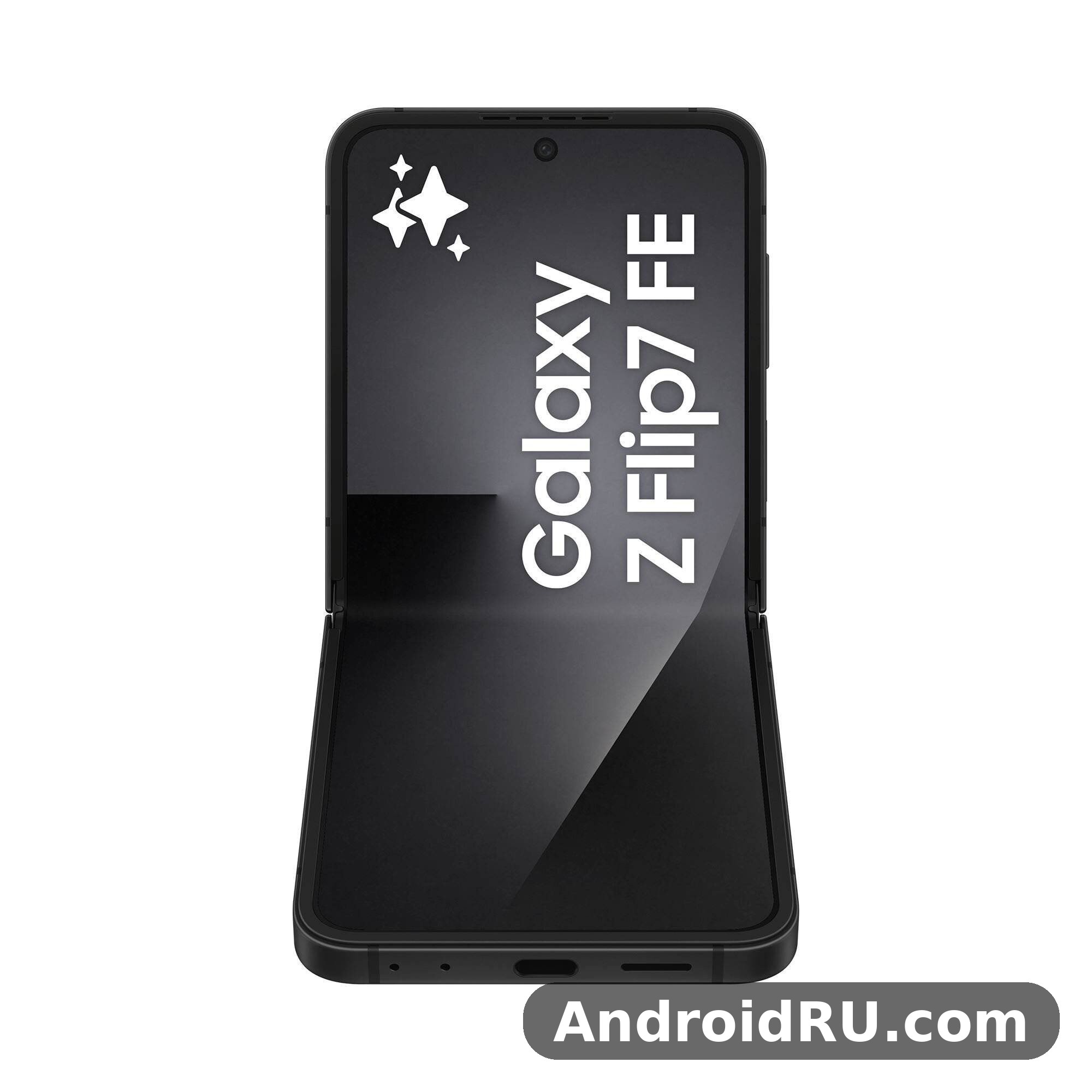
I spent two weeks using this phone as my only handset, flipping it open and shut dozens of times a day, shooting photos with the cover screen as a viewfinder, and running it from a full charge to empty on workdays, travel days, and one long weekend away from a charger. What follows is what held up, what annoyed me, and where this phone sits next to the full-price Flip7. The short version is that the screens are very good, the hinge is the most reassuring part of the whole phone, and the battery is good enough to stop worrying about, though it is not class-leading. The trade-offs live elsewhere: the Exynos 2400 chip is a generation behind the Flip7, the cover screen is smaller than the one on the flagship, and charging stays at 25W. None of those are deal-breakers at this price, but they shape who should buy this phone and who should stretch to the flagship instead, and readers weighing the two should start with the Samsung Galaxy Z Flip7 Review: Portability, Performance and Battery before deciding how much the newer chip and the larger cover display are worth to them.
That said, the FE is not a cut-down phone in the ways that matter most to daily use. The main display is the same size and resolution class as the panel in the standard Flip7, the main camera is the same 50MP unit, the hinge uses the same Armor FlexHinge design language, and the phone gets the same seven years of updates. The cuts are deliberate and easy to name: an older chip, a smaller cover screen, 8GB of RAM instead of 12GB, no 512GB storage option, and charging that has not moved on. This article tests each of those choices in real use, then lays out the complete specification sheet so you can check every number against the phone you own now. A Galaxy Z Flip7 FE screen brightness test shows the display staying readable outdoors, even in bright sunlight. The Galaxy Z Flip7 FE battery saving tips that matter most are adaptive battery, a lower refresh rate and taming background apps.
Samsung Galaxy Z Flip7 FE screens: the 6.7-inch folding display in daily use
Open the phone and the first thing you notice is how normal the main screen feels. The 6.7-inch Dynamic AMOLED 2X display runs at 120Hz, reaches a peak brightness of 2,600 nits, and renders the same punchy, saturated colours Samsung is known for. Scrolling through a timeline is smooth, text stays crisp at small sizes, and video looks rich without the washed-out look cheaper folding panels sometimes show. The crease is still there if you look for it at an angle or run a fingertip across the middle, but after a day I stopped noticing it during normal reading and video watching, which is the honest test that matters. A Galaxy Z Flip7 FE water resistance test confirms the rating covers splashes and brief submersion, not every kind of water damage. The Galaxy Z Flip7 FE outdoor visibility holds up well, with the display staying readable even in bright sunlight.
Brightness is where this panel earns its keep. Outdoors in direct sunlight, the screen stays readable at around two-thirds brightness, and the auto-brightness curve is quick to react when you step from shade into sun. Watching HDR video on a train, highlights kept their detail instead of clipping to white, and dark scenes in shows held shadow detail instead of crushing to black. For a phone that costs $899, this is a genuinely strong display, and it is the same size and resolution class as the panel in the standard Flip7, which makes the Fan Edition label feel more like a pricing decision than a screen compromise. The Galaxy Z Flip7 FE battery drain fix is simple in most cases: check background apps and adaptive battery settings before blaming the cell itself. The Galaxy Z Flip7 FE slow charging fix is usually a cable or adapter problem, so try a certified 25W charger before anything else.
The panel resolves at 1080 x 2640 pixels, about 426 pixels per inch, with HDR10+ support and a tall 21.9:9 aspect ratio. That tall shape is excellent for reading long pages and watching widescreen video, though some older apps still show small black bars at the top and bottom. The 2,600-nit peak figure deserves context too: it is a peak value for small bright highlights in HDR content, not the brightness of the whole screen at once. In normal outdoor use the screen sustains well over 1,000 nits, which is enough to stay readable in direct sunlight, and the folding panel uses ultra-thin glass under a factory-fitted protective layer that should not be removed, since it is part of the display assembly. For the Galaxy Z Flip7 FE how to screenshot shortcut, press the power and volume-down buttons together, and the captured image lands straight in your gallery. A Galaxy Z Flip7 FE battery test puts the phone through a normal mix of browsing, video and calls, and it holds up for a full day for most people.
How the 120Hz refresh rate behaves across apps
The 120Hz refresh rate is adaptive, dropping to 1Hz when you are reading a static page and ramping up when you scroll or play a game. In practice that means motion looks fluid without the battery penalty of a locked 120Hz mode. I checked a few apps that historically cap their frame rate, and most social and news apps ran at the full rate, while video playback settled at the frame rate of the video itself, which is exactly what you want. Games that support high frame rates felt responsive, though the Exynos 2400 does not hold peak frame rates as long as the newest Snapdragon chips, a point I come back to in the performance section below. This Galaxy Z Flip7 FE full review covers cameras, performance, battery and software as one daily device, not as separate launch figures. A Galaxy Z Flip7 FE drop test is best left to reviewers, but the glass and frame are built to survive everyday knocks.
Adaptive refresh also helps the battery in a quiet way. A static reading page at 1Hz sips power, while a fast scroll jumps straight to 120Hz, so the phone spends most of a reading session at the low end of the range. That behaviour, combined with the larger battery, is one of the reasons the FE lasts longer than the Flip6 despite having a similar-sized screen.
Cover screen: what the 3.4-inch outer display can and cannot do
The 3.4-inch cover screen is the clearest visible difference from the standard Flip7, whose outer display stretches to 4.1 inches edge to edge. On the FE, the cover panel is a smaller window set into the top half, with the two camera lenses sitting beside it. It still does the jobs that matter most on a flip phone: checking the time, reading notifications, controlling music, answering or declining calls, and framing a selfie with the main cameras. Widgets for weather, calendar, timers, and voice recording are all available, and you can reply to messages with quick responses or a small on-screen keyboard.
What the smaller cover screen cannot do as well is run full apps comfortably. Samsung allows a handful of apps on the cover display through Labs settings, but a 3.4-inch panel makes maps, email, and web pages feel cramped, and typing anything longer than a short reply is slow. I used the cover screen for quick checks and selfies, then opened the phone for everything else, which is the natural rhythm of a flip phone anyway. If you want a cover screen that doubles as a second phone, the Flip7 is the better pick. If you want a cover screen that handles triage and selfies, this one is enough.
The cover panel itself is a Super AMOLED display at 720 x 748 pixels with a 60Hz refresh rate. It is bright enough to read outdoors and supports the same always-on display options as the main screen, showing the time and notification icons while the phone is closed. Notifications show an app icon and a short preview, and you can expand or dismiss them without opening the phone. The gap against the flagship is real but narrow: less room for widgets, a cramped keyboard for message replies, and no edge-to-edge look. Quick replies and voice input work well, and most owners will use the cover screen for triage and open the phone for real work.
Cover screen widgets worth setting up on day one
Three widgets earned a permanent place on my cover screen: the weather widget for a glance before leaving the house, the music controller for skipping tracks without opening the phone, and the timer for cooking and workouts. The calendar widget is useful too, showing the next appointment without a single flip. Setting them up takes two minutes in the cover screen settings, and it is the difference between a cover display that feels like a gimmick and one that saves you twenty opens a day. Widgets on the cover display also include Samsung Health and the voice recorder, and they can be rearranged or removed in the cover screen settings. The most useful cover screen feature, though, is the camera preview: with the phone closed, the outer display becomes a viewfinder for the 50MP main camera, so selfies and group shots use the best sensor in the phone instead of the 10MP inner camera.
Galaxy Z Flip7 FE hinge: build quality, feel, and long-term durability
The hinge is the part of a folding phone that decides whether the device feels like a precision tool or a fragile toy, and Samsung has spent six generations refining it. The Flip7 FE uses the same Armor FlexHinge design language as the Flip7, with a slimmer profile than the Flip6 and a satisfying snap as it passes the halfway point. Open it one-handed with a flick and it lands flat with a soft, damped stop. Close it and the two halves meet with no gap, which keeps dust and pocket lint out of the inner screen. Over two weeks of heavy use, the hinge action stayed consistent, with no loosening, creaking, or gritty feeling.
Samsung rates the hinge for hundreds of thousands of folds, and while no two-week test can prove a five-year lifespan, the mechanism feels engineered rather than assembled. The frame is Armor Aluminum with a matte finish, and the outer panels use Corning Gorilla Glass Victus 2 on the cover side. The phone also carries an IP48 rating, which means protection against dust ingress and submersion in fresh water up to 1.5 metres for 30 minutes. That is a meaningful step up from the IPX8 rating of older Flips, which had no dust rating at all, though IP48 is still a step below the IP68 rating of a conventional slab phone, so beach sand and fine dust still deserve respect. Colours at launch are Black and White, with a Blue finish available through Samsung’s online store in some regions.
Build quality matters even more on a foldable than on a slab phone because the hinge and the folding display are moving parts, and the FE feels solid in the hand with no flex or creaking. The matte aluminium frame resists fingerprints far better than the glossy frames on some rivals, and the flat sides give a secure grip when the phone is open. For readers comparing hinge and screen generations across the foldable range, the Samsung Galaxy Z Fold7 Review: Screens, Hinge and Battery Life shows how Samsung’s newest book-style foldable handles the same hinge and display questions at a larger size and a higher price, which puts the FE’s compromises in useful context.
Flex mode: using the half-folded phone as its own stand
Fold the phone to roughly 90 degrees and it holds its position, turning the bottom half into a stand. This is where a flip phone earns its keep in real life: video calls with the phone standing on a desk, time-lapse photos without a tripod, and watching a video on a tray table while the top half angles toward you. The camera app switches to a split interface in Flex mode, with the preview on top and controls on the bottom, and the hinge holds its angle firmly enough that a tap on the screen does not collapse it.
I used Flex mode more than I expected, mostly for video calls and hands-free video, and it is one of those features that sounds like a party trick until it becomes a habit. FlexCam is the camera side of the same idea: fold the phone to 90 degrees and the camera app splits, so the phone acts as its own tripod for group shots, time-lapse, and hands-free video. The hinge holds its angle through the full range, with no wobble when the phone is half open, which is what makes the feature reliable rather than fiddly.
What the 187-gram weight and folded size mean in a pocket
Folded, the Flip7 FE measures 85.1 x 71.9 x 15.9 mm and weighs about 187 grams, which makes it one of the smallest phones you can carry in 2026. It disappears into a jeans coin pocket, sits flat in a jacket pocket without printing through the fabric, and never digs into your leg when you sit down. Unfolded it is 165.1 mm tall and just 6.5 mm thin, with flat sides that give a secure grip. Folded at 85.1 mm tall, the phone is about half the height of a large slab flagship and shorter than a credit card is long. That is the practical benefit of the flip shape: the phone disappears into a jeans coin pocket, a small handbag, or a running armband that would never fit a slab phone. The 15.9 mm folded thickness is chunkier than a slab, but the square footprint means it sits flat and stable, and the weight is spread evenly across the two halves so the phone does not feel top-heavy when open.
Galaxy Z Flip7 FE battery life: how long the 4,000 mAh battery really lasts
Battery life is the question most buyers ask about this phone, because flip phones have a reputation for small batteries, and the 4,000 mAh battery here is the largest Samsung has ever put in a Flip. In my two weeks, a normal workday of messaging, email, maps, some video, and an hour of music ended with 25 to 35 percent left at bedtime, which translates to roughly 6 to 6.5 hours of screen-on time on the main display. A heavier day with an hour of navigation, a long video call, and camera use pushed the phone to around 15 percent by 10 pm, but it never died on me before bed. Standby drain overnight was consistently 3 to 5 percent with the cover screen active, which is good for a folding phone.
The battery gains come from three places: the cell itself is 300 mAh larger than the Flip6, the Exynos 2400 is efficient at light loads, and the adaptive 120Hz display drops its refresh rate when you are reading. The cover screen helps too, because every notification you check without opening the phone saves a full wake of the big display. Readers comparing battery gains across the flip range will find the same story told from the older phone’s side in the Samsung Galaxy Z Flip6 Review: Folding Design, Cameras and Daily Use, where the smaller 3,700 mAh cell and the same 25W charging make the FE’s extra 300 mAh easy to measure in real days rather than on paper.
Real-world battery life works out to about 6 to 6.5 hours of screen-on time on a normal day, with 25 to 35 percent remaining at bedtime, and overnight standby drain of 3 to 5 percent. Battery protection settings in One UI 8 can cap charging at 80 percent to slow long-term degradation, which is worth enabling if you plan to keep the phone for several years. The battery is a dual-cell unit in practice terms, though what matters to owners is simpler: it lasts a full day for most people, it sips power overnight, and the cover screen is the cheapest way to save power because it keeps the big display off for quick checks.
Charging speed: 25W wired and 15W wireless in practice
Charging is the weakest part of the battery story. The Flip7 FE charges at 25W wired and 15W wireless, the same speeds Samsung has used for years, and a full charge from empty takes around 85 to 90 minutes with a compatible 25W charger. A 30-minute top-up from empty gets you to roughly 50 percent, which is enough for an evening out but not the 0-to-80-percent-in-30-minutes sprint some rivals now offer. There is no charger in the box, so you will need your own USB-C PD charger, and the phone supports reverse wireless charging for earbuds and watches at a slow trickle.
At 25W wired, the Flip7 FE charges at the same speed Samsung has used on its smaller flagships for years, and it is slower than the 45W charging on Samsung’s largest slab phones. The practical difference is a full charge in about 90 minutes for the FE against roughly an hour for the 45W phones, though the FE battery is smaller, so the gap in minutes is less dramatic than the wattage suggests. If you charge overnight, none of this matters. If you top up in short bursts between meetings, it is worth knowing before you buy.
How to stretch battery life on a long day
Three settings made the biggest difference on my longest days. First, turning on adaptive battery and letting the phone learn which apps can sleep. Second, using the cover screen for notifications instead of opening the phone for every buzz. Third, capping the main display at 60Hz on travel days when I knew I would be away from a charger for 14 hours, which bought roughly an extra hour of screen time. Power saving mode is there for emergencies, and it works, but I rarely needed it, which says something good about the battery in the first place.
Two more habits help on travel days. Keep the cover screen as your default for messages and music, and turn on battery protection so the phone stops charging at 80 percent overnight, which slows long-term wear. The phone’s own battery settings show which apps used the most power in the last 24 hours, and on my test unit the screen and the camera were always at the top, exactly as you would expect on a flip phone.
Exynos 2400 performance: speed, heat, and gaming on the Flip7 FE
The Exynos 2400 is the chip that most clearly marks this phone as a Fan Edition. It is the same 4nm processor Samsung used in the Galaxy S24 series, with a ten-core CPU, Xclipse 940 graphics based on AMD RDNA 3, and an NPU for on-device AI. In daily use it is fast: apps open quickly, multitasking between a browser, maps, and a camera is smooth, and the phone never stuttered during normal work. Benchmarks put it comfortably in flagship territory for single-core tasks and strong for multi-core work, though it trails the Snapdragon 8 Elite in the standard Flip7 by a clear margin in sustained graphics tests. For a Galaxy Z Flip7 FE gaming test, the phone stays smooth in popular titles at sensible settings, though long sessions will warm it up.
The chip in full is a deca-core design: one Cortex-X4 prime core at 3.2GHz, two Cortex-A720 cores at 2.9GHz, three Cortex-A720 cores at 2.6GHz, and four Cortex-A520 efficiency cores at 2.0GHz. Graphics come from the Xclipse 940 GPU with hardware ray tracing support, and the dedicated NPU handles on-device AI tasks such as live translation, photo editing, and voice transcription. Benchmarks put the Snapdragon 8 Elite roughly 20 to 30 percent ahead of the Exynos 2400 in multi-core CPU tests and further ahead in sustained GPU tests, though single-core scores are closer. Those numbers sound large, but they describe headroom that most apps never use. Web browsing, messaging, social apps, streaming, and photography all run at full speed on the Exynos 2400, and the phone feels fast in the hand.
Heat is the trade-off to know about. After 20 minutes of a demanding game at high settings, the upper half of the phone near the hinge became noticeably warm, and frame rates settled a step below their peak as the chip throttled to protect itself. Casual games, video editing in short bursts, and everyday apps never caused a problem. The gap matters for future-proofing and for heavy gaming, not for opening email. Heat is the practical difference: after 20 minutes of a demanding game, the FE warms up near the hinge and eases its frame rate down, while the Snapdragon phone holds its pace longer.
Gaming and multitasking: what 8GB of RAM handles well
With 8GB of LPDDR5X RAM, the Flip7 FE keeps around eight to ten apps in memory without reloading them, which is fine for normal use but tighter than the 12GB in the standard Flip7. Switching between a game and a messaging app usually resumed instantly, though opening the camera after a long gaming session sometimes forced a reload of the game in the background. Split-screen multitasking works well on the tall 6.7-inch display, and the phone handles a video call plus notes without complaint. Heavy users who keep twenty apps open and edit 4K video on their phone will feel the 8GB ceiling; everyone else will not.
Storage is 128GB or 256GB of UFS 4.0, with no microSD card slot and no 512GB option. The 256GB model is the one to buy if you shoot a lot of 4K video or keep large games installed, because the 128GB model leaves roughly 105GB free after the system and preinstalled apps, and 4K video fills that quickly. UFS 4.0 storage is fast, with sequential read speeds roughly double those of the UFS 3.1 storage in older phones, which shows up as quicker app installs, faster photo gallery loading, and shorter waits when the phone copies large files. RAM Plus, Samsung’s virtual memory feature, can borrow storage as extra RAM, but it is slower than real RAM and best left at its default setting. Choose 256GB unless your budget is strict: the price difference between the two models is small next to the cost of the phone, and storage cannot be expanded later.
Galaxy Z Flip7 FE cameras: 50MP main camera and cover screen selfies
The camera system is a 50MP main camera with optical image stabilisation and an f/1.8 aperture, plus a 12MP ultrawide with a 123-degree field of view, and a 10MP selfie camera inside the main display. The main camera is the star: daylight photos are sharp, colours are vivid without looking artificial, and the dynamic range holds highlights in bright skies while keeping shadows readable. Night mode takes a couple of seconds but produces clean, usable shots with far less noise than the Flip6 managed, and the 2x crop from the 50MP sensor gives a decent digital zoom for portraits. The Galaxy Z Flip7 FE best camera settings for everyday shooting are simple: keep the main lens clean, let the phone pick the mode, and save the manual controls for tricky light. In a Galaxy Z Flip7 FE camera test, daylight shots look clean and detailed, while low light is where the processing has to work hardest.
The main camera uses pixel binning to produce 12.5MP photos by default, combining four pixels into one for cleaner low-light shots, and a full 50MP mode is available in the camera settings for daylight scenes where you want maximum detail. Video recording reaches 4K at 60 frames per second on the main camera and 4K at 30 frames per second on the front camera, with 1080p slow motion at 240 frames per second. Super steady stabilisation crops the frame slightly to smooth out walking shots, and the phone records HDR10+ video when the setting is enabled. The phone records clean audio even in windy conditions, and stabilisation smooths out walking shots well.
The real camera trick on any flip phone is using the main cameras for selfies, with the cover screen as a viewfinder. Fold the phone, tap the cover screen, and you are shooting with the 50MP sensor instead of the 10MP inner camera, which is a large quality jump for video calls, vlogs, and group selfies. The ultrawide is useful for landscapes and tight interiors, though it softens at the edges in low light and lacks autofocus, so close-up shots are not its strength. There is no dedicated telephoto lens, so zoom beyond 2x is a digital crop from the main sensor, and the ultrawide has a fixed focus, which means it cannot shoot close-up macro photos.
Photo quality in daylight, at night, and in portraits
Night mode combines several exposures over two to three seconds and is available on the main and ultrawide cameras. Portrait mode offers adjustable background blur and works on people and pets, with the 2x crop giving the most flattering framing. In daylight the main camera resolves fine detail, and pixel-binned 12MP shots are the sensible default for most people. Colours lean vivid, as Samsung cameras usually do, and HDR keeps bright skies and shaded foregrounds in balance. At night, the main camera keeps noise under control, though very dark scenes can look a little processed.
It would be unfair to expect a $899 flip phone to match a flagship slab on cameras, and it does not. A top slab phone with a 200MP main sensor and a 5x periscope zoom pulls ahead for distant subjects and low-light detail. The Flip7 FE holds its own in daylight and for social sharing, where its photos look great on a phone screen, but it has no real telephoto lens, so anything beyond 2x zoom is a crop. Buy the Flip7 FE for the folding shape and good-enough cameras; buy a large slab flagship if the camera is the reason you are buying a phone.
One UI 8 software and Galaxy AI on the Flip7 FE
The Flip7 FE ships with Android 16 and One UI 8, and Samsung promises seven years of operating system and security updates, which takes this phone to 2032. That long support window matters more on a Fan Edition phone than on a flagship, because it means the lower launch price does not come with a shorter life. One UI 8 is clean, fast, and customisable, with the Now Bar on the lock screen, a redesigned quick panel, and the cover screen widgets described above. The software feels mature in a way that only comes from years of iteration, and I hit no crashes or odd bugs in two weeks. The Galaxy Z Flip7 FE tips and tricks in this review are the ones worth turning on first, because they change daily use the most. The Galaxy Z Flip7 FE hidden features worth finding first live in the settings menus most owners never open.
Galaxy AI is included in full: Circle to Search, live translation on calls, photo assist for removing objects and reflections, and the note and transcript summaries that have become genuinely useful for meetings. Most of the AI features run on-device or in Samsung’s cloud with clear prompts, and the writing assist tools help draft replies without sounding robotic. Some AI features require a Samsung account and an internet connection, and Samsung has said the most advanced Galaxy AI features will remain free until the end of 2026, with no pricing announced beyond that. The software experience on the book-style side of Samsung’s foldable range, covered in the Samsung Galaxy Z Fold6 Review: Cover Screen, Software and Cameras, shows the same Galaxy AI tools and multitasking ideas working on a larger folding canvas, which makes the FE’s simpler, pocket-sized take on the same software easy to judge.
Seven years of updates: what that means for resale and longevity
Seven years of updates changes the value calculation. A phone that will still get new Android versions in 2031 is a phone you can keep for four or five years without feeling abandoned, and it holds resale value better than a phone with three years of support. The hinge and battery are the parts most likely to age first, and Samsung’s battery protection settings, which cap charging at 80 percent to slow degradation, are worth turning on if you plan to keep the phone long-term. That is the same support window as the flagship Flip7, and it is the strongest argument for buying a Fan Edition phone: the lower price does not buy a shorter life. Galaxy AI features run partly on-device, using the Exynos 2400 NPU, and partly in the cloud, with the phone asking before sending data for cloud processing. The Galaxy Z Flip7 FE best settings for daily use are the ones that save taps: edge panels, quick settings and a sensible refresh rate. A Galaxy Z Flip7 FE factory reset is the last resort for stubborn software trouble, so back up first and try a restart before it.
Full Specifications
Every figure below comes from Samsung’s published specification sheet for the Flip7 FE, and where a number varies by region or by storage model, that variation is noted rather than hidden. The table is the reference: dimensions, displays, chipset, memory, cameras, battery, and connectivity, all in one place, so you can compare the Flip7 FE with any other phone without hunting through five different listings. Read the table against the phone you own now, check the two numbers that matter most to your daily use, and the choice usually makes itself. The Galaxy Z Flip7 FE full specifications are listed in full in the specifications section below, from display and chipset to cameras and battery. The Galaxy Z Flip7 FE user manual is available from Samsung’s support pages if you want the official steps for any feature.
| Category | Specification |
|---|---|
| Dimensions unfolded | 165.1 x 71.9 x 6.5 mm |
| Dimensions folded | 85.1 x 71.9 x 15.9 mm |
| Weight | 187 grams |
| Main display | 6.7-inch Dynamic AMOLED 2X, 1080 x 2640, 120Hz adaptive 1-120Hz, 2,600 nits peak, HDR10+ |
| Cover display | 3.4-inch Super AMOLED, 720 x 748, 60Hz |
| Chipset | Exynos 2400, 4nm, deca-core, Xclipse 940 GPU |
| RAM and storage | 8GB LPDDR5X RAM; 128GB or 256GB UFS 4.0; no microSD slot |
| Rear cameras | 50MP f/1.8 OIS + 12MP ultrawide f/2.2, 123 degrees |
| Front camera | 10MP f/2.2 |
| Video | 4K at 60fps rear, 4K at 30fps front, 1080p slow motion at 240fps |
| Battery | 4,000 mAh; 25W wired, 15W wireless, reverse wireless |
| Water resistance | IP48 |
| Operating system | Android 16, One UI 8, seven years of updates |
| Connectivity | 5G sub-6 and mmWave, Wi-Fi 6E, Bluetooth 5.4, NFC, USB-C 3.2 |
| SIM | Nano-SIM plus eSIM |
| Security | Side fingerprint reader, face recognition |
| Audio | Stereo speakers, Dolby Atmos, no headphone jack |
Displays, chipset, and memory at a glance
The Exynos 2400 sits at the centre of the specification sheet, and the numbers around it explain the phone’s character: a 6.7-inch main display at 1080 x 2640 with an adaptive 1Hz to 120Hz refresh rate and 2,600-nit peak brightness, a 3.4-inch cover display at 720 x 748 and 60Hz, 8GB of LPDDR5X RAM, and 128GB or 256GB of UFS 4.0 storage. The main display table reads like a flagship panel, the cover display reads like a deliberate saving, and the memory reads like a phone built for normal use rather than for keeping twenty apps open at once. The aspect ratio of the main display is 21.9:9, unusually tall, which makes the phone excellent for reading long pages and watching widescreen video.
Cameras, battery, and charging at a glance
The rear camera system pairs a 50MP main camera with an f/1.8 aperture, optical image stabilisation, and dual-pixel autofocus, with a 12MP ultrawide camera at f/2.2 and a 123-degree field of view. The front camera inside the main display is a 10MP sensor at f/2.2. The battery is a 4,000 mAh cell, the largest Samsung has ever fitted to a Flip phone, and it is 300 mAh bigger than the battery in the Galaxy Z Flip6. Wired charging is rated at 25W over USB-C Power Delivery, wireless charging at 15W, and reverse wireless charging is supported for earbuds and watches. A full wired charge from empty takes around 85 to 90 minutes with a compatible 25W charger, and 30 minutes of charging adds roughly 50 percent. No charger is included in the box.
Connectivity and sensors: 5G, Wi-Fi 6E, Bluetooth 5.4, and more
Connectivity on the Flip7 FE is comprehensive. It supports 5G in sub-6GHz and mmWave bands where carriers offer them, with dual SIM through one nano-SIM slot plus eSIM, and LTE fallback for areas without 5G. Wi-Fi is Wi-Fi 6E, covering the 2.4GHz, 5GHz, and 6GHz bands, and Bluetooth is version 5.4 with support for LE Audio and the LC3 codec. NFC is included for contactless payments and transit cards, and the USB-C port is USB 3.2, which allows fast wired file transfers and video output to an external display through a compatible adapter.
Sensors include a side-mounted fingerprint reader built into the power button, accelerometer, gyroscope, proximity sensor, ambient light sensor, compass, and barometer. The fingerprint reader is fast and reliable, though it sits on the right edge and can be awkward for left-handed users. There is no under-display fingerprint sensor, since the folding display does not support one. The phone has stereo speakers tuned with Dolby Atmos support, and there is no 3.5 mm headphone jack, so wired audio needs a USB-C adapter or a USB-C headset. Satellite connectivity is not offered on this model.
SIM, eSIM, and carrier compatibility
The Flip7 FE takes one physical nano-SIM and one eSIM, and the two can be active at once for work and personal lines or for a travel eSIM alongside a home SIM. Models sold without a carrier lock work on the major carriers in the United States and most carriers in Europe and Asia, though mmWave 5G is limited to carrier models in the United States, and buyers should check the exact model number against their carrier’s band list before importing a phone from another region. The phone supports Samsung’s Smart Switch for moving data from an old phone, including from iPhone, over cable or Wi-Fi.
Dimensions and build at a glance
Unfolded, the phone measures 165.1 x 71.9 x 6.5 mm, and folded it measures 85.1 x 71.9 x 15.9 mm. It weighs 187 grams. The frame is Armor Aluminum with a matte finish, the hinge is the Armor FlexHinge design, and the outer panels use Corning Gorilla Glass Victus 2 on the cover side. The inner folding display is protected by a factory-fitted screen protector that should not be removed, since it is part of the display assembly. IP48 is a step forward from the IPX8 rating of older Flips, which had no dust protection at all, but it is still below the IP68 rating of Samsung’s slab phones, so fine sand and prolonged submersion remain risks worth avoiding.
Galaxy Z Flip7 FE pros and cons: the honest balance sheet
Every phone is a set of trade-offs, and this one is honest about them. The table below is the balance sheet after two weeks of real use, not a spec sheet comparison. Is Galaxy Z Flip7 FE still worth buying in 2026? It comes down to the price you can find and whether its cameras, battery and software still cover your daily use. The Galaxy Z Flip7 FE release date and price question is covered in the verdict section, but the short version is that it launched in July 2025 and its price has fallen since.
| Strengths | Weaknesses |
|---|---|
| 6.7-inch 120Hz AMOLED display with 2,600-nit peak brightness | Exynos 2400 is a generation behind the Flip7 chip |
| 4,000 mAh battery, the largest in any Flip so far | 25W charging is slow next to rivals |
| Hinge feels solid, gapless when closed, IP48 rated | 3.4-inch cover screen is smaller than the Flip7 4.1-inch panel |
| 50MP main camera, great selfies using the cover screen | No telephoto lens; zoom beyond 2x is a crop |
| Seven years of Android and security updates | 8GB of RAM is tighter than the 12GB in the Flip7 |
| Folds to pocket size at 187 grams | No charger in the box |
Who this phone is for: anyone who wants a folding phone at a fair price, values pocketability and the selfie trick, and does not need the fastest chip or the biggest cover screen. Who should skip it: mobile gamers who play demanding titles for hours, photographers who need real optical zoom, and anyone who wants the largest cover display Samsung makes, in which case the standard Flip7 is the right stretch. Specifications are only useful when they answer a real question. If your question is whether this phone fits your pocket, the folded dimensions and 187-gram weight are the numbers that matter. If your question is whether it will stay fast for years, the Exynos 2400 chipset and 8GB of RAM are the numbers to weigh against the seven years of updates. If your question is whether the camera is good enough, the 50MP main sensor and the lack of a telephoto lens are the deciding facts. Is Galaxy Z Flip7 FE worth buying? It comes down to the price you can find and whether its cameras, battery and software still cover your daily use. The Galaxy Z Flip7 FE price in India varies by storage, condition and seller, so compare a few listings in that market before you decide.
Frequently asked questions about the Galaxy Z Flip7 FE
Is the Galaxy Z Flip7 FE waterproof?
It carries an IP48 rating, which means it is protected against dust and can survive submersion in fresh water up to 1.5 metres for 30 minutes. That is better than older Flips, which had no dust rating, but it is not the IP68 rating of a slab phone, so I would not take it swimming or use it in a dusty workshop without a case. Rain, splashes, and an accidental drop in a sink are fine. The Galaxy Z Flip7 FE where to buy question comes down to trusted sellers and warranty, not just the lowest number on a listing. The Galaxy Z Flip7 FE price in US varies by storage, condition and seller, so compare a few listings in that market before you decide.
How long does the Galaxy Z Flip7 FE battery last on a normal day?
On a normal workday I finished with 25 to 35 percent left, which works out to about 6 to 6.5 hours of screen-on time. Heavy days with navigation and long video calls ended closer to 15 percent, and overnight standby drain was 3 to 5 percent. A full charge takes around 85 to 90 minutes at 25W, and a 30-minute charge adds roughly half a battery. The Galaxy Z Flip7 FE best price question comes down to trusted sellers and warranty, not just the lowest number on a listing.
Does the Galaxy Z Flip7 FE have a telephoto camera?
No. The rear system is a 50MP main camera with optical image stabilisation and a 12MP ultrawide, with no dedicated telephoto lens. The 2x crop from the main sensor is usable for portraits, but anything further is digital zoom and loses detail. If zoom matters to you, a flagship slab phone is a better fit.
Will the Galaxy Z Flip7 FE get Android updates for a long time?
Yes. Samsung promises seven generations of Android upgrades and seven years of security updates, taking the phone to 2032. It ships with Android 16 and One UI 8, so it starts on the newest software Samsung offers and should stay current for most of its usable life.
What are the exact dimensions of the Galaxy Z Flip7 FE?
Unfolded, the phone measures 165.1 x 71.9 x 6.5 mm, and folded it measures 85.1 x 71.9 x 15.9 mm. It weighs 187 grams. The folded height of 85.1 mm is what makes it pocketable, while the unfolded 6.5 mm thickness is slimmer than most slab phones.
Does the Galaxy Z Flip7 FE support a microSD card?
No. There is no microSD slot, so storage cannot be expanded after purchase. The phone comes in 128GB or 256GB versions, and the 256GB model is the safer choice if you record 4K video or install large games, since you cannot add a card later.
Should you buy the Galaxy Z Flip7 FE?
After two weeks, my answer is yes for most people who want a flip phone. The screens are strong, the hinge inspires confidence, and the battery finally stops being the thing you worry about on a folding phone. The compromises are real but well chosen: an older chip that is still fast for daily use, a smaller cover screen that still handles triage and selfies, and slow charging that only hurts if you top up in short bursts. At $899, this is the first folding phone from Samsung that feels like a sensible purchase rather than a luxury experiment, and the seven years of updates mean it should still feel current years from now.
Compare it with the standard Flip7 if you want the newest chip and the biggest cover display, and compare it with a slab phone if you want the fastest charging and the best zoom camera. For everyone who wants the flip shape at a fair price, these specifications are the whole argument in one page, and the newest generation of the line, covered in the Samsung Galaxy Z Flip8 Review: Portability, Performance and Battery, is the natural next read if you want to see how far Samsung took the flip formula after the FE. If you can, try the hinge and the cover screen in a shop before you buy, and check the battery numbers against your own day. Then set up the cover screen widgets, turn on battery protection, and enjoy the smallest phone in your pocket that still opens into a full-size screen. That is the whole point of this phone, and it delivers on it.

