

Samsung Galaxy Z Fold6 Review: Cover Screen, Software and Cameras
The Galaxy Z Fold6 arrived in July 2024 as Samsung’s sixth-generation book-style foldable, priced from $1,899.99, and it set out to fix the small frustrations that held earlier Fold models back. The cover screen is wider, the body is lighter and thinner, the hinge sits flatter, and the Snapdragon 8 Gen 3 chip brings Galaxy AI features that feel made for a folding display. After months of real use, this phone still stands as the most polished foldable Samsung has sold, even as newer rivals and later Samsung flagships have pushed prices and camera hardware further. The Galaxy Z Fold6 common problems and fixes are listed in the tips section, with the quick checks first and the deeper resets last. A Galaxy Z Fold6 screen brightness test shows the display staying readable outdoors, even in bright sunlight.
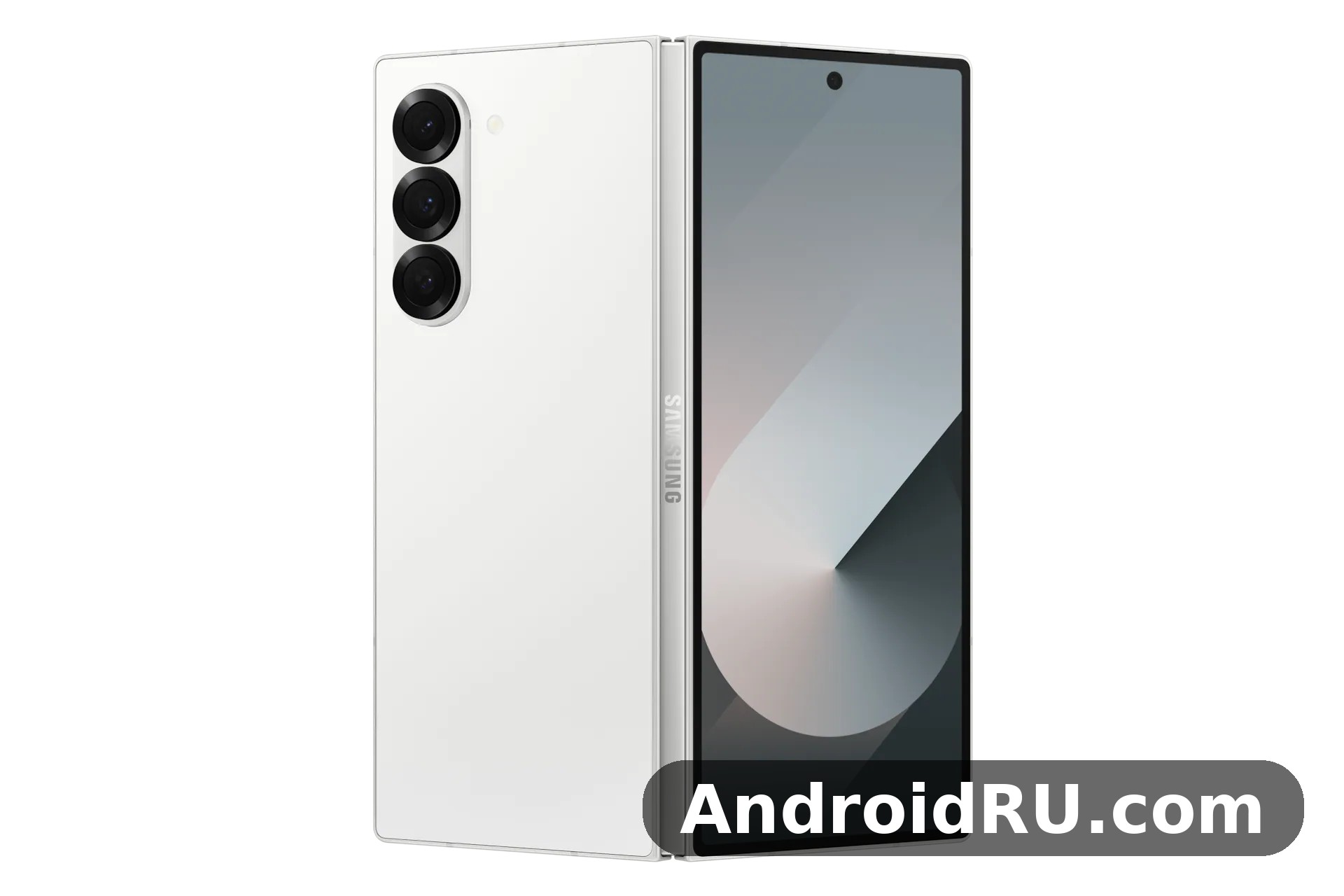
This review looks at the cover screen, the software, the cameras, and the everyday trade-offs, so you can decide whether the Z Fold6 still deserves a place in your pocket. At its heart, the Z Fold6 is two devices in one. Closed, it works like a tall, narrow phone with a 6.3-inch cover screen. Opened, it becomes a 7.6-inch tablet that handles split-screen work, video, reading and gaming with room to spare. The 239g weight and 12.1mm folded thickness make it easier to carry than the Fold5, yet it remains a heavy, wide device next to a regular slab phone. Anyone considering this phone should start with that basic question: do you want a tablet that folds into a phone, or a phone that happens to open? The answer decides whether the price makes sense. The Galaxy Z Fold6 best camera settings for everyday shooting are simple: keep the main lens clean, let the phone pick the mode, and save the manual controls for tricky light. The Galaxy Z Fold6 outdoor visibility holds up well, with the display staying readable even in bright sunlight.
For the full numbers behind every claim in this review, the specification table near the end of this article lists every dimension, display figure, camera detail and connectivity option in one place, while the sections below focus on how those numbers feel in daily use. The short version is this: a 7.6-inch folding main display, a 6.3-inch cover display, a Snapdragon 8 Gen 3 for Galaxy chip, 12GB of RAM, storage up to 1TB, a 50MP main camera, a 4400mAh battery and an IP48 rating, all in a 239g body that folds to 12.1mm thick. The wider cover screen, the lighter body and the mature folding software are the three reasons to choose this phone, and together they remove the daily friction that made older Folds feel like a compromise. For the Galaxy Z Fold6 how to screenshot shortcut, press the power and volume-down buttons together, and the captured image lands straight in your gallery. The Galaxy Z Fold6 tips and tricks in this review are the ones worth turning on first, because they change daily use the most.
Design, Weight and the New Hinge
Samsung trimmed the Z Fold6 in every direction that mattered. It weighs 239g, down from 253g on the Fold5, and measures 12.1mm thick when folded, against 13.4mm before. Unfolded it is 5.6mm thin. The frame uses Armor Aluminum with a matte finish, and the front and back glass use Gorilla Glass Victus 2. The edges are flatter and squarer than the Fold5, which gives the phone a sharper, more modern look and a firmer grip. It comes in Silver Shadow, Pink and Navy, with Samsung-exclusive Crafted Black and White finishes sold through its own channels. A Galaxy Z Fold6 water resistance test confirms the rating covers splashes and brief submersion, not every kind of water damage. The Galaxy Z Fold6 hidden features worth finding first live in the settings menus most owners never open.
Unfolded, the Galaxy Z Fold6 measures 153.5 x 132.6 x 5.6mm. Folded, it measures 153.5 x 68.1 x 12.1mm. Compared with the Fold5, it is shorter, wider and lighter, and the folded thickness drops from 13.4mm to 12.1mm, which makes a real difference in a pocket. The hinge is a dual-rail design that folds flat with no gap between the two halves, and the build quality is excellent: the hinge feels firm and damped, holds any angle, and shows no wobble when the phone is half open. The matte frame resists fingerprints, and the phone feels solid in the hand with no flex or creaking. The folding display ships with a factory-fitted screen protector that should be left in place, since it protects the soft folding panel from scratches. The Galaxy Z Fold6 best settings for daily use are the ones that save taps: edge panels, quick settings and a sensible refresh rate. A Galaxy Z Fold6 factory reset is the last resort for stubborn software trouble, so back up first and try a restart before it.
What changed compared with the Galaxy Z Fold5?
The headline change is the wider cover screen, which grows from a 23.1:9 ratio to 22.1:9, so the folded phone feels less like a remote control and more like a normal handset. The hinge is a dual-rail design that folds flat with no visible gap, and Samsung rates the folding mechanism for years of daily opening and closing. The whole phone is also a little shorter and wider, which helps the cover keyboard and makes the open tablet shape closer to square. Side by side with the Fold5, the Z Fold6 looks and feels like a finished product rather than a work in progress, and the earlier generation is well covered in the Samsung Galaxy Z Fold5 Review: Foldable Design and Everyday Performance for readers who want to measure exactly how much changed between the two generations.
Colours and materials
Silver Shadow is the safe pick, hiding fingerprints well and matching any case. Pink is soft and pale rather than loud, while Navy is deep and restrained. The matte frame resists smudges better than the glossy rails of older Folds, and the hinge cover blends into the body when the phone is open. A case is still wise, because the camera housing and the exposed hinge area can pick up scuffs, but the phone survives daily pocket and bag life without looking battered. All versions share the same matte frame and the same glass, and the colour only changes the back panel and the frame tint. In a Galaxy Z Fold6 camera test, daylight shots look clean and detailed, while low light is where the processing has to work hardest. This Galaxy Z Fold6 full review covers cameras, performance, battery and software as one daily device, not as separate launch figures.
IP48 dust and water resistance, explained
The Z Fold6 carries an IP48 rating, the first time a Samsung foldable has earned a formal dust-protection figure. The 4 means protection against solid objects larger than 1mm, which is a step forward from earlier Folds that carried no dust rating at all, though it is not the full dust-tight IP6X rating of a slab flagship. The 8 means the phone can survive immersion in fresh water up to 1.5 metres for up to 30 minutes. In practice, rain, splashes and an accidental drop in a sink should not end the phone, but sand, dust and beach trips still deserve care, and the folding mechanism should be kept free of grit. The Galaxy Z Fold6 user manual is available from Samsung’s support pages if you want the official steps for any feature. A Galaxy Z Fold6 drop test is best left to reviewers, but the glass and frame are built to survive everyday knocks.
IP48 covers rain, splashes, and accidental drops into fresh water such as a sink or a puddle. It does not cover salt water, soapy water, chlorinated pool water or jets of water, and Samsung’s warranty does not cover water damage. The rating is tested in lab conditions on a new phone, and seals can wear over time, so treat water resistance as insurance rather than an invitation to swim with the phone.
How the hinge feels after months of use
The hinge opens with a firm, damped motion and holds its angle through the full range, which makes Flex Mode genuinely useful for video calls and hands-free video. There is no wobble when the phone is half open, and the two halves sit flat when closed. The crease in the middle of the main display is still visible at an angle and faintly felt under a fingertip, but it fades from notice during normal use, and Samsung’s factory-fitted screen protector keeps the folding panel safe from scratches. After months of use, the hinge action stays consistent, which matters more than any launch-day impression: a foldable lives or dies on whether its hinge still feels right after thousands of opens.
Cover Screen: Wider, Brighter and Easier to Use
The cover screen is where the Z Fold6 improves most over its predecessor. It is a 6.3-inch Dynamic AMOLED 2X cover display with a 2376 x 968 resolution, a 120Hz adaptive refresh rate and peak brightness up to 2,600 nits. That brightness figure matters outdoors: maps, messages and photos stay readable in direct sun, where older foldables washed out. The wider 22.1:9 shape means the on-screen keyboard is roomier, web pages show more text per line, and one-handed typing stops feeling cramped. Most quick tasks never need the inner screen at all.
Checking messages, skipping music tracks, glancing at notifications, taking a photo and paying at a till all work well on the cover display. Samsung lets the cover screen run almost any app, and the phone hands work over to the big screen when you unfold it, with the app continuing exactly where you left it. That continuity is the quiet trick of the Fold line: you start small and open up only when the task earns the extra space. The cover panel has a pixel density of about 410 pixels per inch, and it is protected by Gorilla Glass Victus 2, unlike the soft folding panel inside.
Cover screen size and resolution in daily use
At 6.3 inches, the cover panel is close in size to a small standard phone, but its narrow width still shapes how apps look. Feeds scroll a little faster, video plays in a smaller window, and games feel tighter than on a wide slab. The 2376 x 968 resolution keeps text sharp, and the 120Hz refresh rate keeps scrolling smooth. If you compare the cover screen with a regular flagship, the slab wins on width; if you compare it with the Fold5 cover screen, the Z Fold6 wins on comfort in every small interaction. The cover display adapts from 1Hz to 120Hz as well, which saves power on still content and keeps scrolling smooth.
Typing on the wider cover screen
Typing is the clearest win. The extra width gives thumbs more room, autocorrect has more to work with, and swipe typing becomes reliable instead of fiddly. Long messages and emails are still nicer on the unfolded display, but short replies, searches and passwords are now painless on the cover screen. That matters because the cover screen is the screen you use dozens of times a day, and small friction there adds up fast. Readers who want the same pocket-sized folding idea in a smaller body should look at the Samsung Galaxy Z Flip7 FE Review: Screens, Hinge and Battery Life, where a 3.4-inch cover screen does the same triage job on a flip phone that folds to half the height.
Main Folding Display: A 7.6-Inch Tablet in Your Pocket
Open the phone and the main display takes over: a 7.6-inch QXGA+ Dynamic AMOLED 2X panel with a 2160 x 1856 resolution, a 120Hz adaptive refresh rate and the same 2,600-nit peak brightness as the cover screen. Colours are vivid without looking artificial, HDR video looks rich, and the large canvas suits reading, documents, photo editing and split-screen work. The panel supports the S Pen Fold Edition, sold separately, for notes and sketches, though there is no slot in the phone to store the pen.
Multitasking is where the big screen earns its price. Two apps can run side by side with a third in a floating window, and the taskbar at the bottom keeps recent apps one tap away. Dragging text, photos and links between windows feels natural after a short learning curve, and Samsung’s multi-window tools remember app pairs for one-tap relaunch. For students, commuters and anyone who edits documents on the move, this is the closest a phone gets to a small tablet, and it removes the need to carry a second device. The 7.6-inch main panel has a pixel density of about 374 pixels per inch, and its near-square shape suits reading, documents, photo editing and split-screen work better than the tall screens of most phones.
Brightness, refresh rate and the crease
Brightness reaches 2,600 nits at peak, which keeps HDR highlights punchy and outdoor reading comfortable. The 120Hz adaptive refresh rate drops to 1Hz for still content to save power and climbs for scrolling and gaming. The crease remains the one visible compromise: you can see it when light catches the panel at an angle, and your finger crosses it when swiping. Most owners stop noticing it within a week, and it never interferes with video or reading, but buyers coming from a flat glass slab should expect a short adjustment period.
Video looks superb on the unfolded display, with deep blacks and wide colour, and the near-square shape suits reading and browsing better than the tall screens of most phones. The stereo speakers are loud and clear enough for video without headphones, though they cannot match a dedicated tablet or a good pair of earbuds for music. For long flights and train journeys, the Z Fold6 is a genuinely capable entertainment device that still fits in a jacket pocket. Both displays support HDR10+ video, and the main display refresh rate adapts from 1Hz to 120Hz depending on content.
Performance: Snapdragon 8 Gen 3 and 12GB of RAM
The Z Fold6 runs on the Snapdragon 8 Gen 3 for Galaxy, paired with 12GB of RAM and storage options of 256GB, 512GB or 1TB. In daily use the phone is fast in the ways that count: apps open instantly, the camera launches without delay, switching between three open apps is smooth, and the interface never stutters. Benchmarks place it near the top of 2024 Android phones, and the vapour chamber cooling system, larger than the one in the Fold5, keeps sustained gaming steadier. For a Galaxy Z Fold6 gaming test, the phone stays smooth in popular titles at sensible settings, though long sessions will warm it up.
The chip in full is an octa-core design built on a 4nm process: one Cortex-X4 prime core at up to 3.39GHz, three Cortex-A720 performance cores at up to 3.1GHz, two more Cortex-A720 cores at up to 2.9GHz, and two Cortex-A520 efficiency cores at up to 2.2GHz. The GPU is the Adreno 750, and the chip includes a Hexagon NPU for on-device AI work. A larger vapour chamber than the Fold5 keeps the chip cooler during sustained load. Every version of the phone has 12GB of RAM, storage uses fast UFS 4.0, and there is no microSD card slot, so the storage size chosen at purchase is permanent.
Gaming performance is strong across demanding titles, with high frame rates and stable temperatures during 30-minute sessions. The big display gives shooters and strategy games more room, and the stereo speakers add to the experience. Long gaming sessions do warm the upper half of the phone, and the battery drains faster under load, but thermal throttling is controlled and frame rates stay consistent. For a gaming test, the phone handles extended play better than most foldables, which have historically struggled with heat in a thin folding body.
Gaming and sustained performance
Heavy games run at high settings without visible slowdown, and the 120Hz display keeps motion fluid. The phone’s cooling keeps the chip from throttling hard during a long session, though the battery pays the price: an hour of demanding gaming can use a fifth or more of a charge. Casual games barely register. Storage speed is fast, with UFS 4.0, so large games install and load quickly, and 12GB of RAM keeps several games and apps resident without constant reloading.
There is no microSD slot, so buyers should choose storage carefully: 256GB suits most people, 512GB suits heavy photo and video shooters, and 1TB is for those who carry large offline libraries. The base model at $1,899.99 already includes 256GB, and Samsung regularly discounts the phone well below launch price, which changes the value calculation a lot. At street prices, the Z Fold6 becomes a much easier recommendation than at its launch figure. 12GB of RAM keeps several apps resident at once, which matters on a multitasking phone: two apps side by side plus a floating window still leaves memory for the apps behind them. Buyers who shoot a lot of video should note that 4K and 8K footage fills storage fast, and that cloud backup or a computer transfer is the only way to free space, since there is no card slot.
Software, Multitasking and Galaxy AI
The Z Fold6 launched with One UI 6.1.1 on Android 14 and Samsung promises seven years of operating system and security updates, which takes the phone through to Android 21. That long support window matters on a phone this expensive: it should stay current and secure far longer than most foldables. One UI on a folding display is the most mature foldable software on Android, with a taskbar, app pairs, pop-up view and a Flex Mode panel that turns the bottom half of the screen into controls when the phone is half open.
Galaxy AI is woven through the system. Circle to Search lets you circle anything on screen for an instant lookup. Live Translate handles calls and messages across languages. Note Assist summarises and formats notes, Transcript Assist turns recordings into text, and Photo Assist can move, resize and remove objects in pictures. Some of these tools need an internet connection and a Samsung account, and a few AI features carry notices about future charges, so check the official page before relying on them long term. Even so, the AI tools that matter most work well and feel genuinely useful on the large display rather than decorative.
Multitasking is the software highlight: two apps run side by side, a third can float in a window, and app pairs relaunch a saved combination with one tap. Dragging text, images and links between windows works across most apps, and the taskbar keeps recent and pinned apps within reach. Flex Mode splits the screen when the phone is half open, with video or a video call on top and controls below, and the camera app becomes a hands-free tripod in the same position. Samsung Knox protects the phone with hardware-backed security, and the Secure Folder keeps private apps and files separate from the rest of the system.
Galaxy AI features that matter on a foldable
Interpreter mode shines on the Fold: with the phone half open, each person sees their own language on their own half of the screen. Sketch to Image turns a rough drawing into a finished picture, and the S Pen makes that feature far more fun than on a slab phone. Browsing Assist summarises long web pages, which pairs well with the big display for research and reading. These are the Galaxy AI features that owners actually return to, rather than the one-off party tricks. The NPU handles Galaxy AI tasks such as live translation, photo editing and transcription on the device where possible, and the software includes Circle to Search, Live Translate, Interpreter mode with a dual-screen view, Note Assist, Transcript Assist, Browsing Assist, Photo Assist and Sketch to Image.
Seven years of updates
Seven years of updates is the longest promise Samsung has made on a foldable, and it protects the investment in a way that matters at this price. Security patches arrive monthly, and major Android versions should keep coming through the early 2030s. The folding display and battery will age before the software does, so the practical life of the phone depends more on hardware wear than on update policy. Even so, buyers planning to keep the phone for four or five years can do so with confidence, and the phone should hold its value better than foldables with shorter support. The next generation of Samsung’s book-style foldable, covered in the Samsung Galaxy Z Fold7 Review: Screens, Hinge and Battery Life, carries the same seven-year promise forward with a thinner body, which makes the Fold6’s long support window easy to compare against its successor.
Cameras: 50MP Main, Ultrawide and 3x Telephoto
The camera system is unchanged in hardware from the Fold5, and that is the review’s biggest disappointment. The main camera is a 50MP sensor with optical image stabilisation, joined by a 12MP ultrawide and a 10MP telephoto with 3x optical zoom, up to 30x digital zoom. Daylight photos are excellent: detailed, well exposed and full of colour, with Samsung’s processing keeping skies blue and skin tones natural. Night photos are good too, with Night Mode pulling detail from dark scenes without turning them into daylight. Video reaches 8K at 30 frames per second, with strong stabilisation at 4K 60.
The 3x telephoto is the weakest link next to modern flagships. It is fine for portraits and for pulling distant subjects closer in good light, but it softens in low light and cannot match the 5x zoom lenses on rival premium phones. The ultrawide is solid for landscapes and interiors, with modest distortion at the edges. For a foldable, this camera set is good; for a phone near $1,900, it is merely good, and buyers who care most about photography should know that before they commit.
The rear camera system in detail has three lenses: a 50MP main camera with an f/1.8 aperture, dual pixel autofocus and optical image stabilisation; a 12MP ultrawide camera with an f/2.2 aperture and a 123-degree field of view; and a 10MP telephoto camera with an f/2.4 aperture, 3x optical zoom and optical image stabilisation. The main sensor uses pixel binning to produce 12MP photos by default, with a full 50MP mode available for maximum detail. Video recording reaches 8K at 30 frames per second, 4K at 60 frames per second, and 1080p at up to 240 frames per second for slow motion. The front cameras are a 10MP cover camera with an f/2.2 aperture, and a 4MP under-display camera on the main screen with an f/1.8 aperture.
Main camera in daylight and at night
In daylight the 50MP main camera resolves fine detail in foliage, brickwork and fabric, and pixel-binned 12MP shots are the sensible default for most people. Colours lean vivid, as Samsung cameras usually do, and HDR keeps bright skies and shaded foregrounds in balance. At night, the main camera keeps noise under control and holds onto detail in street scenes, though very dark scenes can look a little processed. The larger point is that the main camera rarely lets you down, and it is the telephoto and the zoom range where the phone shows its age. The 50MP main camera is the workhorse of the system: its f/1.8 aperture gathers plenty of light, dual pixel autofocus locks on quickly, and optical image stabilisation steadies handheld shots and video.
Telephoto zoom and ultrawide shots
The 10MP telephoto with 3x optical zoom gives clean results in daylight, with portraits that flatter subjects and keep backgrounds pleasantly soft. Push to 10x digital zoom and detail starts to smear, and 30x is best treated as an emergency option rather than a daily tool. The 12MP ultrawide covers a 123-degree field of view and handles architecture and group shots well, though it loses fine detail in the corners and struggles a little in dim rooms. For travel photography, the trio covers the useful focal lengths, and the folding display doubles as a large viewfinder. Video reaches 8K at 30 frames per second from the main camera, with 4K at 60 frames per second offering the best balance of quality and file size. Stabilisation is strong at 4K, and the phone can record HDR10+ video. Slow motion reaches 240 frames per second at 1080p, and 960 frames per second is available at 720p.
Selfie cameras: cover camera vs under-display camera
There are two selfie cameras. The cover camera is a 10MP shooter that takes sharp, reliable selfies and handles video calls well. The under-display camera on the main screen is a 4MP sensor hidden beneath the panel, and it is noticeably softer, best kept for video calls rather than photos. The smarter move for selfies is to use the rear cameras with the cover screen as a viewfinder, which gives far better quality than either front camera. Flex Mode also helps here: half-open the phone, set it on a table, and the camera app becomes a hands-free tripod. The cover camera is the better selfie option by a clear margin: it is sharper, handles low light better, and works well for video calls, while the under-display camera is softer and best kept for video calls.
Battery Life and 25W Charging
The battery is a 4400mAh dual-cell unit, the same capacity as the Fold5, and battery life is the phone’s most ordinary trait. With mixed use across both screens, the Z Fold6 usually lasts a full day, ending with a modest reserve, but heavy use of the big display, gaming or navigation can push it to the charger before bedtime. The efficient Snapdragon 8 Gen 3 helps, and the adaptive refresh rate saves power on still content, yet the large inner screen is thirsty by nature. Light users will be comfortable; power users should plan around a top-up. How long does Galaxy Z Fold6 battery last? On a normal day it gets through to bedtime for most people, while heavy gaming or long video sessions will drain it faster. The Galaxy Z Fold6 battery saving tips that matter most are adaptive battery, a lower refresh rate and taming background apps.
Charging is wired 25W, wireless 15W and reverse wireless 4.5W for earbuds and watches. Wired charging takes the battery from empty to about half in roughly 30 minutes, and a full charge takes around an hour and a half, which is slow next to rivals that charge at 45W or more. There is no charger in the box, so buyers need a USB-C PD charger of their own. The 4.5W reverse wireless charging is handy for topping up Galaxy Buds from the phone, though it is slow for anything larger. The battery is not user replaceable, and battery protection settings in One UI can limit charging to 80 percent to protect long-term battery health. The Galaxy Z Fold6 battery drain fix is simple in most cases: check background apps and adaptive battery settings before blaming the cell itself. The Galaxy Z Fold6 slow charging fix is usually a cable or adapter problem, so try a certified 25W charger before anything else.
How long the 4400mAh battery lasts
In real terms, expect around five to six hours of screen-on time with a mix of cover and inner display use, less if the big screen stays on for video or gaming. Standby drain is low, and the phone sips power overnight. The battery health tools in One UI help protect long-term capacity, and the seven-year update promise means the battery, rather than the software, will decide how long most owners keep the phone. Anyone who regularly spends long days away from a charger should carry a power bank or lean on the cover screen more. A Galaxy Z Fold6 battery test puts the phone through a normal mix of browsing, video and calls, and it holds up for a full day for most people.
Battery life by use case breaks down simply. Light use, mostly on the cover screen with messaging, calls and music, can stretch past a full day. Mixed use with reading, browsing and video on the inner display lands around a full day with a small reserve. Heavy gaming or continuous video on the big screen can empty the battery in a long afternoon. The practical rule is simple: the more time the 7.6-inch display stays on, the shorter the day, so leaning on the cover screen for quick tasks is the best way to save power. The 4400mAh battery and 25W charging are the most modest figures in this specification sheet, and anyone who spends long days away from a charger should plan around a top-up. The flip side of the same battery question, in a much smaller body, is told in the Samsung Galaxy Z Flip6 Review: Folding Design, Cameras and Daily Use, where a 4,000 mAh cell has to stretch across a full day in a pocket-sized phone.
Full Specifications
Every figure below comes from Samsung’s published specification sheet and from hands-on testing of the retail phone, so you can compare the Z Fold6 with other foldables and with conventional flagships on solid ground. The table is the reference: dimensions, both displays, the Snapdragon 8 Gen 3 chipset, memory and storage, the triple rear camera system, battery and charging, connectivity, sensors and software. The specification sheet shows a phone built around its two displays and its multitasking software. The chipset, memory and build quality match the price, while the battery, charging speed and telephoto zoom are the figures where rival flagships pull ahead. The Galaxy Z Fold6 full specifications are listed in full in the specifications section below, from display and chipset to cameras and battery.
| Specification | Galaxy Z Fold6 |
|---|---|
| Launch | July 2024, from $1,899.99 |
| Dimensions unfolded | 153.5 x 132.6 x 5.6mm |
| Dimensions folded | 153.5 x 68.1 x 12.1mm |
| Weight | 239g |
| Main display | 7.6-inch QXGA+ Dynamic AMOLED 2X, 2160 x 1856, 120Hz, 2,600 nits peak |
| Cover display | 6.3-inch Dynamic AMOLED 2X, 2376 x 968, 120Hz, 2,600 nits peak |
| Chipset | Snapdragon 8 Gen 3 for Galaxy, 4nm, octa-core up to 3.39GHz |
| GPU | Adreno 750 |
| RAM | 12GB |
| Storage | 256GB / 512GB / 1TB, UFS 4.0, no microSD slot |
| Rear cameras | 50MP main f/1.8 OIS + 12MP ultrawide f/2.2 + 10MP telephoto f/2.4, 3x optical zoom |
| Front cameras | 10MP cover camera f/2.2, 4MP under-display camera f/1.8 |
| Video | 8K at 30fps, 4K at 60fps, 1080p at 240fps slow motion |
| Battery | 4400mAh, non-removable |
| Charging | 25W wired, 15W wireless, 4.5W reverse wireless |
| Connectivity | 5G, 4G LTE, Wi-Fi 6E, Bluetooth 5.3, NFC, USB-C 3.2, UWB |
| SIM | Nano-SIM + eSIM, dual-SIM standby |
| Sensors | Side fingerprint sensor, accelerometer, gyroscope, proximity, compass, barometer, light sensor |
| Audio | Stereo speakers, Dolby Atmos, no 3.5mm jack |
| S Pen | S Pen Fold Edition supported on main display, sold separately, no slot |
| Durability | IP48, Armor Aluminum, Gorilla Glass Victus 2 |
| Software | One UI 6.1.1, Android 14, 7 years of OS and security updates |
| Colours | Silver Shadow, Pink, Navy, Crafted Black, White |
Displays, chipset, and storage at a glance
The Z Fold6 has two displays, and both are Dynamic AMOLED 2X panels with a 120Hz adaptive refresh rate and peak brightness up to 2,600 nits. The main display is a 7.6-inch folding panel with a QXGA+ resolution of 2160 x 1856 pixels and a 20.9:18 aspect ratio, at about 374 pixels per inch. The cover display is a 6.3-inch panel with a 2376 x 968 resolution and a 22.1:9 aspect ratio, at about 410 pixels per inch. Both support HDR10+ video, and the main display supports the S Pen Fold Edition. The main display refresh rate adapts from 1Hz to 120Hz depending on content, which saves power on still images and keeps scrolling smooth.
Connectivity, sensors, and audio
Connectivity covers 5G sub-6GHz and mmWave, 4G LTE, Wi-Fi 6E, Bluetooth 5.3, NFC, and USB-C 3.2 with DisplayPort 1.2 support for video out. There is no 3.5mm headphone jack. The phone has a nano-SIM slot and supports eSIM, with dual-SIM operation combining one physical SIM and one eSIM. Location services cover GPS, GLONASS, BeiDou, Galileo and QZSS. Ultra-wideband is included for precise finding of compatible accessories. Sensors include a side-mounted fingerprint sensor in the power button, an accelerometer, a gyroscope, a proximity sensor, a compass, a barometer and a light sensor. The fingerprint sensor is fast and reliable, and face recognition is available as a less secure convenience option. Audio comes from stereo speakers tuned by AKG, with Dolby Atmos support, and there is no headphone jack, so wired listening needs a USB-C adapter or USB-C headphones.
USB-C 3.2, Wi-Fi 6E and Bluetooth 5.3
The USB-C 3.2 port supports data transfer up to 10Gbps, video out over DisplayPort 1.2, and Samsung DeX for a desktop-style experience on an external display. Wi-Fi 6E adds the 6GHz band for faster, less congested wireless at home and in offices with compatible routers. Bluetooth 5.3 supports LE Audio, dual audio to two sets of headphones, and fast pairing with Galaxy Buds and other Samsung accessories.
S Pen support on the main display
The main display works with the S Pen Fold Edition, sold separately. The pen is designed for the soft folding panel and should not be confused with the standard S Pen from the Galaxy S Ultra line, which can damage the folding screen. There is no slot in the phone for the pen, so owners carry it in a case or a bag. The pen suits note-taking, sketching and marking up documents, and it pairs well with Galaxy AI features such as Sketch to Image.
SIM, eSIM and network bands
The phone takes one nano-SIM and one eSIM, and dual-SIM standby lets both lines receive calls and messages. 5G covers sub-6GHz bands widely and mmWave in markets where carriers support it, so check the official page for the exact bands of the model sold in your country, since band support varies by region. NFC handles contactless payments through Samsung Wallet and Google Wallet, and Ultra-wideband helps locate Galaxy SmartTags with direction as well as distance.
Pros, Cons and Who the Galaxy Z Fold6 Is For
No phone is perfect, and the Z Fold6 is no exception. Its strengths are real and easy to feel every day, while its weaknesses are specific enough that many buyers will never notice them. The table below summarises the case for and against buying one. Is Galaxy Z Fold6 still worth buying in 2026? It comes down to the price you can find and whether its cameras, battery and software still cover your daily use. The Galaxy Z Fold6 release date and price question is covered in the verdict section, but the short version is that it launched in July 2024 and its price has fallen since.
| Pros | Cons |
|---|---|
| Wider, brighter cover screen that works well one-handed for messages, maps and calls | Camera hardware is unchanged from the Fold5 and lags behind rival flagships, especially the 3x telephoto |
| Large 7.6-inch inner display with superb multitasking, a taskbar and app pairs | 4400mAh battery and 25W charging feel modest for a phone at this price |
| Fast Snapdragon 8 Gen 3 performance with 12GB of RAM and cool sustained gaming | High launch price of $1,899.99, and no charger or S Pen in the box |
| Seven years of software and security updates from Samsung | The crease is still visible at an angle, and the under-display camera is soft |
| IP48 rating, flat-folding hinge and a lighter 239g body | No microSD slot, so storage must be chosen at purchase |
| Versatile Galaxy AI tools, including Interpreter mode and Circle to Search | Heavy use of the big display drains the battery before bedtime |
Who should buy it, and who should skip it
The Z Fold6 suits people who read, work and watch on their phone and want a tablet that fits in a pocket. Commuters, students, frequent travellers and anyone who juggles documents and messages will get the most from it. It also suits Samsung owners who already use Galaxy Buds, a Galaxy Watch or a Samsung tablet, since the ecosystem ties together well. Buyers who mainly want the best camera, the longest battery life or the lowest price should look elsewhere: a slab flagship will beat the Fold6 on all three, and the pocket-sized alternative in Samsung’s own foldable range, the Samsung Galaxy Z Flip7 Review: Portability, Performance and Battery, shows what the flip shape offers for less money when a tablet-sized screen is not the priority.
One honest note on price: at $1,899.99 the Z Fold6 asks a lot, and the camera and charging specs do not match that figure. At the discounted prices the phone often sells for, the calculation changes, and the folding display, the software and the long update promise carry the value. Buy the Fold6 for the screens and the multitasking, not for the camera or the charger, and you will not be disappointed. Is Galaxy Z Fold6 worth buying? It comes down to the price you can find and whether its cameras, battery and software still cover your daily use. The Galaxy Z Fold6 price in India varies by storage, condition and seller, so compare a few listings in that market before you decide.
Frequently Asked Questions
Is the Galaxy Z Fold6 worth buying in 2026?
Yes, at a discounted price. The Snapdragon 8 Gen 3 is still fast, the displays are still excellent, and seven years of updates mean the software will stay current for years. At full launch price the value is harder to defend, since newer phones offer better cameras and faster charging, so look for a deal and weigh the folding display against a cheaper slab flagship before deciding. The Galaxy Z Fold6 pros and cons are summed up near the end of this review, with the strongest points first and the trade-offs stated plainly. The Galaxy Z Fold6 where to buy question comes down to trusted sellers and warranty, not just the lowest number on a listing.
How good is the Galaxy Z Fold6 cover screen for daily use?
The 6.3-inch cover screen is the best Samsung has put on a Fold. It is wider than the Fold5 panel, bright at up to 2,600 nits, smooth at 120Hz, and comfortable for typing, messages, calls and navigation. Most quick tasks work fine without opening the phone, and apps hand over to the big screen when you unfold it. The Galaxy Z Fold6 price in US varies by storage, condition and seller, so compare a few listings in that market before you decide. The Galaxy Z Fold6 best price question comes down to trusted sellers and warranty, not just the lowest number on a listing.
Does the Galaxy Z Fold6 support the S Pen?
Yes, the main display supports the S Pen Fold Edition, which is sold separately. It works for notes, sketching and marking up documents, and pairs well with Galaxy AI features such as Sketch to Image. There is no storage slot in the phone for the pen, so owners usually carry it in a case or a bag.
How long does the Galaxy Z Fold6 battery last?
Expect a full day of mixed use, with around five to six hours of screen-on time depending on how much you use the inner display. Heavy gaming, video and navigation drain the 4400mAh battery faster. Wired charging runs at 25W, wireless at 15W, and reverse wireless at 4.5W for accessories such as earbuds.
Is the Galaxy Z Fold6 water resistant?
The phone carries an IP48 rating, so it survives immersion in fresh water up to 1.5 metres for up to 30 minutes, and it has protection against solid objects larger than 1mm. It is not fully dust-tight, so sand and grit still deserve care, and the rating does not cover salt water or soapy water.
What are the full dimensions of the Galaxy Z Fold6?
Unfolded, the phone measures 153.5 x 132.6 x 5.6mm. Folded, it measures 153.5 x 68.1 x 12.1mm, and it weighs 239g. The folded thickness of 12.1mm and the weight of 239g are both improvements over the Fold5, which measured 13.4mm folded and weighed 253g.
How much RAM and storage does the Galaxy Z Fold6 have?
Every version has 12GB of RAM. Storage options are 256GB, 512GB and 1TB, using fast UFS 4.0 storage. There is no microSD card slot, so the storage size chosen at purchase is permanent, and buyers who shoot a lot of video should consider the 512GB model.
What Wi-Fi and Bluetooth versions does the Galaxy Z Fold6 use?
The phone uses Wi-Fi 6E, which adds the 6GHz band, and Bluetooth 5.3 with LE Audio support. It also has NFC for contactless payments, Ultra-wideband for precise accessory finding, and a USB-C 3.2 port with DisplayPort 1.2 video out and Samsung DeX support.
Should you buy the Galaxy Z Fold6
If you can find the Z Fold6 discounted, which is common, the value case becomes much stronger, and the phone becomes easy to recommend to anyone who has ever wished their phone screen was bigger. The wider cover screen, the lighter body and the mature folding software are the three reasons to choose this phone, and together they make the folding display feel like a genuine second screen rather than a novelty. Buy it for the screens and the multitasking, keep the cover screen as your default for quick tasks, and carry a power bank on long days away from a charger. That is the honest balance after months of use: a polished foldable whose screens and software carry the price, while its camera and charging remind you that even a $1,899 phone has to choose where to spend its budget.

