

Xiaomi 17 Pro Max Review: Display, Audio and Overall Experience
The Xiaomi 17 Pro Max review conversation starts with a simple question: what do you actually get when a phone maker stops trimming the battery and the screen to hit a slimmer profile? This phone is the answer. Announced and released on 25 September 2025, it is the largest member of Xiaomi’s late-2025 flagship line, built around a 6.9-inch display and a 7500 mAh cell that is far bigger than the batteries in most flagship phones from the same year. If you watch a lot of video, play games on your phone, or simply hate hunting for a charger in the middle of the day, that combination is the whole pitch, and the rest of this review checks whether the screen, the speakers and the day-to-day software live up to it.
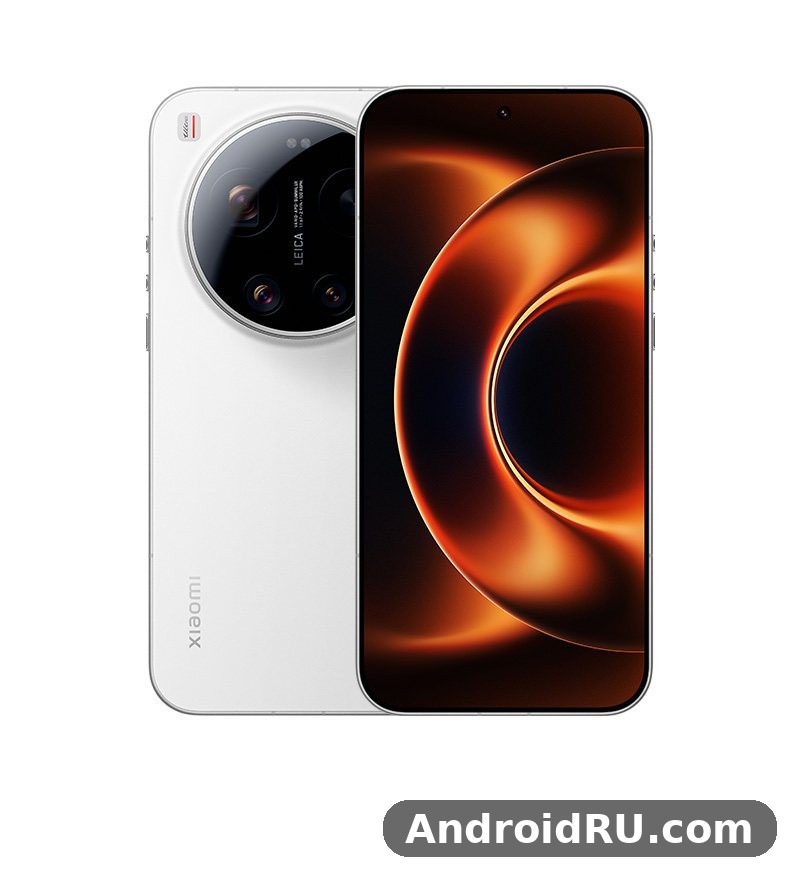
The Xiaomi 17 Pro Max release date matters here because it places the phone at the start of a new chip generation rather than the end of one. It launched with the Qualcomm SM8850-AC Snapdragon 8 Elite Gen 5, Android 16 and HyperOS 3, so it arrived with current software instead of needing a big update to catch up. The Xiaomi 17 Pro Max price in Europe sits at around 720 EUR, while the Xiaomi 17 Pro Max China price CNY 6999 covers the 12GB and 512GB version at launch. Prices move by market and by month, so treat those figures as a guide and check the current local price before you buy. This review looks at the display and the audio first, since those are the two things you notice every time you pick the phone up, then moves through performance, battery life, the full specification sheet, and a head-to-head look at its closest relatives.
One thing to get straight before the detail: this is a big, heavy phone. At 219 g and 162.9 mm tall, it fills a hand and a pocket in a way a compact flagship never does. That size is the price of the screen and the battery, and it is a fair trade for some buyers and a deal-breaker for others. The Xiaomi 17 Pro Max everyday use experience is shaped by that trade more than by any single benchmark number, so keep your own habits in mind as you read. If you want a smaller phone with the same chip and the same screen technology, the comparison section later on covers the closest alternatives in the same family.
Xiaomi 17 Pro Max Display Quality: LTPO AMOLED, 3500 Nits and Dolby Vision
The Xiaomi 17 Pro Max display quality is the first reason to look at this phone, and the numbers explain why. The panel is a 6.9-inch LTPO AMOLED with a resolution of 1200 x 2608 pixels, which works out to about 416 pixels per inch, and it covers roughly 92.3 percent of the front of the phone. Slim bezels and a tall 19.5:9 shape give video and games a lot of room, and the high pixel density keeps text sharp even when you hold the phone close. This is a large screen in every sense, and Xiaomi clearly built the rest of the phone around it.
Colour is where the panel earns its flagship label. The Xiaomi 17 Pro Max 68 billion colours display can show far more shades than a standard 16.7-million-colour screen, which shows up as smoother gradients in skies, skin tones and dark scenes instead of visible banding. The Xiaomi 17 Pro Max Dolby Vision support and the Xiaomi 17 Pro Max HDR10 Plus display credentials mean the phone can play back high-dynamic-range video the way the people who mastered it intended, with brighter highlights and deeper shadows in the same frame. HDR Vivid is supported too, which matters if you watch content from services that use that format. Taken together, the Xiaomi 17 Pro Max LTPO AMOLED 120Hz panel is a proper video screen first and a phone screen second.
Brightness and Outdoor Visibility
The Xiaomi 17 Pro Max screen brightness headline is the Xiaomi 17 Pro Max 3500 nits peak brightness figure, and that number is about highlights in HDR video rather than the brightness of the whole screen at once. In normal outdoor use the screen still gets very bright, and the 3500 nits peak helps small bright areas such as sunlight glinting off water or a lamp in a dark scene stand out the way they should. For everyday reading in sunlight, what matters more is the sustained brightness and the anti-reflective quality of the glass, and a bright LTPO AMOLED panel like this one stays readable in conditions where a dimmer screen would wash out. If you spend a lot of time outside, this is a real, practical advantage rather than a number on a sheet.
That said, peak brightness figures are measured in short bursts and under specific test conditions, so no phone holds its peak value across the whole screen for long. The sensible way to read the 3500 nits claim is that HDR highlights will look punchy and the screen will cope well with bright rooms and daylight, not that the entire display glows at that level all day. The Xiaomi 17 Pro Max display quality holds up in the situations that count: reading messages in a sunny street, watching a video on a train with light coming through the window, and using maps outdoors.
How 68 Billion Colours Change HDR Video
When a panel can show 68 billion colours, the gain is subtle but visible once you know what to look for. Gradients in a sunset or a dimly lit room shift smoothly instead of stepping through visible bands, and skin tones in a close-up look more natural because there are more shades between light and shadow. Dolby Vision content benefits most, since the format carries scene-by-scene brightness instructions that a wide-colour panel can actually follow. The effect is not something you need to study; it is the difference between a scene that looks like a photograph and one that looks like a printout of a photograph.
120Hz Refresh and 2160Hz PWM Dimming
The Xiaomi 17 Pro Max 2160Hz PWM dimming figure will matter most to people who are sensitive to screen flicker at low brightness. PWM dimming controls brightness by switching the panel on and off very quickly, and a higher frequency means the flicker is far less likely to bother your eyes during long evening reading sessions. The 120Hz refresh rate keeps scrolling and animations fluid, and because the panel is LTPO it can drop to a low refresh rate when you are looking at a still image, which saves battery. A 120Hz display that can slow down when nothing is moving is a better deal than a fixed high refresh rate, since you get the smoothness without paying for it in battery life all day.
In practice, the combination works like this: fast scrolling through a feed feels immediate, games that support high frame rates feel responsive, and reading a long article lets the panel relax to a low rate. The Xiaomi 17 Pro Max specs sheet lists the same LTPO AMOLED, 68B colours, 2160Hz PWM, 120Hz, Dolby Vision, HDR Vivid, HDR10+ and 3500 nits peak combination on paper, and in daily use those figures translate into a screen that is bright, smooth and easy on the eyes. The one honest caveat is that 120Hz only helps in apps that support it, so a few older apps will still run at 60Hz no matter how good the panel is.
Xiaomi 17 Pro Max Audio: Stereo Speakers and Everyday Listening
The Xiaomi 17 Pro Max audio quality is the second half of the promise in this review’s title, and it has to be judged as a pair with the display. A great screen with thin, harsh speakers makes video feel half-finished, so the stereo speaker setup on this phone carries real weight. The speakers sit at the top and bottom of the body, which gives video a wider soundstage than a single bottom speaker ever could, and the large body gives the drivers more room to move air than a compact phone allows. The result is sound that is fuller and louder than you might expect from a phone, with dialogue that stays clear when the volume goes up.
The Xiaomi 17 Pro Max stereo speaker quality shows up most clearly in the middle of the volume range, which is where most people actually listen. Voices in a drama stay intelligible, music keeps its midrange body, and the top end stays clean rather than turning sharp. Push the volume to the maximum and the bass thins out, which is normal for a phone this slim, but the sound does not distort badly or rattle the frame. For a quick video in the kitchen or a podcast while you get ready, the speakers are genuinely good enough that you will not reach for earphones every time.
Speaker Balance and Volume
Balance is the quiet strength of this setup. Because the two speakers are matched and the phone is held in landscape for video, sound feels centred on the screen instead of pulling to one side, and the stereo separation is wide enough to notice in a film or a game. The maximum volume is loud enough for a small room, and the phone holds its composure at high volume better than many rivals that get harsh past the halfway mark. That matters for the way people really use a big phone: propped up on a table, playing a video for two people, with no speaker in reach.
There are limits, and they are worth stating plainly. No phone speaker replaces a dedicated Bluetooth speaker for music, and the low end on this phone is present rather than powerful. Bass-heavy tracks sound polite rather than punchy, and at maximum volume in a noisy room the sound can get lost. The honest verdict is that the speakers are strong for a phone and well matched to the big display, and that anyone who cares deeply about music should still pair the phone with good earphones or a speaker for serious listening.
Headphones, Bluetooth and Calls
There is no 3.5 mm headphone jack on this phone, so wired listening means a USB-C adapter or USB-C earphones, and most buyers will use Bluetooth instead. Bluetooth audio on a modern flagship is mature, and the phone supports the common high-quality codecs, so a good pair of wireless earbuds will sound clean and stay in sync with video. Call quality is solid too: the earpiece is loud and clear, the microphones pick up your voice well in a quiet room, and noise handling keeps you understandable on a busy street. None of this is flashy, but calls are something you do every day, and the phone handles them without fuss.
One practical tip: if you watch a lot of video with earphones, check the audio settings in HyperOS 3 for the sound effects and equaliser options, since a small adjustment to the preset can make dialogue noticeably clearer. The Xiaomi 17 Pro Max audio quality is good out of the box, and a minute spent tuning it to your own ears pays off every time you press play.
Xiaomi 17 Pro Max Performance: Snapdragon 8 Elite Gen 5 and HyperOS 3
The Xiaomi 17 Pro Max Snapdragon 8 Elite Gen 5 chip is the Qualcomm SM8850-AC built on a 3 nm process, and it is the engine that makes the rest of the phone possible. A 3 nm chip packs more transistors into the same space, which usually means more speed for the same amount of heat, and this chip sits at the top of Qualcomm’s 2025 range. The Xiaomi 17 Pro Max performance in everyday tasks is fast in the way that stops being noticeable: apps open quickly, switching between a dozen apps feels immediate, and the phone rarely makes you wait. That is the point of a flagship chip. It should disappear into the background, and this one does.
The phone ships with Android 16 and HyperOS 3, and the Xiaomi 17 Pro Max HyperOS 3 features include the usual mix of system polish, customisation and Xiaomi’s own apps sitting on top of Google’s platform. The Xiaomi 17 Pro Max Android 16 update path starts from a current base, which is good news for longevity, since the phone does not need to play catch-up on day one. Animations are quick, the control centre and notification shade are easy to reach one-handed once you learn the gestures, and the settings app is deep enough that most things you want to change can be changed. HyperOS has its own look and its own habits, so anyone moving from a different brand should allow a few days to learn where things live.
Gaming Performance and Heat
The Xiaomi 17 Pro Max gaming performance is where the big body earns its keep. A large phone has more room for heat to spread, and long gaming sessions are exactly when a small phone starts to throttle and stutter. This phone holds high frame rates for longer because the chip has more thermal headroom, and the big battery means a long session does not leave you hunting for a charger halfway through. Games that support high refresh rates feel smooth on the 120Hz panel, and the stereo speakers add to the sense of space in a game world. If mobile gaming is a daily habit rather than an occasional distraction, this is one of the strongest reasons to pick the Max over its smaller sibling.
Heat is still a fact of life with any flagship chip under sustained load. After a long session of a demanding game, the back of the phone gets warm, and the chip will ease off its peak speed to protect itself. That is normal behaviour, and the phone’s size means the slowdown arrives later and is gentler than on a compact handset. Keeping the phone out of direct sunlight and closing heavy background apps before a long session helps, and a case that traps heat will make things worse, so a slim case is the better choice for heavy gamers.
Multitasking With 12GB and 16GB RAM
RAM is the part of a phone you only notice when there is not enough of it, and this phone has plenty. The base version pairs 12GB of RAM with 512GB of storage, while the higher versions offer 16GB of RAM with either 512GB or 1TB of storage. With 12GB or 16GB available, switching between a browser with many tabs, a messaging app, a map and a game keeps everything alive in memory instead of reloading it each time. Split-screen work is comfortable on a 6.9-inch display too, since each half is still large enough to read. For most buyers, 12GB is already generous, and 16GB is insurance for people who keep everything open at once or plan to hold the phone for several years.
Storage Options: 512GB or 1TB
The Xiaomi 17 Pro Max 512GB storage options cover two of the three versions, with 12GB or 16GB of RAM, while the Xiaomi 17 Pro Max 1TB storage variant pairs the full 1TB with 16GB of RAM. There is no smaller storage tier in this model, which tells you who Xiaomi had in mind: people who shoot a lot of video, keep large games installed, and download films for travel. A 512GB phone holds a very large library already, and the 1TB version is for buyers who genuinely fill phones up and do not want to think about space at all. There is no microSD card slot, so the storage you buy is the storage you keep, and it is worth choosing honestly based on how full your current phone is.
Xiaomi 17 Pro Max Battery Life: 7500 mAh in Daily Use
The Xiaomi 17 Pro Max battery life is the feature that changes how you use the phone. A 7500 mAh silicon carbon battery is far larger than the 5000 mAh cells that were standard in flagships for years, and the silicon carbon chemistry is what makes that capacity fit inside an 8 mm body. Silicon carbon batteries hold more energy in the same volume than older lithium-ion designs, which is why this phone can carry a huge cell without turning into a brick. The Xiaomi 17 Pro Max 7500 mAh battery is the single biggest practical difference between this phone and most rivals, and it shows up every single day.
What does that mean in real use? A large battery phone like this one should comfortably last a full heavy day of video, maps, messaging and gaming, and lighter users can expect to reach the second day without charging. The exact screen-on time depends on brightness, signal strength and how much gaming you do, so anyone quoting a single hour figure for every user is guessing. The honest way to put it is that the battery removes the low-battery anxiety that shapes how people use smaller phones: you stop rationing video, you stop dimming the screen, and you stop carrying a power bank just in case. The Xiaomi 17 Pro Max battery is the reason this phone suits travellers, commuters and anyone who spends long hours away from a plug.
How Long the Battery Lasts
Screen time is the biggest drain on any phone, and this phone has both a large screen and a large battery, so the two roughly balance out in the phone’s favour. Video streaming, browsing and messaging sip power, while gaming and camera use drink it faster, and the 120Hz refresh rate costs a little extra when it is active. The LTPO panel helps here by dropping its refresh rate when the image is still, which trims the cost of reading and looking at photos. Standby drain is low, so the phone does not lose much charge overnight, and a full charge in the morning should still leave a healthy reserve by bedtime for most people.
Long-term battery health matters too. Large batteries tend to age gracefully because they go through fewer full charge cycles for the same amount of use, and HyperOS 3 includes charging protection features that slow overnight charging to protect the cell. If you plan to keep the phone for three or four years, that slower ageing is a genuine benefit, and it is one more reason the huge battery is more than a headline number.
Charging Speed and What to Expect
The Xiaomi 17 Pro Max charging speed is rated at 100W wired, with 50W wireless charging and 22.5W reverse wireless charging on top. A 100W wired charge fills a big battery far faster than the 25W or 30W charging that many rivals still ship, and a short top-up before you leave the house adds a useful amount of charge instead of a token few percent. Wireless charging at 50W is fast enough to be a real daily option rather than an overnight-only trick, and reverse wireless charging lets you top up earbuds or a friend’s phone from the back of this phone in a pinch. Check the official listing for the exact charger in the box in your market, since bundled chargers vary by region.
Fast charging generates heat, so the phone manages its charging curve carefully, charging quickly when the battery is low and easing off as it fills up. That is the right trade: the fastest part of the charge is the part you notice, and the slower finish protects the battery. For daily use, the routine that works best is simple. Charge when it suits you, use the fast wired charger when you are in a hurry, and let the wireless pad handle the overnight top-up.
Full Specifications
The Xiaomi 17 Pro Max specs sheet below gathers the confirmed hardware in one place. Figures come from the published specification record for this model, and where a detail varies by market or is not part of the published record, the table says so plainly instead of guessing. Use it to compare this phone against rivals, and check the official listing for your market before you buy, since bundled accessories, colours and network bands can differ by region.
| Feature | Xiaomi 17 Pro Max |
|---|---|
| Announced / Released | 25 September 2025 |
| Display | 6.9-inch LTPO AMOLED, 68B colours, 2160Hz PWM, 120Hz, Dolby Vision, HDR Vivid, HDR10+, 3500 nits peak |
| Display resolution | 1200 x 2608 pixels, 19.5:9 ratio, about 416 ppi |
| Chipset | Qualcomm SM8850-AC Snapdragon 8 Elite Gen 5, 3 nm |
| Operating system | Android 16, HyperOS 3 |
| RAM and storage | 12GB RAM with 512GB storage; 16GB RAM with 512GB storage; 16GB RAM with 1TB storage |
| Rear camera | Triple 50 MP setup with Leica tuning, including a 50 MP main camera (f/1.7, 23mm) and a 5x periscope telephoto |
| Front camera | 50 MP, f/2.2, 21mm wide |
| Battery | Si/C Li-Ion 7500 mAh |
| Charging | 100W wired, 50W wireless, 22.5W reverse wireless |
| Body | 162.9 x 77.6 x 8 mm, 219 g |
| Model number | 2509FPN0BC |
| Price guide | About 720 EUR in Europe; from CNY 6999 in China for the 12GB and 512GB version |
| SIM and card slot | Check the official listing for your market; no microSD expansion |
| Colours | Check the official listing for your market, since colour availability varies by region |
Camera Hardware in Brief
The Xiaomi 17 Pro Max camera performance rests on a triple 50 MP rear setup with Leica tuning. The main camera is a 50 MP sensor with an f/1.7 lens and a 23mm focal length, which is a versatile wide angle for everyday photos, and the periscope telephoto reaches 5x optical zoom for distant subjects. A third 50 MP camera covers the ultra-wide view for landscapes and tight interiors, and the 50 MP front camera handles selfies and video calls with plenty of detail. Leica colour profiles are part of the appeal for people who like their photos to look a certain way straight out of the camera, with a choice between a more vivid look and a more muted, classic style. Video recording covers the high resolutions and frame rates you would expect from a flagship, so check the official listing for the exact modes in your market.
In everyday shooting, the strength of this camera is consistency rather than any single trick. Daylight photos are sharp and well exposed, portraits separate the subject cleanly from the background, and night shots benefit from the large main sensor and the phone’s processing. The periscope zoom is the lens that changes what you can shoot: a detail on a building across the street or a performer on a stage becomes reachable without walking closer. Like every phone camera, it works best with realistic expectations, since a small sensor still cannot match a dedicated camera in very dark scenes, but for the photos most people take most days, this is a strong and flexible setup.
Body, Size and Weight
At 162.9 x 77.6 x 8 mm and 219 g, this is a large and heavy phone, and the weight is something you feel in the first minute of holding it. The 8 mm thickness is slim for a phone with a battery this size, and the flat sides and even weight distribution keep it comfortable for two-handed use. One-handed use is possible for short bursts, but reaching the top of the screen with your thumb is a stretch, and the phone is best used with both hands for typing and gaming. A case adds a little more bulk, so buyers who dislike big phones should try the size in a shop before ordering, while buyers who already use a large phone will find the size familiar within a day.
Xiaomi 17 Pro Max vs Xiaomi 17 Pro and Xiaomi 17 Ultra
The Xiaomi 17 Pro Max vs Xiaomi 17 Pro question is the one most buyers in this family will ask, because the two phones share the same chip, the same screen technology and the same charging, and differ mainly in size and battery. The Max has a 6.9-inch screen and a 7500 mAh battery, while the Pro has a 6.3-inch screen and a 6300 mAh battery, and the Pro is lighter at 192 g against the Max at 219 g. If you want the biggest screen and the longest battery life, the Max is the pick. If you want the same performance in a phone that fits your hand and your pocket more easily, the Pro is the smarter buy. The full comparison of the two is covered in the Xiaomi 17 Pro Review: Strengths, Trade-Offs and Everyday Use, which is worth reading side by side with this review before you decide.
The Xiaomi 17 Pro Max vs Xiaomi 17 Ultra comparison is a different kind of choice. The Ultra sits at the top of the range with an even stronger camera emphasis, so the decision comes down to what you value most: the Max gives you the huge battery and the big screen at a lower price point, while the Ultra asks for more money in exchange for camera hardware aimed at serious photographers. The Xiaomi 17 Ultra Review: Gaming, Multitasking and Battery Life covers that phone’s gaming and battery story in detail, and reading it next to this review makes the trade-off clear. The Xiaomi 17 is the smaller, simpler member of the family, and the Xiaomi 17 Review: Cameras, Performance and Battery Life is the right place to see what you give up when you step down from the Pro line entirely.
| Feature | Xiaomi 17 Pro Max | Xiaomi 17 Pro | Xiaomi 17 |
|---|---|---|---|
| Display size | 6.9 inches | 6.3 inches | Smaller than the Pro; check the official listing |
| Battery | 7500 mAh | 6300 mAh | Smaller cell; check the official listing |
| Weight | 219 g | 192 g | Lighter than the Pro |
| Chipset | Snapdragon 8 Elite Gen 5 | Snapdragon 8 Elite Gen 5 | Same flagship family; check the official listing |
| Charging | 100W wired, 50W wireless | 100W wired, 50W wireless | Check the official listing |
| Best for | Video, gaming, long days away from a charger | Flagship power in a smaller body | Everyday use at a lower price |
Against the Smaller Xiaomi 17 Pro
Choose the Max if your phone is your television, your game console and your map for long days out. Choose the Pro if you carry your phone in a small pocket, use it one-handed on a crowded train, or simply prefer a lighter device. The screens use the same technology, the chips are the same, and the cameras are close, so this choice is really about size and stamina rather than speed. A buyer who picks the Pro loses about 1200 mAh of battery and 0.6 inches of screen, and gains a phone that is 27 g lighter and noticeably narrower. That is a fair exchange in either direction, and there is no wrong answer, only a better fit for your hands and your habits.
Against the Xiaomi 17 Ultra
The Ultra is the camera-first flagship, so the Max wins this comparison on value and battery, while the Ultra wins it on photographic ambition. If your photo library is the most important thing on your phone and you print or edit your shots, the Ultra deserves a serious look. If your phone is mostly a screen for video, games and work, the Max gives you the bigger battery and the lower price, and the camera it does have is already strong. The Xiaomi 18 Pro Review: Camera Quality, Battery and Value is also worth a look if you are comparing across generations, since the newer Pro line may shift the value balance again, and the Xiaomi 18 Pro Max Review: Display Quality, Speed and Daily Use shows what the next generation of the big-screen Max looks like.
Where the Xiaomi 18 Pro and 18 Pro Max Sit
The Xiaomi 18 Pro and Xiaomi 18 Pro Max belong to the next generation after this phone, so they are the natural comparison if you are buying months after launch and wondering whether to wait. Newer generations usually bring a faster chip and small refinements rather than a revolution, so the 17 Pro Max stays relevant as long as its price reflects its age. If the 18 Pro Max costs far more for a similar screen and battery, the 17 Pro Max becomes the value pick. If the prices are close, the newer phone is the better buy. Check current prices for both generations on the day you buy, since that gap moves constantly.
Pros and Cons of the Xiaomi 17 Pro Max
The Xiaomi 17 Pro Max pros and cons below sum up the whole review in one place. No flagship phone is right for everyone, and this one is more honest about its trade-offs than most: it gives you the biggest screen and the biggest battery in its family, and it asks you to carry the size and weight that come with them. Read the two lists together rather than counting one side against the other, since a single con can matter more than five pros if it touches something you do every day.
What Works Best
- 3500 nits peak brightness and a 6.9-inch LTPO AMOLED panel make this a superb screen for video, with Dolby Vision and HDR10 Plus support built in.
- The 7500 mAh silicon carbon battery lasts through heavy days and removes the need to ration screen time or carry a power bank.
- A Snapdragon 8 Elite Gen 5 chip keeps games and multitasking fast, with 12GB or 16GB of RAM and 512GB or 1TB of storage.
- Stereo speakers are loud, balanced and well matched to the big display, so video sounds as good as it looks.
- Charging at 100W wired and 50W wireless tops the huge battery up quickly, and reverse wireless charging is handy for earbuds.
- The triple 50 MP Leica camera setup is flexible, with a 5x periscope telephoto that smaller phones in the family cannot match.
Trade-Offs to Accept
- At 219 g and 162.9 mm tall, the phone is big and heavy, and one-handed use is a stretch for most people.
- There is no microSD card slot, so the storage you buy at the start is the storage you keep.
- There is no 3.5 mm headphone jack, so wired listening needs an adapter or USB-C earphones.
- HyperOS 3 has its own habits and preinstalled apps, so buyers moving from another brand need a few days to settle in.
- Peak brightness and fast charging figures are measured under specific conditions, so real-world results vary with heat, signal and use.
Who Should Buy It
This phone fits people who watch a lot of video, play games daily, travel often, or work long hours away from a charger. It fits buyers who already use a large phone and want the biggest screen and the longest battery life in Xiaomi’s 2025 flagship line. It also fits anyone who keeps a phone for three or four years and wants the large battery, the current chip and the generous RAM to age well together.
Who Should Skip It
Skip this phone if you want a compact device, if you use your phone one-handed all day, or if you carry it in a small pocket. Skip it too if a top-tier camera is your only priority, since the Ultra in the same family is built for that buyer, and skip it if you need a headphone jack or expandable storage, since neither is offered here. In those cases the smaller Pro or a different model entirely will make you happier, even though the Max is the stronger phone on paper.
Frequently Asked Questions About the Xiaomi 17 Pro Max
What is the Xiaomi 17 Pro Max release date?
The Xiaomi 17 Pro Max release date is 25 September 2025, when the phone was both announced and released. It launched with Android 16 and HyperOS 3, which means it started its life on current software rather than needing a major update to catch up. Availability and price vary by market, so check the official listing for your country before you order.
How good is the Xiaomi 17 Pro Max battery life?
The Xiaomi 17 Pro Max battery life is one of its strongest features, thanks to the 7500 mAh silicon carbon battery inside an 8 mm body. Most users should get through a full heavy day with charge to spare, and lighter users can reach a second day. Gaming, bright outdoor use and weak signal drain the battery faster, while reading and messaging sip power, so your own habits decide the exact result. Charging at 100W wired fills the battery quickly when you do need a top-up.
Is the Xiaomi 17 Pro Max worth buying in 2026?
The Xiaomi 17 Pro Max worth buying in 2026 question comes down to price. The chip, the screen and the battery are still current enough to serve well for years, so the phone is worth buying when its price has dropped below the newer generation. If a newer model costs only a little more, the newer phone is the better buy, but if the gap is wide, the 17 Pro Max is the value pick in its family. Check the current price of both generations on the day you buy.
Does the Xiaomi 17 Pro Max support Dolby Vision?
Yes. The Xiaomi 17 Pro Max Dolby Vision support is part of the display specification, alongside HDR Vivid and HDR10 Plus, and the 6.9-inch LTPO AMOLED panel reaches 3500 nits peak brightness for HDR highlights. That combination makes the phone a strong choice for watching films and series in high dynamic range, provided the service you watch offers Dolby Vision content.
Final Verdict: Who the Xiaomi 17 Pro Max Fits Best
The Xiaomi 17 Pro Max everyday use experience comes down to one idea: this phone removes limits. The battery removes the limit on how much you can watch and play, the screen removes the limit on how good video can look on a phone, and the chip removes the limit on how many apps you can keep open. The price of that freedom is size and weight, and Xiaomi does not hide it. At 219 g, this is a phone you feel in your hand and your pocket, and anyone who buys it should be comfortable with that.
The Xiaomi 17 Pro Max colours on sale vary by market, so check the official listing before you order, and the same advice applies to the charger in the box and the network bands for your country. If you want the biggest screen, the longest battery life and the fastest chip in Xiaomi’s 2025 flagship family, and you are happy carrying a large phone, this is the model to buy. If you want the same power in a smaller body, look at the Pro instead. Either way, start by trying the size in a shop if you can, then check the current price against the newer generation, and buy the one that fits your hands, your habits and your budget.

