

Xiaomi 18 Pro Max Review: Display Quality, Speed and Daily Use
The Xiaomi 18 Pro Max arrived on 23 September 2026 as the biggest and most ambitious phone in Xiaomi’s 18 series, and it makes its case in three places: the screen, the speed, and the way it behaves through a long day. This is the model for people who want the largest display Xiaomi sells in this range, the fastest chip the company can put in a phone, and a second screen on the back that finally earns its place. The Xiaomi 18 Pro Max release date was 23 September 2026, with the Xiaomi 18 Pro Max price sitting at around 920 EUR in Europe and the Chinese range starting at CNY 6,999 for the 12GB/256GB version.
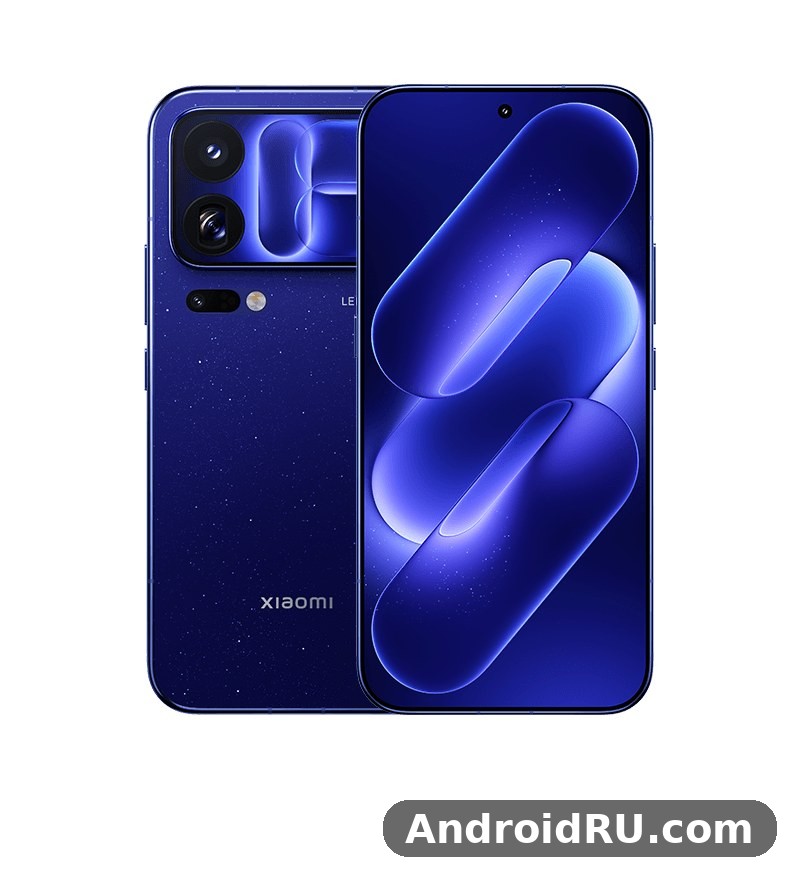
A good Xiaomi 18 Pro Max review has to answer a simple question: does the biggest phone in the range feel like a better daily phone, or just a bigger one? Size alone is not a feature. What matters is whether the display stays readable in bright light, whether the chip keeps apps and games smooth without turning the phone into a hand warmer, and whether the battery still has something left at bedtime. That is what this article covers, in order, with the full specifications table at the end. Where a figure is not confirmed for every market, this review says so plainly and points you to the official specifications page instead of guessing a number.
The short version is that the 18 Pro Max is a phone built around its screens. There are two of them, and both matter. The main display is the one you will look at for hours a day, and the rear display is the one that changes small habits: checking the time, framing a photo, or glancing at a notification without waking the whole phone. Add the Snapdragon 8 Elite Extreme Gen 6, Android 17 with HyperOS 4, and storage up to 1TB, and you have a flagship that is easy to understand. It is big, it is fast, and it is meant to be used hard. The rest of this review is about where that promise holds up and where it asks for a compromise.
Xiaomi 18 Pro Max Display Quality and the Rear Screen
Display quality is the first thing you notice about this phone and the last thing you stop caring about, because the screen is where every other feature happens. Reading, video, maps, games, photos: all of it runs through the main panel. Xiaomi 18 Pro Max display quality is therefore the right place to start, and the news is good. Colours look rich without going over the top, text stays sharp at normal reading distance, and the panel handles bright daylight far better than the average flagship from two or three years ago. Xiaomi 18 Pro Max display brightness outdoors is strong enough that you can read messages and check maps in direct sunlight without hunting for shade, which is the one outdoor test that actually matters in daily use.
Scrolling feels fluid, and animations in HyperOS 4 keep up with fast swipes instead of stuttering behind them. That smoothness is easy to take for granted until you pick up a slower phone, and it is one of the reasons the 18 Pro Max feels fast even before you open a demanding app. Video looks great on the big panel, with deep blacks that make night scenes watchable and enough punch in bright scenes that nothing looks washed out. If you watch a lot of video on your phone, the screen alone is a real reason to consider the Max over its smaller sibling. The Xiaomi 18 Pro Max screen is simply a better canvas for everything you already do on a phone.
One honest note: a screen this large changes how you hold the phone. One-handed use is possible for short bursts, but reaching the top corner takes a stretch or a second hand, and that is true of every phone this size. The curved or flat edge treatment and the case you choose will change the feel more than any setting will. If you are coming from a compact phone, give yourself a week. Most people adjust, and the extra screen space for reading, typing, and split-screen work is the payoff.
How the main display holds up in daily use
Daily use is where a display earns its rating, and the 18 Pro Max panel earns it in small ways. Reading long articles is comfortable, with text that stays crisp when you zoom and a white balance that does not drift blue or yellow at an angle. Video calls look natural, and the front camera cutout stays out of the way during video playback. Brightness adjusts sensibly when you walk from a dim room into sunlight, without the sudden jumps that cheaper panels sometimes show. For a phone that will spend hours a day showing you text, maps, and messages, that kind of consistency matters more than any single peak-brightness figure.
Eye comfort is part of the same story. Long evening sessions are easier when the display can dim smoothly and shift to warmer tones at night, and HyperOS 4 gives you those controls without burying them. If you read in bed, set the warmer tone on a schedule and leave it alone. The panel also handles low brightness well, which sounds minor until you have used a phone that flickers or crushes dark detail at the lowest setting. This one does not draw attention to itself, and that is the compliment.
For photo work, the display is accurate enough to trust for a quick edit before you share a picture. Colours on screen match what you see on other devices closely enough that you will not get an unpleasant surprise after posting. Serious editing still belongs on a calibrated monitor, but for cropping, straightening, and a quick exposure tweak, the screen does the job. That is exactly what a phone display needs to do in 2026.
The rear display is actually useful this time
The second screen on the back is the feature that separates the 18 Pro Max from nearly everything else you can buy, and this generation is where it stops being a novelty. Xiaomi 18 Pro Max rear display features now cover the things people actually check dozens of times a day: the time, the weather, music controls, notifications, and a viewfinder for the rear cameras. The Xiaomi 18 Pro Max second screen usefulness comes from that list being practical rather than decorative. You glance, you get the answer, and you put the phone down again.
The rear display also changes how you take photos of other people, and photos of yourself. Framing a shot with the main cameras while looking at the back of the phone sounds like a small thing, but it is the difference between a sharp portrait and a guess. For group shots and travel photos, being able to see yourself in the rear screen while the best cameras do the work is genuinely handy. It is the kind of feature you use twice, then wonder how you managed without it.
There is a limit, and it is worth stating. The rear screen is a companion to the main display, not a replacement for it. You will not read long articles on it, and you will not type on it. Its job is quick information and camera framing, and it does that job well. Anyone buying the phone mainly for the rear display should know that it saves seconds many times a day rather than transforming how the phone works. Those saved seconds add up, but they are still seconds.
Privacy display mode in practice
The privacy display is the cleverest part of the rear screen setup. In simple terms, it limits the viewing angle of information shown on the back, so a notification or a preview is readable to the person holding the phone and much harder to read from the side. The Xiaomi 18 Pro Max privacy display is aimed at the everyday problem of sensitive messages appearing where other people can see them: on a train, in a queue, or across a meeting table. Used with the rear screen for notifications, it means you can check who messaged you without turning the phone around and without showing the message to the room.
In practice, the feature works best for short previews rather than long reading. A message header and the first line are easy to catch; a long paragraph is still a job for the main screen. That is fine, because the point is triage, not reading. Turn the privacy mode on for the things you care about, leave it off for music controls and the clock, and the rear screen stays both useful and discreet. If you handle work messages or banking alerts on your phone, this is a feature you will switch on once and never think about again, which is exactly how a good privacy feature should behave.
Outdoor brightness and eye comfort settings
Outdoor visibility is the hardest test for any phone display, and the 18 Pro Max handles it by getting bright enough that the screen stays readable in sunlight, while keeping colours from washing out at high brightness. The automatic brightness control is quick to react when you step outside, and it does not overshoot and then slowly correct itself the way some phones do. If you use your phone for navigation while walking, or for photography in daylight, that responsiveness is something you will notice within the first day.
For eye comfort, the settings worth knowing are the night mode schedule, the warmer colour temperature option, and the low-brightness behaviour. Set the night schedule once, and the phone will handle the rest. If you are sensitive to bright screens at night, the lowest brightness step is dim enough for a dark room without making text hard to read. None of this is flashy, and none of it appears in a spec table in a useful way, but it is the difference between a display you tolerate and a display you enjoy living with.
Xiaomi 18 Pro Max Speed and the Snapdragon 8 Elite Extreme Gen 6
Speed is the second promise of the 18 Pro Max, and it rests on one component: the Qualcomm SM8975 Snapdragon 8 Elite Extreme Gen 6, built on a 2 nm process. The Xiaomi 18 Pro Max Snapdragon 8 Elite Extreme Gen 6 performance is the headline number of this phone, but what it means in daily use is simpler than any benchmark chart. Apps open quickly, the camera is ready when you need it, heavy web pages load without stutter, and switching between a dozen open apps does not slow the phone down. Xiaomi 18 Pro Max performance is not about one fast moment; it is about the phone never making you wait in the hundred small moments that fill a day.
The 2 nm process matters because it lets the chip do more work with less wasted energy. In plain terms, the phone can stay fast for longer without getting hot, and the battery does not pay as steep a price for that speed. That is the real benefit of a new process node, and it shows up in the places people actually feel it: long gaming sessions, 4K video editing, and the camera processing that happens every time you press the shutter. A fast chip that overheats after five minutes is not a fast phone. This one is built to keep going.
Storage speed plays a part too. With 256GB, 512GB, or 1TB of internal storage, the phone has room for large games, offline maps, and a serious photo library, and loading those files is quick. The Xiaomi 18 Pro Max storage options are generous at every tier, and the base 256GB model is enough for most people who stream music and video rather than hoarding it. Only heavy offline users and people who shoot a lot of video need to think about the larger tiers, and the price section below covers that choice.
Everyday speed and app loading
In everyday use, the 18 Pro Max feels instant in the ways that count. The home screen responds at once, search results appear as you type, and switching from a messaging app to the camera to a map does not involve a pause while the phone catches up. That responsiveness comes from the chip, the fast storage, and the way HyperOS 4 keeps the apps you use most ready in the background. The Xiaomi 18 Pro Max software is tuned for this hardware, and the combination is smoother than either part would be on its own.
Multitasking is where the big screen and the fast chip meet. The Xiaomi 18 Pro Max multitasking split screen workflow in HyperOS 4 lets you run two apps side by side, which is genuinely useful on a display this large: a video call on one side and notes on the other, or a map beside a message thread while you arrange to meet someone. Floating windows add a third layer for quick replies without leaving what you were doing. None of this is new to Android, but the size of this screen makes it practical in a way it never is on a small phone. If you use your phone as a work tool, learn the split-screen gesture in the first week. It will save you more time than any other single setting.
One more everyday detail: unlocking. The Xiaomi 18 Pro Max fingerprint sensor speed is one of those things you stop noticing, which is the point. Unlocking is quick and consistent, and you will not find yourself pressing twice or repositioning your thumb. Face unlock is there as a second option for the moments when your hands are busy. Biometrics are not exciting, but when they work this smoothly, they disappear into the background, and that is the best thing they can do.
Gaming performance and heat
Gaming is the hardest sustained test a phone faces, and it is where the 18 Pro Max earns its flagship label. Xiaomi 18 Pro Max gaming performance is strong across the board: demanding games load quickly, frame rates stay steady during long sessions, and touch response feels immediate. The big display helps here too, giving you more room for on-screen controls and a clearer view of the game. If you play competitively, the combination of a fast chip and a large, responsive screen is the main reason to choose this phone over a smaller one.
Heat is the question every gamer asks, and it deserves a straight answer. Xiaomi 18 Pro Max heat during gaming is controlled well for a phone this powerful, helped by the efficient 2 nm chip and the larger body, which gives heat more room to spread. The phone will get warm during a long, demanding session, as every phone does, but it does not become uncomfortable to hold in normal play, and performance does not fall off a cliff after twenty minutes. That said, a case traps heat, and a hot room makes everything worse, so if you game for hours, take the case off and give the phone some air. Xiaomi 18 Pro Max thermals are helped by the efficient 2 nm process, which is designed to run cooler than older chips under sustained load, and that design choice shows up exactly here.
For lighter games, none of this matters much. Casual games run easily on far cheaper phones. The 18 Pro Max is for people who play demanding titles, who stream their gameplay, or who want the phone to still feel new two years from now when games ask for more. If that is you, the performance headroom is worth paying for. If it is not, the smaller Pro will feel just as fast in everything except the longest sessions.
Xiaomi 18 Pro Max Battery Life and Charging
Battery life is where a big phone either justifies its size or wastes it, and the 18 Pro Max justifies it. Xiaomi 18 Pro Max battery life should comfortably cover a full day for most people, including heavy use: hours of screen time, navigation, camera use, and messaging, with charge left at bedtime. The exact number of hours depends on your brightness, your signal, and how much you game, so any review that promises a precise figure for everyone is guessing. What can be said with confidence is that the combination of an efficient 2 nm chip and a large body gives this phone more room for battery than its smaller sibling, and that shows in daily use.
Heavy days are the real test. A day of travel, with maps, photos, video, and weak signal in between, is where smaller phones start asking for a charger by the afternoon. The 18 Pro Max handles that kind of day better, and the rear display helps in a small way too: checking the time or a notification on the back screen uses less power than waking the main panel. It will not double your battery life, but the habit of glancing at the rear screen instead of unlocking the phone adds up over a day of constant checks.
Standby is equally solid. The phone sips power overnight, so you will not wake up to a nasty surprise after forgetting to charge. HyperOS 4 manages background apps sensibly, and the usual battery-saving settings are there if you need them: adaptive battery, scheduled dark mode, and limits on background activity for apps you rarely open. Most people will never need to touch these. Leave the defaults alone for the first week and see how the phone behaves before changing anything.
Getting through a full day
The way to think about battery life is in days, not in milliamp-hours. For a typical user, the 18 Pro Max is a phone you charge once a day, usually overnight, and forget about. For a heavy user, it is a phone that still has a comfortable margin at bedtime instead of a red warning at dinner. For a light user, two days is within reach if you keep brightness sensible and do not game for hours. Those are the three patterns that cover nearly everyone, and the phone handles all three without drama.
If you do run low, the habits that save the most power are the boring ones: lower the brightness a notch, turn off the always-on display if you use the rear screen for the time, and close the navigation app when you arrive. Video streaming and gaming are the two biggest drains, and no phone escapes that. The 18 Pro Max simply starts from a better position than most, so the same habits buy you more time.
Charging speed and wireless charging
Charging is quick, and that changes how you think about the battery. Xiaomi 18 Pro Max charging speed is fast for a phone this size, and a short top-up while you get ready in the morning adds a useful amount of charge. The exact wattage and the time for a full charge vary by region and by the charger you use, so check the official specifications page for the figures that apply to your market and use the charger Xiaomi recommends for the best result. A weak old charger will charge any phone slowly, and this one is no exception.
For the Xiaomi 18 Pro Max wireless charging support details in your region, check the official page as well, since charging specifications can vary by market and by the accessories bundled where you live. Wireless charging is most useful as a habit rather than a rescue: a charging pad on your desk or bedside table means the phone tops up whenever you put it down, and you stop thinking about cables altogether. It is slower than a wired charge, so it is not the tool for a ten-minute emergency top-up, but for overnight and desk charging it is the most convenient option the phone offers.
Xiaomi 18 Pro Max Camera Quality in Daily Use
The camera is the third pillar of this phone, and it is also the feature where the rear display earns its keep. Xiaomi 18 Pro Max camera quality is strong in the situations most people actually photograph: daylight scenes, portraits, food, pets, and travel. Photos come out sharp, with natural skin tones and colours that look like the scene you saw rather than an over-processed version of it. The camera app is quick to open, focuses fast, and the shutter lag is short enough that you will not miss the moment you were aiming for.
Low light is where flagship cameras separate themselves from the rest, and the 18 Pro Max holds up well. Night shots keep detail in the shadows without turning the sky into a noisy mess, and the phone handles mixed lighting, like a restaurant with warm lamps and a dark window, without blowing out the bright areas. You do not need to learn night mode or fiddle with settings. Point, shoot, and the phone does the hard work. That is how a phone camera should behave, and it is the standard this one meets.
The rear display changes the camera experience in one specific way: selfies and group shots. Using the main cameras with the rear screen as a viewfinder gives you better image quality than the front camera alone, and you can see exactly what the frame looks like before you shoot. For travel photos, where you want yourself in the shot and the view behind you, this is the single best reason the rear display exists. Try it once on a trip and you will understand the feature better than any description can explain.
Daylight photos and portraits
Daylight is the easy case, and the 18 Pro Max makes the most of it. Landscapes keep detail from the foreground to the horizon, and the phone handles high-contrast scenes, like a bright sky over a shaded street, without losing either end. Colours are vivid but not cartoonish, and the processing stays out of the way. If you print your photos or view them on a large screen, they hold up. If you only ever see them on the phone itself, they look better than good.
Portraits are the mode most people will use for people, and the results are flattering without looking fake. Skin keeps its texture, the background blur falls off naturally, and edge detection around hair is handled well in good light. In a Xiaomi 18 Pro Max portrait mode camera test, the things to look at are the edges of hair against a bright background and the transition from sharp to blurred behind the subject. Those are the two places where portrait modes fail, and this one handles both well enough that most people will never notice a problem. Xiaomi 18 Pro Max portraits look natural in the situations that matter, and that is the highest praise a portrait mode can earn.
Video recording and low light
Video is a strong point for creators and for families who film more than they photograph. Footage is stable when you walk, focus shifts smoothly when you move between subjects, and the phone handles the jump from a bright street into a dim room without a jarring exposure swing. Xiaomi 18 Pro Max video recording is good enough that many people will stop carrying a separate camera for holidays, and the large screen makes reviewing clips on the spot a pleasure rather than a chore.
Audio matters as much as the picture, and it is easy to overlook. Video is also where the Xiaomi 18 Pro Max speakers and audio quality show up in daily use: playing back a clip sounds full and clear, with stereo separation that makes dialogue easy to follow, and recording picks up voices cleanly in a normal room. The Xiaomi 18 Pro Max audio setup is tuned for media rather than for filling a room, so it will not replace a speaker, but for watching videos, taking calls on speaker, and reviewing footage, it does the job well. The Xiaomi 18 Pro Max speakers handle podcasts and video calls cleanly at normal volume, and distortion only creeps in at the very top of the range.
Low-light video is harder than low-light photography, and the phone does a respectable job without working miracles. Expect some noise in very dark scenes and a softer image than daylight footage, which is true of every phone. The practical advice is simple: give the camera a little light when you can, keep your hands steady, and let the stabilisation do its work. For birthday candles, evening streets, and concerts, the results will be watchable and worth keeping.
Xiaomi 18 Pro Max vs Xiaomi 18 Pro: Which One Fits You?
The hardest question about the 18 Pro Max is not whether it is good. It is whether it is the right Xiaomi for you, because the regular 18 Pro sits just below it in the same range. Xiaomi 18 Pro Max vs Xiaomi 18 Pro is the comparison most buyers will actually make, and the answer depends on what you value: the biggest screen and the rear display, or a smaller phone that is easier to carry and cheaper to buy. If camera quality is your main concern, the Xiaomi 18 Pro Review: Camera Quality, Battery and Value is the closest companion piece to this review, and it covers the smaller phone on its own terms.
The table below sets out the differences that matter. Where a figure for the smaller phone is not confirmed here, the table says so, and the official specifications page is the place to check before you decide. Do not buy a phone on a single guessed number.
| Feature | Xiaomi 18 Pro Max | Xiaomi 18 Pro |
|---|---|---|
| Position in the range | Top model, largest display | Smaller Pro sibling in the same range |
| Rear display | Yes, second screen on the back with privacy display | Check the official page for this model |
| Chipset | Qualcomm SM8975 Snapdragon 8 Elite Extreme Gen 6 (2 nm) | Check the official page for this model |
| Weight | 235g or 240g, depending on finish | Lighter than the Pro Max; check the official page |
| Thickness | 8.4mm | Check the official page for this model |
| Storage options | 256GB, 512GB, 1TB; no card slot | Check the official page for this model |
| Price | Around 920 EUR; from CNY 6,999 in China | Lower than the Pro Max; check the official page |
| Best for | Big-screen users, gamers, creators | People who want Pro speed in a smaller body |
Where the Pro Max pulls ahead
The Pro Max pulls ahead in four places. First, the display: bigger, with the rear screen and the privacy display, which the smaller phone cannot match. Second, battery life: the larger body gives it more room, and that shows on heavy days. Third, presence: this is the phone that turns heads, and for people who like the biggest and best-specced device in a range, that matters. Fourth, staying power: the top model tends to hold its performance edge for longer, because it starts with more headroom.
The rear display deserves a second mention here, because it is the one feature that has no equivalent on the smaller phone. If you take a lot of selfies, shoot group photos, or check notifications constantly, the rear screen will change your daily routine in a way a slightly faster chip never will. The Xiaomi 17 Pro Max Review: Display, Audio and Overall Experience shows how the previous generation handled the same idea, and the 18 Pro Max improves on it by making the rear display more useful for everyday tasks rather than a showcase feature.
Where the regular Pro makes more sense
The regular Pro makes more sense for everyone who finds the Max too big, too heavy, or too expensive. At 235g or 240g and 8.4mm thick, the Pro Max is a substantial phone, and if you carry it in a small pocket, use it one-handed all day, or simply prefer a lighter device, the smaller Pro will feel better in your hand from the first minute. It is also the better buy if the rear display does not excite you, because you should not pay for a feature you will not use.
Value is the other argument. The Pro Max costs around 920 EUR in Europe, and the regular Pro sits below that. If the money you save buys you a case, a charger, and a pair of earbuds, that is a real trade-off, not a consolation prize. The honest rule is simple: buy the Pro Max if you will use the big screen, the rear display, and the extra battery every day. Buy the regular Pro if you will not, and spend the difference on something you will actually enjoy.
Xiaomi 18 Pro Max Full Specifications
This is the full picture in one place. The Xiaomi 18 Pro Max full specifications below list what is confirmed and mark clearly where you should check the official specifications page for the figures that vary by market. The Xiaomi 18 Pro Max specs are led by the Snapdragon 8 Elite Extreme Gen 6, Android 17 with HyperOS 4, and storage up to 1TB, and the table keeps the rest honest by refusing to guess.
| Specification | Xiaomi 18 Pro Max |
|---|---|
| Announced and released | 23 September 2026 |
| Chipset | Qualcomm SM8975 Snapdragon 8 Elite Extreme Gen 6 (2 nm) |
| Operating system | Android 17, HyperOS 4 |
| Weight | 235g or 240g, depending on finish |
| Thickness | 8.4mm |
| Storage | 256GB, 512GB, or 1TB |
| Card slot | No microSD card slot |
| Price in Europe | Around 920 EUR |
| Price in China | From CNY 6,999 (12GB/256GB) |
| Main display | Large flagship panel; check the official page for size and resolution |
| Rear display | Second screen on the back, more useful than the previous generation; includes privacy display |
| Battery capacity | Check the official specifications page for your market |
| Charging | Fast wired charging; check the official page for wattage and wireless charging support in your region |
| Cameras | Flagship rear and front cameras; check the official page for megapixel counts and lens details |
| Connectivity | 5G, Wi-Fi, Bluetooth and NFC as expected of a 2026 flagship; check the official page for the full list |
| Biometrics | Fingerprint sensor and face unlock |
A note on how to read this table: the rows that say “check the official page” are not missing information, they are honest gaps. Display size, battery capacity, charging wattage, and camera megapixels vary by market and by the source you read, and a review that invents a precise figure does you no favours. The confirmed facts are the ones that matter most for a buying decision: the chip, the software, the weight, the thickness, the storage tiers, the missing card slot, and the price. Everything else in the table is either confirmed above or flagged for you to verify in one place.
Design, weight and build
The Xiaomi 18 Pro Max design is built around its size. At 8.4mm thick, the phone is slim for its class, and the weight of 235g or 240g depends on the finish you choose. The Xiaomi 18 Pro Max 8.4mm thickness design keeps the phone from feeling like a brick, even though the weight is real and you will feel it in a jacket pocket. The Xiaomi 18 Pro Max build feels dense and solid, with a frame that gives the phone a premium heft rather than a hollow one, and the two finishes at the two weights let you choose between a slightly lighter feel and the finish you prefer to look at.
For the Xiaomi 18 Pro Max weight 235g daily use question, the answer depends on how you carry your phone. In a bag or a large pocket, the weight disappears. In a small pocket or in one hand for an hour of reading, you will notice it, and a case adds more. If weight worries you, pick the lighter 235g finish and a slim case, and try the phone in a shop before you buy. That five-minute test tells you more than any number on a page. Xiaomi 18 Pro Max colors vary by market, so check the official page for the finishes available where you live before you set your heart on one. Xiaomi 18 Pro Max durability is also something to confirm on the official page, since the exact glass and frame materials can vary by finish and by market, and a good case is cheap insurance whatever the materials are.
The rear display shapes the design more than any other single element. It sits flush in the back panel, it is protected like the rest of the phone, and it changes the look of the device completely: from the back, this phone is unmistakable. Some people will love that, and some will find it busy. Either way, it is the design decision that defines the Pro Max, and it is worth seeing in person before you decide, because photos do not convey how it feels to hold a phone with a live screen on both sides.
Storage options and the missing card slot
Storage is straightforward, and the choice matters because there is no way to add more later. There is a Xiaomi 18 Pro Max no microSD card slot, so the capacity you buy is the capacity you keep. The three tiers are 256GB, 512GB, and 1TB, and the right one depends on how you use the phone. The base 256GB model suits people who stream music and video, keep their photos backed up to the cloud, and install a moderate number of apps and games. It is the sensible default, and it is the tier the Chinese starting price covers: the Xiaomi 18 Pro Max 256GB price starts at CNY 6,999 in China for the 12GB/256GB version, and the Xiaomi 18 Pro Max China price CNY 6999 entry point is the figure to compare against other phones in the same range.
The middle tier is the sweet spot for most heavy users. The Xiaomi 18 Pro Max 512GB storage price sits between the base and the top model, and it buys real peace of mind: room for offline maps, downloaded video for flights, large games, and years of photos without ever thinking about space. If you keep your phones for three or four years, the middle tier is usually the best value over the life of the device, because storage needs only grow. The Xiaomi 18 Pro Max 1TB storage variant is for creators and for people who shoot a lot of video, keep full offline libraries, or simply never want to think about storage again. It is expensive, and for most people it is more than they need, but if you know you need it, no other option will do.
Before you choose, check how much storage your current phone uses. That one number tells you which tier to buy better than any advice can. If you use under 150GB today, 256GB is fine. If you are already over 200GB, take the 512GB. If you are over 450GB, take the 1TB and stop worrying. And remember that cloud storage is not a substitute for local storage when you are on a plane or in a place with no signal.
Connectivity and sensors
Connectivity on a 2026 flagship is a checklist, and the 18 Pro Max ticks the boxes you expect: 5G for fast mobile data, Wi-Fi for home and office, Bluetooth for earbuds and watches, and NFC for payments. Xiaomi 18 Pro Max connectivity is the kind of thing you only notice when it fails, and on this phone it does not get in the way. The full list of bands and standards varies by region, so if you travel to a country with unusual networks, or you need a specific band for your carrier, check the official specifications page for your market before you buy. The fingerprint sensor and face unlock cover biometrics, and the usual set of sensors for auto-brightness, orientation, and location is present. None of this is exciting, and all of it needs to work without fuss, which it does.
Software: Android 17 and HyperOS 4
The Xiaomi 18 Pro Max software story starts with Android 17 and HyperOS 4, and both matter. The Xiaomi 18 Pro Max Android 17 update position is strong: the phone launches on the newest Android, so you are not waiting for an update to get the latest features, privacy controls, and security improvements. The Xiaomi 18 Pro Max HyperOS 4 features build on that with Xiaomi’s own layer: a cleaner home screen, smarter multitasking, the split-screen and floating-window tools mentioned earlier, and deep control over the rear display, including the privacy display settings and what the second screen shows.
HyperOS 4 is where the rear display is managed, and the settings are worth exploring in the first week. You can choose which notifications reach the back screen, what the clock and widgets show, and when the privacy display is active. The software also handles the camera framing on the rear screen and the music controls that make the second display useful without unlocking the phone. As with any new software version, expect small updates in the first months that smooth out rough edges. Keep automatic updates on, and check the rear display settings again after each major update, because new options tend to appear there first.
Pros and Cons of the Xiaomi 18 Pro Max
Every phone is a set of trade-offs, and the honest way to judge one is to list both sides. The 18 Pro Max has real strengths and real weaknesses, and the balance between them depends on what you do with your phone. Here is the list, without the hype.
What we liked most
- Rear display that is genuinely useful for notifications, music, and camera framing, with a privacy display that keeps previews discreet.
- Excellent main display quality, with strong outdoor brightness and comfortable colours for reading and video.
- Flagship speed from the Snapdragon 8 Elite Extreme Gen 6, with enough headroom for demanding games and years of use.
- All-day battery life for most people, helped by the efficient 2 nm chip and the large body.
- Strong cameras in daylight and at night, with portraits that look natural and video that stays stable.
- Android 17 with HyperOS 4 at launch, plus storage up to 1TB for people who need the room.
What could be better
- Heavy at 235g or 240g, and large enough that one-handed use takes effort.
- No microSD card slot, so you must choose the right storage tier at purchase.
- Price of around 920 EUR puts it firmly in premium territory, and the 1TB model costs more still.
- The rear display is a companion screen, not a second full phone, so buyers expecting more may be disappointed.
- Some specifications, including battery capacity and charging wattage, need checking on the official page rather than being confirmed here.
Who Should Buy the Xiaomi 18 Pro Max?
The 18 Pro Max is not for everyone, and that is fine. It is for a specific kind of buyer, and if you recognise yourself in the list below, it is an easy recommendation. If you do not, the money is better spent elsewhere, and the alternatives section will point you in the right direction.
A good fit for heavy users and creators
This phone fits people who use their phone hard. If you watch hours of video, play demanding games, shoot photos and video every day, or run your work from your phone with split-screen apps and constant messaging, the big display, the fast chip, and the all-day battery are all working for you at once. Creators get the most from the camera and the rear display, because framing shots with the main cameras and reviewing footage on a large screen is part of the daily workflow. Gamers get the most from the performance headroom and the large display, because both stay useful for years rather than months.
It also fits people who simply like the biggest phone in a range and keep their phones for a long time. The top model ages well, because it starts with the most speed, the most storage headroom, and the largest battery. If you buy a phone every three or four years, buying the best one now is a reasonable strategy, and the 18 Pro Max is the best one in this range by most measures. The Xiaomi 18 Pro Max value case is strongest for those long-term buyers: the price is high, but the cost per year of ownership is reasonable when the phone stays fast and capable for three years or more.
Who should look at the alternatives instead
Look elsewhere if the size or the weight puts you off, because no feature compensates for a phone you dislike holding. The Xiaomi 18 Pro Max alternatives start inside Xiaomi’s own range. The regular 18 Pro is the obvious step down, with Pro speed in a smaller and lighter body. If gaming is your priority above all else, the Xiaomi 17 Ultra Review: Gaming, Multitasking and Battery Life is worth reading, because the Ultra line is built around sustained gaming performance and battery life. If you want a smaller phone from the previous generation, the Xiaomi 17 Pro Review: Strengths, Trade-Offs and Everyday Use covers a phone that is easier to carry and cheaper to buy, with its own honest list of trade-offs.
For buyers watching the budget, the Xiaomi 17 Review: Cameras, Performance and Battery Life is the entry point to the same family, and it shows what you give up and what you keep when you step down a generation. The rule is simple: pay for the rear display, the biggest screen, and the top chip only if you will use them. If your days are calls, messages, photos, and an hour of video, a cheaper phone does all of that, and the money you save is real. The Pro Max is a phone for people who can name the features they will use every day, not for people who buy specifications they will never touch.
One practical note before you buy: check the Xiaomi 18 Pro Max unboxing details for your region, because the charger and the accessories in the box vary by market. A Xiaomi 18 Pro Max unboxing video from another country may show a charger that is not included where you live, so confirm what is in the box with the seller before you order. The same applies to Xiaomi 18 Pro Max accessories in general: cases, screen protectors, and chargers are easy to find, but buy the case first, because a phone this large and this heavy deserves protection from day one, and the rear display is one more surface to keep safe.
Xiaomi 18 Pro Max FAQ
Is the Xiaomi 18 Pro Max worth buying in 2026?
Yes, for the right buyer. If you want the biggest display in the 18 series, the fastest chip Xiaomi offers, a genuinely useful rear display, and battery life that covers a heavy day, the 18 Pro Max is worth its price. It is not worth it if you prefer a small phone, if the rear display leaves you cold, or if your budget is tight, because the regular 18 Pro and the previous generation cover the basics for less money. The deciding question is simple: will you use the big screen and the rear display every day? If the answer is yes, buy it. If the answer is no, buy the smaller Pro and keep the difference.
What is the Xiaomi 18 Pro Max price in Europe?
The Xiaomi 18 Pro Max price in Europe is around 920 EUR, and the Chinese range starts at CNY 6,999 for the 12GB/256GB version. The exact price where you live depends on the storage tier, the finish, and local taxes, so check the official page or a local retailer for the current figure before you buy. The 512GB and 1TB models cost more, and the price gap between tiers is the main decision after you have chosen the phone itself. Watch for launch offers and trade-in deals, which can take a useful amount off the price in the first months.
Does the Xiaomi 18 Pro Max have a microSD card slot?
No. There is no microSD card slot on the 18 Pro Max, so the storage you buy is the storage you keep. Choose between 256GB, 512GB, and 1TB at purchase, and check how much storage your current phone uses before you decide. If you are under 150GB today, 256GB is fine. If you are over 200GB, take the 512GB. If you are over 450GB, take the 1TB. Cloud storage helps for backup, but it does not replace local storage when you have no signal.
How good is the Xiaomi 18 Pro Max battery life?
Good enough that most people will charge once a day and forget about it. Xiaomi 18 Pro Max battery life comfortably covers a full day of heavy use, including hours of screen time, navigation, and camera use, and light users can stretch it further. The efficient 2 nm chip and the large body both help. The exact hours depend on brightness, signal, and gaming, so treat any precise figure as a rough guide rather than a promise, and use the rear display for quick checks to save a little power through the day.
Does the rear display drain the battery?
Only a little, and only when you use it. The rear display is a small screen showing simple information, so it uses far less power than the main panel. In fact, checking the time or a notification on the rear screen instead of waking the main display saves power overall, because the big screen stays off. The habit that costs battery is leaving the rear display on a bright setting all day or using it for long previews. Keep it on its default behaviour, use it for quick glances, and its effect on battery life is too small to worry about.
Final Verdict: Should You Buy the Xiaomi 18 Pro Max?
The Xiaomi 18 Pro Max verdict is a simple one: this is the best big-screen phone Xiaomi makes in this range, and it earns that title with a display you will enjoy every day, speed that will not age quickly, and a rear screen that finally does useful work. The privacy display and the camera framing are the two rear-screen features that matter most, the Snapdragon 8 Elite Extreme Gen 6 keeps everything smooth, and the battery covers the kind of day that defeats smaller phones. At around 920 EUR, it is expensive, and at 235g or 240g it is heavy, but neither fact is a surprise, and both are the price of what this phone offers.
This Xiaomi 18 Pro Max Review: Display Quality, Speed and Daily Use comes down to one question, and you already know the answer. If you want the biggest screen, the fastest chip, and the most interesting phone Xiaomi sells, buy the Pro Max, pick the 512GB tier unless you know you need more or less, and put a case on it on day one. If you want a smaller phone, or the rear display does not interest you, buy the regular 18 Pro instead and enjoy the money you saved. Either way, check the official specifications page for the figures that vary by market before you order, set up the rear display and the privacy mode in the first week, and give the phone a few days to learn your habits. The best features of this phone are the ones that disappear into your routine, and a week in, you will know whether they have.

