

Xiaomi 15 Ultra Review: Daily Performance and Key Features
The Xiaomi 15 Ultra arrived on 27 February 2025 as the most camera-focused phone Xiaomi had ever shipped, and a year and a half later it still reads like a statement of intent rather than a routine flagship refresh. It pairs a 1-inch main sensor with a 200MP periscope, a Snapdragon 8 Elite chip, a 6.73-inch LTPO AMOLED display and a 5410mAh battery with 90W wired charging. That combination is aimed squarely at one kind of buyer: someone who wants a phone that behaves like a compact camera during the day and a fast, long-lasting flagship the rest of the time.
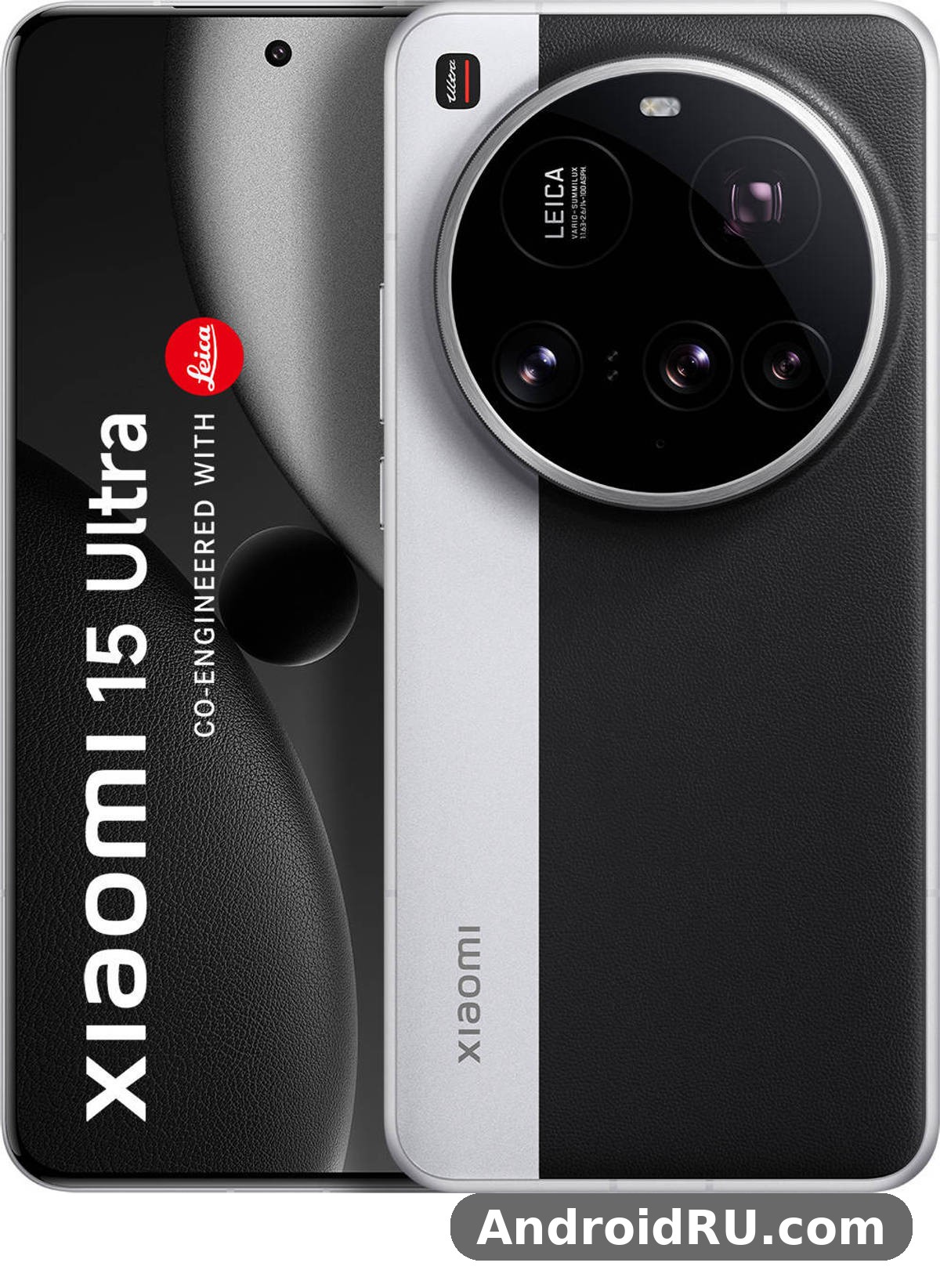
This Xiaomi 15 Ultra review looks at the phone the way a buyer in late 2026 would actually use it. We cover the Leica camera system in real shooting situations, the Snapdragon 8 Elite in daily tasks and games, the screen, the battery and charging, HyperOS 2, and the trade-offs that come with a phone this large and this camera-heavy. Every specification quoted here comes from the published Xiaomi 15 Ultra specs, and where a number varies by region we say so rather than guessing. The question running through the whole piece is a simple one: is Xiaomi 15 Ultra worth buying in 2026, now that newer Xiaomi flagships exist and prices have moved?
The short answer is that the 15 Ultra remains a strong pick for photography-first buyers, and a harder sell for anyone who mainly wants a slim, light phone. Its camera hardware has no real equal in its price band, its battery comfortably clears a full day, and its display is among the best on any Android phone. The weight, the size, the camera plateau and the price are the costs. The rest of this article works through each of those points in detail, with the full specifications table at the end, so you can decide with the numbers in front of you.
Xiaomi 15 Ultra Design and Display: A Big Phone With a Camera-First Shape
The Xiaomi 15 Ultra design makes no attempt to hide what it is. A large circular camera module dominates the back, the body measures 161.3 x 75.3 x 9.4 mm, and the Xiaomi 15 Ultra weight is 226 g, which puts it firmly in the heavy-flagship class. In the hand it feels dense and solid, with an aluminium frame and a glass back protected by Xiaomi Shield Glass 2.0 on the front. The two-tone silver and chrome finish nods to classic Leica cameras, while the black and white versions are quieter. Whichever finish you pick, this is a phone that announces itself.
That size has practical consequences. One-handed use is a stretch, literally: the top of the screen is out of comfortable thumb reach, and the camera plateau stops the phone lying flat on a table. A case helps with grip and with the wobble, and Xiaomi sells a photography kit with a grip and a shutter button for buyers who want the camera experience to feel even more like a dedicated camera. The Xiaomi 15 Ultra accessories range also includes the usual cases and screen protectors, and the photography kit is the one accessory that genuinely changes how the phone feels in use, because it adds a physical shutter and a grip that balances the weight.
Durability is a genuine strength. The Xiaomi 15 Ultra IP68 rating covers immersion in fresh water up to 1.5 metres for 30 minutes, and the Xiaomi 15 Ultra durability story is backed by the Shield Glass 2.0 front and a sealed frame. An Xiaomi 15 Ultra IP68 water resistance test in published reviews confirms the rating holds up to splashes, rain and brief submersion, but IP68 is a lab rating, not a promise: salt water, soap and steam are still risks, and water damage is not covered by the standard warranty. Treat the rating as protection against accidents, not as an invitation to take the phone swimming.
Colours and finish
The Xiaomi 15 Ultra colours at launch were black, white and the silver chrome two-tone. Black hides fingerprints best and looks the most restrained; white shows the camera module least; silver chrome is the one people notice, and the one that most clearly signals the Leica connection. The finish is matte enough that the back does not pick up smudges as badly as a glossy flagship, though the chrome ring around the camera module does collect prints. If you plan to use a case most of the time, the colour matters less than the grip, and the black version is the safe choice.
The display: bright, sharp and calm at low brightness
The Xiaomi 15 Ultra display is a 6.73-inch LTPO AMOLED panel with a 1440 x 3200 resolution, an adaptive 1-120Hz refresh rate, HDR10+ and Dolby Vision support, and a quoted peak brightness of 3200 nits. This Xiaomi 15 Ultra display review finds the panel easy to read in direct sunlight, rich in colour without looking oversaturated in its default mode, and smooth in scrolling because the refresh rate drops to 1Hz on static content and rises to 120Hz when you swipe. The resolution is high enough that text stays crisp at any size, and the curved edges are subtle rather than the waterfall curves of older flagships.
Colour accuracy is good out of the box, and the display settings let you pick between vivid, saturated and original colour modes, plus a manual colour temperature slider. For video, Dolby Vision and HDR10+ content on streaming apps looks properly bright, with deep blacks that only an AMOLED panel delivers. The always-on display is customisable, the ultrasonic fingerprint sensor sits under the screen, and the Xiaomi 15 Ultra fingerprint sensor speed is fast in published tests, unlocking reliably with a dry thumb and working through a thin screen protector. The one display trade-off is power: at full brightness outdoors the panel draws heavily on the battery, which is one reason the battery section below matters.
Display settings worth changing first
Two settings are worth touching on day one. First, set the screen resolution to WQHD+ rather than the default FHD+ if you want the sharpest text, and accept the small battery cost. Second, pick the original colour mode if you edit photos on the phone, because the vivid mode exaggerates reds and greens and makes it harder to judge what a photo will look like on another screen. The 120Hz refresh rate can stay on adaptive; forcing 120Hz everywhere costs battery for little visible gain.
Speakers and haptics
The Xiaomi 15 Ultra speakers are a stereo pair with the earpiece as the second channel, and an Xiaomi 15 Ultra speaker quality test in published reviews describes them as loud, clear and reasonably full for a phone, with decent separation when you watch video in landscape. They are not a replacement for a small Bluetooth speaker, and bass is limited by physics, but dialogue in films stays clear and music does not distort at high volume. The haptic motor is precise rather than buzzy, which makes typing and gestures feel more considered than on mid-range Xiaomi phones.
Xiaomi 15 Ultra Camera Review: Leica Quad System and 200MP Zoom
The camera is the reason this phone exists, and the Xiaomi 15 Ultra camera review has to start with the hardware list, because it is genuinely unusual. The main camera is a 50MP sensor with a 1-inch type Sony LYT-900, an f/1.6 Leica Summilux lens and optical stabilisation. The ultrawide is 50MP with a 115-degree field of view. The short telephoto is 50MP at 70mm, equivalent to 3.2x optical zoom. The periscope is a 200MP Samsung HP9 sensor at 100mm, equivalent to 4.3x optical zoom, with an f/2.6 lens and stabilisation. A TOF 3D sensor assists autofocus, and the front camera is 32MP. Four rear cameras, three of them 50MP or more, is a lot of glass, and it explains the size of the module.
The Xiaomi 15 Ultra Leica partnership shows up in two places: the Summilux lens branding and the Leica colour profiles, Leica Authentic and Leica Vibrant, plus a set of film-style filters. Leica Authentic keeps colours restrained and contrast high, which suits street photography and portraits. Leica Vibrant lifts saturation for landscapes and food. The Xiaomi 15 Ultra Leica camera samples published by reviewers show the same character again and again: natural skin tones, controlled highlights, and very little of the over-sharpened look that some flagships apply by default. If you like photos that look like photographs rather than illustrations, this tuning will suit you.
Daylight photos from the main camera are detailed and consistent, with the 1-inch sensor giving a shallow depth of field that smaller sensors cannot match. The Xiaomi 15 Ultra camera handles mixed light well, holding detail in shadows without blowing out skies, and the dynamic range in auto mode is wide enough that HDR rarely needs to be forced. Colours stay believable, and the phone resists the temptation to over-brighten scenes that are meant to be moody. For a phone camera, that restraint is a feature, not a limitation.
The 200MP periscope: zoom that stays usable
The Xiaomi 15 Ultra 200MP periscope zoom is the headline feature, and it earns the attention. At 4.3x optical zoom the images are sharp, detailed and free of the mush that digital zoom produces, and the 200MP sensor gives the phone room to crop in further: 8.6x hybrid zoom still looks good in daylight, and even 17x holds up for social media. The Xiaomi 15 Ultra zoom story is not just about reach, it is about stability, because the periscope has optical stabilisation and the phone crops from a large sensor, so handheld shots at long zoom are steadier than the numbers suggest.
In practice the periscope changes what you photograph. Distant architecture, wildlife, stage performances and street details that other phones render as smudges come back with texture. At night the periscope is less confident, and the phone will often prefer the main camera with a digital crop, which is the right call: a smaller aperture at long focal length is a hard physics problem. In daylight, though, the 200MP periscope is the most capable zoom on any phone in this price band, and it is the single feature most likely to make a buyer choose the 15 Ultra over a rival.
Main camera and ultrawide in daily shooting
The main camera is the workhorse, and the ultrawide is the surprise. The 50MP ultrawide keeps distortion under control, keeps colours consistent with the main camera, and focuses close enough for near-macro work. The 50MP short telephoto at 3.2x is the portrait lens, giving a 70mm equivalent that flatters faces without the compression of the periscope. Switching between the four lenses feels consistent: white balance and exposure do not jump around, which matters when you shoot a scene at several focal lengths and want the set to look like it came from one camera.
Portrait mode and Leica filters
Xiaomi 15 Ultra portrait mode Leica filters are a real part of the experience, not a gimmick tucked in a menu. Portrait mode offers focal lengths from 23mm to 135mm, with Leica portrait styles that adjust bokeh shape and tone, and the Xiaomi 15 Ultra portrait results in published samples show clean edge detection on hair and glasses, with background blur that falls off naturally rather than in a hard cutout. The 75mm and 135mm portrait options suit head-and-shoulders shots, while the 35mm option works for environmental portraits. If you shoot people, spend an afternoon with these modes before deciding the phone is not for you.
Low light, night mode and macro
Xiaomi 15 Ultra low light camera performance is strong, and the Xiaomi 15 Ultra night mode photo quality is one of the more consistent results in published tests. The 1-inch main sensor gathers more light than the sensors in most rivals, so night mode exposures are shorter and handheld shots stay sharp. Colours at night stay natural rather than shifting orange under street lights, and noise is controlled without the waxy smoothing that cheaper night modes apply. The ultrawide at night is weaker, as it is on every phone, and the periscope at night is best avoided, but the main camera at night is a genuine strength.
The Xiaomi 15 Ultra macro photography test in published reviews is a quiet win: the ultrawide focuses close, and the telephoto macro mode uses the 70mm lens to keep a comfortable working distance from small subjects. Flowers, food, watches and product details come out sharp, with the shallow depth of field giving a pleasing separation. The phone also shoots 8K video, and the Xiaomi 15 Ultra video recording 8K test results show clean, detailed footage in good light, though 4K at 60fps with Dolby Vision is the more practical daily choice, and 4K at 120fps is available for slow motion. The Xiaomi 15 Ultra video stabilisation holds up while walking, and the front camera records 4K at 60fps, which is more than enough for video calls and vlogging.
For buyers who care about photography above all else, the Xiaomi 15 Ultra for photography enthusiasts is the clearest recommendation in this article. The combination of a 1-inch main sensor, a 200MP periscope, consistent Leica colour and a photography kit with a physical shutter is not matched by any other phone at this price. The camera app is deep, with manual controls, RAW capture, focus peaking and a street photography mode, and the learning curve is real: the first week with this phone is about learning which lens and which profile suits each scene, and the second week is when the results start to show it.
Xiaomi 15 Ultra Performance: Snapdragon 8 Elite in Daily Use
The Xiaomi 15 Ultra Snapdragon 8 Elite performance is the second pillar of the phone, and it is the part that will age best. The Snapdragon 8 Elite is a 3nm chip with two prime cores and six performance cores, paired with the Adreno 830 GPU, 16GB of LPDDR5X RAM and UFS 4.1 storage. In daily use that means apps open instantly, the camera app never stutters when switching lenses, multitasking between a browser, a map and a messaging app stays smooth, and the phone stays responsive with dozens of apps in memory. The Xiaomi 15 Ultra performance in ordinary tasks is not just fast, it is unhurried: there is no waiting, no reloading, no lag when you come back to an app you opened an hour ago.
Benchmarks published for this chip put it at or near the top of the Android field, ahead of the previous generation by a wide margin in both CPU and GPU tests, and the 15 Ultra sustains that performance better than many rivals because of its size: there is more room for heat to spread, and the vapour chamber cooling has more surface to work with. The Xiaomi 15 Ultra 5G connectivity is comprehensive, with sub-6GHz and mmWave support depending on region, Wi-Fi 7, Bluetooth 6.0, NFC and an infrared blaster, and the Xiaomi 15 Ultra storage options include 512GB and 1TB, with no microSD slot. The Xiaomi 15 Ultra storage options 512GB model is the sensible default for most buyers, since 512GB holds years of photos and video; the 1TB version suits buyers who shoot a lot of 8K video or keep large game libraries installed.
Gaming: sustained speed and heat
The Xiaomi 15 Ultra gaming performance test results in published reviews are strong, and the Xiaomi 15 Ultra gaming experience in practice matches them. Demanding games run at high frame rates with high graphics settings, and the phone holds those frame rates for longer than thinner flagships because the cooling system has room to work. The Xiaomi 15 Ultra heat during gaming is noticeable after 20 to 30 minutes of a demanding title: the frame and the camera module area get warm, though not uncomfortably hot, and the phone throttles gently rather than dropping frames suddenly. A case makes the warmth less noticeable, and the large display, stereo speakers and strong haptics make long sessions comfortable.
For casual games the phone is overpowered, which is the point: the headroom means the phone will still run new games well in two or three years. The 120Hz display and the fast touch sampling make competitive games feel responsive, and the battery section below explains why a long gaming session does not leave you hunting for a charger at dinner. If gaming is your main use, the 15 Ultra is a good fit, though a dedicated gaming phone offers shoulder triggers and a fan; the 15 Ultra trades those for a camera system no gaming phone can match.
Daily speed, multitasking and connectivity
Daily speed is where a flagship earns its price, and the 15 Ultra earns it quietly. The ultrasonic fingerprint sensor is fast, face unlock works in most light, and the phone wakes, unlocks and opens the camera in about a second. Split-screen multitasking works well on the large display, floating windows are genuinely useful for messaging while watching video, and HyperOS keeps background apps alive without aggressive killing. The Xiaomi 15 Ultra eSIM support check is worth doing before you buy, because eSIM availability varies by region and carrier: the global model supports eSIM in most markets, but some regions ship with dual physical SIM only, so confirm with the seller for your country. The Xiaomi 15 Ultra eSIM question matters most to travellers who keep a home SIM and a travel eSIM side by side.
Xiaomi 15 Ultra Battery Life Test and 90W Charging
The Xiaomi 15 Ultra battery is a 5410mAh cell in the global model, while the China model ships with a larger 6000mAh cell, so check which version you are buying before comparing battery claims. The Xiaomi 15 Ultra battery life test results published by reviewers are consistent: a full day of heavy use with hours of screen time leaves charge to spare, and a moderate day ends with 30 to 40 percent remaining. The large battery, the efficient 3nm chip and the LTPO display that drops to 1Hz on static content all contribute, and the result is a phone that does not need a midday top-up for most people.
The Xiaomi 15 Ultra battery drain overnight test in published reviews is equally reassuring: with the always-on display off, the phone loses only a few percent overnight, and with it on, the drain is still modest. That matters because it means the phone you put down at midnight is the phone you pick up in the morning, without a surprise. Heavy camera days are the exception: a day of 4K video and long zoom shooting drains the battery faster than any other use, and that is the one day when carrying a power bank makes sense.
Charging is fast by any standard. The Xiaomi 15 Ultra charging time 90W result in published tests is a full charge in roughly 35 to 40 minutes with the included 90W charger, and a 10-minute top-up adds a large share of a day’s use. The Xiaomi 15 Ultra wireless charging 80W speed is almost as fast, with a full wireless charge in under an hour on a compatible 80W pad, and the phone also supports 10W reverse wireless charging for earbuds and watches. The Xiaomi 15 Ultra charging story has one caveat: the fastest speeds need Xiaomi’s own chargers and pads, and third-party chargers will charge more slowly, so budget for the right charger if you want the headline speeds.
How the battery holds up over a long day
A realistic heavy day looks like this: two hours of navigation, an hour of video, an hour of gaming, a hundred photos, and constant messaging, ending with charge left over. A light day of calls, messages and browsing ends with more than half the battery remaining. The phone’s battery health settings let you cap charging at 80 percent to slow long-term wear, and that is worth enabling if you charge overnight and keep phones for years. The 5410mAh capacity is not the largest in the class, but the efficiency of the chip and display means the real-world result is better than the raw number suggests.
HyperOS 2 and Software: What Daily Use Feels Like
The Xiaomi 15 Ultra HyperOS is HyperOS 2, based on Android 15, and the Xiaomi 15 Ultra HyperOS 2 review picture in published reports is positive with reservations. The interface is clean, fast and customisable, with a control centre that is easy to reach, a lock screen that supports deep customisation, and a gallery and camera app that are genuinely good. Xiaomi’s AI features include writing assistance, photo editing tools such as AI erase and AI expansion, live translation and a smarter search, and most of them work without a subscription. The Xiaomi 15 Ultra software experience is closer to a polished flagship interface than the Xiaomi software of a few years ago, and the gap to the best Android interfaces is now small.
The reservations are familiar: some pre-installed apps and a few duplicate apps, occasional ads in system apps in some regions, and a settings menu that still hides some options deeper than it should. Most of this can be cleaned up in the first hour: uninstall or disable the apps you do not want, turn off recommendations in system apps, and set your default browser and messaging app. After that, HyperOS 2 stays out of the way, and the Xiaomi 15 Ultra update cadence is regular, with security patches arriving monthly in most regions. The Xiaomi 15 Ultra software update policy promises four major Android upgrades and six years of security patches, which takes the phone from Android 15 through several future versions; confirm the current promise on the official page for your region, since policy details can vary by market. The Xiaomi 15 Ultra update record so far has been steady, with HyperOS updates arriving alongside security patches.
Buyers coming from another Xiaomi phone will feel at home immediately, and buyers coming from Samsung or Pixel will need a few days to learn where settings live. The comparison with the wider Xiaomi family is useful here: readers weighing a newer mid-range option can look at the Xiaomi 17T Review: Design, Software and Camera Quality to see how Xiaomi’s software feels on a cheaper phone, and the gap is smaller than the price gap suggests, which is a compliment to the 17T and a reminder that the 15 Ultra’s premium is mostly about the camera and the chip rather than the interface.
Xiaomi 15 Ultra vs Samsung Galaxy S25 Ultra and Xiaomi 15 Pro
No flagship is bought in isolation, and the Xiaomi 15 Ultra vs Samsung Galaxy S25 Ultra comparison is the one most buyers will make. The Xiaomi 15 Ultra vs S25 Ultra contest splits along clear lines: the 15 Ultra has the more ambitious camera hardware, with a 1-inch main sensor and a 200MP periscope against the S25 Ultra’s 200MP main sensor and 50MP periscope, while the S25 Ultra has the S Pen, a flatter display, a lighter-feeling design despite similar weight, and Samsung’s longer software support promise. The 15 Ultra charges faster, both wired and wireless, and its battery is larger in most regions. The S25 Ultra has the more mature AI suite and the broader carrier and accessory ecosystem. For photography-first buyers the 15 Ultra wins; for buyers who want a stylus, seven years of updates and the Samsung ecosystem, the S25 Ultra is the safer pick.
The Xiaomi 15 Ultra vs Xiaomi 15 Pro comparison is closer to home, and the Xiaomi 15 Pro Review: Photo Quality, Video and Performance is the best place to see the smaller phone’s strengths in detail. The 15 Pro shares the Snapdragon 8 Elite chip and the Leica tuning, but it has a smaller 6.73-inch display in a slimmer body, a 50MP periscope instead of the 200MP unit, and a smaller battery, so it is the better pick for buyers who want the same speed in a more pocketable phone and do not need the longest zoom. The 15 Ultra is the pick for buyers who want the best camera Xiaomi makes and the longest battery life, and who accept the size and weight that come with it.
The rest of the family fills in the picture. The Xiaomi 15 Review: Cameras, Performance and Battery Life shows the compact base model, which is smaller, lighter and cheaper, with a smaller battery and a simpler camera system, and it suits buyers who want a flagship that fits in one hand. The Xiaomi 17 Review: Cameras, Performance and Battery Life covers the newer generation’s base model, which is worth reading if you are deciding between last year’s camera flagship and this year’s newer chip and software. And the Xiaomi 17T Pro Review: Build Quality, Software and Daily Speed shows what Xiaomi’s upper mid-range offers, which is a reminder that the 15 Ultra’s premium buys camera hardware and charging speed more than everyday speed, since the 17T Pro is already fast enough for most tasks.
Comparison table
| Feature | Xiaomi 15 Ultra | Samsung Galaxy S25 Ultra | Xiaomi 15 Pro |
|---|---|---|---|
| Main camera | 50MP, 1-inch sensor, f/1.6 | 200MP, f/1.7 | 50MP, f/1.6 |
| Periscope zoom | 200MP, 4.3x optical | 50MP, 5x optical | 50MP, 5x optical |
| Display | 6.73-inch LTPO AMOLED, 120Hz | 6.9-inch AMOLED, 120Hz | 6.73-inch LTPO AMOLED, 120Hz |
| Chip | Snapdragon 8 Elite | Snapdragon 8 Elite | Snapdragon 8 Elite |
| Battery (global) | 5410mAh, 90W wired, 80W wireless | 5000mAh, 45W wired, 15W wireless | 5240mAh, 90W wired, 50W wireless |
| Weight | 226 g | 218 g | 213 g |
| Water resistance | IP68 | IP68 | IP68 |
| Software | HyperOS 2, Android 15 | One UI 7, Android 15 | HyperOS 2, Android 15 |
The table makes the trade-offs visible. All three phones share the same chip and the same water resistance, and the differences are in the camera, the charging and the size. The 15 Ultra leads on zoom and charging, the S25 Ultra leads on stylus and ecosystem, and the 15 Pro leads on pocketability. None of the three is a bad phone, and the right choice depends on which of those strengths you will actually use every week.
Price and value in 2026
The Xiaomi 15 Ultra price at launch was 1,499 euros for the 16GB and 512GB model in Europe, and 1,299 pounds in the UK, and the Xiaomi 15 Ultra price in 2026 has moved down from launch as newer models arrived, so check the current price in your country before deciding. The Xiaomi 15 Ultra value case is strongest when the phone is discounted: at launch price it competes directly with the S25 Ultra and the iPhone Pro models, and the camera has to carry the argument; at a discount of a few hundred, the camera, battery and charging make it one of the best-value flagships available. Watch for sales, trade-in offers and bundle deals, and compare the 512GB and 1TB prices, since the step up is often smaller than the storage difference suggests.
Full Specifications
The Xiaomi 15 Ultra full specifications below are the published figures for the global model, with regional differences noted where they matter. If a number matters to your purchase, confirm it on the official page for your country, since battery capacity, eSIM support and bundled charger vary by market. The table is the reference for this article: every claim in the review above traces back to a line here.
| Specification | Xiaomi 15 Ultra |
|---|---|
| Launch | Announced 27 February 2025, released March 2025 |
| Dimensions | 161.3 x 75.3 x 9.4 mm |
| Weight | 226 g |
| Build | Glass front (Shield Glass 2.0), aluminium frame, glass back; IP68 |
| Display | 6.73-inch LTPO AMOLED, 1440 x 3200, 1-120Hz, HDR10+, Dolby Vision, 3200 nits peak |
| Chip | Qualcomm Snapdragon 8 Elite (3nm), Adreno 830 |
| RAM and storage | 16GB LPDDR5X RAM; 512GB or 1TB UFS 4.1; no microSD |
| Main camera | 50MP, Sony LYT-900 1-inch sensor, f/1.6, OIS, Leica Summilux |
| Ultrawide camera | 50MP, 115-degree field of view, f/1.8 |
| Telephoto camera | 50MP, 70mm, 3.2x optical zoom, f/1.8, OIS |
| Periscope camera | 200MP, Samsung HP9, 100mm, 4.3x optical zoom, f/2.6, OIS |
| Front camera | 32MP, 4K video at 60fps |
| Video | 8K at 30fps, 4K at 120fps, Dolby Vision HDR, 10-bit LOG |
| Battery | 5410mAh global (6000mAh China model) |
| Charging | 90W wired, 80W wireless, 10W reverse wireless |
| Software | HyperOS 2 based on Android 15 |
| Connectivity | 5G, Wi-Fi 7, Bluetooth 6.0, NFC, infrared blaster, USB-C 3.2 Gen 2 |
| Security | Ultrasonic in-display fingerprint sensor, face unlock |
| Audio | Stereo speakers, no 3.5mm jack |
| Colours | Black, white, silver chrome |
| Launch price | 1,499 euros / 1,299 pounds (16GB + 512GB) |
What the specifications mean in practice
The numbers that matter most are the ones that change daily use: the 1-inch sensor and the 200MP periscope change photography, the Snapdragon 8 Elite and 16GB of RAM change longevity, the 5410mAh battery and 90W charging change how often you think about power, and the 6.73-inch 120Hz display changes how everything looks. The numbers that matter least are the ones that look good on a box and rarely change a day: the 8K video mode, the peak brightness figure and the Bluetooth version. When you compare this phone with a rival, compare the camera, the battery and the size first, and the rest second.
Regional differences to check
Three things vary by region and are worth confirming before you buy: the battery capacity, with the China model at 6000mAh and the global model at 5410mAh; eSIM support, which is present in most global markets but not all; and the bundled charger, which is included in some markets and sold separately in others. The camera hardware, display and chip are the same everywhere, so a grey-market import is not a different phone, but the warranty and the update channel may differ, and that is a real consideration for a phone at this price.
Box contents and first setup
The box typically includes the phone, a 90W charger and a USB-C cable in markets where the charger is bundled, plus a case and a SIM tool. First setup is straightforward: sign in, restore from your old phone, update HyperOS to the latest version, and spend ten minutes in the camera settings choosing your Leica profile and your default video resolution. Those ten minutes pay off every time you open the camera for the next two years.
Pros and Cons: Who Should Buy the Xiaomi 15 Ultra
The Xiaomi 15 Ultra pros and cons are clearest when you sort buyers by what they actually do with a phone. The Leica quad camera system is the headline strength, with a 1-inch main sensor and a 200MP periscope that no rival in this price band matches. The Snapdragon 8 Elite gives the phone speed that will last for years, the 5410mAh battery clears a full heavy day, and 90W wired plus 80W wireless charging mean a top-up is measured in minutes. The display is bright, sharp and smooth, the build is solid and IP68 rated, and the stereo speakers and haptics are good.
Pros, in full: the camera system is the best on any Xiaomi phone and among the best on any phone; the 200MP periscope zoom stays usable far beyond the reach of rivals; battery life is strong and charging is fast; performance is top of the Android field; the display is excellent in sunlight; and the photography kit turns the phone into a credible compact camera. The Xiaomi 15 Ultra pros list is long, and every item on it is something you will notice weekly rather than once a year.
Cons, honestly stated: the phone is large and heavy at 226 g, and the camera plateau makes it awkward without a case; the price at launch was high, and the phone only becomes good value when discounted; HyperOS 2 still ships with some pre-installed apps and duplicate apps in some regions; the ultrawide and periscope fall behind the main camera at night; and there is no microSD slot, so the storage you buy is the storage you keep. The 200MP periscope zoom is superb in daylight and less confident after dark, which is a physics limit rather than a software bug, but it is still a limit worth knowing.
Who this phone is for
This phone is for photography-first buyers, for travellers who want one device that replaces a compact camera, for buyers who keep phones for three or four years and want the chip and battery to last that long, and for Xiaomi fans who want the best camera the brand makes. It is also a good fit for heavy users who charge once a day and want the fastest top-ups. It is not the right pick for buyers who want a slim, light phone, for buyers who mainly want a stylus or a desktop mode, or for buyers on a tight budget, who will get most of the daily speed from a cheaper Xiaomi model and should spend the difference elsewhere.
Who should look elsewhere
If you rarely take photos beyond snapshots, the camera hardware is wasted on you, and a lighter phone with the same chip will serve you better. If you need the longest software support promise available, a Samsung or Pixel flagship offers more years. If you want the smallest phone that still feels like a flagship, the base Xiaomi 15 is the better shape. The 15 Ultra rewards buyers who use its camera weekly; for everyone else, it is a very good phone carrying hardware they will not use.
Frequently Asked Questions
Is the Xiaomi 15 Ultra worth buying in 2026?
Yes, for photography-first buyers, especially at a discount from the launch price. The camera hardware, the Snapdragon 8 Elite chip and the battery life have aged well, and the phone still competes with the newest flagships on the things that matter daily. Buyers who want the newest chip generation or the longest update promise should compare the newer Xiaomi models first, but for camera quality per pound or euro spent, the 15 Ultra in 2026 is hard to beat.
How good is the Xiaomi 15 Ultra camera in low light?
The main camera is very good in low light, thanks to the 1-inch sensor and the f/1.6 lens, and night mode produces clean, natural-looking photos with controlled noise. The ultrawide and periscope are weaker after dark, so the phone leans on the main camera at night, which is the right trade-off. For evening street photography and indoor portraits, the main camera is the one to use.
Does the Xiaomi 15 Ultra support eSIM and 5G?
The phone supports 5G in all regions, with sub-6GHz bands everywhere and mmWave in some markets. eSIM support varies by region and carrier, so confirm with the seller for your country before you buy, especially if you plan to use a travel eSIM alongside a physical SIM. Dual SIM operation is supported where eSIM is available.
How long does the Xiaomi 15 Ultra battery last, and how fast does it charge?
A full day of heavy use leaves charge to spare, and a moderate day ends with 30 to 40 percent remaining, according to published battery tests. The 90W wired charger fills the phone in roughly 35 to 40 minutes, and the 80W wireless pad takes under an hour. A 10-minute wired top-up adds a large share of a day’s use, which is the practical number to remember.
What is the difference between the Xiaomi 15 Ultra and the Xiaomi 15 Pro?
The 15 Ultra has a 200MP periscope instead of the 15 Pro’s 50MP periscope, a larger battery, and a bigger camera module, while the 15 Pro is slimmer, lighter and cheaper with the same chip and the same Leica tuning. Choose the Ultra for the longest zoom and the best battery; choose the Pro for a more pocketable phone with the same daily speed.
Final Verdict: A Camera Flagship That Earns Its Size
The Xiaomi 15 Ultra is a phone that knows exactly what it is: a camera first, a flagship second, and a compromise nowhere that matters to its target buyer. The Leica quad camera, the 200MP periscope, the Snapdragon 8 Elite, the bright 120Hz display and the 5410mAh battery with 90W charging add up to a phone that stays fast, stays charged and takes photographs that rival dedicated cameras in good light. The size, the weight and the launch price are real costs, and the software still needs an hour of cleanup, but none of those costs changes the core judgement.
If you take photos every week, travel with a camera, or simply want the best camera Xiaomi makes, buy the 15 Ultra, ideally at a discount, and spend the first weekend learning the Leica profiles and the portrait focal lengths. If you want a slim phone, a stylus, or the longest update promise, look at the rivals in the comparison table above. Either way, check the current price and the eSIM support for your region before you order, and confirm the battery capacity for the model on sale in your country. The 15 Ultra rewards a careful buyer, and a careful buyer is exactly who it was built for.

