

Xiaomi 15 Review: Cameras, Performance and Battery Life
Compact flagships are rare in 2026, and that is exactly why the Xiaomi 15 keeps coming up in conversation. It packs a top-tier chip, a Leica camera system and a battery that is bigger than the one in its predecessor into a body that still fits comfortably in one hand. This Xiaomi 15 review looks at the three things the title promises — cameras, performance and battery life — and weighs them against the price, the software and the rivals that surround it.
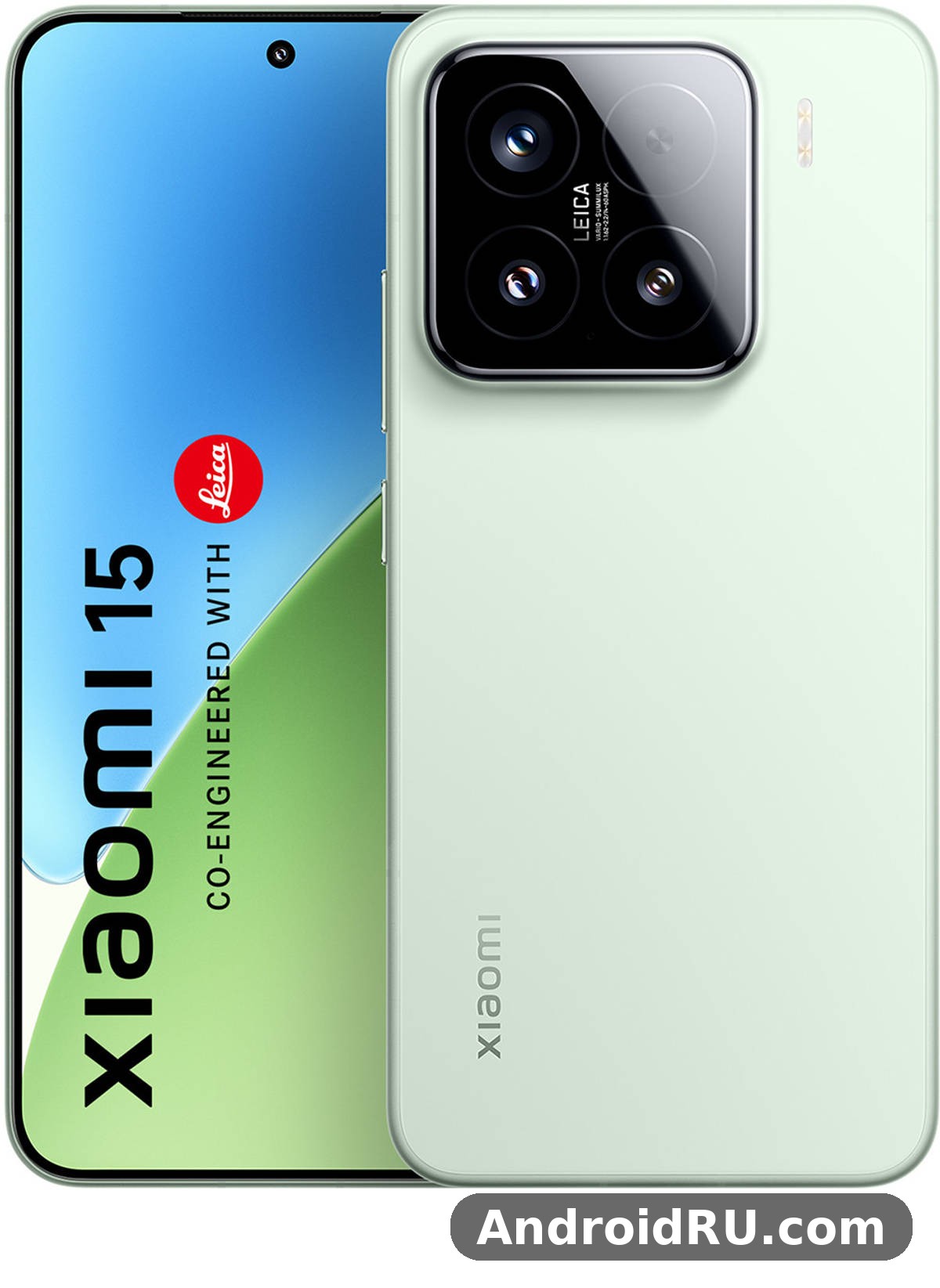
If you are asking is Xiaomi 15 worth buying in 2026, the short answer is that it depends on what you value most. Photographers get a genuinely flexible triple camera. Gamers get one of the fastest chips available in a phone this size. Heavy users get a 5240mAh cell that comfortably outlasts a working day. The longer answer, with the numbers and the trade-offs, is in the sections below, along with the full Xiaomi 15 specs, the Xiaomi 15 price in 2026 in the markets where it is still sold, and a comparison with the phones buyers usually shortlist next to it.
One thing to keep in mind before the details: this is a released phone, not a rumour. The Xiaomi 15 launched in China in October 2024 and reached global markets in March 2025, so the Xiaomi 15 camera, Xiaomi 15 battery and Xiaomi 15 performance figures here come from published specifications and published lab measurements, not from guesswork. Where a figure varies by region — the Chinese model carries a 5400mAh battery, while the global model carries 5240mAh — the global figure is the one used, and the difference is flagged.
Xiaomi 15 Design and Display Quality Review
The first thing you notice about the Xiaomi 15 is how normal it feels in the hand, and that is a compliment. The Xiaomi 15 design keeps the compact footprint of the Xiaomi 14: a flat aluminium frame, a flat display with slim, even bezels, and a square camera module in the top-left corner with the Leica branding printed on it. The Xiaomi 15 dimensions are 152.3 x 71.2 x 8.08 mm, and the Xiaomi 15 weight is 191 grams in the standard finishes, or 192 grams in the Liquid Silver finish, which is slightly thicker at 8.48 mm. For a phone with this much hardware inside, that is light, and the Xiaomi 15 weight and hand feel are among the best in the current flagship class. It slips into a jacket pocket without dragging it down, and one-handed reach across the 6.36-inch screen is realistic for most people.
Xiaomi sells the phone in Black, White, Green and Liquid Silver. The Xiaomi 15 colors are restrained rather than loud: the Green has a soft, almost frosted look, the Liquid Silver has a rippled texture that catches light without collecting fingerprints the way a glossy back does, and the Black and White versions are the safe picks for anyone who plans to use a case anyway. The back is glass, the frame is metal, and the whole body is rated IP68, which means it is protected against dust and against immersion in water up to 1.5 metres for 30 minutes. An Xiaomi 15 IP68 water resistance test in published lab conditions confirms the rating, but the rating covers fresh water, not salt water or soapy water, so the Xiaomi 15 waterproof question has a practical answer: rain and accidental drops in a sink are fine, swimming pools and the sea are not a good idea.
The Xiaomi 15 display quality review starts with the panel itself. The screen is a 6.36-inch LTPO AMOLED with a resolution of 2670 x 1200 pixels, a 120Hz adaptive refresh rate, Dolby Vision and HDR10+ support, and a peak brightness of 3200 nits. That peak figure applies to small bright highlights in HDR content; full-screen brightness in sunlight is lower, yet the Xiaomi 15 screen brightness outdoors is strong enough that the screen stays readable on a bright day without shading it with your hand. The LTPO backplane lets the refresh rate drop as low as 1Hz when the screen is static, which saves power on the always-on display and while reading, and ramp up to 120Hz the moment you scroll. Colours are vivid in the default Vivid mode and more restrained in the Original colour mode, which is the one to pick if you edit photos on the phone and want them to look the same elsewhere.
Below the display sits an ultrasonic fingerprint sensor, and the Xiaomi 15 fingerprint sensor location is comfortably placed, roughly a third of the way up from the bottom edge, so your thumb lands on it without stretching. Ultrasonic sensors work with slightly damp fingers better than optical ones do, and this one is fast enough that you stop thinking about it after a day. The phone also supports face unlock, though it relies on the front camera rather than a dedicated 3D sensor, so the fingerprint sensor remains the more secure option for banking apps.
Audio is handled by stereo speakers tuned with Dolby Atmos, and the Xiaomi 15 speakers are good for a compact phone: clear at high volume, with enough separation between the two speakers to give video a sense of space, though bass is limited by the small body, as it is on every phone this size. The Xiaomi 15 stereo speakers quality holds up well for podcasts and voice calls too, where clarity matters more than bass. Haptics are precise, with a tight vibration motor that gives a short, clean tap for typing rather than a loose buzz. There is no 3.5mm headphone jack, which is standard for flagships now, and the USB-C port handles audio, charging and data.
Put together, the design is the Xiaomi 15’s quiet strength. It does not shout, it does not need a huge body to hold flagship hardware, and it is one of the few 2026 flagships that a buyer with smaller hands or a preference for pocketable phones can pick without giving up camera reach or battery size. The Xiaomi 15 display is the centrepiece of that package: bright, smooth, colour-accurate when you want it to be, and efficient enough to help rather than hurt the battery figures discussed later.
Xiaomi 15 Leica Camera Review: 50MP Triple Setup
The camera system is the reason most buyers pick this phone over a cheaper flagship, and the Xiaomi 15 Leica camera review has to start with the hardware, because Leica’s involvement here is optical as well as cosmetic. All three rear cameras are 50MP, and all three use Leica Summilux lenses. The main camera is a 50MP sensor with a Light Fusion 900 image sensor, an f/1.62 aperture, optical image stabilisation and a 23mm equivalent focal length. The ultrawide is a 50MP camera with an f/2.2 aperture, a 14mm equivalent focal length and a 115-degree field of view. The telephoto is a 50MP floating telephoto with an f/2.0 aperture, a 60mm equivalent focal length, optical image stabilisation and 3.2x optical zoom. That combination — wide, ultrawide and a true 3.2x telephoto, all at 50MP — is what makes the Xiaomi 15 camera quality review so positive: there is no weak filler lens in the set.
Main Camera: Daylight Detail and Colour
In daylight, the main camera produces detailed, clean images with good dynamic range, and the Xiaomi 15 camera samples in low light are where the large sensor and the bright f/1.62 lens earn their keep. Two Leica photographic styles are built in: Leica Authentic, which keeps colours muted and contrast high in the style of classic Leica photography, and Leica Vibrant, which boosts saturation for a more immediately striking image. Most owners settle on one and leave it there, and both are applied at capture rather than as a filter afterwards. Leica filters and the classic Leica shutter sound are also available, along with a Leica watermark that can be switched off. For anyone searching for Xiaomi 15 camera samples low light examples online, the pattern in published samples is consistent: noise stays controlled up to moderate ISO, highlights hold their shape around street lights, and the night mode keeps shutter times short enough to shoot handheld in most situations. The Xiaomi 15 night mode is the setting to reach for on evening streets and in dim restaurants, where it balances bright signs against dark shadows without blowing out the highlights.
Leica Authentic or Vibrant: Which Style to Pick
Leica Authentic suits street photography, portraits in natural light and anyone who edits later, because it leaves more room to adjust. Leica Vibrant suits travel photos and social sharing straight from the phone, because the extra colour makes images pop without editing. Neither style changes the resolution or the file size, so switching between them costs nothing, and the choice can be changed per shot in the camera app.
Telephoto: 3.2x Zoom and Portraits
The Xiaomi 15 telephoto zoom quality is the standout of the three lenses for many owners. The 60mm focal length is close to the classic portrait length, and the floating lens design lets it focus as close as 10 cm, so it doubles as a macro lens for flowers, food and small objects. At 3.2x, images stay sharp with natural depth of field, and the Xiaomi 15 zoom range reaches 10x with a mix of sensor cropping and processing that holds up well for social sharing, though fine detail softens past 10x. If you compare the Xiaomi 15 vs Xiaomi 15 Pro camera in published comparisons, the Pro adds a longer 5x periscope reach, yet the standard Xiaomi 15 covers the portrait and everyday zoom range that most people actually use, and its f/2.0 telephoto aperture is brighter than many periscope lenses. Readers who want the longer reach should read the Xiaomi 15 Pro Review: Photo Quality, Video and Performance before deciding, because the difference between the two phones is mostly about zoom range, not about everyday photo quality.
Portrait Mode: Focal Lengths That Flatter
Portrait mode offers 23mm, 35mm, 60mm and 75mm options, and the 60mm and 75mm settings are the flattering ones for faces. Some Xiaomi 15 portrait mode tips worth remembering: shoot at 60mm for a natural look, keep the subject about a metre away for the cleanest background blur, and use the Leica Authentic style when you want skin tones to stay honest rather than smoothed. Edge detection around hair is reliable in good light and less certain in dim rooms, which is true of every phone portrait mode, and the phone lets you adjust the blur strength after the shot.
Ultrawide and Night Mode
The 50MP ultrawide is a genuine camera rather than a token extra. The Xiaomi 15 ultrawide camera night mode holds up at dusk and in lit interiors, with less smearing at the edges than the ultrawide on the previous generation, and the 115-degree view is wide enough for architecture and tight interiors without the heavy distortion that wider lenses introduce. It also handles macro-style close-ups when the telephoto is not the right tool. In video, the ultrawide is stabilised, which makes it useful for walking shots where a shaky frame would ruin the clip.
Video and Selfie Camera
Video is a strength: the rear cameras record 8K at 24 or 30 frames per second and 4K at up to 60 frames per second, with Dolby Vision HDR recording at 4K 30fps, and an Xiaomi 15 video recording 8K test in published reviews shows clean detail in good light, though 8K files are large and most owners will shoot 4K for everyday use. Stabilisation is effective at 4K, and the phone can record in LOG format for owners who grade footage later. The front camera is a 32MP sensor that records 4K at 30fps, and the Xiaomi 15 selfie results are sharp with natural skin tones in daylight, slightly softer in dim light, which is normal for a front camera of this size. The Xiaomi 15 video quality overall is consistent across the three rear lenses, so cutting between wide and telephoto in one clip does not produce a jarring change in colour.
Camera Settings for Beginners
Some Xiaomi 15 camera settings for beginners are worth setting on day one: turn on the Leica watermark only if you like the look, because it cannot be removed from a photo afterwards; leave HDR on Auto; set the photo format to HEIF if you want smaller files, or JPEG if you share with older devices; and try the MasterCinema mode once if you like the film look, since it is easy to forget it exists. The camera app itself is fast, with the three lenses switching without a visible pause, and a long press on the zoom control brings up a slider for fine control between 0.6x and 10x.
Xiaomi 15 Snapdragon 8 Elite Performance and Gaming
At the heart of the phone is the Qualcomm Snapdragon 8 Elite, a 3nm chip with two prime Oryon cores running at up to 4.32GHz and six performance cores at up to 3.53GHz, paired with the Adreno 830 GPU. The Xiaomi 15 Snapdragon 8 Elite performance is the fastest available in a compact Android phone of this generation, and the Xiaomi 15 performance in everyday use reflects that: apps open instantly, the camera processes 50MP shots without a pause, and switching between a dozen open apps does not slow the phone down. The chip is built on a 3nm process, which helps efficiency as well as speed, and the phone ships with 12GB or 16GB of LPDDR5X RAM and 256GB, 512GB or 1TB of UFS 4.0 storage, depending on the market. There is no microSD slot, so the Xiaomi 15 storage choice matters at purchase time: 256GB is enough for most owners, while 512GB is the safer pick for anyone who records a lot of 4K video.
Gaming Performance Test: Sustained Speed in a Small Body
The Xiaomi 15 gaming performance test results in published benchmarks are strong: demanding games run at high settings with stable frame rates, and the Adreno 830 handles ray tracing in supported titles without the stutter that older mobile GPUs showed. The Xiaomi 15 gaming experience benefits from the 120Hz display and the fast touch sampling, which make competitive games feel responsive, and from a vapour chamber cooling system that spreads heat across the body. That said, a compact phone has less room to shed heat than a large gaming phone, and the Xiaomi 15 overheating during gaming question comes up for a reason: after 30 to 40 minutes of a demanding game at maximum settings, the back of the phone gets noticeably warm and the chip trims its peak speed slightly to stay within thermal limits. Frame rates stay playable, and the throttling is gradual rather than a sudden drop, but owners who play for hours at a time will get the best results by lowering one graphics setting or by playing without a thick case, which traps heat.
RAM and Multitasking: 12GB or 16GB
The Xiaomi 15 RAM makes a real difference to multitasking: 12GB keeps a dozen apps in memory without reloading, and 16GB, available in some markets, adds headroom for heavy multitaskers and for the on-device AI features that run locally. In practice, 12GB is enough for nearly everyone, and the extra RAM is a nice-to-have rather than a must-have. Memory extension, which borrows storage as virtual RAM, is best left off, since the physical RAM is already generous and the feature adds little on a phone with this much memory.
Connectivity keeps up with the chip. The Xiaomi 15 5G bands and connectivity cover sub-6GHz 5G in global markets, along with Wi-Fi 7, Bluetooth 5.4 with support for high-quality audio codecs, NFC for payments, an infrared blaster for controlling home appliances, and dual SIM support. Satellite connectivity is not offered on the global model, and mmWave 5G is absent in most regions, which matters only in the few cities where mmWave networks are deployed. GPS is dual-band for more accurate positioning in cities with tall buildings, and the USB-C port supports USB 3.2 Gen 2 speeds for fast file transfers to a computer.
Xiaomi 15 Battery Life Test and 90W Charging Speed
The battery is the third pillar of this phone, and the Xiaomi 15 battery life test figures are good for a compact flagship. The global model carries a 5240mAh silicon-carbon battery, up from 4860mAh in the Xiaomi 14, and the silicon-carbon chemistry is what lets Xiaomi fit a bigger cell into a body that is actually thinner than its predecessor. In published lab measurements, the phone lasts through a full day of mixed use — messaging, browsing, maps, photos and an hour or two of video — with roughly a quarter of the charge left at bedtime, and lighter users can stretch it into a second day. The question of Xiaomi 15 battery life how long it lasts in practice has a simple answer for most owners: one full day, comfortably, and a second day if you are a light user who mostly sticks to calls and messages.
Screen-on time is the number most buyers ask about, and published tests put the Xiaomi 15 at around 12 to 14 hours of mixed screen-on use depending on brightness and refresh rate, with video playback at the top end of that range and gaming at the bottom. The LTPO display helps here, dropping to low refresh rates when you read or look at a static image, and HyperOS 2 adds battery modes that cap background activity for apps you rarely open. Battery life is also helped by the efficient 3nm chip, which draws less power at idle than the previous generation, so standby drain overnight is small — typically a few percent.
Charging Speed Test: 90W Wired and 50W Wireless
The Xiaomi 15 charging speed test numbers are fast by any standard. The phone supports 90W wired HyperCharge and 50W wireless HyperCharge, and the 5240mAh battery fills from empty to full in roughly 40 to 45 minutes on the 90W wired charger, with a 10-minute top-up adding around a third of a charge. Wireless charging takes longer, at around an hour to an hour and a quarter on a 50W wireless charger, and the Xiaomi 15 wireless charging speed depends on the charger: a standard Qi charger will charge the phone, but only at the slower Qi rate, so the full 50W needs Xiaomi’s own wireless charger or a compatible high-power pad. One practical note: the charger is not included in the box in many markets, so the 90W figure assumes you buy Xiaomi’s 90W adapter or use a compatible USB Power Delivery charger, which will charge the phone quickly though not always at the full 90W rate.
Battery Health After One Year
Questions about Xiaomi 15 battery health after one year are fair, because fast charging and silicon-carbon cells are both relatively new in combination. Xiaomi rates the battery to keep at least 80 percent of its capacity after a large number of charge cycles, and HyperOS 2 includes battery protection features that slow charging overnight and cap the charge at 80 percent when the phone is plugged in for a long time. Owners who charge overnight should turn on the optimised charging option, and owners who top up during the day have little to worry about, since partial charges stress the battery less than full 0-to-100 cycles.
HyperOS 2 on Xiaomi 15: Features and Software Update Policy
The Xiaomi 15 launched with HyperOS 2 on top of Android 15, and the Xiaomi 15 HyperOS experience is cleaner than the MIUI of a few years ago, with a redesigned control centre, smoother animations and less visual clutter. The Xiaomi 15 HyperOS 2 features that owners notice first are the AI tools: AI writing assistance in the notes and browser apps, AI image editing that can remove objects and expand a photo’s edges, live translation in calls, and a smarter gallery search that finds photos by describing them. Most of these run on the device or with a clear opt-in, and the ones you do not want can be switched off in settings. The interface also brings lock-screen customisation, a refined always-on display and better cross-device features for owners of a Xiaomi tablet or laptop.
The Xiaomi 15 software update policy years question matters for a phone bought in 2026, because a flagship should last. Xiaomi promises four generations of Android OS updates and six years of security updates for the Xiaomi 15, which takes the phone to Android 19 and keeps it patched into the early 2030s. That is a step behind the seven years that the longest-support rivals offer, yet it is long enough that most owners will replace the phone for other reasons before support runs out. Each Xiaomi 15 update arrives in waves by region, so a new version may reach one country a few weeks before another, and major Android upgrades usually arrive a few months after the first phones get them. Bloatware is lighter than it used to be, though a handful of pre-installed apps and a few ads in system apps remain in some regions, and most of those can be uninstalled or disabled.
Daily use is where HyperOS 2 either wins or loses a buyer, and the Xiaomi 15 HyperOS daily experience is mostly smooth: gestures are responsive, the app drawer is tidy, and the control centre is easy to reach one-handed on this size of screen. Notifications are grouped sensibly, and the battery and permission controls are easy to find. The trade-off is that some settings live in unfamiliar places if you are coming from another brand, and the first week involves a little hunting around. That is a small cost for a phone that is otherwise this complete.
Full Specifications
The tables below collect the full Xiaomi 15 specs in one place. Figures are for the global model unless a note says otherwise; the Chinese model differs in battery size at 5400mAh and in available memory combinations.
Display and Build
| Feature | Xiaomi 15 |
|---|---|
| Display | 6.36-inch LTPO AMOLED, 2670 x 1200, 120Hz adaptive, Dolby Vision, HDR10+ |
| Peak brightness | 3200 nits (peak, HDR highlights) |
| Protection | Xiaomi Shield Glass |
| Dimensions | 152.3 x 71.2 x 8.08 mm (Liquid Silver: 8.48 mm) |
| Weight | 191 g (Liquid Silver: 192 g) |
| Water resistance | IP68 (dust and water, up to 1.5 m for 30 minutes) |
| Colours | Black, White, Green, Liquid Silver |
| Security | Ultrasonic in-display fingerprint sensor, face unlock |
Display Details Worth Knowing
The panel uses 1920Hz PWM dimming at low brightness, which is kinder to sensitive eyes than the low-frequency dimming on some rivals, and it supports a 120Hz refresh rate that adapts from 1Hz to 120Hz depending on what is on screen. The bezels are slim and even on all four sides, which gives the phone a balanced look from the front.
Performance, Memory and Storage
| Feature | Xiaomi 15 |
|---|---|
| Chipset | Qualcomm Snapdragon 8 Elite (3nm, SM8750-AB) |
| CPU | Octa-core: 2 x Oryon V2 Phoenix L up to 4.32GHz + 6 x Oryon V2 Phoenix M up to 3.53GHz |
| GPU | Adreno 830 |
| RAM | 12GB or 16GB LPDDR5X |
| Storage | 256GB, 512GB or 1TB UFS 4.0 (no microSD slot) |
| Operating system | HyperOS 2 based on Android 15 (upgradeable) |
| Cooling | Vapour chamber cooling system |
Cameras
| Feature | Xiaomi 15 |
|---|---|
| Main camera | 50MP, Light Fusion 900 sensor, f/1.62, 23mm, OIS, Leica Summilux lens |
| Ultrawide camera | 50MP, f/2.2, 14mm, 115-degree field of view, Leica Summilux lens |
| Telephoto camera | 50MP, f/2.0, 60mm, 3.2x optical zoom, OIS, floating lens, Leica Summilux lens |
| Rear video | 8K at 24/30fps, 4K at 30/60fps, Dolby Vision HDR at 4K 30fps, LOG recording |
| Front camera | 32MP, 4K at 30fps |
| Camera features | Leica Authentic and Vibrant styles, Leica filters, night mode, portrait mode at 23/35/60/75mm |
Camera Details Worth Knowing
All three rear lenses are 50MP, which keeps detail consistent when you switch between them, and the telephoto focuses down to 10 cm for close-up shots. The main sensor uses 4-in-1 pixel binning for cleaner low-light photos, and the camera system supports 10-bit colour capture for video work.
Battery, Charging and Connectivity
| Feature | Xiaomi 15 |
|---|---|
| Battery | 5240mAh silicon-carbon (global model); 5400mAh in China |
| Wired charging | 90W HyperCharge (adapter sold separately in many markets) |
| Wireless charging | 50W wireless HyperCharge; reverse wireless charging supported |
| Connectivity | 5G (sub-6GHz), Wi-Fi 7, Bluetooth 5.4, NFC, infrared blaster, dual SIM |
| Positioning | Dual-band GPS, Galileo, GLONASS, BeiDou |
| Audio | Stereo speakers with Dolby Atmos, no 3.5mm jack |
| Port | USB Type-C, USB 3.2 Gen 2 |
Xiaomi 15 vs Xiaomi 14 Comparison and Rivals
The Xiaomi 15 vs Xiaomi 14 comparison is the first one most buyers make, because the two phones look alike and the older model is often cheaper. The Xiaomi 15 brings the Snapdragon 8 Elite in place of the Snapdragon 8 Gen 3, a larger 5240mAh battery in place of 4860mAh, a brighter display with a higher peak brightness, a faster ultrasonic fingerprint sensor, and a brighter f/1.62 main lens. The Xiaomi 14 is still a good phone, and at a discount it is a sensible buy, but the Xiaomi 15 is faster, lasts longer and takes better low-light photos, which are the three things that matter most over a phone’s lifetime. If the price gap is small, the Xiaomi 15 is the better choice; if the gap is large, the Xiaomi 14 remains a fair alternative.
| Feature | Xiaomi 15 | Xiaomi 14 | Samsung Galaxy S25 |
|---|---|---|---|
| Chipset | Snapdragon 8 Elite | Snapdragon 8 Gen 3 | Snapdragon 8 Elite |
| Display | 6.36-inch LTPO AMOLED, 120Hz, 3200 nits peak | 6.36-inch LTPO AMOLED, 120Hz, 3000 nits peak | 6.2-inch LTPO AMOLED, 120Hz, 2600 nits peak |
| Main camera | 50MP, f/1.62, OIS, Leica | 50MP, f/1.6, OIS, Leica | 50MP, f/1.8, OIS |
| Telephoto | 50MP, 3.2x optical | 50MP, 3.2x optical | 10MP, 3x optical |
| Battery | 5240mAh, 90W wired, 50W wireless | 4860mAh, 90W wired, 50W wireless | 4000mAh, 25W wired, 15W wireless |
| Software | HyperOS 2, Android 15 | HyperOS, Android 14 | One UI, Android 15 |
| Water resistance | IP68 | IP68 | IP68 |
| Weight | 191 g | 193 g | 162 g |
The Xiaomi 15 vs Samsung Galaxy S25 comparison is closer than the spec sheet suggests. Both phones use the Snapdragon 8 Elite, both are compact, and both are rated IP68. The Samsung is lighter at 162 grams, has a cleaner software experience with seven years of updates, and benefits from a wider accessory ecosystem. The Xiaomi answers with a bigger battery, much faster charging, a more versatile triple 50MP camera system and a brighter display. Buyers who value battery life and camera flexibility tend to pick the Xiaomi; buyers who value long software support and the lightest body tend to pick the Samsung. Neither choice is wrong, and both phones will serve well for years.
Inside Xiaomi’s own range, the choice is about size and zoom. The Xiaomi 15 Ultra Review: Daily Performance and Key Features covers the flagship with the 1-inch sensor and the 200MP periscope telephoto, which is the pick for owners who want the most capable camera Xiaomi sells and do not mind a bigger, heavier phone. The Xiaomi 15T Pro Review: Build Quality, Software and Daily Speed covers the value flagship with a larger screen and a lower price, which suits buyers who want a big display and strong daily speed without paying the full compact-flagship price. The standard Xiaomi 15 sits between them as the compact option with the best balance of size, camera and battery.
Xiaomi 15 Price in 2026 and Final Verdict
The Xiaomi 15 price in 2026 depends on the market and the configuration. At launch, the global model started at around 999 euros for 12GB of RAM and 256GB of storage, and prices have since fallen in many markets as newer models arrived, with the 512GB version often available for close to the launch price of the base model during sales. In India, the phone launched at around 64,999 rupees for the 12GB and 512GB version. Buyers should check the current price in their own market before deciding, because the gap between the Xiaomi 15 and its rivals changes with every sale, and a discounted Xiaomi 15 is a stronger buy than a full-price one.
The Xiaomi 15 unboxing experience is simple: the box holds the phone, a USB-C cable, a SIM ejector tool and a protective case in some markets, with no charger included in most regions, so budget for a 90W adapter if you do not already own one. Useful Xiaomi 15 accessories include a good case, since the glass back is slippery without one, a screen protector, and a 50W wireless charging pad if you plan to use wireless charging at full speed. A Xiaomi 15 buy makes most sense during a seasonal sale, when the 512GB version often drops close to the launch price of the base model. A Xiaomi 15 buyer’s guide would add one more tip: buy the 512GB version if you record video often, because the storage cannot be expanded later, and the price difference is usually small compared with the cost of the phone itself.
For buyers weighing the newer mid-range options, the Xiaomi 15T Review: Design, Software and Camera Quality is worth reading, because the 15T offers a larger screen and a lower price with a different camera setup, and the trade-off between compact size and screen size is the real decision there. The Xiaomi 17T Review: Design, Software and Camera Quality covers a newer generation of the T series, which shows how quickly the mid-range has caught up in design and software, even if the compact flagship still leads on camera hardware and charging speed.
Pros and Cons
Pros: a versatile triple 50MP Leica camera system with a true 3.2x telephoto; flagship Snapdragon 8 Elite performance in a compact body; a 5240mAh battery that lasts a full day with fast 90W wired and 50W wireless charging; a bright 6.36-inch LTPO AMOLED display; and IP68 water resistance at 191 grams. Cons: the charger is not included in the box in many markets; the phone gets warm during long gaming sessions at maximum settings; software support at four Android generations is shorter than the longest rival promises; and there is no microSD expansion, so the storage choice at purchase is final.
Who the Xiaomi 15 Is For
The Xiaomi 15 is for buyers who want a compact flagship without giving up camera reach or battery life, for photographers who want Leica colours and a real telephoto in a pocketable phone, and for gamers who want top-tier speed in a body that fits one hand. It is less suited to buyers who want the biggest possible screen, the longest possible zoom, or the longest software support window, and those buyers are better served by the Ultra, the T series or the Samsung rival discussed above. The Leica Summilux camera system and the 90W HyperCharge battery setup are the two features that define the phone day to day, and they are the reasons it still earns a recommendation in 2026.
Xiaomi 15 FAQ: Questions Readers Ask Most
Is the Xiaomi 15 worth buying in 2026?
Yes, for most buyers who want a compact flagship, because the Snapdragon 8 Elite is still among the fastest chips available, the triple 50MP Leica camera system is still competitive, and the 5240mAh battery outlasts many newer rivals. The main reasons to look elsewhere are the desire for a larger screen, a longer zoom, or seven years of software updates, in which case the Ultra, the T Pro or the Galaxy S25 deserve a look. Prices have fallen since launch, which strengthens the case further.
How good is the Xiaomi 15 camera in low light?
Low-light performance is one of the phone’s strengths. The main camera combines a large Light Fusion 900 sensor with a bright f/1.62 aperture and optical image stabilisation, so night mode shots are clean and handheld, and the telephoto keeps usable detail at 3.2x in dim restaurants and evening streets. The ultrawide is the weakest of the three in the dark, as it is on every phone, yet it remains usable in lit interiors and city streets.
Does the Xiaomi 15 support wireless charging?
Yes. The phone supports 50W wireless HyperCharge with a compatible charger, along with reverse wireless charging for earbuds and other accessories. A standard Qi charger will also work, but only at a slower rate, so the full 50W needs Xiaomi’s wireless charger or a compatible high-power pad.
How many years of updates does the Xiaomi 15 get?
Xiaomi promises four generations of Android OS updates and six years of security updates for the Xiaomi 15. That takes the phone from Android 15 through to Android 19, with security patches continuing into the early 2030s, which covers the realistic lifetime of the phone for most owners.
To sum up, the Xiaomi 15 earns its place as one of the best compact flagships of its generation by refusing to compromise on the three things this review set out to test. The cameras are versatile and genuinely good, with a telephoto that most compact rivals lack. The performance is top-tier, with the Snapdragon 8 Elite handling games and multitasking without fuss. The battery life is a full day with room to spare, and the charging is fast enough that a short top-up changes the day. Check the current price in your market, pick the 512GB version if you shoot a lot of video, and give the Leica Authentic style a week before you judge the colours — that is the version of this phone that most owners end up keeping.

