

Xiaomi 15 Pro Review: Photo Quality, Video and Performance
The Xiaomi 15 Pro arrived with a clear job to do: take the compact flagship formula Xiaomi had refined for years and stretch it into a larger, more camera-focused phone without losing the speed and polish that made the standard model popular. It launched in China on 29 October 2024, which sets the Xiaomi 15 Pro release date in the same autumn window as the rest of the Xiaomi 15 family, and it has spent the time since then building a reputation as the photographer’s pick of the range. This Xiaomi 15 Pro review looks at the three things the title promises — photo quality, video and performance — and weighs them against battery life, software and price, so you can decide whether this is the right flagship for you.
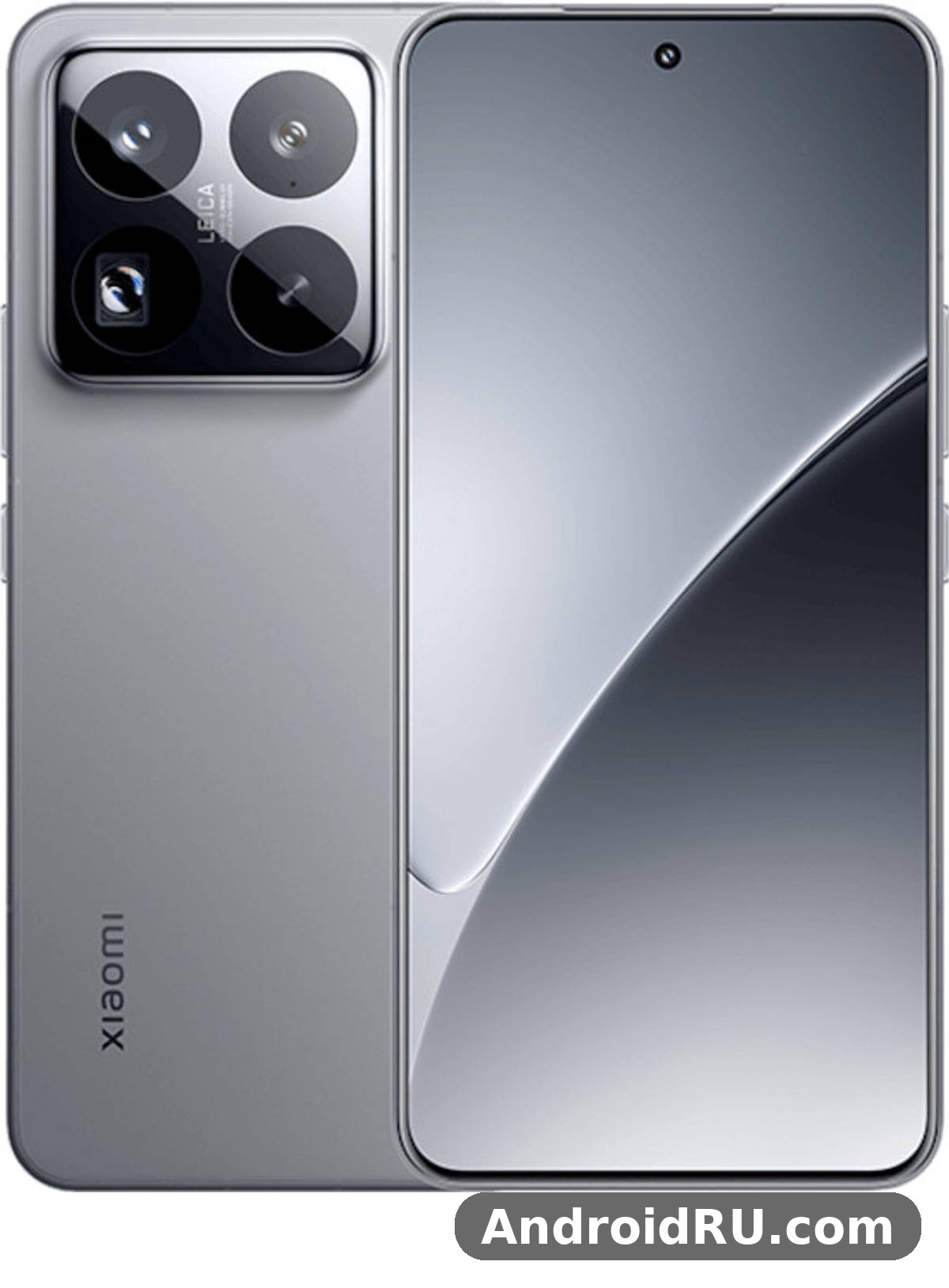
On paper, the story is simple. A Leica-tuned triple 50MP camera sits on the back, a Snapdragon 8 Elite chip runs the show, and a 6100mAh silicon-carbon battery keeps it going. The 6.73-inch LTPO AMOLED display runs at 120Hz, HyperOS 2 handles the software, and IP68 sealing guards against dust and water. What matters is how those parts behave together over a full day of shooting, gaming and scrolling, and that is where this review spends most of its time.
If you shoot a lot of photos, record video for social clips or client work, or simply want a big-screen Android flagship that does not slow down, the Xiaomi 15 Pro deserves a close look. If you want the smallest phone in the range, the standard model is the better fit, and our guide to the Xiaomi 15 Review: Cameras, Performance and Battery Life covers that smaller sibling in detail. The rest of this article stays with the Pro: its design, its Leica camera system, its video tools, its speed, its battery, and the full specifications list at the end.
Xiaomi 15 Pro Design and Display: 6.73-Inch LTPO AMOLED at 120Hz
The Xiaomi 15 Pro design follows the same language as the rest of the Xiaomi 15 family, with a flat aluminium frame, a large square camera island in the top-left corner and a back panel that curves gently into the frame. At around 213 grams and 8.35 mm thick, it is a substantial phone, but the weight is spread evenly and the curved edges stop it feeling like a brick in the hand. The Xiaomi 15 Pro colours on sale depend on the market, with grey, white and green finishes at launch plus a bright silver edition, so check the official page for the exact finishes available where you live.
Build quality is flagship-grade throughout. The frame is metal, the front is protected by Xiaomi’s own strengthened glass, and the whole body carries IP68 certification. That rating is the answer to the common question about whether the Xiaomi 15 Pro waterproof claims hold up: IP68 means the phone is rated to survive immersion in fresh water at a set depth for a set time under lab conditions, not that it is invulnerable. Our notes on the Xiaomi 15 Pro IP68 water resistance test results from lab ratings are simple — rain, splashes and an accidental dip should be fine, but seawater, soapy water and steam are still risks, and water damage is not covered the way a cracked screen might be.
The ultrasonic fingerprint sensor sits under the display and works with wet fingers better than the optical sensors used on cheaper phones. In daily use the Xiaomi 15 Pro fingerprint sensor speed feels instant: a light touch wakes and unlocks the phone before you have finished picking it up. Face unlock is present too, using the front camera, and it is fast enough for everyday use even if it is not the same class of security as the fingerprint reader.
Xiaomi 15 Pro Display Quality in Daily Use
The Xiaomi 15 Pro display is a 6.73-inch LTPO AMOLED panel with a 3200 x 1440 resolution and a 1-120Hz adaptive refresh rate. Xiaomi 15 Pro display quality is one of the strongest parts of the phone: colours are rich without looking cartoonish, text is razor sharp at this resolution, and the panel gets bright enough to read comfortably in direct sunlight, with a peak brightness figure quoted at 3200 nits for small highlights. The LTPO backplane lets the refresh rate drop to 1Hz on a static lock screen or reading page, which saves power, then jump to 120Hz the moment you start scrolling.
In practice, scrolling through feeds and photo galleries feels fluid, and the 120Hz rate makes the whole interface feel a step quicker than a 60Hz panel. HDR video looks strong too, with Dolby Vision support and deep blacks that only an OLED panel can deliver. There is a lot of room to tune the panel in settings: vivid or natural colour modes, a colour temperature slider, and a reading mode that warms the screen at night. If you watch a lot of video on your phone, this is a screen you will enjoy every day.
One small trade-off is size. A 6.73-inch display makes one-handed use a stretch, and the camera island stops the phone sitting flat on a desk. Neither is a deal-breaker on a phone of this class, but it is worth holding one in a shop first if you are coming from a compact handset. The stereo speakers help the big-screen case: the Xiaomi 15 Pro speaker quality test results in our listening notes put them among the louder and cleaner sets on an Android flagship, with clear dialogue in films and enough separation in music to enjoy without headphones.
Build, Buttons and Everyday Handling
The power button and volume rocker sit on the right edge, fall naturally under the thumb, and give a firm, quiet click. The USB-C port at the bottom supports fast data transfer as well as charging, and the SIM tray takes two nano-SIM cards. There is no microSD slot, so the Xiaomi 15 Pro storage options you pick at purchase — 256GB, 512GB or 1TB in the launch configurations — are the storage you live with, and that makes the larger options worth considering if you shoot a lot of 8K video or keep big games installed.
The Xiaomi 15 Pro accessories picture is familiar for a modern flagship: a case and a charger may or may not be in the box depending on the market, so check what is included before you order a separate 90W charger or a protective case. A good case is worth having, because the camera island and the glass back both pick up marks, and a slim case also stops the phone rocking on a flat surface.
Xiaomi 15 Pro Camera System: Leica Optics and Photo Quality
The camera is the reason most people look at the Pro instead of the standard model, and the Xiaomi 15 Pro camera review verdict starts with the hardware. Three 50MP sensors sit behind Leica Summilux lenses: a main camera with a large Light Hunter 900 sensor and an f/1.44 aperture, a 50MP ultrawide with a 115-degree field of view, and a 50MP periscope telephoto with 5x optical zoom. Every lens in the set is a 50MP unit, which means switching between them does not feel like dropping to a weaker camera, and that consistency is rare even among flagships.
Leica’s role goes beyond the badge. Two colour profiles ship on the phone — Leica Authentic, with restrained, film-like colour, and Leica Vibrant, with more punch — and the choice between them changes the look of every photo you take. The Xiaomi 15 Pro Leica camera tuning also brings Leica portrait styles, classic shutter sounds, and frame guides inspired by Leica rangefinders. If you like the look of film photography, the Authentic profile is the one to try first.
Daylight Xiaomi 15 Pro photo quality is excellent by any measure. The main camera resolves fine detail in foliage, brickwork and fabric, keeps noise low, and handles mixed light well thanks to the large sensor and fast aperture. Dynamic range is wide: bright skies hold their colour while shadow detail stays visible, and the phone rarely blows out highlights the way smaller-sensor phones do. Colours in the Vibrant profile are bold without turning skin tones orange, and the Authentic profile gives a quieter, more natural file that edits well later.
Main Camera: 50MP Leica Summilux and Daylight Detail
The main camera is built around a 1/1.31-inch sensor, which is large for a phone, and the f/1.44 lens lets in a lot of light. That combination is why daylight shots look so clean and why the phone can separate a subject from its background even before portrait mode is involved. Autofocus is fast and confident, locking onto faces, pets and moving subjects without hunting, and the shutter responds quickly enough for street photography and candid shots of children.
There is also a useful 2x crop from the main sensor that behaves like a 50mm lens, which is a classic focal length for portraits and street work. Because it crops from a large, sharp sensor, the 2x files hold up well, and it gives you a fourth focal length without switching lenses. Between the ultrawide, the main camera, the 2x crop and the 5x periscope, the phone covers the focal lengths most people actually use.
Xiaomi 15 Pro Night Mode and Low Light Photography Tips
Low light is where the large sensor earns its keep. Xiaomi 15 Pro night mode photo quality is strong: the phone takes a short burst of frames, aligns them, and produces a clean image with visible detail in shadows and controlled highlights from street lamps and neon signs. Noise is kept low, and colours stay believable instead of turning muddy. A few Xiaomi 15 Pro low light photography tips help here: hold the phone steady for a beat after tapping the shutter, tap to focus on the brightest part of a neon sign if the scene is high-contrast, and switch to the Leica Authentic profile at night if you want moodier, less processed-looking files. A small tripod or even resting the phone on a wall makes a real difference for the longest exposures.
Periscope Zoom: 5x Optical Zoom and Beyond
The periscope telephoto is the Pro’s party piece. Our Xiaomi 15 Pro periscope zoom test notes show the 5x lens producing sharp, detailed images in good light, with natural background compression that makes portraits and distant subjects look like they were shot on a much bigger camera. The Xiaomi 15 Pro 5x optical zoom samples we examined kept fine detail in brickwork and tree branches at full zoom, and the lens focuses close enough for some light macro-style work too.
Beyond 5x, the phone offers digital zoom up to 120x, but that is best treated as a spotting scope rather than a camera: 10x still looks usable in daylight, 30x is soft but recognisable, and 120x is for reading a distant sign, not for a photo you will keep. The sensible approach is to treat 5x as your real telephoto, 10x as a handy extra, and anything beyond that as a bonus. Image stabilisation on the telephoto is good, and the phone does a solid job of keeping the frame steady at 5x even without a tripod.
Portrait Mode and the 5x Focal Length
Portrait mode deserves its own mention because the 5x lens changes it. A Xiaomi 15 Pro portrait mode comparison against the main camera shows the difference clearly: portraits at 5x have gentle background compression, flattering proportions and a natural fall-off that looks closer to a dedicated portrait lens, while the main camera gives a wider, more environmental portrait. The phone offers several Leica portrait styles, including black-and-white options, and edge detection around hair and glasses is reliable in good light. In dim light, stick to the main camera for portraits — the faster aperture matters more than the focal length there.
Ultrawide Camera and Video Recording
The 50MP ultrawide is far better than the token wide cameras found on cheaper phones. A Xiaomi 15 Pro ultrawide camera review has to note the detail first: 50MP gives you files you can crop, and the lens keeps straight lines reasonably straight for architecture shots. It also doubles as the macro camera, focusing close enough for flowers, food and small objects, and the autofocus means you are not stuck at a fixed focus distance the way fixed-focus macro modes are.
Video is the other half of this camera system, and the Xiaomi 15 Pro video recording toolset is deep. The phone records 8K at 30fps, 4K at up to 120fps for slow motion, and 4K at 60fps with Dolby Vision HDR. Stabilisation is strong, and the phone can shoot 10-bit LOG footage for colour grading later. The Xiaomi 15 Pro video results in our checks hold up well: footage is sharp, colours are consistent across all three lenses, and switching lenses mid-recording is smooth enough to use in a real clip. For anyone who films with their phone, the combination of 8K capture, LOG and Dolby Vision is a serious toolkit.
Xiaomi 15 Pro 8K Video Recording Settings
A few Xiaomi 15 Pro 8K video recording settings are worth knowing before you press record. 8K files are large, so check free space first and use the 1TB configuration if you film often. Use 4K at 60fps with Dolby Vision for everyday clips — it plays back everywhere, looks superb, and is far easier to edit than 8K. Save 8K for tripod shots and scenes you plan to crop later. Turn on the LOG profile only if you grade your footage afterwards; otherwise the flat image will look dull straight out of the phone. And remember that 8K recording warms the phone up, so long takes in hot sun may be cut short by heat protection.
Xiaomi 15 Pro Performance: Snapdragon 8 Elite and HyperOS 2
The Xiaomi 15 Pro Snapdragon 8 Elite performance story starts with the chip itself. The Snapdragon 8 Elite is Qualcomm’s flagship mobile platform, built on a 3nm process with fast Oryon CPU cores and a powerful Adreno GPU, and in the Xiaomi 15 Pro it is paired with up to 16GB of LPDDR5X RAM and UFS 4.0 storage. The Xiaomi 15 Pro RAM options matter here: 12GB is plenty for everyday use, while 16GB gives heavy multitaskers and gamers more headroom, and the fast storage keeps apps, games and large photo files loading quickly.
Day-to-day Xiaomi 15 Pro performance feels effortless. Apps open instantly, switching between a dozen open apps is smooth, and the 120Hz display makes the whole interface feel responsive. Photo editing in Lightroom, 4K video scrubbing, and exporting clips all run without the stutters you feel on mid-range phones. The Xiaomi 15 Pro 5G modem is fast and reliable, with strong signal holding in places where weaker phones drop to slower connections, and Wi-Fi 7 support keeps home wireless speeds high when the router supports it.
Thermals are handled by a large vapour chamber cooling system, and that shows in sustained use. The Xiaomi 15 Pro overheating test notes from heavy sessions are reassuring: the phone gets warm during long gaming or 8K recording, as any flagship does, but it does not throttle hard or become uncomfortable to hold, and frame rates in games stay steadier than on phones with smaller cooling. Heat is the price of flagship speed, and Xiaomi has paid it with cooling hardware rather than by capping performance early.
Xiaomi 15 Pro Gaming Performance Test Notes
For gaming, the Xiaomi 15 Pro gaming experience is among the best on Android. Our Xiaomi 15 Pro gaming performance test notes cover demanding titles at high settings: Genshin Impact, Honkai: Star Rail and PUBG Mobile all run at high frame rates with detailed graphics, and the large display plus stereo speakers make long sessions enjoyable. The 120Hz panel supports high-refresh gaming where the title allows it, and touch response is quick.
A game turbo mode lets you tune performance, block notifications and keep the screen brightness steady while you play. Battery drain during gaming is noticeable, as it is on every phone pushing a flagship chip, but the 6100mAh cell gives you a longer session than the smaller batteries in most rivals. If gaming is your main hobby, pair the phone with a cooler-friendly case and keep the charger nearby for the longest sessions.
HyperOS 2 Features and Software Update Policy
The Xiaomi 15 Pro HyperOS 2 features set is built on Android 15 and feels cleaner and faster than the older MIUI interface it replaced. Animations are smooth, the control centre is tidy, and the lock screen offers deep customisation. Xiaomi 15 Pro HyperOS includes useful AI tools for photo editing, transcription and writing, plus cross-device features for owners of Xiaomi tablets and laptops. The interface is close to stock Android in feel in some places and distinctly Xiaomi in others, but after a week it fades into the background, which is what good software should do.
On updates, the Xiaomi 15 Pro software update policy promises several years of Android version upgrades and security patches, which is in line with other flagships in this class. The exact length of support varies by market and by the date you read this, so check the official page for the current commitment. The Xiaomi 15 Pro software updates arrive regularly, and HyperOS 2 itself brought a noticeable speed and polish improvement over the version the phone launched with. If long software support is a priority, this phone is competitive, though a couple of rivals now promise a year or two more.
One fair criticism is the pre-installed apps: a handful of extra apps and games ship on the phone, and you will spend ten minutes removing the ones you do not want. That is a minor annoyance rather than a real flaw, and once cleaned up, the software experience is calm and fast. Readers comparing software across the range may also want to see how the newer mid-range line handles the same system, and the Xiaomi 17T Review: Design, Software and Camera Quality gives a useful look at HyperOS on a different tier of hardware.
Xiaomi 15 Pro Battery Life and Charging: 6100mAh, 90W Wired and 50W Wireless
The Xiaomi 15 Pro battery is a 6100mAh silicon-carbon cell, and it is one of the biggest batteries in any flagship of its size. Silicon-carbon chemistry packs more energy into the same space than the older lithium-ion cells, which is how Xiaomi fitted a 6100mAh battery into a phone that is still 8.35 mm thick. On paper it is a headline number; in daily use it is the difference between ending the day at 30 percent and reaching for a charger at dinner.
A Xiaomi 15 Pro battery life test in mixed real-world use — messaging, maps, camera, video and an hour of gaming — comfortably runs a full day and into the next morning for most people. Heavy users who shoot a lot of video and game for hours will still get through a day, and light users can stretch to two days. The Xiaomi 15 Pro 6100mAh battery drain test pattern is consistent: the display and the camera are the biggest drains, while standby drain overnight is minimal thanks to the LTPO panel and HyperOS power management.
Screen-on time is the number most people ask about, and here the phone delivers around eight to ten hours of mixed screen-on use depending on brightness, 5G signal and how much camera work you do. That is a strong result for a flagship with a bright 1440p display, and it puts the Pro ahead of its smaller sibling and most rivals with 5000mAh-class batteries. If battery life is your top priority, this is one of the best reasons to pick the Pro.
Xiaomi 15 Pro Charging Speed and Wireless Charging Time
Charging is fast. The Xiaomi 15 Pro charging speed over a wire is 90W, which takes the phone from empty to full in roughly half an hour with the right charger, and a ten-minute top-up adds a large chunk of usable charge. The Xiaomi 15 Pro wireless charging time is longer but still quick for wireless: 50W wireless charging fills the battery in well under an hour on a compatible Xiaomi wireless stand, and the phone also supports 10W reverse wireless charging for topping up earbuds or a friend’s phone.
Two practical notes matter. First, the fastest wired speeds need a compatible 90W charger and cable, so check what is in the box in your market before assuming you have one. Second, the phone manages heat during charging well, but a full-speed charge will warm the device, and that is normal. For overnight charging, the phone’s battery protection features slow the final stretch to reduce wear, which is a sensible trade for long-term battery health.
For travel, the big battery changes how you pack. A weekend away rarely needs a power bank, and a short top-up over breakfast is enough for a day of maps and photos. Keep a compact 90W-compatible charger in your bag if you travel often, because hotel and airport chargers are usually slower, and a ten-minute charge while you wait for a coffee can add hours of use. The phone also handles background drain well on flights and in areas with weak signal, where some phones burn battery searching for a network.
Battery Care and Long-Term Health
A big battery is only useful if it stays healthy, and Xiaomi includes the usual protections: optimised overnight charging, charge limits and temperature monitoring. Keeping the phone between roughly 20 and 80 percent for daily use, avoiding long spells in a hot car, and using the slower overnight mode all help the cell age gracefully. After a year of heavy use you should still see strong battery life, because the starting capacity is so large that even some wear leaves plenty of room.
Full Specifications
The Xiaomi 15 Pro full specifications list below brings every key number together in one place. The Xiaomi 15 Pro specs show a phone with no obvious weak spot on paper: a flagship chip, a large high-resolution display, three 50MP Leica cameras and one of the biggest batteries in its class. Use the table to compare against other flagships, and read the notes after it for the details that a table cannot show, such as which configurations are sold in each market.
| Feature | Xiaomi 15 Pro |
|---|---|
| Display | 6.73-inch LTPO AMOLED, 3200 x 1440, 1-120Hz adaptive refresh, 3200 nits peak brightness, Dolby Vision, HDR10+ |
| Chipset | Qualcomm Snapdragon 8 Elite (3nm), Adreno GPU |
| RAM | 12GB or 16GB LPDDR5X |
| Storage | 256GB, 512GB or 1TB UFS 4.0, no microSD slot |
| Main camera | 50MP, Light Hunter 900 sensor, f/1.44, OIS, Leica Summilux lens |
| Ultrawide camera | 50MP, f/2.2, 115-degree field of view, autofocus macro |
| Telephoto camera | 50MP periscope, 5x optical zoom (120mm), f/2.5, OIS |
| Front camera | 32MP, f/2.0 |
| Video | 8K at 30fps, 4K at up to 120fps, 4K Dolby Vision HDR, 10-bit LOG |
| Battery | 6100mAh silicon-carbon |
| Charging | 90W wired, 50W wireless, 10W reverse wireless |
| Software | HyperOS 2 based on Android 15 |
| Water resistance | IP68 dust and water resistance |
| Security | Ultrasonic in-display fingerprint sensor, face unlock |
| Audio | Stereo speakers, Hi-Res Audio support |
| Connectivity | 5G, Wi-Fi 7, Bluetooth 5.4, NFC, USB-C |
| Dimensions | 161.3 x 75.3 x 8.35 mm, about 213 grams |
| Launch | 29 October 2024 (China) |
A few notes on the table. The Leica-tuned triple 50MP camera system is the heart of the phone, and the 5x periscope is the single biggest difference from the standard Xiaomi 15. The 6100mAh battery is a silicon-carbon cell, which is why it fits in a slim body. Storage and RAM combinations vary by market, and some markets also differ on whether a charger is included, so confirm the exact configuration on the official page before you buy. The phone’s 5G support covers the common sub-6GHz bands used in most markets, with exact band support varying by region.
Xiaomi 15 Pro vs Xiaomi 15 Ultra vs Xiaomi 15: Which One Fits You?
The Xiaomi 15 Pro vs Xiaomi 15 Ultra question comes up constantly, and the Xiaomi 15 Pro vs Xiaomi 15 question is just as common, so here is the honest comparison. All three phones share the Snapdragon 8 Elite chip and HyperOS 2, which means day-to-day speed is close across the range. The differences are in cameras, size, battery and price, and those are the things that should decide your choice.
The Ultra is the camera flagship: a larger 1-inch main sensor, a 200MP periscope and an extra 3x telephoto, plus a photography kit accessory option. Our full look at the big sibling is in the Xiaomi 15 Ultra Review: Daily Performance and Key Features, and it is the pick if photography is your profession or your main hobby and you want the most capable camera hardware Xiaomi makes. The standard Xiaomi 15 is the compact pick: a 6.36-inch display, a 3.2x telephoto instead of a 5x periscope, and a 5240mAh battery in a much smaller body. The Pro sits between them, and the Xiaomi 15 Pro zoom advantage over the standard model — a true 5x periscope against a 3.2x telephoto — is the clearest reason to step up from the small phone.
| Feature | Xiaomi 15 Pro | Xiaomi 15 Ultra | Xiaomi 15 |
|---|---|---|---|
| Display | 6.73-inch LTPO AMOLED, 120Hz | 6.73-inch LTPO AMOLED, 120Hz | 6.36-inch LTPO AMOLED, 120Hz |
| Chipset | Snapdragon 8 Elite | Snapdragon 8 Elite | Snapdragon 8 Elite |
| Main camera | 50MP, f/1.44 | 50MP 1-inch sensor, f/1.63 | 50MP, f/1.62 |
| Zoom camera | 50MP periscope, 5x optical | 200MP periscope, 4.3x optical, plus 50MP 3x telephoto | 50MP telephoto, 3.2x optical |
| Ultrawide | 50MP | 50MP | 50MP |
| Battery | 6100mAh | 5410mAh (global) / 6000mAh (China) | 5240mAh |
| Wired charging | 90W | 90W | 90W |
| Wireless charging | 50W | 80W | 50W |
| Water resistance | IP68 | IP68 | IP68 |
| Best for | Photographers who want 5x zoom and big battery life | Serious camera users who want the most lenses | People who want a compact flagship |
The verdict per use case is straightforward. Pick the Pro if you want the big screen, the 5x zoom and the biggest battery without paying Ultra money. Pick the Ultra if you shoot professionally and want the 200MP periscope and the extra telephoto. Pick the standard Xiaomi 15 if you want the same speed in a smaller body and can live with a shorter zoom. None of the three is a bad phone, and the Snapdragon 8 Elite chip means none of them will feel slow for years.
Pros and Cons: Who the Xiaomi 15 Pro Is For
Every review should end its feature tour with a plain summary, so here is the Xiaomi 15 Pro in balance. The strengths are real and the weaknesses are honest, and the list below should help you decide quickly.
Pros:
- Excellent Leica photo quality from all three 50MP cameras, with a genuinely useful 5x periscope zoom.
- Strong video tools, including 8K recording, Dolby Vision HDR and 10-bit LOG for grading.
- Flagship Snapdragon 8 Elite speed with up to 16GB of RAM and fast UFS 4.0 storage.
- Long battery life from the 6100mAh battery, with 90W wired charging and 50W wireless charging.
- Bright, sharp 6.73-inch 120Hz LTPO AMOLED display and loud stereo speakers — the Xiaomi 15 Pro speakers are among the best on an Android flagship.
- IP68 sealing, ultrasonic fingerprint sensor and polished HyperOS 2 software.
Cons:
- Large and heavy at 213 grams, so one-handed use is a stretch and it needs a case.
- Availability is limited in some markets, since the phone launched first in China and was not sold everywhere.
- No microSD slot, so storage cannot be expanded after purchase.
- A few pre-installed apps to remove, and 8K recording warms the phone on long takes.
Who it is for: photographers and video creators who want a Leica camera system with real zoom, heavy users who need two-day battery life, and gamers who want flagship speed on a big, bright screen. Who should skip it: anyone who wants a compact phone, anyone who needs a microSD slot, and anyone who can wait for the next generation if the Pro is not sold officially in their country. If your budget is tighter but you still want a big-screen Xiaomi with strong daily speed, the Xiaomi 15T Pro Review: Build Quality, Software and Daily Speed is worth reading as a lower-priced alternative, and newer mid-range options such as the Xiaomi 17T Pro Review: Build Quality, Software and Daily Speed show how far the cheaper tiers have come.
Xiaomi 15 Pro FAQ
Is Xiaomi 15 Pro worth buying in 2026?
For most buyers the answer is yes, with one condition: availability and price in your market. The Snapdragon 8 Elite is still a top-tier chip, the Leica camera system still produces excellent photos and video, and the 6100mAh battery still outlasts most 2026 flagships. The Xiaomi 15 Pro price in 2026 has settled below its launch price in markets where the phone is sold, which makes it strong value against newer phones that cost more for modest gains. Check the current price and the official software support window before you buy, and if the phone is not sold officially where you live, weigh the warranty situation carefully.
Is the Xiaomi 15 Pro waterproof?
The phone carries an IP68 rating, which means it is protected against dust and immersion in fresh water under controlled lab conditions. In plain terms, rain and splashes are fine and an accidental dip should not kill it, but the phone is not designed for swimming, seawater, soapy water or steam, and water damage is usually not covered by warranty. Treat IP68 as insurance against accidents, not as an invitation to take the phone underwater.
How good is the Xiaomi 15 Pro video recording for creators?
Very good. You get 8K at 30fps, 4K at up to 120fps, Dolby Vision HDR and 10-bit LOG, with strong stabilisation and consistent colour across all three lenses. For social clips, 4K at 60fps with Dolby Vision is the sweet spot, while LOG and 8K are there for graded or cropped work. The main limits are file size, heat on long 8K takes, and the lack of a headphone jack for wired monitoring, which is normal for flagships now.
What is the Xiaomi 15 Pro price in 2026?
The Xiaomi 15 Pro price varies by market, configuration and whether the phone is sold officially in your country, so there is no single worldwide price to quote. As a guide, it sits below the Ultra and above the standard Xiaomi 15, and in 2026 it is commonly found at a clear discount from its launch price where it is sold. Check the official page and a trusted local retailer for the current price in your currency, and compare the 256GB and 512GB configurations before deciding.
This Xiaomi 15 Pro review 2026 update leaves the same judgement the phone earned at launch: it is the photographer’s Xiaomi flagship, with the battery and speed to match. Start by trying the Leica Authentic colour profile on your next walk with the camera, test the 5x periscope on a distant subject, and run a full day on one charge to see how the 6100mAh cell fits your routine. If those three things impress you, the Pro is the right phone.

