

Redmi Note 14S Review: Display, Audio and Overall Experience
The Redmi Note 14S arrived on 14 March 2025 as the 4G member of the Redmi Note 14 family, and it is a phone that is easy to misunderstand at first glance. It carries a 200MP main camera, a 6.67-inch 120Hz AMOLED display, a 5,000mAh battery with 67W charging and the Helio G99 Ultra chipset, yet it has no 5G radio at all. This Redmi Note 14S review looks at the phone exactly as it is: a well-rounded mid-range handset for buyers who care more about the screen, the speakers and the camera than about the latest network label. If you are searching for the Redmi Note 14S price and release date, the short version is that it went on sale in March 2025 at around $215, with the Redmi Note 14S price in India 2025 varying by retailer and by storage option, so check the current listing in your region before you buy.
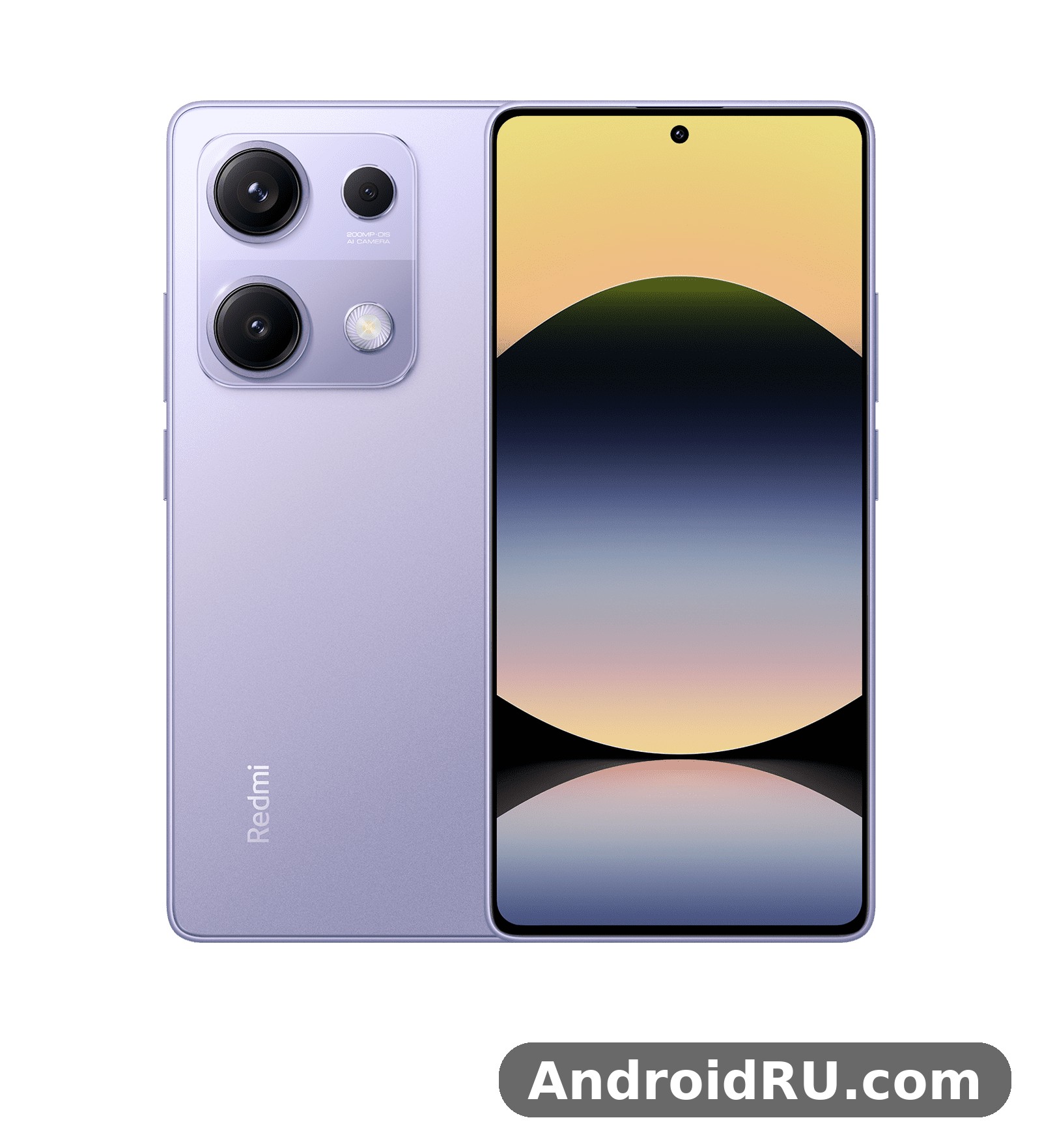
What follows covers the three things the title promises, plus everything around them. You will get a close look at the display in sunlight and indoors, an honest account of what the dual speakers and the headphone jack sound like, and an overall verdict built from the full spec sheet, the camera hardware and the charging figures. The Redmi Note 14S review and unboxing experience starts in a familiar place for this series: a slim box with the phone, a USB-C cable and a 67W charger in most markets, with a case sometimes included depending on the region. Nothing about the Redmi Note 14S launch was loud or dramatic, and that fits the phone itself, which is quiet, practical and focused on the basics done well.
This article is written for two kinds of reader. The first is someone choosing between the many Redmi Note models on sale right now and trying to work out whether the 14S is the right one. The second is someone who already owns an older Redmi phone and wants to know whether this is a meaningful upgrade. Both will find the answer in the details: the brightness of the panel, the stamina of the battery, the behaviour of the 200MP camera in low light, and the trade-offs that come with a 4G-only chipset in 2026. The Redmi Note 14S 5G or 4G connectivity question is answered early and plainly, because it shapes the whole buying decision: this phone is LTE only, with GSM, HSPA and LTE bands, and no 5G support of any kind.
Redmi Note 14S Display Review: 6.67-Inch AMOLED at 120Hz
The screen is the strongest reason to pick this phone. The Redmi Note 14S display is a 6.67-inch AMOLED panel with 1 billion colours, a 120Hz refresh rate and a 1080 x 2400 resolution at roughly 395 pixels per inch, which works out to a sharp, smooth picture for reading, video and games alike. The panel covers about 88.9 percent of the front of the phone, so bezels stay slim without the curved edges that make some phones awkward to hold. A Redmi Note 14S display quality review has to start with this balance: the hardware is a clear step above the LCD panels still found on cheaper phones, and it holds up well against more expensive rivals that charge twice as much for a similar screen.
Colour reproduction is vivid without tipping into the oversaturated look that older AMOLED panels sometimes had. Photos look rich, video looks punchy, and text stays crisp at every size. HyperOS offers colour modes and a reading mode for long sessions, and the 20:9 aspect ratio suits vertical video and split-screen use. The Redmi Note 14S display is the part of the phone you look at all day, and it is also the part where Redmi spent the money, which is exactly the right priority for a phone at this price.
Brightness in Sunlight and Colours You Can Trust
Brightness is where the numbers tell a clear story. The panel is rated at 500 nits typical brightness, 1,000 nits in high brightness mode and 1,300 nits peak, which means it stays readable outdoors on a bright day, even if it will not match the 2,000-plus nit panels on flagship phones. A Redmi Note 14S AMOLED display brightness test in real use would show the same pattern: comfortable indoors at well under half brightness, usable in direct sunlight at full brightness, and a little washed out only under the harshest midday glare. For a phone that costs around $215, that is a fair result, and it is one of the reasons the screen feels like a genuine upgrade over older Redmi Note models with dimmer panels.
Colour accuracy is good enough for photo editing on the go, though the default vivid mode pushes saturation a little for effect. Switching to the standard colour profile in the display settings gives a more neutral image that suits editing and reading. The screen also handles dark mode well, as AMOLED panels do, with true blacks that make the battery last a little longer when dark mode is switched on across the system. Whites stay clean rather than blue, and viewing angles are wide, so sharing a video with someone sitting next to you does not wash the picture out.
120Hz Refresh Rate and Everyday Scrolling
The 120Hz refresh rate is the second half of the display story. Scrolling through a feed, swiping between home screens and pulling down notifications all feel fluid, and once you have used 120Hz for a week, going back to 60Hz feels sluggish. The Redmi Note 14S 120Hz refresh rate scrolling smoothness test, in plain terms, is something you can feel in the first minute of use: motion is smoother, text stays readable while it moves, and the phone feels faster than its chipset alone would suggest. HyperOS can switch the refresh rate automatically to save power, or you can lock it to 120Hz or 60Hz in the settings if you prefer a fixed behaviour.
There is a battery cost to running at 120Hz all the time, but it is modest on a phone with a 5,000mAh cell, and the adaptive mode keeps the worst of it in check. Games that support high refresh rates benefit too, though the Helio G99 Ultra will not hold 120 frames per second in demanding titles, so the smoothest gains show up in menus, casual games and everyday navigation rather than in heavy 3D games. That is a normal trade-off at this price, and it does not take away from how pleasant the screen feels in normal use.
Reading, Video and Gaming on the 6.67-Inch Panel
For reading, the combination of a sharp 1080p panel, good contrast and a large 6.67-inch size makes long articles and e-books easy on the eyes, and the reading mode warms the colour temperature in the evening. For video, the 20:9 ratio fills the screen with only small black bars on most content, and the dual speakers mean you are not forced to reach for earphones every time. For gaming, the screen is large enough for comfortable touch controls, the touch sampling keeps up with fast input, and the 120Hz mode makes menus and lighter games feel responsive. The Redmi Note 14S screen is, in short, a good all-rounder that does not ask you to compromise on the thing you use most.
Gorilla Glass 5 and Everyday Durability
Protection comes from Corning Gorilla Glass 5 on the front, which guards against the scratches and small drops of daily life, though it is not a promise that the screen is unbreakable. Redmi Note 14S Gorilla Glass 5 screen protection durability is best described as solid for the price: keys and coins in a pocket should not mark it, a drop onto a hard floor still can, and a screen protector remains a sensible purchase. The phone also carries an IP64 rating, which covers dust and splashes, so rain and an accidental splash are not a disaster, but swimming with it or using it in the shower is still a bad idea. A case is worth fitting from day one, because the plastic back can pick up scuffs over time.
Redmi Note 14S Audio: Dual Speakers and the 3.5mm Headphone Jack
Audio is the second promise in the title, and the Redmi Note 14S audio setup is better than the single-speaker arrangement that budget phones used to ship with. The phone has dual speakers, one at the bottom and one in the earpiece, which gives video and games a wider, more balanced sound than a single speaker ever can. Voices in dialogue stay clear, music has a little more body than you might expect at this price, and the maximum volume is loud enough for a small room. The Redmi Note 14S speakers are not going to replace a Bluetooth speaker, but they are good enough that you will watch short videos and take speakerphone calls without wincing, and that is the standard that matters.
The other half of the audio story is the 3.5mm headphone jack, which survives here when many rivals have removed it. If you own wired earphones, they plug straight in with no adapter and no charging anxiety, and the FM radio also works through the wired headset. That combination of dual speakers and a real headphone jack is quietly one of the most practical features on the phone, and it is a big part of why the Redmi Note 14S is an easy recommendation for people who listen to a lot of music, podcasts and video on their phone.
Dual Speakers for Video and Games
The Redmi Note 14S dual speakers sound quality is best judged in normal use rather than on a spec sheet. In video, stereo separation is audible: sound effects and music spread across the phone instead of coming from one corner, and dialogue sits in the middle where it belongs. In games, footsteps and directional cues are easier to place than with a single speaker, even if a good pair of earphones still wins for competitive play. At high volume there is a little distortion in the bass, which is normal for phone speakers of this size, and the sensible move is to keep the volume a notch or two below maximum for the cleanest sound.
Compared with the single bottom speaker on older budget phones, the difference is obvious the first time a video plays. The sound fills a quiet room, the earpiece speaker stops your palm from muffling everything when you hold the phone in landscape, and calls on speakerphone are clearer for both sides. It is a modest feature on paper and a daily quality-of-life improvement in practice, which is the kind of detail that shapes how a phone feels after a month of use.
Wired Audio Through the Headphone Jack
The Redmi Note 14S headphone jack audio output quality is clean and loud enough for most wired earphones, with no hiss at normal listening levels and a neutral tuning that does not colour the music. Wired listening also has practical advantages that wireless cannot match: no pairing, no battery to charge, and no delay between picture and sound in video. If you already own a good pair of wired earphones, this phone lets you keep using them, and that saves money as well as hassle. The headphone jack sits on the frame alongside the USB-C port, and it works with the FM radio, which uses the headset cable as its antenna.
For wireless listeners, Bluetooth 5.2 with A2DP and LE support covers modern earbuds and headphones, and the connection is stable at normal range. The choice between wired and wireless is genuinely free on this phone, which is rarer than it should be in 2026. That freedom is part of the overall experience the title points to: a phone that does not force you to buy adapters or replace accessories you already own.
Redmi Note 14S Performance: Helio G99 Ultra in Daily Use
The Redmi Note 14S performance story starts with the MediaTek Helio G99 Ultra, an octa-core chipset with two Cortex-A76 cores at 2.2 GHz and six Cortex-A55 cores at 2.0 GHz, paired with a Mali-G57 MC2 GPU. It is a 4G chipset built on a 6nm process, and it is the same silicon that powered the Redmi Note 13 Pro 4G, which tells you two things: it is a proven, stable platform, and it is not a step forward in raw power. The Redmi Note 14S processor handles the everyday workload without fuss. Apps open quickly, switching between a browser, a messenger and a camera is smooth, and the interface rarely stutters. The phone feels fast in the tasks most people actually do, and that matters more than any benchmark number.
Where the chipset shows its limits is in sustained heavy work. Long gaming sessions, 4K video editing and heavy multitasking with many apps held in memory will remind you that this is a mid-range chip, not a flagship one. The phone manages heat sensibly, warming up rather than getting hot, and it does not throttle aggressively in normal use. Android 15 with HyperOS runs well on this hardware, and the Redmi Note 14S software experience is helped by the 8GB or 12GB of RAM, which keeps more apps alive in the background than the 6GB found on cheaper phones. The Redmi Note 14S Android 15 HyperOS update path is also a plus: the phone shipped with Android 15 out of the box, so it starts its software life a full version ahead of the Redmi Note 13 Pro 4G it replaces.
Helio G99 Ultra Benchmarks and Real-World Speed
The Redmi Note 14S Helio G99 Ultra benchmark score is best understood as a mid-range result: phones in this class generally land around the 400,000 to 450,000 mark on AnTuTu v10, which is comfortably ahead of entry-level chips and well behind flagship silicon. That number translates into a phone that is quick for browsing, social apps, messaging, maps and streaming, and adequate rather than outstanding for heavy games. In practice, the benchmark matters less than the memory and storage configuration you choose, because 8GB of RAM and UFS 2.2 storage keep the phone responsive in the tasks that fill a normal day.
Real-world speed also depends on how the phone is set up. HyperOS includes the usual mix of system apps and pre-installed software, and removing or disabling the apps you do not use keeps the home screen tidy and frees a little memory. Storage speed is UFS 2.2 rather than the faster UFS 3.1 or 4.0 found on pricier phones, so large app installs and big file copies take a little longer, but app launches and photo saves feel normal. For the price, the balance is fair: the chipset is not the fastest on the market, but it is fast enough for the screen, the camera and the battery it is paired with.
Gaming on the Redmi Note 14S
The Redmi Note 14S gaming performance test, in honest terms, is a story of sensible settings rather than maximum graphics. Popular titles such as PUBG Mobile, Mobile Legends and Call of Duty: Mobile run well at balanced or medium settings, with smooth frame rates and touch response that keeps up with the action. Turning every graphics slider to maximum will cost frames and warm the phone up, so the best experience comes from medium settings with the 120Hz display doing its work in menus and lighter scenes. The Mali-G57 MC2 GPU is a capable mid-range part, and the 6.67-inch AMOLED screen makes games look good even when the graphics preset is not at the top.
Longer sessions are helped by the 5,000mAh battery, which means a couple of hours of gaming will not leave you hunting for a charger, and the dual speakers add to the experience without earphones. If mobile gaming is your main hobby and you play demanding titles every day, a phone with a stronger chipset would serve you better, and the Redmi Note 13 5G Review: Gaming, Multitasking and Battery Life is a useful comparison for how the Redmi family handles games across generations. For casual and regular players, though, the Redmi Note 14S gaming experience is solid, and the phone stays comfortable to hold thanks to its 179g weight and slim 8mm body.
RAM, Storage and microSD Expansion
Memory and storage come in three combinations: 128GB with 8GB of RAM, 256GB with 8GB of RAM, and 512GB with 12GB of RAM, all using UFS 2.2 storage. The Redmi Note 14S RAM choice matters if you keep many apps open: the 12GB model holds more in memory and feels a little more future-proof, while the 8GB models are fine for normal use. The Redmi Note 14S storage choice matters just as much, because photos from a 200MP camera and offline video can fill 128GB faster than you expect. The Redmi Note 14S microSD card slot expandable storage is the safety net here: the shared SIM slot accepts a microSDXC card, so you can add cheap storage for photos and media instead of paying for the top model. The Redmi Note 14S 512GB storage variant price in Europe was listed near 260 euros at launch, so check the current price before deciding between the middle model plus a memory card and the top model on its own.
Redmi Note 14S Camera Review: 200MP Main Camera and 16MP Selfies
The camera is the headline feature on the spec sheet, and the Redmi Note 14S camera hardware earns that billing. The main sensor is a 200MP unit with an f/1.7 aperture, a 23mm wide lens, a large 1/1.4-inch sensor, multi-directional phase detection autofocus and optical image stabilisation, which is a serious combination for a phone at this price. It is joined by an 8MP ultrawide camera with a 120-degree field of view and a 2MP macro camera, while the front holds a 16MP selfie camera. The Redmi Note 14S camera quality review, in one sentence, is that the main camera is genuinely good, the ultrawide is useful in daylight, and the macro lens is the weakest part of the system, which is a familiar pattern in this price range.
Default photos are saved at 12.5MP using pixel binning, which combines neighbouring pixels for cleaner images with better dynamic range, and a dedicated 200MP mode is available when you want maximum detail for cropping or large prints. Colours are vivid in the Redmi style, with a little extra saturation that suits social sharing, and the large sensor helps keep noise down in indoor shots. The Redmi Note 14S specs on the camera side are not just numbers for a marketing page: the optical stabilisation and the large sensor size make a visible difference in evening photos, where cheaper phones without stabilisation start to smear detail.
Daylight Photos and the 200MP Sensor
In daylight, the main camera produces sharp, detailed photos with good dynamic range, and the Redmi Note 14S 200MP camera samples show the benefit of the big sensor when you crop into a photo or zoom digitally. Landscapes keep detail in both sky and shadow, portraits get a pleasing background blur from the portrait mode, and close subjects hold fine texture such as leaves, fabric and brickwork. The 200MP mode itself is worth using when the light is good and the subject is still, because it captures extra detail that the standard mode smooths away, though the files are much larger and the processing takes a moment longer.
Autofocus is quick and reliable in good light thanks to the multi-directional phase detection system, and the optical stabilisation helps when your hands are not perfectly steady. The camera app offers the usual Redmi modes, including Pro mode for manual control, and the 2x in-sensor zoom from the main camera gives a useful middle focal length without switching to a separate telephoto lens. For most buyers, the daylight camera is the single most satisfying part of the phone after the display, and it is the feature that makes the 14S feel like a step up from older Redmi Note models.
Night Mode, Ultrawide and Macro
The Redmi Note 14S camera night mode photo quality is decent for the price, with the night mode brightening shadows, holding highlights from street lights, and keeping noise under control in most scenes. Optical stabilisation matters here: it lets the camera use longer exposures without blur, so handheld night shots come out sharper than they would on a phone without it. Very dark scenes still show noise and some softness, which is normal at this price, and the night mode works best when you hold the phone steady for a second or two while it finishes processing.
The ultrawide camera is a different story. The Redmi Note 14S ultrawide camera 8MP photo results are good in bright daylight, where the 120-degree view is genuinely useful for buildings, groups and landscapes, but the small sensor shows its limits indoors and at night, where photos get softer and noisier. The 2MP macro camera is the least impressive of the three: it can take fun close-ups of flowers and small objects in good light, but its low resolution means the results are more of a novelty than a serious tool. If you want the best results, use the main camera whenever you can, and treat the ultrawide as a daylight option.
Selfies and Video Recording
The front camera is a 16MP unit with an f/2.4 aperture, and the Redmi Note 14S selfie results are clean and natural in good light, with decent skin tones and a portrait mode that separates the subject from the background reasonably well. Indoors and in low light, selfies get softer, which is normal for a front camera without autofocus, and the screen flash helps in very dark conditions. For video calls, the front camera is more than adequate, and the 1080p recording keeps you looking sharp on the other end of the call.
Video recording tops out at 1080p at 30 or 60 frames per second on both the rear and front cameras, and the Redmi Note 14S video recording 1080p 60fps quality is smooth and stable for everyday clips, family videos and social posts. There is no 4K recording, which is the clearest video limitation on the spec sheet, and it is worth knowing before you buy if you shoot a lot of video. The stabilisation helps walking shots, the 60fps mode suits action and panning, and the overall video quality is good for the price, even if it will not match phones that cost twice as much. If camera quality is your top priority across the range, the Redmi Note 13 Pro 5G Review: Display Quality, Speed and Daily Use shows how the 5G sibling of this family approaches the same problem with a different chipset.
Redmi Note 14S Battery Life and 67W Charging
Battery life is where the Redmi Note 14S quietly wins many buyers over. The Redmi Note 14S battery is a 5,000mAh cell, and combined with the efficient Helio G99 Ultra and an AMOLED panel that sips power in dark mode, it delivers a full day of heavy use and comfortably reaches a second day for lighter users. The Redmi Note 14S battery life test, in everyday terms, looks like this: a morning of messaging and maps, an afternoon of video and social apps, an evening of streaming, and still a useful charge left at bedtime. That is the experience most owners will recognise, and it is one of the least stressful things about living with this phone.
The 67W wired charging is the other half of the story. Redmi rates a full charge at 46 minutes, with 50 percent reached in about 16 minutes, which means a short stop at a charger genuinely changes the rest of your day. The Redmi Note 14S charging setup includes the fast charger in the box in most markets, so the headline charging speed is not an extra purchase. There is no wireless charging, which is normal at this price, and the USB-C 2.0 port handles charging and data, with OTG support for accessories and external storage.
How Long the 5,000mAh Battery Lasts
Screen-on time depends on brightness, refresh rate and signal strength, but a realistic expectation for mixed use is a full day with several hours of screen time, and lighter users will see the phone stretch into a second day without anxiety. The Redmi Note 14S battery drain overnight test results, in plain terms, should show only a few percent lost over eight hours with the phone idle, provided background apps are kept in check. If overnight drain is higher than that, the usual cause is an app holding the phone awake, and the battery usage screen in the settings will name it within a day or two.
HyperOS includes several tools that help the battery last longer, and the Redmi Note 14S HyperOS battery optimization settings guide, in short, is this: turn on adaptive battery, let the system manage background activity for apps you rarely open, use the 120Hz adaptive mode instead of locking the refresh rate, and switch on dark mode if you like the look. Small habits add up too: keeping screen brightness on automatic, turning off location for apps that do not need it, and avoiding leaving the phone in a hot car. None of this requires technical knowledge, and together these steps can add an hour or more of screen time to a normal day.
67W Charging Speed in Practice
The Redmi Note 14S charging speed test 67W figures hold up in real use: the first half of the battery fills very quickly, the second half slows down as the phone protects the cell, and a full charge lands in roughly three quarters of an hour. That speed changes how you think about charging. Instead of plugging in overnight every night, you can top up during a shower or a coffee break and have enough for the rest of the day. The charger in the box makes that possible from day one, and the phone manages heat during charging well, warming slightly rather than getting hot.
Charging habits still matter for long-term battery health. Keeping the phone between roughly 20 and 80 percent most of the time is kinder to the cell than always charging to 100 percent and draining to empty, and HyperOS offers charging protection features that slow the final stretch overnight. The battery is not removable, which is standard now, and a battery replacement after a couple of years is a service-centre job rather than something you do at home. If battery and value are the deciding factors for you, the Redmi Note 14 5G Review: Camera Quality, Battery and Value is worth reading alongside this article, because it shows how the 5G model in the same family trades a little charging speed for a larger cell and a newer chipset.
Full Specifications
Here is the complete picture of the Redmi Note 14S full specifications and features, gathered from the published specification sheet. The phone was announced and released on 14 March 2025, it runs Android 15 with HyperOS, and it is a dual-SIM LTE phone with the model number 2502FRA65G. The table below covers the display, the chipset, the cameras, the battery and the connectivity in one place, so you can check any single detail without hunting through the review. If a number here differs from a retailer listing, trust the specification sheet and check the current official page for your region, because regional variants can differ in NFC support and in the charger included in the box.
| Feature | Redmi Note 14S |
|---|---|
| Announced / Released | 14 March 2025 |
| Display | 6.67-inch AMOLED, 1B colours, 120Hz, 1080 x 2400, ~395 ppi, 500 nits typ, 1,000 nits HBM, 1,300 nits peak |
| Protection | Corning Gorilla Glass 5 |
| Operating system | Android 15, HyperOS |
| Chipset | MediaTek Helio G99 Ultra |
| CPU | Octa-core (2×2.2 GHz Cortex-A76 and 6×2.0 GHz Cortex-A55) |
| GPU | Mali-G57 MC2 |
| RAM | 8GB / 12GB |
| Storage | 128GB / 256GB / 512GB, UFS 2.2 |
| Card slot | microSDXC (uses shared SIM slot) |
| Rear camera | 200MP f/1.7 wide with OIS, 8MP f/2.2 ultrawide 120 degrees, 2MP macro |
| Rear video | 1080p at 30 / 60fps |
| Front camera | 16MP f/2.4 wide, 1080p at 30 / 60fps |
| Battery | 5,000mAh |
| Charging | 67W wired, 50 percent in 16 min, 100 percent in 46 min |
| Network | GSM / HSPA / LTE (4G only, no 5G) |
| SIM | Dual Nano-SIM |
| Dimensions | 161.1 x 75 x 8 mm |
| Weight | 179 g |
| Build | Glass front (Gorilla Glass 5), plastic frame, plastic back |
| Water resistance | IP64 dust tight and splash resistant |
| Audio | Dual speakers, 3.5mm headphone jack, FM radio |
| Connectivity | Wi-Fi 802.11 a/b/g/n/ac dual-band, Bluetooth 5.2, NFC (region dependent), infrared port, USB Type-C 2.0 with OTG |
| Positioning | GPS, GLONASS, GALILEO, BDS |
| Sensors | Under-display optical fingerprint, accelerometer, gyro, compass, virtual proximity sensing |
| Colours | Midnight Black, Aurora Purple, Ocean Blue |
| Model | 2502FRA65G |
| Price at launch | About $215 / 260 euros |
A few details in the table deserve a second look. The Redmi Note 14S dimensions of 161.1 x 75 x 8 mm and the 179g weight make it a large phone that still feels manageable, and the Redmi Note 14S weight and thickness in hand feel are helped by the slim profile and the rounded plastic frame. The Redmi Note 14S sensors include an under-display optical fingerprint reader, and the Redmi Note 14S fingerprint sensor under display speed is quick for everyday unlocking, though it can be a little slower than a side-mounted reader when your finger is wet. The Redmi Note 14S IP64 splash resistance rating explained simply means the phone is sealed against dust and protected against water splashes from any direction, not against submersion, so it will survive rain and a spilled glass, but it is not a phone to take swimming. The Redmi Note 14S infrared blaster remote control feature is a small delight: the IR port on the top edge lets the phone act as a remote for a television or air conditioner through the Mi Remote app, which is the kind of practical extra that owners end up using more than they expect.
Redmi Note 14S vs Redmi Note 13 Pro 4G and Redmi Note 14 5G
The Redmi Note 14S vs Redmi Note 13 Pro 4G comparison is the most important one, because the two phones share almost everything: the same Helio G99 Ultra chipset, the same 200MP main camera, the same 6.67-inch 120Hz AMOLED display, the same 5,000mAh battery and the same 67W charging. The real differences are software and timing. The 14S ships with Android 15 and HyperOS out of the box, while the 13 Pro 4G launched on Android 13, and the 14S is the model you will find on sale now, while the older phone is fading from shelves. If you already own the 13 Pro 4G, there is no reason to switch. If you are buying new, the 14S is the sensible pick of the two for the newer software alone.
The Redmi Note 14 5G is a different kind of alternative. It brings 5G, a Dimensity 7025 Ultra chipset and a slightly larger 5,110mAh battery, but it steps down to a 108MP main camera and slower 45W charging, and its display peaks brighter at around 2,100 nits. The table below puts the three phones side by side so the trade-offs are easy to see. For a closer look at the brightest screen in the family, the Redmi Note 14 Pro 5G Review: Screen Quality, Cameras and Charging covers the Pro model, which adds a stronger chipset and faster charging on top of the same display-first philosophy. And for the most powerful camera phone in the older generation, the Redmi Note 13 Pro+ 5G Review: Screen Quality, Cameras and Charging shows what the previous flagship of the series could do.
| Feature | Redmi Note 14S | Redmi Note 13 Pro 4G | Redmi Note 14 5G |
|---|---|---|---|
| Release | March 2025 | January 2024 | January 2025 |
| Display | 6.67-inch AMOLED, 120Hz, 1,300 nits peak | 6.67-inch AMOLED, 120Hz, 1,300 nits peak | 6.67-inch AMOLED, 120Hz, 2,100 nits peak |
| Chipset | Helio G99 Ultra | Helio G99 Ultra | Dimensity 7025 Ultra |
| RAM / Storage | 8/12GB, 128/256/512GB, microSDXC | 8/12GB, 256/512GB, microSDXC | 6/8/12GB, 128/256GB, microSDXC |
| Main camera | 200MP with OIS | 200MP with OIS | 108MP with OIS |
| Battery | 5,000mAh | 5,000mAh | 5,110mAh |
| Charging | 67W wired | 67W wired | 45W wired |
| 5G | No, LTE only | No, LTE only | Yes |
| OS at launch | Android 15, HyperOS | Android 13, HyperOS | Android 14, HyperOS |
| Headphone jack | Yes | Yes | Yes |
Reading the table as a buying guide is simple. Pick the Redmi Note 14S if you want the best camera in this group, the fastest charging, and a phone that is on sale now with current software, and you do not need 5G. Pick the Redmi Note 14 5G if 5G coverage matters in your area and you value the newer chipset and the brighter screen over the camera resolution. Pick the Redmi Note 13 Pro 4G only if you find it at a clear discount, because it is otherwise the same phone as the 14S with older software. The Redmi Note 14S variants give you one more choice to make: the 256GB model with 8GB of RAM is the sweet spot for most buyers, with the 512GB and 12GB model reserved for people who keep large photo libraries or many games on the phone.
Redmi Note 14S Pros and Cons, Verdict and Who Should Buy It
After the display, the audio, the camera and the battery, the overall experience comes down to a simple question: does this phone give you more than it asks you to give up? For most buyers the answer is yes, with one condition attached. The Redmi Note 14S verdict is that it is a strong mid-range phone for people who value the screen, the camera and the charging speed, and who live somewhere that 4G is still fast and reliable. The Redmi Note 14S pros are real and easy to feel every day, and the Redmi Note 14S cons are real too, but they are the kind of limits you can live with if you know about them before you buy.
Pros of the Redmi Note 14S
- Bright 6.67-inch 120Hz AMOLED display with 1 billion colours and a sharp 1080p resolution, which makes reading, video and games look good.
- 200MP main camera with optical stabilisation and a large sensor, which takes detailed daylight photos and capable night shots.
- 5,000mAh battery with 67W charging that reaches half charge in about 16 minutes and a full charge in about 46 minutes.
- Dual speakers plus a 3.5mm headphone jack, an infrared blaster and FM radio, which together cover more everyday audio needs than most rivals.
- Android 15 with HyperOS out of the box, 8GB or 12GB of RAM, and a microSDXC slot for cheap storage expansion.
- Slim 8mm body at 179g with IP64 splash resistance and Gorilla Glass 5 on the front.
The Redmi Note 14S design deserves a word of its own. The Redmi Note 14S colors are Midnight Black, Aurora Purple and Ocean Blue, and the Aurora Purple and Ocean Blue finishes give the phone a little more personality than the usual black slab, while the flat frame and the slim profile keep it comfortable in the hand. The Redmi Note 14S features list is long for the price: dual speakers, a headphone jack, an IR blaster, FM radio, NFC in most regions, an under-display fingerprint reader and a microSD slot. No single feature on that list is unique, but the combination is, and it is the combination that makes the phone feel generous rather than stripped down.
Cons of the Redmi Note 14S
- No 5G support, which matters if you plan to keep the phone for several years in an area where 5G is already fast and widespread.
- Video recording tops out at 1080p, with no 4K option on either the rear or the front camera.
- Plastic frame and plastic back, which feel less premium than glass and metal and can scuff without a case.
- UFS 2.2 storage is slower than the UFS 3.1 or 4.0 found on pricier phones, so large installs take a little longer.
- The 8MP ultrawide and 2MP macro cameras are clearly weaker than the main camera, especially in low light.
- No wireless charging, and HyperOS includes pre-installed apps and, in some regions, ads in system apps that take a few minutes to switch off.
None of these limits is a surprise at this price, and none of them is hidden: the spec sheet states them plainly. The 4G-only radio is the one that deserves the most thought, because it is the only limit that could matter more in two years than it does today. If your mobile network is still mainly 4G and your home and office have Wi-Fi, it will not affect you. If you already use 5G daily and notice the speed, a 5G model in the same family is the better choice, and the comparison table above shows exactly what you would trade for it.
Who Should Buy the Redmi Note 14S?
This phone suits a clear set of buyers. It suits anyone upgrading from a phone that is three or four years old, because the display, the camera and the charging will all feel like a big step forward. It suits anyone who takes a lot of photos in daylight and wants the detail of a 200MP sensor without paying flagship money. It suits anyone who watches a lot of video and listens to music on their phone, because the AMOLED screen, the dual speakers and the headphone jack cover all of it. And it suits anyone who wants a phone that simply lasts through the day and charges fast when it runs low.
It suits fewer people if mobile gaming at maximum settings is the priority, if 4K video is a must, or if 5G is already part of daily life. For those buyers, a 5G model with a stronger chipset is worth the extra money. For everyone else, the Redmi Note 14S is a practical, well-balanced phone, and the Redmi Note 14S unboxing is the start of an ownership experience that is easy to live with: a fast charger in the box, a familiar HyperOS setup, and a phone that does its best work in the areas you touch every day. As a Redmi phone in the long Note series, it keeps the formula that made the series popular, which is a big screen, a big battery and a big camera number, at a price that stays within reach.
Redmi Note 14S Frequently Asked Questions
Does the Redmi Note 14S support 5G?
No. The Redmi Note 14S 5G or 4G connectivity answer is LTE only: the phone supports GSM, HSPA and LTE bands, with no 5G radio. That is the single most important fact to check before buying, because it cannot be changed with a software update. If your area has good 4G coverage and you mostly use Wi-Fi at home and at work, the lack of 5G will not affect daily use. If you rely on mobile data for large downloads or you want the fastest network speeds available, look at the Redmi Note 14 5G instead, which is the closest 5G alternative in the same family.
How good is the Redmi Note 14S battery life?
The 5,000mAh battery lasts a full day of heavy use and stretches into a second day for lighter users, with the 67W charger filling half the battery in about 16 minutes and the whole battery in about 46 minutes. Screen-on time depends on brightness and refresh rate, but most owners will end the day with charge to spare, and the adaptive refresh rate and dark mode help further. Overnight drain should be only a few percent with the phone idle, so if you lose much more than that, check the battery usage screen for an app keeping the phone awake.
Does the Redmi Note 14S have a headphone jack and a microSD slot?
Yes to both. The phone keeps a 3.5mm headphone jack, so wired earphones plug straight in with no adapter, and the FM radio works through the headset cable. It also has a microSDXC card slot that shares the second SIM position, so you can expand storage for photos, music and offline video, or use two Nano-SIM cards instead. The slot is one of the most practical features on the phone, because it means the cheaper 128GB model can grow with your photo library instead of forcing you to buy the top storage option.
Is the Redmi Note 14S still worth buying in 2026?
Yes, for the right buyer. In 2026 the phone remains worth buying if you want a bright 120Hz AMOLED display, a 200MP camera with optical stabilisation, a 5,000mAh battery with 67W charging, and a headphone jack, at a price around $215, and you do not need 5G or 4K video. Its Android 15 software is current, its hardware is proven rather than experimental, and its price has settled into good value. Buyers who need 5G, 4K video or the fastest gaming chipset should spend more on a newer 5G model, but for everyday use the 14S still earns its place.
The final word is simple: judge this phone by what you will touch every day. The screen is bright and smooth, the speakers are genuinely useful, the camera takes photos you will be happy to share, and the battery charges fast enough that running low is a short pause rather than a problem. Check the Redmi Note 14S price in your region, pick the 256GB model if it fits your budget, and set the refresh rate to adaptive, the colour mode to standard, and the battery optimisation to adaptive on the first day. Do those three things and the phone will look after itself, which is the best thing a mid-range phone can do.

