

Redmi Note 14 5G Review: Camera Quality, Battery and Value
The Redmi Note 14 5G arrived in January 2025 as the entry point of the global Note 14 family, and it makes a simple promise: a big 108MP camera, a 5,110mAh battery and a bright 120Hz AMOLED screen for a mid-range price. That promise sounds familiar, because every Redmi Note generation says something similar. The real question is whether this one delivers where it counts, in daylight photos, in battery life on a busy day, and in everyday speed, without asking the buyer to pay Pro money. Redmi Note 14 5G unboxing and first impressions are encouraging: the phone feels solid at 190 grams, the flat 6.67-inch display looks modern, and the Redmi Note 14 5G colors include Midnight Black, Lavender Purple and Coral Green, with a matte back that resists fingerprints better than the glossy backs of older Note phones.
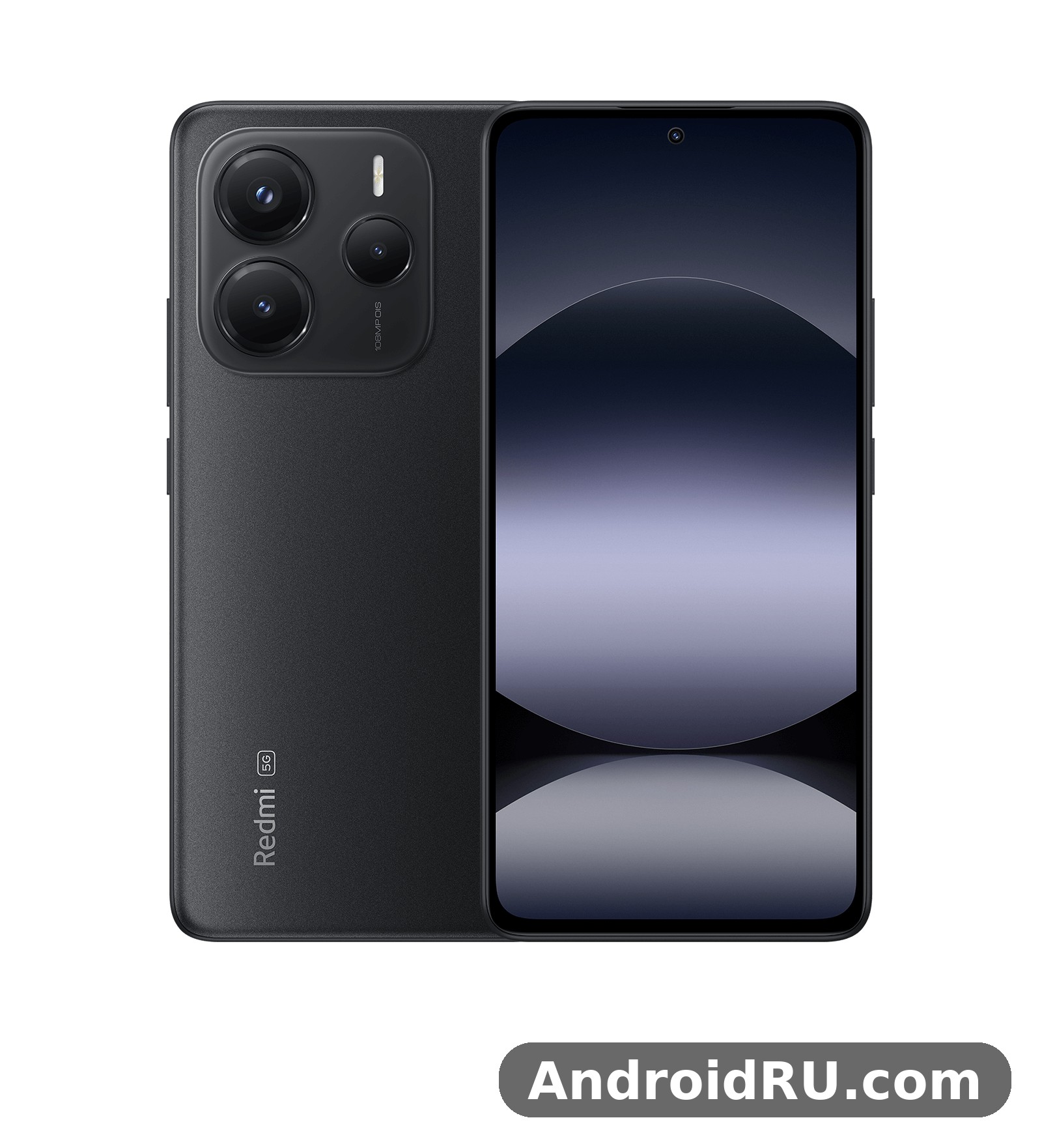
I spent time with the published specifications, the launch pricing and the way this phone is positioned against its own brothers and sisters, and this Redmi Note 14 5G camera quality review looks at the hardware as it is, not as a wish list. The global model runs on the MediaTek Dimensity 7025 Ultra, pairs it with 6GB or 8GB of RAM and 128GB or 256GB of storage, and ships with Android 14 and HyperOS. It is a phone built for people who want a dependable daily driver, a good camera for social photos, and a battery that does not need a midday top-up. If that sounds like you, read on.
Before going further, one clarification matters, because two phones share this name. The India variant of the Redmi Note 14 5G uses a 50MP main camera, while the global model covered here uses the 108MP sensor with optical image stabilisation. The Redmi Note 14 5G price in India 2025 started around Rs. 17,998 for the India variant, while the global model launched at about 269.99 euros. Both share the same battery and chipset, but the camera hardware is different, so sample photos from one version do not describe the other. Everything below describes the global 108MP model, model number 24094RAD4G, announced on 10 January 2025 and released on 16 January 2025.
Redmi Note 14 5G Camera Quality: 108MP Main Sensor in Daylight and at Night
The camera is the headline feature, and it is also the feature that needs the most honest discussion. A Redmi Note 14 5G 108MP camera samples review shows a sensor that is generous with detail in good light and sensible about processing. The main camera is a 108MP unit with an f/1.7 aperture, a 1/1.67-inch sensor, phase detection autofocus and optical image stabilisation, and it is joined by an 8MP ultrawide camera and a 2MP macro camera. That is a familiar mid-range trio, and the main sensor does nearly all of the heavy lifting. The 108MP main camera with OIS is the part of this phone that most buyers will judge first, and in daylight it gives them plenty to like.
Daylight and Detail From the 108MP Main Camera
In bright daylight, the main camera produces sharp, well-exposed photos with natural colours and plenty of detail to crop into. The 108MP mode records a full-resolution file when you want maximum detail for a landscape or a print, while the default pixel-binned mode combines nine pixels into one for cleaner 12MP shots that are easier to share. Dynamic range is good for the price, with skies holding their blue and shadows keeping texture instead of turning black. Autofocus is quick on still subjects, and the optical stabilisation helps when shooting one-handed from a moving bus or while walking. For a Redmi phone at this price, daylight stills are a genuine strength, and most buyers will be happy with what they get from the main sensor.
What the 108MP Sensor Does Best
The sensor is at its best with landscapes, street scenes, food and group photos in open daylight. Detail holds up well when you zoom into the frame on a computer screen, colours stay close to real life rather than turning oversaturated, and the phone handles mixed light, such as a bright window behind a subject, with more grace than older Note phones. If you shoot mainly outdoors and in well-lit rooms, this camera will rarely disappoint you.
Where the Sensor Shows Its Limits
The limits show up when the light drops or the subject moves fast. Indoor shots under warm artificial light can look a little soft, moving children and pets can blur at the edges, and the phone sometimes brightens shadows so much that the photo loses contrast. These are normal trade-offs for a mid-range sensor, and they are the reason the Pro models with their 200MP sensors cost more. Knowing the limits in advance keeps expectations honest.
Night Mode and Low Light Photos
A Redmi Note 14 5G night mode camera test shows the phone leaning on computational photography after dark. Night mode takes a short burst of frames and merges them, which lifts shadows, steadies the exposure and keeps street lights from blowing out into white blobs. A Redmi Note 14 5G low light photo noise reduction test shows the same story: noise is controlled well in the centre of the frame, though fine texture in dark corners can turn smooth and painterly. The result is a usable night photo for social sharing, even if it will not match a flagship. Hold the phone steady for the extra second night mode asks for, and the keeper rate climbs a lot. The optical stabilisation earns its keep here, because it lets the phone use slightly longer exposures without smearing the shot.
Ultrawide, Macro and Portrait Modes
The 8MP ultrawide camera is useful for buildings, interiors and group shots where you cannot step back, but it is a clear step down from the main sensor. Redmi Note 14 5G ultrawide camera distortion in daylight is visible at the corners, where straight lines bend and detail softens, and the smaller sensor gathers less light, so evening ultrawide shots get noisy fast. Use it in daylight, keep the subject near the centre, and it does the job. Redmi Note 14 5G macro camera close up photo quality is modest: the 2MP macro lens needs bright light and a steady hand, and the results are fun for the occasional flower or texture shot rather than a serious tool. Portrait mode is the better secondary trick. A Redmi Note 14 5G portrait mode edge detection test shows clean separation around hair and glasses in good light, with a pleasant background blur that flatters people photos, though busy backgrounds with thin branches or fences can still confuse the depth map.
Selfies and Video Recording
Redmi Note 14 5G selfie camera 20MP photo quality is solid for video calls and social posts. The 20MP front camera captures natural skin tones in daylight, and its portrait mode blurs the background well enough for profile photos. In dim rooms, selfies get softer and noisier, so stepping toward a window helps more than any filter. Video is where buyers should check the spec sheet carefully. The Redmi Note 14 5G 4K video recording limitation explained simply is this: the main camera tops out at 1080p at 30 frames per second, with no 4K option and no 60fps mode. Footage looks stable and clean in daylight thanks to the stabilisation, and it is fine for clips, stories and family videos, but anyone who edits 4K video or wants slow, smooth 60fps footage should look at the Pro models instead.
Redmi Note 14 5G Battery Life and 45W Charging in Daily Use
Battery life is the second pillar of this phone, and it is the one that most owners will notice every single day. The 5,110mAh battery is large for a phone this slim, and the efficient 6nm chipset sips power rather than gulping it. A Redmi Note 14 5G battery life test in mixed use, with messaging, maps, streaming, social apps and an hour of video, leaves most users with charge to spare at bedtime. Heavy users who stream video for hours and play games in the evening will still reach the end of the day, though they will be closer to empty. That is a strong result for a mid-range phone, and it is one of the main reasons this model makes sense as a daily driver.
How Long the 5,110mAh Battery Lasts
Screen-on time is the number that matters most, and this phone delivers a full day of heavy use and comfortably two days of light use. The 120Hz display can be set to a fixed 60Hz if you want to stretch the battery further, and the dark mode on the AMOLED panel saves power with dark backgrounds. Redmi Note 14 5G battery drain overnight test results are reassuring: with the phone idle on a bedside table, the drop overnight is small, usually a few percent, which means the phone is not burning charge while you sleep. Standby drain stays low because HyperOS puts unused apps to sleep in the background, and the 5G modem is efficient enough that leaving mobile data on does not punish the battery the way early 5G phones did.
Charging Speed and What Is in the Box
A Redmi Note 14 5G charging time 45W test shows a full charge taking a little over an hour from empty, with a quick top-up of about 30 minutes adding roughly half a charge. That is not the fastest charging in the family, since the Pro+ model charges at 120W, but it is fast enough that a charge during breakfast or a shower covers a large part of the day. The phone supports 45W wired turbo charging, and in many markets a 45W charger is included in the box, though some regions ship without a power adapter, so buyers should check the box contents for their own market before assuming one is inside. There is no wireless charging, which is normal at this price. For most owners, the combination of a big battery and decent wired speed means charging stops being something to worry about.
Redmi Note 14 5G Display: 6.67-Inch AMOLED With a 120Hz Refresh Rate
The display is where this phone feels more expensive than it is. Redmi Note 14 5G display quality AMOLED 120Hz panel means a 6.67-inch flat AMOLED screen with a 1080 by 2400 resolution, HDR10+ support and a refresh rate that switches up to 120Hz for smooth scrolling. Colours look rich without turning cartoonish, blacks are truly black because each pixel lights itself, and text stays crisp at about 395 pixels per inch. The flat panel is a practical choice too: it is easier to fit with a screen protector than a curved display, and accidental touches at the edges are rare. Redmi Note 14 5G Corning Gorilla Glass 5 protection covers the front, which guards against scratches from keys and coins in a pocket, though a case and a screen protector are still wise for drops onto concrete.
The Redmi Note 14 5G AMOLED screen is the part of the phone you look at most, and it does not disappoint.
Brightness, Colour and Outdoor Visibility
A Redmi Note 14 5G screen brightness sunlight visibility test shows the panel reaching 1,200 nits in high brightness mode and a peak of 2,100 nits for HDR highlights. In practice, that means the screen stays readable on a sunny street, maps stay visible while walking, and photos look bright outdoors. The 960Hz PWM dimming also helps at night, reducing the flicker that can tire sensitive eyes at low brightness. Colour modes in settings let you switch between a vivid look and a more natural one, and the wide colour gamut makes streaming video look good. For a phone that costs this little, the screen is one of its best features, and it is the part of the phone you look at most, so that matters.
Fingerprint Sensor, Speakers and Everyday Durability
The Redmi Note 14 5G fingerprint sensor in display sits under the screen and unlocks quickly once your finger is registered well, though wet fingers can still slow it down, as with most optical sensors. Face unlock is available as a faster backup for low-security moments. The Redmi Note 14 5G speakers sit at the top and bottom edges of the frame. A Redmi Note 14 5G stereo speakers loudness test review shows the dual speakers getting loud enough for video in a quiet room, with clear voices and reasonable bass for a slim phone, though they will not replace a small Bluetooth speaker for music. Redmi Note 14 5G IP64 splash resistance everyday use means the phone survives rain, splashes and dusty pockets, but it is not rated for swimming or submersion. Searches for Redmi Note 14 5G waterproof protection usually end with the same answer: IP64 means splash resistance, not a waterproof phone, so keep it out of the pool and the bath. The Redmi Note 14 5G durability story is a sensible one: a sturdy plastic frame, a glass front, a flat screen that is easy to protect, and a design that feels built to last two or three years of normal use.
Dimensity 7025 Ultra Performance, Gaming and Everyday Speed
Redmi Note 14 5G Dimensity 7025 Ultra performance is the quiet success of this phone. The 6nm chipset pairs two Cortex-A78 performance cores at up to 2.5GHz with six Cortex-A55 efficiency cores, and the IMG BXM-8-256 graphics processor handles everyday 3D work without fuss. The Dimensity 7025 Ultra chipset is not a flagship silicon, and it does not pretend to be one, but it is a clear step up from the chips in older budget phones, and it keeps the phone feeling quick in normal use. Apps open promptly, switching between a browser, a chat app and a map is smooth, and the 120Hz screen makes the whole interface feel responsive. In short, Redmi Note 14 5G performance is smooth where it matters and steady under load.
Everyday Speed and Multitasking
With 6GB or 8GB of LPDDR4X RAM, the phone holds several apps in memory at once, and the 128GB or 256GB of UFS 2.2 storage loads apps and photos quickly enough for daily use. A Redmi Note 14 5G microSD card slot expandable storage option exists too: the hybrid slot accepts a microSD card up to 1TB, which is handy for people who keep large photo libraries or offline video. The Redmi Note 14 5G storage choice matters here, because 128GB fills up faster than most buyers expect once photos, videos and a few games accumulate, so the 256GB model is the safer pick for heavy users. The Redmi Note 14 5G RAM configuration also matters for longevity: 8GB keeps more apps alive in the background and will age better over two or three years than 6GB, so the small price step up is worth paying when the budget allows.
Gaming, Heat and Sustained Performance
A Redmi Note 14 5G gaming performance test review shows the phone handling popular titles at medium settings with steady frame rates. Games such as Mobile Legends, PUBG Mobile and Call of Duty Mobile run well at balanced graphics, and casual games feel perfectly smooth. Demanding titles at maximum settings will push the chip harder and frame rates will dip, which is expected at this price. A Redmi Note 14 5G heating issue during long gaming sessions is mild rather than serious: the back warms up after 30 to 40 minutes of play, but it stays comfortable to hold, and the phone does not throttle aggressively in normal play. The Redmi Note 14 5G gaming experience is best described as dependable rather than spectacular, and for buyers who play an hour a day rather than competing professionally, it is more than enough.
Redmi Note 14 5G vs Redmi Note 13 Pro 5G and the Rest of the Note 14 Family
No phone exists in isolation, and this one lives in a crowded family. The Redmi Note 14 5G comparison that matters most is the one against its own siblings and its predecessor, because the price gaps between them are small and the spec gaps are real. The table below lines up the key differences so you can see what the extra money buys, and what it does not. Redmi Note 14 5G alternatives include its Pro brothers, the older Note 13 Pro models, and phones from other brands at a similar price, but the closest rivals are the ones that share its name.
| Feature | Redmi Note 14 5G | Redmi Note 14 Pro 5G | Redmi Note 14 Pro+ 5G | Redmi Note 13 Pro 5G |
|---|---|---|---|---|
| Display | 6.67-inch AMOLED, FHD+, 120Hz, flat | 6.67-inch AMOLED, 1.5K, 120Hz, curved | 6.67-inch AMOLED, 1.5K, 120Hz, curved | 6.67-inch AMOLED, 1.5K, 120Hz, flat |
| Chipset | Dimensity 7025 Ultra | Dimensity 7300 Ultra | Snapdragon 7s Gen 3 | Snapdragon 7s Gen 2 |
| Main camera | 108MP with OIS | 200MP with OIS | 200MP with OIS | 200MP with OIS |
| Battery and charging | 5,110mAh, 45W | 5,110mAh, 45W | 5,110mAh, 120W | 5,000mAh, 67W |
| Water and dust rating | IP64 | IP68 | IP68 | IP54 |
| Video recording | 1080p at 30fps | 4K at 30fps | 4K at 30fps | 4K at 30fps |
Redmi Note 14 5G vs Redmi Note 13 Pro 5G
Redmi Note 14 5G vs Redmi Note 13 Pro 5G is the upgrade question for owners of the older phone, and the answer is mixed. The newer phone has a larger battery, a brighter screen, a newer chipset and better splash resistance, but the older Pro keeps a sharper 1.5K display, a 200MP main camera and faster 67W charging. If you own the 13 Pro and it still works well, the Note 14 5G is a side step rather than a clear upgrade. If you are buying fresh and the two cost nearly the same, the newer phone wins on battery life and software support, while the older Pro wins on camera resolution and screen sharpness. Readers who want the older Pro in detail can read the Redmi Note 13 Pro 5G Review: Display Quality, Speed and Daily Use to compare the two side by side.
Redmi Note 14 5G vs Redmi Note 14 Pro 5G
Stepping up to the Pro 5G buys a 200MP camera, a sharper 1.5K curved display, a faster Dimensity 7300 Ultra chipset, 4K video and full IP68 water resistance, while the battery and 45W charging stay the same. That is a real jump in camera and screen quality for a moderate price increase, and it is the upgrade to choose if photography and video matter most to you. The standard model keeps the better value, because it gives up the extras that many buyers never use. For the full picture of the step-up model, see the Redmi Note 14 Pro 5G Review: Screen Quality, Cameras and Charging before deciding how much the Pro features are worth to you.
Redmi Note 14 5G vs Redmi Note 14 Pro+ 5G and the Older Pro+ Model
The Pro+ model sits at the top of the family with the Snapdragon 7s Gen 3 chipset, 120W charging that fills the battery in well under half an hour, a curved 1.5K display and IP68 protection. It is the pick for buyers who want the fastest charging and the strongest camera in the range, and its price reflects that. The older generation is worth a look too: the Redmi Note 13 Pro+ 5G Review: Screen Quality, Cameras and Charging shows a phone with the same 120W charging and a 200MP camera, which can be a bargain when discounted. For the full story of the current top model, read the Redmi Note 14 Pro+ 5G Review: Design, Battery Life and Usability and weigh its design and charging speed against the standard model, which keeps the same battery capacity for less money.
Full Specifications
Redmi Note 14 5G full specifications and price details are listed below for the global model, model number 24094RAD4G. Redmi Note 14 5G specs are straightforward to read, and the table covers the hardware that shapes daily use, from the screen and chipset to the cameras, battery and connectivity. Prices vary by market and by retailer, so treat the launch figures as a guide and check current local pricing before buying. The Redmi Note 14 5G connectivity package is modern and complete: dual SIM 5G, Wi-Fi 5, Bluetooth 5.3, NFC, an infrared blaster, GPS and a USB-C port. Redmi Note 14 5G dual SIM 5G network bands support covers the common sub-6GHz 5G bands used in most markets, with 4G LTE fallback where 5G coverage is still patchy.
| Specification | Redmi Note 14 5G (Global) |
|---|---|
| Announced | 10 January 2025 |
| Released | 16 January 2025 |
| Dimensions | 162.4 x 75.7 x 8.0 mm |
| Weight | 190 g |
| Display | 6.67-inch AMOLED, 1080 x 2400, 120Hz, HDR10+, 1,200 nits HBM, 2,100 nits peak, Gorilla Glass 5 |
| Chipset | MediaTek Dimensity 7025 Ultra, 6nm |
| CPU | Octa-core, 2×2.5GHz Cortex-A78 and 6×2.0GHz Cortex-A55 |
| GPU | IMG BXM-8-256 |
| RAM | 6GB, 8GB or 12GB (LPDDR4X) |
| Storage | 128GB, 256GB or 512GB (UFS 2.2), microSDXC up to 1TB |
| Rear camera | 108MP f/1.7 wide with PDAF and OIS, 8MP f/2.2 ultrawide, 2MP f/2.4 macro |
| Front camera | 20MP f/2.2 wide |
| Video | 1080p at 30fps (rear and front) |
| Battery | 5,110mAh, 45W wired turbo charging |
| Operating system | Android 14 with HyperOS, up to 2 major Android upgrades |
| Water and dust | IP64 splash and dust resistant |
| Security | Under-display fingerprint sensor, face unlock |
| Audio | Stereo speakers, no 3.5mm headphone jack on the global model |
| Connectivity | 5G, Wi-Fi 5, Bluetooth 5.3, NFC, infrared blaster, GPS, USB-C |
| Colours | Midnight Black, Lavender Purple, Coral Green |
| Launch price | About 269.99 euros (global), about Rs. 17,998 (India variant) |
The Redmi Note 14 5G software story deserves a paragraph of its own. The Redmi Note 14 5G HyperOS Android 14 update path starts with Android 14 and HyperOS, and the Redmi Note 14 5G software update policy two years of major Android upgrades means the phone is promised two major OS updates plus security patches beyond that. The Redmi Note 14 5G update schedule follows the usual Redmi pattern, with major upgrades arriving months after Google releases them, so buyers should not expect day-one updates. HyperOS itself brings a clean home screen, a useful control centre, lock screen customisation and a set of Redmi apps, and it runs smoothly on this hardware. The Redmi Note 14 5G software experience is calm and predictable, with few surprises, and that suits a phone meant to be used rather than fiddled with. Redmi Note 14 5G accessories are easy to find too, since the Note series is popular: cases, tempered glass, chargers and cables are widely available, and the flat screen makes a good screen protector simple to fit.
Pros and Cons: Who Should Buy the Redmi Note 14 5G
This Redmi Note 14 5G review pros and cons section pulls the findings together without hype. Every phone at this price makes trade-offs, and this one trades camera resolution and charging speed for battery life, screen quality and value. That is a fair trade for most buyers, but not for everyone. The Redmi Note 14 5G value case is strongest for buyers who want a reliable phone for two or three years, who take photos in daylight, who watch video and scroll social apps, and who do not want to think about the battery. It is weakest for buyers who shoot 4K video, who want the fastest charging, or who need a fully waterproof phone.
Pros
- Bright 6.67-inch AMOLED display with a smooth 120Hz refresh rate, which makes scrolling and video look good.
- Sharp 108MP main camera with optical stabilisation, which takes strong daylight photos and usable night shots.
- Large 5,110mAh battery that lasts a full day of heavy use and two days of light use.
- Efficient Dimensity 7025 Ultra chipset that stays cool and handles everyday apps and medium gaming well.
- Expandable storage with a microSD card, stereo speakers, an infrared blaster and IP64 splash resistance.
Cons
- No 4K video recording, with video capped at 1080p at 30 frames per second.
- Ultrawide and macro cameras are basic, and low-light ultrawide shots get noisy quickly.
- Only IP64 splash resistance, not full water resistance, and no wireless charging.
- Charging at 45W is slower than the 120W Pro+ model, and some markets ship without a charger in the box.
- Only two major Android upgrades are promised, which is shorter than some rivals now offer.
Who it is for: students, commuters, first-time 5G buyers, parents buying a dependable phone, and anyone upgrading from a phone that is three or four years old will find this an easy recommendation. As a Redmi 5G handset, it covers the everyday essentials without asking for flagship money. The Redmi Note 14 5G verdict for that group is simple: it covers the basics better than most phones near its price. Who should skip it: creators who need 4K video, heavy gamers who want maximum graphics settings, and buyers who want five years of software updates should spend more on a Pro model or a rival with a longer update promise. A final note on the screen and sound together: buyers who care about display and audio should also read the Redmi Note 14S Review: Display, Audio and Overall Experience, because the 14S takes a different approach to the same screen and speaker questions and the comparison helps clarify what matters most in daily use.
Frequently Asked Questions About the Redmi Note 14 5G
Is the Redmi Note 14 5G waterproof?
No, it is splash resistant rather than waterproof. The phone carries an IP64 rating, which protects against dust and water splashes from any direction, so rain and accidental spills are fine. It is not rated for submersion, so do not take it swimming, into the shower or into the bath, and do not charge it while it is wet. A case helps, but no case makes an IP64 phone safe underwater.
Does the Redmi Note 14 5G support 4K video recording?
No, the global model records video at a maximum of 1080p at 30 frames per second on both the rear and front cameras. That is enough for social clips, video calls and family videos, and the optical stabilisation keeps handheld footage steady. Buyers who need 4K should consider the Note 14 Pro 5G or Pro+ 5G, which both record in 4K.
How long does the Redmi Note 14 5G battery last?
Most owners get through a full day of heavy use with charge left over, and light users can reach two days between charges. The 5,110mAh battery, the efficient 6nm chipset and the power-saving AMOLED panel work together, and overnight drain is only a few percent. Charging at 45W fills the battery in a little over an hour, and a 30-minute top-up adds about half a charge.
Will the Redmi Note 14 5G get Android 15?
Yes, the phone is promised two major Android upgrades from its Android 14 launch software, so Android 15 is the first of those upgrades, followed by one more major version. Security patches continue after the major upgrades end. The exact timing depends on the region and the carrier, so check the updater in settings for the current status on your own device.
The Verdict: Value for Money in 2026
The Redmi Note 14 5G earns its place as the sensible pick of the Note 14 family. It is not the flashiest phone in the range, and it does not try to be. It gives buyers a bright 120Hz AMOLED screen, a capable 108MP camera with stabilisation, a battery that lasts the day with room to spare, and a chipset that handles daily life without fuss, all for a price that leaves money for a case, a charger and a memory card. The trade-offs are honest ones: no 4K video, basic secondary cameras, 45W charging instead of 120W, and splash resistance instead of full waterproofing. For most people, those are things they will rarely miss, while the battery, the screen and the camera are things they will use every day. If you are choosing between the models in this family, start with this one, check the price of the 8GB and 256GB version, and only step up to a Pro model if a specific feature, such as 4K video or 120W charging, is something you genuinely need. That is the practical way to buy a phone in this range, and this Redmi model makes that choice easy.

