

Redmi Note 13 Pro 5G Review: Display Quality, Speed and Daily Use
The Redmi Note 13 Pro 5G arrived as the middle child of a crowded family, and that is exactly why it deserves a close look. Announced in China on 21 September 2023 and reaching global markets in January 2024, it sits between the cheaper Note 13 5G and the pricier Note 13 Pro+ 5G, borrowing the best parts of both without asking for flagship money. Since the Redmi Note 13 Pro 5G release in September 2023, it has become one of the most recommended mid-range phones for people who want a bright screen, a big camera sensor and fast charging in one package. This Redmi Note 13 Pro 5G review looks at the display, the speed, the cameras and the battery the way a real owner experiences them, day after day, instead of repeating a spec sheet.
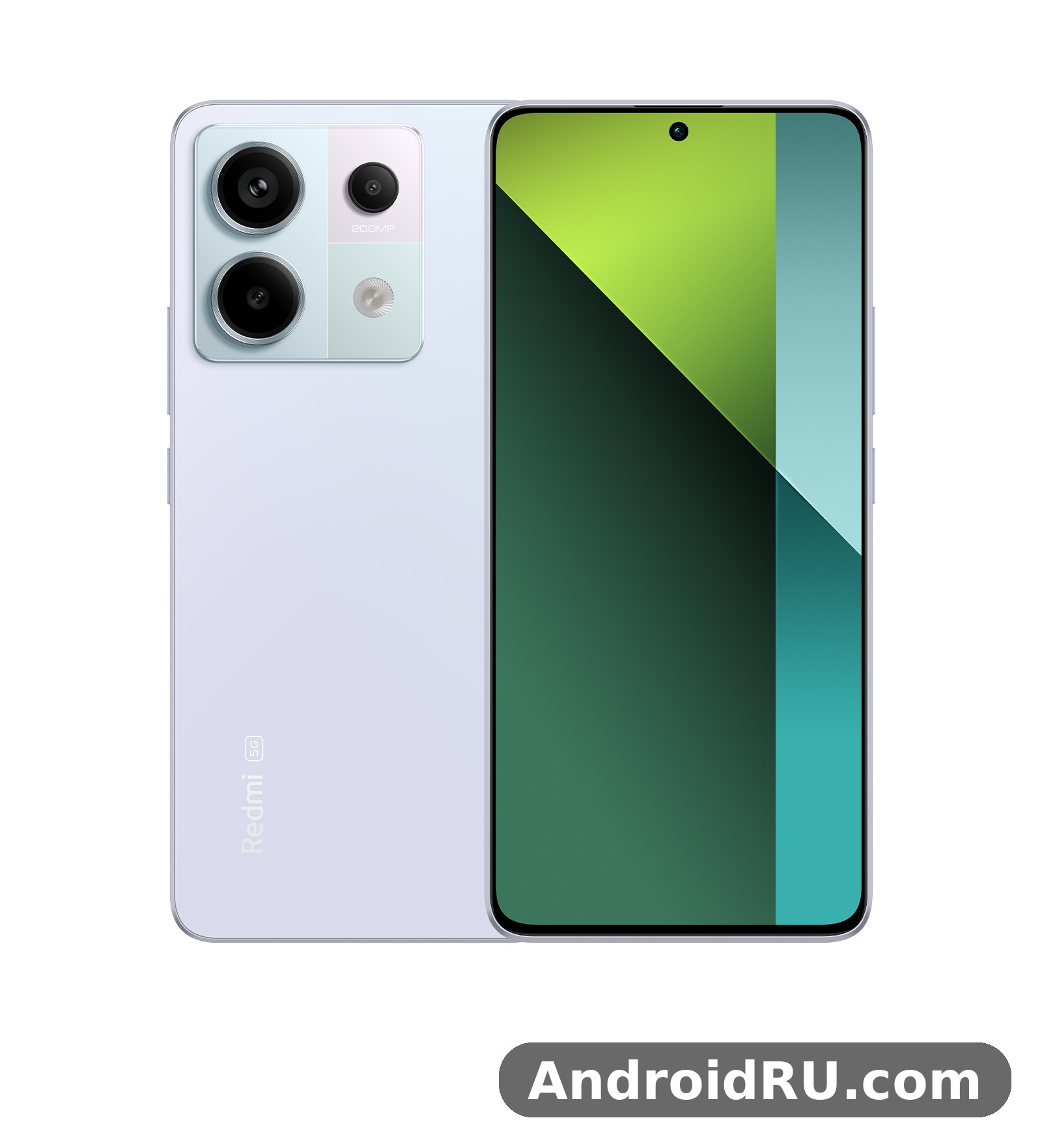
What makes this phone interesting is not one single feature. It is the combination: a 6.67-inch AMOLED panel with a 120Hz refresh rate and Dolby Vision, a 200MP main camera with optical image stabilisation, a 5100mAh battery with 67W wired charging, and a Snapdragon 7s Gen 2 chip that keeps the price in check. The Redmi Note 13 Pro 5G price and value for money equation is the real story here, because on paper it reads like a phone that should cost considerably more. The question this review answers is simple: does the daily experience live up to that paper promise, and where does it cut corners to hit its price?
Over the next sections you will find the screen tested in bright light, the chip pushed through games and heavy multitasking, the 200MP camera put through daylight and night shots, and the battery measured across full days of mixed use. You will also find the Redmi Note 13 Pro 5G specs in a complete table, a head-to-head comparison with its two closest siblings, and honest answers to the questions buyers actually ask before spending their money. If you are choosing between the three Note 13 5G models, or deciding whether this phone still makes sense now, start here.
Redmi Note 13 Pro 5G Display Quality: 120Hz AMOLED in Daily Use
The screen is the first thing you notice, and it stays the best reason to pick this phone. The Redmi Note 13 Pro 5G display is a 6.67-inch AMOLED panel with a 1220 x 2712 resolution, a 120Hz refresh rate, Dolby Vision support and a peak brightness rating of 1800 nits. That combination is rare at this price, and it changes how the phone feels in ordinary use: scrolling is smooth, text stays crisp while it moves, and video looks rich without any fiddling in settings. The Redmi Note 13 Pro 5G screen refresh rate 120Hz mode is adaptive in practice, dropping down when nothing moves so the battery does not pay for smoothness you cannot see.
Colour is another strength. The panel shows 68 billion colours, which sounds like a marketing number until you open a photo you took yourself and see the sky keep its gradient instead of banding into stripes. Dolby Vision content on supported apps looks noticeably deeper, with highlights that pop and shadows that keep detail. The Redmi Note 13 Pro 5G display quality in sunlight is good rather than perfect: the panel is rated at 1200 nits in high brightness mode, and independent measurements put real-world maximum brightness above 1300 nits, so menus and maps stay readable on a bright day. In direct summer sun you will still shade the screen with your hand now and then, but that is true of phones costing twice as much.
Brightness and outdoor visibility
Outdoor use is where brightness numbers stop being abstract. With auto brightness on, the panel ramps up quickly when you step outside, and the 1200 nits high brightness mode is enough for navigation, messaging and photography in daylight. The Redmi Note 13 Pro 5G screen stays legible at a glance even with sunglasses on, though polarised lenses can dim AMOLED panels a little at certain angles. At night the opposite matters: the panel can drop very low, and the 1920Hz PWM dimming keeps flicker down for sensitive eyes. If you read in bed, the low brightness floor is genuinely comfortable, and the reading mode warms the colour temperature without turning everything orange.
Colour, Dolby Vision and eye comfort
Out of the box the colour profile leans vivid, which suits video and games, while the standard profile is closer to natural if you edit photos or just prefer calmer tones. You can switch between vivid, saturated and standard profiles in settings, and each one is usable rather than a gimmick. Dolby Vision makes a visible difference on supported films and shows, holding detail in dark scenes that cheaper panels crush to black. The Redmi Note 13 Pro 5G display also carries Corning Gorilla Glass Victus, so the glass resists scratches from keys and coins in a pocket far better than the plastic-feeling screens on budget rivals. Add a screen protector and you have a panel that should look new for years.
For readers and commuters, the 120Hz refresh rate is the feature you feel every time you touch the phone. Web pages glide, app drawers snap open, and the whole interface feels a step quicker than the chip alone would suggest. That said, the refresh rate is only part of the story: touch sampling and animation tuning matter too, and Xiaomi has tuned this panel to respond quickly without feeling twitchy. The Redmi Note 13 Pro 5G display quality in sunlight, the colour depth and the smooth scrolling add up to a screen that punches above its price, and it is the single strongest argument for choosing this model over the cheaper Note 13 5G with its LCD panel.
Redmi Note 13 Pro 5G Speed: Snapdragon 7s Gen 2 Performance
Under the glass sits the Qualcomm Snapdragon 7s Gen 2, a 4nm chip with four Cortex-A78 performance cores at 2.40GHz and four Cortex-A55 efficiency cores at 1.95GHz, paired with an Adreno 710 GPU. The Redmi Note 13 Pro 5G Snapdragon 7s Gen 2 performance is firmly mid-range in the best sense: everyday tasks feel instant, apps open without hesitation, and switching between a dozen apps rarely forces a reload. The Redmi Note 13 Pro 5G performance in normal use is smooth enough that most owners will never think about the chip at all, which is exactly what a good mid-range chip should achieve.
Benchmarks back up that feeling without overstating it. Redmi Note 13 Pro 5G AnTuTu score benchmark results land around 520,000 to 580,000 depending on the version tested, while Geekbench scores sit near 2,700 multi-core. Those numbers place it clearly above budget chips and a step below true flagship silicon, which matches the price. In practice the gap only shows in the heaviest games at maximum settings, or in long video exports. For social apps, browsing, maps, streaming and office work, the phone keeps up with devices that cost far more.
Gaming on the Adreno 710
Gaming is where buyers ask the hardest questions, so here is the honest picture. The Redmi Note 13 Pro 5G gaming experience is good for popular titles at sensible settings: fast-paced shooters run smoothly at medium to high graphics, racing games hold their frame rates, and casual games never break a sweat. The Redmi Note 13 Pro 5G gaming performance and heating balance is well judged, because the chip is efficient rather than extreme. Push a demanding title to its highest graphics preset for an hour and you will see frame rates settle a little lower as the phone protects itself, but the game stays playable and the frame stays even.
Heat is the part many reviews skip, so it matters here. The Redmi Note 13 Pro 5G gaming performance and heating story is a calm one: after 30 minutes of a heavy game the back warms up but never gets uncomfortable to hold, and the 120Hz screen keeps motion smooth while the chip works. That is the advantage of a 4nm chip running at modest clocks. If you play competitively every day and want maximum frame rates at maximum settings, a gaming-focused phone with a flagship chip will serve you better. If you play for an hour on the commute and want a phone that stays cool and keeps its battery, this one fits. For a closer look at how its cheaper sibling handles the same games, see Redmi Note 13 5G Review: Gaming, Multitasking and Battery Life.
Heat and sustained load
Under sustained load the phone throttles gently instead of falling off a cliff. A long gaming session or a 4K video export will warm the upper half of the back, but performance drops gradually and the phone recovers quickly once the load eases. The plastic frame helps here, spreading warmth instead of concentrating it in one hot spot the way metal frames sometimes do. In daily use you will almost never trigger this at all: the chip idles efficiently, and the phone stays cool in a pocket, on a call, or while streaming video for hours.
RAM and storage choices
Memory is where the Redmi Note 13 Pro 5G specs give buyers real choice. The phone ships in 8GB and 12GB RAM versions, with some markets getting a 16GB option, and storage runs from 128GB to 256GB and 512GB. Redmi Note 13 Pro 5G storage options 256GB 512GB are the sweet spot for most buyers: 256GB holds years of photos, apps and offline video without constant housekeeping, while 512GB suits people who shoot a lot of 4K video. The Redmi Note 13 Pro 5G RAM keeps more apps alive in the background than the 8GB base model, so heavy multitaskers should pick 12GB if the price gap is small. The Redmi Note 13 Pro 5G storage uses UFS 2.2, and the Redmi Note 13 Pro 5G UFS 2.2 storage speed is quick for app installs and photo saves, even if it is not as fast as the UFS 3.1 or 4.0 storage in pricier phones. There is no microSD card slot, so choose your storage size at purchase time and treat it as permanent.
Multitasking deserves a word of its own. Split-screen apps, floating windows and quick switching all work without stutter on the 12GB model, and even the 8GB model handles two heavy apps side by side. HyperOS manages memory aggressively at times, closing background apps a little sooner than some rivals, but a quick settings change to lock important apps in memory fixes that for most people. The Redmi Note 13 Pro 5G performance story is not about winning benchmarks. It is about a phone that feels fast on day one and still feels fast a year later, because the chip, the screen and the software were tuned together rather than thrown together.
Redmi Note 13 Pro 5G Cameras: 200MP Main Sensor and Video
The camera system is the second headline feature, and it is built around a 200MP main sensor with optical image stabilisation, a sensor measuring 1/1.4 inch with an f/1.7 lens. The Redmi Note 13 Pro 5G camera uses pixel binning to combine sixteen pixels into one, producing bright 12.5MP photos by default, while a dedicated 200MP mode keeps full detail for landscapes and crops. This Redmi Note 13 Pro 5G camera quality review finds the main camera genuinely strong for the price: daylight shots are sharp, colours are lively without looking artificial, and dynamic range holds both sky and shadow in the same frame. The Redmi Note 13 Pro 5G photos from the main sensor look clean even when you zoom in on a screen, and the 2x in-sensor zoom gives a useful portrait length without a separate telephoto lens.
The supporting cameras are more modest, which is the honest trade-off at this price. An 8MP ultrawide with a 118-degree field of view handles landscapes and group shots, and a 2MP macro camera covers close-up subjects. The 16MP front camera handles selfies and video calls. Redmi Note 13 Pro 5G 200MP camera photo samples show the most detail in good light, and the phone leans on its big sensor and OIS to keep shots steady when light drops. The camera app is fast to open, focuses quickly, and offers a 200MP mode, a night mode, a portrait mode with adjustable blur, and a pro mode with manual controls for people who like to set exposure themselves.
Daylight and night mode results
In daylight the main camera rarely disappoints. Photos have crisp edges, natural skin tones and a pleasing amount of contrast, and the HDR processing keeps bright skies from blowing out while lifting shadows in the foreground. Redmi Note 13 Pro 5G night mode camera results are better than the price suggests: night mode takes a couple of seconds and produces brighter, cleaner images than the standard auto mode, with street lights kept under control and neon signs holding their colour. Noise is visible if you pixel-peep a dark sky, but on a phone screen or a social feed the results look impressive. The Redmi Note 13 Pro 5G night mode camera results hold up best when you hold still for the full capture, and the OIS helps a lot here, steadying the sensor while the shutter stays open.
Portrait mode deserves a mention too. The 2x in-sensor crop gives flattering framing for faces, and edge detection around hair is decent for a mid-range phone, even if a stray strand sometimes blurs into the background. The phone also handles food, pets and street scenes well, with colours that look good straight out of the camera and need little editing. If you compare this camera with the newer generation, the differences are smaller than the marketing suggests: for a detailed look at the follow-up model, see Redmi Note 14 5G Review: Camera Quality, Battery and Value.
Ultrawide, macro and selfie cameras
The ultrawide camera is the weakest link in bright light and the most useful one for travel. Redmi Note 13 Pro 5G ultrawide camera 8MP results show softer corners and less detail than the main sensor, which is normal for an 8MP ultrawide, but the wide field of view captures buildings, interiors and landscapes that the main camera simply cannot fit. Keep the horizon level and avoid the extreme edges of the frame, and the results are perfectly shareable. The Redmi Note 13 Pro 5G macro camera 2MP close up mode is a fun extra rather than a serious tool: it focuses very close and produces usable shots of flowers, textures and small objects in good light, but the 2MP resolution limits how far you can crop or print.
Selfies are handled by the 16MP front camera, and the Redmi Note 13 Pro 5G selfie camera 16MP portrait mode produces clean, well-exposed faces with a gentle beauty effect that can be turned down or off. Video calls look sharp, and the front camera records 1080p video at 30 or 60 frames per second, which is enough for vlogs and calls. The Redmi Note 13 Pro 5G video from the rear camera reaches 4K at 30 frames per second, and the Redmi Note 13 Pro 5G 4K video recording gyro EIS keeps handheld footage steady while you walk. Gyro-based stabilisation smooths out small shakes nicely, though fast pans still show a little wobble, so slow and steady movement gives the best clips.
Redmi Note 13 Pro 5G Battery Life and 67W Charging
Battery life is where this phone quietly wins over owners. The Redmi Note 13 Pro 5G battery is a 5100mAh cell, and the Redmi Note 13 Pro 5G battery life test numbers back up the real-world experience: independent active-use testing recorded around 10 hours and 16 minutes of mixed use, which translates into a full day for most people and a comfortable day and a half for lighter users. A Redmi Note 13 Pro 5G battery life test in everyday terms means a morning of messages and maps, an afternoon of streaming and browsing, and an evening of video, with charge left over at bedtime. Heavy users who game for hours or record lots of 4K video will still reach the evening, just with less margin.
The 120Hz screen and the 5G radio are the two biggest drains, and both are manageable. Dropping the refresh rate to 60Hz when you need maximum endurance adds meaningful hours, and the phone sips power on standby overnight, typically losing only a couple of percent. The Redmi Note 13 Pro 5G battery holds up well over months of use too, because the efficient 4nm chip does not need to work hard for ordinary tasks. If you are coming from an older phone with a tired battery, the difference feels dramatic on the first week.
A full day on 5100mAh
What does a full day actually look like? With mixed use, screen-on time of six to seven hours is realistic, covering social apps, video streaming, navigation and photography. The Redmi Note 13 Pro 5G charging story starts from that solid base: you are not topping up at lunch because the phone is dying, you are topping up because it is convenient. The 5100mAh battery is the foundation of the daily experience, and it is one of the reasons this model has stayed popular long after its launch. Even two years on, owners report that the battery still gets them through a day, which is not something every mid-range phone can claim.
Charging times in practice
When the battery does run low, the 67W wired charging is fast enough to change your habits. The Redmi Note 13 Pro 5G 67W charging speed test shows 50 percent in about 17 minutes and a full charge in around 44 minutes, with the 67W charger included in the box in most markets. The Redmi Note 13 Pro 5G charging speed means a quick top-up while you get ready in the morning adds hours of use, and a dead phone at lunch is usable again before you finish eating. The phone supports PD 3.0 charging, so third-party chargers work, though they may charge more slowly than the bundled brick. There is no wireless charging, which is the one omission at this price, but the wired speed makes it easy to forgive. Heat during charging stays moderate, and the battery care settings can slow overnight charging to protect long-term health.
Redmi Note 13 Pro 5G vs Redmi Note 13 Pro+ 5G and Note 13 5G
Three phones share the Note 13 name and the 5G badge, and buyers mix them up constantly, so here is the straight comparison. The Redmi Note 13 Pro 5G vs Redmi Note 13 Pro Plus question comes down to charging speed, water resistance and the curve of the screen: the Pro+ adds 120W charging, IP68 protection and a curved display with a Dimensity 7200 Ultra chip, but it costs more and drops the 3.5mm headphone jack. The Note 13 5G, at the other end, is cheaper and uses a Dimensity 6080 chip, a 108MP camera and a 33W charger, with an LCD screen instead of AMOLED. The Note 13 Pro 5G sits in the middle with the best balance of screen, camera and price for most people.
| Feature | Redmi Note 13 Pro 5G | Redmi Note 13 Pro+ 5G | Redmi Note 13 5G |
|---|---|---|---|
| Chipset | Snapdragon 7s Gen 2 (4nm) | Dimensity 7200 Ultra (4nm) | Dimensity 6080 (6nm) |
| Display | 6.67-inch AMOLED, 120Hz, 1800 nits peak, flat | 6.67-inch AMOLED, 120Hz, 1800 nits peak, curved | 6.67-inch IPS LCD, 120Hz |
| Main camera | 200MP, f/1.7, OIS | 200MP, f/1.7, OIS | 108MP, f/1.8 |
| Battery and charging | 5100mAh, 67W wired | 5000mAh, 120W wired | 5000mAh, 33W wired |
| Water resistance | IP54 splash resistant | IP68 dust and water resistant | IP54 splash resistant |
| Headphone jack | Yes, 3.5mm | No | Yes, 3.5mm |
| Weight | 187 grams | About 187 to 205 grams by finish | About 174 grams |
| Best for | Best balance of screen, camera and price | Fastest charging and strongest protection | Lowest price with 5G and a big screen |
The verdict per buyer is simple. Pick the Note 13 Pro 5G if you want the AMOLED screen, the 200MP camera and the headphone jack without paying for the Pro+ extras. Pick the Pro+ if 120W charging and IP68 protection matter more to you than the jack, and you are happy to pay the premium. Pick the Note 13 5G if the budget is tight and you can live with an LCD screen and a slower charger. For a deeper look at the top model in this family, see Redmi Note 13 Pro+ 5G Review: Screen Quality, Cameras and Charging, and for the newer generation that followed it, the Redmi Note 14S Review: Display, Audio and Overall Experience shows how the series moved on.
Full Specifications
The Redmi Note 13 Pro 5G full specifications and features are listed in the table below, covering the screen, the chip, the memory, the cameras, the battery and the connections. The Redmi Note 13 Pro 5G features include the 200MP main camera, the 120Hz AMOLED panel and 67W charging, and the Redmi Note 13 Pro 5G specs show a balanced mid-range package with few weak spots: the screen and the camera lead, the battery and charging are strong, and the only real compromises are the UFS 2.2 storage and the lack of wireless charging. At the heart of the phone is the 200MP main camera with OIS, and the 6.67-inch AMOLED panel is the part you will look at most, so those two features carry the experience. Use the table to compare this phone against any rival before you buy, and check the official page for the exact variant sold in your country, since RAM, storage and NFC can vary by region.
| Specification | Redmi Note 13 Pro 5G |
|---|---|
| Launch | Announced 21 September 2023; released 21 September 2023 in China, global from January 2024 |
| Display | 6.67-inch AMOLED, 68 billion colours, 120Hz, 1920Hz PWM, Dolby Vision, 500 nits typical, 1200 nits high brightness mode, 1800 nits peak, 1220 x 2712 pixels, 446 ppi, Gorilla Glass Victus |
| Chipset | Qualcomm Snapdragon 7s Gen 2 (4nm), octa-core 4×2.40GHz Cortex-A78 and 4×1.95GHz Cortex-A55 |
| GPU | Adreno 710 |
| RAM and storage | 8GB, 12GB or 16GB RAM; 128GB, 256GB or 512GB storage, UFS 2.2; no microSD card slot |
| Operating system | Android 13 at launch, upgradable to Android 16 with HyperOS 3, up to 3 major OS updates |
| Rear cameras | 200MP wide f/1.7 with OIS and multi-directional PDAF, 8MP ultrawide f/2.2 at 118 degrees, 2MP macro; dual-LED flash, HDR, panorama |
| Rear video | 4K at 30fps, 1080p at 30, 60 and 120fps, gyro-EIS |
| Front camera | 16MP f/2.4 wide, HDR, panorama; 1080p video at 30 and 60fps |
| Battery | Li-Po 5100mAh, 67W wired charging with PD 3.0, 50 percent in about 17 minutes, full charge in about 44 minutes; no wireless charging |
| Audio | Stereo speakers, 3.5mm headphone jack, 24-bit and 192kHz Hi-Res audio and Hi-Res wireless audio |
| Connectivity | 5G SA and NSA, Wi-Fi 802.11 a/b/g/n/ac dual-band, Bluetooth 5.2 with A2DP and LE, NFC (market dependent), infrared port, USB Type-C 2.0 with OTG, GPS, GLONASS, Galileo, BeiDou and QZSS |
| Sensors | Under-display optical fingerprint sensor, accelerometer, gyro, compass, virtual proximity sensing |
| Body | 161.2 x 74.2 x 8mm, 187 grams, glass front with Gorilla Glass Victus, plastic frame, glass back, IP54 splash resistance |
| SIM | Nano-SIM plus eSIM, or dual Nano-SIM, depending on region |
| Colours | Midnight Black, Aurora Purple (Coral Purple), Ocean Teal, Arctic White, Olive Green, Scarlet Red |
| Models | 2312DRA50C, 2312CRAD3C, 2312DRA50G, 2312DRA50I |
Design, Audio and Everyday Details
The design is clean and understated, with a flat glass front, a plastic frame and a glass back that looks more expensive than it is. Redmi Note 13 Pro 5G dimensions weight 187 grams reads as 161.2 x 74.2 x 8mm and 187 grams on paper, and in the hand the phone feels balanced rather than heavy, with the weight spread evenly instead of sitting at the top. The Redmi Note 13 Pro 5G weight is light enough for one-handed use most of the time, though the 6.67-inch screen means your thumb will not reach the top corner without a shuffle. The Redmi Note 13 Pro 5G design keeps the camera module slim and tidy, so the phone sits almost flat on a table and does not rock while you type.
Colour choice is generous. Redmi Note 13 Pro 5G colours Midnight Black Ocean Teal and the rest of the range include Midnight Black, Aurora Purple (also called Coral Purple in some markets), Ocean Teal, Arctic White, Olive Green and Scarlet Red. The Redmi Note 13 Pro 5G colors range from quiet to bold, so there is a finish for people who want the phone to disappear and for people who want it noticed. The Redmi Note 13 Pro 5G durability is helped by Gorilla Glass Victus on the front: the Redmi Note 13 Pro 5G Gorilla Glass Victus screen protection resists scratches from everyday pocket items, and the Redmi Note 13 Pro 5G IP54 splash resistance rating means rain and splashes are not a worry, even if the phone is not rated for swimming or submersion.
Audio, headphone jack and speakers
Audio is a genuine highlight. Redmi Note 13 Pro 5G headphone jack stereo speakers is a combination many rivals have dropped, and this phone keeps both: a 3.5mm jack for wired headphones and stereo speakers for everything else. The Redmi Note 13 Pro 5G audio from the speakers is loud and clear, with a measured loudness that independent tests rated very good, and the stereo separation makes video and games feel wider than a single speaker ever could. The Redmi Note 13 Pro 5G speakers handle voices cleanly at high volume without harsh distortion, and Hi-Res audio support means wired headphones get a clean, detailed signal. If you still own good wired earphones, this phone respects them.
Connectivity, sensors and small extras
Redmi Note 13 Pro 5G connectivity covers everything a daily driver needs. The Redmi Note 13 Pro 5G WiFi Bluetooth 5.2 connectivity package includes dual-band Wi-Fi, Bluetooth 5.2 with low-energy support, and broad 5G band support for international and Indian variants, so the phone stays connected on most networks worldwide. Redmi Note 13 Pro 5G NFC support region dependent is the one detail to check before you buy: NFC is present in most markets but can vary, so confirm it if you rely on contactless payments. Redmi Note 13 Pro 5G dual SIM eSIM support depends on the variant too, with some models offering Nano-SIM plus eSIM and others offering two Nano-SIM slots. The Redmi Note 13 Pro 5G infrared blaster remote control is a small extra that owners end up loving: point the phone at a television or air conditioner and control it from the Mi Remote app, which is handy in hotels and living rooms alike. The Redmi Note 13 Pro 5G fingerprint sensor under display is optical, fast and reliable once you register the same finger twice, and face unlock works as a quick backup, and the sensor sits at a comfortable height for your thumb.
Software and updates
The phone launched with Android 13 and MIUI, and has moved to HyperOS with an upgrade path to Android 16 and HyperOS 3, with up to three major OS updates promised. The Redmi Note 13 Pro 5G software update HyperOS Android 16 path matters for longevity, because a phone bought now should still feel current in two years. The Redmi Note 13 Pro 5G update history so far has been steady, with security patches and HyperOS refinements arriving regularly. The Redmi Note 13 Pro 5G software is feature-rich, with floating windows, a second space, app cloning and a deep set of customisation options, though it also ships with some pre-installed apps you may want to remove on day one. The Redmi Note 13 Pro 5G software experience rewards a little setup time: spend twenty minutes removing what you do not need, setting the refresh rate and locking your important apps in memory, and the phone feels like it was made for you. As a Redmi phone in the mid-range, it carries the usual Xiaomi balance of many features and a little clutter, and the balance tips in your favour once you tidy it up.
Pros and Cons of the Redmi Note 13 Pro 5G
No phone is perfect, and this one is honest about its trade-offs. The strengths are easy to list, and the weaknesses are easy to live with once you know them. Here is the balanced picture after weighing the screen, the speed, the cameras and the battery together.
What it does well
- Bright 120Hz AMOLED display with Dolby Vision and Gorilla Glass Victus, which is the best screen in its price class.
- 200MP main camera with OIS that takes sharp daylight photos and capable night shots.
- 5100mAh battery that lasts a full day, with 67W wired charging that refills half the battery in about 17 minutes.
- Headphone jack, stereo speakers, infrared blaster and IP54 splash resistance in one package.
- Clean, balanced design at 187 grams with a good range of colours.
- Three major OS updates promised, taking it to Android 16 with HyperOS 3.
Where it falls short
- No wireless charging, which some rivals at similar prices now offer.
- Ultrawide and macro cameras are much weaker than the main sensor.
- UFS 2.2 storage is slower than the UFS 3.1 or 4.0 storage in pricier phones.
- No microSD card slot, so storage cannot be expanded later.
- NFC and eSIM support vary by region, so check your local variant before buying.
- Some pre-installed apps need removing on first setup.
Who should buy it? Anyone who wants a bright screen, a strong main camera and a full-day battery without paying flagship money, and who values a headphone jack and an infrared blaster. Who should skip it? Competitive mobile gamers who need maximum frame rates at maximum settings, and people who need wireless charging or a strong ultrawide camera every day. The Redmi Note 13 Pro 5G value case is strongest for buyers who use the main camera most, watch a lot of video, and charge quickly when they need to. For perspective on how the previous generation balanced the same trade-offs, see Redmi Note 12 Pro+ 5G Review: Strengths, Trade-Offs and Everyday Use.
Frequently Asked Questions
Is the Redmi Note 13 Pro 5G good for gaming?
Yes, for most games. The Snapdragon 7s Gen 2 and Adreno 710 handle popular titles smoothly at medium to high settings, and the 120Hz screen keeps motion fluid. Demanding games at maximum graphics will run, but frame rates may settle lower during long sessions as the phone manages heat. Casual and mid-weight games never struggle, and the phone stays comfortable to hold during long sessions.
Does the Redmi Note 13 Pro 5G have a headphone jack?
Yes. The phone keeps a 3.5mm headphone jack alongside stereo speakers, which is increasingly rare. You can use wired earphones without an adapter, and the Hi-Res audio support means wired listening sounds clean and detailed. Bluetooth 5.2 covers wireless headphones too, with low-energy support for modern earbuds.
How long does the Redmi Note 13 Pro 5G battery last?
For most people, a full day with charge to spare. Independent active-use testing recorded around 10 hours and 16 minutes of mixed use, and real-world screen-on time of six to seven hours is realistic. Lighter users can stretch it into a second day, while heavy gaming or long 4K recording sessions will bring it closer to a single day. The 67W charger refills 50 percent in about 17 minutes, so a quick top-up covers most emergencies.
Will the Redmi Note 13 Pro 5G get HyperOS and Android 16?
Yes. The phone launched on Android 13 and is promised up to three major OS updates, with an upgrade path to Android 16 and HyperOS 3. HyperOS updates and security patches have arrived steadily since launch. Check the updater in settings for the latest version available in your region, since rollout timing varies by market.
Is the Redmi Note 13 Pro 5G waterproof?
Not fully. The phone carries an IP54 rating, which means protection against dust and water splashes, including rain. It is not rated for submersion, so do not take it swimming or use it in the shower. If water resistance matters more than the headphone jack, the Note 13 Pro+ 5G with its IP68 rating is the model to look at instead.
The Redmi Note 13 Pro 5G verdict is a positive one with clear eyes about the compromises. This is a phone that gets the big things right: a bright 120Hz AMOLED screen, a 200MP camera that earns its headline number, a battery that lasts the day, and charging fast enough that a low battery is a ten-minute problem rather than an evening problem. The Snapdragon 7s Gen 2 keeps everything moving without fuss, the headphone jack and infrared blaster are small features that owners miss the moment they are gone, and the update promise to Android 16 gives the phone a long useful life. Check the current price in your market, confirm NFC and the exact RAM and storage variant for your region, and if the screen and camera matter most to you, this is still one of the smartest buys in the mid-range. That is the whole point of this Note 13 Pro review: a balanced phone, honestly priced, that does its best work quietly every day.

