

Redmi 13C 5G Review: App Performance and Camera Quality
Xiaomi announced the Redmi 13C 5G on 6 December 2023 and released it on 16 December 2023, pitching it as one of the most affordable routes into 5G. This Redmi 13C 5G review of app performance and camera quality looks at the two areas buyers ask about first, and it does so after the phone has spent years on the market, so the Redmi 13C 5G long term review after years of daily use angle matters as much as the launch specifications. The Redmi 13C 5G release date December 2023 and availability across India and global markets gave budget buyers an early taste of 5G at a price near 150 euros. The Redmi 13C 5G price and specifications for budget buyers still make sense on paper: a MediaTek Dimensity 6100+ chip, a 50MP main camera, a 6.74-inch 90Hz display and a 5000mAh battery, all wrapped in a design that costs far less than most 5G phones did when it launched.
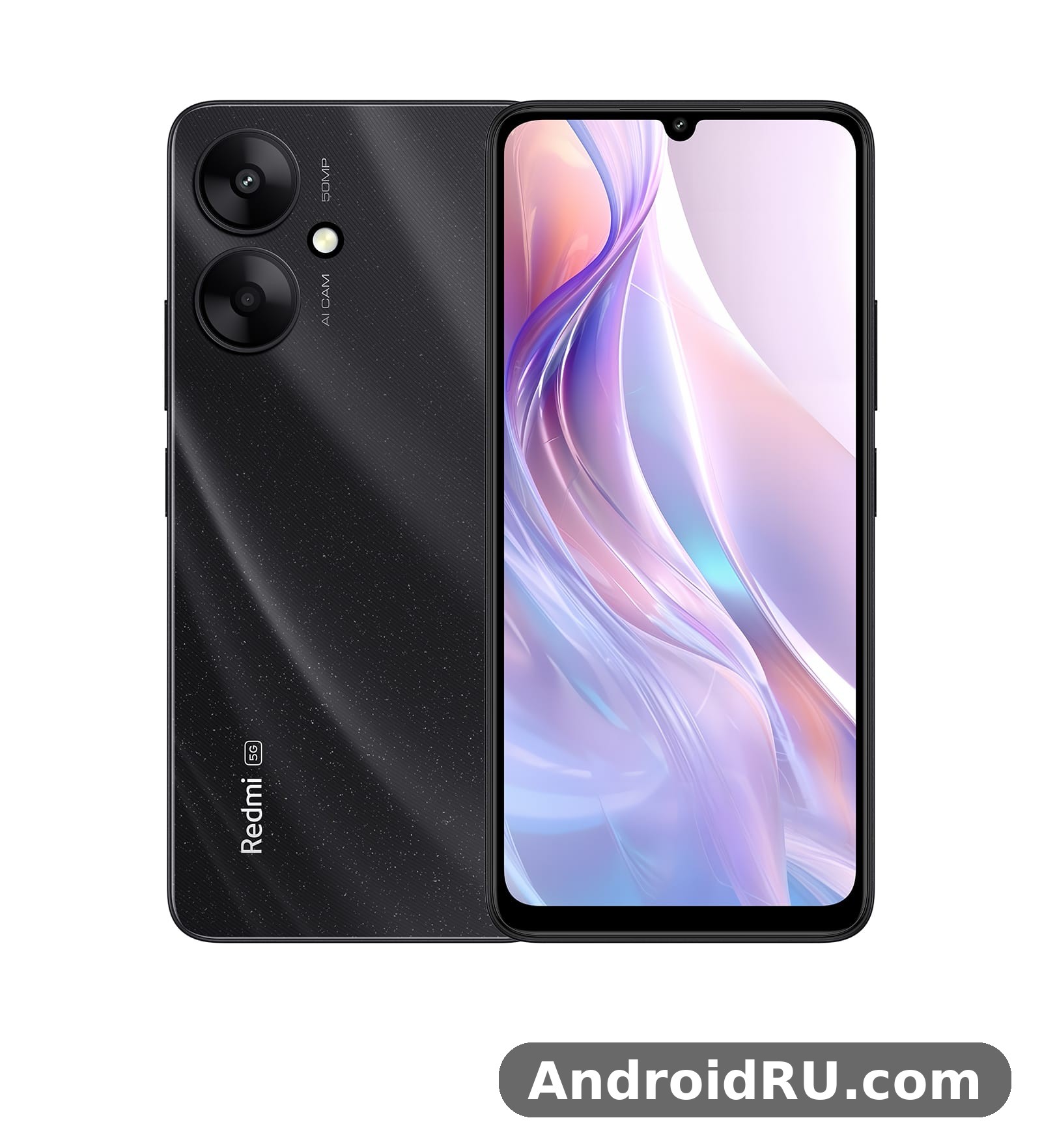
A Redmi 13C 5G review has to start with honest expectations. This is a budget phone, and the Redmi 13C 5G specs show that clearly: a 720p screen, a single useful rear camera, 18W charging and a plastic body. The question is whether the Redmi 13C 5G performance and the Redmi 13C 5G camera are good enough for the people this phone is made for: first-time smartphone buyers, students, parents buying a phone for a teenager, and anyone who wants 5G without a mid-range price tag. This phone is a dependable budget phone for everyday use, and the rest of this review covers design, display, app speed, gaming, cameras, battery, software and the full specifications, so you can judge the whole package before you spend money on it.
The Redmi 13C 5G unboxing is simple and practical. The box holds the phone, a USB-C cable, a SIM ejector tool and, in most regions, a protective case and a charger, so most buyers can start using the phone straight away. The Redmi 13C 5G features list on the box reads like a much more expensive phone: 5G, a 90Hz display, a 50MP camera and a side-mounted fingerprint sensor. The Redmi 13C 5G design keeps things plain, with a flat plastic back, a large camera module and a waterdrop notch at the top of the screen. Nothing about the first impression feels cheap in the hand, even if the materials are simple.
Design and Build Quality
The Redmi 13C 5G dimensions are 168.1 x 77.9 x 8.2 mm, which makes it a tall phone, and the Redmi 13C 5G weight is 192 g in most markets and 195 g in some regions. It is a large phone by any measure, and the 6.74-inch screen is the reason for that size. The flat sides and the rounded corners make it easy to hold for long stretches, and the plastic back has a subtle pattern that hides fingerprints better than a glossy finish would. Buyers coming from an older budget phone will notice the step up at once, and our Redmi 10 Review: Display, Cameras and Budget Trade-Offs shows how far the budget line has moved since that model.
In the Hand: Size, Weight and Materials
The front is protected by Corning Gorilla Glass 3, while the frame and the back are plastic. The Redmi 13C 5G Gorilla Glass 3 protection against scratches daily is a genuine plus at this price, because many budget phones ship with plain glass that marks up fast. The Redmi 13C 5G durability is reasonable for the price: the phone is splash and dust resistant, the buttons feel firm, and the side-mounted fingerprint sensor sits exactly where the thumb rests. The Redmi 13C 5G 192 gram weight comfort during long gaming sessions is reasonable for a phone with a screen this large, and the weight is balanced well enough that the phone does not feel top-heavy.
Colours and Finishing Touches
The Redmi 13C 5G colors include Starry Black, Twilight Blue, Starry Silver, Startrail Green and Startrail Silver, with some shades sold only in certain regions. The Redmi 13C 5G Starry Black color design and plastic back finish looks neat and restrained, while the Startrail shades add a subtle striped pattern that catches the light. The camera module is a large rounded square in the top corner, and it holds the 50MP main camera and the small auxiliary lens. The waterdrop notch keeps the front tidy, and the bottom bezel is thicker than the rest, which is normal for a phone at this price.
Connectivity, Speakers and Everyday Extras
Redmi 13C 5G connectivity covers dual-band Wi-Fi, Bluetooth 5.3, GPS, GLONASS, Galileo and BDS, FM radio and USB Type-C 2.0 with OTG, and NFC is present in some regions. The Redmi 13C 5G network connectivity speed and coverage in cities is solid for a budget 5G phone, with wide band support on the international model, and the Redmi 13C 5G dual SIM 5G standby for work and personal numbers is a practical bonus for buyers who carry two numbers. The Redmi 13C 5G speaker quality and 3.5mm headphone jack sound will please buyers who still use wired earphones, because the headphone jack is still here while many pricier phones have dropped it. The Redmi 13C 5G audio through the single loudspeaker is loud enough for videos and calls, though it is a single speaker, so sound stays thin at high volume. The Redmi 13C 5G FM radio and Bluetooth 5.3 connectivity features round out a generous extras list for a phone at this price.
Display: Big Screen, Modest Resolution
The screen is a 6.74-inch IPS LCD with a resolution of 720 x 1600 pixels, a 90Hz refresh rate, 450 nits of typical brightness and 600 nits in high brightness mode. The Redmi 13C 5G display is big and bright enough for daily use, and the 90Hz refresh rate is the feature that makes it feel more expensive than it is. The Redmi 13C 5G 90Hz display review for video and scrolling finds the higher refresh rate is the best part of the screen: menus glide, web pages scroll with less blur, and the phone feels responsive in a way that a 60Hz budget screen does not. The Redmi 13C 5G 720p display sharpness compared to Full HD phones is the main compromise here, because text and fine detail are softer than on a 1080p panel, though most buyers will only notice it when they hold the two side by side.
90Hz Refresh Rate in Daily Use
The 90Hz mode works across the interface, the browser and most apps, and it makes the phone feel lively from the first swipe. Scrolling through social feeds is smooth, and animations look natural rather than choppy. The refresh rate drops back when the screen is idle, which helps the battery, and buyers can switch to 60Hz in settings if they want the longest possible battery life. For a phone at this price, the 90Hz panel is one of the strongest reasons to choose it over older budget models.
Brightness Outdoors
Outdoor brightness is adequate rather than outstanding. The 600 nits high brightness mode keeps the screen readable in shade and on cloudy days, but direct sunlight washes the panel out and forces the brightness to maximum. The IPS panel keeps colours natural at an angle, and the screen stays usable for maps and messages outdoors, even if it is not the brightest budget screen on sale.
Watching Video and Reading
The large screen is a good fit for video, and streaming apps look fine at 720p on a panel of this size. Reading is comfortable too, with large text and a wide viewing area, and the 20:9 shape suits split-screen work and long articles. The waterdrop notch is small enough to ignore after a day or two, and the thin side bezels keep the phone feeling modern despite the thick chin at the bottom.
App Performance with the Dimensity 6100+
The Redmi 13C 5G Dimensity 6100+ performance for everyday apps is the heart of this review. The chip is built on a 6 nm process, with two Cortex-A76 cores at 2.2 GHz for heavy work and six Cortex-A55 cores at 2.0 GHz for light tasks, plus a Mali-G57 MC2 graphics processor. That layout is a big step up from the Helio chips used in older budget Redmi phones, and it shows in daily use: apps open fast, switching between apps is quick, and the interface rarely stutters. The Redmi 13C 5G UFS 2.2 storage speed for app loading times is another clear step up from the slower storage used in cheaper phones, because apps install faster and large games load in less time. Compared with the Helio chip in our Redmi 12C Review: Everyday Speed, Cameras and Value, the Dimensity 6100+ is a clear step forward, and it is the main reason this phone feels faster than its price suggests.
Everyday Apps and Multitasking
Social apps, messaging, maps, email and the browser all run without fuss, and the phone handles a dozen apps in memory without constant reloading on the higher RAM models. The Redmi 13C 5G 6GB RAM variant performance for multitasking apps is the sweet spot for most buyers, because it keeps more apps alive in the background than the 4GB model while costing less than the 8GB model. The Redmi 13C 5G 8GB RAM 256GB storage variant value for money is best for buyers who keep lots of photos, videos and apps on the phone, and it is the version to pick if the price gap is small. The Redmi 13C 5G storage options with microSD card expansion mean even the 128GB model can grow, because the dedicated microSDXC slot takes a card without giving up a SIM slot. The Redmi 13C 5G RAM and the Redmi 13C 5G storage choices are simple: buy the 6GB model for daily use, and buy the 8GB model if you keep your phone for years.
Gaming on the Mali-G57 GPU
Redmi 13C 5G gaming is best suited to casual titles, and that is where most buyers will spend their time. Light games run at smooth frame rates, and popular online games are playable at medium settings with steady performance. The Redmi 13C 5G gaming performance for casual mobile games is genuinely good for the price, and the large screen and the 90Hz display make casual play more enjoyable. Heavy 3D games need low graphics settings and still drop frames in busy scenes, so buyers who play demanding titles every day should look at a phone with a stronger graphics chip. This phone is smooth for daily apps and light games, and that covers the gaming most budget buyers actually do.
Heat and Sustained Performance
The phone stays cool during normal use, and even long gaming sessions only make the back mildly warm. The 6 nm chip is efficient, and the phone does not throttle hard when it gets warm, so performance stays steady over a long session. The plastic body helps here too, because it spreads heat evenly and never feels hot to hold.
Camera Quality: The 50MP Main Camera
The Redmi 13C 5G 50MP camera quality in daylight and low light is where this phone earns its price. The main camera is a 50MP sensor with an f/1.8 lens and phase detection autofocus, joined by a small auxiliary lens, and the front camera is a 5MP sensor with an f/2.2 lens. There is no ultrawide camera and no optical zoom, so the phone keeps things simple and puts all of its effort into one main camera. The Redmi 13C 5G camera produces natural colours and decent detail in good light, and the camera app is fast enough that you rarely miss a shot. This phone delivers good daylight photos for the price, and that is the honest summary of the camera.
Daylight Photos
In daylight the 50MP camera takes sharp, well-exposed photos with natural colours and a good sense of depth. Landscapes, street scenes and food photos all look pleasing, and the HDR mode handles bright skies and dark shadows without making the image look artificial. Detail holds up well when you zoom into a photo on screen, and the autofocus locks on quickly, even on moving subjects like children and pets. The camera is at its best outdoors, and most buyers will be happy with the daylight results.
Low Light and Night Mode
Low light is where the budget limits show. Photos taken indoors or at dusk are softer and noisier, and fine detail fades as the phone raises the sensitivity to gather more light. The Redmi 13C 5G night mode helps in dim restaurants and on dark streets, because it takes several frames and blends them into a brighter image with less noise, though it needs a steady hand and a still subject. Results are usable for social posts, but they are not in the same class as a mid-range phone with a larger sensor and optical stabilisation.
Portrait Mode and the 5MP Selfie Camera
Redmi 13C 5G portrait shots use software blur to separate the subject from the background, and the results are decent in good light, with clean edges on faces and a pleasant background blur. The Redmi 13C 5G selfie results in good light are decent for video calls and social posts, with natural skin tones and enough detail for a profile photo, though they soften quickly when the light drops. The Redmi 13C 5G 5MP front camera selfie quality in good light is decent for video calls and social posts, with natural skin tones and enough detail for a profile photo, though it softens quickly when the light drops. The Redmi 13C 5G camera samples portrait mode and night mode show the same pattern across the whole camera system: strong in good light, average when the light fades. The newer sibling covered in our Redmi 14C Review: Everyday Speed, Cameras and Value takes a similar approach to budget photography, with one good main camera and simple software modes.
Video Recording at 1080p
Redmi 13C 5G video tops out at 1080p at 30 frames per second on both the rear and the front camera, and there is no 4K option. The Redmi 13C 5G 1080p video recording quality without stabilization is usable for short clips, family videos and social posts, but walking while filming produces visible shake, and panning fast makes the footage judder. For still subjects and short clips the video looks clean, with natural colours and steady exposure, and the front camera records video calls clearly in good light.
Battery Life and 18W Charging
The battery is a 5000mAh cell with 18W wired charging over USB-C with Power Delivery support. Redmi 13C 5G battery life with 5000mAh battery all day is the promise on the box, and the phone lives up to it: a full charge lasts a whole day of heavy use, and light users can stretch it to two days. The Redmi 13C 5G battery is helped by the efficient 6 nm chip and the 720p screen, which draws less power than a 1080p panel would. The Redmi 13C 5G charging is the weak point of the package, because 18W is slow by current standards, and the Redmi 13C 5G 18W charging time from empty to full is close to two hours, so overnight charging or a top-up during the day is the practical routine.
How Long the 5000mAh Battery Lasts
With mixed use, including messaging, browsing, video and some gaming, the phone ends a long day with charge to spare, and most buyers will not need a charger before bedtime. Video streaming drains the battery at a steady pace, and the 90Hz refresh rate costs a little extra power, so switching to 60Hz adds a useful margin on long days away from a charger. Standby drain is low, and the phone loses very little charge overnight, which is one of the quiet strengths of the Dimensity 6100+ platform.
Software: MIUI 14 to HyperOS 2
The phone launched with Android 13 and MIUI 14, and it is upgradable to Android 15 with HyperOS 2, which is a solid update record for a budget phone. The Redmi 13C 5G software update to Android 15 HyperOS 2 brings a cleaner look, smoother animations and a tidier control centre, and the Redmi 13C 5G HyperOS experience feels more modern than the MIUI 14 software the phone shipped with. The Redmi 13C 5G software is familiar to anyone who has used a Xiaomi phone, with a large app drawer, a custom control centre and a set of preinstalled apps, some of which can be removed. The Redmi 13C 5G update history shows Xiaomi still supports this model years after launch, and the Redmi 13C 5G photo quality after the HyperOS 2 update is largely unchanged, which is expected, because the camera hardware sets the limits. The Redmi 13C 5G fingerprint sensor and face unlock speed are both quick, and the Redmi 13C 5G fingerprint reader unlocks the phone in a fraction of a second. The Redmi 13C 5G side mounted fingerprint sensor reliability over time has held up well, with few failed reads once the finger is registered twice for better coverage.
Android 15 Update and What Changed
The Android 15 update with HyperOS 2 refreshes the lock screen, the icons and the quick settings, and it improves the way the phone manages background apps, which helps battery life. Some preinstalled apps and occasional suggestions in system apps are still part of the experience, and buyers who dislike them can remove or disable most of them in settings. Security patches have continued to arrive, and the phone remains safe to use as a daily device, which matters for a budget phone that buyers often keep for years.
Full Specifications
| Feature | Redmi 13C 5G |
|---|---|
| Launch | Announced 6 December 2023, released 16 December 2023 |
| Display | 6.74-inch IPS LCD, 90Hz, 720 x 1600 pixels, 450 nits typical, 600 nits HBM, Corning Gorilla Glass 3 |
| Chipset | MediaTek Dimensity 6100+ (6 nm) |
| CPU | Octa-core (2 x 2.2 GHz Cortex-A76 and 6 x 2.0 GHz Cortex-A55) |
| GPU | Mali-G57 MC2 |
| RAM | 4GB, 6GB, 8GB |
| Storage | 64GB, 128GB, 256GB, UFS 2.2, microSDXC dedicated slot |
| Main camera | 50 MP, f/1.8, 28mm wide, PDAF, auxiliary lens, LED flash, HDR, 1080p at 30fps video |
| Selfie camera | 5 MP, f/2.2, HDR, 1080p at 30fps video |
| Battery | 5000 mAh, 18W wired charging, PD |
| Operating system | Android 13, MIUI 14, upgradable to Android 15, HyperOS 2 |
| Dimensions | 168.1 x 77.9 x 8.2 mm |
| Weight | 192 g or 195 g |
| Build | Glass front (Gorilla Glass 3), plastic frame, plastic back, splash and dust resistant |
| SIM | Nano-SIM + Nano-SIM, dual SIM 5G standby |
| Connectivity | 5G, Wi-Fi 802.11 a/b/g/n/ac dual-band, Bluetooth 5.3, GPS, GLONASS, GALILEO, BDS, NFC (market dependent), FM radio, USB Type-C 2.0 OTG |
| Sensors | Fingerprint (side-mounted), accelerometer, compass, virtual proximity sensing |
| Audio | Loudspeaker, 3.5mm headphone jack |
| Colours | Starry Black, Twilight Blue, Starry Silver, Startrail Green, Startrail Silver, Starlight Black |
| Models | 23124RN87G, 23124RN87I, 23124RN87C |
| Price | About 150 euros at launch |
Pros and Cons
Pros
- Affordable 5G with wide band support for a budget phone
- Dimensity 6100+ chip keeps everyday apps smooth
- 50MP main camera takes good daylight photos
- Large 6.74-inch 90Hz display feels lively
- 5000mAh battery lasts a full day and often two
- MicroSD card slot and 3.5mm headphone jack are still here
- Upgradable to Android 15 with HyperOS 2
Cons
- 720p display is softer than Full HD panels
- 18W charging is slow and a full charge takes close to two hours
- 5MP selfie camera is basic in low light
- No ultrawide camera and no 4K video
- Video has no stabilisation, so walking footage shakes
- Plastic body and thick bottom bezel feel plain
Frequently Asked Questions
Is the Redmi 13C 5G good for gaming?
It is good for casual games and popular online titles at medium settings, where the Dimensity 6100+ and the 90Hz display keep play smooth. Heavy 3D games need low graphics settings, so buyers who play demanding titles every day should consider a phone with a stronger graphics chip.
Does the Redmi 13C 5G have a good camera?
The 50MP main camera is good in daylight, with sharp photos and natural colours, and the night mode helps in dim light. The 5MP selfie camera is decent in good light, but low light photos are softer and noisier, which is normal for a phone at this price.
How long does the Redmi 13C 5G battery last?
The 5000mAh battery lasts a full day of heavy use and up to two days with light use, thanks to the efficient chip and the 720p screen. Charging is slow at 18W, so a full charge takes close to two hours.
Will the Redmi 13C 5G get Android 15?
Yes, the phone is upgradable to Android 15 with HyperOS 2, and the update brings a cleaner interface and smoother animations. The phone launched with Android 13 and MIUI 14, so the Android 15 update is a solid record of support for a budget model.
Verdict: Who Should Buy the Redmi 13C 5G
The Redmi 13C 5G verdict is simple: this is easy to recommend for budget 5G buyers who want a big screen, a long-lasting battery and a capable daylight camera without paying mid-range money. Redmi 13C 5G vs Redmi 12 5G which one to buy is a common question, and the answer is the 13C 5G for most buyers, because the newer chip and the 90Hz display make daily use feel faster, while our Redmi 12 5G Review: Build Quality, Battery and Daily Use covers the older model for anyone comparing the two. The Redmi 13 5G Review: Everyday Speed, Cameras and Value covers the close sibling that sits a step above this phone, and it is worth reading if the price gap between the two is small in your market. The 720p screen and the slow charging are real trade-offs, but the Dimensity 6100+ performance, the 50MP camera and the 5000mAh battery make the Redmi 13C 5G a strong budget choice years after its December 2023 release.

