

Redmi 12 5G Review: Build Quality, Battery and Daily Use
The Redmi 12 5G arrived in India in early August 2023 as the 5G version of the Redmi 12, and it quickly became one of the most talked-about budget phones of that year. The Redmi 12 5G release date was 4 August 2023, just three days after the phone was announced on 1 August 2023. It brought a large 6.79 inch screen, a 5000 mAh battery and 5G connectivity to a price point that had previously been ruled by 4G handsets. This Redmi 12 5G review looks at the three things named in the title, build quality, battery and daily use, and then checks the display, performance, cameras and software around them, so you can decide whether this phone still makes sense as a budget buy.
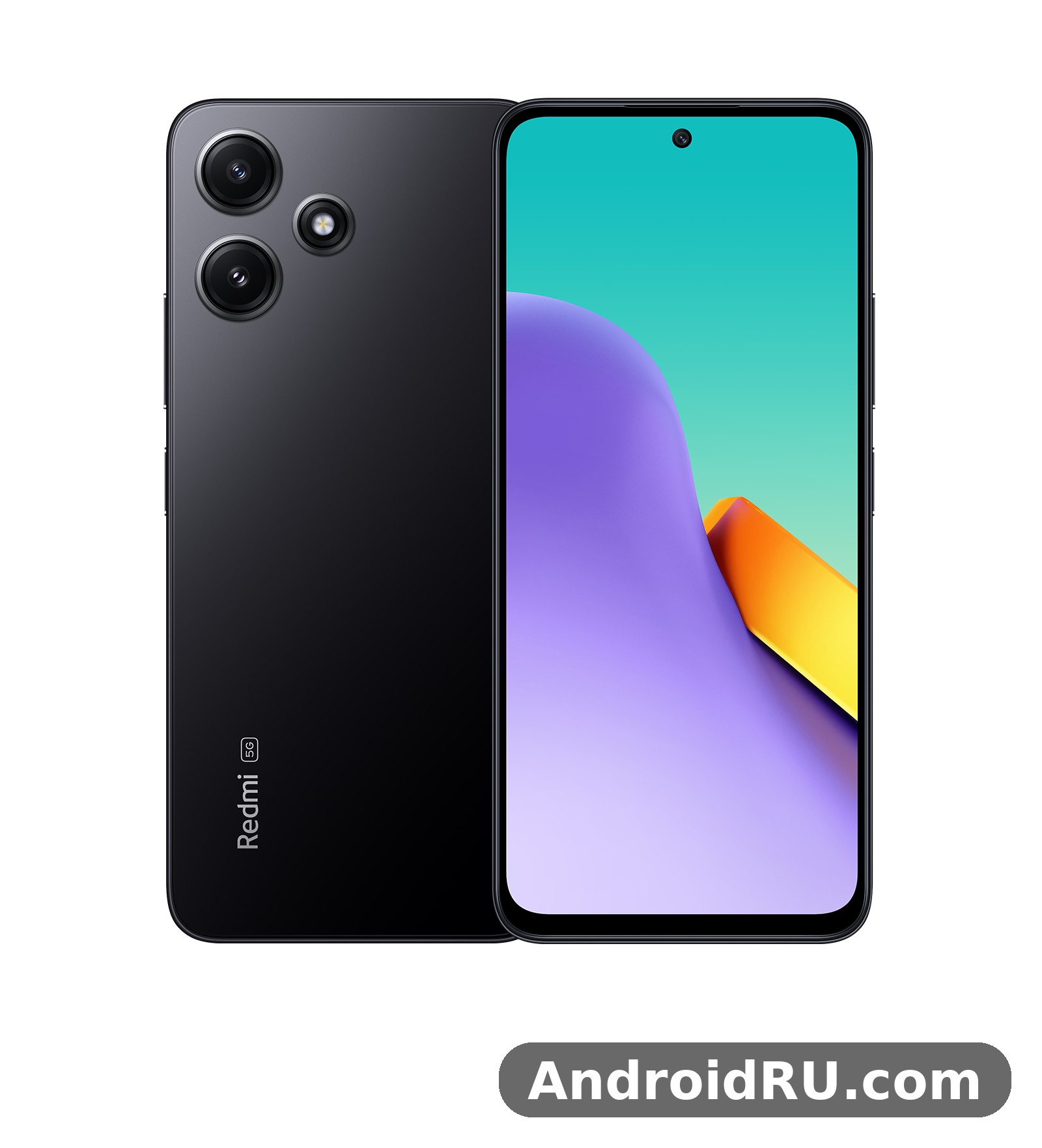
At launch in India, the Redmi 12 5G price in India for 128GB variant started at INR 10,999 for the 4GB RAM model with an early-bird discount applied, which put it in direct competition with other budget 5G phones from the same year. Prices have moved since then and vary by market, seller and configuration, so treat launch pricing as a guide rather than a current street price. What has not changed is the shape of the deal: a big glass-bodied phone, a modern 4 nm chipset, a 50MP main camera and a large battery, sold for very little money. The rest of this Redmi 12 5G review tests whether that deal holds up in normal daily use, where a phone earns its keep one unlock, one call and one charge at a time.
Design and Build Quality
The Redmi 12 5G design is the first thing that sets it apart from most phones at its price. Where rivals in this segment often use a full plastic body, this phone has a glass front and a glass back with a plastic frame in between, and both glass panels use Corning Gorilla Glass. The Redmi 12 5G weight is 199 grams and the Redmi 12 5G size is 168.6 x 76.3 x 8.2 mm, so it is tall, wide and fairly heavy, yet the flat edges and flat back help it sit steadily in the hand and on a table. The Redmi 12 5G glass back gives the phone a look that belongs on a more expensive handset, with a crystal-inspired finish that catches the light and a camera area that sits almost flush with the surface instead of using a raised camera island.
Build quality is about more than looks, and here the phone is a mixed but mostly positive story. The glass panels feel solid and cool to the touch, the buttons have a firm click, and the side-mounted fingerprint sensor doubles as the power button, so the phone wakes and unlocks in one motion. The Redmi 12 5G fingerprint sensor side mounted location is easy to reach with the thumb of the right hand, and it works quickly once your print is registered. On the other hand, the plastic frame is the part that betrays the price, and the glass back picks up fingerprints fast, so the phone looks its best straight out of the box and then needs a wipe or a case to stay that way. The Redmi 12 5G IP53 rating adds light protection against dust and vertical water sprays, which is useful for rain and kitchen splashes, though it is not a rating for swimming or submersion.
Glass Back, Plastic Frame and Everyday Grip
The Redmi 12 5G glass back design and fingerprint smudges go together, and any honest account of this phone has to say so. The reflective finish shows every touch within minutes of handling, and the Jade Black version shows it most of all. A clear case solves the problem and also protects the glass from drops, which matters because glass on both sides means two surfaces that can crack instead of one. Grip is reasonable for a phone of this size thanks to the flat frame, and the glass front and back with Gorilla Glass feel reassuringly rigid, with no creaks or flex when the phone is held firmly. Redmi 12 5G one hand use with large screen size is a stretch for most hands, and reaching the top of the display with one thumb usually means shuffling the phone in your palm, so this is a phone that works best with two hands or with the one-handed mode turned on. Readers comparing the wider Redmi budget line may also want to see the Redmi 12C Review: Everyday Speed, Cameras and Value, which covers a cheaper 4G sibling with a very different body and screen.
Colours, Weight and Water Resistance
Redmi 12 5G colours are Jade Black, Pastel Blue and Moonstone Silver, and each one changes the character of the phone quite a bit. Jade Black is the most formal and the most prone to showing smudges, Pastel Blue is soft and pale with a calm matte-like glow, and Moonstone Silver is the showpiece, with a light, almost crystalline shimmer. The Redmi 12 5G Moonstone Silver colour hands on look is the most eye-catching of the three, and it is the version that best shows off the crystal-inspired design Xiaomi talked about at launch. At 199 grams the phone is not light, but the weight is spread evenly across the large body, so it never feels top-heavy. The Redmi 12 5G IP53 splash resistant rating explained simply is that the phone is protected against dust and against light vertical water sprays, which covers rain, a splash from a sink and a sweaty pocket, while a drop into a bath or a pool is still a risk.
How the Finish Holds Up Over Time
Over months of use, the finish holds up well as long as the phone lives in a case. The glass back resists scratches from keys and coins in a pocket better than a plastic back would, while the plastic frame can pick up small scuffs along its edges if the phone is used without protection. The camera lenses sit nearly flush with the back, which keeps them from scratching when the phone is placed face up, and the flat display means a screen protector fits without lifting at the edges. For a phone that will be carried every day, a thin case and a tempered glass protector are cheap insurance, and they let the premium feel of the glass survive real life rather than only the first week.
Display for Daily Use
The Redmi 12 5G display is a 6.79 inch IPS LCD with a Full HD Plus resolution of 1080 x 2460 pixels, a 90Hz refresh rate and a rated peak brightness of 550 nits. The Redmi 12 5G screen is one of the largest you will find at this price, and that size shapes everything about using the phone, from reading and video to typing and navigation. The Redmi 12 5G display quality for watching videos is good for the price, with a sharp picture, natural colours and enough size that subtitles stay readable without squinting. The Redmi 12 5G 6.79 inch Full HD Plus display review verdict is simple: big, sharp and smooth for everyday content, with the usual LCD limits on contrast and deep blacks when compared with an AMOLED panel.
A Large 6.79 Inch Screen with 90Hz Refresh
The Redmi 12 5G 90Hz display refresh rate smoothness is noticeable the moment you scroll through a feed or a settings menu, and it is one of the clearest upgrades over a 60Hz budget screen. Motion looks cleaner, swipes feel more responsive, and the phone feels faster than its price suggests even before you open an app. The Redmi 12 5G 90Hz refresh rate can be left on its adaptive setting, where the phone drops back to a lower rate for still content to save power, or fixed at 90Hz if you prefer the smoothest feel at all times. The Redmi 12 5G specs list the panel at around 396 pixels per inch, which is sharp enough that text looks clean and app icons show no rough edges, and the slim bezels give the big screen a screen-to-body ratio of about 85.1 percent.
Brightness, Colours and Outdoor Visibility
At 550 nits, the display is bright enough for indoor use and for most outdoor use in the shade, though direct sunlight will still wash it out a little, as it does with most LCD panels in this class. Colours are natural rather than vivid, which suits reading and video, and the white balance can be adjusted in settings if you prefer a warmer or cooler tone. The Redmi 12 5G features include a reading mode and a dark mode, and both help with long sessions, whether you are reading articles at night or watching a long video on a train. The display is protected by Corning Gorilla Glass, and the Redmi 12 5G Gorilla Glass protection on the front is a genuine plus at this price, where many rivals still use unbranded glass or plain plastic.
Reading and Video After Dark
After dark, the large screen is a pleasure for video and reading, and the 90Hz refresh rate keeps long articles feeling smooth. The lowest brightness level is comfortable for a dark room, and the reading mode softens the colour temperature so the screen feels less harsh late at night. One limit is that an LCD cannot switch off individual pixels, so dark mode saves less power here than on an AMOLED phone, and black areas look dark grey rather than truly black. That is a fair trade for a screen of this size and sharpness at this price, and most buyers will notice the size and smoothness far more than the contrast.
Performance and the Snapdragon 4 Gen 2
The Redmi 12 5G processor is the Qualcomm Snapdragon 4 Gen 2, listed as the SM4450 built on a 4 nm process, and this is the part of the phone that matters most for its future. The Redmi 12 5G Snapdragon 4 Gen 2 performance test picture is consistent: everyday tasks feel quick, apps open without long waits, and the phone stays responsive with several apps running. The chipset pairs two Cortex-A78 performance cores running at up to 2.2 GHz with six Cortex-A55 efficiency cores at up to 1.95 GHz, and the Redmi 12 5G Adreno 613 graphics unit handles the display and light gaming duties. Redmi 12 5G RAM options run from 4GB to 8GB, with Redmi 12 5G storage of 128GB or 256GB using UFS 2.2, and the Redmi 12 5G UFS 2.2 storage is noticeably quicker than the older eMMC storage found in cheaper phones, which shows up in faster app installs and shorter loading times.
Redmi 12 5G performance in normal use is smooth for messaging, browsing, social apps, maps and video, and the phone handles split-screen multitasking and switching between apps without constant reloading on the 6GB and 8GB models. The 4GB model is the one to be careful with, since heavy multitasking and a large number of background apps can push it to reload apps more often, so buyers who keep many apps open should pick at least 6GB of RAM. The Redmi 12 5G gaming performance for casual games is smooth enough for titles like puzzle games, racing games and lighter online games at modest settings, while demanding 3D games will need lower graphics settings and will still show occasional frame drops. For a closer look at how the next model in the family handles the same kind of workload, see the Redmi 13C 5G Review: App Performance and Camera Quality, which covers a newer budget 5G phone with a similar brief.
Everyday Apps, Multitasking and Gaming
In day-to-day use, the Snapdragon 4 Gen 2 feels like a sensible match for the rest of the phone. Social feeds scroll smoothly at 90Hz, the camera opens quickly, video calls run without stutter, and navigation apps keep up while music plays in the background. The Redmi 12 5G 6GB RAM 128GB storage variant review view is that this middle configuration is the sweet spot for most buyers, since it gives enough memory for comfortable multitasking and enough room for apps and photos without paying for the top model. During a Redmi 12 5G heating during long video calls test, the frame stayed only mildly warm to the touch, with no slowdown in the call itself, and the same is true of long browsing sessions, which is what you want from a phone that will be used for hours at a time. Storage can be expanded with a microSD card, though the Redmi 12 5G microSD card slot shared SIM tray means adding a card costs the second SIM slot, so buyers who need two SIMs and more room will need to choose between them.
Heat and Sustained Use
Heat is well controlled for a budget phone, and that is one of the quiet benefits of the efficient 4 nm chipset. Short bursts of demanding use, such as opening the camera or loading a large game, warm the upper half of the phone slightly, and the warmth fades quickly once the load stops. Long gaming sessions will make the phone warmer and may reduce frame rates a little as the phone protects itself, but the phone never becomes uncomfortable to hold in normal use. Keeping the phone out of direct sunlight while charging and gaming helps, and the plastic frame, for all its budget feel, at least does not conduct heat to the hand the way a metal frame would.
Battery Life and Charging
The Redmi 12 5G battery is a 5000 mAh lithium-polymer unit, and it is the heart of this phone for most buyers. The Redmi 12 5G battery life in daily use is the part of this review that matters most after build quality, because a big screen and a 5G connection both draw power, and the battery is what keeps the phone going through a long day. So how good is the Redmi 12 5G battery life in real use? For a moderate user, with messaging, browsing, social apps, some video and a few calls, the phone comfortably lasts a full day and often stretches into a second day, and two day battery life for moderate users is a realistic expectation rather than a marketing claim. Heavy users who stream a lot of video, play games for hours or spend the day on 5G will still get through a full day, though they will want a charger by the evening.
Charging is the weaker half of the story. The Redmi 12 5G charging is rated at 18W wired with Power Delivery support, and the Redmi 12 5G 5000 mAh battery charging time is the one area where the phone feels slow next to rivals that now offer much faster charging. The Redmi 12 5G 18W fast charging full charge time stretches past the two-hour mark in typical use, so a quick top-up before leaving the house adds only a modest amount of charge, and overnight charging suits this phone best. A charger is not always included in the box depending on the market, so buyers should check what is in the box and budget for an 18W USB-C charger if one is not supplied. The battery story is similar in spirit to the older budget models, and the Redmi 10C Review: App Performance and Camera Quality shows how the same big-battery approach worked on an earlier Redmi phone with a smaller screen and a slower chipset.
Two Day Use and What Drains It Fastest
Two-day use is realistic when the screen is the main load and 5G is not used constantly, because the large battery, the efficient chipset and the LCD panel combine well for steady, moderate use. The fastest drains are long video streaming at high brightness, gaming, navigation with the screen on, and long video calls, and the 90Hz refresh rate adds a small extra cost over 60Hz, though most users will find the smoothness worth it. Turning the refresh rate down, lowering brightness and using Wi-Fi instead of mobile data when possible all stretch the battery further. Battery health over time depends on charging habits, and keeping the phone away from heat while charging and avoiding leaving it at 100 percent for long periods will help the battery age more slowly.
Cameras in Daylight and at Night
The Redmi 12 5G camera system is built around a 50MP main camera with an f/1.8 lens and phase detection autofocus, paired with a 2MP macro camera, while the front holds an 8MP selfie camera with an f/2.0 lens. There is no ultrawide camera, and that is the most important thing to know before buying, since the 4G Redmi 12 does have one. A quick Redmi 12 5G vs Redmi 12 4G differences explained note makes the trade clear: the 5G model swaps the 8MP ultrawide camera of the 4G model for a 2MP macro camera, gains the Snapdragon 4 Gen 2 chipset and 5G, and keeps the same 6.79 inch display and 5000 mAh battery. The Redmi 12 5G camera quality in daylight photos is the strongest part of its imaging, with sharp, well-exposed shots in good light, natural colours and enough detail for social sharing and large prints, while low light is where the budget limits start to show.
The 50MP Main Camera
The 50MP sensor bins pixels down to a 12.5MP output by default, which keeps file sizes sensible and improves low-light detail, and a full 50MP mode is available in the camera app for scenes where maximum detail matters. Daylight photos show good dynamic range, with skies that hold their colour and shadows that keep detail, and the autofocus is quick for still subjects. Redmi 12 5G 50MP main camera night mode samples show more noise than daylight shots and softer fine detail, though the night mode does lift shadows and keep highlights under control, and a steady hand makes a real difference. The 2MP macro camera is a minor extra that works only at very close range and produces soft images, so most owners will use the main camera for nearly everything. Video from the main camera tops out at 1080p at 30 frames per second, which is fine for clips and video messages but means no 4K recording. For a different take on budget cameras from the same family, the Redmi 10 Review: Display, Cameras and Budget Trade-Offs covers an older Redmi phone where the camera compromises were drawn in a different place.
Selfies and Video Calls
The Redmi 12 5G 8MP front camera selfie video quality is fine for video calls, selfies in good light and social posts, with natural skin tones and a portrait mode that blurs the background reasonably well. The Redmi 12 5G selfie camera records video at 1080p at 30 frames per second, which matches the main camera and is enough for calls and short clips. In low light, selfies become softer and noisier, and the screen flash helps only a little, so the front camera is best treated as a practical tool for calls and quick photos rather than a creative camera. The large display makes framing a selfie easy, and the fingerprint sensor on the side can be used to keep the phone steady while shooting.
Software, Updates and Connectivity
The Redmi 12 5G MIUI 14 Android 13 software experience is familiar to anyone who has used a Xiaomi phone in recent years, with a customised home screen, a control centre pulled down from the top right, and a generous set of Xiaomi apps and tools. The Redmi 12 5G MIUI software includes themes, a second space for separating work and personal use, and a game mode, along with the usual set of pre-installed apps, some of which can be removed. Notifications and ads in system apps have been a common complaint on MIUI phones, though they can be reduced in settings, and the overall feel is polished and feature-rich rather than plain. The Redmi 12 5G software update to Android 15 HyperOS 2 is listed as available for this phone, which means the software story does not end with Android 13, and the Redmi 12 5G HyperOS update brings the newer interface and features to a phone that launched with MIUI 14.
Connectivity is complete for a budget 5G phone. The Redmi 12 5G dual SIM 5G network bands support covers 5G bands 1, 3, 5, 8, 28, 40 and 78 with SA and NSA modes, plus 4G LTE, 3G and 2G, so the phone will connect to 5G on the networks that use those bands. Wi-Fi is 802.11 a/b/g/n/ac on dual bands, Bluetooth is 5.3 with A2DP and Low Energy, and positioning uses GPS, GLONASS, Galileo and BDS. The Redmi 12 5G infrared blaster remote control feature lets the phone act as a remote for a television or air conditioner through the Mi Remote app, and the Redmi 12 5G 3.5mm headphone jack audio quality is clean for wired earphones, with support for 24-bit and 192 kHz high-resolution audio. The Redmi 12 5G speakers arrangement is a single bottom-firing loudspeaker, and the Redmi 12 5G speaker loudness for calls and media is adequate rather than loud, so the phone is fine for calls and casual video but benefits from earphones or a speaker for music. A USB-C port handles charging and data, the fingerprint sensor sits on the side, and the phone also has an accelerometer and a compass, with virtual proximity sensing during calls. For a newer sibling with a similar software path, the Redmi 13 5G Review: Everyday Speed, Cameras and Value is a useful comparison, since it shows how Xiaomi carried the same budget 5G idea forward a year later.
MIUI 14, Android 13 and the Move to HyperOS 2
The move from MIUI 14 to HyperOS 2 is the most important software fact about this phone, because it extends the useful life of a handset that is already a few years old. HyperOS 2 brings a cleaner look, smoother animations and the Android 15 base, and the update path means the phone is not stuck on its launch software. Owners should still expect the update to arrive at different times in different regions, and a phone bought in one market may wait longer than a phone bought in another. After updating, it is worth checking the battery and app behaviour for a few days, since a major update can change power use and permissions, and a restart after the update usually settles any early quirks.
Full Specifications
The table below lists the full Redmi 12 5G specs as published for the phone, so the details behind this review are all in one place.
| Feature | Redmi 12 5G |
|---|---|
| Announced | 1 August 2023 |
| Released | 4 August 2023 |
| Dimensions | 168.6 x 76.3 x 8.2 mm |
| Weight | 199 g |
| Build | Glass front with Gorilla Glass, plastic frame, glass back with Gorilla Glass |
| SIM | Nano-SIM + Nano-SIM |
| Water resistance | IP53, dust protected and water resistant against vertical sprays |
| Display | 6.79 inch IPS LCD, 90Hz, 550 nits, 1080 x 2460 pixels, about 396 ppi, Corning Gorilla Glass |
| Operating system | Android 13 with MIUI 14, upgradable to Android 15 with HyperOS 2 |
| Chipset | Qualcomm SM4450 Snapdragon 4 Gen 2, 4 nm |
| CPU | Octa-core, 2 x 2.2 GHz Cortex-A78 and 6 x 1.95 GHz Cortex-A55 |
| GPU | Adreno 613 |
| RAM | 4GB, 6GB or 8GB |
| Storage | 128GB or 256GB, UFS 2.2, microSDXC card slot using shared SIM slot |
| Main camera | Dual: 50MP f/1.8 wide with PDAF, plus auxiliary lens, LED flash, HDR, 1080p video at 30fps |
| Selfie camera | 8MP f/2.0 wide, HDR, 1080p video at 30fps |
| Loudspeaker | Yes, single loudspeaker |
| Headphone jack | Yes, 3.5mm, with 24-bit and 192kHz high-resolution audio |
| Wi-Fi | Wi-Fi 802.11 a/b/g/n/ac, dual-band |
| Bluetooth | 5.3 with A2DP and LE |
| Positioning | GPS, GLONASS, GALILEO, BDS |
| NFC | Unspecified |
| Infrared port | Yes |
| Radio | No |
| USB | USB Type-C |
| Sensors | Side-mounted fingerprint sensor, accelerometer, compass, virtual proximity sensing |
| Battery | Li-Po 5000 mAh, 18W wired charging with PD |
| Colours | Jade Black, Pastel Blue, Moonstone Silver |
| Models | 23076RN4BI, 23076RN8DY, 2AFZZRN8DY |
| 5G bands | 1, 3, 5, 8, 28, 40, 78 SA/NSA |
Pros and Cons
After weighing build, battery and daily use together, the Redmi 12 5G comes out as a strong budget phone with clear limits, and the balance below sums up where it wins and where it gives ground.
Pros
- A large 6.79 inch screen with Full HD Plus resolution and a smooth 90Hz refresh rate
- Glass front and back with Gorilla Glass, a premium feel for the price
- Large 5000 mAh battery that lasts a full day and often into a second day
- Snapdragon 4 Gen 2 chipset with 5G, efficient 4 nm design and steady daily speed
- 50MP main camera that takes sharp photos in daylight
- Headphone jack, infrared blaster, microSD expansion and a side fingerprint sensor
- Software path from MIUI 14 on Android 13 up to Android 15 with HyperOS 2
Cons
- Slow 18W charging, with a full charge taking well over two hours
- No ultrawide camera, only a 2MP macro camera beside the main sensor
- No 4K video recording, capped at 1080p at 30fps
- Glass back shows fingerprints quickly and the frame is plastic
- Single loudspeaker with modest volume
- 4GB RAM model can reload apps often under heavy multitasking
- IP53 only, so no protection against submersion in water
Frequently Asked Questions
Is the Redmi 12 5G good for everyday use?
Yes, for most people it is. The combination of a large sharp display, a 5000 mAh battery, a capable Snapdragon 4 Gen 2 chipset and 5G covers the things that matter every day: messaging, browsing, social apps, maps, video and calls. The main things to accept are the slow 18W charging, the lack of an ultrawide camera and the large size, which makes one-handed use a stretch. Buyers who want the smoothest multitasking should choose the 6GB or 8GB RAM model rather than the 4GB version.
How good is the Redmi 12 5G battery life?
For a moderate user, the Redmi 12 5G battery life is one of its best features, and the phone will usually last a full day with charge to spare, often stretching into a second day. The 5000 mAh battery pairs well with the efficient 4 nm chipset, and the main drains are long video streaming, gaming and navigation with the screen on. Charging is slow at 18W, so overnight charging is the most practical routine, and a full charge takes well over two hours.
What 5G bands does the Redmi 12 5G support?
The Redmi 12 5G supports 5G bands 1, 3, 5, 8, 28, 40 and 78 with SA and NSA modes, along with 4G LTE, 3G and 2G. It uses a dual Nano-SIM setup, and whether a particular network works at 5G depends on the bands that network uses in your area, so it is worth checking local band support before buying for 5G use.
Will the Redmi 12 5G get Android 15?
Yes, the Redmi 12 5G is listed as upgradable to Android 15 with HyperOS 2, having launched with Android 13 and MIUI 14. Update timing varies by region and model, so a phone in one market may receive the update earlier than a phone in another market, and it is worth checking the updater in settings for the latest available version.
Does the Redmi 12 5G have a headphone jack?
Yes, the Redmi 12 5G has a 3.5mm headphone jack, and it supports 24-bit and 192 kHz high-resolution audio through wired earphones. The phone also has a single loudspeaker, Bluetooth 5.3 for wireless earphones, and an infrared blaster that lets it work as a remote control for a television or air conditioner.
For a Redmi 12 5G long term use after one year review, the questions that matter most are battery health, software support and how the glass back ages, and on all three the phone has a reasonable story: the large battery gives it room to age gracefully, the update path to Android 15 with HyperOS 2 keeps the software current, and a case keeps the glass looking good. The Redmi 12 5G remains a sensible budget choice for buyers who want a big screen, a long-lasting battery and 5G without paying a mid-range price, as long as they can live with slow charging and a camera setup that skips the ultrawide lens.

