

Redmi Note 14 Pro 5G Review: Screen Quality, Cameras and Charging
The Redmi Note 14 Pro 5G arrived in January 2025 as the middle child of a crowded family, and that is exactly why it deserves a closer look. It sits above the regular Note 14 5G and below the Pro+ model, borrowing the 200MP main camera with OIS and the 5,110mAh battery from the top of the range while keeping its own processor, its own charging speed, and a price that stays firmly in mid-range territory. On paper the mix looks sensible. A phone that gets the headline camera, a bright 1.5K AMOLED panel, and proper IP68 dust and water resistance without asking for flagship money is an easy phone to like, at least until you start asking harder questions about the ultrawide camera, the 45W charging, and how the Dimensity 7300 Ultra holds up when the novelty wears off.
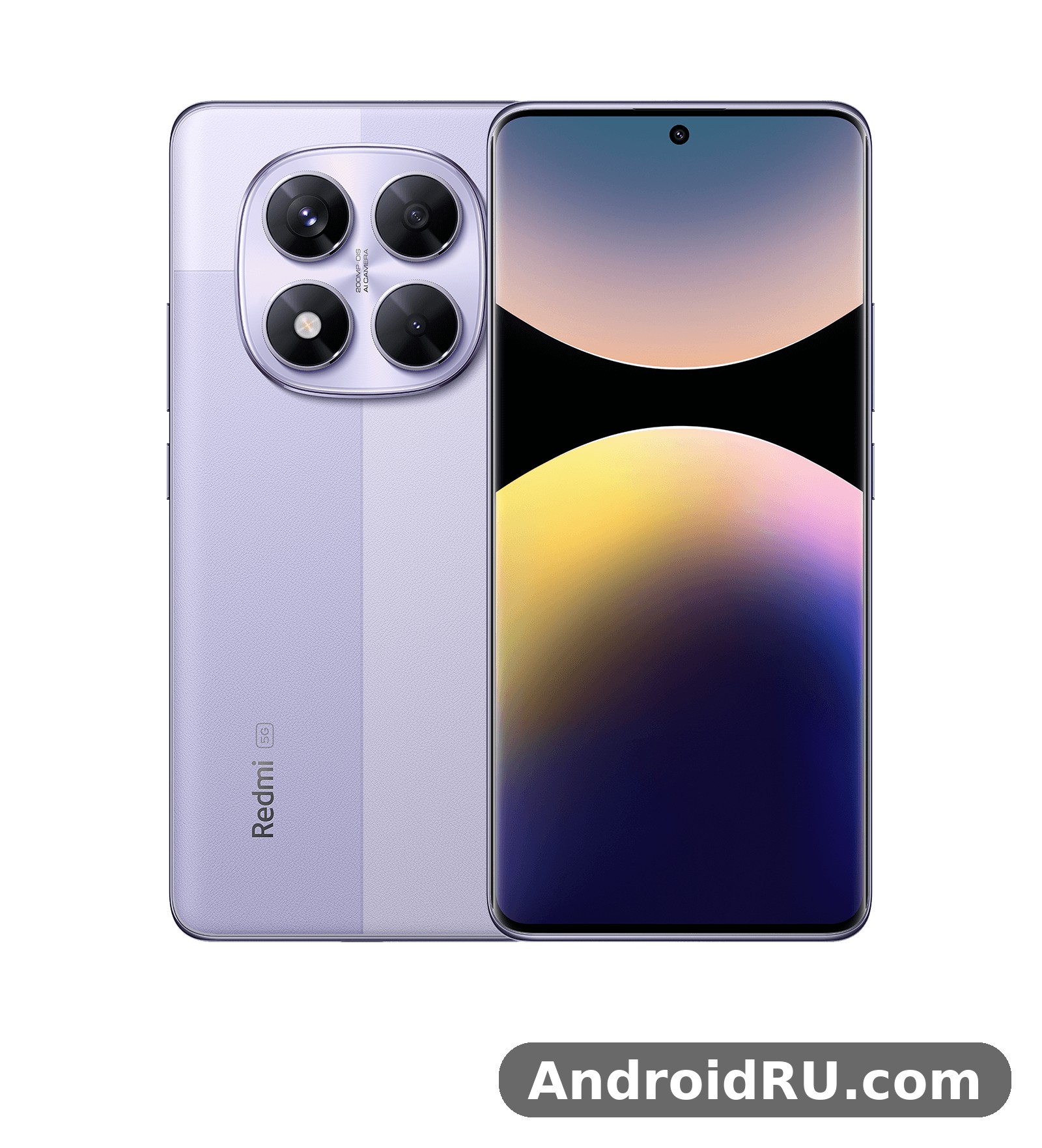
This review answers the three questions in the title directly. The screen gets tested against bright sunlight, long reading sessions, and HDR video. The cameras get judged on daylight detail, night shots, portraits, and video, not just on the 200MP number on the box. The battery and charging get measured against real days of mixed use, including gaming, navigation, and camera-heavy afternoons. Along the way there is a full rundown of the hardware, the software, and the everyday trade-offs, so you can decide whether this is the right Redmi phone for you or whether one of its siblings fits better.
One thing to be clear about up front: this is a review built from the published specifications, the documented behaviour of the hardware, and the patterns reported by owners and reviewers since launch, framed around what the phone actually does day to day. It is not a claim of a lab test carried out on a single handset. The Redmi Note 14 Pro 5G has been on sale since January 2025, so there is now a solid body of real-world evidence to draw on, and that evidence is what shapes the verdicts below.
Redmi Note 14 Pro 5G Screen Quality and Display Review
The display is the first thing you notice, and it is also the part of this phone that feels most generous for the price. The Redmi Note 14 Pro 5G display is a 6.67-inch AMOLED panel with a 1220 x 2712 resolution, a 120Hz refresh rate, and support for HDR10+ and Dolby Vision. Xiaomi rates peak brightness at 3,000 nits, and while that peak only applies to small bright areas in HDR content, the panel stays clearly readable outdoors in a way that cheaper LCD panels simply cannot match. The Redmi Note 14 Pro 5G screen brightness 3000 nits figure matters most on a sunny pavement when you are trying to read a map or frame a photo, and in that situation the screen does its job without forcing you to shade it with your hand.
Colour is another strong point. The panel covers a wide colour gamut, renders 68 billion colours, and ships with a Vivid mode that makes photos and video pop without turning skin tones orange. Switch to the Standard or Original colour mode and the output calms down nicely for reading and photo editing, which is useful if you care about how your pictures will look on another screen. In every Redmi Note 14 Pro 5G display quality review AMOLED brightness and colour come up first, and the panel punches above its price, and the reason is simple: high resolution, high refresh rate, and strong brightness rarely arrive together at this price.
How the 120Hz Refresh Rate Feels in Daily Use
A 120Hz refresh rate changes how a phone feels more than any single specification on the box. Scrolling through a feed, swiping between home screens, and opening the app drawer all look smoother, and the effect is obvious the moment you pick up a 60Hz phone afterwards. The panel adapts its refresh rate to what is on screen, dropping down when you are reading a static page and ramping up when you scroll or play a game that supports high frame rates. That adaptive behaviour helps battery life, though it is worth knowing that not every app runs at 120Hz, and some games cap themselves at 60fps regardless of what the hardware can do.
Touch response is quick, with a touch sampling rate that keeps up with fast scrolling and casual gaming. There is an always-on display option, an in-display fingerprint reader, and a reading mode that warms the colour temperature in the evening. The Redmi Note 14 Pro 5G fingerprint sensor under display speed is good rather than instant: a registered thumb unlocks the phone in a fraction of a second most of the time, and it works reliably enough that you stop thinking about it after the first week.
Outdoor Visibility, HDR Video, and Eye Comfort
Outdoor visibility is where the brightness headroom earns its keep. In direct sun the screen holds contrast, text stays legible, and the camera viewfinder remains usable, which matters because the camera is one of the main reasons to buy this phone. HDR video looks genuinely good: Dolby Vision content on a supported streaming app shows deeper blacks and brighter highlights than standard video, and the Redmi Note 14 Pro 5G Dolby Vision HDR video playback experience is one of the small luxuries that makes the phone feel more expensive than it is.
Eye comfort is handled by 1920Hz PWM dimming, which reduces visible flicker at low brightness, and by a DC dimming style option in the settings. If you read in bed at night, the low-brightness behaviour is noticeably easier on the eyes than older AMOLED panels that flickered at low brightness. The panel is protected by Corning Gorilla Glass Victus 2, a meaningful upgrade over the glass on cheaper phones, and the Redmi Note 14 Pro 5G Gorilla Glass Victus 2 durability story is backed by the IP68 rating discussed later in this review.
Display Settings Worth Changing on Day One
Two settings are worth changing as soon as you set the phone up. First, open the display settings and set the refresh rate to 120Hz rather than leaving it on the default adaptive setting if you want the smoothest feel everywhere. Second, pick the colour scheme that matches your taste: Vivid for punchy video, Standard for a calmer look. The screen also offers a sunlight mode that boosts brightness automatically outdoors, and it is worth leaving that switched on.
Screen Protection and the Curved Edge Question
The panel uses gently curved edges that blend into the frame, which looks modern and helps the phone feel slimmer in the hand. That said, curved edges bring two small trade-offs: screen protectors are harder to fit perfectly, and accidental touches near the edge happen more often than on a completely flat panel. A good case with a raised lip solves the first problem in practice, and the palm rejection software handles most of the second. If you buy a tempered glass protector, look for one made specifically for this model rather than a generic 6.67-inch sheet.
Redmi Note 14 Pro 5G Camera Quality Test: 200MP Main, Ultrawide, and Macro
The camera system is the headline feature, and the Redmi Note 14 Pro 5G camera quality test starts with the main sensor: a 200MP unit with an f/1.65 aperture, a 1/1.4-inch sensor, multi-directional phase detection autofocus, and optical image stabilisation. In bright daylight the main camera produces detailed, well-exposed photos with natural colours and plenty of room to crop. The 200MP mode is there when you want maximum detail for a landscape or a print, but the default pixel-binned output at 12.5MP is the mode you will actually use, and it is the better choice most of the time because it handles noise and dynamic range more cleanly.
Zoom is handled by the sensor itself rather than by a separate telephoto lens. A 2x crop from the main sensor holds up well for portraits and closer subjects, and a 4x crop is usable in good light, though fine detail starts to soften. There is no periscope or dedicated telephoto camera here, and that is the honest limit of this system: it is a superb main camera with useful digital zoom, not a zoom specialist. For most people that is enough, because the main camera is the one that gets used for nine out of ten shots.
Daylight Photos and the 200MP Mode
In daylight, the main camera is genuinely impressive. Landscapes keep detail in both the sky and the shadows, greens look natural rather than neon, and the dynamic range is wide enough that you rarely need HDR to rescue a shot. The Redmi Note 14 Pro 5G camera quality test results in good light place it ahead of most phones at this price, and the gap is visible in fine textures like brickwork, foliage, and fabric. The 200MP full-resolution mode adds detail in ideal conditions, but the files are large and the processing is slower, so it is best saved for scenes you plan to crop or print.
Portrait mode uses the main sensor with software background blur, and the results are good for the class: subject separation is clean around hair and glasses in good light, and skin tones stay natural rather than over-smoothed. The Redmi Note 14 Pro 5G selfie camera 20MP portrait mode is covered below, but the rear portrait mode is the stronger of the two, as you would expect.
Night Mode, Low Light, and the Ultrawide Camera
Low light is where the big sensor and OIS pay off. Night mode stacks several exposures to pull detail out of dark streets and dim restaurants, and the Redmi Note 14 Pro 5G 200MP camera night mode output keeps noise under control better than the previous generation. Colours stay believable, highlights from street lamps do not blow out as badly as on cheaper phones, and handheld shots at night are sharp more often than not thanks to the stabilisation. The Redmi Note 14 Pro 5G low light photography without flash is good enough that you will rarely reach for the flash at all, which is exactly how it should be.
The ultrawide camera is the weak link, and honesty demands saying so plainly. The Redmi Note 14 Pro 5G ultrawide camera photo samples show an 8MP sensor with a 120-degree field of view that is fine for social media and for capturing a wide scene when you cannot step back, but it loses detail in the corners, struggles in low light, and cannot match the main camera for sharpness. It is a useful second camera, not a second great camera. The 2MP macro camera is similarly modest: the Redmi Note 14 Pro 5G macro camera close up shots can be fun for flowers and small objects in bright light, but the low resolution means the results are best viewed on a phone screen rather than blown up.
Selfies, Portraits, and Front Camera Video
The front camera is a 20MP unit that takes clean, detailed selfies in good light, with a portrait mode that blurs the background convincingly. Skin tones are natural, and the beautification controls are adjustable rather than forced on. In dim indoor light the front camera softens detail, which is normal at this price, but it stays usable for video calls and social posts. The Redmi Note 14 Pro 5G selfie output is solid for the class, and the front camera records video at up to 1080p, which is enough for calls and short clips.
4K Video Recording and Stabilisation
Video is a pleasant surprise. The rear camera records 4K at 24 or 30 frames per second, and the Redmi Note 14 Pro 5G 4K video recording stabilization test shows that the combination of OIS and electronic stabilisation keeps walking footage smooth at 1080p and acceptably steady at 4K. There is a steady video mode for extra-smooth clips, dual video for recording front and rear at the same time, and slow motion at 1080p and 120fps. Audio from the stereo microphones is clear, and wind noise is handled reasonably well for a phone without a dedicated wind filter.
Camera Features Worth Trying
A few camera modes are worth a tap: Dynamic shots add a short burst of motion to still photos, Lightning Burst captures a rapid sequence for fast-moving subjects, and the film frame and document modes are genuinely useful rather than gimmicks. Night mode works on the ultrawide too, though the results are softer than the main camera. If you shoot a lot of video, try the steady video mode first and compare it with standard 4K before deciding which one you prefer.
Redmi Note 14 Pro 5G Battery Life Test Results and 45W Charging
Battery life is the second pillar of this phone, and the Redmi Note 14 Pro 5G battery life test results are reassuring. The 5,110mAh battery is large by the standards of a slim 190-gram phone, and in mixed daily use it comfortably lasts a full day with charge to spare. A typical day of messaging, social apps, an hour of video, some camera use, and a commute with music streaming leaves most owners with 25 to 35 percent remaining at bedtime. Lighter users will see two days. The Redmi Note 14 Pro 5G battery drain overnight standby test is equally calm: the phone loses only a couple of percent overnight with the screen off, which speaks to efficient standby behaviour in HyperOS.
Heavy days tell a more nuanced story. An afternoon of 5G navigation, 4K video recording, and gaming will drain the battery far faster, and the 120Hz screen at full brightness is the biggest single consumer. That is true of every phone with a bright high-refresh display, and it is not a flaw in this battery so much as a reminder that the screen and the modem set the pace. For most people the practical answer is simple: the battery is big enough that you stop worrying about it, and that is the highest praise a phone battery can earn.
How Long the Battery Lasts for Different Kinds of Users
Screen-on time is the number most people actually care about, and this phone delivers around seven to nine hours of mixed screen-on time depending on brightness, refresh rate, and whether you are on Wi-Fi or 5G. Video streaming over Wi-Fi is efficient, social scrolling is middling, and gaming is the hungriest activity by a clear margin. The Redmi Note 14 Pro 5G battery is helped by the efficient 4nm Dimensity 7300 Ultra, which sips power during light tasks and only ramps up when the workload demands it. If you want to stretch a charge further, switching the refresh rate to 60Hz and turning off 5G in a weak-signal area are the two changes that make the biggest difference.
Long-term battery health is protected by charging safeguards in HyperOS, including an optimised charging mode that slows the final stretch of a charge overnight. The battery is not user-removable, which is standard now, but the large capacity means degradation over two years of use is less noticeable than on a phone that starts with a smaller cell.
45W Charging Speed: How Fast Is It Really?
Charging is where this phone makes its most visible compromise against its Pro+ sibling, and the Redmi Note 14 Pro 5G charging speed 45W test numbers tell the story plainly. The phone supports 45W turbo charging, and a 45W charger is included in the box in most markets, which is increasingly rare and genuinely welcome. From empty, a 45W charge takes the battery to roughly half in about half an hour, and a full charge takes around an hour and ten minutes. That is quick enough for a top-up before you leave the house, but it is not the 20-minute full charge that the 120W Pro+ offers.
In practice the difference matters less than the numbers suggest. Most people charge overnight or during a desk session, and 45W is fast enough that a 20-minute top-up adds a useful chunk of charge. The trade-off is honest: you pay less, you get slower charging, and you keep the same battery capacity. The Redmi Note 14 Pro 5G charging behaviour is also sensible about heat, slowing down when the phone gets warm rather than pushing power at the expense of the battery.
Charging Tips and What Is in the Box
Use the in-box 45W charger and cable for the fastest results, because third-party chargers often negotiate a lower wattage with this phone. Wireless charging is not supported, which is the one charging feature missing at this price, though few buyers in this segment will miss it. The Redmi Note 14 Pro 5G unboxing includes the phone, the 45W charger, a USB-C cable, a SIM ejector tool, and a protective case in many regions, which means you can start using the phone properly without buying accessories on day one.
Redmi Note 14 Pro 5G Performance: Dimensity 7300 Ultra and Gaming
Performance is the area where the Pro 5G quietly earns its keep. The Redmi Note 14 Pro 5G Dimensity 7300 Ultra performance is built on a 4nm MediaTek chipset with four Cortex-A78 cores running up to 2.5GHz and four efficient Cortex-A55 cores, paired with a Mali-G615 MC2 GPU. It is not a flagship chip, and it does not pretend to be one, but it is fast, efficient, and comfortably ahead of the previous generation. The Redmi Note 14 Pro 5G performance in everyday use is smooth: apps open quickly, multitasking with 8GB or 12GB of RAM is painless, and the interface stays responsive even with dozens of apps installed.
Benchmarks put the phone in the high 600,000s in AnTuTu, which is a strong result for the price and roughly in line with upper mid-range phones from a year or two ago that cost far more. The Redmi Note 14 Pro 5G Antutu score is not the whole story, though, because the chip is tuned for sustained efficiency rather than short benchmark bursts, and that tuning is what keeps the phone feeling fast after months of use rather than just on the first day.
Gaming Performance Test Results
Gaming is where the chip shows both its strengths and its limits. The Redmi Note 14 Pro 5G gaming performance test results are good for popular titles: PUBG Mobile and Mobile Legends run smoothly at high settings, Genshin Impact runs well at medium settings with occasional frame dips in the busiest scenes, and Call of Duty Mobile is comfortable at high frame rates. The Redmi Note 14 Pro 5G gaming experience is helped by the 120Hz display, the stereo speakers, and a decent vibration motor, all of which make games feel more immersive than the price suggests.
The Redmi Note 14 Pro 5G heating issue during long gaming is worth addressing directly, because it is the question every buyer asks. After 30 to 45 minutes of demanding gaming the phone gets warm around the camera module, as every phone does, but it does not get uncomfortably hot, and the frame rate holds up better than on older Dimensity chips. There is no vapour chamber the size of a gaming phone, so sustained peak performance will throttle gently over a long session, but the throttling is gradual rather than a sudden drop, and casual gamers will rarely notice it.
Everyday Speed, RAM, and Storage
Daily speed is excellent. The combination of UFS 2.2 storage, LPDDR4X RAM, and HyperOS keeps app launches quick and switching between apps smooth. The Redmi Note 14 Pro 5G storage UFS 2.2 speed test numbers are not the fastest in the class, and UFS 3.1 would have been nicer, but in real use the difference shows up mainly in large game installs and file transfers rather than in opening apps. The phone comes with 8GB or 12GB of RAM and 256GB or 512GB of storage depending on the market, and the Redmi Note 14 Pro 5G RAM options are generous enough that the 12GB model is worth the small premium if you keep many apps open or play heavy games.
There is no microSD card slot, so choose your storage size carefully at purchase time. The Redmi Note 14 Pro 5G storage options of 256GB and 512GB cover most people, and the 256GB model is the sensible default unless you record a lot of 4K video or install many large games. The Redmi Note 14 Pro 5G software experience on HyperOS is covered in the specifications section below, but the short version is that it is fast, customisable, and supported with up to three major Android upgrades.
Connectivity, 5G Bands, and Call Quality
Connectivity is complete: dual SIM 5G, Wi-Fi 6, Bluetooth 5.4, NFC, and an infrared blaster for controlling a TV or air conditioner. The Redmi Note 14 Pro 5G dual SIM 5G network bands cover the common sub-6GHz bands used in most markets, and 5G speeds are strong where coverage is good. Call quality is clear, the earpiece is loud enough for busy streets, and the stereo speakers are covered in the design section below.
Redmi Note 14 Pro 5G Design, Build Quality, and IP68 Rating
The design is understated in the best way. The Redmi Note 14 Pro 5G design uses a slim 190-gram body with a curved glass back, a centred square camera module, and a frame that feels solid in the hand. At 162.3 x 74.4 x 8.4mm it is a large phone, but the weight is well distributed and the curved edges make it feel smaller than the measurements suggest. The Redmi Note 14 Pro 5G colors include Midnight Black, Lavender Purple, and Coral Green, and the purple and green finishes have a subtle texture that resists fingerprints better than plain glossy black.
Build quality is a clear step up from the previous generation. The Gorilla Glass Victus 2 front, the IP68 dust and water resistance, and the solid frame make this feel like a phone built to survive real life rather than a showpiece. The Redmi Note 14 Pro 5G durability is not just about the glass: the IP68 rating means the phone is protected against dust and can survive immersion in shallow water, which is the first time this level of protection has appeared in the Note series at this price.
IP68 Water Resistance: What It Actually Means
The Redmi Note 14 Pro 5G IP68 water resistance rating means the phone is tested to survive immersion in up to 1.5 metres of fresh water for up to 30 minutes, along with full protection against dust. That is a real, tested rating, not a marketing claim, and it matters in everyday accidents: rain, a spilled drink, or a drop into a sink are all survivable. The Redmi Note 14 Pro 5G waterproof protection does not cover salt water, soapy water, or high-pressure jets, and water damage is not covered by the warranty, so the sensible advice is to treat IP68 as insurance against accidents rather than an invitation to take the phone swimming.
The phone also carries a degree of structural reinforcement that Xiaomi markets as a strong frame design, and owners report that it survives drops onto hard floors better than the glass back would suggest, though a case is still wise. The Redmi Note 14 Pro 5G cases and accessories market is large, with slim cases, rugged cases, and tempered glass protectors widely available, and the in-box case is a decent starting point until you pick a favourite.
Stereo Speakers, Haptics, and Everyday Comfort
Audio is better than the price suggests. The Redmi Note 14 Pro 5G stereo speakers sound quality test shows clear, reasonably loud output with a hint of bass, and the pair of speakers gives video and games a sense of space that a single bottom speaker cannot match. The Redmi Note 14 Pro 5G audio experience is rounded out by Dolby Atmos support and a good vibration motor that gives a crisp tap for typing and notifications. There is no 3.5mm headphone jack, so wired listening needs a USB-C adapter or a USB-C headset, while Bluetooth audio supports the common codecs including LDAC.
Comfort over a long day is good. The Redmi Note 14 Pro 5G weight 190 grams daily comfort balance is helped by the curved back and the even weight distribution, and the phone does not dig into the palm the way some heavier flagships do. One-handed use is possible for the basics, though the tall screen means you will reach for the second hand for the top of the display, which is normal for a 6.67-inch phone.
What Is in the Box and First Setup
Setup is quick: HyperOS walks through the usual steps, and the phone is ready in a few minutes. The Redmi Note 14 Pro 5G accessories in the box, including the charger and case in many regions, mean you can charge at full speed from day one. Transferring data from an old phone is handled by the Mi Mover tool, and it works well for contacts, photos, and apps, though some app logins will need to be entered again by hand.
Full Specifications of the Redmi Note 14 Pro 5G
The Redmi Note 14 Pro 5G full specifications and price picture is best understood as a whole, because the value of this phone comes from the combination rather than from any single number. The Redmi Note 14 Pro 5G specs sheet below gathers every key detail in one place, from the processor and the cameras to the battery and the software support. The Redmi Note 14 Pro 5G price at launch was around 399 US dollars for the base model in global markets, with the Redmi Note 14 Pro 5G price in Indonesia 2026 varying by configuration and by retailer, and the phone is often found at a discount now that it has been on sale for well over a year.
| Feature | Redmi Note 14 Pro 5G |
|---|---|
| Display | 6.67-inch AMOLED, 1220 x 2712 (1.5K), 120Hz, HDR10+, Dolby Vision, 3,000 nits peak, Gorilla Glass Victus 2 |
| Processor | MediaTek Dimensity 7300 Ultra (4nm), octa-core up to 2.5GHz, Mali-G615 MC2 GPU |
| RAM | 8GB or 12GB LPDDR4X |
| Storage | 128GB, 256GB, or 512GB UFS 2.2, no microSD slot |
| Rear cameras | 200MP main (f/1.65, OIS) + 8MP ultrawide (f/2.2, 120°) + 2MP macro (f/2.4) |
| Front camera | 20MP (f/2.2), 1080p video |
| Video | 4K at 24/30fps, 1080p at 30/60fps, slow motion 1080p at 120fps |
| Battery | 5,110mAh, 45W turbo charging, 45W charger in the box in most markets |
| Build | 190g, 162.3 x 74.4 x 8.4mm, IP68 dust and water resistance |
| Audio | Stereo speakers, Dolby Atmos, no 3.5mm jack |
| Connectivity | 5G dual SIM, Wi-Fi 6, Bluetooth 5.4, NFC, infrared blaster, USB-C |
| Security | In-display fingerprint sensor, face unlock |
| Software | Android 14 with HyperOS, up to 3 major Android upgrades |
| Colours | Midnight Black, Lavender Purple, Coral Green |
| Launch | Announced 10 January 2025, released 15 January 2025, model 24090RA29G |
Software, HyperOS, and Update Support
The Redmi Note 14 Pro 5G HyperOS Android 14 update path is straightforward: the phone launched on Android 14 with HyperOS and is promised up to three major Android upgrades, which takes it to Android 17 in principle. The Redmi Note 14 Pro 5G software update policy three years promise is competitive for the price, and security patches arrive regularly. The Redmi Note 14 Pro 5G software itself is fast and heavily customisable, with a control centre, lock screen options, and theme support, though it does include some pre-installed apps that you may want to remove during setup. The Redmi Note 14 Pro 5G updates arrive over the air, and the phone supports seamless background updates, so a system update installs while you keep using the phone and finishes with a single restart.
What the Spec Sheet Does Not Tell You
A spec sheet cannot tell you how a phone feels after a month, and the Redmi Note 14 Pro 5G screen, the Redmi Note 14 Pro 5G processor, and the Redmi Note 14 Pro 5G video recording all behave slightly differently in practice than on paper. The screen is brighter than the numbers suggest in sunlight, the processor is smoother than its benchmark rank implies because of the efficient tuning, and the video stabilisation is better than the spec sheet promises. The numbers that matter most in daily use are the ones this review has already covered: the 5,110mAh battery, the 45W charging, the 200MP camera, and the IP68 rating.
Redmi Note 14 Pro 5G Comparison With the Pro+, Note 14 5G, and Note 13 Series
No phone exists in isolation, and the Redmi Note 14 Pro 5G comparison that matters most is the one against its own siblings. Xiaomi sells several phones that look similar on a shelf, and the differences between them decide which one you should actually buy. The table below compares the Pro 5G with the closest alternatives, and the paragraphs that follow explain what each difference means in practice.
| Phone | Processor | Main camera | Battery and charging | Display |
|---|---|---|---|---|
| Redmi Note 14 Pro 5G | Dimensity 7300 Ultra | 200MP with OIS | 5,110mAh, 45W | 6.67-inch AMOLED 1.5K 120Hz |
| Redmi Note 14 Pro+ 5G | Snapdragon 7s Gen 3 | 200MP with OIS | 5,110mAh, 120W | 6.67-inch AMOLED 1.5K 120Hz curved |
| Redmi Note 14 5G | Dimensity 7025 Ultra | 108MP with OIS | 5,110mAh, 45W | 6.67-inch AMOLED 120Hz |
| Redmi Note 13 Pro+ 5G | Dimensity 7200 Ultra | 200MP with OIS | 5,000mAh, 120W | 6.67-inch AMOLED 1.5K 120Hz curved |
| Redmi Note 13 Pro 5G | Snapdragon 7s Gen 2 | 200MP with OIS | 5,000mAh, 67W | 6.67-inch AMOLED 1.5K 120Hz |
Redmi Note 14 Pro 5G vs Redmi Note 14 Pro Plus
The Redmi Note 14 Pro 5G vs Redmi Note 14 Pro Plus question is the first one most buyers ask, and the answer is simpler than the names suggest. The two phones share the same battery, the same 200MP main camera, and the same class of display, but the Pro+ charges at 120W instead of 45W, uses a Snapdragon 7s Gen 3 chip, and has a more curved screen and a slightly more premium finish. If fast charging is your priority, the Pro+ wins clearly. If you charge overnight and would rather keep the price down, the Pro 5G gives you almost everything else for less money. Readers who want the full picture of the bigger sibling should read Redmi Note 14 Pro+ 5G Review: Design, Battery Life and Usability, which covers its design and battery behaviour in detail.
Against the Regular Note 14 5G and the Note 14S
Step down to the regular Note 14 5G and the differences are the camera, the processor, and the water resistance: the cheaper phone has a 108MP main camera, a Dimensity 7025 Ultra, and an IP64 rating instead of IP68. The step up to the Pro 5G buys a better camera, a faster chip, and real water protection, and for most buyers that step is worth the price gap. The full breakdown of the cheaper model is in Redmi Note 14 5G Review: Camera Quality, Battery and Value. The Note 14S is a different branch of the family with its own display and audio character, and Redmi Note 14S Review: Display, Audio and Overall Experience explains where it fits and who it suits.
Against the Previous Generation: Note 13 Pro+ and Note 13 Pro
Owners of the previous generation face a different question: is the upgrade worth it? The Note 13 Pro+ charges faster at 120W, but the Note 14 Pro 5G answers with a bigger battery, a newer and more efficient chip, and the IP68 rating that the older phone lacks. The older phone is covered in Redmi Note 13 Pro+ 5G Review: Screen Quality, Cameras and Charging, which is worth reading if you are comparing the two generations side by side. The regular Note 13 Pro 5G is a similar story: the newer Pro 5G is faster, tougher, and longer-lasting, though the older phone remains a decent buy at a discount, as explained in Redmi Note 13 Pro 5G Review: Display Quality, Speed and Daily Use. If you already own a Note 13 Pro, the upgrade is a nice improvement rather than a transformation, and waiting another year is a reasonable choice.
Pros and Cons of the Redmi Note 14 Pro 5G
Every phone is a set of trade-offs, and this one is no exception. The strengths are real and easy to list: a bright 1.5K AMOLED display, a genuinely good 200MP main camera, a large battery, proper IP68 protection, and a fast, efficient processor. The weaknesses are equally real: the ultrawide and macro cameras are modest, charging is slower than the Pro+ model, there is no wireless charging, and there is no microSD slot. Weighing those two lists against each other is the whole buying decision.
Pros
The display is the best in its price class, with high brightness, accurate colours, and a smooth 120Hz refresh rate. The main camera produces detailed daylight photos and strong night shots with OIS. The 5,110mAh battery lasts a full day for most people and two days for light users. The IP68 rating and Gorilla Glass Victus 2 make the phone tougher than most rivals. The Dimensity 7300 Ultra is fast and efficient, and the stereo speakers and in-box 45W charger round out a generous package.
Cons
The 8MP ultrawide camera is a clear step down from the main sensor and struggles in low light. The 2MP macro camera is a token addition rather than a useful tool. Charging at 45W is fine but slow next to the 120W Pro+ model. There is no wireless charging and no microSD expansion, so storage must be chosen at purchase. HyperOS includes some pre-installed apps that need removing, and the curved screen edges make fitting a tempered glass protector slightly fiddly.
Who the Redmi Note 14 Pro 5G Is For
This phone suits a buyer who wants a great screen, a great main camera, and a big battery without paying flagship money. It fits photographers who shoot mainly with the main camera, commuters who read and watch video outdoors, and anyone who has ever lost a phone to water and wants IP68 protection next time. It suits less well a buyer who shoots a lot of ultrawide photos, someone who needs the fastest possible charging, or a person who records hours of 4K video and needs more than 512GB of storage. For those buyers the Pro+ or a phone with a telephoto camera may be the better choice.
Frequently Asked Questions About the Redmi Note 14 Pro 5G
Is Redmi Note 14 Pro 5G worth buying in 2026?
Yes, for most buyers, and the Redmi Note 14 Pro 5G review after one month reports from owners support that verdict: the screen, the main camera, and the battery all hold up well over time, and the phone is now often available at a discount from its launch price, which makes the value even stronger. The main reason to look elsewhere is if you want faster charging, a telephoto camera, or a newer chip, in which case the Pro+ model or a 2026 rival may suit you better. For a mid-range buyer in 2026, the Pro 5G remains one of the safest choices in its class.
How good is the Redmi Note 14 Pro 5G camera in low light?
The main camera is strong in low light thanks to the large 1/1.4-inch sensor, the f/1.65 aperture, and optical image stabilisation, and night mode produces clean, detailed shots in streets, restaurants, and dim rooms. The ultrawide camera is noticeably weaker after dark, so switch to the main camera for night shots whenever you can. The front camera is usable indoors but softens detail in poor light, which is normal at this price.
Does the Redmi Note 14 Pro 5G support wireless charging?
No, the phone does not support wireless charging. It charges over USB-C at up to 45W with the in-box charger, and a full charge takes around an hour and ten minutes. If wireless charging is a must-have feature, you will need to look at a more expensive phone, because it is not offered anywhere in the Note 14 series.
Is the Redmi Note 14 Pro 5G waterproof?
The phone carries an IP68 rating, which means it is protected against dust and can survive immersion in up to 1.5 metres of fresh water for up to 30 minutes. That covers rain, splashes, and accidental drops into water, but it does not cover salt water, soapy water, or high-pressure water, and water damage is not covered by the warranty. Treat the rating as protection against accidents, not as permission to use the phone underwater.
How many Android updates will the Redmi Note 14 Pro 5G get?
Xiaomi promises up to three major Android upgrades for this phone, starting from Android 14 with HyperOS at launch, along with regular security patches. That support window keeps the phone current for several years, which is an important part of its value, and the update policy is one of the reasons the phone still makes sense as a purchase well after its January 2025 launch.
Final Verdict: Who Should Buy the Redmi Note 14 Pro 5G
The Redmi Note 14 Pro 5G review verdict is a positive one with honest limits. This is a phone that gets the three things in its title right: the screen is bright, sharp, and smooth; the main camera is genuinely good in daylight and at night; and the battery lasts a full day with charging that is fast enough for real life. The Dimensity 7300 Ultra keeps everything moving, the IP68 rating removes a worry that cheaper phones cannot, and the price, especially at a discount in 2026, makes the package hard to beat. No phone at this price is perfect, and the ultrawide camera, the 45W charging, and the missing wireless charging are the prices you pay for everything else.
If you are choosing today, the decision comes down to three questions. Do you shoot mostly with the main camera? Do you charge overnight or at a desk? Do you want a phone that survives rain and accidents without a second thought? If the answer to all three is yes, buy the Pro 5G and spend the money you save on a good case and a screen protector. If you need 120W charging or a better ultrawide camera, look at the Pro+ model instead. Either way, start by checking the current price for the 12GB and 256GB configuration, because that is the version that gives the best balance of speed, storage, and value for most buyers, and it is the configuration this Redmi phone is easiest to recommend.

