

iQOO 7 (India) Review: Design, Software and Camera Quality
Launched in India on 26 April 2021 and released on 1 May 2021, this handset arrived as a performance-first phone at an aggressive price. This iQOO 7 review looks at design, software and camera quality in detail, so you can decide whether the phone still makes sense years after launch. If you came here looking for an iQOO 7 India review with camera samples and battery test notes, you are in the right place: every section below describes the hardware as sold in India, not the Chinese model that shares the name.
Before anything else, the name needs a warning. The Indian model runs on the Qualcomm Snapdragon 870, while the Chinese model with the same name uses the Snapdragon 888 and arrived earlier, in January 2021. A third sibling, the Legend, also uses the Snapdragon 888 and adds a BMW-inspired finish. The closely related iQOO 7 Legend Review: Daily Performance and Key Features covers that Snapdragon 888 sibling in detail. Everything in this article describes the Indian Snapdragon 870 version, announced on 26 April 2021, and the iQOO 7 launch in India is the event that set its price and positioning.
The iQOO 7 specs sheet reads like a flagship from the year before: a 120Hz AMOLED screen, 8GB or 12GB of RAM, UFS 3.1 storage, a 48MP camera with optical stabilisation and 66W wired charging. The iQOO 7 price at launch was Rs 31,990 for the 8GB and 128GB model, Rs 33,990 for 8GB and 256GB, and Rs 35,990 for the top 12GB and 256GB model. That pricing put flagship speed within reach of buyers who did not want to pay flagship money, and it is the reason the phone is still talked about today. Sold under the Monster Inside tagline, it was built for people who play games, watch a lot of video and want a fast phone without a luxury price tag. Our iQOO 7 unboxing and first impressions after one week were positive: fast, bright and well built, with the charger and a clear case in the box.
Design and Build Quality
The iQOO 7 design is clean and understated, with a flat glass back, a slim camera module and a centred hole-punch camera on the front. At 196 grams and 8.4mm thick, the phone feels solid without being heavy, and the gently curved edges of the back panel help it sit comfortably in the hand. The iQOO 7 weight is 196 grams, which is average for a phone with a 6.62-inch screen and a 4400mAh battery, and the balance is good enough that long gaming sessions do not tire the wrist quickly.
In-hand feel and ergonomics
The glass back is smooth and cool to the touch, and the matte finish on most colours keeps fingerprints under control. The power button and volume rocker sit on the right edge where the thumb falls naturally, and both buttons have a firm, clicky action with no wobble. The 6.62-inch screen is large, so one-handed use takes some stretching, but the narrow bezels and the 20:9 aspect ratio keep the body slimmer than the screen size suggests. The in-display fingerprint sensor is fast and sits at a comfortable height, so unlocking the phone with a thumb feels natural after a day or two of use. The iQOO 7 in display fingerprint sensor speed and accuracy are good, with quick unlocks in most conditions, and the iQOO 7 fingerprint sensor sits under the display and unlocks the phone quickly even with slightly damp hands.
Buttons and ports
The bottom edge holds the USB Type-C port, the main speaker grille and the dual Nano-SIM tray. There is no headphone jack, so wired listening needs an adapter or Type-C earphones, and there is no microSD slot, so buyers should choose their storage size carefully at purchase time. The iQOO 7 no headphone jack and USB Type C audio situation means wired listening needs an adapter or Type-C earphones, and the phone supports Hi-Res audio over the Type-C port for listeners with compatible gear. The frame is plastic rather than metal, which helps keep the weight down, and the phone has no official water resistance rating, so it is best kept away from rain and splashes.
Colours and materials
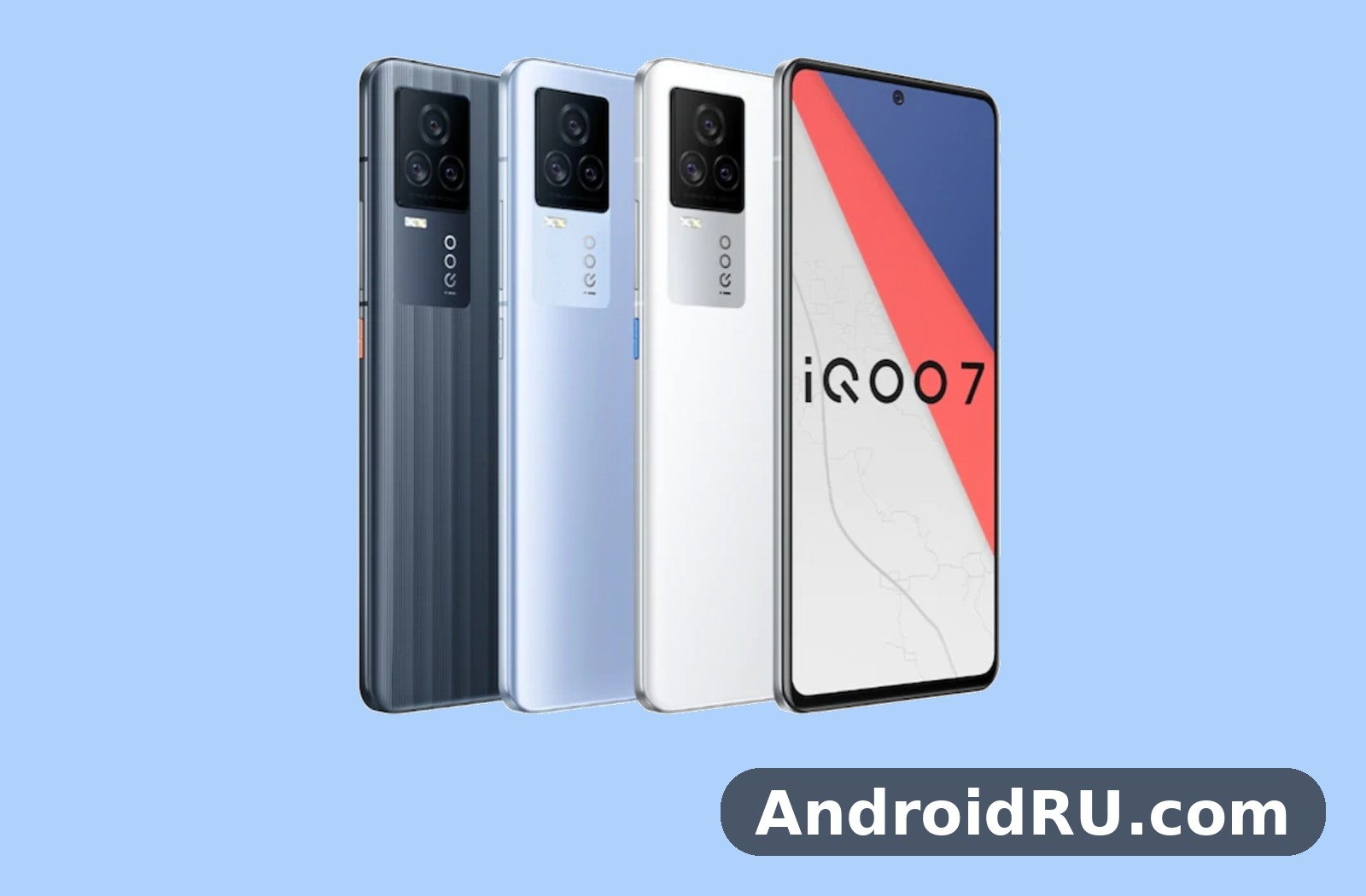
The iQOO 7 colours are Solid Ice, Storm Black and Monster Orange. Solid Ice is a pale blue with a frosted, icy look, Storm Black is a dark, subtle finish for buyers who prefer a quiet phone, and Monster Orange is the loud option, with a bright orange back and black accents. The iQOO 7 Solid Ice Blue colour hands on review notes a cool, frosted finish that hides fingerprints well, while the iQOO 7 Storm Black variant design and build quality feel understated and clean next to flashier rivals.
Monster Orange special edition
The iQOO 7 Monster Orange colour availability and price varied by sale, and it remains the boldest finish in the range. The orange back uses a textured pattern that catches the light, and the black camera module and dark frame give it a sporty contrast. It is the version to pick if you want the phone to stand out, while the other two colours suit buyers who want the performance without the attention.
Display: 120Hz AMOLED with HDR10+
The iQOO 7 display is a 6.62-inch AMOLED panel with a 1080 x 2400 resolution, a 120Hz refresh rate and HDR10+ support. Our iQOO 7 120Hz AMOLED display quality and brightness test found the panel bright, smooth and easy to read outdoors, with a peak brightness of 1300 nits that keeps text legible under strong sunlight. The iQOO 7 display with HDR10+ and 1300 nits brightness makes video look punchy and vivid, with deep blacks and saturated colours that suit movies and games alike.
Smoothness, brightness and HDR playback
The 120Hz refresh rate makes scrolling, animations and game menus feel fluid, and the 300Hz touch sampling rate keeps the screen responsive during fast play. The phone also uses an intelligent display chip that can lift frame rates in supported content, which is a rare feature at this price. Among the iQOO 7 features are an intelligent display chip, a 300Hz touch sampling rate and a dedicated game mode, all aimed at smoother play and video. The iQOO 7 battery life with 120Hz refresh rate enabled still gets most people through a full day, and switching the refresh rate to 60Hz adds a little extra endurance for long days away from a charger.
Always-on display and eye comfort
An always-on display shows the time and notifications without waking the full screen, and a dark mode turns the interface black to save power and reduce glare at night. The panel has an eye protection mode that warms the colour temperature in the evening, and the high brightness range means the screen stays readable in both a dark room and bright daylight. Colour accuracy is good for the class, with natural and vivid modes available in the settings for people who prefer one look over the other.
Software and Everyday Experience
iQOO 7 software shipped as Funtouch OS 11.1 on Android 11, and the iQOO 7 Funtouch OS 11 software features and user experience divide opinion, with plenty of tools but a busy look. The interface is fast and full of extras: a game mode, a smart sidebar, gesture shortcuts, an app clone feature and deep theme options. The iQOO 7 software update to Android 12 and beyond arrived over time, extending the life of the handset and bringing newer privacy controls and design tweaks to owners who kept the phone.
Funtouch OS 11.1 on Android 11
Day to day, the software feels quick, with fast animations and no lag when moving between apps. The game assistant, called Ultra Game Mode, blocks calls and notifications during play, shows a small overlay for performance settings and can add 4D vibration effects in supported titles. The iQOO 7 extended RAM feature and multitasking performance let the phone keep more apps open in the background by borrowing a slice of storage as extra memory, which helps when switching between a game, a browser and a chat app. The iQOO 7 smart 5G and network switching explained in simple terms: the phone picks the best available network automatically, moving between 4G and 5G to save power when speed is not needed.
Updates and long-term support
Each iQOO 7 update after launch brought security patches, bug fixes and small feature additions, and the phone moved from Android 11 to newer versions during its supported life. An iQOO 7 India long term review after three years shows a phone that still feels quick for everyday tasks, with messaging, browsing, streaming and light gaming all running smoothly. The interface has a fair number of preloaded apps, and some of them can be removed, so owners who like a clean home screen should spend ten minutes uninstalling what they do not need when the phone is first set up.
Performance and Gaming
The iQOO 7 Snapdragon 870 performance in daily use and gaming is the first thing most buyers ask about, and it remains the headline feature. The iQOO 7 performance in benchmarks is strong: the iQOO 7 Antutu score sits around 630,000 points, which was flagship territory when the phone launched and still beats most mid-range phones today. The iQOO 7 UFS 3.1 storage speed and app loading test shows apps opening quickly, with little waiting, and the 8GB or 12GB of LPDDR5 memory keeps heavy games and large apps in memory without constant reloading.
Snapdragon 870 in daily use
The Snapdragon 870 is an octa-core chip with one Kryo 585 core at 3.2GHz, three more at 2.42GHz and four efficiency cores at 1.8GHz, paired with an Adreno 650 GPU. In normal use that means instant app launches, smooth scrolling and fast photo processing. iQOO 7 storage options run from 128GB to 256GB, and iQOO 7 RAM choices are 8GB or 12GB, so the top model has plenty of room for large games and offline media. The difference between this chip and the Snapdragon 888 in the Chinese model and the Legend is small in real use, and the 870 runs cooler, which matters during long sessions.
Gaming features, cooling and sustained speed
For iQOO 7 gaming, the phone adds a 4D game vibration system, a dedicated game mode and a cooling setup that spreads heat across the body. The iQOO 7 gaming performance with BGMI and Call of Duty stays smooth at high settings, with only mild warming after half an hour of play. The iQOO 7 heating issue during long gaming sessions is mild, with the back warming rather than throttling hard, and iQOO 7 heating stays under control in most titles because the chip is efficient and the frame rate targets are realistic. Readers who want a much newer performance phone can read the iQOO Neo10 Review: Photo Quality, Video and Performance to see how the line has moved on since 2021.
Camera Quality
The iQOO 7 camera setup is a 48MP main sensor with optical image stabilisation, a 13MP ultrawide lens and a small auxiliary lens, with a 16MP camera on the front. The iQOO 7 camera quality in low light and night mode is decent for the price, though it cannot match newer sensors, and the main sensor is a Sony IMX598, a capable unit that produces sharp, detailed photos in good light. The iQOO 7 48MP OIS camera samples and photo quality show sharp, well-exposed daylight shots with natural colours and plenty of detail when viewed at full size.
Daylight photography with the 48MP main sensor
In daylight, the main camera is the star of the show. Photos are sharp across the frame, exposure is balanced, and colours are lively without going over the top. The optical stabilisation helps keep shots crisp when hands are not perfectly steady, and the autofocus is quick and reliable for everyday subjects, pets and street scenes. Dynamic range is good, with skies and shadows both holding detail, and the portrait mode gives a pleasing background blur for people shots. For a step up in imaging, the iQOO 8 Pro Review: Cameras, Performance and Battery Life shows what the next generation added to the camera system.
Low-light photography and night mode
At night, the main camera holds up well for its age. The night mode takes several frames and merges them, brightening dark scenes and pulling out detail in shadows, and iQOO 7 night mode brightens dark scenes without turning them into flat, noisy images. Noise is visible in very dark areas, and fine detail softens, but the results are usable for social sharing and memories. The optical stabilisation earns its keep here, keeping longer exposures sharp, and the dedicated night mode is worth switching on whenever the light drops.
Ultrawide, portraits and the 16MP selfie camera
The iQOO 7 ultrawide lens is a 13MP sensor with a 120-degree field of view, useful for landscapes, buildings and large group shots. The iQOO 7 ultrawide camera samples and distortion test show a useful wide view with soft corners, which is normal for ultrawide lenses at this price, and colours stay close to the main camera so mixed sets of photos look consistent. The iQOO 7 selfie camera is a 16MP sensor that takes bright, detailed self-portraits in good light, with a beauty mode that can be toned down or switched off, and portrait selfies get a clean edge separation in most conditions.
Video recording in 4K and 1080p
iQOO 7 video recording tops out at 4K 30fps, with 1080p at 30fps available as well, and the main camera records stable footage thanks to the optical stabilisation. The iQOO 7 4K video recording stabilisation and quality are solid for casual clips, though low light adds noise and the footage softens as the light fades. The front camera records at 1080p, which is fine for calls and short clips, and the phone has a dual-view mode that records from the front and rear cameras at the same time for vlog-style videos.
Battery Life and Charging
The iQOO 7 battery is a 4400mAh cell, which is modest on paper but works well with the efficient Snapdragon 870 and the AMOLED screen. Most owners get a full day of heavy use from a single charge, with streaming, gaming, browsing and messaging mixed through the day, and lighter users can stretch it further by switching the screen to 60Hz. The iQOO 7 speakers are a dual stereo pair. The iQOO 7 dual stereo speakers sound quality test reveals loud, clear audio with a reasonable amount of bass, which pairs well with long video sessions on the large screen.
A full day on a 4400mAh cell
In everyday use, the phone comfortably reaches bedtime with charge to spare, and the 5G radio is the biggest drain when the signal is weak. The battery saver modes in the settings can extend life further by limiting background activity and lowering the refresh rate. An iQOO 7 unboxing reveals the 66W charger in the box, so there is no need to buy a fast charger separately, and the bundled cable is a standard USB Type-C lead that is easy to replace.
66W FlashCharge from empty to full
iQOO 7 charging is handled by a 66W adapter, and the iQOO 7 66W fast charging time from zero to full is one of the fastest in its class, at around 22 minutes for a complete refill. A ten-minute top-up adds roughly half a charge, which is enough to rescue a phone before heading out. The phone gets warm during the fastest part of the charge, which is normal for high-wattage charging, and there is no wireless charging, so the cable is the only way to fill the battery. If battery life is your priority, the iQOO 9T Review: Photo Quality, Video and Performance is worth a look for a newer take on endurance.
Full Specifications
The iQOO 7 full specifications with price and launch date details are listed in the table below, covering the screen, chipset, cameras, battery and connectivity of the Indian model.
| Specification | Details |
|---|---|
| Model | iQOO 7 (India) |
| Announced | 26 April 2021 |
| Released | 1 May 2021 |
| Display | 6.62-inch AMOLED, 120Hz, HDR10+, 1080 x 2400 pixels, 1300 nits peak brightness |
| Chipset | Qualcomm Snapdragon 870 5G (7 nm) |
| CPU | Octa-core (1×3.2 GHz Kryo 585, 3×2.42 GHz Kryo 585, 4×1.80 GHz Kryo 585) |
| GPU | Adreno 650 |
| RAM | 8GB / 12GB LPDDR5 |
| Storage | 128GB / 256GB UFS 3.1, no microSD card slot |
| Operating system | Android 11, Funtouch OS 11.1 |
| Rear camera | 48MP f/1.8 wide with PDAF and OIS, 13MP f/2.2 ultrawide (120-degree), auxiliary lens |
| Rear camera features | Dual-LED dual-tone flash, HDR, panorama |
| Rear video | 4K at 30fps, 1080p at 30fps |
| Front camera | 16MP f/2.0 wide, HDR |
| Front video | 1080p at 30fps |
| Battery | 4400mAh, 66W wired charging (100% in about 22 minutes) |
| Dimensions | 163.3 x 76.4 x 8.4 mm |
| Weight | 196 g |
| SIM | Dual Nano-SIM |
| Network | GSM / HSPA / LTE / 5G (SA/NSA) |
| Connectivity | Wi-Fi 802.11 a/b/g/n/ac dual-band, Bluetooth 5.1, NFC, GPS, USB Type-C 2.0 with OTG |
| Audio | Dual stereo speakers, no 3.5mm jack, 24-bit/192kHz Hi-Res audio |
| Sensors | In-display optical fingerprint, accelerometer, gyro, proximity, compass |
| Colours | Solid Ice, Storm Black, Monster Orange |
Pros and Cons
The iQOO 7 pros include the Snapdragon 870 chip, the 120Hz AMOLED screen and the 66W charging, and the full picture is a phone that is fast where it matters and weak only in the areas where the price forced a compromise.
Pros
- Flagship-level Snapdragon 870 speed at a mid-range launch price.
- Bright 120Hz AMOLED display with HDR10+ and 1300 nits peak brightness.
- 66W wired charging that fills the battery in about 22 minutes.
- 48MP main camera with optical stabilisation and good daylight photos.
- Dual stereo speakers, NFC and an in-display fingerprint sensor.
Cons
- No headphone jack and no microSD card slot for storage expansion.
- No wireless charging and no official water resistance rating.
- Funtouch OS is busy and ships with preloaded apps that need removing.
- The ultrawide camera is soft at the corners and weak in low light.
Verdict: Who Should Buy It?
Years after launch, the Indian model still makes sense for buyers who want speed above all else. The iQOO 7 price in India for 8GB RAM variant buyers started at Rs 31,990, and the iQOO 7 vs iQOO 7 Legend which one should you buy question comes down to chipset, price and the BMW-inspired design: the Legend is faster on paper, but the standard model runs cooler and costs less. The iQOO 7 second hand price in India in 2026 is far below the launch price, which makes it a tempting used buy for gamers and heavy users on a tight budget. Readers comparing newer models can check the iQOO 8 Review: Build Quality, Software and Daily Speed for how the line evolved after this phone. For anyone who wants a fast screen, fast charging and a capable main camera at a fair price, this handset remains excellent value for money, provided the missing headphone jack and the lack of a memory card slot are acceptable trade-offs.
Frequently Asked Questions
Is the iQOO 7 (India) still worth buying in 2026?
Yes, as a used or discounted buy it still offers strong speed, a bright 120Hz screen and very fast charging. Buyers should check the battery health and the software version first, and prefer the 8GB or 12GB models with 256GB of storage, since there is no card slot. New buyers who want the latest camera and longer support should look at a newer model instead.
Does the iQOO 7 (India) support 5G in India?
Yes, the phone supports 5G in SA and NSA modes. The iQOO 7 5G bands support in India for Jio and Airtel covers the sub-6GHz bands used by both networks, so the phone can connect to 5G where coverage is available. Actual speeds depend on the network, the plan and the location.
How long does the 66W charger take to fill the battery?
The bundled 66W charger fills the 4400mAh battery from empty to full in about 22 minutes. A ten-minute charge adds roughly half a charge, which is enough for several hours of normal use. The phone warms up during the fastest part of the charge, which is normal for high-wattage wired charging.
What is the difference between the iQOO 7 (India) and the iQOO 7 Legend?
The main difference is the chipset: the Indian standard model uses the Snapdragon 870, while the Legend uses the faster Snapdragon 888 and adds a BMW-inspired striped finish. Both share the same 6.62-inch 120Hz AMOLED screen, the same 48MP main camera, the same 4400mAh battery and the same 66W charging. The Legend costs more, while the standard model runs cooler and offers better value.

 review: Snapdragon 870 speed, 120Hz AMOLED display, 48MP OIS camera and 66W charging. Design, software, battery and camera quality tested.)