

vivo X500 Pro Max Review: Photo Quality, Video and Performance
The vivo X500 Pro Max arrived as a full flagship rather than a minor refresh. It was announced on 21 September 2026 and released on 24 September 2026, so this is a phone buyers can already find in shops, not a device still waiting for a launch date. A vivo X500 Pro Max review has to start with the three things that define it: a triple camera led by a 200MP periscope zoom, a silicon-carbon battery that reaches 8000 mAh in China, and a MediaTek Dimensity 9600 Pro chipset built on a 2 nm process. The vivo X500 Pro Max price sits at about 1,599 euros in Europe, which puts it firmly against the most expensive phones on sale, and the vivo X500 Pro Max specs explain why vivo asks that much: a 6.85-inch LTPO AMOLED display at 144Hz, 8K video recording, 90W wired charging, 40W wireless charging, and Android 17 with OriginOS 7.
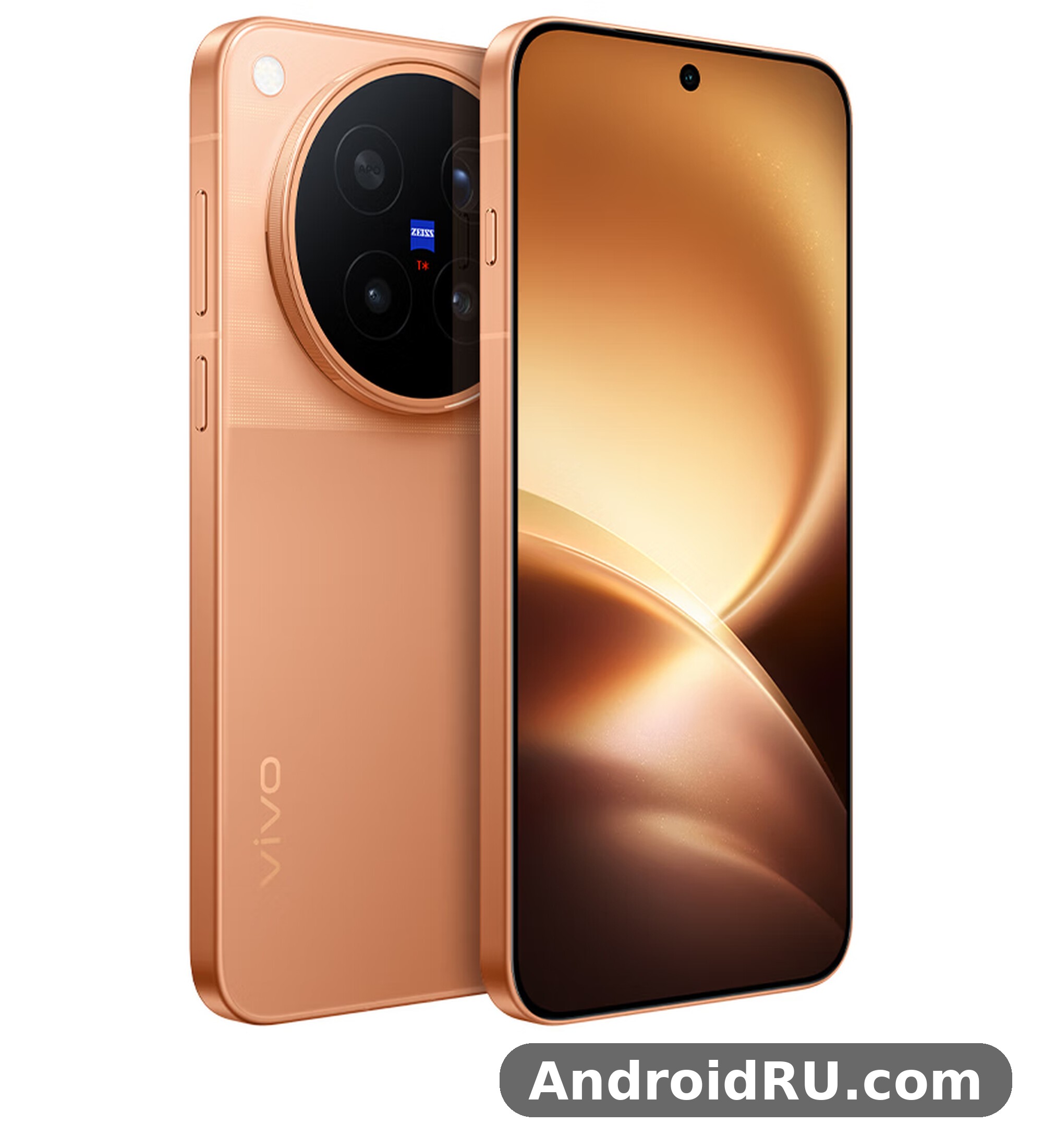
This review looks at the phone the way a buyer would use it: photo quality first, then video, then performance, battery life and software. The vivo X500 Pro Max camera is the headline, but the vivo X500 Pro Max battery, the vivo X500 Pro Max display and the vivo X500 Pro Max performance all have to hold up for the price to make sense. The vivo X500 Pro Max release date of 24 September 2026 also matters, because the phone launched with Android 17 already installed and a promise of up to five major OS updates, so it should stay current for years rather than arriving on last year software.
Design and Build Quality
The vivo X500 Pro Max design keeps the large, camera-led look of the X series, with a big camera island on the back and a flat-edged frame that makes the phone easy to hold despite its size. The vivo X500 Pro Max weight is 225 grams in one version and 229 grams in the other, and the vivo X500 Pro Max thickness is 8.1 mm, so it is heavy but not unusually thick for a phone with an 8000 mAh battery inside. The vivo X500 Pro Max dimensions follow from the 6.85-inch screen, which means this is a two-hand phone for most people, and a case is a sensible addition given the size and the glass back. The vivo X500 Pro Max weight 225 grams thickness 8.1mm design combination is honest about what the phone is: a large flagship that trades pocket lightness for camera hardware and battery capacity.
In-hand feel and durability
The vivo X500 Pro Max durability story is built around its ratings rather than a rugged look. It carries both IP68 and IP69 ratings, so it is protected against dust, immersion in water and high-pressure water jets, and that is a stronger rating than many flagships manage. The vivo X500 Pro Max IP68 IP69 water resistance rating test that buyers look up is really a check of those two ratings together: dust and immersion cover from IP68, and high-pressure jets from IP69. The vivo X500 Pro Max waterproof protection, in the sense of those IP68 and IP69 ratings, means rain, splashes and an accidental drop in water should not end the phone, although no rating makes a phone safe to use as an underwater camera. The frame and glass feel solid in the hand, the buttons sit where the thumb expects them, and the weight is balanced well enough that the phone does not feel top-heavy despite the large camera module.
Buttons, SIM and connectivity
The vivo X500 Pro Max SIM card slots dual SIM 5G connectivity setup covers two SIM cards with 5G support, which suits buyers who keep a work number and a personal number in one phone. There is no card slot for extra memory, so the choice of 256GB, 512GB or 1TB of built-in memory has to be made at purchase time. The USB-C port handles charging and data, and the phone supports the usual modern wireless standards for a flagship of this class. The fingerprint sensor sits under the display, which keeps the back clean and the sides free of extra cut-outs.
Display: 144Hz LTPO AMOLED
The vivo X500 Pro Max display is a 6.85-inch LTPO AMOLED panel with a 144Hz refresh rate and a resolution of 3168 by 1440 pixels. The vivo X500 Pro Max display 144Hz LTPO AMOLED screen review angle is simple: the combination of a high refresh rate, a sharp resolution and an AMOLED panel gives smooth scrolling, crisp text and deep blacks, and the LTPO backplane lets the refresh rate drop when the screen is static, which helps battery life. The vivo X500 Pro Max 3168×1440 resolution display pixel density works out at around 508 pixels per inch, so individual pixels are invisible at normal viewing distance and small text stays sharp. The vivo X500 Pro Max Dolby Vision HDR10 Plus display support means HDR films and shows can use the dynamic metadata those formats carry, with brighter highlights and more detailed shadows than standard video.
Brightness, colour and HDR behaviour
On paper the screen is built for media as much as for reading and browsing. HDR10+ and Dolby Vision support, a 144Hz refresh rate and a 3168 by 1440 resolution make it a strong panel for video, and the AMOLED contrast makes photos look rich when they are reviewed on the phone itself. The large size suits split-screen work and reading, while the thin bezels keep the body from growing beyond what the 6.85-inch panel already demands. For photo and video work, the accurate-looking colour and the high resolution matter because the screen is where most owners will judge their shots before they share them.
Cameras: 50MP Main, 200MP Periscope and 50MP Ultrawide
The phone carries three rear cameras that cover very different jobs, and the main camera is where the vivo X500 Pro Max camera review photo quality in low light question is answered. The vivo X500 Pro Max 50MP main camera Sony LYTIA sensor is a Sony LYTIA L910 unit with a 24 mm focal length and an f/1.6 aperture, and it uses gimbal-grade optical image stabilisation that corrects movement by up to 3 degrees. That wide aperture and large sensor let in more light than a typical phone camera, which is exactly what low-light shots need. The vivo X500 Pro Max photos taken in daylight should be detailed and clean, while the low-light case is where the f/1.6 aperture and the stabilisation have to earn their place. Readers who want the closest sibling for comparison can read the vivo X500 Review: Screen Quality, Cameras and Charging to see how the standard X500 handles the same kind of camera-led brief.
Main camera: 50MP Sony LYTIA L910
The main camera pairs a 50MP Sony LYTIA L910 sensor with a 24 mm lens at f/1.6, a combination aimed at natural-looking photos rather than over-processed ones. The wide aperture helps in dim restaurants, streets at night and indoor scenes, and the optical stabilisation keeps shutter speeds usable when the light drops. The sensor size and the bright lens are the two facts that matter most here, because they decide how much light the camera can gather before software has to step in.
Low-light behaviour
In low light, the main camera leans on the f/1.6 aperture, the large sensor and the gimbal-grade stabilisation together. The stabilisation corrects movement by up to 3 degrees, which helps keep night shots sharp when the phone is held by hand, and the bright lens means the sensor needs less help from long exposures or heavy noise reduction. The vivo X500 Pro Max camera review photo quality in low light verdict, on the specification alone, is that this is a camera built to stay usable after sunset rather than one that only shines in bright daylight.
Periscope zoom: 200MP Samsung ISOCELL HP0
The periscope camera is the most unusual part of the phone. The vivo X500 Pro Max 200MP periscope zoom camera test results that buyers look for centre on one thing: whether a 200MP sensor behind a 3.5x optical zoom lens can keep detail at distance. The sensor is a Samsung ISOCELL HP0, the lens is 85 mm, and the optical zoom is 3.5x, so the camera reaches much further than the main camera without relying on digital cropping alone. The vivo X500 Pro Max zoom range is built around that 3.5x optical step, with the 200MP resolution giving room to crop further without the image falling apart. The vivo X500 Pro Max 3.5x optical zoom periscope camera samples that owners share will show the same pattern: distant subjects that look small on the main camera become large and detailed through the periscope. The vivo X500 Pro Max periscope also changes how portraits are shot, because an 85 mm focal length is a classic portrait length. The vivo X500 Pro Max 200MP telephoto camera portrait mode samples should show smooth background blur with the subject kept sharp, and the high resolution gives room to crop a portrait after the shot without it falling apart.
Ultrawide and front camera
The third rear camera is a 50MP ultrawide with a 119-degree field of view, which is wide enough for buildings, interiors and group shots where stepping back is not an option. The vivo X500 Pro Max ultrawide camera 119 degree field of view makes it easy to fit a whole scene into one frame, and the 50MP resolution means ultrawide shots keep more detail than the low-resolution ultrawide cameras found on cheaper phones. The vivo X500 Pro Max ultrawide is also the camera for close, wide shots where the main camera would crop the edges away. At the front, the vivo X500 Pro Max selfie camera is a 32MP unit, and the vivo X500 Pro Max 32MP front camera selfie quality test that buyers run in their heads is about daylight selfies, video calls and front video: the resolution is ample, and the front camera records the same kind of clean, detailed image the rear cameras aim for. The vivo X500 Pro Max selfie results should be sharp in good light, with natural skin tones rather than heavy smoothing.
Video Recording: 8K, 4K 240fps and Stabilisation
Video is the second half of the camera story, and the vivo X500 Pro Max video capability is led by 8K recording at 30 frames per second. The vivo X500 Pro Max 8K video recording quality and stabilization package pairs that high resolution with the gimbal-grade stabilisation from the main camera, so walking shots and handheld clips should stay steadier than they would on a phone without it. The vivo X500 Pro Max gimbal grade OIS 3 degree stabilization test, as a specification, is about movement correction of up to 3 degrees, which is a large range for a phone camera and is meant to smooth out the small shakes that ruin handheld video. The vivo X500 Pro Max video recording also covers 4K slow motion, which is where the phone gets more creative.
8K recording and stabilisation
Recording in 8K at 30fps gives huge frames that can be cropped or downscaled to 4K while keeping detail, which suits owners who edit video or watch it on a large screen. The stabilisation matters more than the resolution in practice, because shaky 8K footage is still shaky footage, and the gimbal-grade system is there to keep the frame steady. The combination of a large main sensor, a bright f/1.6 lens and strong stabilisation is what makes the video mode feel like a flagship feature rather than a checkbox.
Slow motion at 4K 240fps
The vivo X500 Pro Max 4K 240fps slow motion video recording mode records at 240 frames per second in 4K, which slows fast movement down to a tenth of its real speed when played back. That is enough to show water splashing, a ball leaving a foot, or a pet mid-jump in clear detail, and the 4K resolution means the slow-motion clip stays sharp on a large screen instead of turning soft the way lower-resolution slow motion often does.
When slow motion makes sense
Slow motion works best in bright light, because a high frame rate needs a fast shutter and therefore plenty of light. In daylight, the 4K 240fps mode is a genuine creative tool; indoors or at night, the same mode will show more noise, so it is better kept for outdoor action. Used in the right light, it is one of the more fun parts of the camera, and it is a clear step above the slow-motion modes on phones that only manage high frame rates at lower resolutions.
Performance and Gaming
The vivo X500 Pro Max performance comes from the MediaTek Dimensity 9600 Pro, a chipset built on a 2 nm process. The vivo X500 Pro Max Dimensity 9600 Pro performance benchmark question that buyers ask is really about two things: raw speed and efficiency, and a 2 nm chipset should deliver both, with fast app opening and less heat than an older, larger process. The vivo X500 Pro Max chipset is paired with 12GB or 16GB of RAM and 256GB, 512GB or 1TB of UFS 4.1 memory, so the phone has both the working memory and the fast memory to keep heavy apps and games loaded. The vivo X500 Pro Max benchmarks that appear after launch will give exact numbers, but the specification sheet already points to a phone that should handle demanding games and long multitasking sessions without struggling. Readers weighing an older flagship instead can look at the vivo X200 Pro Review: Display Quality, Speed and Daily Use for a sense of how the previous generation balanced speed and daily use.
Everyday speed and multitasking
In daily use, the Dimensity 9600 Pro, the fast UFS 4.1 memory and the large RAM options should make the phone feel instant: apps open quickly, switching between a camera, a browser and a messaging app stays smooth, and the 144Hz display makes that speed visible. The vivo X500 Pro Max storage options run from 256GB to 1TB, all on fast UFS 4.1 memory, so buyers should pick the size that fits years of photos and video. The vivo X500 Pro Max UFS 4.1 storage speed and app loading benefit is practical rather than theoretical, because fast memory shortens loading times for large games and for the camera app when it is saving high-resolution photos and 8K video. The vivo X500 Pro Max RAM choice matters for heavy multitaskers: 16GB keeps more apps in memory than 12GB, so switching back to an app is less likely to force a reload.
Gaming and sustained load
The vivo X500 Pro Max gaming case rests on the same hardware: a 2 nm flagship chipset, up to 16GB of RAM, fast UFS 4.1 memory and a 144Hz display. That combination should run demanding games at high settings with smooth frame rates, and the large battery means long sessions do not end early. Heat is the usual limit for sustained gaming on any phone, and the 2 nm process should help here by using less power for the same work, although long sessions in a warm room will still warm any flagship. The big screen and the high refresh rate make games look and feel better on this hardware.
Battery and Charging
The battery is the most regional part of the phone, because the capacity changes by market. The vivo X500 Pro Max battery life 8000mAh battery test that buyers in China will run uses the 8000 mAh silicon-carbon battery, while the global version has a 7800 mAh battery and the European version has a 6750 mAh battery. The vivo X500 Pro Max 7800mAh global battery version charging time and the vivo X500 Pro Max 6750mAh EU battery version and 90W charger combination both use the same 90W wired charging, so the smaller European battery should refill faster in absolute terms even though it holds less charge. The vivo X500 Pro Max charging setup covers 90W wired charging, 40W wireless charging and reverse wireless charging, so the phone can refill quickly on a cable, charge without one on a compatible pad, and share power with earbuds or another phone. The vivo X500 Pro Max reverse wireless charging speed and use case is for topping up small accessories rather than refilling another phone, and it is a useful extra rather than a daily habit. The sibling model is worth a look for buyers who want a smaller battery story: the vivo X500 Pro Review: Design, Battery Life and Usability covers the X500 Pro take on the same design language.
Battery life across the three versions
All three battery versions are large by flagship standards, and even the smallest, the 6750 mAh European battery, is bigger than the battery in most rival flagships. The 8000 mAh Chinese version should give the longest life, the 7800 mAh global version should sit close behind it, and the European version trades some capacity for regional rules while still lasting a full day of heavy use on paper. Silicon-carbon battery chemistry is what makes these capacities possible in a phone that is only 8.1 mm thick, because it packs more energy into the same space than older battery chemistry. Heavy camera use, 8K video and gaming will drain any battery faster, but the starting capacity here is high enough that a full day should be comfortable for most owners.
90W wired, 40W wireless and reverse wireless
The vivo X500 Pro Max 90W fast charging time and wireless charging picture is straightforward: 90W wired charging refills the battery quickly, 40W wireless charging is fast for a wireless pad, and reverse wireless charging shares power with accessories. Wired charging is the fastest option and the one to use before leaving the house, while wireless charging suits a desk or a bedside table where the phone can sit for longer. The 90W wired speed also matters because a large battery takes longer to refill at low wattages, so the high wired speed keeps the big capacity practical rather than slow to top up.
Software, Updates and Daily Use
The phone launched with Android 17 and OriginOS 7, which is the newest software vivo could ship at the time of its release on 24 September 2026. The vivo X500 Pro Max software experience is therefore current from the first day, with the latest Android features and vivo own interface on top. The vivo X500 Pro Max Android 17 OriginOS 7 update features include the interface changes and system improvements that come with a new Android version, and OriginOS 7 adds vivo own design, widgets and camera software around them. The vivo X500 Pro Max updates promise is equally important: up to five major OS updates, which means the phone should receive new Android versions for years after launch. For a broader view of how vivo software ages on an older model, the vivo X200 Review: Camera Quality, Battery and Value is a useful comparison point.
OriginOS 7 features and feel
OriginOS 7 is the layer owners will see every day, from the home screen and widgets to the camera app and the settings menus. It is designed around the large 6.85-inch display, with large widgets and easy access to the camera features that define this phone. The camera software is a big part of the package, because the 200MP periscope, the portrait modes and the video modes all need clear, quick controls to be useful in the moment rather than buried in menus.
Update promise
The vivo X500 Pro Max 5 major OS updates support until 2031 is the long-term reason to buy this phone: five major updates from Android 17 points to support running to around 2031, which is a long life for a flagship. That promise covers new Android versions rather than just security patches, so the phone should keep gaining features as well as staying protected. Buyers who keep a phone for three or four years will benefit most, because the phone should still feel current when the next two generations of flagships have launched.
Full Specifications
The vivo X500 Pro Max specs sheet brings the whole phone together in one place. The vivo X500 Pro Max price in Europe and release date are the two commercial facts to remember: about 1,599 euros, announced 21 September 2026 and released 24 September 2026. The vivo X500 Pro Max full specifications and price in India is a search many buyers run, and the clearest published figure so far is the European price of about 1,599 euros, with regional pricing varying by market. The vivo X500 Pro Max 16GB RAM 512GB storage variant price will sit above the base model, and the vivo X500 Pro Max 1TB storage variant price and availability will depend on the market, since not every region gets every memory option. The table below lists the verified specification for the phone.
| Feature | Specification |
|---|---|
| Announced | 21 September 2026 |
| Released | 24 September 2026 |
| Display | 6.85-inch LTPO AMOLED, 144Hz, 3168 x 1440, HDR10+, Dolby Vision |
| Chipset | MediaTek Dimensity 9600 Pro (2 nm) |
| RAM | 12GB / 16GB |
| Built-in memory | 256GB / 512GB / 1TB, UFS 4.1, no card slot |
| Rear cameras | 50MP main, Sony LYTIA L910, 24 mm, f/1.6, gimbal-grade OIS (3 degrees); 200MP periscope, Samsung ISOCELL HP0, 85 mm, 3.5x optical zoom; 50MP ultrawide, 119 degrees |
| Front camera | 32MP |
| Video | 8K at 30fps, 4K slow motion at 240fps |
| Battery | 8000 mAh (China) / 7800 mAh (Global) / 6750 mAh (EU), silicon-carbon |
| Charging | 90W wired, 40W wireless, reverse wireless |
| Operating system | Android 17, OriginOS 7, up to 5 major OS updates |
| Body | 225 / 229 grams, 8.1 mm thick, IP68 / IP69 |
| SIM | Dual SIM, 5G |
| Price | About 1,599 euros in Europe |
Pros and Cons
The phone is a camera-first flagship with a battery to match, and the trade-offs are mostly about size and price rather than missing features. The camera hardware, the display and the battery are the reasons to buy it, while the weight and the high price are the reasons to pause.
Pros
- 200MP periscope camera with 3.5x optical zoom and a 50MP main camera with a bright f/1.6 lens and gimbal-grade stabilisation.
- 8K video at 30fps and 4K slow motion at 240fps for owners who film as much as they photograph.
- Large silicon-carbon battery: 8000 mAh in China, 7800 mAh globally and 6750 mAh in Europe, with 90W wired and 40W wireless charging.
- 6.85-inch 144Hz LTPO AMOLED display with 3168 by 1440 resolution, HDR10+ and Dolby Vision.
- Dimensity 9600 Pro on a 2 nm process with up to 16GB of RAM and up to 1TB of UFS 4.1 memory.
- Android 17 with OriginOS 7 and up to five major OS updates, plus IP68 and IP69 ratings.
Cons
- Heavy at 225 to 229 grams and large with a 6.85-inch screen, so it is not a one-hand phone for most people.
- High price at about 1,599 euros in Europe, which puts it against the most expensive rivals.
- Battery capacity changes by region, so European buyers get 6750 mAh rather than the 8000 mAh Chinese version.
- No card slot for extra memory, so the memory size has to be chosen at purchase.
- 8K video and large photo files will fill the built-in memory quickly on the 256GB version.
Verdict and Frequently Asked Questions
The vivo X500 Pro Max verdict is that this is a camera-first flagship that earns its price through hardware rather than branding: a 200MP periscope zoom, a bright 50MP main camera with gimbal-grade stabilisation, a huge silicon-carbon battery and a 144Hz LTPO AMOLED display. The vivo X500 Pro Max comparison that matters most is against its own siblings, and the vivo X500 Pro Max vs vivo X500 Pro camera comparison is the first one to make, because the Pro Max adds the larger battery and the most complete camera set to the same family. Buyers who want the best camera vivo makes and a battery that lasts, and who accept the size and the price, will find little to complain about. The compact alternative in the family is covered by the vivo X200 Pro mini Review: Gaming, Multitasking and Battery Life, which suits buyers who want flagship speed in a smaller body.
What is the vivo X500 Pro Max price in Europe and release date?
The vivo X500 Pro Max price in Europe and release date are about 1,599 euros and 24 September 2026. The phone was announced on 21 September 2026 and released three days later, so it has been on sale since late September 2026.
Is the vivo X500 Pro Max waterproof?
The phone carries IP68 and IP69 ratings, so it is protected against dust, immersion in water and high-pressure water jets. That is a strong rating, but it does not mean the phone should be used as an underwater camera, and water damage is still best avoided.
How good is the 200MP periscope zoom?
The periscope camera uses a 200MP Samsung ISOCELL HP0 sensor with an 85 mm lens and 3.5x optical zoom. That combination should keep distant subjects detailed and give portraits a natural look at a classic portrait focal length, with room to crop thanks to the high resolution.
How long does the battery last, and how fast does it charge?
The battery holds 8000 mAh in China, 7800 mAh globally and 6750 mAh in Europe, and all versions charge at 90W wired and 40W wireless, with reverse wireless charging for accessories. The large capacity should give a full day of heavy use, and the 90W wired charging refills it quickly.
Does the vivo X500 Pro Max have a card slot for extra memory?
No, there is no card slot. The phone comes with 256GB, 512GB or 1TB of UFS 4.1 built-in memory, so buyers who take many photos and much 8K video should choose the 512GB or 1TB version.
Which Android version does it run, and how long will it be updated?
It runs Android 17 with OriginOS 7 and is promised up to five major OS updates, which points to support running to around 2031. That makes it a good choice for buyers who keep a phone for several years.

