

Redmi K60 Pro Review: Display, Audio and Overall Experience
This Redmi K60 Pro review looks at a phone that arrived with a clear job: bring a former flagship chip, a sharp high-resolution screen and very fast charging to a price far below the top tier. Xiaomi announced the handset on 27 December 2022, and the Redmi K60 Pro release date was 1 January 2023, when it went on sale in China. It never received an official global release, so buyers outside China usually meet it as an import, and the Redmi K60 Pro price in China and global availability shape how it should be judged. The Redmi K60 Pro price started at CNY 3,299 in China for the base version, which put a Snapdragon 8 Gen 2 phone within reach of far more buyers than most flagship phones of the same year. This Redmi K60 Pro Review: Display, Audio and Overall Experience covers the screen and sound first, then speed, cameras, battery and daily use, so you can see where it still holds up and where age shows.
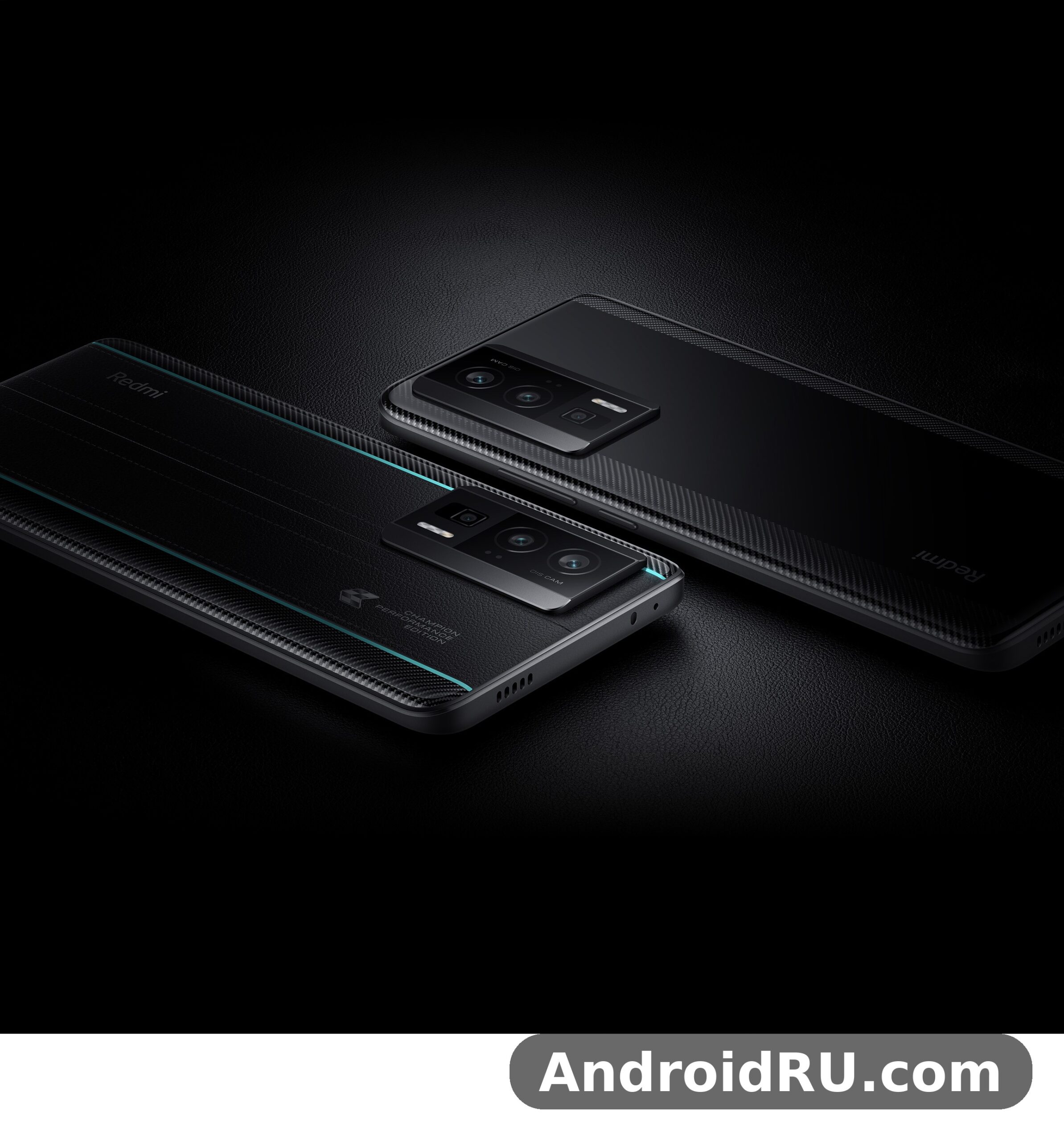
The short version is simple. The Redmi K60 Pro display is the star of the phone, the Redmi K60 Pro audio comes from proper stereo speakers, and the Redmi K60 Pro battery lasts a full day for most people while refilling in minutes rather than hours. The Redmi K60 Pro camera is capable in daylight and useful at night, even if it is not the main reason to buy the phone. The Redmi K60 Pro 5G support, Wi-Fi 6E, NFC and IR blaster round out a feature list that still feels generous. What follows is a plain look at each part, with the numbers that matter and the small details that only show up after weeks of use.
Display Quality and Everyday Viewing
The Redmi K60 Pro 2K display measures 6.67 inches and uses an OLED panel with a 1440 x 3200 resolution, a 120Hz refresh rate, Dolby Vision, HDR10+ and a peak brightness of 1400 nits. On paper that is a flagship screen, and in normal use it reads that way too. Text looks crisp at about 526 pixels per inch, icons keep clean edges, and photos show the kind of colour depth that makes a cheaper 1080p panel look flat by comparison. The Redmi K60 Pro OLED panel also supports 68 billion colours, so gradients in skies and skin tones stay smooth instead of banding into visible steps.
A Redmi K60 Pro 2K OLED display quality in sunlight check is where the panel earns its keep. At 1400 nits peak, the screen stays readable outdoors on a bright day, and the auto brightness steps up quickly enough that you are not left squinting while it catches up. The screen is sharp and bright in direct sunlight, and that matters more in daily use than any single benchmark number, because a phone screen is used outside far more often than it is used in a dark room. Colours stay vivid without turning harsh, and the high resolution keeps small text legible even when the brightness is pushed up.
How the 2K OLED panel handles sunlight and video
Video is where this screen feels most at home. The Redmi K60 Pro Dolby Vision HDR10 Plus video playback looks rich and punchy, with bright highlights and deep blacks sitting side by side in the same frame. The Redmi K60 Pro Dolby Vision support and Redmi K60 Pro HDR10 support mean streamed films and shows can use the wider colour and brightness range when the source provides it, and the 20:9 screen shape suits modern video with only slim black bars. The Redmi K60 Pro 1440p display resolution sharpness and colors stay consistent at an angle too, so sharing a clip with the person next to you does not wash the picture out.
Dolby Vision and HDR10+ playback in practice
In practice, HDR video on this phone is bright without being tiring, and dark scenes keep detail instead of crushing shadows into solid black. The panel switches smoothly between standard and HDR content, and the 120Hz refresh rate keeps scrolling through a video app feeling fluid. If you watch a lot of video on your phone, the display alone is a strong reason to consider this model, even now.
Refresh rate, touch response and eye comfort
The Redmi K60 Pro screen refresh rate and touch response feel quick and well tuned. The 120Hz mode makes scrolling, swiping and animations feel immediate, and the panel drops to lower rates when nothing is moving, which helps the battery. Touch sampling is responsive enough for fast typing and casual games, and the flat screen avoids the accidental touches that curved glass can cause. The Redmi K60 Pro display also dims smoothly at night, and the OLED panel can show true blacks, which suits reading in a dark room. There is no plastic look to the image, no grain at low brightness that draws the eye, and no colour shift that makes white pages look green or pink.
Audio and Stereo Speakers
Sound is the second half of the promise in the title, and the phone delivers. The Redmi K60 Pro speakers are a stereo pair, with one unit at the bottom and one in the earpiece, and they produce a wide, balanced sound for a phone. The Redmi K60 Pro audio comes from that pair plus Hi-Res audio support over wire and wireless, with 24-bit and 192kHz playback for files that carry that detail. There is no 3.5mm headphone jack, so wired listening needs a USB-C adapter or USB-C earphones, but Bluetooth 5.3 covers wireless listening well.
A Redmi K60 Pro stereo speakers sound quality test at full volume shows clear voices, distinct instruments and bass that is present without turning muddy. The sound is loud, clear stereo sound at the kind of volume that fills a small room, and it stays clean when a video gets busy, with dialogue sitting above background music instead of sinking under it. The Redmi K60 Pro Bluetooth 5.3 audio codec support details matter for wireless listeners too, because the phone supports the common high-quality codecs, so a good pair of earbuds can make full use of the signal. For calls, the earpiece is loud and clear, and the microphones pick up speech well enough for calls in a noisy street.
Stereo speaker balance and volume
Balance between the two speakers is even, so video does not lean to one side, and games gain a sense of direction from left and right channels. At low volume the sound stays detailed, which suits late-night viewing, and at high volume there is only a small amount of distortion on the deepest bass notes. The speakers are not a replacement for a dedicated speaker, yet for a phone they are among the better setups in this price range, and they pair well with the display for films, shows and games.
Performance and Gaming
The Redmi K60 Pro Snapdragon chip is the Qualcomm Snapdragon 8 Gen 2, built on a 4nm process, with an octa-core CPU led by a 3.2 GHz Cortex-X3 core and an Adreno 740 GPU. The phone ships with 8GB, 12GB or 16GB of RAM and 128GB, 256GB or 512GB of internal space, with no card slot, so the version you pick is the version you keep. The Redmi K60 Pro 16GB RAM option pairs with 512GB of space, and the Redmi K60 Pro 512GB version uses fast UFS 4.0 memory, while the 128GB version uses UFS 3.1. That difference is worth knowing before you buy, because the faster memory loads large games and apps a little quicker.
This Redmi K60 Pro Snapdragon 8 Gen 2 performance review starts with everyday speed, and everyday speed is excellent. Apps open quickly, switching between a dozen apps stays smooth, and the phone rarely stutters when moving between a browser, a camera and a chat app. The Redmi K60 Pro UFS 4.0 storage speed and app loading feel instant for the most part, and the extra RAM on the higher versions keeps more apps alive in the background. If you want to see how the next generation of this line builds on the same idea, read Redmi K70 Ultra Review: Gaming, Multitasking and Battery Life.
Gaming on the Adreno 740 GPU
Redmi K60 Pro gaming performance with Adreno 740 GPU stays strong in demanding titles. Heavy games run at high settings with smooth frame rates, and the 120Hz screen makes fast games feel responsive. The Redmi K60 Pro gaming experience benefits from the large vapour chamber cooling inside the phone, which spreads heat away from the chip, and from a touch response that keeps up with quick inputs. Frame rates hold up well in long sessions, and the phone does not need to be restarted or cooled down between matches.
Heat and sustained speed during long sessions
The Redmi K60 Pro heat management during long gaming sessions keeps the frame warm rather than hot, and the chip holds its speed instead of dropping hard after ten minutes. The back can feel warm after an hour of heavy play, yet the screen stays bright and the controls stay responsive. Charging while gaming adds heat, so a short break or a slower charger is kinder to the battery during a long session, and the phone still finishes a match without a sudden slowdown.
Cameras and Video
The Redmi K60 Pro camera setup uses a 54MP main camera with a Sony IMX800 sensor, optical image stabilisation, an 8MP ultrawide camera and a 2MP macro camera, plus a 16MP front camera. The main sensor is a large 1/1.49-inch unit with 1.0-micron pixels, an f/1.9 lens and phase detection autofocus, and it can record video up to 8K at 24 frames per second. The Redmi K60 Pro 54MP camera uses Sony IMX800 hardware that captures plenty of detail in good light, and the colour spectrum sensor helps white balance stay natural across different lighting.
The Redmi K60 Pro 54MP Sony IMX800 camera sample results show sharp daylight photos with natural colours, good dynamic range and detail that survives a light crop. A Redmi K60 Pro camera quality in low light photos check shows the night mode doing useful work: it brightens shadows, keeps street lights from blowing out, and holds detail in building facades that a cheaper phone would turn to mush. The Redmi K60 Pro ultrawide lens covers a 118-degree field of view, which suits landscapes and tight indoor shots, and the Redmi K60 Pro 8K video tops out at 24 frames per second, with 4K at 60 frames per second as the more practical choice for most clips.
Main camera in daylight and at night
In daylight the main camera is quick to focus, quick to shoot, and consistent from shot to shot. Portraits keep skin tones natural, food shots keep colours appetising without going over the top, and landscapes hold detail from the foreground to the horizon. At night the main camera leans on optical stabilisation and multi-frame processing, and the result is a usable photo in places where the eye itself struggles. Noise is visible if you zoom right in, yet the photo as a whole looks clean on the phone screen and on a social feed. For a closer look at how the regular K60 handles the same kind of shooting, see Redmi K60 Review: Screen Quality, Cameras and Charging.
Ultrawide, macro and selfie cameras
The Redmi K60 Pro ultrawide camera night mode photo quality drops a step from the main camera, with softer edges and more noise after dark, yet it stays useful for wide scenes in daylight. The Redmi K60 Pro macro camera close up photo quality is modest, because the 2MP sensor captures limited detail, and it works best in bright light with a steady hand. The Redmi K60 Pro 16MP front camera selfie quality review shows clean, well-exposed selfies in daylight, with HDR helping when the sun is behind you, and video calls look sharp on the 16MP front camera. The front camera records 1080p video at up to 120 frames per second, which suits slow-motion clips as well as calls.
8K video and stabilization in real clips
The Redmi K60 Pro 8K video recording quality and stabilization holds up for short, steady clips, with plenty of detail and smooth motion from gyro-based electronic stabilisation. For everyday filming, 4K at 30 or 60 frames per second is the better pick: files are smaller, stabilisation is smoother, and the phone stays cooler. The main camera handles walking shots well, and the ultrawide lens is handy for video when you need to fit more of a scene into the frame.
Battery Life and Charging
The Redmi K60 Pro 5000mAh cell is a 5000mAh battery that pairs with a power-hungry screen and a flagship chip, and the balance works out well. The Redmi K60 Pro battery lasts a full day for most people, covering messages, browsing, maps, music and an hour or two of video with charge left at bedtime. The Redmi K60 Pro 5000mAh battery drain test heavy use shows that a day of gaming, camera use and 5G browsing can still leave the phone standing at night, though a very heavy day may need a top-up before bed. Screen-on time sits comfortably in the range most buyers expect from a 5000mAh phone, and the 120Hz mode costs a little battery without draining it fast.
Charging is where the phone feels genuinely quick. The Redmi K60 Pro 120W charger in the box fills the battery to full in about 19 minutes, and the Redmi K60 Pro charging is among the fastest in its class. 120W charging fills half the battery in well under ten minutes, so a short stop at home before going out is often enough. The phone also supports 30W wireless charging, and the Redmi K60 Pro wireless charging runs at 30W on a compatible pad, which is slower than the wire yet fast enough for overnight or desk use. The Redmi K60 Pro wireless charging speed and battery health remain in good shape because the phone manages heat during charging and slows down when the battery is nearly full.
A full day on a single charge
A Redmi K60 Pro 120W fast charging battery life test shows the same pattern day after day: a full charge in the morning, normal use through work and travel, and a comfortable margin at night. Light users can stretch to a second day, while heavy users will charge daily and still enjoy fast top-up times that remove the usual worry about running low. The 120W charger and cable in the box mean there is no extra purchase to reach the top speed, and the phone supports USB Power Delivery 3.0 and Quick Charge 3+ for other chargers. If battery value matters more than raw speed, the comparison in Redmi K70E Review: Camera Quality, Battery and Value is worth a look.
Design, Build and Daily Use
The phone measures 162.8 x 75.4 x 8.6 mm and weighs 201 grams in its standard finish, with a slightly heavier 205-gram variant in some colours, and the glass back and flat frame feel solid in the hand. The Redmi K60 Pro 201 gram weight and hand feel comfort suit long sessions, because the weight is balanced and the edges do not dig into the palm. The Redmi K60 Pro IP53 splash resistance and build quality mean the phone can handle rain and splashes, though it is not rated for swimming or being held under water. Colours include Black, White, Mint and Champion Black, and the Redmi K60 Pro Champion Black colour design and finish looks smart, with a racing-inspired pattern that stands out without being loud.
Daily use is helped by a set of small features that add up. The Redmi K60 Pro WiFi 6E NFC IR blaster features list includes Wi-Fi 6E, NFC for payments, an infrared blaster for controlling a television, Bluetooth 5.3, dual-band GPS and a USB-C port with OTG support. The Redmi K60 Pro dual SIM 5G network bands and connectivity cover the common 5G bands used in China and many other regions, with dual Nano-SIM slots and support for both standalone and non-standalone 5G. The Redmi K60 Pro fingerprint reader sits under the display and uses an optical sensor, and a Redmi K60 Pro fingerprint sensor speed and reliability test in daily use shows quick unlocks in normal conditions, with a little more care needed when fingers are wet or the screen is dirty.
In the hand: weight, grip and fingerprint sensor
In the hand the phone feels like a flagship rather than a budget device, with a firm frame, a clean camera block and a screen that fills most of the front. The fingerprint sensor unlocks quickly when the thumb is placed flat, and face unlock is available as a faster option when the light is good. The Redmi K60 Pro fingerprint sensor sits low enough to reach without stretching, and the vibration motor gives a firm tap for typing and notifications. The phone is a little tall for one-handed use at the top of the screen, yet the flat sides give a secure grip. A related daily-use view from the same family is Redmi K60E Review: Display Quality, Speed and Daily Use.
Full Specifications
This Redmi K60 Pro specs table lists the key hardware as announced, so you can check every number in one place. The Redmi K60 Pro specs below match the launch sheet: a Snapdragon 8 Gen 2 chip, a 2K OLED screen, a 54MP main camera and 120W wired charging, with 30W wireless charging on top.
| Feature | Redmi K60 Pro |
|---|---|
| Announced | 27 December 2022 |
| Released | 1 January 2023 |
| Availability | China only; global version is Poco F5 Pro |
| Display | 6.67 inch OLED, 1440 x 3200, 120Hz, Dolby Vision, HDR10+, 1400 nits peak |
| Chipset | Qualcomm Snapdragon 8 Gen 2 (4nm) |
| CPU | Octa-core, 1×3.2 GHz Cortex-X3, 2×2.8 GHz Cortex-A715, 2×2.8 GHz Cortex-A710, 3×2.0 GHz Cortex-A510 |
| GPU | Adreno 740 |
| RAM | 8GB, 12GB, 16GB |
| Internal space | 128GB, 256GB, 512GB; no card slot; UFS 4.0, UFS 3.1 on 128GB only |
| Operating system | Android 13, MIUI 14 |
| Rear camera | 54MP Sony IMX800 with OIS, 8MP ultrawide, 2MP macro |
| Front camera | 16MP |
| Video | 8K at 24fps, 4K at 30 and 60fps, 1080p up to 960fps slow motion |
| Battery | 5000mAh |
| Charging | 120W wired, 100 percent in about 19 minutes; 30W wireless |
| Audio | Stereo speakers, Hi-Res audio 24-bit and 192kHz, no 3.5mm jack |
| Security | Under-display optical fingerprint sensor |
| Connectivity | 5G, Wi-Fi 6E, Bluetooth 5.3, NFC, IR blaster, USB-C 2.0, GPS L1 plus L5 |
| Body | 162.8 x 75.4 x 8.6 mm, 201 g, IP53 splash resistance |
| Colours | Black, White, Mint, Champion Black |
| Model | 22127RK46C |
Software deserves its own note. The Redmi K60 Pro MIUI 14 ships on Android 13, with a clean home screen, a control centre, floating windows and a gallery that syncs with the cloud account of your choice. Redmi K60 Pro MIUI 14 software features and updates include the usual Xiaomi tools for themes, security and battery care, and the phone received later updates in China after launch. The Redmi K60 Pro Android 13 MIUI 14 bloatware and ads need a short setup pass: a few pre-installed apps can be removed, and adverts in system apps can be switched off in settings, after which the software feels calm and quick. The Redmi K60 Pro vs Poco F5 Pro differences explained below start with the battery, because the global Poco F5 Pro uses a 5160mAh cell and a slightly different camera tuning, while the core chip, screen and charging stay close to this phone. That link matters for buyers outside China, because the Poco version is the easier one to buy and service in many regions, and its software ships with Google services ready to go.
Pros and Cons
The phone is a balanced everyday package, with a screen and speakers that lift it above most rivals at its launch price, and speed that still feels current. The Redmi K60 Pro daily use experience after long term use stays smooth, because the chip, memory and screen were all chosen with headroom to spare. The list below sums up the strongest points and the ones to weigh before buying.
What stands out
- Sharp 2K OLED screen with 120Hz, Dolby Vision, HDR10+ and 1400 nits peak brightness.
- Fast Snapdragon 8 Gen 2 speed with Adreno 740 graphics for games and heavy apps.
- 120W wired charging that fills the 5000mAh battery in about 19 minutes, plus 30W wireless charging.
- Loud stereo speakers with Hi-Res audio support for films, music and games.
- Capable 54MP Sony IMX800 main camera with OIS and 8K video recording.
- Wi-Fi 6E, NFC, IR blaster, dual SIM 5G and an under-display fingerprint sensor.
What to watch out for
- China-only release, so global buyers need an import or the Poco F5 Pro instead.
- No card slot, so the 128GB, 256GB or 512GB version you pick is final.
- No 3.5mm headphone jack, and no full water resistance beyond IP53 splash protection.
- Ultrawide and macro cameras fall behind the main camera, especially at night.
- MIUI 14 needs a short setup pass to remove extra apps and switch off adverts in system apps.
- Software and network bands are tuned for China, so buyers elsewhere should check bands and services first.
Frequently Asked Questions
Is the Redmi K60 Pro good for gaming?
Yes. The Snapdragon 8 Gen 2 chip and Adreno 740 GPU run demanding games at high settings, the 120Hz OLED screen keeps motion smooth, and the cooling system holds speed during long sessions. The stereo speakers add direction to game sound, and the 5000mAh battery lasts through several hours of play. For a wider view of the same family, see Redmi K70 Review: Display Quality, Speed and Daily Use.
Does the Redmi K60 Pro support wireless charging?
Yes, it supports 30W wireless charging on a compatible pad, alongside 120W wired charging. Wireless charging is slower than the wire, yet it is fast enough for overnight or desk use, and the phone manages heat while it charges.
When was the Redmi K60 Pro released?
It was announced on 27 December 2022 and released on 1 January 2023 in China. It never had an official global release, and the global model sold as the Poco F5 Pro carries a 5160mAh battery instead of the 5000mAh cell in this phone.
Is the Redmi K60 Pro available outside China?
Not through an official global launch. Buyers outside China usually import the phone or buy the Poco F5 Pro, which shares the same chip and screen idea with a slightly larger battery. Import buyers should check 5G bands, warranty cover and Google services before ordering.
That is the short version of this Redmi K60 Pro Review: Display, Audio and Overall Experience. The screen and speakers make it a pleasure to use every day, the chip and charging keep it fast and ready, and the camera covers the shots most people take. It is a China-only phone from the start of 2023, so the buying route matters as much as the hardware, yet the hardware itself still earns its place as a strong all-round phone for the price it launched at.

