

iQOO 8 Pro Review: Cameras, Performance and Battery Life
The iQOO 8 Pro arrived on 26 August 2021, nine days after its announcement on 17 August 2021, as a China-first flagship that put speed above almost everything else. It combined a high-resolution curved display, a stabilised main camera and one of the fastest charging systems of its year, and it did so at a price that undercut several better-known rivals with similar hardware. This iQOO 8 Pro review looks at the phone as a complete package: how the cameras behave in daylight and at night, how the chipset handles demanding games, and whether the battery keeps up with the screen it has to feed.
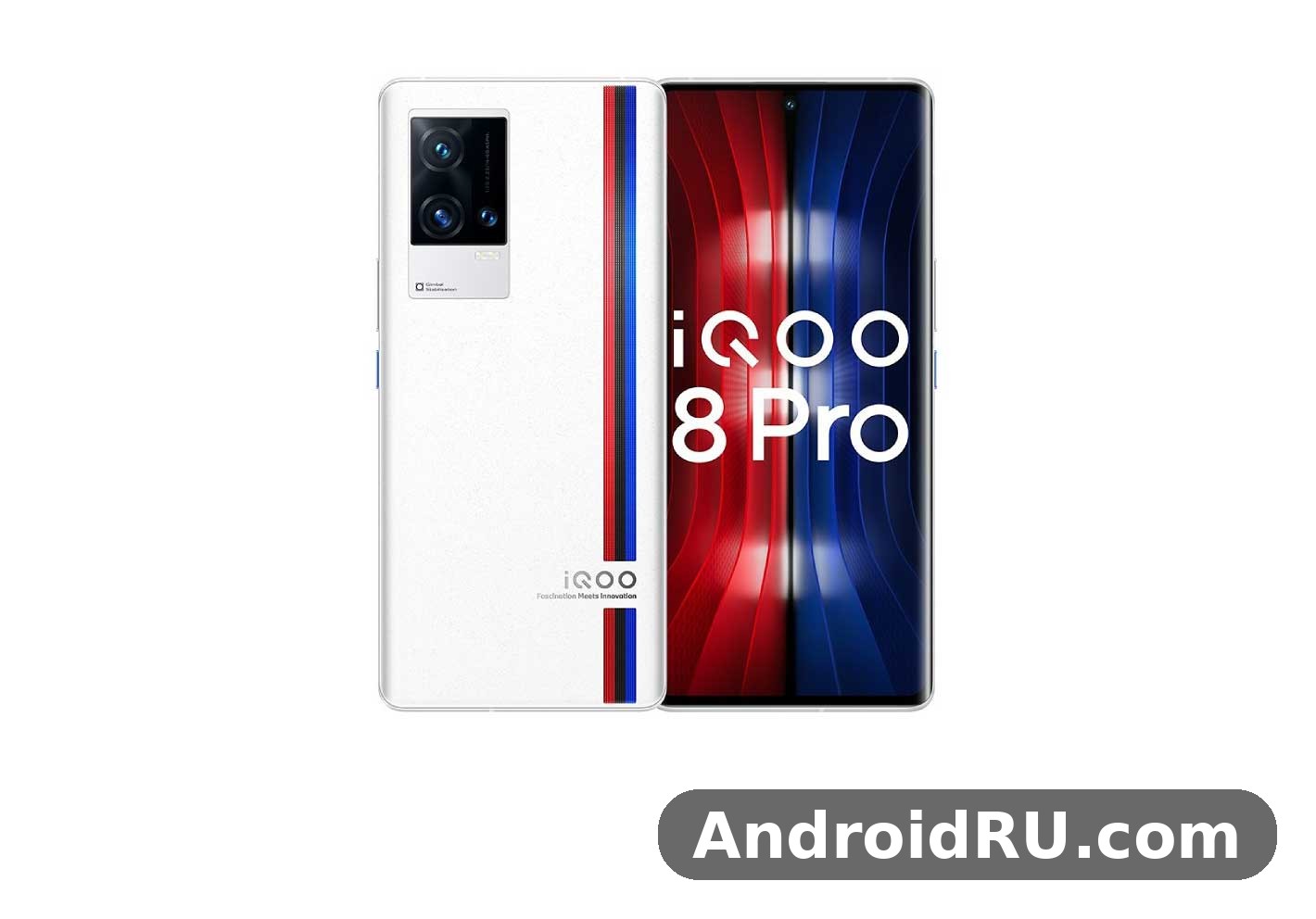
At a glance, the iQOO 8 Pro specs point to a no-compromise handset. A Qualcomm Snapdragon 888+ chip sits beside up to 12 GB of memory and up to 512 GB of fast internal storage, while a 6.78-inch 2K panel runs at up to 120 Hz. The rear system pairs a 50-megapixel main sensor with gimbal stabilisation, a 48-megapixel ultrawide and a 16-megapixel telephoto, and the 4,500 mAh cell refills at 120 W over a cable. This article covers the cameras, the chipset, the screen and the battery in turn, and it ends with an iQOO 8 Pro full specifications and features list for readers who want every detail in one place.
Design and Display
The handset measures 165 by 75.2 by 9.2 millimetres and weighs 205 grams, so it feels substantial without becoming awkward in a jacket pocket. The white version carries BMW M branding with coloured stripes, while the black version uses a carbon-like finish that hides fingerprints far better. An iQOO 8 Pro design discussion has to start with that curved front glass, because the screen spills over both long edges and makes the frame feel thinner than the numbers suggest. Readers curious about the iQOO 8 Pro white BMW M edition design details will find the striped version the more distinctive of the two, although the black finish suits buyers who prefer a quieter look.
The display is a 6.78-inch LTPO AMOLED panel with 1,440 by 3,200 pixels, a variable refresh rate from 1 Hz to 120 Hz, HDR10+ and Dolby Vision support, and a peak brightness of 1,500 nits. Text stays crisp at about 518 pixels per inch, and scrolling feels fluid because the panel can drop to a low rate when nothing moves and jump to 120 Hz when a finger touches the glass. The iQOO 8 Pro display quality with HDR10 Plus support stands out most in video, where bright highlights keep their shape and dark scenes hold detail instead of crushing to black. A note on the iQOO 8 Pro 2K AMOLED screen brightness in direct sunlight: the panel remains readable outdoors at noon, although very bright reflections on the curved edges can still distract. For a closer look at the plainer sibling in this family, see iQOO 8 Review: Build Quality, Software and Daily Speed.
A curved screen built for long sessions
Long reading and video sessions suit this panel, because the large canvas and the adaptive refresh rate reduce the sense of strain that comes from a small, flickering screen. The iQOO 8 Pro screen handles subtitles, comics and maps with equal ease, and the narrow bezels leave almost the whole front to the picture. Questions about iQOO 8 Pro durability usually focus on the curved glass and the polished frame, and the honest answer is that a case is worth using, since a drop onto a corner can mark the curve. There is no official rating behind iQOO 8 Pro waterproof claims, so the phone should be kept away from pools and heavy rain even though it survives the odd splash in normal use.
Cameras
The rear system is led by a 50-megapixel main camera with an f/1.8 lens, a 1/1.56-inch sensor and gimbal optical stabilisation, joined by a 48-megapixel ultrawide with a 114-degree field of view and a 16-megapixel telephoto with 2.5x optical zoom and its own stabilisation. A 16-megapixel front camera handles selfies and video calls. The iQOO 8 Pro camera hardware was ambitious for 2021, and the gimbal on the main sensor is the feature that separates it from most rivals, because it steadies the sensor itself rather than shifting only the lens. If you want a newer comparison point from the same brand, see iQOO 9T Review: Photo Quality, Video and Performance.
Main camera in daylight and at night
In daylight the main sensor produces detailed, evenly exposed frames with natural greens and reliable white balance, and the large sensor keeps noise low even when the light starts to fall. The iQOO 8 Pro camera quality in low light is where the gimbal earns its place, because longer handheld exposures stay sharp instead of smearing, and street scenes keep their colour rather than turning muddy. A look at iQOO 8 Pro 50MP main camera sample photos in daylight shows fine texture in brickwork, foliage and fabric, and the phone rarely over-sharpens edges the way some rivals do. The iQOO 8 Pro photos from the main sensor hold up well when cropped, which matters for anyone who frames loosely and tidies the composition later.
Low-light behaviour
Night mode stacks several frames and leans on the gimbal to keep them aligned, so handheld shots after dark come out brighter and cleaner than a single exposure would allow. Any iQOO 8 Pro night mode photo samples and results search will show the same pattern: neon signs stay readable, shadows keep some texture, and faces under street lamps look plausible rather than waxy. Very dark scenes can still smear fine detail, and moving subjects will blur, but for still scenes the phone is clearly a flagship in this price class.
Portrait and detail
Portraits from the main sensor benefit from the large sensor and the steady gimbal, with soft background separation and skin tones that stay warm without turning orange. Close-up shots keep small textures, from the weave of a jacket to the grain of wood, and the autofocus locks quickly even when the subject moves a little. Edge detection around hair can still slip in tricky backlight, so it pays to take two frames when the background is busy.
Ultrawide and telephoto
The 48-megapixel ultrawide is unusually strong for a secondary sensor, keeping corners reasonably sharp and colours close to the main camera, which makes it genuinely useful for buildings, landscapes and tight interiors rather than a novelty. The iQOO 8 Pro telephoto zoom quality at 2.5x optical is clean enough for portraits and distant details, and the dedicated stabilisation helps at longer reach. Digital zoom beyond the optical range softens quickly, so the best results come from staying near the native magnification.
Video recording
Video reaches 8K at 30 frames per second, with gyro-based electronic stabilisation available for smoother footage. The iQOO 8 Pro gimbal stabilisation for handheld video recording makes walking shots look steadier than the electronic system alone could manage, because the sensor physically counters small shakes. The iQOO 8 Pro video recording stabilisation with gyro EIS enabled also helps when panning, although fast turns can still produce a brief wobble. The iQOO 8 Pro video output in good light is detailed and well exposed, while low-light clips show more noise and benefit from a slower, steadier pace.
Performance and Gaming
Performance rests on the Snapdragon 888+ platform, an octa-core design with a 2.99 GHz prime core, three 2.42 GHz performance cores and four 1.80 GHz efficiency cores, plus Adreno 660 graphics. Memory runs to 8 GB or 12 GB, and the 256 GB and 512 GB storage options use the UFS 3.1 standard. The iQOO 8 Pro performance in everyday tasks is brisk, with apps opening quickly, multitasking staying smooth and the interface rarely stuttering. An iQOO 8 Pro benchmark run places it among the fastest Android phones of its launch year, and an iQOO 8 Pro Antutu score in the high 800,000s was typical for this chip in 2021, which explains why heavy games still run well. The iQOO 8 Pro 5G modem keeps downloads quick on supported networks, and Wi-Fi, Bluetooth 5.2 and NFC cover the usual daily connections. The iQOO 8 Pro Snapdragon 888 Plus gaming performance is the headline for buyers who play daily, and the phone backs it with a vapour-chamber cooling layout that spreads heat away from the chipset. For context on the model that followed in the same line, see iQOO 9 Review: Daily Performance and Key Features.
Gaming and heat
Demanding titles run at high settings with stable frame rates, and the large display plus dual speakers make long sessions enjoyable. An iQOO 8 Pro gaming test with Genshin Impact shows the phone holding high frame rates at high settings, with only gradual warming over the first half hour. Talk of an iQOO 8 Pro overheating issue during long gaming sessions usually comes from extended play while charging, when the frame and the screen both grow warm. The iQOO 8 Pro gaming experience is best when the phone is not charging at the same time, and the iQOO 8 Pro heating stays manageable in normal play, with the warmest area sitting near the camera module rather than under the fingers.
Frame stability
Frame pacing stays even in most titles, and the variable refresh rate helps the picture feel smooth even when the frame rate dips briefly under a heavy load. Short dips appear in the busiest scenes, but the phone recovers quickly instead of stuttering for seconds at a time. Lowering shadows or reflections by one step removes most of the remaining dips without visibly changing the picture.
Storage and memory
The iQOO 8 Pro RAM options of 8 GB and 12 GB both handle heavy multitasking, with the larger option keeping more games and browser tabs alive in the background. The iQOO 8 Pro storage uses UFS 3.1, so large games install quickly and loading screens stay short. The iQOO 8 Pro UFS 3.1 storage speed for large games is easy to notice when moving between open-world areas, where texture streaming rarely pauses the action. There is no card slot, so buyers should choose the 256 GB or 512 GB option with their photo and game libraries in mind.
Battery Life and Charging
The 4,500 mAh cell is the one specification that looks modest on paper, yet the combination of an efficient LTPO panel and a 5 nm chipset keeps real-world endurance respectable. The iQOO 8 Pro battery lasts a full day for most mixed use, including messaging, browsing, maps and an hour or two of video, and lighter users can stretch it further. Charging is the real story: the wired system runs at 120 W and fills the cell in about 18 minutes, while wireless charging runs at 50 W and reverse wireless charging at 10 W. An iQOO 8 Pro 120W fast charging time test confirms the headline figure in practice, with a near-empty cell passing half full in roughly eight minutes. The iQOO 8 Pro charging time from zero to full of about 18 minutes over a cable means a short stop by a socket replaces an overnight charge. The iQOO 8 Pro wireless charging speed and battery health question comes up often, and the 50 W wireless pad fills the phone far faster than the wireless systems of most rivals, so it is a practical daily option rather than a slow overnight trickle.
How long it lasts in normal use
The iQOO 8 Pro battery life with 120Hz display enabled still reaches the end of a normal day for most people, although fixing the panel to its top rate and gaming for hours will drain it faster. The iQOO 8 Pro screen on time with mixed daily usage typically lands between six and seven hours, depending on brightness, signal strength and how much video is involved. The iQOO 8 Pro battery drain overnight with always on display active is small, usually only a few percent, because the LTPO panel can drop to a very low refresh rate when the clock is showing. The iQOO 8 Pro reverse wireless charging for earbuds and watches is handy on the move, letting the phone top up a pair of earbuds from its own cell at 10 W when no cable is nearby.
Software and Everyday Use
The phone launched with Android 11 and OriginOS 1.0, and the interface is fast, heavily customisable and packed with gestures, themes and floating windows. The iQOO 8 Pro software feels closer to a gaming handset than to a plain Android build, with a game mode, performance controls and a sidebar for quick tools. The iQOO 8 Pro Android experience in daily use is smooth, and the iQOO 8 Pro update path is a question many owners ask, since buyers want to know how long the handset will keep receiving new versions. Many owners ask about iQOO 8 Pro software update to Android 12 and later versions, and the answer depends on the region and the batch, so checking the system updater on the handset itself is the reliable route. The iQOO 8 Pro OriginOS features tips and hidden settings that repay a little exploration include the atomic components, the behaviour controls and the game assistant, all of which can be tuned or switched off. For a look at an earlier model from the same family, see iQOO 7 (India) Review: Design, Software and Camera Quality.
OriginOS and daily apps
Daily apps open quickly and stay in memory, notifications arrive on time, and the fingerprint reader under the display unlocks the phone fast. The iQOO 8 Pro fingerprint sensor speed and accuracy benefit from the ultrasonic reader, which works with slightly damp fingers better than many optical readers. The iQOO 8 Pro ultrasonic fingerprint scanner under display glass sits low enough to reach with a thumb, and it rarely needs a second attempt. The iQOO 8 Pro fingerprint setup takes a minute and is worth doing carefully, since a good enrolment is what makes the reader feel instant. Sound comes from dual speakers with Hi-Res audio support, and the iQOO 8 Pro dual stereo speakers sound quality test shows clear voices, decent separation and enough volume for a small room. The iQOO 8 Pro speakers handle podcasts and video well, although bass stays light, as it does on almost every phone. There is no 3.5 mm headphone socket, so wired listening needs a USB-C adapter or wireless earbuds.
Full Specifications
The table below lists the full hardware of the handset as released. Listings that mention the iQOO 8 Pro price in India and China vary because the handset launched first in China, with the 8 GB and 256 GB version at CNY 4,999 and the 12 GB and 256 GB version at CNY 5,499, and the iQOO 8 Pro price in listings elsewhere reflects import costs and currency changes rather than a single global tag. The iQOO 8 Pro vs iQOO 9 Pro camera comparison is a common next step for buyers, since the later model changed the chipset and the camera tuning while keeping a similar triple-camera idea.
| Feature | Detail |
|---|---|
| Announced | 17 August 2021 |
| Released | 26 August 2021 |
| Dimensions | 165 x 75.2 x 9.2 mm |
| Weight | 205 g |
| SIM | Dual Nano-SIM |
| Display | 6.78-inch LTPO AMOLED, 120 Hz, HDR10+, Dolby Vision, 1,500 nits peak, 1440 x 3200 pixels, 518 ppi |
| Operating system | Android 11, OriginOS 1.0 |
| Chipset | Qualcomm SM8350 Snapdragon 888+ 5G, 5 nm |
| CPU | Octa-core, 1×2.99 GHz Cortex-X1, 3×2.42 GHz Cortex-A78, 4×1.80 GHz Cortex-A55 |
| GPU | Adreno 660 |
| Memory | 8 GB or 12 GB RAM, 256 GB or 512 GB UFS 3.1 storage, no card slot |
| Main camera | 50 MP wide, f/1.8, gimbal OIS; 16 MP telephoto, 2.5x optical zoom, OIS; 48 MP ultrawide, 114 degrees |
| Main camera video | 8K at 30 fps, 1080p at 30 fps, gyro-EIS |
| Selfie camera | 16 MP, f/2.4, 1080p at 30 fps, gyro-EIS |
| Sound | Dual speakers, 24-bit and 192 kHz Hi-Res audio, no 3.5 mm jack |
| Connectivity | Wi-Fi dual-band, Bluetooth 5.2, NFC, GPS, GLONASS, GALILEO, BDS, USB Type-C 2.0 |
| Sensors | Ultrasonic under-display fingerprint, accelerometer, gyro, proximity, compass |
| Battery | 4,500 mAh, 120 W wired charging, 100 percent in about 18 minutes, 50 W wireless, 10 W reverse wireless |
| Colours | White with BMW M branding, Black, Pilot Edition |
| Models | V2141A, I2017 |
Pros and Cons
A quick note on the iQOO 8 Pro best settings for camera and battery before the summary: keep the display on its adaptive rate, leave night mode on automatic, and use the fast wired charger for short top-ups instead of charging while gaming. In any iQOO 8 Pro comparison with its predecessor, the newer chipset, the brighter panel and the gimbal camera are the three upgrades that matter most, and they show up in daily use rather than only on a specification sheet.
Pros
- Bright 6.78-inch 2K LTPO AMOLED display with a 1 to 120 Hz adaptive rate, HDR10+ and Dolby Vision.
- Stabilised 50-megapixel main camera with a strong 48-megapixel ultrawide and a 2.5x telephoto.
- Very fast 120 W wired charging, 50 W wireless charging and 10 W reverse wireless charging.
- Flagship Snapdragon 888+ performance with up to 12 GB of RAM and fast UFS 3.1 storage.
Cons
- No official water resistance rating and no card slot for extra storage.
- No 3.5 mm headphone socket, and the 4,500 mAh cell is smaller than some rivals offered.
- China-first launch, so availability and software support varied by region.
Frequently Asked Questions
Is the iQOO 8 Pro good for gaming?
Yes. The Snapdragon 888+ chip, the Adreno 660 graphics, the large 120 Hz display and the dual speakers make it genuinely quick in daily use and in demanding titles, with stable frame rates at high settings. Heat builds up during long sessions, especially while charging, so playing unplugged gives the best balance of speed and comfort.
What is in the box?
An iQOO 8 Pro unboxing typically shows the handset, a 120 W charger, a USB cable, a protective case and the usual paperwork. The charger in the box is what makes the headline charging speed possible, so keeping it with the phone matters more than it does with most handsets.
Does the iQOO 8 Pro support wireless charging?
Yes, it supports 50 W wireless charging, which is far faster than the wireless charging on most phones of its year, and it also supports 10 W reverse wireless charging for earbuds and watches. A compatible wireless pad is needed to reach the top speed, and a case can slow it slightly.
How fast is the iQOO 8 Pro charging?
Over a cable the phone fills its 4,500 mAh cell in about 18 minutes with the supplied 120 W charger, reaching roughly half full in about eight minutes. Wireless charging at 50 W is slower than the cable but still quick enough for a full top-up during a meal or a meeting.
Is the iQOO 8 Pro still worth buying?
Anyone reading an iQOO 8 Pro long term review after one year will notice the same strengths that stood out at launch: the display, the gimbal camera and the charging speed. It remains easy to live with as a daily phone, although buyers should weigh the software support left in their region, the lack of a card slot and the absence of an official water resistance rating before deciding.
Final Verdict
The iQOO 8 Pro is a flagship that earns its place through three clear strengths: a bright and fluid 2K display, a stabilised camera system that shines after dark, and charging that removes the usual anxiety about a 4,500 mAh cell. The Snapdragon 888+ keeps games and multitasking smooth, the ultrawide is genuinely useful, and the ultrasonic fingerprint reader and dual speakers round out a polished daily experience. Its limits are honest ones: no official water resistance rating, no card slot, no headphone socket and a China-first launch that made availability uneven. For buyers who value speed, screen quality and camera stabilisation above those trade-offs, the phone is worth a closer look, and it still holds up well against newer mid-range handsets. For a later flagship from the same brand, see iQOO 9 Pro Review: Design, Software and Camera Quality.

