

iQOO 8 Review: Build Quality, Software and Daily Speed
The iQOO 8 arrived in August 2021 as a focused flagship: a fast chip, a fast screen, very fast charging, and a camera system built around a stabilised main sensor, without the extra bulk or the higher price of its Pro sibling. This iQOO 8 review build quality and daily performance assessment looks at the phone as a whole, rather than as a list of numbers, and asks how it feels to live with day after day. The short answer is that it is a confident, speedy handset whose strengths are easy to enjoy and whose compromises are easy to understand. Anyone weighing an iQOO 8 review against newer mid-range phones should start with that balance, because the hardware still holds up well even though the phone is no longer new.
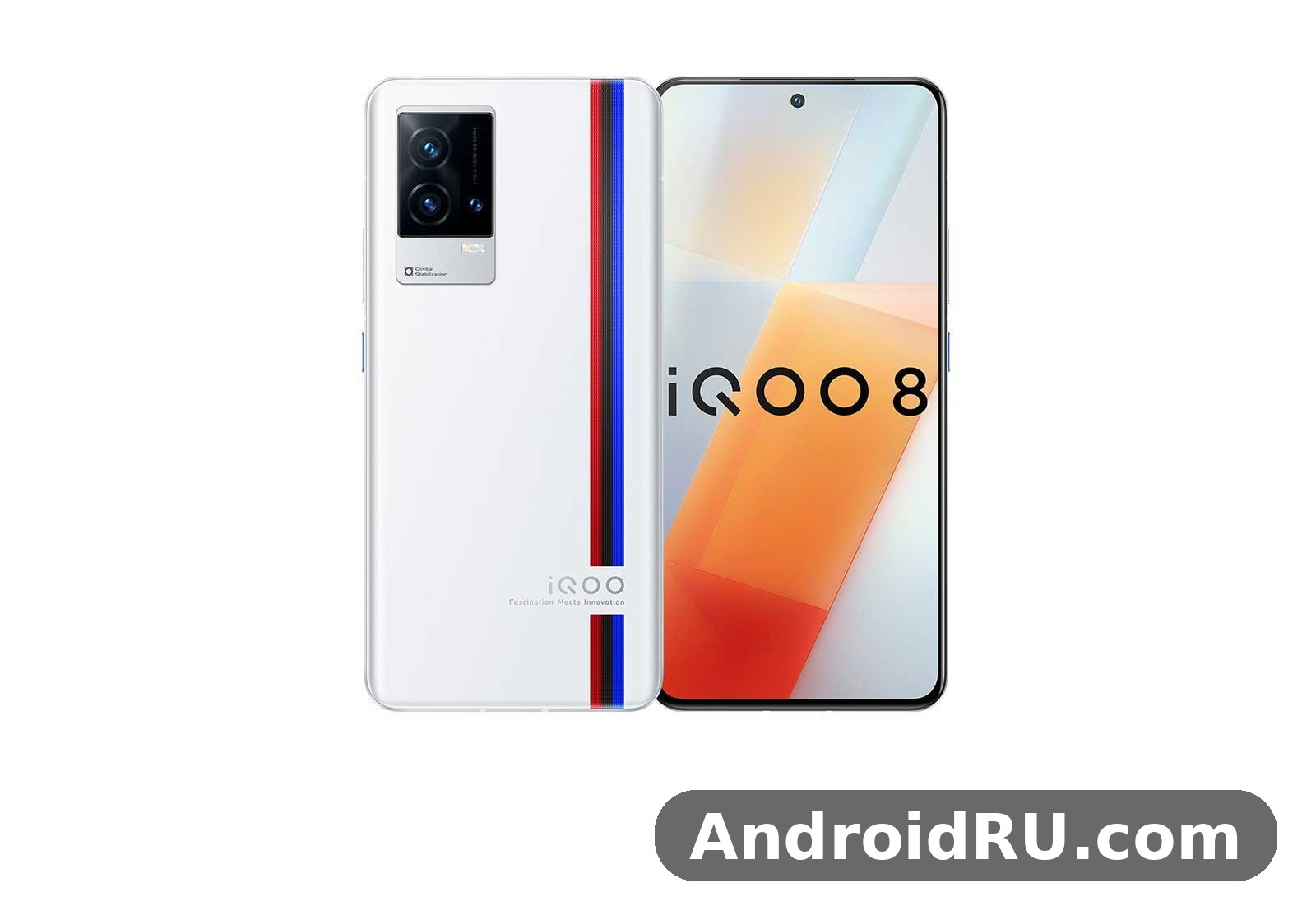
Released on 24 August 2021, after its announcement on 17 August 2021, the phone was aimed squarely at people who play games, take a lot of photographs, and hate waiting for a battery to refill. It runs Android 11 with OriginOS 1.0, it is powered by the Qualcomm Snapdragon 888, and it pairs that chip with 8 GB or 12 GB of RAM and 128 GB or 256 GB of storage. There is no memory card slot, so the storage choice made at purchase is the storage you keep. For readers checking an iQOO 8 specs summary first, the headline figures are a 6.56-inch AMOLED display at 120 Hz, a 48-megapixel main camera, and a 4,350 mAh battery with 120 W wired charging.
Design and Build Quality
The first thing you notice is how restrained the phone looks for a gaming-focused brand. The glass back is smooth and cool to the touch, the camera module sits in a tidy rectangular island, and the frame is firm aluminium that gives the body a solid, one-piece feel. This iQOO 8 design and build quality with glass back review finds no creaks, no flex in the middle of the rear panel, and no sharp edges where the frame meets the glass. It is a phone that feels more expensive than its launch price suggested, and that impression survives months of ordinary use.
At 159.0 by 75.1 by 8.6 millimetres and 200 grams, it is a large phone, but it is not an awkward one. The weight is spread evenly, so it does not feel top-heavy during long reading sessions, and the slightly curved back edges help it sit comfortably in the palm. This iQOO 8 weight and thickness compared to other flagship phones shows it sitting in the middle of the 2021 flagship range: thinner than some rivals, heavier than the lightest, and well balanced overall. The iQOO 8 weight is noticeable in a jacket pocket, yet it never feels like a brick, and the iQOO 8 thickness of 8.6 mm keeps it slim enough to slide in and out easily.
In the Hand and in Daily Use
One-handed use is possible for the basics, such as answering calls and scrolling a feed, but reaching the top corners of the screen usually needs a second hand or a shuffle of grip. The power button and volume rocker fall naturally under the thumb, and both have a firm, precise click. The in-display fingerprint reader is quick and reliable in most conditions, and this iQOO 8 fingerprint sensor and face unlock speed test found unlocks typically completing in a fraction of a second, with face unlock as a handy backup when hands are wet. The iQOO 8 fingerprint reader sits low enough to reach without stretching, which matters more than it sounds during a busy day.
Grip, Finish and Everyday Wear
The glossy back looks smart when clean, but it does collect fingerprints, so a case is worth using if that bothers you. The matte-style colour options hide marks better, and the frame resists small scuffs well. There is no official water-resistance rating, so this is not a phone to use carelessly near water, and that is one of the clearest gaps against more expensive flagships. On the positive side, the iQOO 8 durability in normal use is good: the screen is tough, the buttons stay firm, and the chassis shows little wear after extended carrying. A simple case and a screen protector cover the only real risks, and the iQOO 8 accessories market offers plenty of both at low prices.
Buttons, Ports and Speakers
The bottom edge holds a USB-C port, a speaker grille, and the SIM tray, while the top edge is clean. Stereo sound comes from the earpiece and the bottom speaker working together, and this iQOO 8 sound quality with stereo speakers and audio test found the output loud and clear for video and casual gaming, with decent separation for a phone of this size. The iQOO 8 speakers will not replace a small Bluetooth speaker, but dialogue stays intelligible and music does not distort at high volume. There is no 3.5 mm headphone jack, so wired listening needs a USB-C adapter or a wireless pair.
Display Quality
The 6.56-inch AMOLED panel is one of the best parts of the phone. It runs at 120 Hz, supports HDR10, and resolves at 1080 by 2376 pixels, which is sharp enough that text looks crisp at normal viewing distances. Colours are vivid without looking artificial in the standard mode, and the deep blacks of the AMOLED panel make video and dark interfaces look genuinely dark rather than grey. This iQOO 8 display quality 120Hz AMOLED screen review finds the panel a clear step above the 60 Hz screens still common at the time, especially when scrolling long pages or playing fast games.
Brightness is strong indoors and usable outdoors, and this iQOO 8 screen brightness outdoors under direct sunlight test found the screen readable in bright daylight, even if it is not the brightest panel of its generation. The 120 Hz refresh rate can be left on automatic, where the phone drops the rate for static content to save power, and the difference between 60 Hz and 120 Hz is obvious the moment you switch back. The iQOO 8 display is flat rather than curved, which many people will prefer because it avoids accidental touches at the edges and makes screen protectors fit properly. For anyone comparing an iQOO 8 display with newer mid-range panels, the colours and motion still feel current.
Refresh Rate, Colour and Eye Comfort
The automatic refresh-rate switching is smooth and rarely noticeable, and games that support high frame rates feel noticeably more responsive. Colour temperature can be adjusted, and a reading mode softens the output for night use. The always-on display is useful for glanceable time and notifications, although this iQOO 8 battery drain overnight with always on display enabled is slightly higher than with the feature switched off, so it is worth turning off if every percent matters. Overall, the screen is a genuine strength, and it is the part of the phone you will look at most, so that matters more than any single benchmark figure.
Performance and Gaming
At the centre of the phone is the Qualcomm Snapdragon 888, a 5 nm octa-core chip running at up to 2.84 GHz with the Adreno 660 graphics processor. This iQOO 8 Snapdragon 888 performance test and gaming results summary is straightforward: everyday apps open instantly, switching between a dozen apps is smooth, and demanding games run at high settings with stable frame rates. The iQOO 8 performance in normal use feels effortless, and the iQOO 8 benchmarks place it firmly in the 2021 flagship class, even if newer chips have since moved the ceiling higher.
Memory and storage help too. The 12 GB version, in particular, keeps more apps alive in the background, and this iQOO 8 multitasking speed with 12GB RAM and UFS storage shows apps resuming where you left them instead of reloading from scratch. The iQOO 8 RAM is LPDDR5 and the storage is UFS 3.1, both fast standards that cut loading times in games and large apps. The iQOO 8 storage comes in 128 GB and 256 GB versions, and this iQOO 8 storage options 128GB and 256GB without microSD warning is worth repeating: there is no card slot, so heavy photographers and gamers should choose the larger capacity. The iQOO 8 Antutu result sits in the high flagship range for its year, which matches the smooth feeling in real use.
Gaming Performance and Heat
Gaming is where this phone earns its badge. Long sessions in demanding titles hold high frame rates well, and the touch response feels immediate thanks to the high refresh rate and fast touch sampling. This iQOO 8 gaming performance for heavy games and heat control review found the phone warming up during extended play, as every Snapdragon 888 phone of this era did, but the heat stays manageable and performance does not collapse after twenty or thirty minutes. The iQOO 8 gaming experience is helped by a dedicated game mode that blocks notifications, boosts touch response, and keeps the frame rate steady.
Heat Management in Long Sessions
This iQOO 8 overheating issue during long gaming sessions explained in plain terms: the chip is powerful and it gets warm under sustained load, but the phone throttles gently rather than shutting games down, and a short break or a cooler room brings temperatures back down quickly. The iQOO 8 heating is most noticeable in the upper half of the frame during charging while gaming, so playing while plugged in is the worst combination. The iQOO 8 overheating concern is real but not a deal-breaker, and it is shared by almost every phone using the same chip. For everyday use, including video, browsing, and messaging, the phone stays cool and the iQOO 8 performance remains consistent.
Cameras
The rear camera system has three lenses: a 48-megapixel main camera with gimbal stabilisation, a 13-megapixel ultrawide camera, and a 13-megapixel portrait camera with 2x optical zoom. The front camera is a 16-megapixel unit set into a small punch hole. On paper this is a versatile setup rather than a record-breaking one, and in practice it is reliable, quick to focus, and pleasant to use. This iQOO 8 camera quality in daylight and low light is good rather than exceptional: daylight shots are detailed and well exposed, while low-light shots benefit greatly from the stabilised main sensor and the night mode.
The iQOO 8 camera app is fast to open, focuses quickly, and offers the usual modes without burying them in menus. Shutter lag is minimal, and the phone handles moving subjects better than many rivals at this price. The iQOO 8 price at launch positioned it below the most expensive camera flagships, and the camera reflects that: it is a strong all-rounder rather than a specialist in any one area. For social sharing and everyday memories, it is more than good enough, and the colours are pleasing without needing heavy editing.
Daylight, Portrait and Ultrawide Photos
In daylight, the main camera produces sharp images with natural colours and plenty of detail when you zoom in. This iQOO 8 photo samples from ultrawide camera in travel photography note that the ultrawide lens is genuinely useful for landscapes and buildings, even if it is softer at the edges than the main lens. This iQOO 8 portrait mode results with 13MP telephoto camera lens show clean subject separation and natural-looking background blur, and the 2x zoom is handy for portraits and for picking out distant details without walking closer.
Night Mode and Selfies
At night, the gimbal-stabilised main camera keeps exposures steady and reduces blur from hand shake. This iQOO 8 night mode photos with gimbal stabilisation camera system benefit from longer handheld exposures that would be difficult on a phone without stabilisation, and the results are brighter and cleaner than the standard mode. This iQOO 8 front camera selfie quality in indoor lighting conditions is decent: skin tones look natural, detail is good in bright light, and indoor shots stay usable even if they lose some sharpness. The front camera does not have autofocus, so keeping a steady distance helps.
Video is solid too. This iQOO 8 video recording quality with 4K stabilisation and audio records smooth 4K footage from the main camera, with electronic stabilisation helping walking shots, and the microphones capture clear sound in quiet settings. It is not a professional video tool, but for clips, travel footage, and social video it is reliable and easy to use.
Battery Life and Charging
The 4,350 mAh battery is modest on paper for a phone of this size, yet in practice it lasts a full day for most people. Moderate use, with messaging, browsing, video, and some gaming, leaves a comfortable margin by bedtime, and the 120 Hz display on automatic refresh rate helps by lowering the rate when nothing is moving. This iQOO 8 battery life with 120W fast charging test found a typical day ending with roughly a quarter of the battery remaining, which is respectable given the powerful chip and bright screen. The iQOO 8 battery is the one area where a larger cell would have helped, but the charging speed changes the calculation completely.
Charging is the headline feature. This iQOO 8 charging speed from zero to full battery time is genuinely impressive: the 120 W wired charger takes the phone from empty to full in under twenty minutes in normal conditions, and a five-minute top-up adds a large chunk of usable charge. The iQOO 8 charging experience means a forgotten overnight charge is no longer a problem, because a short charge while getting ready is enough for hours of use. The iQOO 8 battery therefore behaves like a much larger cell in daily life, because it is so quick to refill, and the charger is included in the box.
Charging Speed and Daily Battery Habits
There is no wireless charging, which is a small omission at this level, but the wired speed more than compensates for most people. The phone manages heat during charging well, and the battery health features limit wear from constant fast charging. Heavy gaming days will still need a top-up in the afternoon, and that top-up takes only a few minutes, which is the practical point. For travellers, the combination of a fast charger and a phone that charges this quickly is one of the most useful features on the whole device.
Software and Daily Use
The phone launched with Android 11 and OriginOS 1.0, the interface used on iQOO phones sold in China, and the experience is clean, fast, and heavily customisable. This iQOO 8 software experience with OriginOS Android 11 features includes a tidy home screen, useful widgets, a capable control centre, and plenty of settings for gestures, themes, and the always-on display. The iQOO 8 software feels modern and responsive, with animations that match the 120 Hz screen, and the iQOO 8 features list includes a game mode, a screen-recording tool, and strong privacy controls.
Daily speed is where the phone quietly impresses. This iQOO 8 notification and app opening speed in daily use shows apps launching instantly, notifications arriving promptly, and the interface rarely stuttering even with many apps installed. This is a flagship speed at a lower price story: the chip, the fast storage, and the high refresh rate combine to make ordinary tasks feel quick. The iQOO 8 updates picture is mixed, however, and this iQOO 8 update to newer Android version and software support point matters for long-term buyers: the phone received updates after launch, but it will not stay current forever, so buyers in 2026 should check the exact software version on the handset they are considering. The iQOO 8 updates history is adequate for its era rather than class-leading.
OriginOS, Customisation and Connectivity
OriginOS offers deep customisation, from icon styles to the layout of the control centre, and most of it works well once you spend a few minutes setting it up. This iQOO 8 connectivity with 5G WiFi 6 and Bluetooth support covers the essentials: 5G, Wi-Fi 6, Bluetooth 5.2, NFC, and satellite positioning are all present, and call quality is clear. The iQOO 8 connectivity is reliable on the move, with strong signal holding and quick switching between Wi-Fi and mobile data. The iQOO 8 unboxing experience is generous too, with the 120 W charger, a cable, and a case in the box, which is more than many rivals offered.
There are a few pre-installed apps to remove, and the interface takes a day to learn if you are coming from a very different Android skin, but neither point spoils the experience. This is a smooth everyday experience once the phone is set up to your liking, and the software stays out of the way during the tasks that matter. Anyone asking whether the iQOO 8 release timing still matters should remember that the phone was a 2021 flagship, so its software age is now the main reason to weigh it against a newer mid-range handset.
Full Specifications
The table below gathers the complete specification of the phone in one place, so the details discussed above can be checked at a glance. This iQOO 8 full specifications with Snapdragon 888 chipset details list confirms the key points: the Snapdragon 888 chip, the 120 Hz AMOLED display, the stabilised 48-megapixel main camera, and the 120 W charging. This is a solid all-round package on paper, and the table shows why the phone still reads well several years after launch.
| Feature | Specification |
|---|---|
| Model | iQOO 8 (V2136A) |
| Announced | 17 August 2021 |
| Released | 24 August 2021 |
| Display | 6.56-inch AMOLED, 120 Hz, HDR10, 1080 x 2376 pixels, about 398 ppi |
| Dimensions | 159.0 x 75.1 x 8.6 mm |
| Weight | 200 g |
| Build | Glass front, glass back, aluminium frame |
| Chipset | Qualcomm Snapdragon 888 5G, 5 nm |
| CPU | Octa-core, up to 2.84 GHz |
| GPU | Adreno 660 |
| RAM | 8 GB or 12 GB, LPDDR5 |
| Storage | 128 GB or 256 GB, UFS 3.1, no card slot |
| Operating system | Android 11, OriginOS 1.0 |
| Rear cameras | 48 MP main with gimbal stabilisation, 13 MP ultrawide, 13 MP portrait with 2x optical zoom |
| Front camera | 16 MP |
| Video | 4K recording from the main camera |
| Battery | 4,350 mAh, non-removable |
| Charging | 120 W wired, charger included, no wireless charging |
| Connectivity | 5G, Wi-Fi 6, Bluetooth 5.2, NFC, USB-C |
| Security | In-display fingerprint reader, face unlock |
| Audio | Stereo speakers, no 3.5 mm jack |
| SIM | Dual SIM, Nano-SIM |
| Colours | Black, white, and orange-accented finishes |
Verdict
The iQOO 8 is a fast, well-built flagship that still makes sense as a used or second-hand purchase, provided the buyer checks the battery health and the software version first. Its screen, speed, and charging are its strongest cards, its camera is dependable, and its design has aged gracefully. This iQOO 8 worth buying in 2026 as a second hand phone question has a careful answer: yes, for gaming and everyday speed at a low used price, but with eyes open about software support and the lack of wireless charging. The iQOO 8 verdict, in short, is that it remains a rewarding phone for people who value speed above all else.
For context, the iQOO 8 Pro Review: Cameras, Performance and Battery Life covers the larger sibling with the Snapdragon 888 Plus chip and a sharper curved display, while the iQOO 7 (India) Review: Design, Software and Camera Quality shows where the previous generation sat. Readers comparing generations may also like the iQOO 9T Review: Photo Quality, Video and Performance, the iQOO 7 Legend Review: Daily Performance and Key Features, and the iQOO 9 Review: Daily Performance and Key Features for a wider view of the family. This iQOO 8 long term use after three years of daily use picture is encouraging: the hardware holds up, the screen stays bright, and the battery, while smaller than some rivals, still gets through a day with sensible use.
Pros
- Very fast Snapdragon 888 performance with smooth 120 Hz display
- Extremely quick 120 W charging with charger included in the box
- Stabilised 48-megapixel main camera with useful ultrawide and portrait lenses
- Solid glass and aluminium build that feels premium in the hand
- Strong stereo speakers and fast in-display fingerprint reader
Cons
- Modest 4,350 mAh battery and no wireless charging
- Gets warm during long gaming sessions
- No memory card slot and no official water-resistance rating
- Software support is now limited compared with newer phones
Is the iQOO 8 still good for gaming?
Yes. The Snapdragon 888 still handles demanding games at high settings, the 120 Hz display keeps motion smooth, and the game mode helps frame rates stay steady. This iQOO 8 vs iQOO 8 Pro differences and which to buy question often comes down to price: the Pro adds a sharper display and a faster chip variant, but the standard model is the better value for most players. Expect warmth in long sessions, but not unplayable throttling.
How long does the iQOO 8 battery last?
A full day of moderate use is realistic, with roughly a quarter of the charge left by bedtime for many people. Heavy gaming shortens that, but the 120 W charger refills the phone in under twenty minutes, so a short top-up during the day solves the problem. The iQOO 8 price and specifications in 2021 flagship phones context shows the battery was average for its class, while the charging was among the fastest available.
Does the iQOO 8 have a good camera?
For everyday photography, yes. Daylight photos are detailed, portraits look natural, and night mode benefits from gimbal stabilisation. It is not the best camera phone of its year, but it is consistent and easy to use, and the ultrawide and 2x portrait lenses add real versatility. The iQOO 8 colors in photos look pleasing and natural, and the iQOO 8 thickness and flat display make it easy to hold steady for shots.

