

POCO M4 Pro 5G Review: Everyday Speed, Cameras and Value
This POCO M4 Pro 5G review looks at a budget phone that arrived with a clear brief: bring 5G, a large 90Hz screen and a 50MP main camera to buyers who do not want to pay flagship money. The POCO M4 Pro 5G was announced on 9 November 2021 and released on 11 November 2021, and its POCO M4 Pro 5G release date 11 November 2021 and launch details still matter, because they place the phone in the first wave of affordable Dimensity 810 handsets. With a 6.6 inch display, a 5000mAh battery and 33W charging, the hardware list reads like a checklist for everyday use, and the question is how well the pieces work together years after launch.
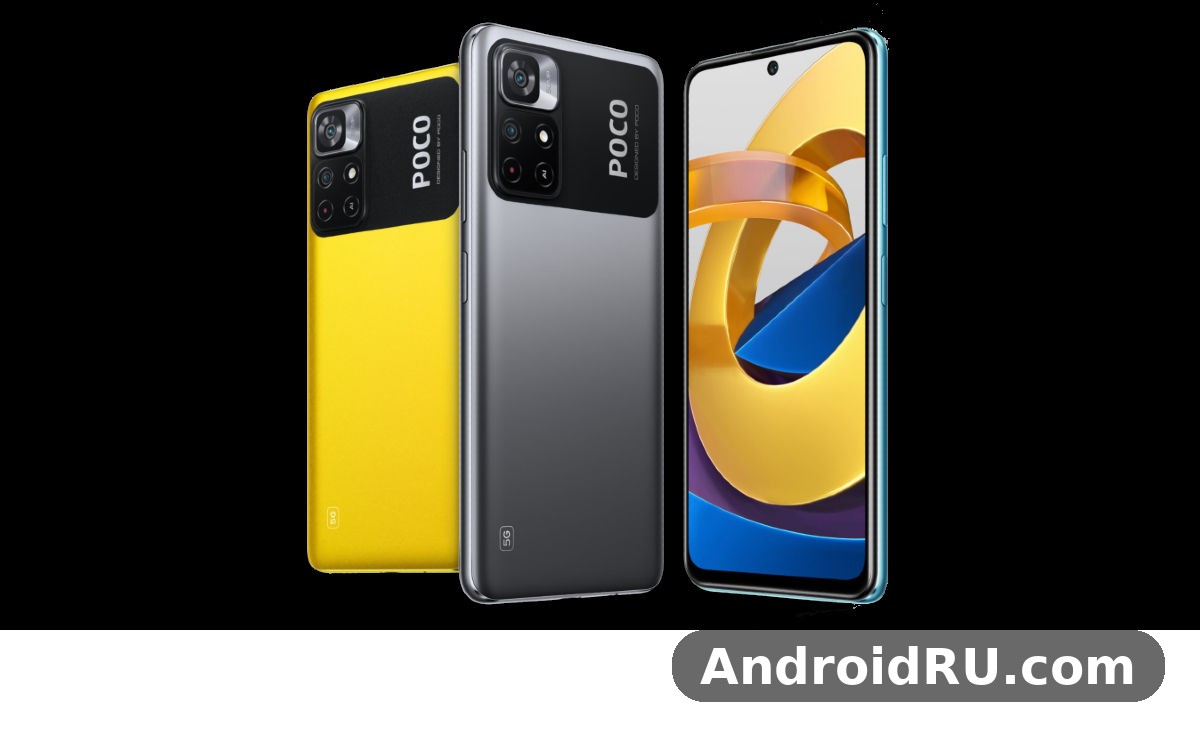
The POCO M4 Pro 5G price in India and global availability helped it stand out at launch, with a guide price of about 150 EUR and launch pricing of 230 EUR for the 4GB and 64GB version and 250 EUR for the 6GB and 128GB version. The POCO M4 Pro 5G specs show why buyers noticed it: a MediaTek Dimensity 810 chip, up to 8GB of RAM, a 50MP camera and a 5000mAh battery in a 195g body. Is POCO M4 Pro 5G good for everyday use in 2026? That is the question this article answers, using the published POCO M4 Pro 5G full specifications and features explained in the table below, plus the known behaviour of its chip, camera and battery in normal daily use.
Everyday Speed and Dimensity 810 Performance
POCO M4 Pro 5G performance starts with the MediaTek Dimensity 810, a 6nm chip with two Cortex-A76 cores at up to 2.4GHz and six Cortex-A55 cores at 2.0GHz, plus Mali-G57 MC2 graphics. The Dimensity 810 is a clear step up from the Dimensity 700 in the POCO M3 Pro 5G, and it gives the POCO M4 Pro 5G a useful margin for apps, browsing and light gaming. This is a 5G phone built for everyday speed at a fair price, and that focus shows in how it handles heat and battery life.
App Opening Speed and Multitasking
In a POCO M4 Pro 5G app opening speed and multitasking test, the everyday picture is positive: social apps, browsers, maps and messaging open quickly, and switching between a handful of apps feels smooth on the 6GB and 8GB versions. POCO M4 Pro 5G RAM management 4GB 6GB 8GB background apps behave as expected at this price, with the 4GB version reloading apps more often when many apps stay open, while the 6GB and 8GB versions hold more apps in memory. The UFS 2.2 storage keeps app installs and file moves reasonably quick, and the 90Hz display makes scrolling feel more fluid than the chip alone would suggest.
Gaming Performance and Heat
POCO M4 Pro 5G gaming performance with Dimensity 810 suits casual and mid-level games at balanced settings, and popular titles run at smooth frame rates when graphics are kept at medium. The POCO M4 Pro 5G best settings for smooth gaming performance are medium graphics, a capped frame rate and background apps closed before a long session, which keeps the chip from working harder than it needs to. POCO M4 Pro 5G heating issue during long gaming sessions is worth knowing about: the phone warms up during extended play, as most plastic-bodied budget phones do, but it does not become uncomfortable in normal sessions, and frame rates settle to a steady level rather than collapsing.
What to Expect in Popular Games
Popular battle royale and racing games play well at medium settings, while very demanding titles need lower graphics for a steady frame rate. The Mali-G57 MC2 graphics handle casual games with ease, and the large screen and stereo speakers help games feel bigger than the price suggests.
Heat and Sustained Play
After 30 minutes of play the back of the phone feels warm near the camera area, and the chip eases its peak speed a little to keep temperatures in check. Short breaks between matches, a case that does not trap heat, and medium graphics keep long sessions comfortable.
Benchmark Scores in Context
POCO M4 Pro 5G benchmark scores AnTuTu Geekbench explained in plain terms: GSMArena recorded AnTuTu v9 at 353663 and Geekbench 5.1 at 1797 for the single-core test, with AnTuTu v8 at 296721. Those numbers place the phone firmly in the budget 5G class of its year, ahead of Dimensity 700 phones and behind mid-range chips, and they match the real-world feel of a fast everyday phone rather than a gaming flagship. Benchmarks are a guide, not a verdict, and the picture is better judged by app speed, camera results and battery life.
If you want to see how a later POCO budget phone compares, read POCO M5 Review: Everyday Speed, Cameras and Value for a similar everyday-speed test on newer hardware.
Camera Quality: 50MP Main, Ultrawide and Selfie
The POCO M4 Pro 5G camera pairs a 50MP main camera with an 8MP ultrawide camera, a simple two-camera setup that covers most daily shots without a dedicated macro or depth lens. POCO M4 Pro 5G camera quality in daylight and low light is the part buyers ask about most, and the honest answer is that daylight shots are the phone’s strong point, while low-light shots need Night Mode and a steady hand. The 16MP selfie camera sits in a centred punch hole, and video tops out at 1080p video recording.
Daylight Photos and Portrait Mode
In good light the 50MP camera produces bright, detailed photos with lively colours, and the POCO M4 Pro 5G portrait mode and night mode photo samples show the same pattern: portraits keep the subject sharp with a soft background, while night shots gain brightness and detail when Night Mode has time to work. POCO M4 Pro 5G camera app features HDR and AI scene detection help in mixed light, lifting shadows and recognising food, plants and skies, though colours can look a little strong when AI scene detection is left on for every shot. Daylight photos from this phone are clear daylight photos that look good on a phone screen and on social feeds without much editing.
Ultrawide Shots
The 8MP ultrawide camera covers a 119-degree field of view, which is handy for buildings, groups and landscapes, though edges soften and detail drops compared with the main camera. Use it for framing, not for cropping in close.
Portrait Mode
Portrait mode works best in bright light with a clear gap between subject and background, and edge detection around hair stays acceptable for social photos. The 50MP camera keeps skin tones natural in daylight, and the blur level can be adjusted after the shot.
Night Mode and Low Light
At night the main camera without Night Mode loses detail and picks up noise, which is normal for a budget phone sensor. Night Mode takes a longer exposure and combines frames, so POCO M4 Pro 5G camera quality in daylight and low light improves noticeably when the phone is held still for a second or two. Street lights can flare a little, and moving subjects blur, so night shots suit still scenes best.
Video Recording and Selfie Camera
POCO M4 Pro 5G video recording quality 1080p 30fps test results show steady, usable clips for everyday video, with 1080p at 60fps also available from the main camera for smoother motion. There is no 4K recording, and electronic stabilisation helps walking shots without making them look unnatural. POCO M4 Pro 5G selfie camera quality in indoor lighting is decent for video calls and social posts, with the 16MP selfie sensor keeping faces clear in bright rooms and softening detail in dim rooms. POCO M4 Pro 5G how to improve camera quality with settings is simple: turn on HDR for high-contrast scenes, keep the lens clean, use Night Mode after dark, and switch AI scene detection off when colours look too strong.
POCO M4 Pro 5G vs POCO M4 5G which one to buy comes down to the chip and the camera: the M4 Pro 5G has the faster Dimensity 810, a 50MP main camera and 33W charging, while the M4 5G is the cheaper, slower option, so buyers who can find the Pro at a close price should pick the Pro. The closest rival in the same family is covered in POCO M4 5G Review: App Performance and Camera Quality, which uses the older Dimensity 700 chip and a different camera setup.
Display, Audio and Design
The 6.6 inch display is a 6.6 inch IPS LCD panel with 1080 x 2400 pixels, a 20:9 ratio and about 399 pixels per inch, protected by Gorilla Glass 3. The IPS LCD panel trades the deep blacks of AMOLED for natural colours and good viewing angles, and the 90Hz display refresh rate makes scrolling and animations feel smoother than a standard 60Hz screen.
90Hz IPS LCD Display in Daily Use
A POCO M4 Pro 5G 90Hz display review for video and games finds the screen bright enough for indoor use and acceptable outdoors, with a typical brightness of 450 nits and a measured peak near 510 nits. Video looks sharp at Full HD, games benefit from the higher refresh rate when the chip can keep up, and the 90Hz display setting can be left on without a large battery penalty for most users. The punch-hole camera is small and sits in the centre, so it rarely distracts from video.
Build, Weight and Fingerprint Sensor
At 163.6 x 75.8 x 8.8 mm and 195g, the phone feels solid without being heavy, with a glass front, a plastic back and a plastic frame in Power Black, Cool Blue and POCO Yellow. POCO M4 Pro 5G fingerprint sensor speed and face unlock both work well for daily use, with the side fingerprint sensor unlocking the phone quickly from the power button and face unlock as a handy backup in good light. POCO M4 Pro 5G IP53 splash resistance what it really means is practical, not a promise to swim with the phone: the IP53 rating covers dust and vertical water sprays, so rain and splashes are fine, but the phone is not made for submersion. A POCO M4 Pro 5G case and screen protector buying guide in short: pick a case with raised edges around the camera, a tempered glass protector that fits the punch hole, and a grip that suits the 195g weight, because the plastic back can feel slippery without a case.
For a later POCO phone with a different build and battery balance, see POCO M5s Review: Build Quality, Battery and Daily Use.
Battery Life and 33W Charging
The 5000mAh battery is a Li-Po cell, and the POCO M4 Pro 5G battery is one of the phone’s best features for everyday use. With a 6nm chip and a large cell, the phone is built to last a full day for most people, and light users can stretch it further.
How Long Does the Battery Last?
POCO M4 Pro 5G battery life with 5000mAh battery test figures from GSMArena give the phone an endurance rating of 123 hours, which reflects mixed use across calls, browsing and video rather than a single non-stop test. In normal daily use, with messaging, social apps, maps and some video, the phone reaches the evening with charge to spare, and a full day of normal use is a realistic expectation rather than a stretch. Heavy gaming and long video recording use more power, as they do on any phone, but the large cell keeps the phone usable into a second day for light users.
Charging Time From Empty to Full
POCO M4 Pro 5G charging time with 33W wired charging is advertised at 100% in 59 minutes with the included 33W adapter, a big step up from the 18W charging on the previous generation. A short top-up during breakfast adds a useful amount of charge, and the USB Type-C port supports the 33W charging speed with the bundled charger and cable. POCO M4 Pro 5G battery drain overnight fix and tips are simple: check which apps run in the background, turn off always-on features you do not use, and keep the screen brightness on automatic, because a phone that loses a large amount of charge overnight usually has an app or a weak signal keeping it awake.
A newer POCO phone with a similar battery focus is covered in POCO M6 Plus 5G Review: Build Quality, Battery and Daily Use.
Software, Updates and Extra Features
The phone launched with Android 11 and MIUI 13, and it is upgradable to Android 12, which is the software path buyers should expect. MIUI 13 brings the POCO launcher, theme options, a second space for work and personal apps, and the usual Xiaomi tools, and the interface is familiar to anyone who has used a POCO or Xiaomi phone.
MIUI 13 on Android 11
POCO M4 Pro 5G software update policy Android 11 MIUI 13 in plain terms: the phone shipped on Android 11 with MIUI 13 and can move to Android 12, so buyers in 2026 should check the exact software version on the handset they buy and expect security updates to be limited on a phone of this age. The interface is feature-rich, with gesture navigation, dark mode, app drawer options and a control centre, though some pre-installed apps can be removed or disabled to keep the home screen tidy.
Connectivity, IR Blaster and Extras
POCO M4 Pro 5G WiFi Bluetooth 5.1 connectivity and GPS accuracy cover the daily basics well: dual-band Wi-Fi, Bluetooth 5.1 with A2DP and Low Energy, GPS with GLONASS, Galileo and BeiDou, and 5G SA/NSA on a wide set of bands. The phone also has NFC in markets where it is offered, an IR blaster for remote control, FM radio, a 3.5mm headphone jack and a USB Type-C 2.0 port with OTG. POCO M4 Pro 5G IR blaster remote control setup guide in short: open the Mi Remote app, pick the device type and brand, point the phone at the device and test the buttons, then save the remote for one-tap use. POCO M4 Pro 5G speaker quality and headphone jack test notes: the stereo speakers are loud and clear for video and casual music, with a measured loudness that GSMArena rated very good, and the headphone jack keeps wired listening simple without an adapter.
The phone that came before it in this line is reviewed in POCO M3 Pro 5G Review: Daily Use, Software and Battery Life, which shows how much the Dimensity 810 and the faster charging improved on the Dimensity 700 generation.
Full Specifications
The POCO M4 Pro 5G full specifications and features explained below come from the GSMArena specification record for model 21091116AG, and they match the facts used across this review. POCO M4 Pro 5G storage options 64GB 128GB microSD expansion give buyers a useful choice: 64GB with 4GB or 6GB of RAM, and 128GB with 4GB, 6GB or 8GB of RAM, all with UFS 2.2 storage and a microSDXC card slot that shares the second SIM slot. The dual SIM setup uses Nano-SIM cards, and the phone supports 5G SA/NSA, so buyers should check local bands before buying an imported handset.
| Feature | POCO M4 Pro 5G |
|---|---|
| Announced | 9 November 2021 |
| Released | 11 November 2021 |
| Dimensions | 163.6 x 75.8 x 8.8 mm |
| Weight | 195 g |
| Build | Glass front (Gorilla Glass 3), plastic back, plastic frame; IP53 rating |
| SIM | Hybrid dual SIM (Nano-SIM, dual stand-by) |
| Display | 6.6 inch IPS LCD, 90Hz display, 450 nits (typ), 1080 x 2400 pixels, 20:9 ratio, about 399 ppi, Corning Gorilla Glass 3 |
| Operating system | Android 11, upgradable to Android 12, MIUI 13 |
| Chipset | MediaTek Dimensity 810 (6 nm) |
| CPU | Octa-core (2×2.4 GHz Cortex-A76 and 6×2.0 GHz Cortex-A55) |
| GPU | Mali-G57 MC2 |
| RAM | 4GB, 6GB or 8GB (LPDDR4X) |
| Storage | 64GB or 128GB, UFS 2.2, microSDXC card slot (uses shared SIM slot) |
| Main camera | Dual: 50MP, f/1.8, 26mm (wide), PDAF; 8MP, f/2.2, 119 degree ultrawide; LED flash, HDR, panorama |
| Main camera video | 1080p video at 30fps and 60fps |
| Selfie camera | 16MP, f/2.5 (wide); panorama; 1080p video at 30fps |
| Speakers | Stereo speakers, 3.5mm headphone jack |
| Connectivity | 5G SA/NSA, LTE, Wi-Fi 802.11 a/b/g/n/ac dual-band, Wi-Fi Direct, Bluetooth 5.1, GPS, GLONASS, GALILEO, BDS, NFC (market dependent), IR blaster, FM radio, USB Type-C 2.0, OTG |
| Sensors | Side fingerprint sensor, accelerometer, gyro, proximity, compass |
| Battery | Li-Po 5000mAh battery, non-removable; 33W charging, 100% in 59 min (advertised) |
| Colours | POCO Yellow, Power Black, Cool Blue |
| Models | 21091116AG, MZB0BGVIN |
Pros and Cons
What We Like
- Dimensity 810 chip with 5G SA/NSA for fast everyday speed at a budget price
- Large 6.6 inch 90Hz IPS LCD display with Gorilla Glass 3 protection
- 50MP main camera that takes bright, detailed daylight photos
- 5000mAh battery with 33W charging, 100% in 59 minutes advertised
- Side fingerprint sensor, IR blaster, NFC in supported markets, stereo speakers and a 3.5mm headphone jack
- IP53 rating against dust and vertical water sprays
What Could Be Better
- IPS LCD panel instead of AMOLED, with weaker contrast in dark rooms
- No 4K video recording, with video capped at 1080p
- Ultrawide camera is softer than the main camera, mainly in low light
- Plastic frame and back, with a slippery feel without a case
- Software path ends at Android 12, so long-term updates are limited
- 4GB RAM version reloads background apps more often than the 6GB and 8GB versions
Final Verdict: Who Should Buy It
A POCO M4 Pro 5G long term review after one year of use points to the same conclusion as the launch reviews: the phone ages well as an everyday handset, because its battery, screen and 5G connection stay useful long after the camera and chip stop feeling new. The POCO M4 Pro 5G price in India and global availability made it a value pick at launch, and as a used or budget buy in 2026 it still makes sense for buyers who want 5G, a large screen and a big battery without paying for a mid-range phone. It is a sensible budget 5G choice for messaging, social apps, video and light gaming, and a weaker pick for buyers who need 4K video, an AMOLED screen or long software support. Pick the 6GB and 128GB version when the price gap is small, because the extra memory and storage make daily use smoother for longer.
Frequently Asked Questions (FAQ)
Is the POCO M4 Pro 5G good for everyday use in 2026?
Yes, for everyday use it remains a capable budget phone: apps open quickly, the 90Hz display makes scrolling smooth, the 5000mAh battery lasts a full day, and 5G keeps browsing and video fast where coverage is available. Buyers should accept the Android 12 software limit and the lack of 4K video, and pick the 6GB or 8GB version for smoother multitasking.
Does the POCO M4 Pro 5G have a good camera for the price?
Yes, in daylight the 50MP main camera takes bright, detailed photos that suit social sharing, and the 8MP ultrawide camera adds useful framing for landscapes and groups. Low-light shots need Night Mode and a steady hand, and the 16MP selfie camera is best in bright rooms, which is normal for a phone at this price.
How long does the POCO M4 Pro 5G battery last?
GSMArena gave the phone an endurance rating of 123 hours, and in normal daily use it reaches the evening with charge to spare. Light users can stretch it into a second day, while heavy gaming and long video recording use more power. The 33W charger refills the battery to 100% in 59 minutes advertised.
Will the POCO M4 Pro 5G get Android 12?
Yes, the phone launched on Android 11 with MIUI 13 and is upgradable to Android 12. Buyers in 2026 should check the software version on the handset they buy, because a phone of this age will not receive the same long update support as a newer mid-range phone.
Does the POCO M4 Pro 5G support microSD cards?
Yes, it has a microSDXC card slot that shares the second SIM slot, so buyers can add a memory card for photos, video and music. The phone is sold with 64GB or 128GB of UFS 2.2 storage, and the card slot is the simple way to add room without buying a higher storage version.

