

POCO M6 Plus 5G Review: Build Quality, Battery and Daily Use
The POCO M6 Plus 5G arrived in India in August 2024, announced on 1 August 2024 and released on 5 August 2024, as a budget phone with a large screen, a high-resolution camera and a big battery. The POCO M6 Plus 5G release date August 2024 launch details in India matter because the phone was aimed squarely at buyers who wanted 5G, a 120Hz display and a 108MP camera without paying a mid-range price. Inside is the Qualcomm Snapdragon 4 Gen 2 AE, an Accelerated Edition of the Snapdragon 4 Gen 2 built on a 4nm process, paired with 6GB or 8GB of RAM and 128GB of internal space with a microSD card slot. A 6.79-inch IPS LCD, a 5030mAh battery with 33W wired charging, Android 14 with HyperOS and a side fingerprint reader complete a package that weighs 205g and measures 8.3mm thick.
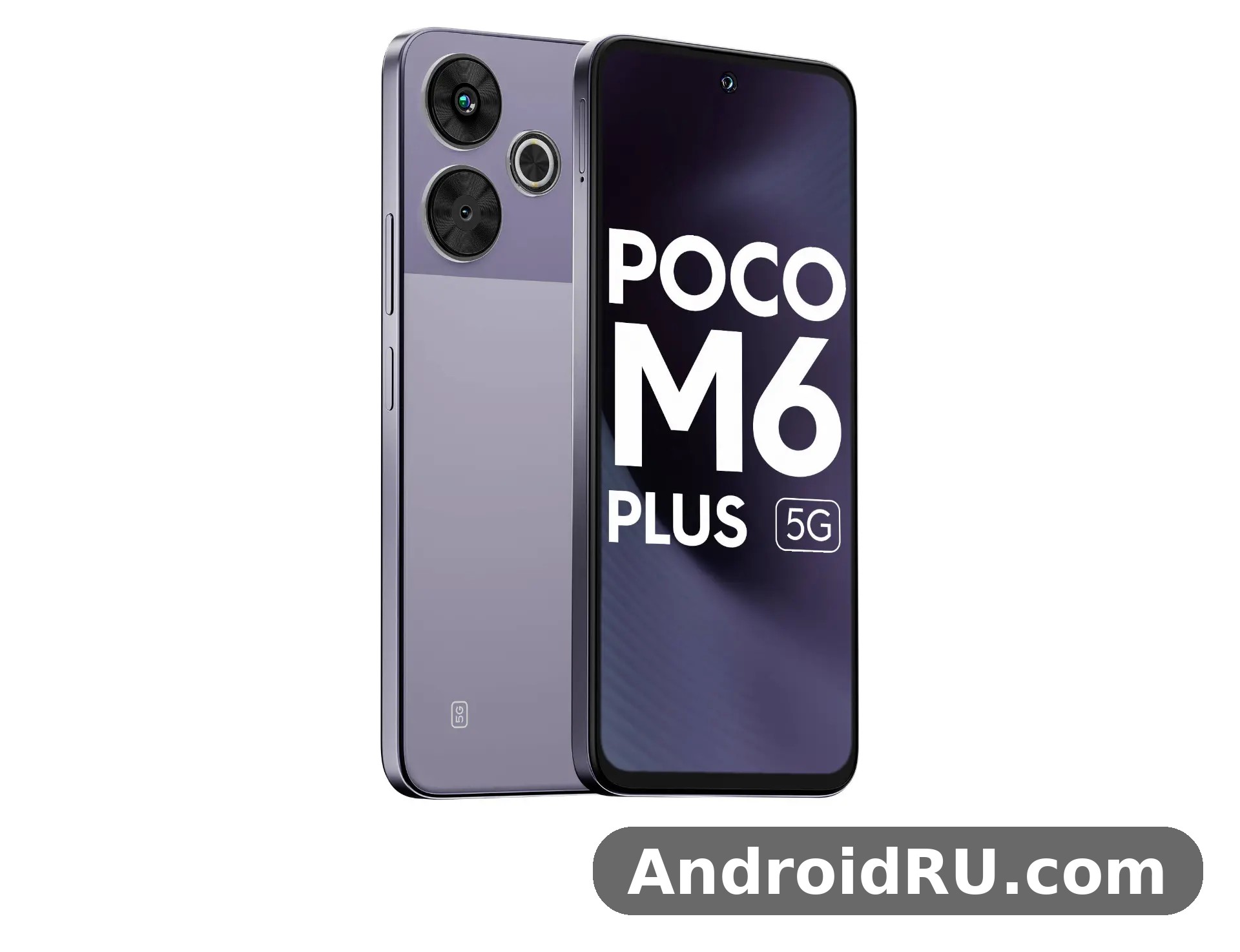
At launch the POCO M6 Plus 5G price and value for money for budget buyers was the main talking point, with the phone starting from Rs 13,499 in India for the 6GB version. POCO M6 Plus 5G unboxing videos from launch week showed a phone with a 33W charger in the box in India, a case in some markets and the usual cable and paperwork. This article works through the build, the screen, the speed, the cameras, the battery and the software in turn, then lists the POCO M6 Plus 5G specs in full. For the closest sibling in the same family, see POCO M6 Review: Daily Use, Software and Battery Life.
Build Quality and Design
The POCO M6 Plus 5G is a large phone, and its build is practical rather than premium. The front is glass, the frame and back are plastic, and the whole phone is rated IP53 for dust and splash resistance, so light rain and dusty pockets are less of a worry. At 205g and 8.3mm thick it is heavy enough to feel solid without being awkward, and the flat sides and rounded corners help it sit steadily in the hand. The POCO M6 Plus 5G colours are Misty Lavender, Ice Silver and Graphite Black, and each one changes the look of the glossy back panel in a different way.
Materials, weight and grip
The POCO M6 Plus 5G Misty Lavender colour and design details stand out most in photos, with a soft purple-grey finish that hides fingerprints better than a plain glossy black back. The POCO M6 Plus 5G Graphite Black colour and matte finish details suit buyers who want a quiet, plain look, while the Ice Silver option sits between the two. At 205g the phone is not light, but the weight is spread across a wide 6.79-inch body, so it balances well during calls and reading. The plastic back keeps the price down and survives small knocks better than glass, even if it does not feel as cool to the touch as metal or glass.
Colours and side fingerprint reader
The POCO M6 Plus 5G Ice Silver colour and reflective back panel catch the light in a way that makes the phone look more expensive than it is, although the shine also shows fingerprints. The fingerprint reader sits in the power button on the side, which is a natural place for a thumb or index finger when the phone is picked up. POCO M6 Plus 5G fingerprint unlocking is quick and works with a short press of the power button. The POCO M6 Plus 5G side fingerprint reader and how it works is simple: a quick press wakes and unlocks the phone in one motion, with no need to reach for a sensor on the back or wait for an on-screen reader. POCO M6 Plus 5G side fingerprint sensor speed and reliability for unlocking is good for a phone at this price, with fast recognition most of the time and a fallback to a PIN or pattern when fingers are wet. For another POCO phone judged on the same build and battery terms, see POCO M5s Review: Build Quality, Battery and Daily Use.
Display: 6.79-Inch 120Hz IPS LCD
The POCO M6 Plus 5G display is the biggest single reason to pick this phone. It measures 6.79 inches, uses an IPS LCD panel with a 1080 x 2460 Full HD+ resolution and refreshes at up to 120Hz. The POCO M6 Plus 5G screen size 6.79 inch IPS LCD full HD combination gives text and video plenty of room, and the tall 20:9 shape suits scrolling through feeds and watching video. POCO M6 Plus 5G 120Hz owners get smoother scrolling than a 60Hz panel, and the display is protected by Corning Gorilla Glass 3. Peak brightness is rated at 550 nits, which is enough for most outdoor use even if it is not the brightest panel in its class. The panel is large, smooth and easy to look at for long sessions, which is what matters most on a phone this size.
Brightness and outdoor use
In bright sunlight the 550-nit peak keeps menus and maps readable, although direct sun still washes the image out a little, as it does on most IPS LCD panels at this price. Colours are natural rather than oversaturated, and the viewing angles stay steady when the phone is tilted. There is no always-on display, which is normal for an LCD panel, and dark mode still helps at night by cutting the white background glare.
120Hz refresh rate in daily use
The POCO M6 Plus 5G 120Hz display smoothness for scrolling and video is easy to notice when moving from a 60Hz phone, with feeds, menus and animations gliding instead of juddering. The refresh rate can be set to 60Hz or 120Hz, and dropping to 60Hz saves a little battery on quiet days. Touch sampling is quick enough for everyday swipes and taps, and the large screen makes split-screen use and reading long articles comfortable.
Performance: Snapdragon 4 Gen 2 AE
The Qualcomm Snapdragon 4 Gen 2 AE, model number SM4450, is built on a 4nm process and pairs two Cortex-A78 performance cores running at up to 2.3 GHz with six Cortex-A55 efficiency cores at up to 2.0 GHz, plus Adreno 613 graphics. The AE stands for Accelerated Edition, and the faster 2.3 GHz prime cores are what set it apart from the regular Snapdragon 4 Gen 2, which tops out at 2.2 GHz on its performance cores and appears in phones such as the POCO M7. POCO M6 Plus 5G performance in everyday use is smooth and steady, and the 4nm build helps keep the phone cool and efficient during long sessions. The POCO M6 Plus 5G 6GB model suits light users, while the POCO M6 Plus 5G 8GB model gives heavier multitaskers more room, and both share the same POCO M6 Plus 5G 128GB of internal space with a dedicated microSD card slot. The POCO M6 Plus 5G microSD card slot for extra storage space takes a microSDXC card, so photos, videos and offline maps can live outside the internal memory. The phone is fast enough for everyday apps and light gaming, with app launches and switching that feel quick for the price.
Gaming and everyday apps
The POCO M6 Plus 5G Snapdragon 4 Gen 2 AE performance in games is best described as steady rather than spectacular: casual games run smoothly, and heavier titles run at modest settings with playable frame rates. The POCO M6 Plus 5G gaming performance for casual games and longer sessions benefits from the large battery and the efficient chipset, so the phone does not get uncomfortably warm quickly. The POCO M6 Plus 5G 6GB RAM versus 8GB RAM which to choose question comes down to habits: the 6GB version is fine for messaging, browsing and video, while the 8GB version keeps more apps in memory for people who switch between many apps. For a faster sibling in the same M6 family, see POCO M6 Pro 5G Review: App Performance and Camera Quality.
Cameras: 108MP Main Camera and 13MP Selfies
The rear camera setup is a 108MP wide camera with an f/1.8 aperture and phase detection autofocus, plus a 2MP macro camera for close-up shots. There is no ultrawide camera and no optical image stabilisation, so the main camera carries the whole photography load. The POCO M6 Plus 5G camera leans on pixel binning, combining pixels to produce brighter 12MP photos by default while keeping a full 108MP mode for scenes with plenty of light. The front camera is a 13MP wide unit set into a centred punch hole, and both front and rear cameras record video at 1080p and 30 frames per second. The POCO M6 Plus 5G 108MP sensor is the headline feature, and it is the part of the phone that most buyers will test first.
Daylight photos and night mode
The POCO M6 Plus 5G 108MP camera photo quality in daylight is the strongest part of the camera package, with detailed shots, natural colours and enough resolution to crop into a photo without it falling apart. Night mode brightens dark scenes and keeps noise under control, although fine detail softens and moving subjects can blur. The POCO M6 Plus 5G night mode photo quality in low light is good for the price, but it cannot match phones with larger sensors or optical stabilisation. The camera is sharp in daylight and usable after dark, which covers the two situations most owners photograph in.
Video and front camera
The POCO M6 Plus 5G front camera 13MP selfie quality for video calls is clear and bright in good light, with natural skin tones and a wide enough field of view for group calls. Video from the rear camera is steady enough for casual clips at 1080p, and the POCO M6 Plus 5G video recording quality 1080p front and rear cameras share the same 30 frames per second cap, so slow-motion and 4K recording are not on offer. The 2MP macro camera is a bonus rather than a main feature, best used in bright light for close-ups of flowers, textures and small objects. For an older POCO phone with a similar value-first camera approach, see POCO M5 Review: Everyday Speed, Cameras and Value.
Battery Life and 33W Charging
The 5030mAh battery is one of the largest in its class, and it is the reason this phone can go a long way between charges. POCO M6 Plus 5G battery life is built around that large cell plus an efficient 4nm chipset and an IPS LCD panel, a combination that sips power during video and browsing. POCO M6 Plus 5G charging is wired at 33W, with no wireless charging, and a compatible 33W charger was included in the box in India at launch. The POCO M6 Plus 5G 5030mAh cell and the 33W charger make a practical pair: big capacity for long days, and fast enough wired charging to refill it without an overnight wait.
How long the 5030mAh battery lasts
The POCO M6 Plus 5G battery life in everyday use stretches comfortably through a full day of messaging, browsing, video and calls, with charge left over at bedtime for most owners. The POCO M6 Plus 5G 5030mAh battery two day use for light users is realistic when the phone is used mainly for calls, messages and light browsing with the refresh rate set to 60Hz. The POCO M6 Plus 5G 33W charging time from empty to full is the number many buyers ask about first, and the honest answer is that a full refill takes well over an hour, which is slower than 67W rivals but fair for the price. The phone is good for two days of light use and one busy day of heavy use, which matches what a 5030mAh battery should deliver. For another budget POCO phone with a big battery story, see POCO M4 Pro 5G Review: Everyday Speed, Cameras and Value.
Software: Android 14 and HyperOS
The phone launched with Android 14 and Xiaomi HyperOS, the interface that replaced MIUI on new POCO phones. POCO M6 Plus 5G HyperOS brings a cleaner home screen, a new control centre, lock screen customisation and the usual set of Xiaomi apps alongside Google apps. POCO M6 Plus 5G Android 14 software feels modern and responsive on the Snapdragon 4 Gen 2 AE, and the large screen suits HyperOS widgets and the app drawer layout. The POCO M6 Plus 5G HyperOS features on Android 14 explained in plain terms are mostly about looks and organisation: smoother animations, more lock screen options and tighter integration with other Xiaomi devices, rather than a change to how the phone is used day to day.
Update promise and HyperOS features
The POCO M6 Plus 5G software update promise two major Android updates means the phone should receive Android 15 and Android 16, with security patches continuing after that. POCO M6 Plus 5G update support at this level is normal for a budget phone, and buyers who keep a phone for three years should plan around two big version jumps rather than three or four. HyperOS also includes the usual extras such as a second space, app lock, screen recording and a game mode that limits notifications while playing.
Full Specifications
The table below lists the POCO M6 Plus 5G full specifications list for buyers in India and everywhere else the phone is sold, from the network bands to the battery. Read it alongside the review above: the numbers explain the screen size, the camera resolution and the charging speed, while the text explains what those numbers feel like in use.
| Category | Details |
|---|---|
| Network | GSM, HSPA, LTE, 5G; 5G SA and NSA |
| Launch | Announced 1 August 2024; released 5 August 2024 |
| Body | 168.6 x 76.3 x 8.3 mm; 205 g; glass front, plastic frame, plastic back; Nano-SIM + Nano-SIM; IP53 dust and splash resistant |
| Display | 6.79-inch IPS LCD, 120Hz, 1080 x 2460 pixels, 20:9 ratio, about 396 ppi; 550 nits peak brightness; Corning Gorilla Glass 3 |
| Platform | Android 14 with HyperOS; Qualcomm Snapdragon 4 Gen 2 AE (SM4450, 4nm); octa-core 2×2.3 GHz Cortex-A78 + 6×2.0 GHz Cortex-A55; Adreno 613 |
| Memory | 6GB RAM with 128GB; 8GB RAM with 128GB; microSDXC dedicated slot |
| Main camera | 108MP wide f/1.8 with PDAF + 2MP macro; LED flash, HDR, panorama; 1080p video at 30fps |
| Selfie camera | 13MP wide; 1080p video at 30fps |
| Sound | Loudspeaker; 3.5mm headphone jack |
| Connectivity | Wi-Fi 802.11 a/b/g/n/ac dual-band; Bluetooth 5.0; GPS, GLONASS, GALILEO, BDS; NFC (market dependent); infrared port; USB Type-C 2.0 |
| Features | Side-mounted fingerprint reader; accelerometer, compass; virtual proximity sensing |
| Battery | 5030mAh; 33W wired charging |
| Colours and price | Misty Lavender, Ice Silver, Graphite Black; from Rs 13,499 in India at launch |
What the specification table covers
The table covers the hardware that decides daily use: the screen, the chipset, the memory, the cameras and the battery. Use it to compare this phone with rivals on the same points, and remember that two phones with the same headline numbers can still feel different because of software and tuning.
Network and connectivity details
The POCO M6 Plus 5G network support SA and NSA explained in plain terms is simple: the phone works on both standalone and non-standalone 5G networks, so it can use the 5G coverage available in India and other markets where it is sold. Wi-Fi, Bluetooth 5.0, GPS and NFC (where offered) cover the usual connections, and the infrared port can control a television or air conditioner.
Memory and camera details
The POCO M6 Plus 5G 128GB storage space for apps photos and videos is enough for most owners, and the microSDXC slot adds room for a large photo library or offline video. The 108MP main camera and 13MP front camera are the two camera numbers to remember, with 1080p video at 30 frames per second on both sides.
Pros and Cons
This POCO M6 Plus 5G pros and cons list before you buy sums up the review in one place. The strengths are the screen, the battery and the main camera, while the weak points are the charging speed, the missing ultrawide camera and the plastic build.
What stands out
- Large 6.79-inch 120Hz display that suits video and reading
- 108MP main camera with detailed daylight photos
- 5030mAh battery that lasts a full day and more
- 5G SA and NSA, microSD slot and 3.5mm headphone jack
- Side fingerprint reader and IP53 splash resistance
What could be better
- 33W charging is slower than 67W rivals
- No ultrawide camera and no 4K video recording
- Plastic frame and back rather than glass or metal
- Only two major Android updates promised
- IPS LCD instead of AMOLED, with 550 nits peak brightness
The POCO M6 Plus 5G cons are mostly about speed and extras rather than basics: slower charging, no ultrawide camera and a plastic body, none of which stops the phone doing its everyday job well.
Frequently Asked Questions
Is the POCO M6 Plus 5G good for daily use?
Yes. The large screen, the efficient chipset and the 5030mAh battery make it a steady daily phone for messaging, browsing, video and calls, and the side fingerprint reader and 120Hz display keep everyday use smooth.
What is the difference between the POCO M6 Plus 5G and the POCO M6 Pro 5G?
The POCO M6 Plus 5G versus POCO M6 Pro 5G differences explained in short are the chipset, the camera and the price: the Plus uses the Snapdragon 4 Gen 2 AE with a 108MP main camera, while the Pro 5G uses a Snapdragon 4 Gen 1 with a 50MP main camera, so the Plus is the newer and stronger camera phone of the two.
Does the POCO M6 Plus 5G support 5G SA and NSA?
Yes, it supports both 5G SA and NSA, along with dual SIM, Wi-Fi, Bluetooth 5.0 and GPS.
How long does the POCO M6 Plus 5G battery last on one charge?
Most owners get through a full day with charge to spare, and light users can reach a second day. The 5030mAh cell is the main reason, helped by the efficient 4nm chipset and the option to drop the display to 60Hz.
Is the POCO M6 Plus 5G worth buying in 2026 for budget buyers?
For buyers who want a large 120Hz screen, a 108MP camera and a 5030mAh battery at a budget price, it is still a sensible pick in 2026, as long as the price is close to its launch level and the two-update promise is enough.
Which is better, the POCO M6 Plus 5G or the POCO M6?
On the POCO M6 Plus 5G versus POCO M6 which phone is better question, the Plus wins on the camera, the screen size and the newer Accelerated Edition chipset, while the regular M6 is the cheaper and smaller option.
The POCO M6 Plus 5G verdict is that it is a strong budget phone for buyers who value a big screen, a big battery and a high-resolution camera over premium materials and fast charging. Run through the POCO M6 Plus 5G common problems and things to check before buying checklist before paying: check the screen for dead pixels, test the side fingerprint reader, confirm the 5G bands for your carrier and check that the charger in the box matches the 33W rating.

