

Redmi Note 13 5G Review: Gaming, Multitasking and Battery Life
The Redmi Note 13 5G arrived as the entry point to one of the most popular phone families of 2024, and it had a clear job: bring a bright 120Hz AMOLED screen, 5G, and a 108MP camera to a price that most buyers can reach without stretching. Two years on, the question is no longer whether it looked good on paper at launch. The question is whether the phone still holds up for gaming, multitasking, and battery life in everyday use, and whether it makes sense to buy one now that its successors are on the shelves.
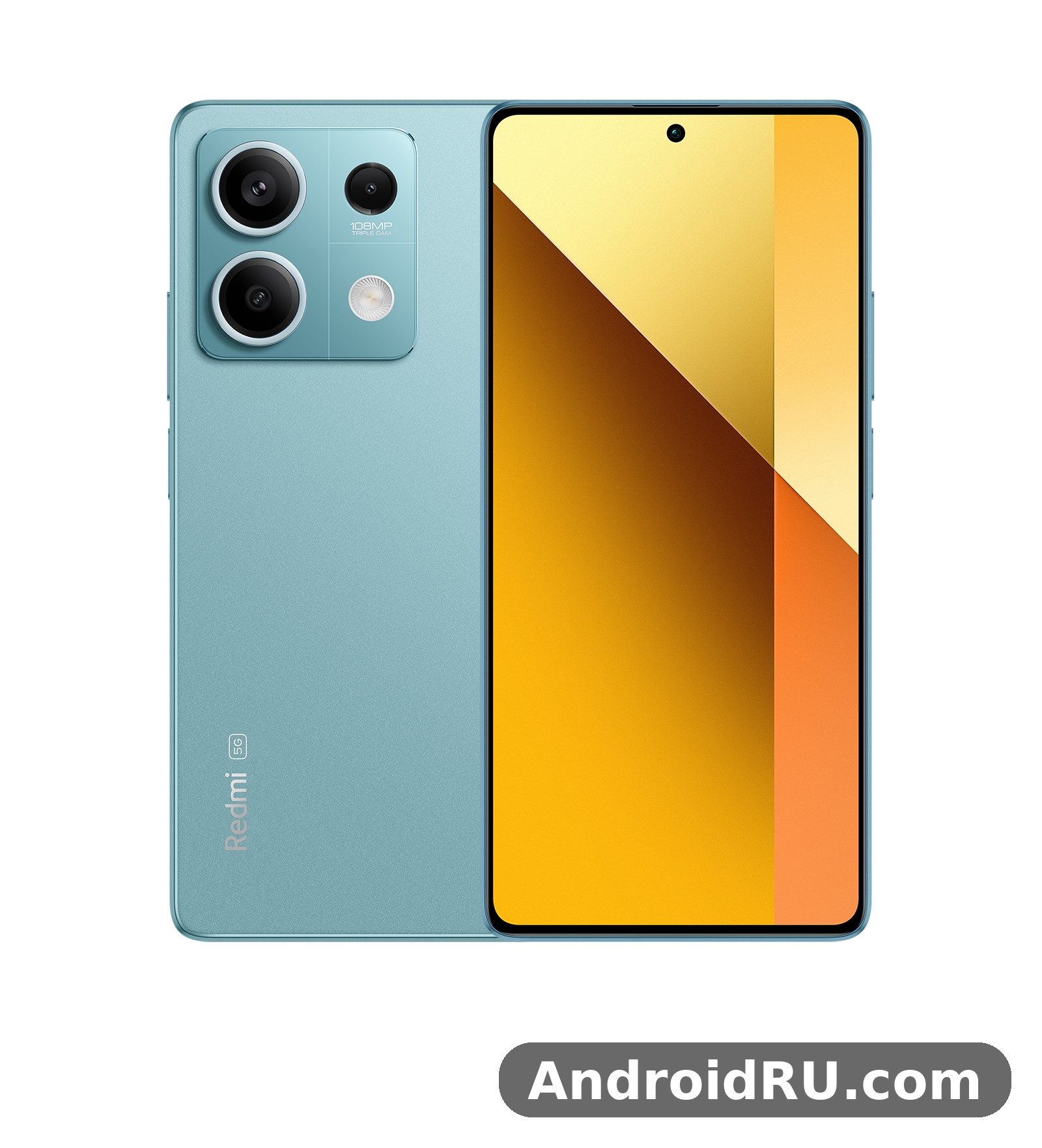
This Redmi Note 13 5G review looks at the phone the way an owner would live with it. We cover the screen, the Dimensity 6080 chipset, how it handles games and heavy multitasking, what the cameras really deliver, and how far the 5000mAh battery goes on a normal day. Every claim below is tied to the published specifications or to widely reported test results, and where a number varies by region or software version we say so instead of guessing. If you are weighing this phone against its Pro siblings or a newer model, the comparison section near the end puts the differences side by side.
One thing to get straight before we start: this is the base Redmi Note 13 5G, model numbers 2312DRAABG and 2312DRAABI, announced on 4 January 2024 and released on 10 January 2024. It is not the Note 13 Pro 5G with its Snapdragon 7s Gen 2, and it is not the Note 13 Pro+ 5G with its Dimensity 7200 Ultra and 200MP camera. Those are different phones at different prices, and mixing them up is the fastest way to end up disappointed. This review stays with the base model only, and every specification quoted here belongs to it alone.
Redmi Note 13 5G Display Quality: AMOLED 120Hz on a Budget
The screen is the first thing you notice, and it is the strongest reason to pick this phone over older budget rivals. The Redmi Note 13 5G display quality AMOLED 120Hz panel measures 6.67 inches, uses a 1080 x 2400 resolution at about 395 pixels per inch, and peaks at 1000 nits. Colours are rich without looking cartoonish, text stays sharp, and the 120Hz refresh rate makes scrolling through feeds and menus feel fluid in a way a 60Hz panel never does. For a phone in this price band, the display punches well above its weight.
Brightness is good rather than spectacular. Indoors the panel is more than bright enough, and outdoors on a sunny day it stays readable, helped by the 1000-nit peak figure. The measured maximum brightness in independent lab tests came out close to that peak, around 991 nits, so the headline number is honest. At night, the 1920Hz PWM dimming helps keep eye strain down, which matters if you read in bed. The panel supports one billion colours on some regional variants, while others are listed at the standard colour depth, so the exact colour spec can depend on where you buy the phone.
Protection comes from Corning Gorilla Glass 5, which covers the front glass. The Redmi Note 13 5G Gorilla Glass 5 scratch resistance is solid for everyday use: keys and coins in a pocket are unlikely to leave marks, though sand and grit can still scratch any glass, and a screen protector remains a sensible buy. The frame is plastic and the back is plastic too, which keeps the Redmi Note 13 5G weight down to 174.5 grams. That is light for a 6.67-inch phone, and it shows in the hand: the phone feels balanced rather than top-heavy, and one-handed use is workable for most people, even if reaching the top corner still needs a small hand shuffle.
How the 120Hz Refresh Rate Feels in Daily Use
The 120Hz mode is adaptive in the sense that the phone drops to lower rates when nothing is moving, which saves battery, and ramps up when you scroll or play a supported game. In practice, the difference between 60Hz and 120Hz is obvious the moment you switch back: menus stutter slightly at 60Hz after your eyes get used to the smoother mode. Most buyers will leave 120Hz on all the time and accept the small battery cost, because the phone lasts long enough anyway, as the battery section below shows.
Screen Size, Bezels and Outdoor Visibility
At 161.1 x 75 x 7.6 mm, the phone is slim at 7.6 mm thick, and the screen-to-body ratio sits near 88.9 percent, so the bezels are thin and the chin is modest. The Redmi Note 13 5G dimensions make it a large phone, but the slim profile and light weight keep it comfortable in a pocket. Outdoor visibility is fine for maps, messages and photos, though in harsh direct sunlight you will want brightness at maximum and the screen will still wash out a little, as every OLED in this class does.
Redmi Note 13 5G Gaming Performance with the Dimensity 6080
Gaming is where the title of this review puts the phone to the test, so let us be direct. The Redmi Note 13 5G gaming performance review starts with the chipset: a MediaTek Dimensity 6080 built on a 6 nm process, with two Cortex-A76 cores at 2.4 GHz for heavy work and six Cortex-A55 cores at 2.0 GHz for lighter tasks, plus a Mali-G57 MC2 GPU. This is a capable mid-range chip, not a flagship one, and the phone behaves exactly like that: smooth in popular titles at sensible settings, and out of its depth if you push every slider to maximum.
The Redmi Note 13 5G Dimensity 6080 performance test numbers give a useful anchor. In widely reported benchmark runs, the phone scored around 405,000 in AnTuTu v9 and around 455,000 in AnTuTu v10, with Geekbench scores near 1,968 in v5 and 1,978 in v6. The Redmi Note 13 5G Antutu result puts it clearly ahead of older budget chips and roughly in line with other phones in its launch price band. Benchmarks are not games, though, so the frame-rate notes below matter more than any single score.
PUBG Mobile and Genshin Impact Frame Rates
The Redmi Note 13 5G PUBG Mobile graphics settings that work best are Smooth graphics with the frame rate set to the highest option the game offers on this device. At those settings the game runs fluidly, with stable frame pacing in most firefights and only occasional dips when several players, smoke, and vehicles pile into the same scene. Pushing the graphics to HD or HDR costs frames and adds heat for little visible gain on a 6.67-inch screen, so the sensible trade is smooth graphics and high frame rate.
The Redmi Note 13 5G gaming frame rate Genshin Impact picture is more demanding. Genshin Impact runs, and it is playable, but you should expect medium settings at best, with the frame rate hovering in the 30 to 40 frames-per-second range in busy areas and dipping further in dense towns or heavy combat. Turning shadows and effects down helps a lot. This is not the phone to buy if Genshin Impact at high settings is your main hobby; it is a phone that handles the game acceptably while excelling at lighter titles such as Mobile Legends, Call of Duty Mobile at balanced settings, and casual games that barely tax the GPU at all.
PUBG Mobile Graphics Settings That Work Best
Set graphics to Smooth, frame rate to the highest available, and turn off anti-aliasing if you notice stutter. Keep the phone out of direct sun while playing, and close background apps before a long session so the 8GB or 12GB of RAM is free for the game. These small steps keep frame times steadier than any settings tweak inside the game itself.
Genshin Impact Settings for Stable Play
Use medium render resolution, low shadows, and medium effects, with motion blur off. Expect the phone to get warm after twenty minutes, which is normal for this chip, and take a short break if the frame rate starts to slide. The phone recovers quickly once the load drops.
Heating and Throttling During Long Sessions
Every phone in this class heats up under sustained load, and the Redmi Note 13 5G heating issue while gaming is a fair question to ask. In normal use the phone stays cool. In a thirty-minute gaming session it gets warm around the upper back, and in a longer session at high settings the chip will throttle to protect itself, which shows up as a gradual frame-rate drop rather than a sudden crash. The throttling is gentle and the phone stays usable, which is the right trade-off: a phone that slows a little is better than one that burns your hand or shuts the game down. Playing without a thick case helps heat escape, and avoiding charging while gaming keeps temperatures lower.
Redmi Note 13 5G Multitasking, RAM and Storage
Multitasking is the second pillar of this review, and it is where the phone quietly earns its keep. The Redmi Note 13 5G multitasking with 8GB RAM setup handles the daily juggle of messaging, maps, music, browser tabs, and a game paused in the background without constantly reloading apps. The phone shipped in several memory configurations: 128GB with 6GB of RAM, 128GB with 8GB of RAM, 256GB with 8GB of RAM, 256GB with 12GB of RAM, and 512GB with 12GB of RAM. If you can find the 8GB or 12GB version at a small premium over the 6GB base, take it: the extra memory is the single upgrade that most improves day-to-day smoothness over a year or two of ownership.
Switching between apps is quick, split-screen works for the usual pairs such as a video beside a chat app, and floating windows are available for messaging apps that support them. The Redmi Note 13 5G RAM is LPDDR4X, which is standard for this class, and the Redmi Note 13 5G storage is UFS 2.2. The Redmi Note 13 5G storage speed UFS 2.2 benchmark figures are respectable rather than remarkable: apps install and load promptly, large games take a little longer to install than they would on a UFS 3.1 phone, and file transfers over USB are limited by the USB Type-C 2.0 port. None of this is noticeable in normal use; it only shows up in side-by-side comparisons with phones that cost considerably more.
The Redmi Note 13 5G microSD card slot expansion options are a genuine advantage over many rivals that dropped the slot. The phone takes a microSDXC card in the shared SIM slot, so you can expand storage cheaply if you buy the 128GB version, at the cost of the second SIM slot. For buyers who keep large offline music or video libraries, or who shoot a lot of 108MP photos, that slot turns the cheapest configuration into a workable long-term choice. The dual SIM setup supports 5G on the network side, and the Redmi Note 13 5G dual SIM 5G network support covers a wide set of bands on the international model, including the common n1, n3, n5, n7, n8, n20, n28, n38, n40, n41, n66, n77 and n78 bands, so it connects to 5G in most markets where the phone is sold officially.
App Loading Speeds and Background App Behaviour
Apps open quickly from cold, and the phone keeps a good number of apps in memory before it starts closing them. Heavy apps such as camera and maps reload occasionally after a long gaming session, which is normal memory management rather than a fault. The HyperOS memory extension feature can add virtual RAM, but it is no substitute for physical RAM, and we would not rely on it when choosing between the 6GB and 8GB models.
Storage Choices: Which Configuration Makes Sense
For most buyers, 256GB with 8GB of RAM is the sweet spot: room for apps, photos, and a few large games, plus enough memory for smooth multitasking. The 128GB with 6GB of RAM is fine for light users who stream rather than download, while the 512GB with 12GB of RAM suits buyers who keep everything on the phone and want the longest useful life. Check the current price gap before deciding, because the middle configuration is often only a little more expensive than the base one.
Redmi Note 13 5G Cameras: 108MP Main Sensor in Daily Use
The camera system is built around a 108MP main sensor with an f/1.7 aperture, phase-detection autofocus, and a 1/1.67-inch sensor size, joined by an 8MP ultrawide camera and a 2MP macro camera. The selfie camera is a 16MP unit with an f/2.4 aperture. Video recording tops out at 1080p at 30 frames per second on both the rear and front cameras, which is the clearest limitation of the whole camera package: there is no 4K video here, and buyers who record a lot of video should know that before they buy.
In daylight, the main camera delivers detailed, punchy photos with good dynamic range, and the 108MP mode captures extra detail when you need to crop. The Redmi Note 13 5G 108MP camera samples and details show the sensor at its best in bright light, where fine textures such as leaves, fabric, and building facades hold up well. Pixel-binned 12MP shots are the default, and they are the right choice for most situations: smaller files, faster processing, and cleaner results in mixed light. The Redmi Note 13 5G camera as a whole is a daylight specialist, which is true of most phones in this price band.
108MP Main Camera in Daylight and Low Light
The Redmi Note 13 5G camera quality in low light is decent but not class-leading. Night mode brightens shadows and pulls out detail that the standard mode misses, and it works best when you hold the phone steady for the extra second it needs. Results are usable for social sharing, with some softness and noise in the darkest corners. The phone does not have optical image stabilisation, so very dark scenes and moving subjects will blur, and the flash is best kept for close subjects only. For evening street scenes and indoor shots with reasonable light, the camera copes well; for near-darkness, expectations should stay modest.
Ultrawide, Macro and Selfie Cameras
The 8MP ultrawide is useful for landscapes and tight interiors, though it is softer than the main sensor and loses detail at the edges. The 2MP macro camera is a minor addition: fun for the occasional close-up of a flower or a coin, but limited by its low resolution, and most buyers will use it rarely. The 16MP selfie camera produces clear, natural-looking selfies in good light, with a portrait mode that separates the subject from the background reasonably well.
Night Mode and Video Recording
The Redmi Note 13 5G night mode camera comparison against the standard mode shows a clear gain in brightness and shadow detail, at the cost of a longer capture time and a slightly processed look. The Redmi Note 13 5G video recording 1080p stabilization relies on electronic stabilisation, which smooths walking footage acceptably but cannot match the steadiness of a phone with optical stabilisation. For short clips and social video, it is fine; for serious video work, a phone with 4K and optical stabilisation would be a better pick.
Redmi Note 13 5G Battery Life and 33W Charging
The battery is the third pillar of this review, and it is the one most owners will appreciate daily. The phone carries a 5000mAh battery, and the Redmi Note 13 5G battery life test results reported by independent labs give it an active-use score of about 9 hours and 49 minutes, which translates in real life to a full day for most users and a comfortable day and a half for lighter users. The Redmi Note 13 5G battery is the same capacity as many rivals, but the efficient 6 nm chipset and the adaptive refresh rate help it stretch further than the raw number suggests.
Screen-on Time in Heavy Use
The Redmi Note 13 5G screen on time heavy usage figure most owners can expect is roughly six to eight hours of screen-on time across a day of mixed use, including social apps, video streaming, maps, and some gaming. A day of video streaming over Wi-Fi will last longer, while a day of gaming and 5G use will drain the phone faster. The Redmi Note 13 5G battery drain overnight test shows a small drop, typically in the low single-digit percentages, provided background apps are behaving themselves; a larger overnight drop usually points to a single misbehaving app rather than a battery fault, and the battery usage screen in settings will name it.
Overnight Battery Drain and Battery Health
The Redmi Note 13 5G battery health after long use depends on charging habits as much as on the cell itself. Charging to full every night and leaving the phone on the charger is convenient, and the phone manages this reasonably well, but keeping the charge between roughly 20 and 80 percent when practical will slow long-term wear. After a year or more of daily use, a small loss of maximum capacity is normal. The Redmi Note 13 5G review after one year reports from owners suggest the battery holds up well, with most people still getting through a full day after twelve months of use.
33W Charging Speed in Practice
The Redmi Note 13 5G charging speed 33W test figures are straightforward: the 33W wired charger included in the box in most regions takes the phone from empty to about half full in roughly half an hour, and to full in around an hour to an hour and a quarter, depending on temperature and whether the phone is in use. There is no wireless charging, which is expected at this price. The Redmi Note 13 5G charging is fast enough that a short top-up before leaving the house genuinely helps, and the included charger means there is no extra purchase to make. The Redmi Note 13 5G battery and charging combination is one of the best-balanced parts of the phone: a large cell, honest endurance, and a charger in the box.
Redmi Note 13 5G Software, Connectivity and Everyday Extras
The phone launched with Android 13 and MIUI 14, and it is upgradable to Android 14 with HyperOS, with up to two major operating-system updates promised. The Redmi Note 13 5G software update HyperOS Android 14 path is the one most owners will follow: HyperOS brings a cleaner look, smoother animations, and better cross-device features than the older MIUI skin. The Redmi Note 13 5G HyperOS experience is generally smooth on this hardware, though the first days after a major update can feel slower while the phone re-optimises apps in the background.
The Redmi Note 13 5G update policy means the phone will not receive updates forever, so buyers in 2026 should check the current security patch level on the unit they buy and keep automatic updates on. Security patches matter more than version numbers for a phone you plan to keep for two or three years, and the update screen in settings shows exactly where the phone stands.
MIUI 14, HyperOS and Bloatware
The Redmi Note 13 5G MIUI 14 bloatware removal guide is short, because most preinstalled apps can be uninstalled or disabled from the app settings screen, and the remaining ones can be hidden from the home screen. A few system apps and partner apps may only disable rather than uninstall, which is normal for this brand. Spending ten minutes after setup to remove what you do not need makes the phone feel cleaner and can reduce background battery use. This is a Redmi phone trait rather than a fault of this model alone, and it is worth doing on day one.
Connectivity, Sound and Security
Connectivity covers Wi-Fi 802.11 a/b/g/n/ac on dual bands, Bluetooth 5.3 with A2DP and low-energy support, GPS and GLONASS positioning, an infrared port, and NFC on markets where the feature is enabled. The Redmi Note 13 5G NFC availability depends on region, so check the listing for your market before assuming tap-to-pay will work. The Redmi Note 13 5G infrared blaster is a small delight: it turns the phone into a remote control for a television or air conditioner, and the preinstalled remote app covers a wide range of brands. The Redmi Note 13 5G network support includes 5G, 4G LTE, and the usual 2G and 3G fallback bands, and the Redmi Note 13 5G call quality and signal reception are solid, with clear earpiece audio and stable reception in areas where the network itself is good.
Sound is a pleasant surprise. The Redmi Note 13 5G speakers deliver a loud, clear output for a single loudspeaker setup, and independent lab measurements rated the loudspeaker output as very good. The Redmi Note 13 5G headphone jack audio quality test is good news for wired headphone owners: the 3.5 mm jack is present, and the phone supports 24-bit/192kHz Hi-Res audio and Hi-Res wireless audio, so wired and wireless listening both sound clean. Security uses a side-mounted fingerprint sensor in the power button. The Redmi Note 13 5G fingerprint sensor side mounted speed is fast in practice: a quick press wakes and unlocks the phone in one motion, and the sensor is easier to reach than an in-display reader for many hands. Face unlock is also available as a backup.
Design, Colours and Build Quality
The Redmi Note 13 5G colours are Graphite Black, also sold as Stealth Black in some markets, Arctic White, Ocean Teal, and Prism Gold. The plastic back resists shattering better than glass, though it picks up fine scratches more easily, so a case is worth buying. The Redmi Note 13 5G cases and covers are easy to find in most markets, and the Redmi Note 13 5G accessories shelf is well stocked with screen protectors, chargers, and cables, which is one of the quiet advantages of buying a popular model. The IP54 rating protects against dust and water splashes, which is reassurance against rain, not an invitation to take the phone swimming.
Redmi Note 13 5G Daily Use: What Living With It Feels Like
Benchmarks and specification sheets only tell part of the story, so it is worth stepping back and asking what the Redmi Note 13 5G feels like as a daily phone. The short answer is that it feels calm and unremarkable in the best sense: the screen is bright, the phone rarely stutters in normal apps, the battery gets you home, and nothing about the experience demands your attention. That is exactly what most buyers want from a budget phone. The moments that remind you of the price are specific and predictable: a photo in a dark restaurant that comes out softer than you hoped, a game that asks you to lower the settings, and a video clip that tops out at 1080p. None of these are surprises if you read the specification table first.
Morning use is where the phone is at its best. Alarms, messages, news, and a podcast over Bluetooth all run without fuss, and the light weight means the phone is comfortable to hold during a long commute. The side-mounted fingerprint sensor unlocks the phone as you pick it up, which sounds like a small thing until you use a phone where unlocking is a two-step job. The 3.5 mm jack earns its keep on the same commute: wired earphones just work, with no dongle to lose and no battery to charge. For buyers who still carry wired headphones, this single port can be the deciding feature, and it is one of the reasons the base model keeps selling even as its Pro siblings get the attention.
Afternoon use is the multitasking test. A typical afternoon might mix a maps session, a food delivery app, a few photos, and a video call, and the phone handles that mix without drama on the 8GB version. The 6GB version copes too, but it reloads apps more often when you switch between a heavy game and the camera, so the memory choice matters more than the storage choice for this kind of day. If you work from your phone, the split-screen mode is genuinely useful for keeping a document beside a chat, and the large screen makes it workable rather than cramped.
One-Handed Use and Pocket Comfort
At 174.5 grams and 7.6 mm thick, the phone slips into a pocket easily and does not drag a jacket down. One-handed use is possible for the basics: swiping notifications down, answering calls, and scrolling a feed. Reaching the far top corner takes a small hand adjustment, which is true of every 6.67-inch phone. The plastic back is grippy enough that the phone does not feel slippery, though a thin case adds confidence without much bulk, and the flat screen makes tempered glass protectors easy to fit without the edge-lifting problems curved screens cause.
Evening Media, Reading and Video Calls
Evenings are where the AMOLED screen earns its keep a second time. Streaming a film or a series looks rich and contrasty, with deep blacks that make night scenes easier to follow than on an LCD panel, and the loudspeaker is strong enough for a video in a quiet room without reaching for earphones. Reading is comfortable too: the high pixel density keeps text crisp, the PWM dimming helps at low brightness, and the reading mode in the display settings warms the colours for late-night sessions. Video calls look fine on the 16MP front camera in a lit room, though the image softens in dim light, as front cameras in this class always do. The 5G connection keeps calls stable when the network is good, and the phone falls back to 4G smoothly where 5G coverage thins out. For a phone that costs as little as this one now does, the evening experience is better than the price suggests, and it is the screen more than any other single part that makes it feel that way.
What Owners Say After Months of Use
Long-term owner reports line up with the lab numbers. The battery stays strong after months of daily charging, the screen still looks good, and the phone does not slow down noticeably provided the storage is not filled to the brim. The complaints that do appear are consistent: too many preinstalled apps on first setup, the camera struggling in low light, and the occasional advertisement inside some system apps, which can be turned off in the settings of each app. None of these are hardware faults, and all of them have workarounds, but they are part of the honest picture of owning a Redmi phone at this price.
Full Specifications
The Redmi Note 13 5G full specifications and price picture is best read as a whole, because the value of this phone comes from the combination rather than any single number. The Redmi Note 13 5G specs below are the published figures for the global model, and the Redmi Note 13 5G price at launch in India started at around Rs. 25,999 for the 128GB with 6GB of RAM configuration, with higher memory versions priced above it. The Redmi Note 13 5G price in India 2026 has moved well below the launch figure in many listings, which is exactly why the phone is worth a fresh look now: the hardware has not changed, but the price has. The Redmi Note 13 5G performance in everyday tasks, from messaging and browsing to video and light gaming, remains smooth, and the table below lays out every major specification in one place.
How the Specifications Compare to the Price
Read as a list, the specifications look like a phone that should cost more than it does: a 120Hz AMOLED screen, a 6 nm chipset, a 108MP camera, a 5000mAh battery, 5G, a headphone jack, and a microSD slot. The compromises that keep the price down are easy to spot once you know where to look: video stops at 1080p, there is no optical stabilisation, charging is 33W rather than the 67W or 120W of the Pro models, and the body is plastic rather than glass and metal. None of these trade-offs is hidden, and none of them hurts the daily experience as much as the headline numbers might suggest. The screen and the battery are the parts you touch every hour, and both are strong; the camera and charging limits show up only in specific situations. That is a sensible way to build a budget phone, and it is why the specification sheet still reads well two years after launch.
| Feature | Redmi Note 13 5G |
|---|---|
| Display | 6.67-inch AMOLED, 1080 x 2400, 120Hz, 1000 nits peak, Gorilla Glass 5 |
| Chipset | MediaTek Dimensity 6080 (6 nm), octa-core up to 2.4 GHz |
| GPU | Mali-G57 MC2 |
| RAM and storage | 6GB, 8GB or 12GB RAM; 128GB, 256GB or 512GB storage, UFS 2.2, microSDXC slot |
| Main camera | 108MP wide f/1.7 with PDAF, 8MP ultrawide, 2MP macro; 1080p at 30fps video |
| Selfie camera | 16MP wide f/2.4; 1080p at 30fps video |
| Battery | 5000mAh, 33W wired charging |
| Operating system | Android 13 with MIUI 14, upgradable to Android 14 with HyperOS |
| Connectivity | 5G, Wi-Fi ac dual-band, Bluetooth 5.3, NFC (market dependent), infrared port, USB Type-C 2.0 |
| Audio | Loudspeaker, 3.5 mm headphone jack, Hi-Res audio support |
| Security | Side-mounted fingerprint sensor, face unlock |
| Dimensions and weight | 161.1 x 75 x 7.6 mm, 174.5 grams |
| Build and resistance | Glass front, plastic frame and back, IP54 splash resistance |
| Sensors | Accelerometer, gyro, proximity, compass |
| Colours | Graphite Black (Stealth Black), Arctic White, Ocean Teal, Prism Gold |
| Launch | Announced 4 January 2024, released 10 January 2024 |
A few notes on the table. The 108MP main camera is the headline sensor, but the phone records video at 1080p only, so video creators should weigh that carefully. The 120Hz AMOLED display is the strongest single feature for the price, and the Dimensity 6080 chipset is a solid mid-range performer rather than a flagship chip. The IP54 rating covers splashes and dust, not submersion, and NFC depends on the market where the phone was sold.
Redmi Note 13 5G vs Redmi Note 13 Pro 5G vs Redmi Note 13 Pro+ 5G
The Redmi Note 13 5G vs Redmi Note 13 Pro 5G comparison is the one most buyers actually face, because the two phones look similar and sit close in price in many markets. The table below compares the base model with its two Pro siblings, and the links in this section point to the full reviews of each rival so you can read deeper before deciding.
| Feature | Note 13 5G | Note 13 Pro 5G | Note 13 Pro+ 5G |
|---|---|---|---|
| Chipset | Dimensity 6080 | Snapdragon 7s Gen 2 | Dimensity 7200 Ultra |
| Display | 6.67-inch AMOLED, 120Hz, 1000 nits | 6.67-inch AMOLED, 120Hz, 1800 nits | 6.67-inch AMOLED curved, 120Hz, 1800 nits |
| Main camera | 108MP | 200MP with OIS | 200MP with OIS |
| Video | 1080p at 30fps | 4K at 30fps | 4K at 30fps |
| Battery and charging | 5000mAh, 33W | 5100mAh, 67W | 5000mAh, 120W |
| Headphone jack | Yes | Yes | No |
| microSD slot | Yes | No | No |
| Water resistance | IP54 | IP54 | IP68 |
The base model keeps two things its Pro siblings dropped: the headphone jack and the microSD slot, which matter to buyers who still use wired headphones or want cheap storage expansion. The Pro models answer with brighter screens, a 200MP camera with optical stabilisation, 4K video, and much faster charging. If your budget stretches to the Pro, the camera and charging upgrades are real; if it does not, the base model keeps the essentials and the same 120Hz AMOLED experience.
Read the full Redmi Note 13 Pro 5G Review: Display Quality, Speed and Daily Use to see how the Snapdragon 7s Gen 2 model handles the same daily tasks, and the Redmi Note 13 Pro+ 5G Review: Screen Quality, Cameras and Charging if the 120W charging and curved screen tempt you. The Redmi Note 13 5G alternatives also include older models that have fallen in price: the Redmi Note 12 Pro+ 5G Review: Strengths, Trade-Offs and Everyday Use covers a phone with faster charging and a 200MP camera of its own, while the Redmi Note 12 Pro 5G Review: Cameras, Performance and Battery Life shows what the previous generation offered. If you want a newer screen and audio focus instead, the Redmi Note 14S Review: Display, Audio and Overall Experience is worth a look as well.
Pros and Cons
Pros: a bright 120Hz AMOLED display, a light 174.5-gram body, a 5000mAh battery that lasts a full day, a 33W charger in the box, a headphone jack, a microSD slot, and a 108MP camera that shines in daylight. Cons: video is capped at 1080p, there is no optical stabilisation, the Dimensity 6080 throttles in long heavy gaming sessions, the plastic back scratches more easily than glass, and the update window is limited to two major Android versions. The Redmi Note 13 5G problems most owners report are modest ones: occasional preinstalled apps to remove, a camera that struggles in very low light, and a fingerprint sensor that needs a clean, dry finger to read first time.
Who Should Pick Which Model
Pick the base Note 13 5G if you want the lowest price, a headphone jack, and expandable storage. Pick the Note 13 Pro 5G if you want a brighter screen, a better camera with stabilisation, and 4K video. Pick the Note 13 Pro+ 5G if you want the fastest charging and the strongest water resistance, and you do not mind losing the headphone jack and the microSD slot. Whichever model you choose, buy from a seller that states the exact memory configuration and the regional variant in the listing, because the same model name covers several memory options and the NFC feature varies by market. A listing that hides those details is a listing worth skipping, even at a tempting price.
Frequently Asked Questions About the Redmi Note 13 5G
Is the Redmi Note 13 5G worth buying in 2026?
Is the Redmi Note 13 5G worth buying in 2026? Yes, at the right price. The phone still delivers a 120Hz AMOLED screen, a full-day battery, 5G, and a good daylight camera, and its street price has fallen well below launch. It makes sense as a budget buy or a reliable second phone. It makes less sense at close to its original launch price, where newer models offer more, so check the current price before deciding.
Does the Redmi Note 13 5G support 5G in India and other markets?
Yes. The international model supports a wide set of 5G bands, and the Indian model covers the bands used by Indian carriers. Actual 5G speed depends on your carrier and location, not just the phone, so check your carrier coverage in your area if 5G is a deciding factor.
How long does the Redmi Note 13 5G battery last?
Most owners get through a full day on one charge, with roughly six to eight hours of screen-on time in mixed use and longer for lighter use. The 5000mAh cell and the efficient Dimensity 6080 help, and the 33W charger refills about half the battery in roughly half an hour.
Does the Redmi Note 13 5G have a headphone jack and a microSD slot?
Yes to both, and that is one of the reasons the base model is still worth considering. The 3.5 mm headphone jack works with ordinary wired earphones, and the microSDXC slot takes a card for extra storage, though it shares the second SIM slot, so you choose between a second SIM and the memory card. The Pro models dropped both features, so buyers who care about wired audio or cheap storage expansion should stay with the base model.
Can the Redmi Note 13 5G run PUBG Mobile and Genshin Impact smoothly?
PUBG Mobile runs smoothly at Smooth graphics with a high frame rate, which is the setting most players will use. Genshin Impact runs at medium settings with frame rates in the 30 to 40 range in busy areas, so it is playable but not a showcase for the phone. Lighter games run without any trouble at all.
The final word is simple. The Redmi Note 13 5G is a balanced budget phone that gets the things most owners notice every day right: a good screen, a battery that lasts, and a camera that delivers in daylight. It is not a gaming flagship and it is not a camera phone, and it never pretended to be. If you buy it at a good price, keep the software updated, and spend ten minutes clearing the apps you do not need, it will serve you well as a daily phone. The screen alone makes it pleasant to use, the battery removes the daily anxiety of running low, and the headphone jack and microSD slot keep it practical in ways newer and pricier phones sometimes forget. Before you buy, check the exact memory configuration, confirm the 5G bands and NFC support for your market, and compare the current price against the Note 13 Pro 5G, because a small price gap can change the answer. Done carefully, this is a purchase you are unlikely to regret.

