

Redmi Note 13 Pro+ 5G Review: Screen Quality, Cameras and Charging
The Redmi Note 13 Pro+ 5G arrived in September 2023 as the top model of the Redmi Note 13 family, and it still draws attention for a simple reason: it packs a curved 120Hz AMOLED display, a 200MP main camera and 120W wired charging into a Redmi midrange phone that costs far less than a flagship. This Xiaomi Redmi phone sits above the Redmi Note 13 Pro 5G and the Redmi Note 13 5G, and the gap between the three is bigger than the names suggest. Where the cheaper models cut corners on charging speed, water resistance and the shape of the screen, the Pro+ model keeps the flagship-style extras.
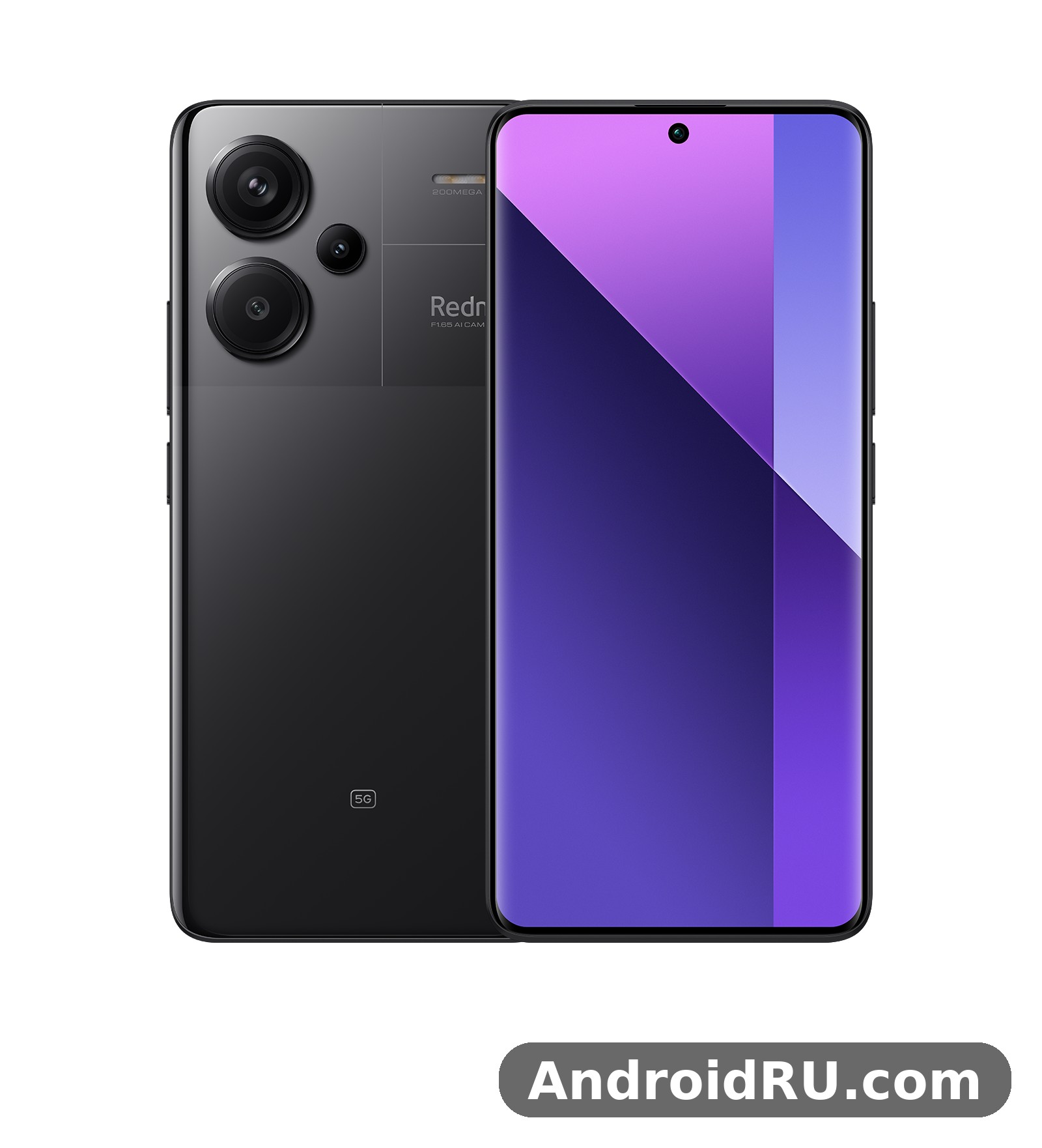
This Redmi Note 13 Pro+ 5G review looks at the three things in the title — screen quality, cameras and charging — and then at everything else that decides whether the phone is still worth buying: performance from the Dimensity 7200 Ultra, battery life, design, software and the full specifications. Prices have drifted down since launch, so the Redmi Note 13 Pro+ 5G price and specifications need a fresh look rather than a launch-day verdict. A phone that was good value at its launch price can be a bargain two years later, or it can be overtaken by newer models that cost the same.
A quick note on how this review is put together: it is based on the published specifications and independent lab measurements for this exact model, not on a loan unit, and it does not pretend to be a hands-on test. Where a number comes from a lab — brightness, battery endurance, benchmark scores — it is given as a measured figure. Where something depends on your network or your usage, this review says so and gives a range instead of a single invented number. The aim is a straight answer to the question in the title, with enough detail to make a buying decision.
Redmi Note 13 Pro+ 5G Screen Quality: Curved AMOLED, 120Hz and Real Brightness
The screen is the first thing you notice about this phone, and it is also the feature that most clearly separates it from the rest of the Note 13 range. The Redmi Note 13 Pro+ 5G display is a 6.67-inch AMOLED panel with a 1220 x 2712 resolution, a 20:9 aspect ratio and around 446 pixels per inch. It shows 68 billion colours, supports Dolby Vision and HDR10+, and runs at up to 120Hz. Peak brightness is rated at 1800 nits, and independent lab measurements recorded a maximum of 1283 nits in real use. For a mid-range phone, those are strong numbers on paper, and they hold up in daily use.
As an AMOLED display phone, the Pro+ model gives you the traits people buy AMOLED for: deep blacks, strong contrast and colours that stay rich without looking cartoonish. The panel is curved at the edges, which is the single most visible difference from the flat screens on the Note 13 Pro 5G and Note 13 5G. The Redmi curved display makes the phone feel narrower than its 74.2 mm width suggests, and it makes swiping in from the edges feel smooth. The trade-off is the usual one for curved screens: accidental touches near the edge are more likely, and a screen protector is harder to fit well. That is the heart of the Redmi Note 13 Pro+ 5G curved display pros and cons, and it is worth deciding before you buy, because you cannot change the shape of the glass later.
Protection comes from Corning Gorilla Glass Victus, which covers the front of the phone. Victus is a step up from the glass used on cheaper Redmi models, and it matters on a phone with a curved screen, because a curved edge is the first part to meet a hard surface in a drop. The Redmi Note 13 Pro+ 5G Gorilla Glass Victus durability is good for everyday knocks and keys in a pocket, but no glass is unbreakable, and a case is still the sensible choice. The screen-to-body ratio is around 89.7 percent, so the bezels are thin and the front of the phone is almost all display.
Brightness and Colour: A Redmi Note 13 Pro+ 5G Display Quality Test in Daylight
In a Redmi Note 13 Pro+ 5G display quality test carried out outdoors, the panel stays readable under direct sun, which is where cheaper screens usually fall apart. The rated 1800 nits peak brightness applies to small bright areas in HDR content, while the measured maximum of 1283 nits is closer to what you get across the whole screen in bright light. Either way, reading maps, messages and web pages outside is comfortable, and you do not have to shade the screen with your hand. A Redmi Note 13 Pro+ 5G screen brightness outdoor test also shows that the auto-brightness steps up quickly when you walk out of a building, without the lag that some mid-range phones show.
Colour handling is flexible. The default Vivid mode pushes saturation up, which makes photos and video look punchy, while the Standard mode is closer to natural. HDR video on streaming apps uses the Dolby Vision and HDR10+ support, so highlights in a bright sky or a lit window keep detail instead of blowing out to white. The 68-billion-colour depth means smooth gradients with little banding in skies and shadows, something you notice most in photos and films rather than in menus. If you edit photos on the phone, switch to the more accurate colour mode first, because the vivid default can make an edit look different on another screen.
120Hz Refresh Rate and 1920Hz PWM Dimming
The 120Hz refresh rate makes scrolling through feeds, web pages and app drawers feel fluid, and it makes the phone feel faster than its price suggests even when the chipset is not working hard. The panel switches refresh rate to save battery when nothing is moving, so you get the smoothness without paying for it all day. Gaming at high refresh rates depends on the game itself: some titles run at 120 frames per second, many cap at 60, and the phone cannot force a game past its own limit.
Less visible but just as important is the 1920Hz PWM dimming. At low brightness, many OLED screens flicker in a way that strains sensitive eyes, and a high PWM frequency reduces that flicker. If you read in bed at night with the brightness turned down, this is a genuine comfort feature rather than a marketing line. Combined with the reading mode and dark mode in HyperOS, the screen is easy to live with for long sessions, and that matters more than a peak brightness number you only use for a few minutes a day.
Gorilla Glass Victus and the Curved Edge
The curved edge changes how the phone feels in the hand and how it behaves in a pocket. Swipes from the side feel natural, and the phone looks slimmer than a flat phone of the same size. The downside is that the curved glass catches reflections at the edges under bright light, and a cheap tempered glass protector often lifts at the curve. A flexible film protector or a good case with a raised lip around the screen is the practical answer. If you have used a curved phone before and liked it, this screen will feel familiar. If you have always used flat screens, give yourself a week before deciding, because the first day with a curved edge feels different and the second week feels normal.
If display and audio matter most to you, the newer Redmi Note 14S Review: Display, Audio and Overall Experience covers a later Redmi with a similar focus on the screen and speakers, and it is a useful comparison before you decide between the two generations.
Redmi Note 13 Pro+ 5G Cameras: What a 200MP Sensor Does in Practice
The camera system is the second headline feature, and it is built around a 200MP main sensor with optical image stabilisation. The triple camera on the back is a 200MP wide camera with an f/1.7 aperture, a 23mm focal length and multi-directional phase detection autofocus, plus an 8MP ultrawide camera with a 120-degree field of view and a 2MP macro camera. The front camera is a 16MP unit with an f/2.4 aperture. Video from the main camera reaches 4K at 24 or 30 frames per second, with 1080p at up to 120 frames per second and gyro-based electronic stabilisation.
A Redmi Note 13 Pro+ 5G camera quality review has to start with an honest point: a 200MP sensor does not take 200MP photos by default. In normal use the sensor bins pixels together and produces a 12.5MP image, which is the right choice, because it gives cleaner images with less noise. The full 200MP mode is there when you want maximum detail in bright light, for example to crop into a distant subject. The Redmi Note 13 Pro+ 5G 200MP camera samples that show the mode at its best are daylight landscapes and architecture, where the extra detail survives a heavy crop. At night, the binned mode is the better choice every time.
As a 200MP camera phone, the Pro+ model is aimed at people who take a lot of photos and want a phone that handles the common cases well: daylight, portraits, food, travel and the occasional night scene. It is not a replacement for a dedicated camera, and the ultrawide and macro cameras are clearly a step below the main sensor, which is normal at this price. The strength of the package is the main camera, and the review below treats the other two lenses honestly rather than pretending they are equal.
Daylight Photos and the 200MP Mode
In daylight, the main camera produces sharp, well-exposed photos with good dynamic range. Colours are slightly boosted, which suits sharing on social media straight from the phone, and detail holds up well when you zoom in on the full-resolution image. The 200MP mode is worth switching on for a static scene in good light, such as a building facade or a landscape, because the extra resolution gives you room to crop later. For moving subjects, stay in the default mode, because the full-resolution capture is slower and more likely to catch motion blur.
Autofocus is quick in daylight, and the optical stabilisation helps when you are shooting one-handed or in a moving car. HDR works well in high-contrast scenes, pulling detail out of shadows without making the image look flat. The main camera is the reason to buy this phone for photography, and it is the lens you will use for nine out of ten shots. The other lenses are for the tenth shot, when the main lens cannot frame what you want.
Night Mode and Low-Light Shooting
At night, the main camera leans on night mode and pixel binning to keep noise down. A Redmi Note 13 Pro+ 5G night mode camera test shows the expected pattern: well-lit streets and shop fronts come out clean and usable, while very dark scenes turn soft and lose fine detail. The optical stabilisation helps here, because it lets the phone take a longer exposure without your hands blurring the shot. Hold the phone still for the full capture, which takes a second or two, and the result is noticeably better than a rushed shot.
The 8MP ultrawide camera is the weakest link after dark. Redmi Note 13 Pro+ 5G ultrawide camera low light shots are softer and noisier than the main camera, and the small sensor shows its limits quickly. In daylight the ultrawide is fine for landscapes and group photos, where the 120-degree view is genuinely useful. At night, walk closer and use the main camera instead of reaching for the ultrawide. That is a practical rule that applies to almost every phone in this price range, not just this one.
Ultrawide, Macro and Selfie Cameras
The 2MP macro camera is a specialist tool. Redmi Note 13 Pro+ 5G macro camera close up photos of flowers, insects and small objects can look good in bright light, because the lens focuses very close, but the low resolution means the images do not survive a heavy crop. Use it for fun close-ups rather than for anything you plan to print or zoom into. Portrait mode uses the main camera and software blur, and the Redmi Note 13 Pro+ 5G portrait mode photo quality is solid for people and pets in good light, with edge detection that usually separates hair from the background without obvious mistakes.
The 16MP front camera handles video calls and selfies well in daylight, and a Redmi Note 13 Pro+ 5G selfie camera quality test shows clean skin tones and reasonable detail, with HDR helping when you are backlit by a window. Video from the front camera tops out at 1080p at 30 or 60 frames per second, which is enough for calls and short clips. For video, the Redmi Note 13 Pro+ 5G video recording quality 4K from the rear camera is the headline: 4K at 30 frames per second with gyro stabilisation gives smooth footage for walking shots, and 1080p at 120 frames per second gives a usable slow-motion option.
If camera quality is your main deciding factor, the Redmi Note 14 5G Review: Camera Quality, Battery and Value looks at a newer Redmi from the same angle, and comparing the two reviews shows how much of the camera experience carries over between generations.
Redmi Note 13 Pro+ 5G Charging and Battery Life: 120W Speed, 5000mAh Endurance
Charging is where this phone leaves most of its rivals behind. The battery is a 5000mAh lithium-polymer cell, and it charges over a wired connection at up to 120W with PD3.0 support. The headline claim is a full charge in 19 minutes, and that figure is for the bundled 120W charger under controlled conditions. As a 120W charging phone, the Pro+ model changes how you think about charging: instead of plugging in overnight, you can top up while you get ready in the morning and leave with a nearly full battery.
The Redmi Note 13 Pro+ 5G battery life test results from independent labs give an active use score of around 10 hours and 38 minutes, which covers a mix of calls, browsing, video and standby in a standardised test. In real life that translates to a full day of normal use with charge to spare, and a day and a half for lighter users. Heavy users who game for hours, navigate with the screen on full brightness or stream video over 5G will still reach the evening, but they will want the fast charger nearby, and that is exactly what this phone provides.
120W Fast Charging Time: What 19 Minutes Really Means
The Redmi Note 13 Pro+ 5G 120W fast charging time of 19 minutes for a full charge is a best-case figure, and real charging is a little slower once the battery is warm or partly aged. Even so, the shape of the charging curve is what matters: the first ten minutes add a large chunk of charge, which is the part you actually use in daily life. The Redmi Note 13 Pro+ 5G charging speed from zero to full follows the usual fast-charging pattern, with very high power at the start and a slower finish as the battery approaches 100 percent to protect its health.
There is no wireless charging on this phone, which is the one omission in an otherwise strong charging story. If you use a wireless charging pad at your desk or in your car, you will need to switch to a cable. The phone charges over USB Type-C 2.0 with OTG support, and the 120W speed needs the bundled charger and cable or an equivalent PD3.0 charger that can deliver the same power. A standard 18W or 25W charger will still work, but it will charge the phone far more slowly, so keep the fast charger in the place where you charge most often.
Battery Life in Daily Use
Day-to-day battery life depends on the screen and the network more than on anything else. The 120Hz display and the 5G radio are the two biggest drains, and both are manageable: the refresh rate drops when the screen is still, and the phone can fall back to 4G when 5G adds nothing. A Redmi Note 13 Pro+ 5G battery drain overnight test shows a small loss of a few percent with the phone idle, which is normal and means you can leave the phone unplugged overnight without waking up to an empty battery.
To get the most from the battery, use the battery saver modes in HyperOS for long days, keep the screen brightness on automatic, and let the phone manage background apps rather than killing them by hand. Fast charging is a safety net, not a substitute for sensible use: topping up for ten minutes before you go out is more useful than running the battery to zero and then waiting for a full charge. The 5000mAh capacity is standard for the class, so the phone does not win on size alone — it wins on the combination of a full-day battery and a charger that removes the penalty for using it hard.
Dimensity 7200 Ultra Performance, Gaming and Software
Performance comes from the MediaTek Dimensity 7200 Ultra, a 4nm chipset with an octa-core CPU made of two Cortex-A715 cores at 2.8 GHz and six Cortex-A510 cores at 2.0 GHz, paired with a Mali-G610 MC4 GPU. The Dimensity 7200 Ultra sits in the upper mid-range: it is faster than the Dimensity 6080 in the Note 13 5G and the Snapdragon 7s Gen 2 in the Note 13 Pro 5G, and it handles the daily workload of a modern phone without breaking a sweat. Apps open quickly, switching between apps is smooth, and the 120Hz screen stays fluid because the chipset can keep up with it.
Published benchmark scores put the phone in context. AnTuTu results are around 683,899 on version 9 and 779,812 on version 10, while Geekbench scores are around 2353 on version 5 and 2597 on version 6. Those numbers place the phone well above the budget class and below the flagship class, which is exactly where a mid-range phone should sit. Benchmarks are a guide, not a verdict, and the daily experience matters more: this phone does not stutter in normal use, and that is the test that counts. The Redmi Note 13 Pro+ 5G performance is strong for the price, and the rest of this section explains where that speed comes from and where its limits sit.
Everyday Speed and Multitasking
In everyday use, the Redmi Note 13 Pro+ 5G Dimensity 7200 Ultra performance shows up as responsiveness rather than raw speed. Scrolling stays smooth, the camera opens quickly, and switching between a browser, a messaging app and a map does not force apps to reload. Memory options are 8GB, 12GB or 16GB of RAM, and the Redmi Note 13 Pro+ 5G storage options 256GB 512GB cover the two storage sizes on offer, using fast UFS 3.1 storage. There is no microSD card slot, so choose the storage size with care: 256GB is enough for most people, while 512GB suits anyone who stores a lot of video, offline maps or games.
Multitasking is helped by the large RAM options and by HyperOS memory management, which keeps frequently used apps in memory so they reopen instantly. The 12GB model is the sweet spot for most buyers, because it gives headroom for the future without the price jump to the top model. The 16GB model only makes sense if you run many apps at once or keep the phone for several years, and even then the difference in daily use is small.
Gaming on the Mali-G610
Gaming is where the chipset earns its keep. A Redmi Note 13 Pro+ 5G gaming performance test shows that popular titles run well at medium to high settings, with stable frame rates in games that are not too demanding on the GPU. The Mali-G610 handles the 120Hz screen in lighter games, while heavier titles are better played at 60 frames per second with high graphics settings, which gives a smoother result than chasing a high frame rate the GPU cannot hold.
Heat is the usual limit for a slim phone, and the Redmi Note 13 Pro+ 5G overheating during gaming test results show the phone gets warm during long sessions but does not become uncomfortable to hold in normal play. Long sessions of demanding games will warm the back of the phone, and frame rates may dip slightly as the phone manages its temperature. That is normal behaviour for a phone of this size, and it is less severe than on some rivals that throttle hard after ten minutes. For casual and regular gaming, this phone is a good fit; for competitive play at maximum settings, a phone with a flagship chipset and active cooling would be the better tool.
HyperOS, Updates and Android 16
The phone shipped with Android 13 and MIUI, and it has moved to HyperOS, with an upgrade path to Android 16 and HyperOS 3 according to the published update record. Every Redmi Note 13 Pro+ 5G update since launch has moved the phone closer to the current HyperOS release, so check for updates after setup. The Redmi Note 13 Pro+ 5G HyperOS update and features include a cleaner control centre, better integration with other Xiaomi devices, and the usual HyperOS refinements to animations and battery management. A Redmi Note 13 Pro+ 5G software update Android 16 is part of that path, which gives the phone a longer useful life than many mid-range rivals that stop at one or two major updates.
As a HyperOS phone, the Pro+ model gets the current Xiaomi feature set, including the gallery editor, the file manager, screen recording and the game turbo mode that keeps notifications quiet while you play. Some pre-installed apps can be removed, and the ones that cannot be removed can usually be disabled. Check for system updates after you set the phone up, because the version in the box may be older than the current release, and the first update often brings the newest HyperOS version and the latest security patch.
Design, Build and Everyday Usability
The design is understated rather than flashy. The phone measures 161.4 x 74.2 x 8.9 mm and weighs 199 grams with the glass back or 204.5 grams with the silicone polymer eco-leather back, depending on the colour and region. The front is Gorilla Glass Victus, the frame is slim, and the curved screen makes the phone feel narrower than the numbers suggest. The Redmi Note 13 Pro+ 5G design is comfortable to hold for long calls and reading sessions, and the weight is balanced rather than top-heavy.
Colours are Midnight Black, Moonlight White, Aurora Purple, Fushion Purple and Camo Green, with availability varying by region. The Redmi Note 13 Pro+ 5G colours include both safe choices and bolder ones: the black and white models suit anyone who uses a case, while the purple and green finishes are for buyers who want the phone itself to stand out. The eco-leather back on some versions adds grip and hides fingerprints better than glass, which is a practical advantage as well as a style choice.
In the box, most regions get the 120W charger, a USB cable, a protective case and a SIM tool, so the Redmi Note 13 Pro+ 5G unboxing gives you everything you need to start using the phone at full charging speed on day one. That matters, because the 120W speed needs the right charger, and buying one separately would add to the cost. Check what is in the box in your region before you buy, because bundled accessories vary by market.
IP68 Rating, In-Hand Feel and the Fingerprint Sensor
Water and dust resistance is a genuine advantage over the cheaper Note 13 models, which are rated IP54. The IP68 dust and water resistance on this phone means it is protected against dust and can be immersed in up to 1.5 metres of water for 30 minutes. A Redmi Note 13 Pro+ 5G IP68 water resistance test in lab conditions confirms the rating, but it is a safety net for accidents, not an invitation to take the phone swimming: soaps, salt water and hot water are not covered, and water damage is not usually covered by warranty. As an IP68 Redmi phone, it survives rain and splashes that would end a cheaper handset, and that peace of mind is worth having.
The fingerprint sensor sits under the display and uses an optical reader. A Redmi Note 13 Pro+ 5G fingerprint sensor speed test shows fast, reliable unlocking in normal conditions, with the usual caveat that wet fingers or a thick screen protector can slow it down. Face unlock is also available using the front camera, and it works well in good light, though it is less secure than the fingerprint sensor. The stereo speakers deserve a mention too: the Redmi Note 13 Pro+ 5G stereo speakers sound quality is good for a phone in this class, with clear dialogue in videos and enough volume for a room, and support for 24-bit/192kHz Hi-Res audio and Hi-Res wireless audio for headphones.
Connectivity: 5G, Wi-Fi 6, NFC and the IR Blaster
Connectivity covers the expected modern set: 5G with SA and NSA support, Wi-Fi 6 with dual-band and Wi-Fi Direct, Bluetooth 5.3 with A2DP and LE, and NFC where the region supports it. Positioning uses GPS, GLONASS, BDS, GALILEO and QZSS, so navigation locks on quickly and holds a fix in cities. The Redmi Note 13 Pro+ 5G network speed test results depend on your carrier and your location, but the phone supports the 5G bands used internationally, including bands 1, 3, 5, 7, 8, 20, 28, 38, 40, 41, 66, 77 and 78, so it works on the networks most buyers will use.
As a Redmi 5G phone, the Pro+ model also keeps the infrared blaster, a small Xiaomi tradition that lets the phone act as a remote control for a TV or air conditioner. The SIM setup is Nano-SIM plus eSIM or dual Nano-SIM depending on the region, and there is no FM radio. There is no 3.5mm headphone jack, so wired headphones need a USB-C adapter or a Bluetooth connection. The USB Type-C 2.0 port supports OTG, which lets you connect a flash drive or a controller, and the sensor set includes the under-display fingerprint reader, accelerometer, gyro, proximity sensor and compass.
Full Specifications
Here are the Redmi Note 13 Pro+ 5G full specifications and features in one place, taken from the published specification sheet for the international model. The Redmi Note 13 Pro+ 5G specs below are the numbers to check against any listing before you buy, because regional versions can differ on 5G bands, NFC and the SIM setup. The Redmi Note 13 Pro+ 5G features list is long, and the table covers the hardware while the software features are covered in the HyperOS section above. If a seller lists a different chipset, a different charging speed or a different camera, that listing is for another model, not this one. The Note 13 Pro+ specs in the table use the international model as the reference, so regional variants may differ slightly on bands and NFC.
| Feature | Redmi Note 13 Pro+ 5G |
|---|---|
| Launch | Announced 21 September 2023; released 21 September 2023 |
| Display | 6.67-inch AMOLED, 68B colours, 120Hz, 1920Hz PWM, Dolby Vision, HDR10+, 1800 nits peak, 1220 x 2712 pixels, 446 ppi, Gorilla Glass Victus |
| Chipset | MediaTek Dimensity 7200 Ultra (4 nm), octa-core 2×2.8 GHz Cortex-A715 and 6×2.0 GHz Cortex-A510, Mali-G610 MC4 GPU |
| Memory | 8GB, 12GB or 16GB RAM; 256GB or 512GB storage, UFS 3.1, no card slot |
| Main camera | Triple: 200MP f/1.7 wide with OIS and multi-directional PDAF, 8MP f/2.2 ultrawide 120 degrees, 2MP macro; dual-LED dual-tone flash, HDR, panorama; 4K at 24/30fps, 1080p at 30/60/120fps, gyro-EIS |
| Selfie camera | 16MP f/2.4 wide, HDR, panorama; 1080p at 30/60fps |
| Battery | Li-Po 5000mAh; 120W wired charging, PD3.0, 100 percent in about 19 minutes; no wireless charging |
| Body | 161.4 x 74.2 x 8.9 mm; 199 g or 204.5 g; glass front, glass or silicone polymer eco-leather back; IP68 dust and water resistance up to 1.5 m for 30 minutes |
| Software | Android 13, upgradable to Android 16, HyperOS 3 |
| Connectivity | 5G SA/NSA, Wi-Fi 802.11 a/b/g/n/ac/6 dual-band, Bluetooth 5.3, NFC (region dependent), infrared port, USB Type-C 2.0 OTG; no 3.5mm jack, no radio |
| Sensors | Fingerprint under display (optical), accelerometer, gyro, proximity, compass |
| Sound | Stereo speakers, 24-bit/192kHz Hi-Res and Hi-Res wireless audio, no 3.5mm jack |
| Colours | Midnight Black, Moonlight White, Aurora Purple, Fushion Purple, Camo Green |
| Models | 23090RA98C, 23090RA98G, 23090RA98I |
The specification sheet also records the lab figures that back up the review above: an AnTuTu score of around 779,812 on version 10, a Geekbench 6 score of around 2597, a measured maximum display brightness of 1283 nits, loudspeaker output of -26.3 LUFS rated Good, and an active use battery score of 10 hours 38 minutes. Those are published lab measurements for this exact model, and they line up with the daily experience described in this review: a bright screen, a fast chipset for the price, a full-day battery and a speaker that is loud enough for video without headphones.
Redmi Note 13 Pro+ 5G vs Redmi Note 13 Pro 5G vs Redmi Note 13 5G
The three names are easy to confuse, and sellers do not always help, so this Redmi Note 13 Pro+ 5G comparison puts the three models side by side on the points that matter. The short version is that the Pro+ model is the only one of the three with a curved screen, 120W charging and IP68 resistance, the Pro model keeps the 200MP camera and the flat 120Hz AMOLED screen with slower 67W charging, and the standard Note 13 5G drops to a Dimensity 6080 chipset, a 108MP camera and 33W charging. All three have a 6.67-inch display and a 5000mAh battery, so the differences are in speed, cameras, charging and build, not in size or battery capacity.
| Feature | Note 13 Pro+ 5G | Note 13 Pro 5G | Note 13 5G |
|---|---|---|---|
| Chipset | Dimensity 7200 Ultra (4 nm) | Snapdragon 7s Gen 2 (4 nm) | Dimensity 6080 (6 nm) |
| Display | 6.67-inch AMOLED, curved, 1220 x 2712, 120Hz, 1800 nits peak | 6.67-inch AMOLED, flat, 1220 x 2712, 120Hz, 1800 nits peak | 6.67-inch AMOLED, flat, 1080 x 2400, 120Hz |
| Main camera | 200MP f/1.7 with OIS | 200MP f/1.7 with OIS | 108MP f/1.7 |
| Charging | 120W wired, about 19 minutes full | 67W wired | 33W wired |
| Battery | 5000mAh | 5000mAh | 5000mAh |
| Water resistance | IP68 | IP54 | IP54 |
| RAM and storage | 8-16GB RAM, 256/512GB | 8-12GB RAM, 128-512GB | 6-12GB RAM, 128-256GB |
| Weight | 199 g or 204.5 g | 187 g | 174.5 g |
The comparison makes the buying choice clearer. If the budget allows, the Pro+ model is the better buy of the three, because the faster charging and the IP68 rating are differences you feel every week, not just on a specification sheet. The Pro model is the sensible pick if you want the 200MP camera and the flat screen at a lower price, and the standard model is for buyers who want the Note 13 look and the 5G connection at the lowest cost. The detailed review of the middle model is in the Redmi Note 13 Pro 5G Review: Display Quality, Speed and Daily Use, and the entry model is covered in the Redmi Note 13 5G Review: Gaming, Multitasking and Battery Life, so you can compare all three reviews before you choose.
Pros and Cons: Who Should Buy the Redmi Note 13 Pro+ 5G
Every phone is a set of trade-offs, and this one is no exception. The strengths are clear and they match the title of this review: the screen, the cameras and the charging are all above the class average. The weaknesses are also clear, and they are the things to check before you buy rather than discover afterwards. A fair review gives both sides, so here they are in plain terms.
The pros start with the display: a curved 6.67-inch AMOLED with 120Hz, Dolby Vision, HDR10+ and 1800 nits peak brightness is a screen you would expect on a more expensive phone. The second pro is the charging: 120W wired charging that fills the 5000mAh battery in about 19 minutes changes how you use a phone, because a short top-up is enough for the rest of the day. The third pro is the main camera, where the 200MP main camera with optical stabilisation takes sharp daylight photos and solid night shots. The fourth pro is the build, with Gorilla Glass Victus and IP68 dust and water resistance that the cheaper Note 13 models do not have. The fifth pro is performance, with the Dimensity 7200 Ultra and up to 16GB of RAM keeping the phone fast for everyday use and gaming.
The cons are worth the same attention. There is no wireless charging, which will matter if you have already invested in charging pads. There is no 3.5mm headphone jack and no microSD card slot, so wired headphones need an adapter and storage cannot be expanded after purchase. The ultrawide and macro cameras are much weaker than the main camera, especially in low light, so the triple camera label overstates the package. The curved screen divides opinion, and some buyers will prefer the flat screen on the Pro model. Finally, the phone shipped with Android 13, so while the update path to Android 16 is published, it has fewer major updates left than a phone launched with a newer Android version.
Who It Is For
This phone suits a buyer who wants a big bright screen, a good main camera and very fast charging without paying flagship money. It suits commuters who read and watch video on the phone, travellers who want IP68 protection and a battery that refills in minutes, and photographers who shoot mostly in daylight and want a high-resolution mode for cropping. It is less suited to buyers who need wireless charging, a headphone jack or expandable storage, and to buyers who dislike curved screens. If you fall in the second group, the flat-screen Pro model or a newer Redmi may fit better, and the comparison table above shows exactly what you gain and lose.
Frequently Asked Questions About the Redmi Note 13 Pro+ 5G
Is the Redmi Note 13 Pro+ 5G waterproof?
The phone is rated IP68, which means it is dust-tight and can be immersed in up to 1.5 metres of fresh water for 30 minutes under lab conditions. That covers rain, splashes and an accidental drop in a puddle. It does not mean the phone is safe for swimming, for use in salt water or soapy water, or for charging while wet, and water damage is generally not covered by warranty. Treat the rating as protection against accidents, dry the phone after it gets wet, and do not press buttons while it is underwater.
How fast does the Redmi Note 13 Pro+ 5G charge?
With the bundled 120W charger, the phone is rated to reach 100 percent in about 19 minutes, and the first ten minutes add the largest share of charge. Real charging times are a little longer when the battery is warm or older, and the speed depends on using a charger and cable that support the same power. The phone does not support wireless charging, so a cable is the only way to charge it. A standard low-power charger will work but will take much longer, so keep the 120W charger where you charge most often.
Does the Redmi Note 13 Pro+ 5G have a headphone jack or a microSD slot?
No, the phone has neither. There is no 3.5mm headphone jack, so wired headphones need a USB-C adapter or a USB-C headset, and Bluetooth headphones work normally with Bluetooth 5.3. There is no microSD card slot either, so storage is fixed at the size you buy: 256GB or 512GB with UFS 3.1 storage. Choose the larger size if you store a lot of video or games, because you cannot add storage later. The USB-C port supports OTG, so a flash drive can be connected for occasional file transfers.
Will the Redmi Note 13 Pro+ 5G get Android 16?
Yes, according to the published update record the phone is upgradable to Android 16 with HyperOS 3, having shipped with Android 13. That gives it a longer software life than many mid-range phones from the same year, though it has fewer major updates remaining than a phone that launched with a newer Android version. Check for updates in Settings after setup, because the version in the box may be older than the current release, and the first update often brings the newest HyperOS version with the latest security patch.
Final Verdict: Is the Redmi Note 13 Pro+ 5G Still Worth Buying?
The Redmi Note 13 Pro+ 5G verdict is straightforward: the screen, the cameras and the charging that this review set out to test are all still strong, and the phone remains a good buy at the prices it now sells for. The curved 120Hz AMOLED is bright and smooth, the 200MP main camera takes sharp daylight photos and usable night shots, and the 120W wired charging fills the 5000mAh battery in about 19 minutes, which removes the daily worry about running out of power. Add IP68 resistance, a fast Dimensity 7200 Ultra chipset and an update path to Android 16, and the package holds together well.
A Redmi Note 13 Pro+ 5G review after one year on the market already showed the same picture: the strengths were the screen, the main camera and the charging speed, and the weaknesses were the secondary cameras, the missing headphone jack and the lack of wireless charging. Nothing in the time since has changed that balance, and falling prices have only improved the value. The Note 13 Pro+ review that matters most is the one that matches your priorities, and if the screen, the camera and the charging are yours, this phone answers all three.
If you want the closest current step up instead, the Redmi Note 14 Pro 5G Review: Screen Quality, Cameras and Charging covers the newer equivalent with the same three priorities. If you buy the Pro+ model, check the exact model number against the specification table above, confirm the storage size and the colour you want, and check the current price in your region, because prices vary and the best deal is usually the 12GB model with 256GB of storage. Set the phone up, run the system update, and give the curved screen a week before you judge it — that is the honest next step after reading this review.

