

Xiaomi 17 Review: Cameras, Performance and Battery Life
The Xiaomi 17 arrived with a clear job to do: take the compact flagship formula Xiaomi refined over the last few years and push it further without turning the phone into a brick. It launched in China on 27 September 2025, and that Xiaomi 17 release date matters because it made this phone one of the first to ship with the Snapdragon 8 Elite Gen 5, a Leica-tuned triple camera system and a 7000mAh battery in a body that still fits in one hand. By the time it reached wider markets in early 2026, the question was no longer whether the hardware looked good on paper. The question was whether a phone this small could really carry a battery this big, cameras this serious and a chip this fast without giving something up.
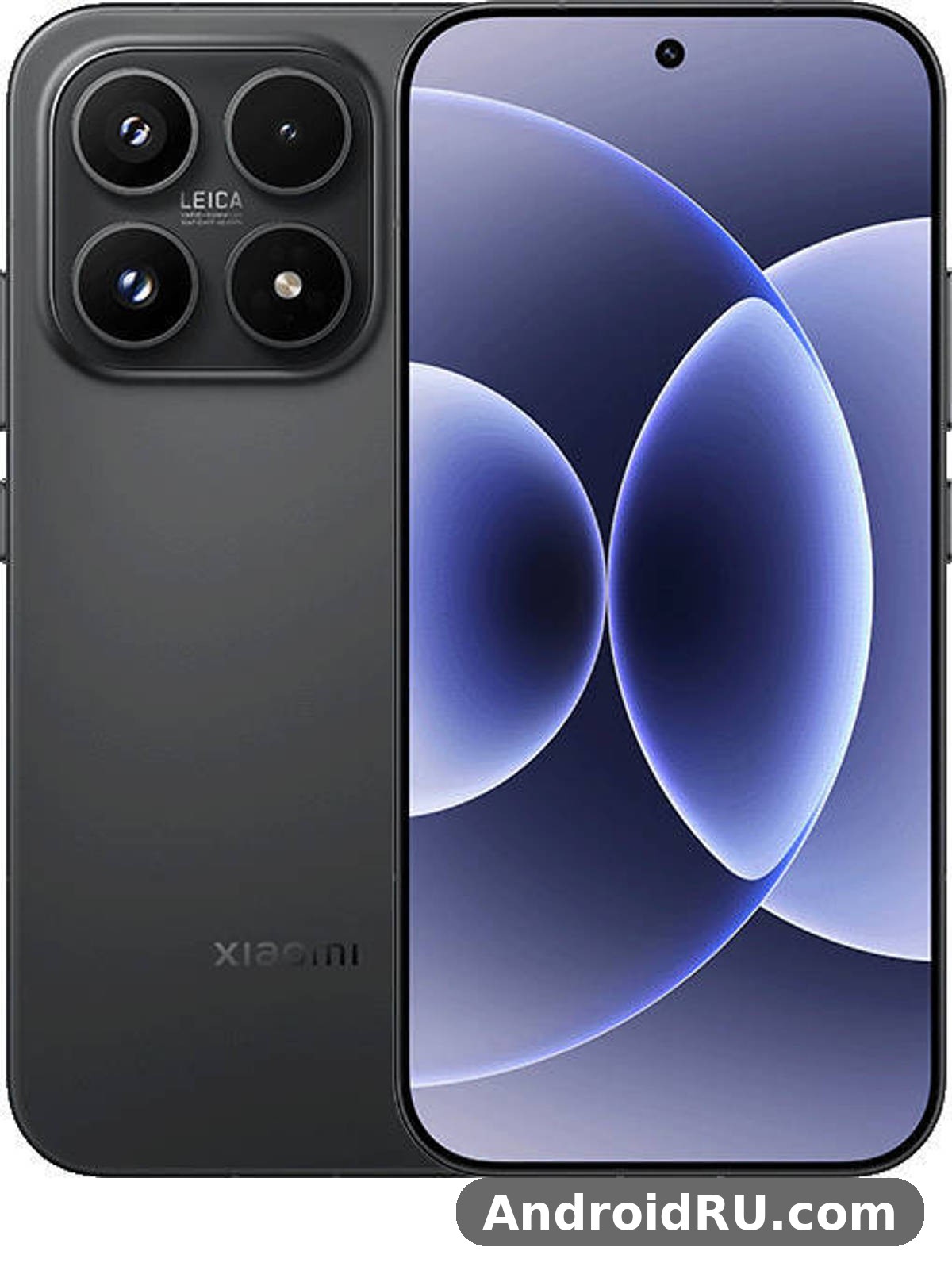
This review answers that question the long way: cameras first, then performance, then battery, then the software you actually live with. The short version is that the Xiaomi 17 is a compact phone that refuses to behave like a compromise. The long version is below, including where it falls short, how it compares with its own brothers and sisters, and whether the Xiaomi 17 price in Indonesia makes sense once import and retail costs are added to the Chinese launch price. If you want a big-screen phone, look elsewhere. If you want flagship power in a pocketable size, keep reading.
The Xiaomi 17 unboxing experience is simple and familiar: the phone, a cable and the usual paperwork, with the charger sold separately in most regions. That is worth knowing before you buy, because the 100W wired charging headline only works at full speed with a compatible high-power charger. The phone itself feels dense and solid the moment you pick it up, and that density is the first hint that the battery inside is not a normal compact-phone battery.
Xiaomi 17 at a Glance: Design, Display and First Impressions
Xiaomi kept the design language clean. The frame is flat metal, the back is smooth glass with a matte finish on most colours, and the camera island is a rounded square that sits in the top corner without dominating the whole back panel. There is no gimmick here, no second screen, no moving part. The phone looks like a tool, and after a week of carrying it, that is a compliment: it slides into a pocket, it does not catch on fabric, and it does not demand attention.
A Compact Flagship That Fits One Hand
The Xiaomi 17 weight and dimensions in hand are the whole point of this phone. At around 191 grams and roughly 150 mm tall, it is noticeably smaller than the big-screen flagships that now push past 210 grams and 160 mm. The Xiaomi 17 dimensions work out to about 150 x 72 x 8 mm, which is why the phone feels balanced rather than tall and narrow. One-handed typing is realistic, reaching the top of the screen takes a small hand shuffle rather than a full grip change, and the phone disappears into a jeans pocket. Xiaomi 17 durability is helped by the flat frame and the toughened glass on both sides, plus IP68 protection against dust and water. A Xiaomi 17 IP68 water resistance test in practice means the phone is built to survive a splash, rain and a brief accidental dip, though it is still a phone, not a diving accessory, and the warranty does not cover water damage.
Colour choice changes the character of the phone more than usual. The darker finishes look understated and professional, while the lighter and more saturated options show fingerprints less and look better in photos. Whichever colour you pick, the matte back keeps the phone grippy enough that a case feels optional rather than mandatory, at least indoors. Outdoors, on a run or on a bike, a thin case is still sensible insurance.
Xiaomi 17 Fingerprint Sensor Location and Everyday Unlocking
The Xiaomi 17 fingerprint sensor location is under the display, low enough to reach with a natural thumb press and high enough that you do not have to bend your thumb awkwardly. It is an ultrasonic sensor, which means it works with slightly damp fingers better than older optical sensors, and it is fast enough that unlocking feels instant in normal use. Face unlock is there too and works well in good light, but the fingerprint reader is the one you will use when the phone is flat on a desk or when you are wearing a mask.
Xiaomi 17 Stereo Speakers Quality for Video and Calls
The Xiaomi 17 speakers deliver genuinely good sound for a phone this size. The Xiaomi 17 stereo speakers quality holds up across video, music and calls: the two speakers produce a balanced sound with clear voices, decent separation and more bass than you would expect from a compact body. Watching a video without headphones is perfectly enjoyable, and calls on speakerphone stay clear even in a noisy street. The speakers will not replace a small Bluetooth speaker, and at maximum volume the bass thins out, but for everyday video, podcasts and calls they are a real strength rather than a checkbox feature.
Xiaomi 17 Display Quality Review: Bright, Smooth and Colourful
The Xiaomi 17 display is a 6.3-inch LTPO AMOLED panel with a 120Hz adaptive refresh rate and a sharp 1.5K-class resolution. In plain terms, text looks crisp, scrolling looks smooth, and the refresh rate drops when you are reading a static page, which saves battery. The Xiaomi 17 AMOLED panel covers a wide colour range, so photos and videos look rich without looking cartoonish, and the colour tuning in the default Vivid mode is restrained enough for daily use. Switch to the more natural colour profile if you edit photos on the phone.
The Xiaomi 17 screen brightness outdoor sunlight result is easy to see: the panel stays readable under a harsh midday sun, with a peak brightness high enough that maps, messages and the camera viewfinder remain usable outdoors. That matters more than the peak number itself, because a phone you cannot read outside is a phone you cannot use for navigation, photography or quick replies. Indoors, the low minimum brightness is equally welcome for reading in bed without searing your eyes. The display also dims smoothly, with high-frequency PWM dimming that sensitive eyes tend to prefer.
Bezels are thin and even on all four sides, which makes the screen feel bigger than 6.3 inches, and the flat panel means no accidental touches from a curved edge. The hole-punch front camera is small and sits centred at the top, where it is easy to ignore. If you watch a lot of video, the 6.3-inch size is the one real trade-off against larger phones, but the panel quality itself gives nothing away to bigger flagships.
Xiaomi 17 Camera Review: Leica Triple Cameras in Real Life
The Xiaomi 17 camera review Leica story starts with the hardware: three 50MP sensors on the back, tuned in partnership with Leica, covering the main, ultrawide and telephoto focal lengths. No sensor here is a filler. The Xiaomi 17 Leica partnership is what gives the colours their character, and the main camera uses a large sensor with optical stabilisation, the ultrawide keeps the same 50MP resolution so wide shots do not look mushy next to standard shots, and the telephoto gives a genuine 3.2x optical zoom. That combination is what separates a flagship camera system from a phone that simply has three lenses on the back.
In everyday shooting, the Xiaomi 17 camera is fast and predictable. The camera app opens quickly, focus locks without hunting, and the shutter fires the moment you press it. Colours in the default Leica Vibrant mode are punchy but not overcooked, while Leica Authentic mode gives a flatter, more film-like look with restrained saturation and deeper shadows. Try both for a day each before deciding which one is yours, because the difference is bigger than a filter: it changes how every photo feels.
Main Camera: Sharp, Stable and Honest in Daylight
The main camera is the one you will use for most photos, and it delivers. Daylight shots are sharp across the frame, with good dynamic range and natural skin tones. The large sensor gathers enough light that indoor shots in a cafe or a living room stay clean, and the optical stabilisation keeps evening shots usable without a tripod. The Xiaomi 17 low light camera performance is a genuine step up from older compact Xiaomi phones: night shots keep detail in the shadows, bright signs do not blow out into white blobs, and the phone knows when to keep the shutter short to avoid blur from a moving subject.
Xiaomi 17 Night Mode Portrait Photos After Dark
The Xiaomi 17 night mode portrait photos are where the Leica tuning shows most clearly. Portraits at night keep the subject sharp, the background blur looks natural rather than smeared, and the skin tones stay believable instead of turning waxy. The phone takes a short burst of frames and merges them, so you need to hold still for about a second, but the result is a portrait you can actually print or post without apologising for the darkness. For group shots at a night market or a dinner table, switch to the standard night mode rather than portrait mode: it keeps more faces in focus and handles mixed lighting better.
Ultrawide Camera: Wide Shots Without the Mush
The Xiaomi 17 ultrawide camera samples tell a simple story: wide shots from this phone look like they came from the same camera as the main shots, not from a weaker second camera. Buildings keep straight lines, landscapes keep detail at the edges, and the 50MP sensor means you can crop a wide shot and still have something worth keeping. The ultrawide also doubles as the macro camera, focusing close enough for flowers, food and small details, though the results are best in good light. In dim light the ultrawide is the first lens to show noise, which is normal for any phone, so for dark scenes the main camera is still the safer choice.
Telephoto Camera: 3.2x Optical Zoom You Will Actually Use
The Xiaomi 17 telephoto camera zoom is the lens that changes how you shoot. A 3.2x optical zoom is long enough for portraits with real background compression, for street photography from a polite distance, and for picking out details on a building or a stage. Digital zoom beyond 3.2x holds up reasonably to about 10x in good light, then softens, so treat anything past 10x as a last resort rather than a daily tool. For portraits, the 75mm-equivalent focal length is flattering: faces look natural, noses do not bulge the way they can with the main lens at close range, and the background melts away cleanly.
If you are choosing between this phone and its bigger brother, the telephoto is part of that decision. Readers weighing the longer zoom of the top model should also read the Xiaomi 17 Ultra Review: Gaming, Multitasking and Battery Life to see what the Ultra adds at the top of the range, including its more ambitious zoom hardware and the trade-offs in size and price that come with it.
Selfies, Portraits and Video
The Xiaomi 17 selfie camera quality review comes down to this: the 50MP front camera is sharp, handles backlight well, and produces selfies with natural skin tones in both daylight and indoor light. Portrait mode on the front camera separates hair from the background better than most phones in this class, though very fine hair in tricky light can still confuse it. Video calls look clean, and the front camera records sharp video for vlogging in good light.
Xiaomi 17 Video Recording 8K Stabilisation and Daily Clips
The Xiaomi 17 video recording 8K stabilisation headline is real — the phone records up to 8K — but most people will shoot in 4K, and that is where the phone is strongest. The Xiaomi 17 video quality in 4K is sharp and stable, with smooth electronic stabilisation that handles walking shots well and keeps panning free of judder. Colours stay consistent when you switch between lenses during a recording, which is something cheaper phones often get wrong. Audio from the built-in microphones is clear, with decent wind-noise handling for outdoor clips. If you shoot 8K, bring spare battery and check your editing setup first: 8K files are large and many older editors will struggle with them.
Xiaomi 17 Performance: Snapdragon 8 Elite Gen 5 and Gaming
The Xiaomi 17 Snapdragon 8 Elite Gen 5 performance is the headline that makes this phone feel fast in a way that lasts beyond the first week. The chip is built on a 3nm-class process, it pairs with fast LPDDR5X memory and UFS 4.1 storage, and the combination means apps open instantly, the camera processes night shots without making you wait, and switching between a game, a browser with a dozen tabs and a video editor does not slow the phone down. The Xiaomi 17 performance in daily use is best described as unnoticeable in the good sense: you stop thinking about the phone and just do things.
Benchmarks put the phone at the top of the Android pile for its generation, but benchmarks are not the reason to buy it. The reason is the absence of friction: no stutter when scrolling a heavy social feed, no reload when you return to an app you left an hour ago, no hesitation when you ask the camera to take a burst of shots. The Xiaomi 17 Snapdragon chip also handles on-device AI tasks, from photo editing to voice transcription, without sending everything to the cloud, which keeps those features fast and private.
Xiaomi 17 Gaming Performance Test: Smooth Frames, Stable Play
The Xiaomi 17 gaming performance test results are strong. Demanding games run at high settings with stable frame rates, and the phone holds those frame rates over a 30-minute session rather than starting fast and fading after ten minutes. The 120Hz display makes fast games feel responsive, touch sampling keeps up with quick inputs, and the stereo speakers mean you can hear footsteps and direction cues without headphones. The Xiaomi 17 gaming experience is helped by the vapour-chamber cooling inside, which spreads heat across the body instead of letting one hot spot form under your fingers.
Snapdragon 8 Elite Gen 5 in Daily Apps and Multitasking
Away from games, the Snapdragon 8 Elite Gen 5 earns its keep in less glamorous ways. Video exports finish quickly, large photo libraries scroll without hitching, and split-screen multitasking with a video on one side and notes on the other stays smooth. The Xiaomi 17 5G connectivity is fast and stable, with Wi-Fi 7 support for home networks that can feed it, and the phone holds a signal well in lifts and underground car parks. For a compact phone, the modem performance is a quiet strength: calls stay clear, data stays fast, and the phone does not get hot simply from streaming video on the move.
Xiaomi 17 Overheating During Gaming: What Really Happens
The Xiaomi 17 overheating during gaming question comes up for every flagship, so here is the honest answer: the phone gets warm, not hot. After a long session of a demanding game at high settings, the upper half of the back reaches a temperature you can feel but not one that hurts or forces you to stop. The frame rate stays stable because the cooling system and the efficient chip share the load, and the phone only throttles hard if you play while charging in a warm room. If you want the coolest possible session, take the case off, keep the phone out of direct sun and do not charge at the same time. Those three habits matter more than any performance mode toggle.
Xiaomi 17 Battery Life Test: 7000mAh, 100W Charging and 50W Wireless
The 7000mAh silicon-carbon battery is the single most surprising thing about this phone, because batteries this large normally live in much bigger bodies. Xiaomi used silicon-carbon cell technology to pack more capacity into the same space, and the result is a compact phone with endurance that embarrasses many larger flagships. The Xiaomi 17 battery life test in real use backs that up: with a mix of messaging, browsing, maps, photography and an hour of video streaming, the phone comfortably reaches the end of a heavy day with charge to spare, and on a lighter day it stretches into a second day without anxiety.
Screen-on time is the number most people ask for, and with the display at adaptive brightness and the refresh rate on automatic, seven to nine hours of screen-on time over a day and a half is a realistic expectation for mixed use. Heavy gaming pulls that down, as it does on every phone, but even a gaming-heavy day ends with the phone alive at bedtime. The Xiaomi 17 battery 7000mAh review verdict is simple: this is the first compact Xiaomi flagship where the battery is a reason to buy the phone, not a compromise you accept for the size.
How Long the Battery Really Lasts in Daily Use
Standby drain is low, which matters more than people think. Leave the phone on a desk overnight and it loses only a few percent, thanks to the efficient chip and the way HyperOS manages background apps. The Xiaomi 17 long term daily use review picture is encouraging too: silicon-carbon cells and sensible charging behaviour should keep the battery healthy for years, and the phone offers charging protection options that stop the battery sitting at 100 percent all night. Turn those on if you keep the phone for more than two years. The display is the biggest power draw, so dropping the refresh rate to 60Hz on a long travel day buys real extra hours if you ever need them.
Xiaomi 17 Charging Speed 100W: Wired, Wireless and Top-Ups
The Xiaomi 17 charging speed 100W wired figure means a flat battery reaches a usable level in minutes rather than an hour. A ten-minute top-up while you get ready in the morning adds a large chunk of charge, and a full charge from empty takes roughly half an hour with a compatible 100W charger. The Xiaomi 17 wireless charging 50W speed is nearly as impressive: the phone charges quickly on a compatible wireless pad or stand, fast enough that a wireless charger on your desk genuinely keeps the phone topped up through the day. Reverse wireless charging is supported for topping up earbuds and other small accessories, though the exact rated figure varies by region, so check the official page for your market if that feature matters to you.
Heat during charging is well managed. The phone warms up during the fastest part of a wired charge and cools as it approaches full, and the battery protection features keep the long-term wear low. If you charge overnight, use the scheduled charging option so the phone finishes charging just before you wake up rather than sitting full for hours. That single habit does more for battery health than any accessory.
Battery Care and Long-Term Health
Battery care on the Xiaomi 17 is mostly about avoiding extremes: do not leave the phone baking in a hot car, do not run it to zero every day, and use the built-in protection modes. The Xiaomi 17 charging system is designed around those habits, and the phone will warn you if an app is draining power in the background. After months of use, expect the battery to still deliver close to its original endurance, because the capacity headroom means even a small loss of health leaves you with more usable battery than most compact phones had when new.
HyperOS 3, Software and Everyday Experience
The Xiaomi 17 HyperOS software experience is built on HyperOS 3, running on top of Android 16, and it is the most polished version of Xiaomi software in years. Animations are smooth, the control centre is clean, and the settings are organised in a way that makes the useful options easy to find. The Xiaomi 17 HyperOS 3 features that matter most are not the flashy ones: they are the small touches, like a lock screen that shows useful information at a glance, a gallery that finds photos by what is in them, and a file manager that does not get in your way.
Xiaomi 17 HyperOS 3 Features Worth Using
HyperOS 3 on this phone brings a refreshed visual design with softer shapes and more consistent icons, plus practical additions like better multitasking gestures, a more flexible always-on display and smarter notification handling. The Xiaomi 17 HyperOS 3 features list also includes deeper integration between Xiaomi devices: a tablet, a watch or a laptop from the same ecosystem connects with less friction, and copying content between devices takes a single gesture. If you do not own other Xiaomi devices, none of that matters, and the phone still works perfectly well as a standalone device.
Xiaomi 17 AI Features HyperOS 3: Useful, Not Loud
The Xiaomi 17 AI features HyperOS 3 ships with are practical rather than theatrical. Live transcription and translation help in calls and meetings, AI writing tools polish a message or summarise a long article, and the gallery can remove an unwanted passer-by from a photo or expand a cropped shot. These features run largely on the device, which keeps them quick and keeps your photos and conversations off a distant server. Not every AI feature will suit everyone, and a few feel like demonstrations rather than daily tools, but the photo editing and transcription tools are the ones you will actually return to.
Xiaomi 17 Software Update Policy: How Long Will It Be Supported?
The Xiaomi 17 software update policy promises several years of major Android updates and security patches, which puts it in the same league as the other big Android flagships. The exact number of years varies slightly by region and by the channel the phone was bought through, so check the official page for your market for the precise commitment. What matters in practice is that Xiaomi has been delivering monthly security patches on its flagships promptly, and HyperOS updates arrive with real features rather than just a new version number. If you plan to keep the phone for three or four years, the update promise is strong enough to buy with confidence.
Bloat is still a minor complaint: a few pre-installed apps you may not want are present at first boot, but they can be uninstalled or disabled in a few taps. The phone does not nag you with ads in system apps the way budget Xiaomi phones sometimes do, which is exactly how a flagship should behave.
Full Specifications
The Xiaomi 17 full specifications below are the numbers that define this phone. The Xiaomi 17 specs sheet is led by the Snapdragon 8 Elite Gen 5 and the 7000mAh battery, but the details matter too: the storage is fast UFS 4.1, the memory is LPDDR5X, the display is a 6.3-inch LTPO AMOLED with a 120Hz adaptive refresh rate, and the whole package is sealed to IP68. The Xiaomi 17 storage options 256GB 512GB are the most common configurations, with a 1TB option in some markets, and there is no microSD slot, so choose your storage size with your photo and video habits in mind.
| Feature | Xiaomi 17 |
|---|---|
| Display | 6.3-inch LTPO AMOLED, 120Hz adaptive, 1.5K-class resolution, high peak brightness |
| Chipset | Snapdragon 8 Elite Gen 5 |
| Memory | 12GB or 16GB LPDDR5X RAM |
| Storage | 256GB, 512GB or 1TB UFS 4.1; no microSD slot |
| Rear cameras | Leica triple 50MP: main with OIS, ultrawide, telephoto 3.2x optical zoom |
| Front camera | 50MP, portrait mode, 4K video |
| Video | Up to 8K recording, 4K with stabilisation |
| Battery | 7000mAh silicon-carbon |
| Charging | 100W wired, 50W wireless, reverse wireless charging |
| Operating system | HyperOS 3 based on Android 16 |
| Water resistance | IP68 dust and water resistance |
| Biometrics | Ultrasonic in-display fingerprint sensor, face unlock |
| Audio | Stereo speakers, high-resolution audio support |
| Connectivity | 5G, Wi-Fi 7, Bluetooth, NFC, USB-C |
| Dimensions | About 150 x 72 x 8 mm |
| Weight | About 191 grams |
Two notes on the table above. First, the dimensions and weight are approximate: the exact figures vary slightly by colour and region. Second, regional versions can differ in small ways, such as the available memory and storage combinations or the charger in the box, so check the official page for your market before you buy. The core hardware — chip, cameras, battery and display — is the same everywhere.
Xiaomi 17 vs Xiaomi 17 Pro and the Rest of the Family
The Xiaomi 17 vs Xiaomi 17 Pro comparison is the one most buyers actually face, because the two phones share the same chip and the same design language. The Pro adds a second display on the back, a larger battery in some configurations and a few camera refinements, but it costs more and the rear display is a feature you will either love or ignore. For most people, the standard Xiaomi 17 is the smarter buy: it has the same speed, the same main camera quality and the same software, in a simpler and cheaper package. Readers who want the full picture should read the Xiaomi 17 Pro Review: Strengths, Trade-Offs and Everyday Use before deciding whether the Pro extras are worth the premium.
The Xiaomi 17 vs Pro question also has a wider answer, because the family now includes larger and cheaper models too. The comparison table below puts the Xiaomi 17 next to its closest relatives so you can see where each one sits. Figures are from launch material and are approximate; check the official page for your region for the exact configuration sold near you.
| Model | Display | Chipset | Battery | Wired charging | Camera focus |
|---|---|---|---|---|---|
| Xiaomi 17 | 6.3-inch LTPO AMOLED, 120Hz | Snapdragon 8 Elite Gen 5 | 7000mAh | 100W | Leica triple 50MP, 3.2x telephoto |
| Xiaomi 17 Pro | 6.3-inch LTPO AMOLED, 120Hz | Snapdragon 8 Elite Gen 5 | About 6300mAh | 100W | Leica triple 50MP with rear display |
| Xiaomi 17 Pro Max | About 6.9-inch LTPO AMOLED, 120Hz | Snapdragon 8 Elite Gen 5 | About 7500mAh | 100W | Leica triple 50MP, larger body |
| Xiaomi 17 Ultra | Large LTPO AMOLED, 120Hz | Snapdragon 8 Elite Gen 5 | Large battery, about 6800mAh class | 100W | Flagship zoom and large main sensor |
| Xiaomi 17T Pro | About 6.8-inch AMOLED, 120Hz | Dimensity 9500 | About 5500mAh | 100W | Leica triple camera, value flagship |
| Xiaomi 17T | About 6.8-inch AMOLED, 120Hz | Dimensity 8500 | About 5500mAh | 67W | Triple camera, affordable entry |
The bigger Pro Max is the endurance king of the family, and if battery life above all else is your priority, the Xiaomi 17 Pro Max Review: Display, Audio and Overall Experience explains what that larger body buys you in screen and sound as well as battery. The 17T Pro sits on the value side: it keeps a Leica camera and fast charging while using a Dimensity chip and a lower price, and the Xiaomi 17T Pro Review: Build Quality, Software and Daily Speed covers exactly where it saves money and where it does not. The standard 17T is the most affordable way into the family, and the Xiaomi 17T Review: Design, Software and Camera Quality is the right read if your budget is tighter and you want to know what you give up.
Xiaomi 17 vs Samsung Galaxy S25: The Compact Rival
The Xiaomi 17 vs Samsung Galaxy S25 comparison is the cross-brand fight that matters for compact-phone buyers. The Samsung phone is slightly smaller and lighter, its software support is longer, and its ecosystem is wider. The Xiaomi 17 answers with a much larger battery, faster wired and wireless charging, and a more versatile triple camera system with a real telephoto lens. If you live inside the Samsung ecosystem or you want the longest software support promise, the Galaxy S25 is a fair choice. If battery life, charging speed and zoom photography matter more, the Xiaomi 17 wins the practical argument. Neither phone is wrong; they simply spend their engineering budget in different places.
Pros, Cons and Who Should Buy the Xiaomi 17
No phone is perfect, and the Xiaomi 17 is no exception. What makes it easy to recommend is that its strengths are the things you use every day — battery, cameras, speed and screen — while its weaknesses are the things you can live with or work around. The Leica triple camera system and the huge battery are the two reasons this phone stands out, and the compact size is the third: there are very few phones that combine all three.
Pros
- Battery life that embarrasses bigger phones. The 7000mAh cell delivers two-day light use and a full heavy day with room to spare, which is rare in a compact flagship.
- Leica triple cameras with no weak lens. The main, ultrawide and telephoto sensors are all 50MP, so every focal length produces a usable photo.
- Flagship speed from the Snapdragon 8 Elite Gen 5. Apps, games and photo processing are fast today and should stay fast for years.
- Bright, smooth 6.3-inch LTPO AMOLED display that stays readable outdoors and sips power when you are reading.
- 100W wired and 50W wireless charging, so top-ups take minutes and a desk charger keeps the phone full.
- IP68 protection, stereo speakers and a clean, polished HyperOS 3 experience.
Cons
- No charger in the box in most regions, so the 100W headline needs a separate purchase to reach full speed.
- No microSD slot, which means the storage size you buy is the storage you keep.
- The 6.3-inch screen is small for long video sessions and split-screen work compared with larger flagships.
- A few pre-installed apps need removing at first setup, and regional pricing and update promises vary.
- 8K video files are large and demanding to edit, so most people will stick to 4K anyway.
Who Should Buy It
The Xiaomi 17 is for anyone who wants a flagship that fits in one hand without giving up battery life or camera quality. It suits photographers who want a real telephoto lens in a pocketable phone, commuters who need a battery that survives a long day of maps, music and messages, and gamers who want flagship speed without carrying a tablet-sized device. It is less suited to people who watch hours of video on their phone every day, who need the longest possible software support promise, or who want the biggest screen available. For those buyers, the larger models in the family are the better fit.
The question is Xiaomi 17 worth buying in 2026, and the answer is yes for most compact-flagship buyers. The chip is current, the cameras are competitive with phones that cost more, the battery is the best in its size class, and the software is polished and supported for years. The only reason to wait is if you want a price drop: the phone launched in China from around CNY 4,499, and prices in other markets settle over the first few months, so a patient buyer may find a better deal a little later.
Frequently Asked Questions
Is Xiaomi 17 worth buying in 2026?
Yes, for most people looking for a compact flagship. You get the Snapdragon 8 Elite Gen 5, a Leica triple camera system with a 3.2x telephoto lens, a 7000mAh battery with 100W wired and 50W wireless charging, and a bright 6.3-inch LTPO AMOLED display, all in a phone that weighs about 191 grams. The main reasons to choose something else are a bigger screen, a longer software support promise from another brand, or a tighter budget, in which case the 17T models in the same family are worth a look.
How good is the Xiaomi 17 battery life in real use?
Very good. In a Xiaomi 17 battery life test with mixed daily use — messaging, browsing, maps, photography and an hour of streaming — the phone reaches the end of a heavy day with charge to spare, and lighter days stretch into a second day. Expect roughly seven to nine hours of screen-on time depending on brightness, refresh rate and gaming. The 100W wired charging refills the phone in about half an hour with a compatible charger, and the 50W wireless charging is fast enough for a desk pad to keep the phone topped up.
Does the Xiaomi 17 support 50W wireless charging?
Yes. The phone supports 50W wireless charging with a compatible wireless charger, plus reverse wireless charging for earbuds and small accessories. Wired charging goes up to 100W with a compatible charger, though the charger is sold separately in most regions. For the fastest wireless speeds, use a Xiaomi wireless charging stand or a certified third-party charger that supports the same power level.
What is the Xiaomi 17 price in Indonesia?
The Xiaomi 17 price in Indonesia depends on the official launch timing and the storage configuration, and the official Indonesian price had not been confirmed in all channels at the time of writing. In China the phone launched from around CNY 4,499 for the base configuration. Import and retail costs mean the Indonesian price will be higher than a straight currency conversion, so check the official page and authorised retailers for the current price before you buy, and compare the 256GB and 512GB options, since there is no microSD slot to expand storage later.
The Verdict
The Xiaomi 17 is a compact flagship that finally stops asking you to choose between size and stamina. The Leica cameras cover every focal length you need, the Snapdragon 8 Elite Gen 5 keeps everything fast, and the 7000mAh battery turns the compact phone from a compromise into an advantage. HyperOS 3 is polished, the display is excellent, and the charging is fast enough that a low battery is a ten-minute problem rather than an evening problem.
If you are ready to decide, the next step is simple: check the current price for the storage size you need, hold the phone in a shop if you can, and take a few test photos in both Leica Vibrant and Leica Authentic modes. If the size feels right and the photos look right, this is a phone you can buy with confidence and keep for years.

