

Redmi Note 12 Turbo Review: Cameras, Performance and Battery Life
This Redmi Note 12 Turbo review looks at a phone that arrived in China on 28 March 2023, with open sales starting on 31 March 2023, and still makes a strong case as a fast, well balanced mid-range device. It pairs a Qualcomm Snapdragon 7+ Gen 2 chipset with a bright 120Hz OLED screen, a 64MP main camera with optical image stabilisation, and a 5000mAh battery with 67W charging. On paper, that combination covers the three things most buyers ask about first: speed, cameras, and endurance. In daily use, the phone feels closer to a flagship than its price class usually allows, with quick app launches, smooth scrolling, and photos that hold up well in good light. This article works through the Redmi Note 12 Turbo specs in full, tests the ideas behind its camera, display, battery, and software, and ends with a detailed specification table, a clear list of strengths and weaknesses, and answers to the questions buyers still ask about it.
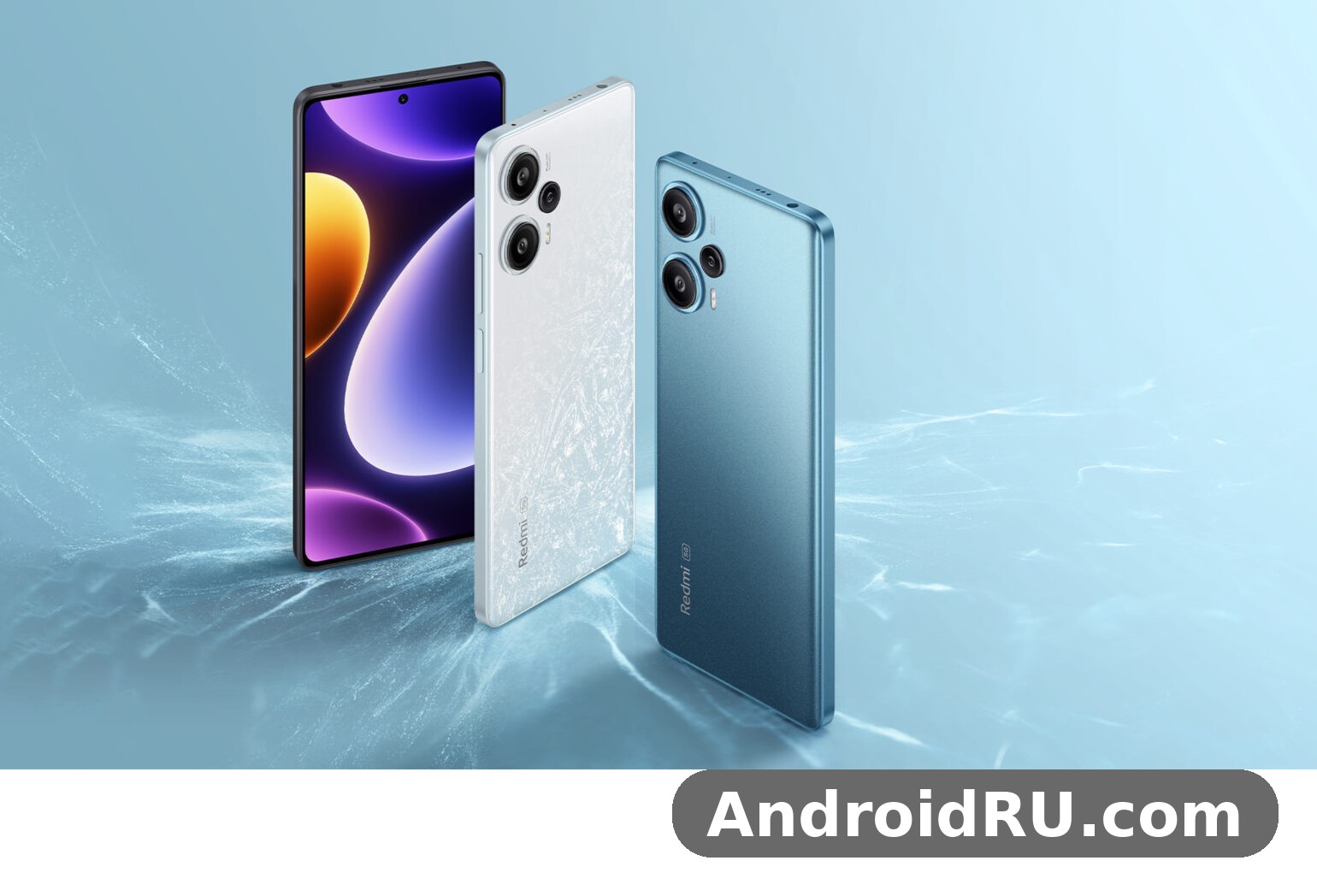
The Redmi Note 12 Turbo price at launch positioned it as an upper mid-range phone in China, and the Redmi Note 12 Turbo price and value for money in 2023 made it one of the most talked about phones in its class. It was not sold under this exact name in every market, and readers comparing it with the Poco F5 will recognise the same core hardware in a different body and software skin, which is why the Redmi Note 12 Turbo vs Poco F5 question comes up so often. The phone reviewed here is the Chinese Redmi version running Android 13 with MIUI 14, with 8GB, 12GB, or 16GB of LPDDR5 RAM and 256GB, 512GB, or 1TB of UFS 3.1 storage. There is no microSD slot, so buyers should choose the storage size they will live with. That choice matters more here than on phones with expandable storage, and it is one of the first decisions to make before buying.
Fast, bright, and long-lasting.
Design and Build Quality
The Redmi Note 12 Turbo design is clean, slim, and practical rather than flashy. At 181 grams and 7.9 mm thick, it sits comfortably in the hand for long sessions, and the flat frame and flat display make it easy to hold without the phone slipping. The Redmi Note 12 Turbo design weight thickness and build quality all point in the same direction: this is a light phone for its screen size and battery size, and the balance feels even rather than top heavy. The Redmi Note 12 Turbo weight of 181g helps during gaming and video watching, when a heavier phone can become tiring, and the 7.9 mm profile keeps it pocket friendly. Redmi Note 12 Turbo colors at launch included black, white, and blue finishes, with a special Harry Potter edition also offered in China, so buyers had a choice between a quiet look and a more playful one.
Build materials are plastic for the frame and back, with glass on the front, which is normal for this price class and helps keep the weight down. The Redmi Note 12 Turbo durability is reasonable for everyday use, with a solid feel, no creaking panels, and a camera module that sits fairly flush with the back. It is not marketed as a rugged phone, and it has no official IP68 rating, so it should be kept away from water and dust where possible. A case is still a good idea, because the glossy back can pick up fingerprints and fine scratches over time. The side mounted fingerprint sensor sits in the power button, which is a fast and natural place for it, and face unlock is also available for quick access. The Redmi Note 12 Turbo fingerprint reader is quick in daily use, and the Redmi Note 12 Turbo side fingerprint sensor speed and reliability are good enough that most owners will stop thinking about it after the first day. Volume buttons sit above the power button on the right edge, the USB-C port and speaker sit at the bottom, and a 3.5 mm headphone jack is kept at the top, which many buyers still value.
Display
The Redmi Note 12 Turbo display is a 6.67 inch OLED panel with a 1080 x 2400 resolution, a 120Hz refresh rate, Dolby Vision, and HDR10+ support. The Redmi Note 12 Turbo 6.67 inch OLED display 120Hz review angle matters because the screen is one of the phone’s strongest parts: colours are rich without looking overdone, blacks are deep, and motion is smooth when scrolling through feeds, web pages, and games that support high refresh rates. The Redmi Note 12 Turbo OLED panel also supports a high peak brightness that keeps text readable outdoors, and the Redmi Note 12 Turbo screen brightness outdoors under direct sunlight is strong enough for maps, photos, and messages on a bright day. A 1920Hz PWM dimming system helps reduce flicker at low brightness for sensitive eyes, and the slim bezels give the front a modern look.
For video, the Redmi Note 12 Turbo Dolby Vision HDR10 Plus video playback quality is a real advantage over many rivals that only support one HDR format or none at all. Films and shows with Dolby Vision look punchy, with good contrast between bright highlights and dark shadows, and HDR10+ content is handled well too. The 20:9 aspect ratio suits video and games, while the 395 ppi density keeps text sharp. The display can switch between 60Hz and 120Hz, and a Redmi Note 12 Turbo battery drain test with 120Hz refresh rate shows the expected trade: 120Hz feels smoother and uses more power than 60Hz, but the 5000mAh battery is large enough that most owners can leave 120Hz on all day without worry. Adaptive refresh behaviour helps by lowering the rate for still content where possible.
Performance and Gaming
The Redmi Note 12 Turbo performance starts with its chipset, the Qualcomm Snapdragon 7+ Gen 2, built on a 4 nm process with the model number SM7475-AB. The Redmi Note 12 Turbo Snapdragon 7 Plus Gen 2 performance is the headline of this phone: it uses a flagship style core layout, with one Cortex-X2 prime core, three Cortex-A710 performance cores, and four Cortex-A510 efficiency cores, plus an Adreno 725 GPU. In practice, apps open quickly, the interface stays smooth, and switching between a browser, a messaging app, a camera, and a game rarely causes a reload. The Redmi Note 12 Turbo Snapdragon name alone tells only part of the story; the way the phone sustains that speed under load matters just as much, and here the phone does well for its class.
Redmi Note 12 Turbo gaming is strong for a mid-range phone. Popular titles run at high settings with stable frame rates, and the large vapour chamber cooling system helps keep the back from getting uncomfortably hot. The Redmi Note 12 Turbo gaming performance and thermal control test results show that frame rates stay steady in longer sessions, with only modest throttling after extended play. The Redmi Note 12 Turbo heat management during long gaming sessions test also shows warm, not hot, temperatures on the frame, which is a good result for a slim phone. The 120Hz display, stereo speakers, and fast touch response add to the gaming experience, and the Redmi Note 12 Turbo daily use performance speed and multitasking stay consistent when the phone is used for work, study, and play in the same day. With 16GB of RAM, the Redmi Note 12 Turbo 16GB RAM version can keep many apps in memory at once, and the Redmi Note 12 Turbo LPDDR5 RAM multitasking and background apps behaviour is smooth, with apps resuming where they were left rather than restarting. The Redmi Note 12 Turbo UFS 3.1 storage speed and app loading are also quick, with games and large apps loading in a few seconds and files copying fast over USB-C.
For readers who want a sense of where this phone sits in its own family, the Redmi Note 12 Turbo comparison with Redmi Note 12 Pro speed is useful: the Turbo has the faster chipset and feels quicker in heavy games and in sustained tasks, while the Pro leans more on its camera and design. A related model worth reading about is the Redmi Note 12 5G Review: Design, Software and Camera Quality, which shows how the standard Note 12 differs in chipset and camera from this Turbo version. The Redmi Note 12 Turbo release on 28 March 2023 put it ahead of many rivals that were still using older 6 nm chips, and that timing helped it stand out. Benchmark scores place it near older flagship chips, and while synthetic scores are not the whole story, they match what the phone feels like in the hand: fast, responsive, and rarely held back by its processor.
Cameras
The Redmi Note 12 Turbo camera system has three rear cameras and one front camera. The main rear camera is a 64MP sensor with an f/1.8 aperture, phase detection autofocus, and optical image stabilisation, which helps keep photos sharp in lower light and video steadier when walking. The Redmi Note 12 Turbo 64MP sensor is the camera most owners will use most of the time, and it produces detailed photos with natural colours in daylight. The second camera is an 8MP ultrawide with a 120 degree field of view, and the third is a 2MP macro camera for close up shots. The front camera is a 16MP sensor for selfies and video calls. Taken together, the Redmi Note 12 Turbo features in the camera app include night mode, portrait mode, panorama, slow motion, time lapse, and a pro mode with manual controls for shutter speed, ISO, and white balance.
Rear Cameras in Daylight and at Night
In daylight, the Redmi Note 12 Turbo 64MP camera photo quality test shows sharp detail, good dynamic range, and colours that stay close to real life without heavy oversaturation. Photos of buildings, streets, and landscapes keep fine texture in brick, leaves, and fabric, and the phone handles bright skies and shaded areas in the same frame well. The Redmi Note 12 Turbo ultrawide camera 8MP photo quality in daylight is softer at the edges than the main camera, as expected for an 8MP ultrawide, but it is useful for wide scenes, group photos, and interiors where stepping back is not possible. Colours from the ultrawide stay reasonably close to the main camera, so switching lenses does not produce a jarring change. The Redmi Note 12 Turbo macro camera 2MP close up photo results are modest, with usable detail in bright light but limited resolution, so it works best as an occasional creative tool rather than a daily camera.
At night, the Redmi Note 12 Turbo night mode low light photo quality test shows a clear benefit from the main camera’s optical stabilisation and night mode processing. Photos taken in streets, restaurants, and dim rooms keep more detail and less noise than the same scene without night mode, and highlights from lamps and signs are controlled rather than blown out. The phone takes a second or two to capture a night shot, so holding still helps, and a tripod or steady surface helps further. The ultrawide camera struggles more at night, with softer detail and more noise, which is normal for a small ultrawide sensor without stabilisation. The Redmi Note 12 Turbo portrait mode edge detection and background blur work well in good light, with clean separation around hair and glasses in most shots, and the blur level can be adjusted after the photo is taken. For video, the Redmi Note 12 Turbo 4K video recording quality and stabilization are solid: the main camera records 4K at 30 frames per second with electronic stabilisation, and 1080p video at 30 or 60 frames per second is smoother for walking shots. Audio from the built-in microphones is clear in quiet settings and usable outdoors.
The Ultrawide and Macro in Practice
The 8MP ultrawide is softer at the edges than the main camera but useful for wide scenes, group photos and interiors, while the 2MP macro gives modest detail in bright light and works best as an occasional creative tool.
Front Camera and Selfies
The Redmi Note 12 Turbo front camera 16MP selfie photo quality is good for social media, video calls, and everyday self portraits. Selfies in daylight are sharp, with natural skin tones and good detail, and portrait mode on the front camera adds a soft background blur that works well in most cases. The front camera records 1080p video at 30 or 60 frames per second, which is enough for calls and short clips. In low light, selfies become softer and noisier, and the screen flash can help in very dark rooms. Compared with the main rear camera, the front camera has a narrower dynamic range, so bright windows behind the subject can wash out, but for its class it performs well. Readers who care most about photo quality may also want to compare it with the Redmi Note 12S Review: Photo Quality, Video and Performance, which looks at a different Redmi camera setup and helps show what changes when the sensor and processing differ.
Video Calls and Low-Light Selfies
The front camera records 1080p video at 30 or 60 frames per second, which is enough for calls and short clips, and in low light the screen flash can help in very dark rooms, though selfies become softer and noisier.
Battery Life and Charging
The Redmi Note 12 Turbo battery is a 5000mAh cell, and the Redmi Note 12 Turbo 5000mAh battery life and charging speed are among the phone’s best qualities. In mixed daily use with the 120Hz display on, messaging, browsing, maps, photos, and an hour or two of video, the phone comfortably lasts a full day, and lighter users can stretch it into a second day. The Redmi Note 12 Turbo battery life in standby is also good, with little drain overnight when the phone is idle. Heavy gaming and long video recording use more power, as they do on any phone, but the large cell gives a useful buffer. The Redmi Note 12 Turbo 5000mAh capacity is the same size as many flagship batteries, and paired with an efficient 4 nm chipset, it gives endurance that matches or beats many rivals.
Charging is fast. The Redmi Note 12 Turbo charging system supports 67W wired charging with the supplied charger, and the Redmi Note 12 Turbo 67W charger can take the phone from empty to about half full in roughly 15 minutes, with a full charge in under an hour in most conditions. The Redmi Note 12 Turbo 67W fast charging time from zero to full is short enough that a quick top up before leaving home makes a real difference, and the phone stays reasonably cool while charging. There is no wireless charging, which is a common omission at this price, and the USB-C port supports USB On-The-Go for accessories and external storage. Battery health features in MIUI 14 help manage charging overnight, and the phone’s power saving modes can extend life further when the battery runs low. Reliable all-day endurance.
Software and Daily Use
The Redmi Note 12 Turbo software ships with Android 13 and MIUI 14, and the Redmi Note 12 Turbo Android 13 MIUI 14 software experience is clean, fast, and full of options. MIUI 14 brings a tidy home screen, large folders, widgets, a control centre, and a wide set of settings for the display, sound, privacy, and battery. The Redmi Note 12 Turbo MIUI 14 interface feels responsive on this hardware, with smooth animations and quick transitions, and the phone’s fast storage helps apps and settings load without delay. The Redmi Note 12 Turbo software includes Xiaomi’s own apps alongside Google apps, and some preinstalled apps can be removed or disabled. Notifications, permissions, and privacy controls are easy to find, and the security patch level at launch was current for its release date.
The Redmi Note 12 Turbo update path is an important question for buyers in 2026. The Redmi Note 12 Turbo software update support for future Android versions was promised as part of Xiaomi’s update policy for this series, and the phone has received MIUI and security updates since launch, with later HyperOS updates rolling out to this model in many regions. Owners should check the exact update status for their region and variant, because timing varies by market. The Redmi Note 12 Turbo update history shows that the phone has stayed current longer than many mid-range rivals, which helps its long term value. Daily use is helped by the fast fingerprint sensor, face unlock, a clear always-on display option, and a set of gestures that make one handed use easier. The phone also supports dual SIM, 5G, Wi-Fi 6, Bluetooth 5.3, NFC, and an infrared blaster, so it works well as a remote control for a television or air conditioner. The Redmi Note 12 Turbo 5G connection is fast on supported networks, and the Redmi Note 12 Turbo connectivity 5G WiFi Bluetooth and NFC cover the main wireless needs for payments, headphones, and file sharing.
Sound is another strength. The Redmi Note 12 Turbo stereo speakers sound quality and volume are good for a phone in this class, with clear voices for video and enough volume for a small room. The Redmi Note 12 Turbo sound from the speakers is balanced, with the top and bottom speakers working together, and the 3.5 mm jack gives a wired option for headphones. Hi-Res Audio support is included for wired listening, and Dolby Atmos tuning helps films and music sound wider. Haptics are precise, with a clear vibration for typing and notifications, and the infrared blaster, NFC, and headphone jack together make the phone feel more complete than many rivals that drop one or more of these features.
Value, Unboxing, and Who It Suits
A Redmi Note 12 Turbo unboxing in China included the phone, a 67W charger, a USB-C cable, a clear case, and a SIM ejector tool, which is a generous box for a mid-range phone. The Redmi Note 12 Turbo value case rests on three things: a near flagship chipset, a bright 120Hz OLED display with Dolby Vision, and a large battery with fast charging, all in a light 181g body. Few phones at its launch price offered all three at once, and that is why it stayed popular in discussions and comparisons for months after its release. The Redmi Note 12 Turbo features list also includes the headphone jack, infrared blaster, stereo speakers, and NFC, which add practical value that does not show up in a benchmark score.
Who should buy it? It suits buyers who play games, watch a lot of video, and want a phone that stays fast for two or three years without paying flagship prices. It also suits buyers who want a light phone with a large battery and a good main camera for daylight photos. It is less suited to buyers who need a microSD slot, wireless charging, or the very best ultrawide and night cameras, because those areas are where the phone makes compromises. For a sense of how other Redmi phones in the same family handle daily speed and software, the Redmi Note 11 Pro+ 5G Review: Build Quality, Software and Daily Speed is a useful comparison, and the Redmi Note 11 Pro 5G Review: Design, Software and Camera Quality shows how the previous generation balanced design and camera quality. A further comparison with the Redmi Note 11 Review: Photo Quality, Video and Performance helps show how far the Note series camera and performance have moved in two generations.
Full Specifications
The Redmi Note 12 Turbo full specifications and features explained in this section give the complete picture in one place. The Redmi Note 12 Turbo specs below are based on the verified GSMArena listing for this model, and they cover the display, chipset, memory, cameras, battery, and connectivity. Use this table to check any detail before buying, and to compare this phone with other models on an equal basis.
| Feature | Specification |
|---|---|
| Model | Redmi Note 12 Turbo |
| Announced | 28 March 2023 |
| Released | 28 March 2023; open sales 31 March 2023 in China |
| Display | 6.67 inch OLED, 120Hz, Dolby Vision, HDR10+, 1080 x 2400 pixels, 395 ppi |
| Chipset | Qualcomm Snapdragon 7+ Gen 2, 4 nm, SM7475-AB |
| CPU | Octa-core: 1x Cortex-X2 at 2.91 GHz, 3x Cortex-A710 at 2.49 GHz, 4x Cortex-A510 at 1.8 GHz |
| GPU | Adreno 725 |
| RAM | 8GB, 12GB, or 16GB LPDDR5 |
| Storage | 256GB, 512GB, or 1TB UFS 3.1; no microSD card slot |
| Rear camera | 64MP wide with OIS and PDAF, 8MP ultrawide 120 degree, 2MP macro |
| Front camera | 16MP wide |
| Video | Rear 4K at 30 fps, 1080p at 30, 60, or 120 fps; front 1080p at 30 or 60 fps |
| Battery | 5000mAh, non-removable |
| Charging | 67W wired fast charging |
| Operating system | Android 13 with MIUI 14 |
| Dimensions | 161.4 x 74.9 x 7.9 mm |
| Weight | 181 grams |
| SIM | Dual SIM, Nano-SIM |
| Connectivity | 5G, Wi-Fi 6, Bluetooth 5.3, NFC, infrared port, USB Type-C 2.0 |
| Audio | Stereo speakers, 3.5 mm headphone jack, Hi-Res Audio |
| Security | Side mounted fingerprint sensor, face unlock |
| Colours | Black, White, Blue, Harry Potter edition |
The Redmi Note 12 Turbo storage options are fixed at 256GB, 512GB, or 1TB, and the Redmi Note 12 Turbo no microSD card slot storage expansion limit is worth repeating here, because it affects the buying decision: the 256GB version suits most buyers, the 512GB version suits heavy photo and game libraries, and the 1TB version suits buyers who keep large offline media collections. All versions use UFS 3.1 storage, which keeps app loading fast, and all versions use LPDDR5 RAM, which keeps multitasking smooth. The phone’s 7.9 mm thickness and 181g weight are also worth noting in the table above, because they show how much battery and screen Redmi fitted into a slim body.
Pros and Cons
A balanced mid-range phone.
Pros
- Fast Snapdragon 7+ Gen 2 chipset with strong gaming performance and good thermal control.
- Bright 6.67 inch 120Hz OLED display with Dolby Vision and HDR10+ support.
- Sharp 64MP main camera with optical image stabilisation for daylight and night photos.
- Large 5000mAh battery with 67W fast charging that refills quickly.
- Light 181g body at 7.9 mm thick, with a headphone jack, stereo speakers, NFC, and infrared blaster.
- Fast UFS 3.1 storage and LPDDR5 RAM in 8GB, 12GB, and 16GB options.
Cons
- No microSD card slot, so storage cannot be expanded after purchase.
- No wireless charging.
- Ultrawide and macro cameras are weaker than the main camera, especially at night.
- Plastic frame and back, with no official high level water resistance rating.
- MIUI 14 includes preinstalled apps that some owners will want to remove.
Frequently Asked Questions
When was the Redmi Note 12 Turbo released?
It was announced and released on 28 March 2023 in China, with open sales starting on 31 March 2023. That date makes it a 2023 phone, and it arrived with Android 13 and MIUI 14. The Redmi Note 12 Turbo release timing put it ahead of several rivals using older chipsets, and it has since received software updates in many regions.
How good is the Redmi Note 12 Turbo camera?
The main 64MP camera with optical image stabilisation is good for daylight photos, with sharp detail and natural colours, and night mode helps in low light. The 8MP ultrawide is useful in daylight but softer at the edges and weaker at night, and the 2MP macro camera is best for occasional close up shots. The 16MP front camera takes good selfies in daylight and records 1080p video for calls and clips.
How long does the Redmi Note 12 Turbo battery last?
The 5000mAh battery lasts a full day in mixed use with the 120Hz display on, and lighter users can reach into a second day. Charging with the 67W charger takes the phone from empty to about half full in roughly 15 minutes, with a full charge in under an hour in most conditions. There is no wireless charging.
Does the Redmi Note 12 Turbo have a microSD card slot?
No, it does not have a microSD card slot. Storage is fixed at 256GB, 512GB, or 1TB of UFS 3.1 storage, so buyers should choose a size that fits their photos, games, and offline media. The phone does support USB On-The-Go for external drives and accessories through its USB-C port.
Redmi Note 12 Turbo is it worth buying in 2026 for everyday use?
For everyday use, the answer is still yes for many buyers, if the price is right and the phone is in good condition. The Snapdragon 7+ Gen 2 chipset, 120Hz OLED display, 5000mAh battery, and 67W charging still cover daily needs well, and the main camera remains capable. Buyers who need the latest software, the best night camera, or expandable storage should compare newer models first, but as a fast and light daily phone, it remains a sensible choice.
Final Verdict
The Redmi Note 12 Turbo is a phone that gets the big decisions right. It gives buyers a near flagship chipset, a bright and smooth OLED display, a capable 64MP main camera with stabilisation, and a large battery with fast charging, all in a light and slim body. Its compromises are clear and easy to understand: no microSD slot, no wireless charging, and secondary cameras that do not match the main camera. For buyers who value speed, screen quality, and endurance over those extras, it remains one of the strongest mid-range phones from its generation. Strong cameras for the price. Check the specification table above, choose the RAM and storage size that fits your use, and this phone will serve well as a daily device for gaming, photos, video, and work.

