

Redmi Note 12S Review: Photo Quality, Video and Performance
This Redmi Note 12S review looks at a phone that puts a large 108MP camera, a bright AMOLED screen and a 5000mAh battery into a slim and light body. Redmi Note 12S specs place it in the affordable mid-range, yet the headline features read like those of a more expensive phone. It was announced on 6 March 2023 and released on 26 April 2023, so this is a phone that has been on sale for some time and can now be judged on real daily use rather than launch promises. Redmi Note 12S price has also settled since launch, which makes the Redmi Note 12S value question more interesting than it was on day one. The Redmi Note 12S price and value for money case is strong at its current street price, because the screen and camera cost far less than they did at launch.
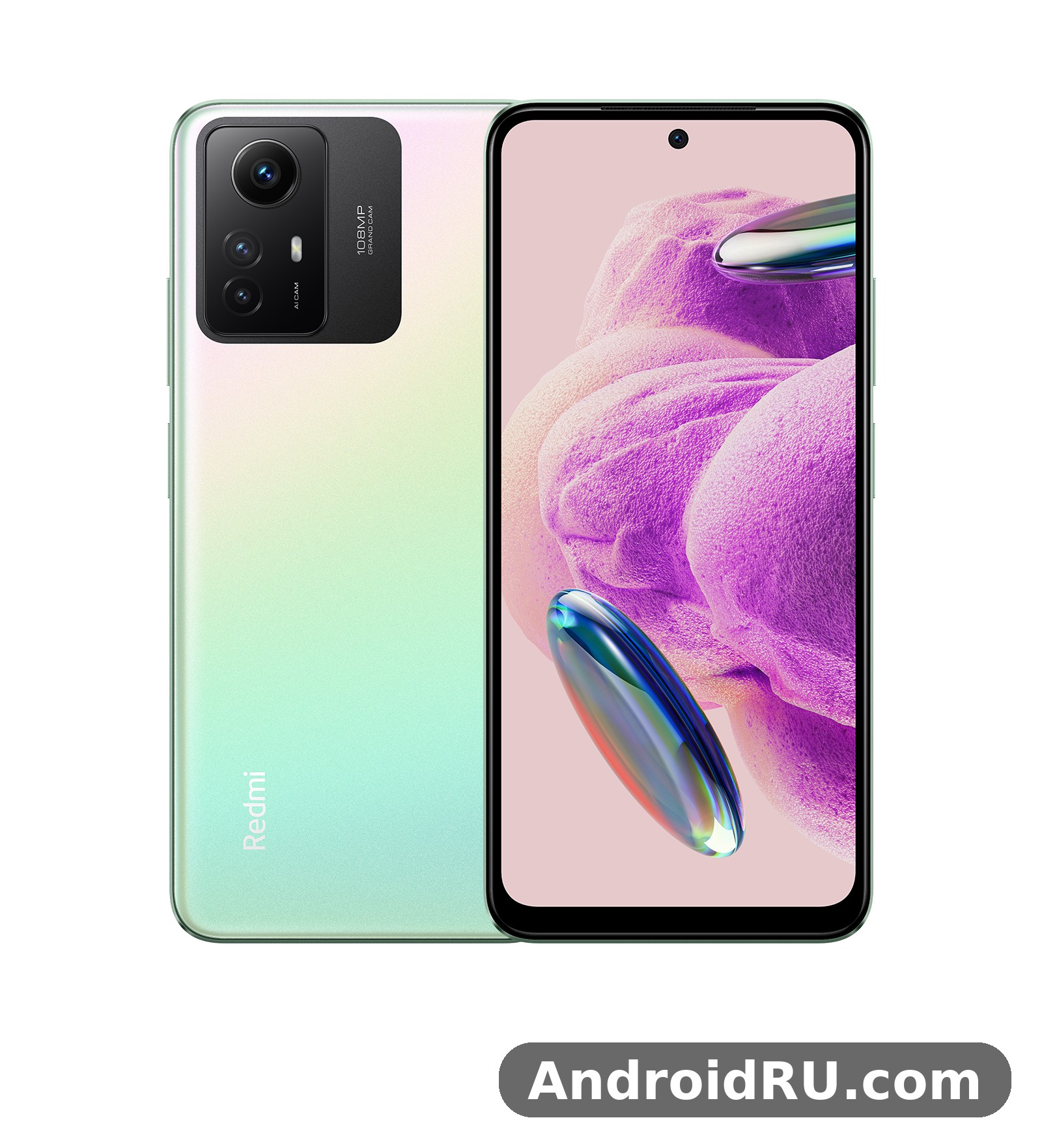
Redmi Note 12S camera quality is the main reason many buyers look at this model, and Redmi Note 12S photos in daylight are genuinely detailed. Redmi Note 12S video is limited to 1080p, so buyers who want 4K recording should know that limit before they buy. Redmi Note 12S performance comes from the MediaTek Helio G96, a familiar 12 nm chip that handles everyday apps well and light gaming without drama. Redmi Note 12S display quality, Redmi Note 12S battery life and Redmi Note 12S charging speed complete a package that is easy to live with. This article covers design, screen, performance, cameras, battery, software and the full specification table, with each claim tied to the verified hardware.
Design and Build Quality
Redmi Note 12S design is simple, clean and practical. The phone measures 159.9 x 73.3 x 8.1 mm and Redmi Note 12S weight is only 176 g, so it feels light in the hand and easy to carry in a pocket. The flat frame, the centred punch-hole camera and the glossy rear panel give it a tidy look, while the three colour options, Onyx Black, Ice Blue and Pearl Green, keep it from looking plain. Redmi Note 12S durability is helped by an IP53 rating for dust and splash resistance, which is useful in rain and dusty places, though it is not a rating for swimming or submersion.
The Redmi Note 12S 108MP camera photo quality discussion often starts with the camera island, but the Redmi Note 12S design build quality and IP53 rating deserve attention first, because a phone you hold all day has to feel right. The side-mounted fingerprint sensor sits in the power button, it is fast to reach, and it works well with either hand. The 3.5 mm headphone jack is still present, which many buyers in this price range still want, and the USB-C port, infrared blaster and dual SIM tray with a microSDXC slot round out a practical layout. A Redmi Note 12S unboxing in 2023 included the phone, a 33W charger, a USB cable, a SIM tool and a clear case in most regions, so buyers did not need to buy a charger separately.
Handling and Fingerprint Sensor
The Redmi Note 12S fingerprint sensor speed and reliability test in daily use is straightforward: the sensor wakes the phone quickly, it rarely needs a second try, and face unlock works as a handy backup in good light. The slim 8.1 mm body and the curved rear edges help the phone sit comfortably in the hand, even during long video calls or reading sessions. The buttons have a firm click, the SIM tray is easy to open, and the stereo speaker grilles are placed so that one hand does not block both speakers at once.
Face Unlock as a Backup
Face unlock works as a handy backup in good light, while the fingerprint sensor wakes the phone quickly and rarely needs a second try.
Display: AMOLED, 90Hz and Brightness
Redmi Note 12S display is a 6.43-inch AMOLED panel with a 1080 x 2400 resolution, a 90Hz refresh rate and a peak brightness of 1000 nits, with 700 nits in high brightness mode. Redmi Note 12S screen quality stands out in this price range because AMOLED gives deep blacks, strong contrast and vivid colours that make photos and video look rich. Redmi Note 12S brightness is enough for most outdoor use, and the Redmi Note 12S AMOLED display brightness outdoor performance is good for reading messages and maps in sunlight, though very strong direct sun can still wash the image out a little.
The Redmi Note 12S 90Hz refresh rate scrolling smoothness is easy to notice when you move from a 60Hz phone. Menus, feeds and web pages move with less judder, and the effect is most clear in social apps and browsers. The Redmi Note 12S display colour accuracy and viewing angles are also solid for the class: colours stay stable when the phone is tilted, white balance looks natural in the standard mode, and the vivid mode adds punch for video without turning skin tones orange. The Redmi Note 12S screen brightness in direct sunlight test shows that the auto brightness reacts quickly, the panel stays readable, and the 1080p resolution keeps text sharp at normal viewing distance.
Everyday Viewing
For video, reading and browsing, the 6.43-inch size is a good middle ground: large enough for comfortable viewing, small enough for one-handed use. The punch-hole camera is small and sits out of the way, the bezels are slim for the price, and the always-on display option shows time and notifications without waking the full screen. If you compare this panel with the screen on the Redmi Note 11 Pro 5G Review: Design, Software and Camera Quality, you will see a similar focus on a bright AMOLED panel at a fair price, with the newer model adding a lighter body and a cleaner design.
Always-On Display for Quick Glances
The always-on display option shows time and notifications without waking the full screen, which suits quick glances during reading and browsing.
Performance and Gaming
Redmi Note 12S performance is built around the MediaTek Helio G96, built on a 12 nm process, with an octa-core CPU made of two Cortex-A76 cores at 2.05 GHz and six Cortex-A55 cores at 2.0 GHz, plus a Mali-G57 MC2 GPU. Redmi Note 12S processor speed is enough for browsing, messaging, email, maps and streaming, and Redmi Note 12S daily performance for social media apps is smooth in normal use, with apps opening quickly and feeds scrolling without long pauses. Redmi Note 12S RAM comes in 6GB or 8GB options, and Redmi Note 12S multitasking performance with 8GB RAM is the better pick if you keep many apps open, because it holds more apps in memory and reloads them less often.
The Redmi Note 12S Helio G96 gaming performance test shows a chip that handles popular light and medium games at sensible settings, while heavy 3D titles need lower graphics settings for a stable frame rate. Redmi Note 12S gaming in titles such as casual racers, puzzle games and battle royale games at medium settings is playable, with touch response feeling direct and the 90Hz screen helping motion look fluid. Redmi Note 12S overheating is not a common complaint in short sessions, though long gaming sessions can warm the rear panel, and the Redmi Note 12S gaming temperature and battery drain test shows that sustained play uses the battery faster than video streaming, as you would expect from any phone in this class.
Redmi Note 12S storage options are 64GB, 128GB or 256GB, and Redmi Note 12S storage can be expanded with a microSDXC card in the shared SIM slot, which is useful if you keep a large photo library or offline video. The Redmi Note 12S storage options and microSD expansion combination means the 128GB version is a sensible middle choice for most buyers, while the 256GB version suits buyers who record a lot of video and keep many games installed. For a wider view of how Redmi positions its Note phones for speed and battery, the Redmi Note 12 Turbo Review: Cameras, Performance and Battery Life is a useful comparison, because it shows what a faster chip changes and what stays the same in daily use.
Camera: Photo Quality and Video
Redmi Note 12S camera hardware is led by a 108MP main camera with an f/1.9 aperture, a 0.7 micrometre pixel size and phase detection autofocus, joined by an 8MP ultrawide camera and a 2MP macro camera. Redmi Note 12S photos from the main camera in daylight are detailed, with good dynamic range and natural colours in most scenes. The Redmi Note 12S 108MP camera photo quality is best when you shoot in good light and let the pixel-binned 12MP output do its work, because the full 108MP mode adds file size without adding much visible detail in ordinary viewing. Redmi Note 12S photo quality in low light conditions is decent for the price. Redmi Note 12S night mode lifts shadows and keeps highlights under control, though fine detail softens and noise appears in very dark scenes.
The Redmi Note 12S camera night mode photo samples show that street scenes, shop signs and indoor rooms gain brightness and colour, while the phone needs a steady hand for a second or two to get the sharpest result. Redmi Note 12S portrait mode photo quality and bokeh is pleasant for social photos, with edge detection that handles hair and glasses reasonably well in good light. Redmi Note 12S ultrawide camera photo quality comparison with the main camera shows the expected trade: the ultrawide is handy for buildings, groups and landscapes, but it has less detail, softer corners and weaker low light results. Redmi Note 12S macro camera close up photo results are fun for flowers, textures and small objects in bright light, though the 2MP resolution limits how much you can crop the image later.
Front Camera and Selfies
The 16MP front camera sits in the punch hole and records 1080p video. Redmi Note 12S selfie quality is good in daylight, with clear skin detail and natural colours, and the Redmi Note 12S front camera selfie photo quality holds up well for video calls and social posts. Redmi Note 12S selfie shots in portrait mode add a soft background blur, and the screen flash helps in dim rooms, though very low light selfies lose detail. If you want a direct look at how another Note phone handles selfies and software, the Redmi Note 12 5G Review: Design, Software and Camera Quality gives a helpful point of comparison for buyers choosing between the two models.
Video Recording
Redmi Note 12S video recording is 1080p at 30 frames per second from both the rear and front cameras, with electronic stabilisation on the main camera. Redmi Note 12S video quality in daylight is clean and steady for clips, vlogs and family video, with colours that match the photo output. Redmi Note 12S video recording quality at night is weaker, as you would expect at this price: noise rises, detail drops and bright lights can bloom. The Redmi Note 12S video stabilisation test while walking outdoors shows that the stabilisation smooths small shakes and makes handheld walking clips watchable, though fast panning still shows some judder and the 1080p limit means you cannot crop in as far as a 4K clip would allow.
Battery Life and Charging
Redmi Note 12S battery is a 5000mAh cell, and Redmi Note 12S battery life is one of its strongest points. In normal mixed use with browsing, messaging, social apps and some video, the phone lasts a full day with charge to spare, and lighter users can stretch it into a second day. The Redmi Note 12S battery life with 33W charging combination is practical: the large cell gives long use, and the 33W wired charger refills it at a useful speed. Redmi Note 12S battery drain during video playback test shows steady, slow drain during streaming, which is helped by the efficient AMOLED panel and the modest power draw of the Helio G96.
Redmi Note 12S charging time from zero to full is about an hour and a quarter in typical use, with the maker claiming 50 percent in about 24 minutes. Redmi Note 12S charging speed is not the fastest in the Note range, but it is fast enough that a short top-up before leaving home adds a useful amount of charge. Redmi Note 12S battery life for a heavy day of gaming and camera use is shorter, as heavy use always is, yet the phone still gets through a working day for most people. A useful way to judge the battery story is to read the Redmi Note 12 Pro 5G Review: Cameras, Performance and Battery Life, which shows how a larger or faster charging setup changes the same daily pattern.
Software: Android 13 and MIUI 14
Redmi Note 12S software ships with Android 13 and MIUI 14, and Redmi Note 12S software update Android 13 MIUI 14 support has brought security patches and system fixes since launch. Redmi Note 12S update history is worth checking before you buy a used unit, because the update path can vary by region and by the exact build on the phone. Redmi Note 12S software features include a customisable home screen, a control centre, theme options, dual apps, a second space, screen recording and a game turbo mode that limits notifications during play.
MIUI 14 is cleaner than older versions, with fewer pre-installed apps in many regions and smoother animations, though some duplicate apps and ads in system apps can still appear depending on the region. The Redmi Note 12S comparison with newer software is fair: the interface feels familiar and easy to learn, the settings are well organised, and the phone supports the usual Google services, Play Store apps and security features. For buyers who care about long-term software, the Redmi Note 12S long term use review after one year picture is that the phone stays usable and stable, with the main limits being the older Android version and the mid-range chip rather than any single fault.
Audio, Connectivity and Daily Use
Redmi Note 12S speakers are stereo speakers, with one speaker at the bottom and the earpiece acting as the second channel. The Redmi Note 12S stereo speakers sound quality test shows clear dialogue, decent volume for video and podcasts, and a useful sense of width for music, though bass is light, as it is on most slim phones. Redmi Note 12S headphone jack audio quality and output is clean for wired headphones and earphones, and Bluetooth 5.0 works well with wireless earbuds and speakers.
The Redmi Note 12S call quality and network reception test in daily use is solid: calls sound clear, the earpiece is loud enough in noisy places, and 4G LTE reception holds well in towns and on the road. Wi-Fi, Bluetooth, NFC in supported markets, GPS and an infrared blaster cover the usual needs, and the USB-C port handles charging and data. The Redmi Note 12S comparison with the older Pro model in the Redmi Note 11 Pro+ 5G Review: Build Quality, Software and Daily Speed is worth reading if you are weighing 5G and faster charging against the lighter body and lower price of the Note 12S, because the choice often comes down to network needs rather than camera quality alone.
Full Specifications
Redmi Note 12S specs are listed in full below. Redmi Note 12S release was 26 April 2023, after an announcement on 6 March 2023, and the phone launched with Android 13 and MIUI 14. Redmi Note 12S 2026 buyers should check the exact RAM, storage and colour in their region, because options can vary by market.
| Feature | Specification |
|---|---|
| Announced | 6 March 2023 |
| Released | 26 April 2023 |
| Dimensions | 159.9 x 73.3 x 8.1 mm |
| Weight | 176 g |
| Build | Glass front, plastic frame, plastic back; IP53 dust and splash resistant |
| SIM | Dual SIM (Nano-SIM, dual stand-by) |
| Display type | AMOLED, 90Hz, 700 nits (HBM), 1000 nits (peak) |
| Display size | 6.43 inches |
| Display resolution | 1080 x 2400 pixels, 20:9 ratio, about 409 ppi |
| Operating system | Android 13, MIUI 14 |
| Chipset | MediaTek Helio G96 (12 nm, MT6781) |
| CPU | Octa-core (2×2.05 GHz Cortex-A76 and 6×2.0 GHz Cortex-A55) |
| GPU | Mali-G57 MC2 |
| RAM | 6GB or 8GB |
| Storage | 64GB, 128GB or 256GB; microSDXC card slot |
| Rear camera | 108MP wide, f/1.9, PDAF; 8MP ultrawide, f/2.2; 2MP macro, f/2.4; LED flash, HDR, panorama |
| Rear video | 1080p at 30fps |
| Front camera | 16MP wide, f/2.4; HDR, panorama |
| Front video | 1080p at 30fps |
| Battery | 5000mAh, non-removable |
| Charging | 33W wired; 50 percent in about 24 minutes (advertised) |
| Speakers | Stereo speakers |
| Headphone jack | Yes, 3.5 mm |
| Connectivity | 4G LTE, Wi-Fi 802.11 a/b/g/n/ac, Bluetooth 5.0, NFC (market dependent), GPS, infrared port, USB Type-C 2.0 |
| Sensors | Side-mounted fingerprint sensor, accelerometer, gyro, compass |
| Colours | Onyx Black, Ice Blue, Pearl Green |
Pros and Cons
Pros
- 108MP main camera gives detailed daylight photos and useful night mode results.
- 6.43-inch AMOLED display with 90Hz refresh rate, 1000 nits peak brightness and deep blacks.
- 5000mAh battery lasts a full day, with 33W charging for a useful top-up.
- Light 176 g body at 8.1 mm thick, with IP53 splash resistance and a headphone jack.
- Stereo speakers, microSDXC expansion and a side fingerprint sensor that works fast.
Cons
- Video is limited to 1080p at 30fps, with no 4K recording option.
- Helio G96 is a 4G-only chip, so there is no 5G support on this model.
- Ultrawide and macro cameras are much weaker than the main camera, mainly in low light.
- Plastic back and frame feel less premium than glass and metal rivals.
- MIUI 14 can still show duplicate apps and system ads in some regions.
Frequently Asked Questions
Is the Redmi Note 12S worth buying in 2026 for budget buyers?
Redmi Note 12S worth buying in 2026 for budget buyers is a fair question, and the answer depends on price. At a low price, the 108MP camera, AMOLED 90Hz screen, 5000mAh battery and light body make it a balanced budget phone for everyday use. At a price close to a newer 5G model, the lack of 5G and the older chip make the newer model the better pick.
How good is the Redmi Note 12S camera?
Redmi Note 12S camera results are best in daylight, where the 108MP main camera gives sharp, detailed photos. Night mode helps in low light, the ultrawide is useful for wide scenes, and the 16MP front camera gives clear selfies. Video is capped at 1080p at 30fps, so it suits clips and calls rather than high-end video work.
Does the Redmi Note 12S support 5G?
No. The Helio G96 is a 4G-only chipset, so the Redmi Note 12S works on 4G LTE networks and does not support 5G. If 5G matters to you, look at a 5G Note model instead, and compare the trade in price and battery before you decide.
How long does the Redmi Note 12S battery last?
Redmi Note 12S battery life in normal mixed use lasts a full day, with lighter use stretching into a second day. The 5000mAh cell, the AMOLED screen and the 33W charger make it easy to manage: a short charge adds a useful amount, and a full charge takes about an hour and a quarter.
What are the Redmi Note 12S RAM and storage options?
Redmi Note 12S RAM is 6GB or 8GB, and Redmi Note 12S storage is 64GB, 128GB or 256GB, with a microSDXC card slot for expansion. The 8GB and 128GB combination is the most useful for most buyers, because it keeps more apps in memory and leaves room for photos, apps and offline media.
Final Verdict
The Redmi Note 12S is a phone that does the everyday things well. The 108MP camera gives detailed daylight photos, the AMOLED 90Hz display is bright and smooth, the 5000mAh battery lasts a full day, and the light 176 g body is easy to carry. The Helio G96 handles social apps, browsing and light gaming, the stereo speakers and headphone jack cover audio, and the IP53 rating adds a little peace of mind. The limits are clear too: no 5G, no 4K video, and secondary cameras that fall behind the main sensor in low light. For buyers who want a clear everyday choice at a fair price, with a strong screen and camera for the money, this phone still makes sense, as long as the price reflects its age and its 4G-only chip. That balance of screen, camera and battery is why the Note 12S remains a practical pick for everyday use, and why it is worth a close look before you choose a more expensive phone.

