

POCO F4 Review: Design, Battery Life and Usability
This POCO F4 review looks at a mid-range phone that arrived with a clear brief: flagship-level speed, a bright 120Hz screen and fast charging, without a flagship price. The POCO F4 was announced on 23 June 2022 and released on 27 June 2022, according to GSMArena, and it built on the formula that made the POCO F3 popular. The POCO F4 specs centre on the Qualcomm Snapdragon 870 5G chipset, a 6.67-inch AMOLED display, a 64 MP main camera with optical image stabilisation and a 4500 mAh battery with 67W wired charging. That combination still shapes how the phone is judged years later, and a POCO F4 review design battery life usability assessment has to weigh speed and screen quality against battery capacity and camera limits. This smartphone review covers design, display, battery life, performance, cameras, software and everyday usability, using the original specification sheet and published test data as the reference point.
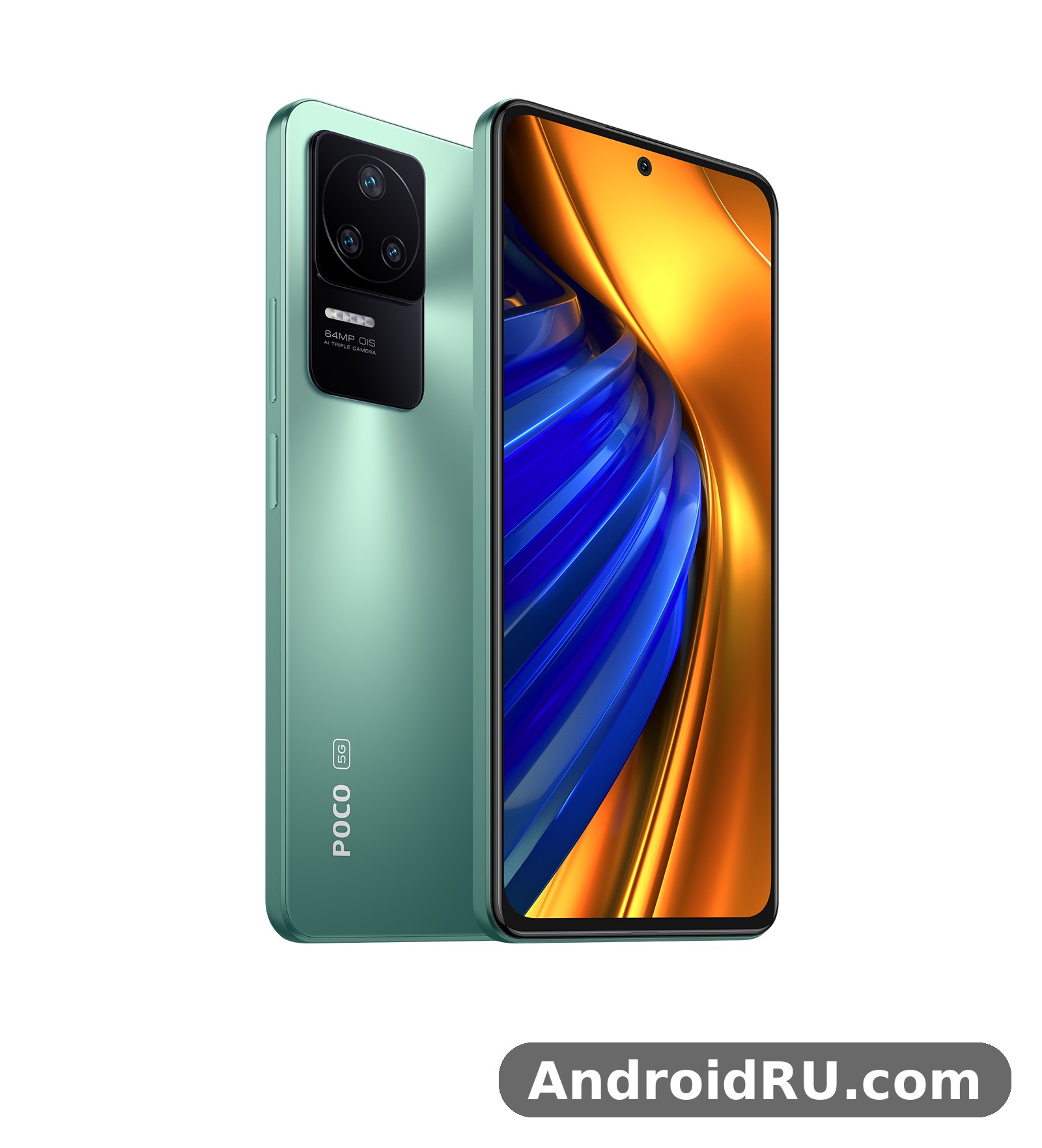
The POCO F4 price in 2022 at launch was about 250 EUR on GSMArena, which placed it firmly in the upper mid-range. For buyers comparing generations, the question POCO F4 vs POCO F3 which is better comes down to the camera, charging and display brightness: the F4 adds optical image stabilisation, 67W charging instead of 33W, and a brighter Dolby Vision panel, while keeping the same Snapdragon 870 platform. That makes it a sensible step forward rather than a radical redesign. As a flagship killer in the classic POCO sense, it aimed to give buyers most of the speed and screen quality of a much more expensive Android phone, with a few practical compromises. POCO F4 long term use after two years is a common search because the hardware has aged gracefully in some areas and less so in others, and the POCO F4 second hand value in 2026 market reflects that balance: strong performance and a good screen still count for a lot, while battery wear and software support matter more with age.
Design and Build Quality
The POCO F4 design is clean, slim and deliberately understated for a POCO phone. It measures 163.2 x 76 x 7.7 mm, so the POCO F4 dimensions describe a tall, thin handset that slips into a pocket easily, and the POCO F4 weight is 195 g, which is neither feather-light nor heavy for a phone with a 6.67-inch screen and a 4500 mAh cell. Glass covers the front and back, with Gorilla Glass 5 on the front, and the frame feels solid in the hand. There are no shoulder triggers here, which is an important distinction from the gaming-focused F4 GT: this is the regular F4, built as an everyday phone first.
First Impressions and Colours
The POCO F4 colours at launch were Moonlight Silver, Night Black and Nebula Green. POCO F4 Night Black is the safe, low-key choice, while the silver and green finishes catch the light more and show fingerprints less obviously in some lighting. POCO F4 Nebula Green colour first impressions in launch coverage praised the subtle gradient and the restrained POCO branding, which is a change from the louder designs of earlier POCO models. The camera module sits in the top-left corner and protrudes a little, so the phone rocks slightly on a flat table without a case, but that is normal for a phone with a large main sensor.
Glass, Frame and IP53 Rating
POCO F4 IP53 splash resistance explained simply means the phone is protected against dust and vertical water sprays, such as light rain, but it is not rated for submersion. Buyers should not take it swimming or use it in the shower. The side-mounted fingerprint sensor doubles as the power button, and the volume keys sit above it on the right edge. The USB-C port is on the bottom, next to the SIM tray, and there is an infrared port on the top edge, a handy extra for controlling a television or air conditioner.
One-Handed Use and Grip
POCO F4 one handed use comfort and grip is reasonable for a large phone, though the 6.67-inch screen and flat sides mean the top of the display is a stretch for smaller hands. The 7.7 mm thickness helps, and the weight is well balanced, so the phone does not feel top-heavy. A slim case improves grip a lot, and POCO F4 case and screen protector recommendations usually start with a clear case that shows off the colour, plus a tempered glass protector for the Gorilla Glass 5 panel. POCO F4 accessories are widely available because the phone shares its basic shape with the Redmi K40S, so cases, chargers and cables are easy to find.
Display Quality
The POCO F4 display is one of its strongest features. It is a 6.67-inch AMOLED panel with a 1080 x 2400 resolution, a 20:9 ratio, HDR10+ and Dolby Vision support, a 120Hz refresh rate and a peak brightness of 1300 nits, with 900 nits in high-brightness mode. GSMArena measured a maximum brightness of 1003 nits in its display test. The POCO F4 AMOLED panel delivers deep blacks, vivid colours and sharp text at about 395 pixels per inch, and the 120Hz refresh rate makes scrolling and animations feel smooth.
Brightness, Colour and Refresh Rate
POCO F4 AMOLED display quality outdoor visibility is good for a phone of this price and era, because the high-brightness mode keeps the screen readable in sunlight, even if direct sun still washes the image out a little. POCO F4 screen refresh rate 120Hz experience is smooth in the interface and in supported apps, and the phone can switch refresh rates to save power when the screen is static. Colour modes in the settings let buyers choose between vivid and more natural profiles, and the Dolby Vision support helps video streaming look richer on compatible services. The panel is protected by Gorilla Glass 5, which is adequate, though not as tough as the newest glass on later flagships.
Battery Life and Charging
The POCO F4 battery is a 4500 mAh lithium-polymer cell, which is smaller than the 5000 mAh batteries found in many rivals, but the efficient Snapdragon 870 and the AMOLED panel help it last through a normal day. POCO F4 battery life test results daily use from GSMArena gave the phone an endurance rating of 101 hours, which covers calls, browsing, video and standby in a standardised test. In everyday terms, that translates to a full day of mixed use with moderate screen time, and lighter users can stretch it further.
How Long the Battery Lasts in Daily Use
POCO F4 screen on time average per day is typically around six to seven hours for mixed use, depending on brightness, refresh rate and mobile signal, with heavier gaming or video recording cutting that figure. POCO F4 battery drain overnight standby test results in published coverage were modest, with only a few percent lost overnight when the phone was idle with a stable signal. That is a useful sign of a well-tuned system, because standby drain is where some phones lose a surprising amount of charge. Turning the refresh rate down to 60Hz and keeping brightness in check can add a little extra time, though most buyers will prefer to keep 120Hz on and charge more often.
67W Charging Speed
POCO F4 charging is a clear upgrade over the F3, with 67W wired charging using PD 3.0 and Quick Charge 3, and GSMArena lists a full charge in 38 minutes. POCO F4 67W fast charging time full charge is therefore one of the best reasons to choose this phone: a short top-up before leaving the house can add a large amount of charge, and a flat battery can be filled during a lunch break. There is no wireless charging, which is a common omission at this price, but the wired speed makes up for it for most buyers.
What 67W Means in Practice
The POCO F4 charging cable included in the box is a USB-C cable, and the box also included the 67W charger at launch, so buyers did not need to buy a separate adapter to reach the top speed. A POCO F4 unboxing video from launch shows that charger, the cable, a SIM tool and a basic case in many regions, though exact box contents can vary by market. Using a slower charger still works, but the phone only reaches its best charging times with a compatible 67W adapter. Heat during charging is managed by the phone, and charging slows near the top of the battery to protect its long-term health.
Performance and Gaming
POCO F4 performance is built around the Snapdragon 870 5G, an octa-core chip with one 3.2 GHz Kryo 585 core, three 2.42 GHz Kryo 585 cores and four 1.80 GHz Kryo 585 cores, plus an Adreno 650 GPU. The POCO F4 Snapdragon platform was already a proven performer when the phone launched, and it still handles everyday apps, multitasking and demanding games well. POCO F4 Antutu scores published by GSMArena were 590961 on version 8 and 698586 on version 9, with a Geekbench 5.1 score of 3190, which confirms the strong single-chip performance for the price.
POCO F4 Snapdragon 870 performance for gaming is the headline for many buyers, because the chip sustains high frame rates in popular titles and pairs well with the 120Hz display. As a gaming phone at a mid-range price, it is a strong choice, though it is not a dedicated gaming handset: there are no shoulder triggers, no active cooling fan and no gaming-specific extras beyond the usual performance modes. POCO F4 gaming performance Genshin Impact test coverage at launch showed the phone could run the game at playable settings, with frame rates and heat depending on the graphics preset, and longer sessions benefit from lower settings. POCO F4 heating issue during long gaming sessions is a fair point to raise: the phone can get warm during extended play, especially while charging, so taking the case off and avoiding charging during play helps. For a closer look at the gaming-focused sibling, see POCO F4 GT Review: Photo Quality, Video and Performance, and for the earlier generation, see POCO F3 Review: Screen Quality, Cameras and Charging.
Memory, Storage and Everyday Speed
POCO F4 storage comes in 128GB and 256GB options with UFS 3.1, paired with 6GB, 8GB or 12GB of RAM, depending on the variant. There is no microSD card slot, so buyers should choose the larger capacity if they keep a lot of photos, videos and games. POCO F4 256GB 12GB RAM variant price comparison at launch showed a premium over the base 128GB 6GB model, but the extra RAM helps multitasking and the extra storage removes the worry about running out of space. Apps open quickly, switching between apps is smooth, and the UFS 3.1 storage keeps loading times short. For a different take on the next generation, see POCO F3 GT Review: Display Quality, Speed and Daily Use.
Cameras
The POCO F4 camera system uses a triple rear setup: a 64 MP wide camera with f/1.8, PDAF and optical image stabilisation, an 8 MP ultrawide camera with a 119-degree field of view, and a 2 MP macro camera. The front camera is a 20 MP sensor that records 1080p video at 30 frames per second. Rear video reaches 4K at 30 and 60 frames per second, plus 1080p at 30 and 60 frames per second. The main camera is the clear improvement over the F3, because optical image stabilisation helps in low light and when recording video while walking.
Photo and Video Quality
POCO F4 camera quality in low light conditions is decent for the price, with night mode brightening shadows and keeping noise under control in most street and indoor scenes, though fine detail softens and bright lights can bloom. POCO F4 night mode photo quality comparison against rivals of the same era usually puts the F4 in the middle of the pack: better than budget phones, behind the best camera phones of its year. POCO F4 ultrawide camera photo samples daylight show good colours and a wide view for landscapes and buildings, with softer edges and less detail than the main camera, which is normal for an 8 MP ultrawide. POCO F4 4K video recording stabilisation test results benefit from the optical stabilisation on the main camera, giving smoother footage than the F3, though walking footage still shows some shake and the ultrawide has no stabilisation. The 2 MP macro camera is the weakest part of the system and is best treated as a bonus rather than a reason to buy the phone.
Software and Usability
POCO F4 MIUI software shipped with Android 12 and MIUI for POCO, and GSMArena lists an upgrade path to Android 13 with MIUI 14.2 for POCO. POCO F4 MIUI 14 update Android 13 features include a cleaner interface, improved widgets and better performance tuning, and the POCO F4 update history is worth checking before buying a used unit, because security patches matter more than new features after a few years. The interface is customisable, with themes, an app drawer and plenty of settings, though it also includes pre-installed apps and notifications that some buyers will want to tidy up.
Fingerprint, Speakers and Connectivity
POCO F4 fingerprint unlocking uses a side-mounted sensor in the power button, and POCO F4 fingerprint sensor side mounted speed is fast and reliable once a finger is registered well, with face unlock as a handy backup. POCO F4 speakers are stereo speakers with Hi-Res audio support, and a POCO F4 stereo speakers sound quality test from GSMArena gave a loudspeaker rating of minus 26.1 LUFS, described as good, with clear sound at high volume and a reasonable amount of bass for a phone. POCO F4 WiFi 6 Bluetooth 5.2 connectivity test coverage notes solid wireless performance, with dual-band Wi-Fi 6, Bluetooth 5.2, NFC in many regions, an infrared port and a full set of satellite positioning systems including GPS, GLONASS, Galileo and NavIC. POCO F4 no headphone jack adapter alternatives are simple: the phone has no 3.5 mm jack, so buyers can use USB-C earphones, a USB-C to 3.5 mm adapter, or Bluetooth earphones. POCO F4 software bloatware removal guide tips are widely shared by owners, and the practical steps are to uninstall the apps that allow it, disable the rest, and turn off lock-screen and app notifications that are not wanted. For the Pro model in the next generation, see POCO F5 Pro Review: Design, Software and Camera Quality.
Full Specifications
The table below lists the full POCO F4 specifications from GSMArena, covering launch, body, display, platform, memory, cameras, sound, connectivity, sensors and battery. The POCO F4 5G model numbers are 22021211RG and 22021211RI, and the phone was released on 27 June 2022 after being announced on 23 June 2022.
| Category | Specification |
|---|---|
| Announced | 23 June 2022 |
| Released | 27 June 2022 |
| Dimensions | 163.2 x 76 x 7.7 mm |
| Weight | 195 g |
| Build | Glass front (Gorilla Glass 5), glass back |
| SIM | Nano-SIM + Nano-SIM |
| Protection | IP53 dust protected and water resistant (vertical water sprays) |
| Display | 6.67-inch AMOLED, 120Hz, HDR10+, Dolby Vision, 900 nits (HBM), 1300 nits (peak) |
| Resolution | 1080 x 2400 pixels, 20:9 ratio, about 395 ppi |
| Display protection | Corning Gorilla Glass 5 |
| Operating system | Android 12, upgradable to Android 13, MIUI 14.2 for POCO |
| Chipset | Qualcomm SM8250-AC Snapdragon 870 5G (7 nm) |
| CPU | Octa-core (1×3.2 GHz Kryo 585 and 3×2.42 GHz Kryo 585 and 4×1.80 GHz Kryo 585) |
| GPU | Adreno 650 |
| Memory | 128GB 6GB RAM, 128GB 8GB RAM, 256GB 8GB RAM, 256GB 12GB RAM; UFS 3.1 |
| Card slot | No |
| Main camera | 64 MP wide, f/1.8, PDAF, OIS; 8 MP ultrawide, f/2.2, 119 degrees; 2 MP macro |
| Main camera video | 4K at 30/60fps, 1080p at 30/60fps |
| Selfie camera | 20 MP, f/2.5; video 1080p at 30fps |
| Loudspeaker | Yes, with stereo speakers; 24-bit/192kHz Hi-Res audio |
| 3.5 mm jack | No |
| Wi-Fi | Wi-Fi 802.11 a/b/g/n/ac/6, dual-band, Wi-Fi Direct |
| Bluetooth | 5.2, A2DP, LE |
| NFC | Yes (market/region dependent) |
| Infrared port | Yes |
| USB | USB Type-C 2.0, OTG |
| Sensors | Fingerprint (side-mounted), accelerometer, gyro, proximity, compass |
| Battery | Li-Po 4500 mAh |
| Charging | 67W wired, PD3.0, QC3, 100% in 38 min |
| Colours | Moonlight Silver, Night Black, Nebula Green |
| Network | GSM / HSPA / LTE / 5G; 5G bands 1, 3, 5, 7, 8, 20, 28, 38, 40, 41, 77, 78 SA/NSA |
| Price at launch | About 250 EUR |
Pros and Cons
The POCO F4 is a balanced mid-range package, with clear strengths in speed, screen and charging, and clear limits in battery size, camera range and software polish. The points below sum up the trade-offs for buyers who want a fast everyday phone without paying flagship money.
Pros
- Fast Snapdragon 870 performance for gaming and everyday apps, with a 120Hz AMOLED display.
- Bright Dolby Vision screen with good outdoor visibility and smooth scrolling.
- 67W charging that fills the 4500 mAh battery in about 38 minutes.
- 64 MP main camera with optical image stabilisation and 4K video.
- Stereo speakers, Wi-Fi 6, Bluetooth 5.2, NFC and an infrared port.
- Slim 7.7 mm glass design in three colours, with a fast side fingerprint sensor.
Cons
- 4500 mAh battery is smaller than many rivals, so heavy users charge daily.
- No wireless charging, no headphone jack and no microSD card slot.
- Ultrawide and macro cameras are much weaker than the main camera.
- IP53 splash resistance only, not full water resistance.
- MIUI includes pre-installed apps and notifications that need tidying.
- Software support is limited compared with newer phones, which matters for used buyers.
Frequently Asked Questions
Is the POCO F4 good for gaming?
Yes, for a mid-range phone. The Snapdragon 870, Adreno 650 GPU, UFS 3.1 storage and 120Hz AMOLED display give smooth performance in popular games, and the phone handles long sessions well at sensible graphics settings. It can get warm during extended play, and it has no shoulder triggers, so buyers who want a dedicated gaming handset should look at the F4 GT instead.
How long does the POCO F4 battery last?
The 4500 mAh battery typically lasts a full day of mixed use, with around six to seven hours of screen-on time for most users. GSMArena gave the phone an endurance rating of 101 hours in its standard test, and overnight drain is low. Heavy gaming, bright outdoor use and poor signal shorten battery life, while 67W charging fills the battery in about 38 minutes.
Does the POCO F4 support 5G and Wi-Fi 6?
Yes. The POCO F4 supports 5G on a wide range of bands, plus Wi-Fi 6, Bluetooth 5.2, NFC in many regions and USB-C. That makes it a well-connected Android phone for everyday use, streaming, calls and mobile data.
Is the POCO F4 waterproof?
No, not fully. It is rated IP53, which means protection against dust and vertical water sprays such as light rain. It is not rated for submersion, so it should not be used in a pool, bath or shower, and water damage is not covered in the same way as on phones with a higher rating.
Should I buy the POCO F4 or the POCO F5?
That depends on price and priorities. The POCO F4 offers proven Snapdragon 870 speed, a bright AMOLED screen and 67W charging at a lower used price, while the F5 brings a newer chip and a larger battery. For a detailed comparison with the newer model, see POCO F5 Review: Daily Performance and Key Features. Buyers who find the F4 at a good price and want a fast, slim phone will be happy with it, while buyers who want the longest battery life and the newest software should consider the F5.
Verdict: Who Should Buy the POCO F4?
The POCO F4 remains a sensible everyday choice for buyers who value speed, screen quality and fast charging over camera range and the largest battery. It is a solid value at launch and a strong used buy when the price is right, the battery is healthy and the software is up to date. The Snapdragon 870 still feels fast, the 120Hz AMOLED display still looks good, and 67W charging removes much of the worry about the 4500 mAh capacity. The limits are clear: no wireless charging, no headphone jack, no card slot, a modest ultrawide camera and only IP53 protection. For buyers who accept those trade-offs, this phone delivers the core POCO promise in a slim, well-built body, and it is easy to recommend as a fast, practical mid-range phone for daily use, gaming and media.

