

iQOO Neo10 Review: Photo Quality, Video and Performance
The iQOO Neo10 arrived in China on 29 November 2024 as a performance-first phone with a serious camera, and it remains one of the most interesting value flagships of its generation. In this iQOO Neo10 review, we look at what the phone does best: its photos, its video, and the raw speed of its Snapdragon 8 Gen 3 chip. This iQOO Neo10 camera photo quality review focuses on real-world results from the 50MP main camera, the ultrawide, and the selfie camera, alongside the video modes and gaming behaviour that define daily use.
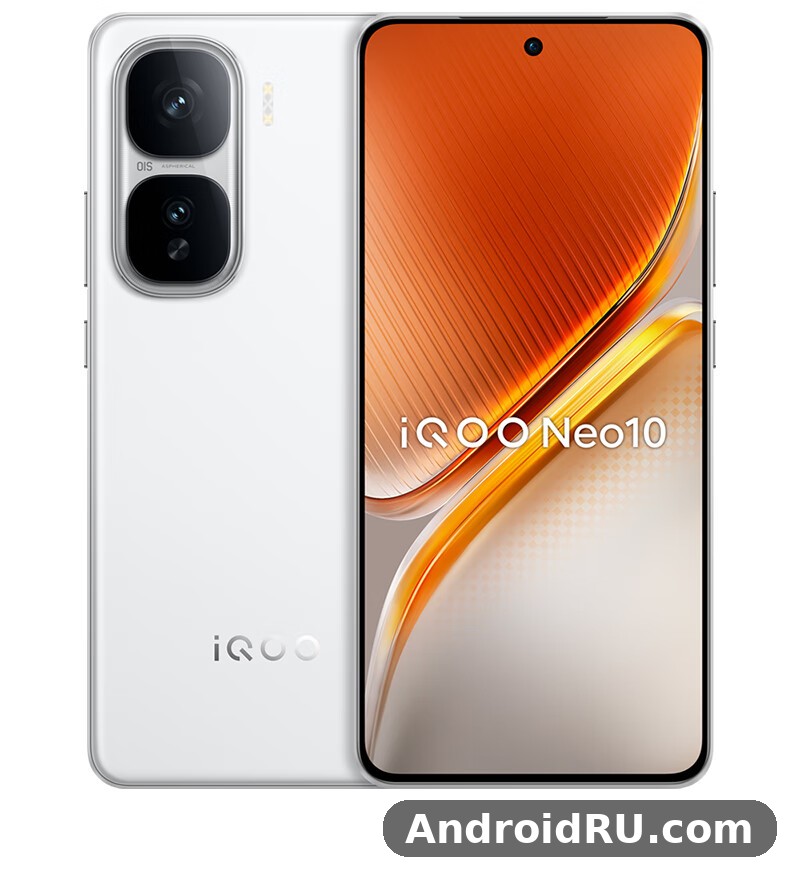
The iQOO Neo10 release date was 29 November 2024, the same day it was announced, and the phone went on sale in China from CNY 2,399, which is about 300 EUR. That iQOO Neo10 price in China and global availability picture is worth stating clearly: this is the China model, model numbers 2425A and V2425A, running OriginOS 5 on Android 15, and it was never sold officially in most global markets. The iQOO Neo10 vs iQOO Neo10R differences explained in short: the Neo10 reviewed here uses the full Snapdragon 8 Gen 3, while the Neo10R sold in India uses the Snapdragon 8s Gen 3, a different chip with a different GPU, so the two phones should never be confused. The iQOO Neo10 vs Neo10R distinction matters for every benchmark and camera comparison that follows.
Design and Display
The Neo10 keeps the clean, flat-edged look of the Neo series, with a slim 8 mm body and a large 6.78-inch screen. The iQOO Neo10 design weight and build materials are practical rather than luxurious: a glass front, a plastic frame, and a back panel that comes in Black, White, and Orange. The iQOO Neo10 weight is 199 g or 206 g depending on the colour, and the iQOO Neo10 dimensions are 162.9 x 75.4 x 8 mm, so it is tall but comfortable to hold for long sessions. The iQOO Neo10 colors give buyers a real choice, with the Orange version the most eye-catching of the three. Readers comparing earlier iQOO designs can see how the line evolved in the iQOO 7 (India) Review: Design, Software and Camera Quality, which covers the design language the Neo series grew out of.
Display Quality and Brightness
The iQOO Neo10 display is a 6.78-inch LTPO AMOLED display with a 1260 x 2800 resolution, a 144Hz refresh rate, HDR10+ support, and one billion colours. The iQOO Neo10 display quality 144Hz AMOLED panel is one of the strongest parts of the phone: colours are rich without looking oversaturated, text is sharp at around 453 pixels per inch, and the LTPO backplane lets the refresh rate drop to save power when nothing is moving. The iQOO Neo10 4500 nits peak brightness outdoors keeps the screen readable in direct sunlight, while the 1800 nits high-brightness mode handles bright rooms with ease. For a phone at this price, the screen punches well above its class.
Brightness and Outdoor Visibility
Outdoor visibility is excellent thanks to the high peak brightness and the anti-reflective character of the panel. The screen stays legible under strong sun, and the automatic brightness steps are smooth rather than jumpy.
Refresh Rate and Touch Response
The 144Hz refresh rate makes scrolling and animations feel fluid, and the panel switches down sensibly when showing static content. Touch response is fast and consistent, which matters as much for gaming as it does for everyday swiping.
Photo Quality: Main Camera
The iQOO Neo10 camera is built around a 50MP main sensor with an f/1.8 lens, optical image stabilisation, and phase-detection autofocus. The iQOO Neo10 50MP main camera OIS performance is the foundation of the whole imaging system, and it shows in the consistency of the results. Daylight shots are detailed, well exposed, and natural in colour, with the 1/1.56-inch sensor gathering enough light to keep noise low even in shade. In any iQOO Neo10 vs OnePlus Ace 5 camera comparison, the Neo10 holds its own on detail and dynamic range, trading blows with a phone that costs considerably more in many markets.
Daylight Photos and Detail
In good light the main camera resolves fine detail cleanly, from foliage to building textures, and the HDR processing keeps skies and shadows balanced without the over-processed look some rivals produce. Colours lean slightly vivid but stay believable, and the shutter is fast enough to catch moving subjects without blur.
Night Mode and Low Light
The iQOO Neo10 camera samples night mode results are impressive for a phone without a dedicated telephoto lens. Night mode brightens dark scenes while keeping highlights under control, and the OIS lets the phone use longer exposures without smearing detail. Street scenes keep readable signage, and the noise reduction avoids the waxy skin tones that cheaper night modes often produce.
Portrait Mode Results
The iQOO Neo10 portrait mode photo results show clean subject separation and natural background blur, with edge detection that handles hair and glasses better than expected. Skin tones stay warm without looking orange, and the bokeh falloff looks smooth rather than cut out.
Colour Science and Consistency
Across lighting conditions the main camera keeps a consistent colour character, which makes albums look coherent. White balance is reliable indoors under mixed lighting, and the phone rarely produces the green or magenta casts that plague lesser cameras.
Photo Quality: Ultrawide and Selfie Cameras
The second rear camera is an 8MP ultrawide with a 119-degree field of view and an f/2.2 lens, while the front camera is a 16MP unit with an f/2.5 lens. The iQOO Neo10 ultrawide camera photo quality is decent for landscapes and architecture, with acceptable corner sharpness and colours that match the main camera reasonably well. The iQOO Neo10 ultrawide lens is best used in good light, where its lower resolution is less of a limitation. For a closer look at how iQOO handles cameras and charging across the Neo line, see the iQOO Neo9 Review: Screen Quality, Cameras and Charging.
Ultrawide Camera in Practice
The ultrawide is useful for tight interiors and wide landscapes, and distortion correction keeps straight lines mostly straight. Detail drops off in the corners and in dim light, but for social sharing the results are perfectly usable.
Selfie Camera Quality
The iQOO Neo10 selfie camera quality in daylight is good, with sharp detail and natural skin tones. The iQOO Neo10 selfie camera records 1080p video at 30 frames per second, which is fine for video calls and short clips, though it lacks the 4K selfie recording some rivals offer. Portrait selfies get the same pleasant background blur as the rear camera.
Video Recording Quality
The iQOO Neo10 video system is unusually capable for its price, with the main camera recording up to 8K as well as 4K and 1080p, all with gyro-based electronic stabilisation. An iQOO Neo10 video recording quality test highlights how clean the 4K footage looks: detail is high, colours match the stills, and the stabilisation keeps walking shots smooth. The iQOO Neo10 8K video recording support is a headline feature, though 8K clips are best kept short because of file size and the lack of stabilisation at that resolution.
8K and 4K Recording Modes
The iQOO Neo10 4K video recording frame rate options include 4K at 30 and 60 frames per second, giving creators a choice between cinematic motion and smooth action. The iQOO Neo10 8K mode records at 30 frames per second and captures a huge amount of detail in bright conditions, making it useful for cropping and reframing in editing.
Stabilisation and Audio
An iQOO Neo10 video stabilization gyro EIS test shows the gyro-based stabilisation doing a solid job at 4K and 1080p, smoothing out footsteps and small hand movements without the wobble that cheap digital stabilisation often adds. Audio from the stereo microphones is clear, with wind noise handled reasonably well for a phone without a dedicated microphone array.
Video in Low Light
Low-light video is usable at 1080p and 4K, with noise kept in check and colours staying natural. The main camera leans on the OIS and the large sensor to keep exposure stable, though fine detail softens as the light drops.
Performance and Gaming
The iQOO Neo10 performance story starts with the Qualcomm SM8650-AB Snapdragon 8 Gen 3, a 4 nm chip with an octa-core CPU led by a 3.3 GHz Cortex-X4 prime core and the Adreno 750 GPU. The iQOO Neo10 Snapdragon 8 Gen 3 performance is flagship-grade: apps open instantly, multitasking stays smooth with 12GB or 16GB of RAM, and the UFS 4.0 storage keeps installs and loading times short. The iQOO Neo10 UFS 4.0 storage speed benchmark numbers sit near the top of what this generation of phones can do. The iQOO Neo10 Adreno 750 GPU handles demanding games at high settings without stutter, and the iQOO Neo10 Antutu scores commonly pass two million points in Antutu v10 runs. For context on how iQOO’s performance focus evolved, the iQOO 7 Legend Review: Daily Performance and Key Features shows where the brand’s speed-first philosophy started.
Snapdragon 8 Gen 3 in Daily Use
Day-to-day speed is excellent, with the OriginOS 5 interface feeling light and responsive. The iQOO Neo10 features list includes a large vapour chamber cooling system, which keeps the chip from throttling during long sessions. The iQOO Neo10 storage options run from 256GB to 1TB, with no microSD slot, so buyers should choose capacity carefully at purchase time.
Gaming Performance and Thermals
The iQOO Neo10 gaming experience is one of its best traits: demanding titles run at high frame rates with stable performance, and the 144Hz display makes fast games feel responsive. The iQOO Neo10 gaming performance and heating balance is well judged, with the phone getting warm under sustained load but never uncomfortably hot. Reports from an iQOO Neo10 gaming frame rate stability test show the Adreno 750 holding steady frame rates in long sessions, with only modest dips as the cooling system works.
Sustained Performance Under Load
Over extended gaming sessions the phone holds most of its peak speed, thanks to the vapour chamber and the efficient 4 nm chip. Short bursts of throttling appear only in the most demanding sustained workloads, and recovery is quick once the load drops.
Battery Life and Charging
The iQOO Neo10 battery is a 6100 mAh silicon-carbon battery, a large cell for a phone only 8 mm thick, and it delivers two-day light use or a full day of heavy use with room to spare. The iQOO Neo10 battery life with 120W charging combination is one of the best in this price range: the big cell lasts, and when it does run low, the charger brings it back fast. The iQOO Neo10 6100mAh battery endurance rating is strong for a phone this thin, and the silicon-carbon chemistry helps pack more capacity into the same space. Battery care features in OriginOS 5 help keep the cell healthy over years of fast charging. Readers who value endurance should also read the iQOO Neo9 Pro (India) Review: Design, Battery Life and Usability, which covers a sibling phone with a similar battery-first approach.
120W Fast Charging
The iQOO Neo10 charging system runs at 120W wired, with 100W PPS and PD support, and reaches 50 percent in about 15 minutes. The iQOO Neo10 120W charger is included in the box in China, and the iQOO Neo10 fast charging time test results show a full charge taking well under half an hour from empty. That speed changes how you use the phone: a short top-up during breakfast is often enough for the rest of the day.
Reverse Charging and Power Sharing
The iQOO Neo10 reverse wired charging support explained simply: the phone can share its battery with another device over a cable, which is handy for topping up earbuds or a friend’s phone. There is no wireless charging, which is the one notable omission at this price, but the wired speed more than compensates for most buyers.
Software, Connectivity and Everyday Extras
The iQOO Neo10 software is OriginOS 5 based on Android 15, a clean and fast interface with deep customisation, smart widgets, and useful gaming tools. The iQOO Neo10 OriginOS 5 features and software package includes a game mode with performance controls, a sidebar for quick app access, and privacy tools that are easy to find. The iQOO Neo10 Android 15 update policy details for the China model are not published as a fixed number of years, so buyers should expect the usual OriginOS update cadence rather than a guaranteed long-term promise. The iQOO Neo10 OriginOS experience is smooth and bloat-light compared with many Chinese-market interfaces.
Connectivity, Speakers and Sensors
The iQOO Neo10 WiFi 7 and Bluetooth 5.4 connectivity package covers Wi-Fi 7, Bluetooth 5.4 with aptX HD, aptX Adaptive, aptX Lossless and LHDC 5, NFC, an infrared blaster, and dual-band GPS with L1 and L5 support. The iQOO Neo10 WiFi 7 radio keeps downloads fast on modern routers, and the iQOO Neo10 NFC chip handles payments and quick pairing. For an iQOO Neo10 stereo speakers sound quality review, the closed-type stereo speakers deliver clear, loud audio with decent separation, though bass is limited by the slim body. The iQOO Neo10 speakers are good enough for video and casual music without headphones. The iQOO Neo10 ultrasonic fingerprint sensor speed is quick and reliable, working well even with slightly damp fingers, and the iQOO Neo10 fingerprint reader sits under the display where it is easy to reach. The iQOO Neo10 8K camera, display, and charging hardware all sit alongside these extras in a well-rounded package. Build quality across the range is covered in the iQOO 8 Review: Build Quality, Software and Daily Speed.
Everyday Usability Details
Small details add up: the IR blaster controls home appliances, the dual SIM tray supports two nano-SIM cards, and the USB Type-C port supports OTG accessories. Haptics are precise, and the phone vibrates with a refined feel rather than a harsh buzz.
Full Specifications
The iQOO Neo10 specs sheet reads like a flagship from a year earlier, which is exactly the point of the Neo line. The iQOO Neo10 full specifications and features list covers a 6.78-inch LTPO AMOLED display at 1260 x 2800 with 144Hz and 4500 nits peak brightness, a Snapdragon 8 Gen 3 chip with 12GB or 16GB of RAM, 256GB, 512GB or 1TB of UFS 4.0 storage, a 50MP main camera with OIS plus an 8MP ultrawide, a 16MP selfie camera, a 6100 mAh battery with 120W wired charging, Android 15 with OriginOS 5, stereo speakers, an ultrasonic under-display fingerprint sensor, Wi-Fi 7, Bluetooth 5.4, NFC, and an infrared port. The phone measures 162.9 x 75.4 x 8 mm, weighs 199 g or 206 g, and comes in Black, White, and Orange.
Frequently Asked Questions
Is the iQOO Neo10 good for photography?
Yes, the 50MP main camera with OIS takes detailed, natural-looking photos in daylight and strong night shots, while the ultrawide and selfie cameras are solid for their class. It is one of the best camera phones at its launch price.
Does the iQOO Neo10 record 8K video?
Yes, the main camera records 8K video at 30 frames per second, alongside 4K at up to 60 frames per second and 1080p, all with gyro-based electronic stabilisation except at the top 8K mode.
What is the iQOO Neo10 release date?
The iQOO Neo10 release date was 29 November 2024, when it was both announced and released in China. It launched from CNY 2,399, about 300 EUR, and was not officially sold in most global markets.
How fast does the iQOO Neo10 charge?
The phone charges at 120W wired and reaches about 50 percent in 15 minutes, with a full charge taking well under half an hour. It also supports 100W PPS and PD charging and reverse wired charging.
Is the iQOO Neo10 the same as the Neo10R?
No, the China Neo10 uses the Snapdragon 8 Gen 3 while the India Neo10R uses the Snapdragon 8s Gen 3, a different chip with a different GPU. They are separate models with different performance and should not be confused.
Verdict
The iQOO Neo10 is a performance flagship in disguise, pairing a Snapdragon 8 Gen 3 chip with a genuinely good 50MP camera, capable 8K and 4K video, a bright 144Hz AMOLED screen, and a 6100 mAh battery that charges at 120W. Its limits are real but narrow: no wireless charging, no telephoto lens, and no official sale in most global markets. For buyers who can get the China model, it remains a strong choice for photography, video, and gaming at a price well below true flagships.

