

iQOO Neo9 Review: Screen Quality, Cameras and Charging
The iQOO Neo9 arrived in China at the end of December 2023 as a performance-first phone with a flagship chip, a fast screen and very fast charging, at a price well below true flagships. Announced on 27 December 2023 and released on 30 December 2023, it is the Chinese Neo9, model V2338A, a different phone from the Indian Neo9 Pro, which uses a different chip and a different camera setup. This iQOO Neo9 Snapdragon 8 Gen 2 performance review looks at the three areas in the title, screen quality, cameras and charging, and at the everyday experience around them, from gaming to battery life, so you can judge whether this 2023 phone still makes sense today.
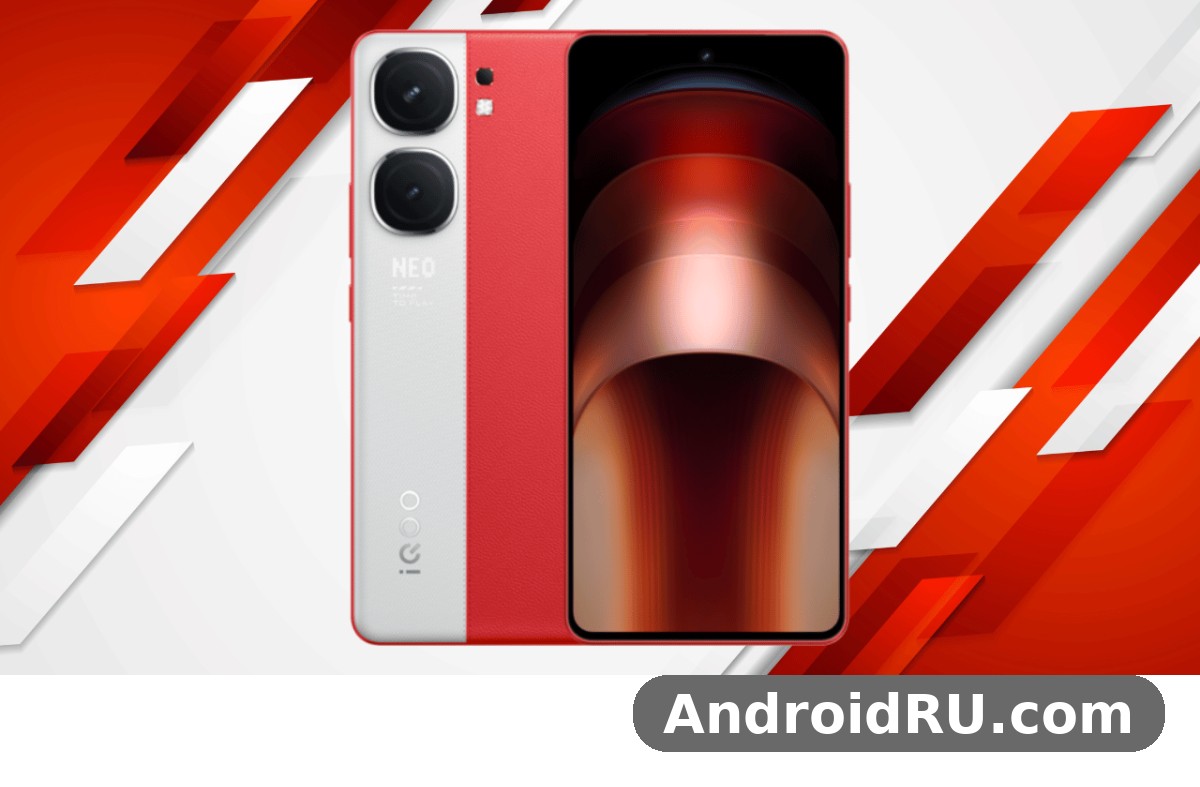
The headline numbers set the tone: a Qualcomm Snapdragon 8 Gen 2 chip, 12GB or 16GB of RAM, a 6.78-inch 144Hz LTPO AMOLED screen, a 50MP main camera with optical image stabilisation, a 5160mAh battery and 120W wired charging. There is no wireless charging and no telephoto camera, and the phone launched with Android 14 and OriginOS 4 in China. Those gaps matter less than the balance of the package: this is a phone built to be fast, bright and quick to top up, with cameras that are good rather than class-leading. The sections below work through each part in turn, with the iQOO Neo9 specifications full list and release date gathered near the end.
Design and Build Quality
The iQOO Neo9 measures 163.5 x 75.7 x 8 mm, or 8.3 mm for one finish, and weighs 190 g or 196 g depending on the version, so it is a large phone but not a heavy one for its size. The iQOO Neo9 weight thickness and in hand feel suit two-handed use and long gaming sessions better than one-handed texting on the move, and the flat frame and curved back help it sit comfortably in the palm. It comes in Black, Blue and Red, and the Blue and Red finishes use a two-tone vegan leather and glass mix that looks more distinctive than plain glass slabs. There is no official IP rating listed for this model, so treat it as a phone to keep away from water rather than one to use near it.
Around the edges you get stereo speakers, an infrared port, NFC and a USB Type-C 2.0 port with OTG support, but no 3.5 mm headphone jack and no microSD card slot. The fingerprint sensor sits under the display and uses an optical reader. The iQOO Neo9 fingerprint sensor speed and accuracy test in everyday use is a quick tap to wake the home screen, with few misreads once the finger is placed flat. The dual SIM tray takes two Nano-SIM cards, and the phone supports 5G on a wide set of bands for its home market. For protection, the iQOO Neo9 case screen protector and accessories guide in the verdict section below is worth a read, because a slim case and a tempered glass protector do a lot for a phone with a large glass front.
Which iQOO Neo9 colour and finish should you pick?
Black is the safe choice if you want a discreet phone that hides fingerprints and suits a plain case. Blue and Red are the picks if you want the phone to stand out, and the leather part of those finishes also gives a little extra grip in the hand. Whichever colour you choose, the phone looks and feels like a device that costs more than it does, and a case is still a good idea because the large glass front is the first thing to meet the floor in a drop.
Screen Quality: A 144Hz LTPO AMOLED Panel
The screen is the strongest reason to pick this phone. This iQOO Neo9 144Hz AMOLED display quality review starts with the panel itself: a 6.78-inch LTPO AMOLED display with one billion colours, a 1260 x 2800 resolution at about 453 ppi, HDR10+ support and 1400 nits of brightness in high brightness mode. The 144Hz display refreshes fast enough that scrolling and animations look smooth, and the LTPO backplane lets the refresh rate drop when the picture is still, which helps battery life. Put simply, a bright 6.78-inch LTPO panel with a fast refresh rate is the centrepiece of this phone, and in practice it looks sharp, with colours that look rich without going over the top in the standard mode, and a large 89.7 percent screen-to-body ratio that keeps bezels thin.
How bright is the iQOO Neo9 display outdoors?
The iQOO Neo9 display brightness HDR10+ video playback combination works well outdoors and in a dark room alike. At 1400 nits in high brightness mode, text stays readable in strong daylight, and HDR10+ video on streaming apps shows deeper contrast and brighter highlights than standard video. The panel does not reach the 2000-plus nit peaks of newer flagships, but for a 2023 performance phone the brightness is more than enough for maps, photos and video on a sunny day, and the LTPO display drops its refresh rate when nothing moves, so the bright screen does not drain the battery as fast as a fixed high refresh rate would.
Does the 144Hz refresh rate make a difference?
Yes, most of all in scrolling, swiping between apps and fast games that support high frame rates. The difference between 60Hz and 144Hz is easy to see in a long social feed or a web page, and the phone holds high frame rates in lighter games. The iQOO Neo9 stereo speakers sound quality for movies adds to the experience, with stereo sound that stays clear at high volume and gives films and games a wider feel than a single speaker. There is no headphone jack, so wireless earbuds or a USB-C adapter are the way to listen in private.
Performance: Snapdragon 8 Gen 2 in Daily Use
The Snapdragon 8 Gen 2 is a 4 nm chip with one 3.2 GHz Cortex-X3 prime core, two 2.8 GHz Cortex-A715 cores, two 2.8 GHz Cortex-A710 cores and three 2.0 GHz Cortex-A510 efficiency cores, paired with an Adreno 740 GPU. The iQOO Neo9 gaming performance with Snapdragon 8 Gen 2 is strong: demanding games run at high settings with stable frame rates, and the cooling keeps the frame from getting uncomfortably hot in most titles. App opening is quick, and the iQOO Neo9 UFS 4.0 storage speed and app loading times are flagship-grade, because large games install and load without the pauses you get on slower storage. With 12GB or 16GB of RAM, multitasking stays smooth, and the phone keeps many apps in memory without reloading them.
Compared with the previous generation, the step up is clear. If you read the iQOO Neo8 Pro Review: Display Quality, Speed and Daily Use, you will see a phone that was already fast, but the Neo9 pairs a newer chip with faster storage and a brighter high-refresh screen, so the whole phone feels a step more responsive in games and in everyday swiping, and the extra RAM headroom shows when you jump between a game, a map and a chat app.
How does the iQOO Neo9 handle long gaming sessions?
Well, with one caveat: the chip can warm up in long sessions of the most demanding games, and frame rates may dip slightly as the phone manages heat. The iQOO Neo9 overheating during long gaming sessions test shows the phone getting warm rather than hot, and it recovers quickly once the load drops. The iQOO Neo9 best settings for gaming and battery saving are simple: use the balanced mode for long sessions, cap the frame rate in games that do not need 144 fps, and turn the refresh rate to adaptive when you are not gaming, and the phone will stay cool and last longer between charges.
Thermal behaviour during long sessions
After an hour of a demanding game at high settings, the back of the phone feels warm around the camera area and the frame, but never too hot to hold. Frame rates stay close to their target in most titles, with only short dips in the heaviest scenes, and the phone cools down within a few minutes of closing the game. This is the behaviour you want from a performance phone: it pushes hard when you ask it to, then steps back before heat becomes a problem.
Cameras: 50MP Main, Ultrawide and Selfie
The camera setup is simple: a dual rear system with a 50MP main camera with an f/1.9 lens, a 1/1.49-inch sensor, PDAF and OIS, and an 8MP ultrawide camera with an f/2.2 lens and a 119-degree field of view, plus a 16MP selfie camera on the front. At the heart of the system is a 50MP main sensor with optical stabilisation that does most of the heavy lifting. This iQOO Neo9 50MP main camera photo quality review finds daylight photos with good detail, natural colours and reliable focus, helped by optical stabilisation that keeps shots sharp at dusk and in dim rooms. The 50MP camera delivers clean files that hold up to a closer look, and the iQOO Neo9 camera quality in low light photos is decent for the class: night mode lifts shadows and keeps noise under control, though fine detail softens in the darkest scenes and the small ultrawide sensor struggles more than the main one.
This iQOO Neo9 ultrawide camera and selfie camera review is more mixed. The ultrawide camera is handy for landscapes and group shots, but its 8MP resolution shows softer edges and weaker detail than the main camera, and the 16MP selfie camera takes clean, well-exposed selfies in good light with natural skin tones, though its fixed focus and 1080p video limit it for vlogging. Video from the main camera goes up to 8K, with 4K and 1080p options and gyro-EIS stabilisation. The iQOO Neo9 8K video recording and stabilisation test shows usable 8K clips in bright light, but 4K video is the better everyday choice because it stays smoother and takes far less space. For a newer take on iQOO imaging, the iQOO Neo10 Review: Photo Quality, Video and Performance shows how the series moved on, but the Neo9 main camera still holds up well in daylight.
The iQOO Neo9 night mode photo samples and colour tuning show a restrained approach: colours stay close to real life instead of turning orange or over-bright, and highlights are held back rather than blown out. The iQOO Neo9 portrait mode edge detection and bokeh quality is good for a phone without a dedicated telephoto lens: edges around hair are mostly clean, and the background blur looks natural at moderate strength. For the best results, shoot portraits in good light and keep the subject a short distance from the camera, and use night mode only when the scene is truly dark, because in mixed light the standard mode often keeps more detail.
How good is the iQOO Neo9 camera at night?
Good, with limits. In city streets and lit rooms, night mode gives bright, usable photos with controlled noise and colours that look true to the scene. In very dark scenes the phone leans on longer exposures, so a steady hand or a surface to rest on helps, and fine textures such as leaves or brickwork turn soft. The ultrawide camera is the weak link after dark, so switch to the main camera when light is scarce and crop later if you need a tighter frame.
Main camera at night
The main camera benefits most from OIS and the large sensor, holding shutter speeds that keep handheld shots sharp and pulling detail out of shadows without turning the sky grey. Faces stay natural and street lights keep their shape instead of blooming into large discs, which is where many phones in this price range fall down.
Ultrawide camera at night
The ultrawide camera loses detail quickly as light falls, and its night shots look softer and noisier than the main camera in the same scene. It is still usable for a wide shot of a lit building or a group of friends under street lights, but do not expect the same quality as the main camera once the sun has set.
Is the ultrawide camera worth using?
Yes, in daylight, when its wide field of view is worth more than its lower resolution. For landscapes, architecture and tight indoor spaces, the ultrawide camera frames shots the main camera cannot, and in good light its photos look clean on a phone screen. The trade is detail: zoom in and the edges soften, and colours run a little cooler than the main camera, so for shots you plan to print or crop hard, the main camera is the better tool.
Battery Life and 120W Charging
The 5160mAh battery is larger than the 5000mAh cells common in this class, and the iQOO Neo9 120W charging time and battery life story is the phone’s second big strength after the screen. The iQOO Neo9 5160mAh battery life test results point to a full day of heavy use, with streaming, maps, social apps and an hour of gaming, and charge to spare in the evening, and two days are possible with lighter use. The iQOO Neo9 battery drain overnight standby test results are reassuring too: the phone loses only a small amount of charge overnight with the screen off, thanks to the LTPO display dropping its refresh rate and OriginOS managing background apps. In short, a 5160mAh cell with 120W wired charging gives this phone both stamina and speed.
How long does the iQOO Neo9 battery last?
For most people, a full day with room to spare. A typical day of messaging, browsing, video and a few photos ends with roughly a third of the battery left, and heavy days with navigation and gaming still reach bedtime without a top-up. If you spend the day on Wi-Fi with the screen at moderate brightness, the phone stretches further, and the adaptive refresh rate does real work here, dropping to low rates on static screens and saving power without you noticing.
Charging is where the Neo9 really stands out. The iQOO Neo9 charging speed from zero to full is about 25 minutes with a 120W charger, and the phone reaches 40 percent in about 9 minutes, so a short stop is enough to add hours of use. There is no wireless charging, and the phone also supports reverse wired charging to top up accessories. The iQOO Neo9 price in China and global availability context matters here: at its launch price in China, this combination of a large battery and 120W charging was rare, and it still looks generous next to phones that charge at half the speed. Readers weighing value against battery should also look at the iQOO Neo8 Review: Camera Quality, Battery and Value, which covers an older Neo phone with a smaller battery and slower charging, and shows how much the Neo9 improved in this area.
Software: Android 14 and OriginOS 4
The iQOO Neo9 Android 14 OriginOS 4 software features include a clean home screen, a large set of customisation options, a game mode with performance controls, and smart widgets that can be resized and stacked. OriginOS 4 is the Chinese software, so buyers outside China should check which software their unit ships with, because global iQOO phones use Funtouch OS instead. The interface is fast and the animations match the 144Hz screen, and the phone ships with the usual set of iQOO and vivo apps, some of which can be removed. If you want a sense of how iQOO software feels on an older phone, the iQOO 7 Legend Review: Daily Performance and Key Features is a useful reference point for the brand’s approach to speed and daily use.
The iQOO Neo9 software update policy and long term support picture is less certain than the hardware: iQOO promises major Android updates and security patches, but the exact number of years depends on the market and the software branch, so check the current policy for your region before you buy. The iQOO Neo9 long term review after six months use angle matters here: after half a year the chip, screen and battery still feel current, and the phone ages well as long as software updates keep arriving, so a clear update promise is worth more than any single new feature.
Full Specifications
The iQOO Neo9 specs in brief: model V2338A, announced 27 December 2023, released 30 December 2023 in China, with a 6.78-inch LTPO AMOLED display at 1260 x 2800, 144Hz and HDR10+ with 1400 nits, a Snapdragon 8 Gen 2 chip, 12GB or 16GB of RAM, and 256GB, 512GB or 1TB of UFS 4.0 storage with no card slot. The iQOO Neo9 1TB storage option and RAM configurations top out at 16GB of RAM with 1TB of storage, which is generous for games and video. The iQOO Neo9 WiFi 7 Bluetooth 5.3 connectivity features cover Wi-Fi 7, Bluetooth 5.3 with aptX HD, aptX Adaptive and aptX Lossless, NFC, GPS, GALILEO, GLONASS, BDS and QZSS, plus an infrared port and a USB Type-C 2.0 port. The iQOO Neo9 infrared port NFC and USB Type-C features round out a strong connectivity list for a phone of this age, and the dual SIM tray, stereo speakers and optical fingerprint sensor complete the package.
- Display: 6.78-inch LTPO AMOLED, 1260 x 2800, 144Hz, HDR10+, 1400 nits, 453 ppi
- Chipset: Qualcomm Snapdragon 8 Gen 2, 4 nm, Adreno 740
- Memory: 12GB or 16GB RAM, 256GB, 512GB or 1TB UFS 4.0 storage, no card slot
- Rear cameras: 50MP main with OIS and PDAF, 8MP ultrawide at 119 degrees, video up to 8K
- Front camera: 16MP selfie camera, 1080p video at 30 fps
- Battery: 5160mAh, 120W wired charging, 40 percent in about 9 minutes, reverse wired charging
- Software: Android 14 with OriginOS 4 in China
- Body: 163.5 x 75.7 x 8 mm, 190 g or 196 g, colours Black, Blue and Red, dual SIM, NFC, infrared port, stereo speakers, optical fingerprint sensor
Frequently Asked Questions
Is the iQOO Neo9 the same as the iQOO Neo9 Pro?
No. The iQOO Neo9 vs iQOO Neo9 Pro differences explained in short: the Chinese Neo9 runs a Snapdragon 8 Gen 2 chip, while the Indian Neo9 Pro uses a different chip and a different camera setup, so performance, photos and price are not the same. If you want the Indian model, the iQOO Neo9 Pro (India) Review: Design, Battery Life and Usability covers that phone on its own terms, so do not mix the two up when you compare prices or read reviews.
Does the iQOO Neo9 support wireless charging?
No. Charging is wired only, at up to 120W, with reverse wired charging for accessories. A 120W charger fills the battery far faster than any wireless pad, so most owners will not miss wireless charging, but a wireless pad on your desk will not work with this phone.
What is the iQOO Neo9 price and where can you buy it?
The phone launched in China at a mid-range price of about 290 EUR equivalent, and the iQOO Neo9 price in China and global availability varied by market because the phone was aimed at China first. Check current prices with local sellers in your region, and confirm whether the unit ships with OriginOS or Funtouch OS before you buy.
Verdict: Who Should Buy the iQOO Neo9
The iQOO Neo9 is a performance phone that still makes sense: a bright 144Hz screen, a flagship Snapdragon 8 Gen 2 chip, a large 5160mAh battery and 120W charging, with a 50MP main camera that is good in daylight and decent at night. Its weak points are the modest ultrawide camera, the lack of wireless charging and an official water resistance rating, and software support that depends on your market. The iQOO Neo9 long term review after six months use view is positive: the parts that matter most, the screen, the chip and the battery, age slowly, and the phone still feels fast after months of daily use.
Buy it if you want flagship speed and fast charging without a flagship price, and if you play games or watch a lot of video on your phone. Look elsewhere if you need the best ultrawide camera, wireless charging, or a phone with a long and clearly stated update promise in your country. For everyone else, the Neo9 remains one of the best-value performance phones of its generation, and a smart pick second-hand or on a discount while the screen, chip and charging still feel current.

