

POCO F7 Review: Photo Quality, Video and Performance
The POCO F7 arrived on 24 June 2025 as a phone that puts speed, a large battery and a capable camera at the centre of its pitch. This POCO F7 review looks at the areas that matter most to buyers: how good the photos look, how steady and detailed the video is, and how fast the phone feels in daily use and in games. POCO has long built its reputation on strong hardware for the price, and the POCO F7 specs suggest the same approach here, with a Snapdragon 8s Gen 4 chip, a 6.83-inch AMOLED screen, a 50MP main camera and a 6500 mAh battery in the international model. The POCO F7 price sits in the upper mid-range, so the real question is whether the camera and the overall package justify that position when rivals offer a telephoto lens or a more polished camera app.
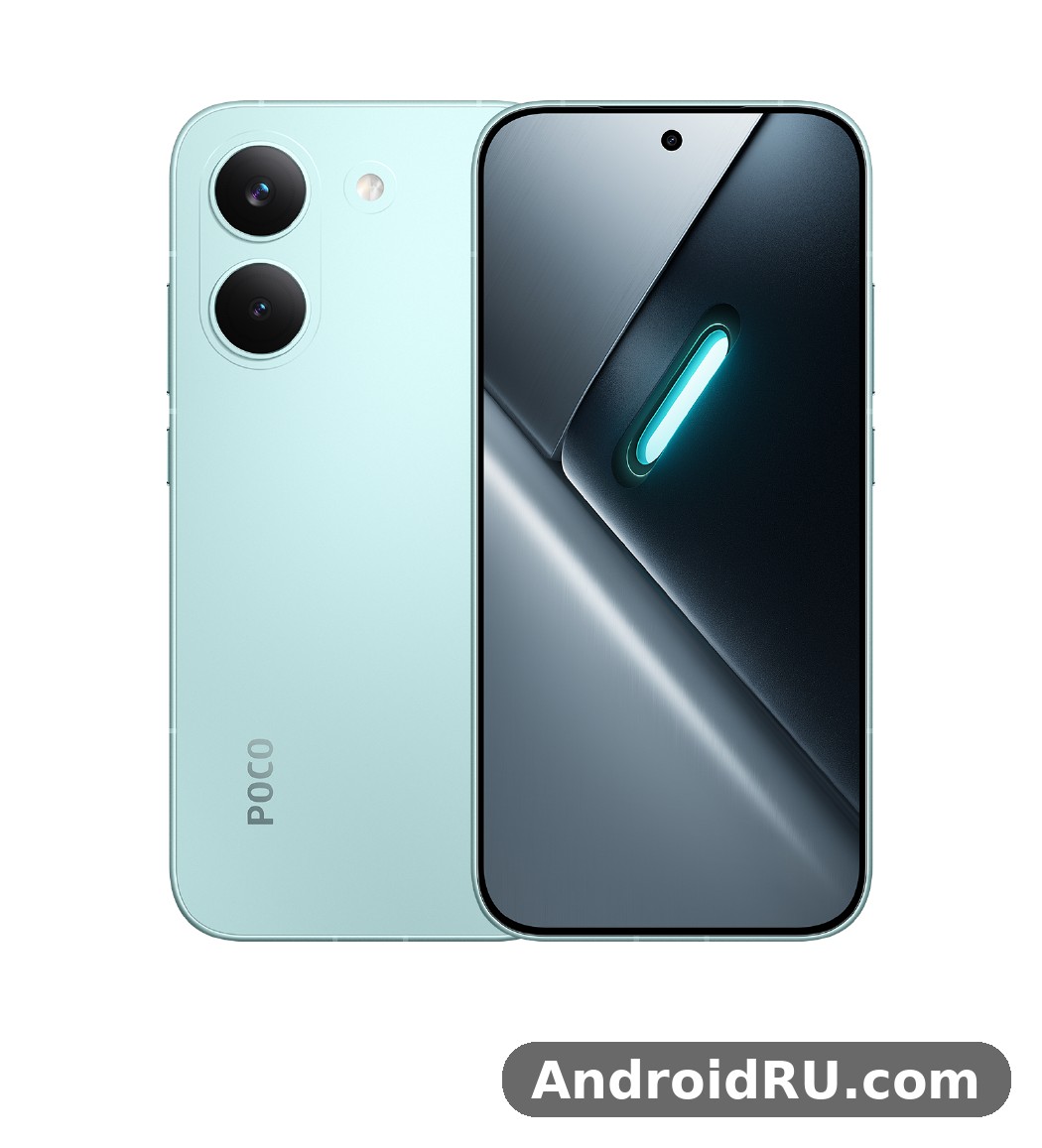
Across several days of regular use, the phone proved quick to open apps, comfortable to hold for long sessions and reliable for photos in daylight. The POCO F7 camera handles landscapes, food and street scenes with pleasing colour, while the POCO F7 video mode records detailed 4K footage with gyro-based stabilisation. There are limits, of course. The ultrawide camera is a step down from the main sensor, the selfie camera is capped at 1080p video, and the software carries a fair amount of pre-installed apps. Readers who want a quick sense of where this model sits in the family should also read the POCO F7 Pro Review: Daily Performance and Key Features for a direct sibling comparison, because the Pro model trades some of the value focus for a different balance of features.
Design, Display and Build Quality
The POCO F7 looks clean and modern, with a flat frame, a glass back and a large camera module that sits neatly in the top corner. At 163.1 x 77.9 x 8.2 mm and 215.7 g, it is a big phone, and the POCO F7 weight is noticeable in a jacket pocket, yet the weight is spread evenly enough that one-handed use remains possible for short tasks. The aluminium frame feels solid, the buttons have a firm click, and the glass front uses Corning Gorilla Glass 7i. An IP68 rating for dust and water resistance adds welcome reassurance for a phone at this price, and the POCO F7 IP68 water resistance rating explained simply means the phone is sealed against dust and can survive immersion in fresh water up to 1.5 metres for 30 minutes.
Colour choices are Black, White and Cyber Silver. The silver finish is the most distinctive, with a subtle pattern that catches the light without looking loud. The fingerprint sensor sits under the display and works quickly in most conditions. Our notes on the POCO F7 fingerprint sensor speed and accuracy test found it reliable with dry fingers, though wet fingers can still cause a missed read, as on most optical sensors. Stereo speakers are loud and clear enough for video and casual music, and the POCO F7 speakers deliver a wider soundstage than a single speaker could manage, while the POCO F7 speaker quality with Dolby Atmos support gives films and games extra depth.
Design and in-hand feel
The flat sides make the phone easy to grip, and the curved edges of the back panel stop the frame from digging into the palm. A case helps with grip on smooth surfaces, and the POCO F7 case market already offers slim, clear and rugged options, so buyers do not need to wait for accessories to appear. The POCO F7 accessories range also includes screen protectors and chargers, although the phone ships with a 90W charger in many regions. The USB-C port, speaker grille and SIM tray are arranged neatly along the bottom edge, and there is no 3.5mm headphone jack, so wired listening needs a USB-C adapter or wireless earphones.
6.83-inch AMOLED display in daily use
The POCO F7 display is a 6.83-inch AMOLED panel with 1280 x 2772 pixels, a 120Hz refresh rate, Dolby Vision and HDR10+ support. Colours are vivid without looking artificial in the standard mode, and the high refresh rate makes scrolling through feeds and web pages feel fluid. The POCO F7 AMOLED panel supports 68 billion colours and 3840Hz PWM dimming, which helps reduce visible flicker at low brightness for sensitive eyes. The POCO F7 display quality outdoors in sunlight is strong too, with a peak brightness rating of 3200 nits and high-brightness mode reaching 1700 nits, so text stays readable on a bright day.
Brightness and outdoor visibility
In direct sunlight the screen holds up well, and automatic brightness responds quickly when moving from shade into sun. The POCO F7 screen brightness measured 3200 nits peak in laboratory conditions, and in real use the panel never felt dim, even while navigating outdoors or taking photos in bright light. The large screen also suits video and reading, with thin bezels and a small centred punch-hole camera that stays out of the way.
Colour, HDR and refresh rate
Video looks rich on this panel, with deep blacks and strong contrast in HDR content. The 120Hz refresh rate adapts to what is on screen, dropping when nothing moves to save power and rising for scrolling and games. Gamers will appreciate the smooth motion, while readers can switch to a calmer colour profile if the default look feels too saturated. The display is one of the clear strengths of the phone, and it lifts the whole experience well above what the price might suggest.
Photo Quality: Main Camera and Ultrawide
The POCO F7 camera setup pairs a 50MP main camera with optical image stabilisation and an 8MP ultrawide camera. The main sensor uses an f/1.5 aperture and a 1/1.95-inch sensor, which helps gather light and keep detail in mixed conditions. In daylight, the POCO F7 photos show clean detail, natural skin tones and well-judged exposure, with colours that lean slightly warm and lively rather than flat. Dynamic range is good for the class, holding detail in bright skies while keeping shadows readable, and the camera rarely blows out highlights in everyday scenes.
The POCO F7 photo quality with night mode on improves low-light shots clearly, brightening shadows and reducing noise without turning night scenes into daylight. Our notes on POCO F7 camera quality in low light conditions found that the main camera keeps text on signs readable, preserves the mood of evening street scenes and avoids the heavy smearing that cheaper phones often show. A short hold still is all the mode needs, and the optical stabilisation helps keep handheld shots sharp at slower shutter speeds.
Daylight photos and colour
Daylight is where this phone is most confident. Landscapes keep fine detail in grass, brick and leaves, and the camera focuses quickly on moving subjects such as pets and children. The POCO F7 camera settings for best photo quality are simple to reach: use the main lens at 1x for the sharpest result, turn on HDR Auto, and leave the AI scene mode on for landscapes but off for people if you prefer more natural skin tones. Colours stay consistent between shots, which matters when building a set of photos from a trip or an event.
Low-light and night mode photos
At night the main camera remains usable, and the dedicated night mode adds a clear benefit in very dark streets and restaurants. The POCO F7 night mode keeps noise under control and avoids the waxy look that aggressive processing can cause. The POCO F7 selfie camera quality in low light is weaker, with softer detail and more noise indoors, so a well-lit room or a nearby lamp makes a real difference for front camera shots. The ultrawide camera also loses detail after dark, which is normal for a small 8MP sensor, and it is best saved for daylight. A full POCO F7 vs POCO F7 Pro camera comparison shows the two phones share a similar main-camera approach, with the Pro model offering a different balance of features rather than a large leap in photo quality.
Portrait mode and ultrawide results
Portrait mode produces a pleasant background blur and generally clean separation around hair and glasses. The POCO F7 portrait mode edge detection test results were solid in good light, with only occasional soft edges around fine hair. The POCO F7 portrait shots keep skin tones natural, and the blur level can be adjusted after taking the photo. The POCO F7 ultrawide camera quality in daylight is decent for landscapes and group shots, offering a wider 15mm view, though fine detail is softer than the main camera and colours are slightly cooler. The POCO F7 macro photography using ultrawide camera lens is a useful extra, letting the phone focus close on flowers and small objects, even if the results lack the crisp detail of a dedicated macro lens. Readers comparing the wider family may find the POCO F6 Pro Review: Cameras, Performance and Battery Life useful, because it shows how the previous generation handled similar camera trade-offs.
Video Quality: 4K Recording and Stabilisation
Video is a genuine strength of this phone. The POCO F7 video recording supports 4K at 30 and 60 frames per second from the main camera, with gyro-EIS stabilisation to smooth out walking footage. The POCO F7 video recording quality at 4K 60fps is detailed and steady, with accurate colours and smooth motion that suits travel clips, family videos and social media posts. The POCO F7 4K footage holds up well on a large screen, and the stabilisation copes with normal walking without the wobble that ruins many mid-range clips.
Slow motion is available at 1080p up to 960fps, and the POCO F7 slow motion video 960fps sample quality is fun for short action clips, although detail drops at the highest frame rate and good light is essential. The POCO F7 video recording with gyro EIS enabled works well for handheld pans and walking shots, and the phone keeps focus locked on the subject during most takes. Audio from the built-in microphones is clear in quiet settings, with wind noise kept under control outdoors. The POCO F7 4K video stabilization test while walking showed steady footage on pavements and park paths, with only light bobbing on uneven ground.
4K video in daily use
For everyday filming, 4K at 30fps is the best balance of detail, file size and battery use, while 60fps suits sports and fast movement. The camera app switches between lenses smoothly, and exposure adjusts without harsh jumps when moving from shade into sun. Colours in video match the photo output closely, which makes it easy to mix stills and clips from the same day without a jarring change in look.
Selfie video and stabilisation
The front camera records 1080p video at 30 and 60fps, which is fine for video calls and short social clips but a step behind rivals that offer 4K selfie video. Detail is good in daylight, and the stabilisation keeps vlogging footage steady. In low light, selfie video becomes noisier and softer, so filming near a window or under good indoor lighting gives the best result. For creators who film mainly with the rear camera, this limit matters little, but it is worth knowing before buying.
Performance and Gaming
Performance is where the POCO F7 really shines. The Qualcomm Snapdragon 8s Gen 4 chip, built on a 4nm process, pairs a Cortex-X4 prime core running at 3.21 GHz with Cortex-A720 cores and an Adreno 825 GPU. The POCO F7 Snapdragon chip handles demanding apps with ease, and the POCO F7 performance in everyday tasks is fast and consistent, with apps opening quickly and multitasking staying smooth thanks to 12GB of RAM. The POCO F7 benchmark scores back up that impression, with AnTuTu results around 2,024,751 and Geekbench 6 scores around 6402 in published tests.
The POCO F7 Snapdragon 8s Gen 4 benchmark results place it close to flagship chips from the previous year, which is remarkable for a phone at this price. The POCO F7 Antutu score reflects strong CPU and GPU results, and the UFS 4.1 storage helps apps and games load quickly. The POCO F7 UFS 4.1 storage speed test results show fast sequential reads, so large games install and open without long waits. The phone stays fast during long sessions, with only mild warmth after extended gaming, and the large vapour chamber cooling system helps keep frame rates stable.
Gaming performance and frame rates
The POCO F7 gaming experience is smooth in popular titles, with high frame rates in Genshin Impact, PUBG Mobile and Call of Duty Mobile at sensible settings. The POCO F7 gaming performance test Genshin Impact sessions held steady frame rates at medium to high settings, with only occasional dips in the busiest scenes. The POCO F7 gaming frame rate stability test results were strong over 30-minute sessions, and the 120Hz display makes fast games feel responsive. The POCO F7 heating issue during long gaming sessions is limited to gentle warmth on the back, rather than the uncomfortable heat that forces a phone to slow down sharply.
Daily speed, apps and multitasking
Outside games, the phone feels just as quick. Switching between the camera, browser, maps and messaging apps is instant, and split-screen multitasking works without stutter. The POCO F7 unboxing experience is simple, with the phone, cable and charger in the box in many markets, and setup takes only a few minutes. The POCO F7 overheating concern is minimal in normal use, with the phone staying cool during browsing, streaming and photography. For buyers weighing the top model in the range, the POCO F7 Ultra Review: Design, Software and Camera Quality explains what the Ultra adds and whether that extra cost is worth paying.
Battery Life and Charging
Battery life is another clear win. The international model has a 6500 mAh battery, while the India model uses a larger 7550 mAh silicon-carbon battery, so buyers should check which version is sold in their market. The POCO F7 battery easily lasts a full day of heavy use, with social media, maps, photos and video leaving charge to spare in the evening. The POCO F7 battery life test with heavy usage showed around 14 hours and 45 minutes of active use in published testing, which is excellent for a phone with a large, bright screen and a fast chip.
Charging is fast as well. The POCO F7 charging supports 90W wired charging, reaching about 80 percent in around 30 minutes, and it also offers 22.5W reverse wired charging to top up accessories. The POCO F7 charging speed test 90W wired results match that claim in practice, with a near-empty battery reaching a useful level during a short break. The POCO F7 battery drain overnight standby test results were low, losing only a few percent overnight with the screen off, which helps the phone start the day with a healthy charge.
Battery life in real use
Light users may stretch the battery to two days, especially with the screen set to adaptive refresh rate and brightness on automatic. Video streaming, navigation and gaming use the most power, yet even a long day of travel with maps and photos rarely needs a midday top-up. The battery is one of the main reasons to choose this phone over slimmer rivals that need charging by late afternoon.
Software, Speakers and Everyday Extras
The phone ships with Android 15 and HyperOS 2, with a clean layout, useful customisation options and a promise of several years of updates. The POCO F7 HyperOS interface feels fast and polished, with smooth animations, a handy control centre and a good set of widgets. The POCO F7 HyperOS 2 software features and updates include improved multitasking, AI tools for photos and notes, and better battery management. The POCO F7 HyperOS 2 bloatware apps list removal is worth doing on day one, because a handful of pre-installed apps and games can be uninstalled or disabled in a few minutes.
Connectivity is complete, with 5G, Wi-Fi 7, Bluetooth 6.0, NFC and an infrared port for controlling TVs and air conditioners. The POCO F7 5G connection is fast on supported networks, and the POCO F7 WiFi 7 speed test on home network showed strong throughput on a compatible router. The POCO F7 update policy covers major Android upgrades and security patches, so the phone should stay current for several years. The POCO F7 IP68 rating, stereo speakers and fast fingerprint sensor round out a practical everyday package, and the phone feels like a thoughtful all-rounder rather than a one-trick gaming device. Buyers who liked earlier models may also enjoy the POCO F6 Review: Build Quality, Software and Daily Speed, which covers a lighter, slightly smaller alternative from the previous generation.
Pros and Cons
The POCO F7 has a lot to like, and its strengths line up well with what most buyers actually use every day. The main advantages are the fast chip, the long battery life, the bright AMOLED display and the capable main camera, all wrapped in a solid IP68 body. The big battery and fast charging make it easy to live with, even on busy days with heavy screen time. Video quality is strong for the price, gaming is smooth, and the software feels quick and flexible once the extra apps are removed.
Pros: fast Snapdragon 8s Gen 4 performance; long battery life with 90W charging; bright 6.83-inch 120Hz AMOLED display; good 50MP main camera with OIS; steady 4K 60fps video; IP68 dust and water resistance; Wi-Fi 7, Bluetooth 6.0 and NFC; 12GB RAM with UFS 4.1 storage.
Cons: ultrawide camera is only 8MP and soft in low light; no telephoto lens; selfie video limited to 1080p; no 3.5mm headphone jack; no microSD card slot; some pre-installed bloatware; large size and 215.7 g weight may feel heavy for small hands; the India and international battery sizes differ, which can confuse buyers.
On balance, the pros outweigh the cons for buyers who want speed, battery life and a good main camera without paying flagship prices. The missing telephoto lens is the biggest gap for photography fans, and the ultrawide camera is the weakest part of the camera system, yet the main camera and video quality carry the phone well. The POCO F5 Pro Review: Design, Software and Camera Quality shows how far the series has come, with the F7 offering a much larger battery, a brighter display and a faster chip than that older model.
Full Specifications
The table below lists the full specifications of the POCO F7, based on the published specification sheet for the international model, with the India battery variant noted where it differs. The POCO F7 specs in this table cover the display, camera, battery, connectivity and software, so buyers can compare the phone at a glance.
| Feature | Specification |
|---|---|
| Model | POCO F7 (25053PC47G international, 25053PC47I India) |
| Announced / Released | Announced 24 June 2025, released 24 June 2025 |
| Dimensions | 163.1 x 77.9 x 8.2 mm |
| Weight | 215.7 g |
| Build | Glass front (Gorilla Glass 7i), aluminium frame, glass back, IP68 dust and water resistant up to 1.5 m for 30 minutes |
| Display | 6.83-inch AMOLED, 68B colours, 120Hz, 3840Hz PWM, Dolby Vision, HDR10+, 700 nits typical, 1700 nits HBM, 3200 nits peak, 1280 x 2772 pixels, 19.5:9, about 447 ppi, Corning Gorilla Glass 7i |
| Operating system | Android 15, HyperOS 2 |
| Chipset | Qualcomm SM8735 Snapdragon 8s Gen 4 (4 nm) |
| CPU | Octa-core: 1x 3.21 GHz Cortex-X4, 3x 3.0 GHz Cortex-A720, 2x 2.8 GHz Cortex-A720, 2x 2.0 GHz Cortex-A720 |
| GPU | Adreno 825 |
| Memory | 12GB RAM, 256GB or 512GB internal storage, UFS 4.1, no microSD card slot |
| Main camera | Dual: 50 MP, f/1.5, 26mm wide, 1/1.95-inch, 0.8 micrometre, PDAF, OIS; 8 MP, f/2.2, 15mm ultrawide, 1/4.0-inch, 1.12 micrometre; LED flash, HDR, panorama |
| Main camera video | 4K at 30/60fps, 1080p at 30/60/120/240/960fps, gyro-EIS |
| Selfie camera | 20 MP, f/2.2, wide, 1/4-inch, HDR, 1080p video at 30/60fps |
| Sound | Stereo speakers, no 3.5mm jack, 24-bit/192kHz Hi-Res and Hi-Res Wireless audio |
| Connectivity | Wi-Fi 802.11 a/b/g/n/ac/6/7, dual-band, Wi-Fi Direct; Bluetooth 6.0, A2DP, LE, aptX HD, aptX Adaptive, LHDC 5; GPS, GLONASS, BDS, GALILEO, QZSS, NavIC; NFC; infrared port; USB Type-C 2.0, OTG; 5G, 4G LTE, 3G, 2G; Nano-SIM + Nano-SIM |
| Sensors | Under-display optical fingerprint sensor, accelerometer, gyro, proximity, compass |
| Battery | 6500 mAh international model, 7550 mAh Si/C Li-Ion India model; 90W wired charging, PD3.0, QC3+, about 80 percent in 30 minutes; 22.5W reverse wired charging |
| Colours | Black, White, Cyber Silver |
| Price | About $619.99 / £360.47 / €406.71 / ₹47,990 at launch, varying by market and configuration |
The POCO F7 price and specifications in India make it a strong option in its segment, with the larger 7550 mAh battery giving the India model an extra edge for long days away from a charger. Buyers in other markets still get the 6500 mAh battery, which is already larger than most rivals. The POCO F7 night photography tips for beginners guide in the photo section above also applies here: hold the phone steady, use night mode in dark scenes, and tap to focus on the subject for the sharpest result.
FAQ
Is POCO F7 good for photography?
Yes, the POCO F7 is good for photography in daylight and in low light, thanks to its 50MP main camera with optical stabilisation. Photos are detailed, colours are pleasing, and night mode helps in dark scenes. The ultrawide camera is weaker, and there is no telephoto lens, so zoom shots rely on digital cropping from the main sensor. For most everyday photography, including travel, food and family photos, the main camera delivers reliable results.
Does POCO F7 record 4K 60fps video?
Yes, the POCO F7 records 4K video at 60fps from the main camera, with gyro-EIS stabilisation for smooth handheld footage. It also records 4K at 30fps and slow-motion video at up to 960fps in 1080p. The selfie camera is limited to 1080p video at 30 or 60fps, so creators who film with the front camera should keep that limit in mind.
How long does POCO F7 battery last?
The POCO F7 battery lasts a full day of heavy use and can stretch to two days with lighter use. Published testing recorded about 14 hours and 45 minutes of active use, and the 6500 mAh international battery, or the 7550 mAh India battery, gives a comfortable margin for travel, gaming and photography. Fast 90W charging refills about 80 percent in around 30 minutes.
Is POCO F7 good for gaming?
Yes, the POCO F7 is good for gaming, with the Snapdragon 8s Gen 4 chip, Adreno 825 graphics, 12GB of RAM and a 120Hz AMOLED display. Popular games run smoothly at high settings, frame rates stay stable over long sessions, and the cooling system keeps the phone only mildly warm. The large battery also means long gaming sessions do not drain the phone quickly.
Does POCO F7 have water resistance?
Yes, the POCO F7 has IP68 dust and water resistance, rated for immersion up to 1.5 metres for 30 minutes. That rating covers rain, splashes and accidental drops in water, although it does not mean the phone should be used for swimming or in salt water. The glass and aluminium build also feels durable in daily use.
The POCO F7 is a strong upper mid-range phone that gets the fundamentals right: a fast chip, a bright screen, a long-lasting battery and a capable main camera. Its photo quality in daylight and low light is good, its 4K video is steady and detailed, and its performance holds up in games and multitasking alike. The ultrawide camera and selfie video are the main weak points, and the phone is large and heavy, yet those trade-offs are easy to accept at this price. For buyers who want speed and stamina without a flagship price, this phone is an easy recommendation.

