

POCO F7 Pro Review: Daily Performance and Key Features
This POCO F7 Pro Review: Daily Performance and Key Features looks at a phone that arrived with a clear job: to give buyers flagship speed and a large battery without a flagship price. The POCO F7 Pro was announced and released on 27 March 2025, and it has stayed relevant because its core parts still match what most people ask from a phone in daily use. This POCO F7 Pro review daily performance and battery life guide covers the screen, the Snapdragon 8 Gen 3 chip, the cameras, the 6000 mAh battery, HyperOS 2 software and the small details that matter after the first week. It is written for buyers who want a straight answer about real use, not a list of numbers on their own.
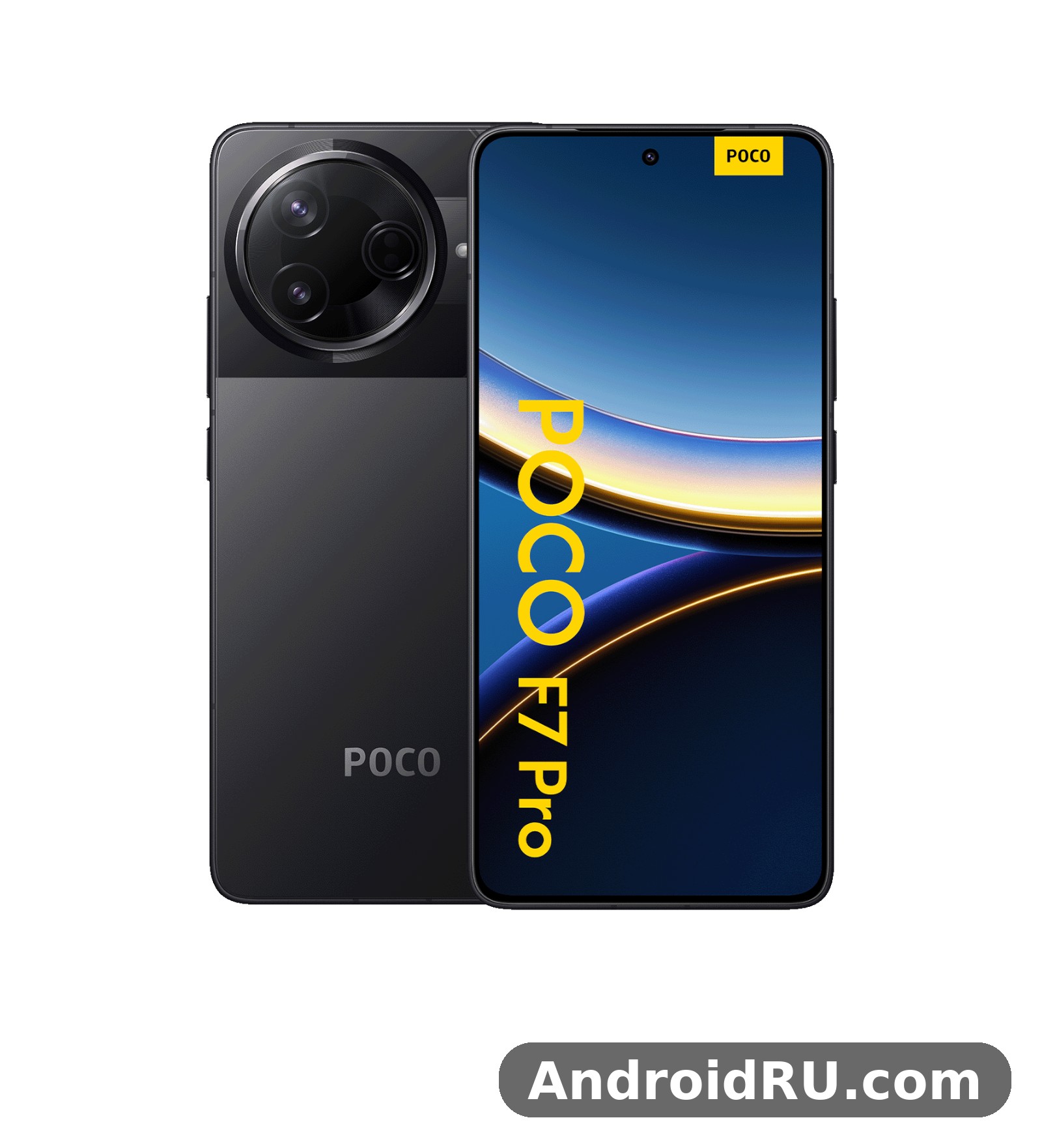
POCO F7 Pro for everyday use social media and multitasking is the right place to start, because that is how most owners will use it. Messaging, video, maps, email, photos and a game or two fill a normal day, and the phone handles that mix with ease. The POCO F7 Pro price and specifications full review 2025 picture also helps here: 12 GB of RAM, 256 GB or 512 GB of UFS 4.1 storage, a 6.67 inch 1440p AMOLED display and 90W wired charging put it ahead of many rivals at a similar price. The rest of this review tests each part in turn and ends with a full specification table, a balanced list of pros and cons, and answers to the questions buyers ask most often.
Design and Build Quality
POCO F7 Pro design is simple, solid and easy to live with. The front is protected by Corning Gorilla Glass 7i, the back is glass, and the frame is aluminium, so the phone feels firm in the hand and does not flex when you press the sides. At 160.3 x 75 x 8.1 mm, the POCO F7 Pro dimensions place it in the large phone group, and the POCO F7 Pro weight of 206 g gives it a planted feel without making it tiring to hold for a long video call. The camera area sits in a neat rounded square on the upper left of the back, and the flat sides make the phone easy to pick up from a table. It is smooth, fast and comfortable in the hand, and the matte style finish on the back keeps fingerprints less visible than a glossy panel would.
Everyday Handling and Grip
POCO F7 Pro aluminium frame glass back design and grip comfort work well together in daily use. The flat frame gives your fingers a clear edge to hold, while the slightly curved back edges stop the phone from digging into your palm. One handed use is possible for simple tasks, although the tall screen means you will often use two hands for typing and for reaching the top of the display. The power button and volume keys sit on the right edge where your thumb or finger finds them without looking. A case is still a good idea, because glass on both sides can be slippery on smooth surfaces, but the phone itself feels well made and balanced, with no loose buttons or uneven gaps around the frame.
Colours and Finish
POCO F7 Pro colours are Black, Blue and Silver. Black is the quiet choice and hides marks best, Blue adds a little character without looking loud, and Silver suits buyers who want a lighter, cleaner look. All three share the same glass back and aluminium frame, so the choice is about taste rather than grip or strength. The finish resists light smudges well, and a quick wipe brings the back to a clean state. If you use a clear case, the colour still shows through, which makes the choice worth a moment of thought before you buy.
Durability and Water Resistance
POCO F7 Pro IP68 water resistance test and durability results matter for buyers who use a phone in rain, at the gym or near a pool. The IP68 rating means the phone is dust tight and can be immersed in water up to 2.5 metres for 30 minutes under test conditions, which is a strong rating for this price group. That does not make it a diving camera, and soaps, hot water and salt water still need care, but a splash or a drop in a sink is far less worrying than on a phone with no rating. POCO F7 Pro durability is helped by the aluminium frame and the Gorilla Glass 7i front, which stand up to keys and coins in a pocket better than bare plastic. Readers who want to see how the standard model in this family is built can compare it with the POCO F7 Review: Photo Quality, Video and Performance before deciding which size and price fit them best.
Screen Protection in Daily Use
POCO F7 Pro Gorilla Glass 7i screen protection and scratch test notes from everyday use are positive. Small scratches from sand or grit are still possible on any glass, so a screen protector remains sensible, but normal pocket use and careful handling leave the display looking clean. The glass also helps the screen feel smooth under the finger, and the ultrasonic fingerprint sensor under the display works through it without a problem. Combined with the IP68 rating, the build gives buyers confidence that the phone can survive a normal, busy life rather than needing to be treated with extra care at all times.
Display Quality for Daily Use
POCO F7 Pro display quality is one of its strongest points. The 6.67 inch AMOLED panel shows 1440 x 3200 pixels at about 526 pixels per inch, so text looks crisp and photos show fine detail. POCO F7 Pro display quality AMOLED 120Hz HDR10 Plus support means motion is smooth, colours look rich, and supported video shows bright highlights and deep shadows. The panel reaches 1800 nits in high brightness mode and 3200 nits at peak, so it stays readable in strong sunlight. It is bright, sharp and easy to read outdoors, and the 3840 Hz PWM dimming helps the screen feel gentler on the eyes at low brightness in the evening.
Brightness Outdoors and Colour Accuracy
POCO F7 Pro 1440p display resolution sharpness and colour accuracy stand out when you compare the phone with rivals that use a lower resolution panel. Fine text in articles and books stays clean at small sizes, and maps and photos keep their detail when you zoom in. Colour modes in the settings let you pick a vivid look or a more natural one, and Dolby Vision and HDR10+ video from streaming apps looks lively without pushing skin tones too far. Outdoors, the high brightness mode lifts the screen enough to read messages and take photos in sunlight, which is a real daily benefit rather than a number that only matters in a test.
Smooth Scrolling and Eye Comfort
The 120 Hz refresh rate makes scrolling through feeds, web pages and photo galleries feel fluid, and the phone drops the rate when the screen is still to save power. Touch response is quick, so typing and swiping feel direct. At night, the high frequency PWM dimming and the dark mode in HyperOS 2 reduce strain during long reading sessions. The display also supports 68 billion colours, which helps gradients in photos and video look smooth instead of banded. For a phone that many buyers will look at for hours each day, this panel is a good match for the price.
Daily Performance and Gaming
POCO F7 Pro performance comes from the Qualcomm Snapdragon 8 Gen 3, a 4 nm chip with an octa core CPU running up to 3.3 GHz and the Adreno 750 GPU. POCO F7 Pro chipset choice is the key reason this phone feels fast: apps open quickly, the camera processes photos without delay, and heavy games run at high settings. POCO F7 Pro benchmarks from lab tests include an AnTuTu v10 score of about 2,065,265 and a Geekbench 6 multi core score of about 6661, which place it close to flagship phones from the same period. With 12 GB of RAM and UFS 4.1 storage, switching between apps is quick and large games load without long waits.
Gaming Sessions and Heat
POCO F7 Pro Snapdragon 8 Gen 3 gaming performance test use shows strong frame rates in popular titles at high graphics settings, with smooth play in long sessions. The phone warms up during demanding games, as every powerful phone does, but the heat stays manageable and the frame rate holds up well for typical play. POCO F7 Pro heating issue during long gaming sessions is a question many buyers ask, and in normal use the answer is reassuring: the phone gets warm rather than hot, and short breaks or a lower graphics setting keep it comfortable. POCO F7 Pro gaming is helped by the large, bright screen and the stereo speakers, which make games sound fuller without headphones. POCO F7 Pro overheating is not a common complaint in daily gaming, although very long sessions in a hot room will raise the temperature, as they would on any phone with this level of power.
Multitasking and App Loading
POCO F7 Pro UFS 4.1 storage speed and app loading time are quick in practice. Large apps open in a moment, photo galleries load thumbnails without stutter, and switching back to a game or a map after checking a message is fast. POCO F7 Pro multitasking with split screen and floating windows works well on the large display, and 12 GB of RAM keeps several apps ready in the background. POCO F7 Pro storage of 256 GB or 512 GB gives most buyers plenty of room, although there is no microSD card slot, so buyers who keep large offline video libraries should pick the 512 GB model. A POCO F7 Pro long term review after six months use would likely focus on this point: the speed stays, but the storage choice you make on day one is the one you live with.
Cameras: Photo and Video
POCO F7 Pro camera hardware is led by a 50 MP main camera with an f/1.6 lens, a 1/1.55 inch sensor, dual pixel autofocus and optical image stabilisation. An 8 MP ultrawide camera covers wide scenes, and a 20 MP front camera handles selfies and video calls. POCO F7 Pro camera quality in low light conditions is decent for this price, thanks to the large main sensor and the bright lens, and daylight photos show good detail and natural colour. POCO F7 Pro 50MP camera photo and video samples in reviews show clean edges, balanced exposure and pleasant colour in most scenes, with the main camera clearly ahead of the ultrawide in sharpness and low light work.
Main Camera in Daylight and at Night
In daylight the main camera produces sharp photos with good dynamic range, and the colour spectrum sensor helps white balance stay true in mixed light. POCO F7 Pro night mode camera comparison with rivals shows the phone holding its own: night shots are brighter and cleaner than the sensor size alone might suggest, with usable detail in shadows and controlled highlights from street lights. The ultrawide camera is best in good light, where it adds a useful wide view for buildings and landscapes, but it loses detail faster than the main camera as light falls. Portrait mode gives a pleasing background blur for people photos, and the camera app offers manual controls for buyers who want to set exposure themselves.
Video Recording and Selfies
POCO F7 Pro 8K video recording quality and stabilisation test use shows the phone can record 8K video at 24 frames per second, while 4K at 30 or 60 frames per second is the better choice for most buyers because it balances detail, file size and smooth motion. Gyro based stabilisation keeps walking footage steady, and 1080p slow motion at up to 960 frames per second is available for creative shots. POCO F7 Pro video from the main camera looks clean and stable, and the phone records HDR video with good colour. POCO F7 Pro selfie photos from the 20 MP front camera are sharp in good light, with natural skin tones and a usable portrait mode, and front video records at 1080p at 30 or 60 frames per second with stabilisation for calls and vlogs.
Battery Life and Charging
POCO F7 Pro battery life is built around a 6000 mAh lithium polymer battery, which is larger than the 5000 mAh cell found in many rivals. POCO F7 Pro 6000 mAh battery life and charging speed are central to the phone’s appeal: most buyers will reach the end of a busy day with charge left, and heavy users will still get through a full day in many cases. Lab testing recorded an active use score of about 13 hours and 51 minutes, which matches the feeling in daily use that the phone simply lasts. It is long battery life with very fast top-ups, a mix that suits travellers, gamers and anyone who does not want to think about a charger during the day.
A Full Day Away From the Charger
POCO F7 Pro 90W fast charging time from zero to full is about 37 minutes with the wired 90W charger, using PD3.0 and QC3+ support. A short top-up while you get ready in the morning adds a large amount of charge, which changes how you plan the day. POCO F7 Pro charging has no wireless charging, so buyers who rely on a wireless pad will need to keep using a cable, but the wired speed makes that trade-off easy to accept. POCO F7 Pro battery health after one year of daily charging should stay good if you avoid leaving the phone at 100 percent in heat for long periods and use the battery care settings in HyperOS 2. Readers who owned the earlier Pro model can see how battery priorities changed by checking the POCO F6 Pro Review: Cameras, Performance and Battery Life alongside this review.
Software, Sound and Connectivity
POCO F7 Pro software runs Android 15 with HyperOS 2. The interface is clean and fast, with a clear control centre, useful widgets and a good set of custom options for the always on display, icons and gestures. POCO F7 Pro HyperOS 2 software features and update policy include several years of system and security updates, which matter for buyers who plan to keep the phone for three years or more. POCO F7 Pro updates arrive regularly, and the phone supports the current Android feature set for privacy, notifications and app permissions. Some preinstalled apps can be removed, and the settings give clear control over notifications, battery use and data access.
POCO F7 Pro HyperOS 2 bloatware removal and battery optimisation tips are simple: remove the apps you do not use, turn off background activity for apps you rarely open, and use the battery saver only when you need extra hours. Those steps keep the phone fast and help the large battery last even longer. The interface stays smooth on the Snapdragon 8 Gen 3, and animations feel quick without looking rushed. Buyers who want a sense of how POCO software has changed over time can read the POCO F6 Review: Build Quality, Software and Daily Speed for a useful comparison with an earlier model.
Speakers, Audio and Calls
POCO F7 Pro speakers sound quality and stereo audio test results are good, with clear stereo speakers that stay clean at high volume and give games and video a wider sound. POCO F7 Pro speakers are loud enough for a room, and voices in calls and video sound clear. POCO F7 Pro audio supports 24-bit 192 kHz Hi-Res audio and Hi-Res Wireless audio, plus Snapdragon Sound, aptX HD, aptX Adaptive, aptX Lossless and LHDC 5 over Bluetooth, so wireless headphones sound detailed. POCO F7 Pro without headphone jack wireless audio alternatives are the practical route here, since there is no 3.5 mm jack: good Bluetooth earbuds or a USB-C adapter cover music and calls well. POCO F7 Pro dual SIM 5G network bands and call quality are strong, with wide 5G band support, dual Nano-SIM slots and clear call audio on mobile and Wi-Fi calls.
Connections and Security
POCO F7 Pro WiFi 7 Bluetooth 5.4 connectivity and NFC support cover the connections most buyers need. Wi-Fi 7 gives fast, stable wireless at home and in the office, Bluetooth 5.4 keeps headphones and watches connected reliably, and NFC handles contactless payments and quick pairing. The phone also has an infrared port for controlling a TV or air conditioner, GPS with L1 and L5 bands for accurate maps, and USB Type-C with OTG. POCO F7 Pro connectivity is rounded out by dual band Wi-Fi Direct and a full set of positioning systems. POCO F7 Pro fingerprint sensor and face unlock speed are both quick: the ultrasonic fingerprint sensor under the display unlocks fast, and face unlock works well in good light. POCO F7 Pro ultrasonic fingerprint sensor accuracy in wet hands is better than older optical sensors, although very wet fingers can still need a second try. POCO F7 Pro fingerprint setup takes a minute and is worth doing carefully, since a good enrolment makes daily unlocking faster.
Full Specifications
POCO F7 Pro specs in full are listed below. POCO F7 Pro price at launch was about 530 US dollars, 409 euros and 372 pounds, with the exact POCO F7 Pro 512GB storage variant price and availability varying by country and by shop. The table covers network, body, display, platform, memory, cameras, sound, connections, sensors, battery and colours, so buyers can check every detail in one place before they decide.
| Feature | POCO F7 Pro |
|---|---|
| Network | GSM, HSPA, LTE, 5G; 5G bands 1, 2, 3, 5, 7, 8, 20, 26, 28, 38, 40, 41, 48, 66, 77, 78 SA and NSA |
| Launch | Announced 27 March 2025; released 27 March 2025 |
| Body | 160.3 x 75 x 8.1 mm; 206 g; glass front with Gorilla Glass 7i, glass back, aluminium frame; dual Nano-SIM; IP68 dust and water resistant up to 2.5 m for 30 min |
| Display | 6.67 inch AMOLED, 68B colours, 120 Hz, 3840 Hz PWM, Dolby Vision, HDR10+, 1800 nits high brightness mode, 3200 nits peak; 1440 x 3200 pixels, 20:9, about 526 ppi; Corning Gorilla Glass 7i |
| Platform | Android 15, HyperOS 2; Qualcomm SM8650-AB Snapdragon 8 Gen 3, 4 nm; octa-core CPU, 1×3.3 GHz Cortex-X4, 3×3.2 GHz Cortex-A720, 2×3.0 GHz Cortex-A720, 2×2.3 GHz Cortex-A520; Adreno 750 GPU |
| Memory | No card slot; 256 GB with 12 GB RAM, 512 GB with 12 GB RAM; UFS 4.1 |
| Main camera | Dual: 50 MP, f/1.6, 24 mm wide, 1/1.55 inch, 1.0 micrometre, dual pixel PDAF, OIS; 8 MP, f/2.2 ultrawide; colour spectrum sensor, LED flash, HDR, panorama; video 8K at 24 fps, 4K at 24, 30 and 60 fps, 1080p at 30, 60, 120, 240 and 960 fps, gyro-EIS |
| Selfie camera | 20 MP wide; HDR; video 1080p at 30 and 60 fps, gyro-EIS |
| Sound | Stereo loudspeakers; no 3.5 mm jack; 24-bit 192 kHz Hi-Res and Hi-Res Wireless audio; Snapdragon Sound |
| Comms | Wi-Fi 802.11 a, b, g, n, ac, 6e, 7, dual-band, Wi-Fi Direct; Bluetooth 5.4, A2DP, LE, aptX HD, aptX Adaptive, aptX Lossless, LHDC 5; GPS L1 plus L5, GLONASS, BDS, GALILEO, QZSS, NavIC; NFC; infrared port; USB Type-C, OTG |
| Features | Fingerprint sensor under display, ultrasonic; accelerometer, proximity, gyro, compass |
| Battery | Li-Po 6000 mAh; 90W wired charging, PD3.0, QC3+, 100 percent in about 37 min |
| Colours and model | Black, Blue, Silver; model 24117RK2CG |
Pros and Cons
The balance of strengths and weaknesses is clear after a full look at the phone. A POCO F7 Pro long term review after six months use would still point to the same strengths: speed, screen and battery life hold up, while the camera limits and the lack of wireless charging stay as the main trade-offs. The list below sums up the position for buyers who want a quick verdict before reading the answers to common questions.
Pros
- Fast Snapdragon 8 Gen 3 performance for games and multitasking
- Sharp 6.67 inch 1440p AMOLED display with 120 Hz, Dolby Vision and high brightness
- Large 6000 mAh battery with 90W wired charging in about 37 minutes
- Strong 50 MP main camera with OIS for daylight and night photos
- IP68 water resistance, Gorilla Glass 7i and an aluminium frame
- Good stereo speakers, Wi-Fi 7, Bluetooth 5.4, NFC and an ultrasonic fingerprint sensor
Cons
- No wireless charging
- No 3.5 mm headphone jack and no microSD card slot
- Ultrawide camera is weaker than the main camera, mainly in low light
- Some preinstalled apps need removal after setup
- Large size and 206 g weight will feel big in small hands
FAQ
Is the POCO F7 Pro good for daily use?
Yes. The Snapdragon 8 Gen 3, 12 GB of RAM, bright 1440p display and 6000 mAh battery make it a strong daily phone for messaging, video, maps, photos and games. The IP68 rating and the ultrasonic fingerprint sensor add practical value, and HyperOS 2 is fast and easy to use. Buyers who want a phone that stays quick through a long day will find it a good fit.
Does the POCO F7 Pro overheat when gaming?
It warms up during long, demanding games, but it does not commonly overheat in normal play. Frame rates stay smooth at high settings, and the heat stays at a level most players find comfortable. Playing in a cool room, taking short breaks and lowering the graphics setting a step will keep temperatures down during very long sessions.
How long does the POCO F7 Pro battery last?
Most buyers will get through a full day with charge left, and lighter users can stretch it further. Lab testing recorded about 13 hours and 51 minutes of active use, and the 6000 mAh cell is larger than the battery in many rivals. When it does run low, 90W wired charging fills it in about 37 minutes, so a short charge is enough to finish the day.
Is the POCO F7 Pro worth buying in 2026?
For many buyers, yes. If you ask whether POCO F7 Pro is it worth buying in 2026, the answer depends on price and on what you value: the Snapdragon 8 Gen 3 is still fast, the display and battery are still strong, and the camera is good for everyday photos. Buyers who want the newest chip or a stronger zoom camera should look at newer flagships, but buyers who want flagship speed for less money will still find this phone good value.
What is the POCO F7 Pro price and which variant should I choose?
Launch pricing was about 530 US dollars, 409 euros and 372 pounds, and prices have fallen in many places since launch. The 256 GB model suits most buyers, while the 512 GB model suits buyers who keep many games, photos and offline videos. Both models have 12 GB of RAM, so performance is the same. Check the POCO F7 Pro 512GB storage variant price and availability in your country before you buy, since prices and stock vary.
POCO F7 Pro verdict: this is a strong all-round package for the price, with flagship speed, a sharp bright display, a large battery and fast charging. POCO F7 Pro value is strongest for buyers who play games, watch a lot of video and want a phone that lasts a full day without worry. POCO F7 Pro alternatives include newer flagships for buyers who want the latest chip, and the standard model in the same family for buyers who want a lower price. POCO F7 Pro vs POCO F7 Ultra which one to buy is a fair question: the Ultra adds a faster chip and a stronger camera system for more money, so buyers who want the best in the family should read the POCO F7 Ultra Review: Design, Software and Camera Quality and compare prices first. Buyers who want the best value in the F7 family will find the Pro hard to beat. Long time POCO buyers can also look back at the POCO F5 Pro Review: Design, Software and Camera Quality to see how far the series has come in design, speed and battery life.

