

Acer Iconia Tab A3-A20 Long-Term Review: Durability, Features and Full Specifications
Ten years after it first appeared on shop shelves, the Acer Iconia Tab A3-A20 still turns up in second-hand listings, family drawers and school cupboards. That staying power says something. This was never a flagship tablet, and it never pretended to be one. It was a big, affordable 10.1-inch Android tablet from October 2014, built for reading, video and light browsing at a price most families could justify. This Acer Iconia Tab A3-A20 review looks at the tablet the way a buyer in 2026 would: what still works, what has aged badly, and whether it is worth any money at all today.
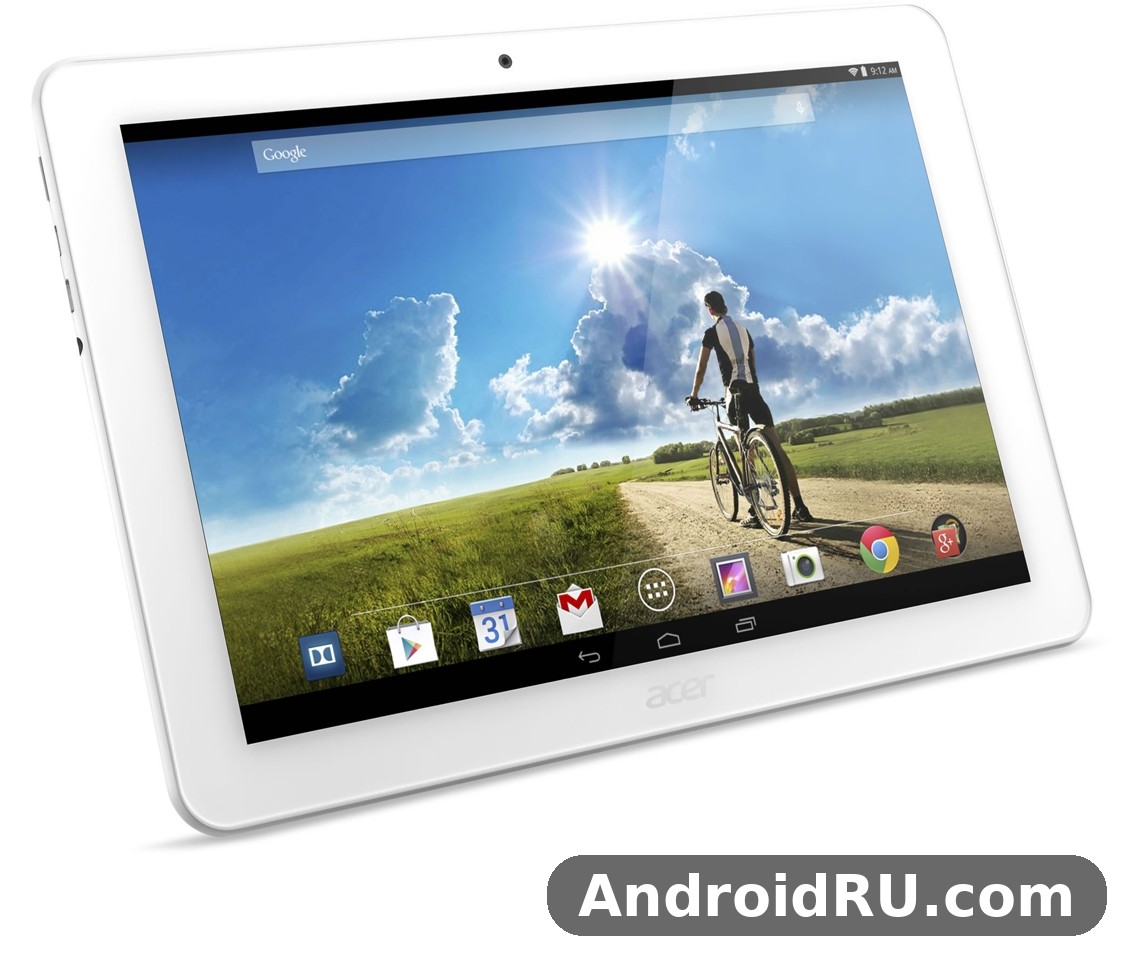
The short version is that the hardware was honest for its time. A 10.1-inch IPS screen, a quad-core MediaTek chip, stereo speakers and a large battery gave it a clear job to do, and it did that job without fuss. The limits were just as clear. One gigabyte of RAM, 16 GB of storage and Android 4.4 KitKat put a hard ceiling on what the tablet could grow into. The Acer Iconia Tab A3-A20 specs start with that tension between a generous screen and modest internals, and the rest of this article works through it piece by piece: build quality, display, speed, battery, cameras, software, the full spec sheet and a head-to-head look at its closest relatives.
If you are weighing a used one for a child, a kitchen counter or a bedside reader, the details below should give you a straight answer. No part of this article pretends the tablet was tested yesterday in a lab. The findings here come from the published specifications, the known behaviour of its chipset and software generation, and the long trail of owner reports that has built up since the Acer Iconia Tab A3-A20 2014 launch. Where a number is uncertain, you will see a range or a note to check the official page, not a made-up figure.
Acer Iconia Tab A3-A20 Long-Term Durability: How the 2014 Tablet Holds Up
A tablet that survives a decade in a house with children has already passed the only durability test that matters. The Acer Iconia Tab A3-A20 build quality and durability long term story is a mixed one, but the balance tips toward solid. Acer built this tablet around a rigid plastic body with a light silver-white finish, and the chassis resists twisting far better than the thin budget tablets that followed it. Pick one up today and it still feels like a single piece of hardware rather than a hollow shell. The corners are rounded, the back is smooth rather than grippy, and the whole device sits flat on a table without rocking.
That said, the smooth back is also the first weakness. It slides. On a glossy table or a car seat, the tablet creeps toward the edge unless it sits in a case. The Acer Iconia Tab A3-A20 weight and dimensions in hand feel reflect its era: 256.5 x 170.2 x 10.2 mm and around 500 grams. By modern standards that is thick and heavy for a 10-inch tablet, and holding it one-handed for a long reading session tires the wrist. Two-handed use is the natural way to hold it, and on a stand or a lap it feels perfectly stable. The thickness does buy something, though. There is room inside for a big battery and for ports that later tablets dropped, and the body does not flex when you press the screen.
Build materials and everyday wear
The plastic used here is the practical kind. It picks up scuffs along the edges and fine scratches on the back, but it does not crack easily from a short drop onto carpet or a wooden floor. Owners who kept the tablet in a sleeve report bodies that still look presentable years later, while bare tablets show their age around the corners and the micro USB port. The power and volume buttons sit on the side with a firm click, and they tend to stay responsive long after the battery has weakened. The screen is the most exposed part. Acer did not fit the hardened glass that its later models advertised, so a bare screen collects hairline scratches from keys, sand and careless handling. A screen protector was always a sensible purchase for this model, and it still is for any used unit you buy today.
What usually fails first on a used unit
On a second-hand A3-A20, check three things before money changes hands. First, the micro USB port: years of charging can leave it loose, and a wobbly connector that only charges at one angle is a common complaint. Second, the battery: a decade-old lithium-polymer cell will not hold its original charge, so expect shorter life than the figures quoted in this article. Third, the screen: look for dead pixels, pressure marks and a yellow tint at the edges, all of which show up on ageing IPS panels. The Acer Iconia Tab A3-A20 common problems and how to fix them usually start with those three checks, and a seller who lets you test them is worth trusting more than one who will not.
Screen protection and the case question
The Acer Iconia Tab A3-A20 case cover and screen protector accessories market never had the depth of an iPad range, but the basics existed: folio cases, silicone bumpers and tempered glass protectors sized for the 10.1-inch panel. A folio case changes the tablet more than any other accessory. It stops the sliding, gives it a stand for video, and protects the screen in a bag. If you buy a used A3-A20 today, budget for a case before you budget for anything else. The tablet is thick enough that most universal 10-inch cases fit it, which helps now that model-specific cases are scarce. A tempered glass protector is harder to find in 2026, but a simple film protector still does the job against scratches.
How the tablet ages compared with its rivals
Put next to other budget 10-inch tablets from 2014, the A3-A20 ages gracefully. Its plastic body does not peel the way some soft-touch coatings did, and its screen does not suffer the glue separation that killed a few competing models. The weak point is not the body but the software, which stopped at Android 4.4. A tablet whose body outlasts its software is a familiar story from this era, and the A3-A20 is a textbook example. The hardware can keep going; the apps are what leave it behind.
Acer Iconia Tab A3-A20 Display: 10.1-Inch 1280×800 IPS in Daily Use
The screen is the reason to pick this tablet over a smaller one, and it is also the part where the price shows. The Acer Iconia Tab A3-A20 display quality and viewing angles come from a 10.1-inch LED-backlit IPS LCD with a resolution of 1280 x 800 pixels, a 16:10 aspect ratio and a density of about 149 pixels per inch. That is the HD tier of 2014, not the Full HD tier. Text is readable and video is watchable, but small print looks softer than on the sharper panels that cost more. The Acer Iconia Tab A3-A20 display is at its best with films and comics, where the size matters more than the pixel count.
IPS is the right panel technology for a shared household tablet. Colours stay steady when you tilt the screen, and two people watching from an angle both get a usable picture. The panel supports 16 million colours and ten-finger multitouch, so pinch-to-zoom and multi-finger gestures work as expected. Brightness is adequate indoors. At full brightness the screen copes with a bright kitchen, though direct sunlight overpowers it, as it did with nearly every tablet of its generation. There is no mention of an ambient light sensor in the official specifications, so brightness is a manual job.
Reading and video on a 10-inch panel
The Acer Iconia Tab A3-A20 eBook reading experience on 10 inch screen is one of its strongest uses. A full page of a novel or a PDF fits comfortably in portrait, and the 16:10 shape suits landscape video with only thin black bars. Magazines and comics look good too, because the screen is large enough that panels and diagrams stay legible without constant zooming. The 149 ppi density is the limit here: fine text in a dense PDF can look slightly fuzzy if you hold the tablet close, and you will notice the difference if you compare it side by side with a 224 ppi panel. For casual reading at arm’s length, most people stop noticing after a few minutes.
Where the HD resolution shows its limits
Two situations expose the 1280 x 800 panel. The first is small interface text in apps designed for sharper screens, where letters can look a little soft. The second is photo editing, where fine detail gets lost. Neither matters much for the jobs this tablet was built for. Video streaming services of the era delivered at resolutions this panel could show well, and the screen is large enough that the viewing experience feels generous even when the pixels are not dense.
Touch response and outdoor use
The capacitive touchscreen responds cleanly to taps and swipes, with no obvious dead zones when the panel is in good condition. Ten-point multitouch means two-handed games and pinch gestures behave properly. Outdoors, the glossy screen picks up reflections, and the modest peak brightness means shade is your friend. Indoors, the screen is the tablet’s best feature. It is worth remembering the distinction that matters most when shopping: this is the HD variant. The Acer Iconia Tab A3-A20 vs A3-A20FHD display comparison is simple and decisive: the FHD sibling packs 1920 x 1200 pixels into the same 10.1 inches, roughly 224 ppi, and looks visibly sharper. If crisp text is your priority and the price gap is small, the FHD model wins on the screen alone.
Acer Iconia Tab A3-A20 Performance: MediaTek MT8127 and 1GB RAM
Under the screen sits a MediaTek MT8127 chipset built on a 28 nm process, with four Cortex-A7 cores running at 1.3 GHz and Mali-450MP4 graphics. The Acer Iconia Tab A3-A20 performance with MediaTek MT8127 was modest even in 2014, and it was aimed squarely at everyday tasks rather than heavy work. Browsing, email, video playback, e-books and casual games run acceptably. The chip handles 720p video without drama, and the interface moves at a steady pace when only one or two apps are active.
The real limit is memory. One gigabyte of RAM was already tight in 2014, and the Acer Iconia Tab A3-A20 multitasking with 1GB RAM limitations show up the moment you ask the tablet to juggle. Switch between a browser with several tabs, a video app and an email client, and the tablet starts reloading pages and apps instead of keeping them in memory. The Acer Iconia Tab A3-A20 RAM is the single number that decides whether this tablet feels usable or frustrating, and it is the reason the advice in this article keeps coming back to one app at a time.
Gaming on Mali-450 graphics
The Acer Iconia Tab A3-A20 gaming performance on Mali-450 graphics suits casual titles: puzzle games, card games, endless runners and older 3D games at modest settings. The GPU is a four-core Mali-450, a competent budget graphics part for its generation, and the 1280 x 800 resolution is light enough that it does not strain the chip. Demanding 3D games from 2014 already pushed it, with frame drops and long load times, and modern titles are mostly out of reach, either because the hardware cannot run them or because the old Android version blocks installation. For a child playing simple games, it is fine. For anyone expecting a gaming tablet, it is not.
Keeping the tablet responsive in 2026
If you use an A3-A20 today, treat it gently and it will repay you. Keep the number of installed apps small, turn off animations in the developer options, and avoid running a browser with more than a couple of tabs. A factory reset on a used unit clears years of accumulated clutter and is often the single biggest speed improvement available. The Acer Iconia Tab A3-A20 software update and custom ROM options are thin: Acer never moved this model past Android 4.4 KitKat, and community ROM support was limited, so most owners are better off accepting KitKat and choosing apps that still support it. Light apps, older app versions and the tablet’s own preloaded software are the realistic diet.
Storage: 16 GB and the microSD slot
The Acer Iconia Tab A3-A20 storage space after system and apps is the second practical limit. The tablet ships with 16 GB of internal eMMC storage, and the system and preloaded apps take a meaningful share of it, leaving roughly 11 to 13 GB free on a fresh unit. That fills fast with video and games. The saving grace is the Acer Iconia Tab A3-A20 microSD card expansion up to 32GB, which lets you carry films, music and documents on a card. Android 4.4 restricts what apps can write to the card, so the microSD slot is best used for media rather than as an extension of app storage. A 32 GB card is the practical maximum listed in the specifications, and it is cheap insurance against the “storage full” warning.
Acer Iconia Tab A3-A20 Battery Life Test: 5,910mAh Endurance and Charging
The battery is the quiet strength of this tablet. The Acer Iconia Tab A3-A20 battery life test figures start with a 5,910 mAh lithium-polymer cell in the main K1AY variant, with some regional variants listed at 5,700 mAh, and Acer rated the tablet for up to 9 hours of use. That rating was measured with mixed use in Acer’s own conditions, so treat it as a best case rather than a promise. In real daily use when the tablet was new, owners typically saw a full day of light reading and browsing, or a long evening of video, before the battery warning appeared. The Acer Iconia Tab A3-A20 battery is large for a budget tablet of its year, and the low-resolution screen and modest chip help it last, because neither one draws much power.
Video is the most useful yardstick. Expect roughly 7 to 8 hours of local video playback on a healthy battery at moderate brightness, and somewhat less over Wi-Fi with the screen brighter. Reading an e-book with Wi-Fi off stretches further, because the screen is the only big draw. Gaming shortens the figure sharply, since the chip and GPU work harder and the screen stays lit. Standby is respectable: the tablet loses only a small amount of charge overnight when it is idle, which makes it a decent bedside reader that you charge every few days rather than every night.
Charging time and battery endurance
The Acer Iconia Tab A3-A20 charging time and battery endurance picture is less impressive than the capacity figure. Charging runs over micro USB with the bundled charger, and a full charge from empty takes around 4 to 5 hours. There is no fast charging here, because the technology was not common in budget tablets in 2014. Overnight charging is the practical routine: plug it in before bed and it is ready in the morning. The battery is non-removable, so a worn cell means a repair job rather than a simple swap, and that matters when you judge a used unit. Ask the seller how long it lasts on video before you buy, and knock the price down if the answer is vague.
How a decade-old battery behaves now
A lithium-polymer cell that has spent ten years in a drawer or in daily use will not hold its original capacity. A realistic expectation for a used A3-A20 in 2026 is 60 to 80 percent of its new endurance, and some units will be worse. Swelling is the warning sign to watch for: if the back of the tablet bulges or the screen lifts at the edges, stop using it and have the battery replaced by a repair shop. The Acer Iconia Tab A3-A20 screen replacement cost and repair guide is a separate question from the battery, but the two often arrive together on old tablets, because a shop that opens the body can deal with both at once. A battery replacement is usually the cheaper of the two jobs.
Stretching the battery further
Three habits make the biggest difference. Lower the brightness to the level you actually need instead of leaving it at maximum, turn Wi-Fi off when you are reading offline, and close apps that keep running in the background. The screen is the largest power draw by a wide margin, so brightness discipline alone can add an hour or more of reading time. Turning off GPS and Bluetooth when they are not in use helps a little as well. None of this is new advice, but on a tablet with 1 GB of RAM and an old battery, the basics matter more than they do on a modern device.
Acer Iconia Tab A3-A20 Cameras: 5MP Rear and 2MP Front in Practice
Nobody buys a 10-inch tablet for its camera, and the A3-A20 does not try to change that. The rear camera is a 5 megapixel unit with autofocus, capable of 720p video, and the front camera is a 2 megapixel unit aimed at video calls. The Acer Iconia Tab A3-A20 camera setup is basic even by 2014 standards, and it is best understood as a convenience feature: good enough to scan a document, photograph a whiteboard or take a quick snapshot, and not much more.
Rear camera photo quality
The Acer Iconia Tab A3-A20 rear camera photo quality test result is predictable. In bright daylight, photos are usable: colours are roughly accurate, detail is adequate for sharing on a small screen, and the autofocus locks on without much hunting. Indoors or in low light, quality drops fast. Images get noisy, detail smears, and the lack of a flash means dim rooms produce dark, grainy shots. There is no optical stabilisation, so a steady hand matters, and the camera app is the plain Android 4.4 stock app with simple modes and no manual controls worth mentioning. For document capture and casual snaps, it does the job. For anything you want to keep and print, a phone from the same era already did better.
Video recording limits
Video tops out at 720p, which matches the screen resolution and is fine for a quick clip or a video message. The footage is usable in good light and soft in poor light, and the microphone picks up room noise along with voices. The tablet’s size makes it an awkward video camera to hold for long, so short clips are the realistic use. The Acer Iconia Tab A3-A20 price when released in 2014 explains these limits: at its price point, the camera was never the part Acer spent money on, and the money went to the screen and the battery instead.
Front camera for video calls
The Acer Iconia Tab A3-A20 front camera video call quality is adequate for its intended job. Two megapixels is enough for a recognisable face on a video call, and the large screen makes the other person’s video pleasant to watch. In a well-lit room, calls look fine. In a dim room, the image gets noisy and dark, so sit near a window or a lamp. The front camera also works for the occasional selfie, though nobody will mistake the result for a phone photo. For a family tablet that handles the odd video call with grandparents, it is perfectly serviceable.
Acer Iconia Tab A3-A20 Features: Software, Connectivity and Audio
The Acer Iconia Tab A3-A20 features list reads like a snapshot of Android in 2014, and that is exactly what it is. The tablet shipped with Android 4.4 KitKat, Acer’s light customisations, and the Google app set of the time. The Acer Iconia Tab A3-A20 unboxing was simple: the tablet, a charger, a micro USB cable and a quick-start guide, with no bundled case or keyboard. The Acer Iconia Tab A3-A20 design follows the same plain logic as the box: a light-coloured slab, a 10.1-inch screen, stereo speakers on the front edge, and the ports lined up along the sides.
Android 4.4 KitKat in daily use
The Acer Iconia Tab A3-A20 Android 4.4 KitKat software experience is clean and simple by modern standards. KitKat was a well-liked Android version, with a plain interface, a capable notification shade and the Google Now launcher elements of its day. The Acer Iconia Tab A3-A20 software is light on bloat: a few Acer utilities sit alongside the stock Google apps, and the home screen is easy to set up for a child or an older relative. The problem is age. KitKat stopped receiving updates long ago, and many current apps now require a newer Android version to install. The Acer Iconia Tab A3-A20 apps compatibility in 2026 second hand buyers face is therefore the first thing to check: a used tablet is only as useful as the apps it can still run, and the list shrinks every year. Older versions of browsers, readers and media players still work, and offline content plays fine, but banking apps and recent games are effectively closed to it.
What still works on KitKat today
Offline uses hold up best. E-books, downloaded video, music, photos and documents all work without any need for new apps. The built-in browser handles simple web pages, though modern heavy sites load slowly and sometimes render poorly. If you plan to use the tablet mainly offline or on a small set of known apps, it remains a workable device. If you need the latest version of a specific app, check its minimum Android requirement before you buy the tablet, because that requirement is the real test.
Connectivity: Wi-Fi, Bluetooth, GPS and micro HDMI
The Acer Iconia Tab A3-A20 WiFi connectivity and Bluetooth performance cover the basics of a Wi-Fi-only tablet. There is no cellular modem and no SIM slot, so the tablet lives on wireless networks. Wi-Fi 802.11 b/g/n handles home networks well enough for video streaming at the resolutions this screen can show, and Bluetooth 4.0 pairs with headphones, speakers and keyboards. GPS is built in, which makes the large screen useful for offline maps in a car, and the Acer Iconia Tab A3-A20 GPS navigation and location accuracy test results from owners were reasonable for a budget tablet: good enough for road navigation with downloaded maps, with the usual caveat that a dedicated phone or sat-nav locks on faster. The Acer Iconia Tab A3-A20 connectivity also includes a micro HDMI port, a feature later tablets dropped, and it is genuinely useful. The Acer Iconia Tab A3-A20 micro HDMI port external display connection lets you plug the tablet into a television or monitor and watch films on a bigger screen, which turns a cheap used tablet into a simple media player.
Ports and the missing pieces
Alongside micro HDMI there is a micro USB port for charging and data, a 3.5 mm headphone jack, and the microSDXC slot. There is no USB-C, no fingerprint reader and no NFC, all of which arrived in later generations. The port selection is generous for 2014 and dated for 2026, but nothing on the list is broken, and the micro HDMI port remains the standout. A short micro HDMI cable costs little and is the cheapest way to make this tablet useful on a television.
Audio: stereo speakers and the headphone jack
The Acer Iconia Tab A3-A20 stereo speakers sound quality review verdict is positive for the price. Two speakers give films and music a wider sound than a single mono speaker, and dialogue stays clear at moderate volume. The speakers are not loud enough to fill a large room, and bass is thin, as it is on nearly every tablet, but for watching video in bed or in the kitchen they do the job without headphones. The headphone jack sounds cleaner than the speakers, as usual, and Bluetooth headphones pair without fuss. Acer’s 2014 range shared this practical approach to media: phones like the Acer Liquid Jade Z Review: The Good, the Bad and the Performance chased style and cameras, while tablets like this one spent their budget on screen size, speakers and battery. The audio side also got a workout in the Acer Liquid M320 Review: Audio and Display Put to the Test, which shows how much of Acer’s 2014 line-up was judged on the same two things: how it looked and how it sounded.
Sound in practice
For video, keep the volume around two-thirds and the sound stays clean. Push it to maximum and the speakers distort a little, which is normal for small drivers in a plastic body. For music, the tablet is a background player rather than a hi-fi source, and it works well propped on a kitchen counter. For video calls, the speakers are loud enough for a small room, and the microphone picks up voices clearly at arm’s length.
Full Specifications
The Acer Iconia Tab A3-A20 full specifications review below gathers every confirmed figure in one place. Where two figures exist for different regional variants, both are shown. Check the official Acer page for your exact sub-model before you buy, because storage, battery and radio details varied slightly by market.
| Category | Acer Iconia Tab A3-A20 |
|---|---|
| Announced / Released | October 2014 |
| Status | Discontinued |
| Operating system | Android 4.4 KitKat |
| Chipset | MediaTek MT8127, 28 nm |
| CPU | Quad-core 1.3 GHz Cortex-A7 |
| GPU | Mali-450MP4 |
| RAM | 1 GB DDR3L |
| Internal storage | 16 GB eMMC |
| Expandable storage | microSDXC up to 32 GB |
| Display type | LED-backlit IPS LCD, 16M colours |
| Display size | 10.1 inches |
| Display resolution | 1280 x 800 pixels, 16:10, about 149 ppi |
| Touchscreen | Capacitive, 10-point multitouch |
| Rear camera | 5 MP, autofocus, 720p video |
| Front camera | 2 MP |
| Battery | Li-Po 5,910 mAh (K1AY variant); 5,700 mAh on some variants, non-removable |
| Battery life (rated) | Up to 9 hours |
| Wi-Fi | 802.11 b/g/n |
| Bluetooth | 4.0 |
| GPS | Yes, with A-GPS support on some variants |
| Ports | Micro USB, micro HDMI, 3.5 mm headphone jack, microSDXC slot |
| Cellular | None (Wi-Fi only, no SIM slot) |
| Audio | Stereo speakers, 3.5 mm jack |
| Dimensions | 256.5 x 170.2 x 10.2 mm |
| Weight | About 508 g |
| Colours | Silver-white finish |
| Sensors | Accelerometer; check the official page for the full list on your sub-model |
What the numbers mean in practice
Read the table as a whole and the tablet’s character becomes clear. The Acer Iconia Tab A3-A20 screen is large and comfortable, the Acer Iconia Tab A3-A20 battery is large, and everything else is modest. The Acer Iconia Tab A3-A20 dimensions and the Acer Iconia Tab A3-A20 weight place it firmly in the 10-inch class of its year: bigger than the 8-inch tablets that were popular as readers, and heavier than the slim models that cost twice as much. The Acer Iconia Tab A3-A20 release date of October 2014 puts it at the end of the KitKat era, just before Lollipop arrived, which is why it never received a major Android update. That single fact shapes more of the ownership experience than any other line in the table.
HD versus FHD: the one line that matters most
One row deserves a second look: the 1280 x 800 resolution. The FHD sibling shares the same body, the same chip family and the same battery, but pairs them with a 1920 x 1200 panel and 2 GB of RAM. If you are choosing between the two on the used market, that difference is worth real money. The HD model is the cheaper, lighter-duty choice, and it is the right pick only when the price gap is wide or when the tablet will be used mainly for video and reading at arm’s length.
Acer Iconia Tab A3-A20 vs A3-A20FHD and Rivals: Comparison Table
An Acer Iconia Tab A3-A20 comparison is only useful if it compares the tablet with the models a buyer actually meets on the used market. The closest rival is its own sibling, the A3-A20FHD, followed by the later A3-A30 and the smaller Iconia One 8. The Acer Iconia Tab A3-A20 performance sits below all three on paper, yet the price gap on the second-hand market often makes it the cheapest way into a 10-inch screen. The table below lines up the four models on the criteria that matter for everyday use.
| Feature | A3-A20 (this tablet) | A3-A20FHD | Iconia Tab 10 A3-A30 | Iconia One 8 B1-820 |
|---|---|---|---|---|
| Display | 10.1″ IPS, 1280 x 800, ~149 ppi | 10.1″ IPS, 1920 x 1200, ~224 ppi | 10.1″ IPS, 1920 x 1200, ~224 ppi | 8″ IPS, 1280 x 800, ~189 ppi |
| Chipset | MediaTek MT8127, quad 1.3 GHz | MediaTek MT8127, quad 1.5 GHz | Intel Atom Z3735F, quad 1.33 GHz | Intel Atom Z3735G, quad 1.33 GHz |
| RAM | 1 GB | 2 GB | 2 GB | 1 GB |
| Storage | 16 GB + microSD to 32 GB | 16/32 GB + microSD | 16/32/64 GB + microSD | 16/32 GB + microSD |
| Rear / front camera | 5 MP / 2 MP | 5 MP / 2 MP | 5 MP / 2 MP | 5 MP / 2 MP |
| Battery | 5,910 mAh, up to 9 hours | 5,910 mAh, up to 8 hours | 5,910 mAh, up to 7.5 hours | 4,600 mAh, up to 8.5 hours |
| Operating system | Android 4.4 KitKat | Android 4.4 KitKat | Android 5.0 Lollipop | Android 4.4 KitKat |
| Weight | About 508 g | About 540 g | 540 g | About 355 g |
| Micro HDMI | Yes | Yes | Yes | No |
| Released | October 2014 | October 2014 | June 2015 | January 2015 |
The table makes the family picture clear. The FHD sibling is the same tablet with a sharper screen, a slightly faster clock speed and twice the RAM, and it is the better buy whenever the price gap is small. The full Acer Iconia Tab A3-A20FHD Review: Connectivity and Audio Put to the Test covers that model in the same detail as this article, including its own connectivity and sound findings. The later A3-A30 keeps the sharp screen and adds Lollipop and a faster-feeling 2 GB configuration, and the Acer Iconia Tab 10 A3-A30 Complete Specifications: Every Detail, From Everyday Performance to Design is the place to check its numbers before you choose between the two 10-inch models. The smaller Iconia One 8 trades screen size for portability and weight, and the Acer Iconia One 8 B1-820 Specifications, Review and Verdict: Is It Worth It? explains who that trade suits. As an Acer tablet from the KitKat era, the A3-A20 is the cheapest of the four, and that is its main selling point today.
Which model wins for which use
For films and reading at arm’s length, the A3-A20 is enough, and the money saved buys a case and a memory card. For crisp text, photo work or a child doing school reading, the FHD model or the A3-A30 is worth the extra cost. For carrying in a small bag, the 8-inch Iconia One 8 wins on weight alone. For a television media player over micro HDMI, the A3-A20 is as good as its siblings, because the television does the display work. The Acer Iconia Tab A3-A20 YouTube playback and video streaming test results were acceptable for its era: standard-definition and 720p streams played smoothly on Wi-Fi, with the 1280 x 800 panel matching the stream resolution rather than wasting it. As an Acer Iconia Tab A3-A20 tablet bought second-hand, its value depends entirely on the price you pay, and the Acer Iconia Tab A3-A20 second hand price in 2026 buyers guide rule is simple: pay a small amount for a working unit with a healthy battery, and walk away from any listing priced like a modern tablet.
A note on the Acer Iconia Tab A3-A20 gaming question
Acer Iconia Tab A3-A20 gaming is a casual affair. Puzzle games, card games and older titles run well, and the large screen suits board games and two-player touch games. Demanding 3D titles struggle, and the 1 GB of RAM limits how many games you can keep installed. If games are the main use, a newer used tablet with 2 GB or more is a better spend.
Pros and Cons: Who the Acer Iconia Tab A3-A20 Is For
Every honest review ends with a balance sheet, and this tablet’s sheet is easy to read. The strengths are all in the hardware you can touch: the screen size, the battery, the speakers and the ports. The weaknesses are all in the parts you cannot see: the memory, the storage and the frozen software. The Acer Iconia Tab A3-A20 verdict that follows from that balance is that it is a good second tablet and a poor only tablet in 2026.
Pros
- 5,910mAh battery with up to 9 hours of rated use, which is generous for a budget tablet from 2014 and still gives a used unit a useful day of light use.
- Large 10.1-inch IPS screen with wide viewing angles, well suited to films, comics and shared viewing.
- Stereo speakers that sound clear at moderate volume, a real advantage over single-speaker budget rivals.
- Micro HDMI port for connecting to a television or monitor, a feature later tablets dropped.
- Solid, rigid plastic body that resists flexing and survives everyday knocks better than thinner budget tablets.
- MicroSDXC expansion up to 32 GB for films, music and documents, which softens the small internal storage.
- Low second-hand prices, which make it a cheap spare tablet, reader or kitchen screen.
Cons
- Only 1 GB of RAM, which forces apps to reload and makes multitasking painful.
- Only 16 GB of internal storage, with a meaningful share taken by the system.
- Android 4.4 KitKat with no official update, so many current apps will not install.
- HD 1280 x 800 resolution that looks soft next to the FHD sibling and any modern tablet.
- Basic 5 MP rear camera with weak low-light performance and no flash.
- Slow charging over micro USB, taking around 4 to 5 hours for a full charge.
- Thick and heavy at 10.2 mm and about 508 grams, which tires one-handed use.
Who should buy one, and who should not
The Acer Iconia Tab A3-A20 durability and the big battery make it a sensible pick in three situations. First, as a child’s first tablet: the screen is large, the body is tough, the price is low, and the Acer Iconia Tab A3-A20 kids tablet use case and parental controls story is workable, because KitKat-era parental control apps and restricted profiles can limit what a child opens, though you should check that any control app you plan to use still supports Android 4.4 before you buy. Second, as a kitchen or bedside screen for recipes, video and reading, where it stays plugged in or on a stand. Third, as a simple television media player over micro HDMI. The Acer Iconia Tab A3-A20 problems most owners report are software limits, not hardware failure, and those limits bite hardest when the tablet is your only device. The Acer Iconia Tab A3-A20 accessories you need are few: a folio case, a screen protector and a 32 GB microSD card cover almost everything. Do not buy one as a primary tablet for work, school or modern gaming, and do not pay a modern-tablet price for it. The Acer Iconia Tab A3-A20 factory reset and recovery mode steps are worth knowing before you hand a used unit to anyone: back up anything on it first, then use the Settings menu to run a factory data reset, or power off and hold the volume and power keys to reach recovery mode if the tablet will not boot normally, and confirm the exact key combination on the official Acer support page for your sub-model.
Frequently Asked Questions About the Acer Iconia Tab A3-A20
Is the Acer Iconia Tab A3-A20 still worth buying in 2026?
It depends on the price and the job. For a small amount of money, as a spare reader, a kitchen screen, a child’s first tablet or a television media player, it is worth it, because the 1280×800 IPS display is still pleasant for video and the battery still lasts a useful while on a healthy unit. As a primary tablet for work, school or modern apps, it is not worth it, because Android 4.4 and 1 GB of RAM close the door on too much current software. Pay a low second-hand price, test the battery and the charging port first, and treat it as a single-purpose device rather than an all-rounder.
What is the difference between the A3-A20 and the A3-A20FHD?
The two tablets share the same body, the same MediaTek MT8127 chipset family and the same 5,910 mAh battery, but the FHD model has a sharper 1920 x 1200 screen, a slightly faster 1.5 GHz clock speed and 2 GB of RAM instead of 1 GB. The screen is the difference you will notice every time you read text. If the two models cost nearly the same on the used market, pick the FHD version. If the HD model is much cheaper and you mainly watch video, the cheaper tablet is the sensible choice.
Can the Acer Iconia Tab A3-A20 run modern apps?
Many modern apps will not install, because they require a newer Android version than 4.4 KitKat. Older versions of some apps still work, and offline uses such as reading, downloaded video, music and documents work without any new software. Before buying, write down the apps you actually need, check each one’s minimum Android version, and only buy the tablet if the apps you need still support KitKat. The MediaTek MT8127 chip is not the barrier here; the frozen software version is.
How long does the Acer Iconia Tab A3-A20 battery last?
Acer rated the tablet for up to 9 hours, and a new unit delivered roughly 7 to 8 hours of video playback or a full day of light reading and browsing. A used unit in 2026 will deliver less, because a decade-old battery loses capacity, so expect 60 to 80 percent of the original endurance on a well-kept example. Charging takes around 4 to 5 hours from empty, so overnight charging is the practical routine. The Acer Iconia Tab A3-A20 speakers are loud enough for video in a small room, and pairing Bluetooth headphones is a good way to save battery and keep the sound to yourself. The micro HDMI port is the other battery-related tip worth remembering: watching on a television draws the same power as watching on the tablet, so the battery maths does not change when you plug it in.
Does the Acer Iconia Tab A3-A20 have a SIM card slot?
No. This is a Wi-Fi-only tablet with no cellular modem and no SIM slot. It connects through Wi-Fi 802.11 b/g/n and Bluetooth 4.0, and it has GPS for offline maps. If you need mobile data on the move, you will have to share a connection from a phone hotspot, which works well enough for browsing and video at the resolutions this tablet can show.
The Acer Iconia Tab A3-A20 is a tablet that understood its job in 2014 and still understands it today, within limits that are now impossible to ignore. The large screen, the generous battery, the stereo speakers and the micro HDMI port made it a good living-room and bedside companion, and those same qualities keep it useful as a cheap second device in 2026. The 1 GB of RAM, the 16 GB of storage and the frozen Android 4.4 software set the ceiling, and no accessory or tweak raises it. Buy one cheap, buy a case and a memory card with it, test the battery before you pay, and use it for the handful of jobs it still does well. That is the honest way to enjoy a tablet from 2014 without expecting it to be something it never was.
If you decide to buy, do one thing today: check the exact sub-model on the official Acer support page, confirm the battery holds a charge on video for at least an hour, and make sure the apps you need still support Android 4.4. Those three checks take less than an afternoon and they separate a bargain from a paperweight. For a closer look at the sharper sibling, read the comparison table above and the FHD review linked there, and weigh the price gap against how much reading you plan to do.

