

Acer Liquid Zest Plus in Review: Usability, Value for Money and Every Spec That Matters
In the summer of 2016, most budget phones asked buyers to pick one strength and live with the rest. Acer took a different bet with the Zest Plus. Instead of chasing the thinnest body or the sharpest screen, the company built a mid-range phone around a single, practical idea: a battery big enough that charging stops being a daily chore. The result was a 5.5-inch handset with a 5,000mAh cell, a 13MP camera with a triple autofocus system, and a price of $199 at launch in the United States. On paper it read like a phone designed by someone who had actually spent a week with a dying battery at 4 p.m.
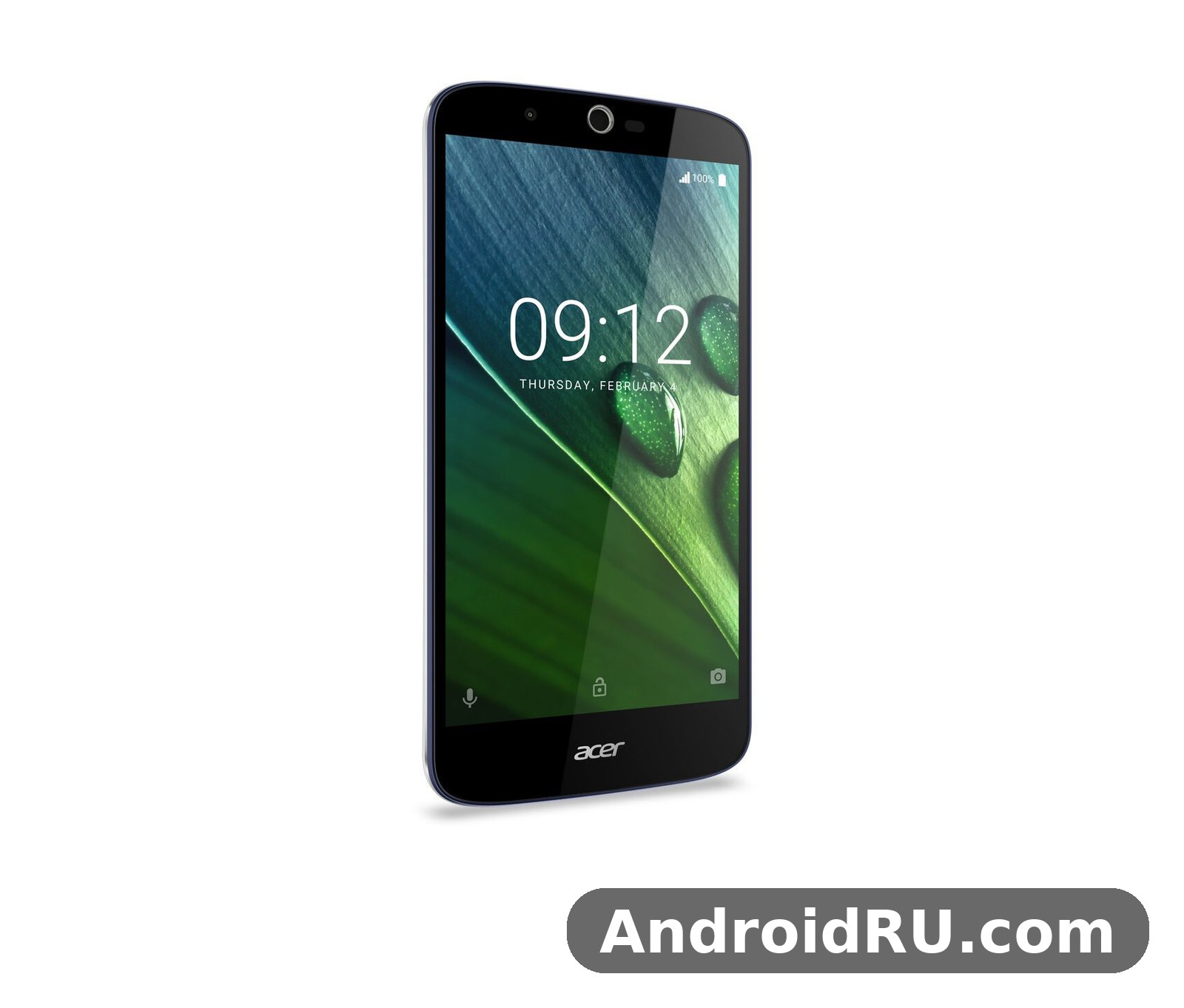
This Acer Liquid Zest Plus review looks at the phone the way a buyer in 2016 would have sized it up, and the way a collector or second-hand buyer should judge it now. That means honest talk about the 720p screen, the modest MediaTek chip, and the software that stopped at Android 6.0 Marshmallow, alongside the very real strengths: endurance, a capable camera for the price, and a sensible, comfortable design. If you want the short version, this is an Acer Liquid Zest Plus battery life review first and a spec sheet second, because the battery is the reason this phone is still remembered.
Below you will find a full walkthrough of the design, display, performance, cameras and battery, followed by the Acer Liquid Zest Plus full specifications and features in one table, a head-to-head comparison with its closest Acer relatives, and a clear verdict on who should still care about this phone. Every number here comes from the launch specifications and period reviews, not from guesswork.
Acer Liquid Zest Plus at a Glance: The Battery Phone of 2016
Acer announced the Liquid Zest Plus in New York in April 2016, alongside the smaller Liquid Zest, and put it on sale in July 2016. The Acer Liquid Zest Plus release date matters because it places the phone squarely in the middle of the 2016 budget boom, when Chinese brands were pushing hard on price and the big names were still charging a premium for endurance. Acer’s answer was blunt: give people a 5,000mAh battery in a $199 phone and let the rest of the spec sheet be good enough.
The headline numbers tell most of the story. A 5.5-inch IPS LCD with a 720 x 1280 resolution sits under Gorilla Glass 3. Inside, a quad-core MediaTek MT6735 runs at 1.3 GHz with Mali-T720 graphics, backed by 2GB of RAM and 16GB of storage with a microSD slot. The rear camera is a 13MP unit with phase detection, laser autofocus and contrast detection working together, while the front camera is a 5MP wide-angle shooter. Android 6.0 Marshmallow runs under Acer’s own interface, and the whole package measures 154.3 x 77.4 x 9.75 mm and weighs 175 grams.
What made the phone unusual was not any single number but the balance. In 2016, a 5,000mAh battery was the kind of capacity you expected in a rugged phone or a niche endurance model, not in a slim-looking mainstream handset sold for $199. Acer claimed up to three days of use from a single charge, a claim that needs a careful reading, which this review gives in the battery section. The Acer Liquid Zest Plus price in 2016 at launch undercut most rivals with similar endurance, and that value story is the thread that runs through everything that follows.
Who this phone was built for
The Zest Plus was aimed at people who used their phone all day and hated carrying a charger. Commuters who streamed video on the train, parents who handed the phone to children in the back seat, and anyone whose previous phone had died before dinner were the natural audience. It was also a sensible pick for a first smartphone or a second phone for travel, where a big battery and dual SIM support matter more than benchmark scores.
It was never aimed at power users. Nobody bought this phone to play the heaviest 3D games at maximum settings, and Acer did not pretend otherwise. The 2GB of RAM and the entry-level quad-core chip set a clear ceiling, and the 720p display was a deliberate trade-off to keep both the price and the power draw down. Judging the phone fairly means judging it against its own brief: a dependable everyday handset that stays alive longer than its rivals.
The key numbers in one place
Before the detail, here is the quick reference most readers want. The screen is 5.5 inches, the battery is 5,000mAh, the rear camera is 13MP, the front camera is 5MP, the chip is the MediaTek MT6735, memory is 2GB of RAM with 16GB of storage, and the operating system is Android 6.0 Marshmallow. The phone launched at $199 in the United States, with prices varying by market, and it was sold in black and white finishes. Those six facts explain about eighty percent of what this phone is, and the rest of this review fills in the remaining twenty percent: how it felt to live with, where it cut corners, and whether it still makes sense to buy one second hand.
Acer Liquid Zest Plus Design, Weight and Dimensions
Pick up the Zest Plus and the first surprise is how ordinary it feels, in a good way. Despite the huge battery inside, Acer kept the body to 9.75 mm thick, which is chunky by modern standards but was unremarkable in 2016, when many budget phones were just as thick with half the battery. The Acer Liquid Zest Plus design weight and dimensions work out at 154.3 mm tall, 77.4 mm wide and 9.75 mm thick, with a weight of 175 grams. That is a large phone for one-handed use, and the 5.5-inch screen makes the width the number you notice most.
The body is plastic, lightly matted on the back, with a smooth finish that resists fingerprints better than glossy rivals from the same year. The front is dominated by the display, which sits flush under Gorilla Glass 3, with slim side bezels for the era and Acer branding below the screen. There is no fingerprint scanner, which was still optional at this price in 2016, so unlocking means a PIN, pattern or password. The power button and volume rocker sit on the right edge where the thumb falls naturally, and the microUSB port and 3.5 mm headphone jack keep the phone compatible with the cables and headphones most people already owned.
How it feels in the hand and pocket
At 175 grams the phone has a reassuring heft without feeling like a brick, and the weight is balanced well enough that it does not feel top-heavy during long reading sessions. The matte back gives grip that a glass-backed phone of the same era could not match, which matters for a phone this wide. In a jeans pocket it is noticeable but not awkward, and in a jacket pocket it disappears. One-handed typing is a stretch for most hands, and reaching the top corners of the screen usually needs a second hand or a shuffle of the grip, but that was true of every 5.5-inch phone in 2016.
Build quality and the Gorilla Glass 3 screen
The Acer Liquid Zest Plus Gorilla Glass 3 screen protection details are worth spelling out, because the glass is one of the few premium touches on the phone. Gorilla Glass 3 was Corning’s scratch-resistant generation, designed to survive keys and coins in a pocket and the occasional face-down slide across a table. It is not shatterproof, and a drop onto concrete could still crack it, but for everyday knocks it gave the Zest Plus a tougher front than many budget rivals that shipped with unbranded glass. The plastic frame and back will pick up scuffs over years of use, and second-hand examples usually show wear on the corners first, so check those closely before buying.
Colours, SIM tray and everyday practicality
Acer sold the phone in black and white, with the white version showing smudges less and the black version looking a little more discreet. The dual SIM tray accepts two SIM cards alongside the microSD card in most regional variants, which suited travellers and people juggling a work number and a personal number. There is no water resistance rating, so rain and splashes are a risk to take seriously, and the mono speaker on the phone means audio is functional rather than rich, a point the sound section covers in full.
Acer Liquid Zest Plus Display Quality and Screen Size
The Acer Liquid Zest Plus display quality and screen size define the daily experience more than any other single part, because the screen is what you look at for hours. The panel is a 5.5-inch IPS LCD with a resolution of 720 x 1280 pixels, which works out to about 267 pixels per inch. Acer described it as a Zero Air Gap display, meaning the glass sits close to the panel with less of a gap than older designs, which helps colours look a little more direct and reduces reflections. The Acer Liquid Zest Plus screen is bright enough for indoor use and readable outdoors in shade, though direct sunlight washes it out, as it did with most IPS panels of the era.
Honesty is required about the resolution. At 5.5 inches, 720p is not razor sharp. Small text is readable but not crisp, and if you hold the phone close you can pick out individual pixels on high-contrast edges. In 2016 this was a normal compromise at $199, and many buyers never noticed it in practice because video, social feeds and messaging all look fine at this density. The trade-off bought two things: a lower price and lower power draw, which fed directly into the battery life that made the phone famous. A 1080p panel would have looked better and drained the battery faster, and Acer chose endurance.
Where the display earns praise is colour and viewing angles. IPS technology keeps colours steady when the phone is tilted, so sharing a video with someone sitting next to you works well, and the colour reproduction is natural rather than oversaturated. Period reviews noted good contrast in daylight for the class and solid brightness for the price. There is no always-on display and no high refresh rate, because neither existed at this price in 2016, and the 60 Hz panel is simply the standard of its time.
Watching video and reading on a 5.5-inch screen
For video, the size is the point. A 5.5-inch screen turns a commute into a watchable experience, and the 16:9 aspect ratio matches the video of the era without black bars on the sides. Combined with the big battery, the phone made sense as a portable video player in a way that smaller phones with smaller batteries did not. Reading is comfortable too, with large text sizes rendering cleanly, and the wide screen fits more of a web page or an e-book line than a 5-inch phone. The screen-to-body ratio of around 70 percent looks dated now, with thick bezels above and below the display, but in 2016 it was simply normal.
Screen protection and brightness in daily use
Day-to-day, the Gorilla Glass 3 front and the Zero Air Gap construction make the screen feel solid under the finger, with no hollow tap sound. An ambient light sensor adjusts brightness automatically, which helps the battery, and the settings offer the usual manual slider for people who prefer to set their own level. Owners who still use one today should expect a screen that is fine for reading, messaging and video, and visibly softer than a modern 1080p or higher panel when showing small text or detailed photos.
Acer Liquid Zest Plus Performance for Everyday Use
The Acer Liquid Zest Plus performance for everyday use is the section where expectations need the most careful setting. The engine is the MediaTek MT6735, a quad-core chip built on a 28 nm process, with four Cortex-A53 cores running at 1.3 GHz and Mali-T720MP2 graphics. The Acer Liquid Zest Plus MediaTek MT6735 processor performance is best described as adequate: quick enough for the tasks the phone was designed for, and clearly out of its depth when asked to do more. The Acer Liquid Zest Plus chipset was an entry-level part even when new, chosen for efficiency and cost rather than speed, and that choice shaped the whole character of the phone.
In practice, the phone handles calls, messaging, email, web browsing with a few tabs, social feeds, music playback and light apps without drama. App launches take a beat longer than on a mid-range phone of the same year, and switching between several apps can trigger reloads, because 2GB of RAM fills quickly. That is the honest picture. The Acer Liquid Zest Plus RAM is the tighter limit than the processor in many situations: open a browser, a messaging app, a maps app and a camera together, and something will have to reload. Used one or two apps at a time, the phone feels calm and predictable.
The Acer Liquid Zest Plus storage situation needs the same plain treatment. Internal storage is 16GB, and after the operating system and Acer’s preinstalled apps, the usable space is noticeably less, roughly in the region of 10 to 11GB depending on the regional software load. That is tight for anyone who installs many apps or keeps music offline. The saving grace is the microSD slot, and the Acer Liquid Zest Plus storage space and microSD expansion story is genuinely useful: a card takes photos, music and offline video, keeping the internal storage for apps. Cards up to 32GB are the safe, widely listed capacity for this model, and that is the size to buy if you are setting one up today.
Acer Liquid Zest Plus gaming performance on Mali T720
The Acer Liquid Zest Plus gaming performance on Mali T720 graphics is modest, and buyers should know that before they buy. Simple games, puzzles, card games and older 2D titles run well. Casual 3D games run at reduced settings, and the newest demanding 3D titles of the era struggled with frame drops and long load times. The Mali-T720MP2 is a two-core graphics part built for efficiency, not for heavy gaming, and the 720p screen at least keeps the pixel count low, which helps the GPU. For a phone bought as a media and messaging device with occasional gaming, this is fine. For a phone bought mainly to play games, it was the wrong pick in 2016 and it still is.
Heat, multitasking and what slows it down
Heat is rarely a problem. The efficient chip and the plastic body mean the phone stays comfortable during long video sessions, and it does not throttle aggressively the way some hotter chips of the era did. What slows it down is memory pressure and storage that is nearly full, two things owners can control. Keeping a few gigabytes free, uninstalling apps that are not used, and restarting the phone once a week are the three habits that make the biggest difference to how fast this phone feels. A phone of this age with a nearly full 16GB of storage will feel sluggish whatever you do, so the microSD card is not optional, it is part of the setup.
Benchmarks in context, without invented numbers
Period benchmark results placed the MT6735 firmly in the entry-level band of 2016, behind the mid-range Snapdragon 600 series of the same year and well behind flagship chips. This review does not republish a single benchmark score as a buying argument, because scores from 2016 test conditions say little about how the phone feels on a modern network with modern apps. The useful summary is simpler: this is a phone for calls, messaging and light apps, not a phone for heavy multitasking or demanding games, and it was sold at a price that matched that brief.
Acer Liquid Zest Plus Camera: 13MP Rear and 5MP Front
The camera is the second reason the Zest Plus stood out at $199, and the Acer Liquid Zest Plus camera quality and photo samples from period reviews tell a consistent story: good daylight photos for the price, with focus that is genuinely quick. The Acer Liquid Zest Plus 13MP rear camera review summary is that the hardware is better than the price suggests, while the software and the small sensor set the limits. The Acer Liquid Zest Plus 13MP sensor sits behind a lens with an autofocus system Acer called Tri-Focus, and that system is worth understanding because it is the camera’s real selling point.
The Acer Liquid Zest Plus Tri-Focus laser autofocus camera system combines three focusing methods: laser autofocus for speed at close and medium distances, phase detection autofocus for tracking subjects, and contrast detection as the fallback that confirms the final focus. In good light the result is fast, confident focusing, with less of the hunting that plagued budget cameras of the era. The rear camera also has an LED flash, HDR mode for high-contrast scenes, and a panorama mode for landscapes. Video records at 1080p at 30 frames per second, which was the right resolution for a phone of this class in 2016.
Daylight photos show strong, high-contrast colour and satisfactory sharpness in the centre of the frame, which is where most subjects sit. Edges soften a little, and fine detail like distant leaves or brickwork smears when you zoom in, because a small 2016 sensor can only record so much. Low light is where the limits show. Noise rises quickly, shutter lag grows, and the LED flash helps at close range but cannot rescue a dark room. That is normal for the class and the year. Nobody should buy this phone in the 2020s expecting it to match a modern budget camera, but for daylight snapshots, documents and social posts, it remains usable.
Acer Liquid Zest Plus front camera wide angle selfie review
The Acer Liquid Zest Plus front camera wide angle selfie review is a pleasant surprise for a 2016 budget phone. The front camera is a 5MP unit with an f/2.0 aperture and an 85-degree wide-angle lens, which fits more people into a group selfie without a stick and gathers more light than the narrower front cameras of the time. The Acer Liquid Zest Plus selfie camera is fine for video calls and social selfies in good light, with natural skin tones and acceptable detail. In dim rooms it softens and gets noisy, and there is no front flash, so evening selfies need a lamp or a lit room. For its year and price, though, the wide-angle front camera was a thoughtful touch that many rivals skipped.
Acer Liquid Zest Plus video recording 1080p quality review
The Acer Liquid Zest Plus video recording 1080p quality review comes down to steady, usable footage in daylight and softer results after dark. Video at 1080p and 30 frames per second looks clean on a phone screen, with colours that match the stills, and the autofocus keeps up with slow-moving subjects. There is no optical stabilisation, so walking footage shakes, and fast pans smear. Audio from the single microphone is serviceable for family clips. For short clips to share with friends, the video is good enough. For anything that needs to look polished on a big screen, it is not the right tool.
Acer Liquid Zest Plus Battery Life: The 5000mAh Headline
Everything about this phone leads back to the battery, and the Acer Liquid Zest Plus battery is the feature that justifies the whole review. The cell is a 5,000mAh non-removable lithium-ion unit, roughly double the capacity of the regular Liquid Zest and far larger than the 2,500 to 3,000mAh batteries common in 2016 budget phones. The 5000mAh battery is the single biggest reason to remember this phone, and it is also the reason the phone weighs 175 grams and measures nearly 10 mm thick.
How long does Acer Liquid Zest Plus battery last in real use? Acer’s marketing claimed up to three days, and that claim needs the careful reading promised earlier. Three days is a light-use figure: occasional calls, some messaging, a little browsing, and the screen off most of the time. With heavy use, meaning hours of video, navigation and social scrolling, owners reported getting through two full days, and even demanding users usually reached the end of a long second day. The honest summary is that the phone reliably delivers two days for most people and three days for light users, which was remarkable in 2016 and still respectable today. The Acer Liquid Zest Plus three day battery claim explained in plain terms is that the claim is real for light use, optimistic for heavy use, and still far better than the one-day norm of its rivals.
Several things work together to stretch the battery. The 720p screen draws less power than a 1080p panel, the efficient MT6735 chip sips power at idle, and the large cell simply holds more charge. Standby drain is low, which is why the phone can sit unused for days and still have charge left. That standby behaviour is what makes it a good second phone or travel phone even now: charge it, put it in a bag, and it is still alive when you need it.
Acer Liquid Zest Plus 5000mAh battery charging time guide
The Acer Liquid Zest Plus 5000mAh battery charging time guide is short, because the news is mixed. A 5,000mAh cell takes a long time to fill from empty over a standard microUSB charger, and owners should expect several hours for a full charge from flat, roughly in the region of three to four hours with the charger supplied at launch. There is no wireless charging and no modern fast-charging standard, so the practical habit is to charge overnight. The upside is that an overnight charge then lasts two days, so the slow charging matters less than it would on a phone that needs charging every night. If you buy one second hand, budget for a new charger and cable, and check the battery health before paying, because a 2016 cell that has been heavily used will hold less than its original capacity.
Why the battery still matters for second-hand buyers
Battery health is the first thing to check on any used Zest Plus, ahead of the screen and the camera. Ask the seller how long the phone lasts on a charge, look for swelling around the back cover, and be wary of a phone that drops quickly from 30 percent to empty. A healthy example should still give well over a day of moderate use. A tired one will need a battery replacement, and finding a good replacement cell for a 2016 phone takes some searching, so factor that into the price. The phone’s whole value proposition is endurance, and a worn battery removes it.
Acer Liquid Zest Plus Software, Android Marshmallow and Connectivity
The Acer Liquid Zest Plus Android Marshmallow update and software story is simple and a little sad: the phone launched on Android 6.0 Marshmallow with Acer’s own interface on top, and that is where it stayed. The Acer Liquid Zest Plus software gave buyers the Marshmallow features that mattered in 2016, including granular app permissions, Doze battery saving that helped the big battery last even longer on standby, and Google Now on Tap. Acer’s interface added its own apps and a few visual touches, but it stayed close enough to stock Android that the phone felt familiar to anyone coming from another Android handset.
There was no official upgrade path to a newer Android version, which is the single biggest limitation for anyone considering this phone today. Modern apps increasingly need newer Android versions, and some banking and messaging apps will refuse to install or run on Android 6.0. That does not make the phone useless, but it does define its role: a phone for calls, messaging and light apps, offline media, and use as a backup device, rather than a daily driver for someone who needs every current app. The Acer Liquid Zest Plus for calls messaging and light apps is the honest use case in the 2020s, and buyers who accept that limit will be happy, while buyers who need modern app support will not.
An Acer Liquid Zest Plus unboxing from 2016 shows what came in the box: the phone, a charger, a microUSB cable, and a quick start guide, with a headset in some markets. Setup was the standard Android flow of the era, with a Google account, Wi-Fi, and a few Acer prompts. There is nothing exotic about the software, and that is part of its charm: it is a straightforward Android phone from a time before gesture navigation and heavy interface skins.
Acer Liquid Zest Plus dual SIM LTE Cat 4 connectivity
The Acer Liquid Zest Plus dual SIM LTE Cat 4 connectivity covers the essentials of a 2016 mid-range phone. LTE Cat 4 gives download speeds up to 150 Mbps and uploads up to 50 Mbps on supported networks, which was plenty for video streaming and browsing of the era, and dual SIM support lets the phone hold two numbers at once. The Acer Liquid Zest Plus connectivity also includes Wi-Fi 802.11 b/g/n with Wi-Fi Direct, Bluetooth 4.0, GPS with A-GPS, an FM radio, and a microUSB 2.0 port with USB On-The-Go support. There is no NFC, so mobile payments were never part of this phone, and there is no 5G, which did not exist in consumer phones in 2016.
The Acer Liquid Zest Plus FM radio and Wi-Fi Direct features deserve a mention because both were genuinely useful and both are rare on modern phones. The FM radio works with wired headphones as the antenna and costs almost no battery, which suits a phone built around endurance. Wi-Fi Direct lets the phone share files with another phone without a router. The Acer Liquid Zest Plus microUSB port and OTG support explained in one line is that the port charges the phone, connects it to a computer, and, with an adapter, lets it read a USB flash drive or connect a keyboard. For media on the move, the phone pairs well with a tablet for longer viewing sessions, and readers comparing Acer’s 2016 range can see how the company’s tablets handled the same job in How Good Is the Acer Iconia Tab 10 A3-A40? Full Review and Specifications, which covers a larger screen built for exactly that kind of use.
Acer Liquid Zest Plus DTS sound and mono speaker quality
The Acer Liquid Zest Plus DTS sound and mono speaker quality is a mixed bag that buyers should understand. DTS sound processing is built in, and it improves the sound through headphones, giving music and video a wider, fuller feel than the raw output. The Acer Liquid Zest Plus sound through wired headphones is decent for the price, and the 3.5 mm jack means any ordinary headphones work. The mono loudspeaker, on the other hand, is small and easy to muffle with a finger, and it distorts at high volume. It is fine for ringtones, alarms and speakerphone calls, and poor for music. Headphones are the way to enjoy media on this phone.
Acer Liquid Zest Plus sensors accelerometer gyroscope compass list
The Acer Liquid Zest Plus sensors accelerometer gyroscope compass list is fuller than many budget phones managed in 2016. The phone carries an accelerometer, a gyroscope, a proximity sensor, an ambient light sensor, a compass, and a Hall sensor, which detects a flip cover opening and closing. That sensor set covers screen rotation, step counting in basic fitness apps, navigation that knows which way the phone is pointing, and automatic screen dimming. There is no fingerprint sensor and no barometer, which were reserved for higher-priced phones, but for everyday use the sensor list is complete enough.
Full Specifications
The table below gathers the Acer Liquid Zest Plus specs in one place, using the launch specifications and the standard reference listings for the model Z628. Where regional variants differ, the most widely listed figure is given, and the text around the table explains the points that need care.
| Feature | Acer Liquid Zest Plus (Z628) |
|---|---|
| Announced | April 2016 (19 April 2016, New York) |
| Release date | July 2016, available in stores |
| Launch price | $199 in the United States |
| Operating system | Android 6.0 Marshmallow with Acer UI |
| Display | 5.5-inch IPS LCD, 720 x 1280 pixels, 267 ppi, Gorilla Glass 3, Zero Air Gap |
| Chipset | MediaTek MT6735, quad-core Cortex-A53 at 1.3 GHz, 28 nm |
| Graphics | Mali-T720MP2 |
| RAM | 2GB |
| Storage | 16GB eMMC, microSD slot (up to 32GB widely listed) |
| Rear camera | 13MP, PDAF, laser autofocus, contrast detection (Tri-Focus), LED flash, HDR, panorama, 1080p video at 30fps |
| Front camera | 5MP, f/2.0, 85-degree wide-angle lens |
| Battery | 5,000mAh, non-removable Li-Ion |
| Dimensions | 154.3 x 77.4 x 9.75 mm |
| Weight | 175 g |
| SIM | Dual SIM, LTE Cat 4 (150 Mbps down, 50 Mbps up) |
| Wi-Fi | Wi-Fi 802.11 b/g/n, Wi-Fi Direct, hotspot |
| Bluetooth | Bluetooth 4.0 |
| Positioning | GPS, A-GPS |
| Ports | microUSB 2.0 with OTG, 3.5 mm headphone jack |
| Sound | Mono loudspeaker, DTS sound, FM radio |
| Sensors | Accelerometer, gyroscope, proximity, ambient light, compass, Hall sensor |
| Colours | Black, white |
| Not included | No fingerprint scanner, no NFC, no water resistance rating, no wireless charging |
Reading the table: the numbers that matter most
Three rows in that table decide whether this phone suits you. The battery row says 5,000mAh, which is the reason to buy it. The RAM row says 2GB, which is the reason to keep expectations modest. The operating system row says Android 6.0, which is the reason to treat it as a secondary or specialist device today rather than a primary phone. Everything else is context around those three facts. The Acer Liquid Zest Plus dimensions and the Acer Liquid Zest Plus weight matter for handling, the Acer Liquid Zest Plus storage row matters for planning, and the camera rows matter for anyone who takes photos, but the battery, the memory and the software version are the three numbers that shape the buying decision.
Regional differences to check before buying
Acer sold the Zest Plus in several regions with small differences in the bundled apps, the exact LTE bands, and whether a headset was included. The core hardware stayed the same, but LTE band support varied, so a second-hand buyer should check that the specific unit supports the bands their carrier uses. The model number to look for is Z628, printed on the box and in the settings, and that number is the surest way to confirm you are looking at the Plus and not the smaller Liquid Zest.
How the Zest Plus Compares With Other Acer Phones of 2016
The Acer Liquid Zest Plus vs Acer Liquid Zest comparison is the one most buyers actually needed in 2016, because the two phones shared a name, a chip and a launch event, and differed in exactly the ways that matter. The regular Zest has a 5-inch 720p screen, a 2,000mAh battery, and an 8MP rear camera, while the Plus steps up to a 5.5-inch screen, a 5,000mAh battery, and a 13MP rear camera with Tri-Focus. The Plus is larger, heavier and more expensive, and it lasts far longer between charges. Anyone choosing between them was really choosing between a compact phone and a battery phone, and the Plus is the right answer for anyone who values endurance over pocketability.
The wider Acer range of 2016 gives the Plus useful context. The Liquid Jade 2 sat above it, with a sharper 5.5-inch AMOLED display at 1080p, a faster Snapdragon 808 chip, 3GB of RAM and a 21MP camera, but a much smaller 3,000mAh battery, so it traded endurance for speed and screen quality. Readers who want the detail on that faster, sharper sibling can read Acer Liquid Jade 2 at a Glance: Review and Detailed Specifications. The Liquid X2 sat in the middle of the family, with a 5.5-inch screen, a 4,000mAh battery, triple SIM support and a 13MP camera, and the full picture is in Acer Liquid X2 Review and Full Specifications: Everything You Should Know. For the smaller sibling that started the family, see The Acer Liquid Zest, Reviewed in Detail: Specs, Everyday Performance and More.
| Feature | Liquid Zest Plus | Liquid Zest | Liquid Jade 2 | Liquid X2 |
|---|---|---|---|---|
| Display | 5.5-inch IPS, 720p | 5.0-inch IPS, 720p | 5.5-inch AMOLED, 1080p | 5.5-inch IPS, 720p |
| Battery | 5,000mAh | 2,000mAh | 3,000mAh | 4,000mAh |
| Rear camera | 13MP, Tri-Focus | 8MP | 21MP | 13MP |
| Front camera | 5MP wide-angle | 5MP | 8MP | 5MP |
| Chipset | MediaTek MT6735 | MediaTek MT6735 | Snapdragon 808 | MediaTek MT6735 |
| RAM and storage | 2GB, 16GB | 2GB, 16GB | 3GB, 32GB | 3GB, 32GB |
| Weight | 175 g | 125 g | 150 g | 166 g |
| Best for | Battery life | Compact size | Speed and screen | Battery and SIMs |
The table makes the trade-offs plain. The Zest Plus wins on battery by a wide margin and loses on weight and pocketability. The Jade 2 wins on speed, screen and camera, and loses on endurance. The X2 is the closest rival inside Acer’s own range, with a bigger battery than most phones but still a fifth less capacity than the Plus, plus triple SIM for travellers. The regular Zest is the lightest and smallest of the four, and the weakest on battery by far. This Zest Plus phone sits at the endurance end of Acer’s 2016 line-up, and that is exactly where Acer intended it to sit.
What about Acer’s tablets from the same era
Some buyers in 2016 weighed a big phone against a small tablet, and Acer offered both. A tablet gives a larger screen for video and reading at home, while the Zest Plus gives the same media in a pocket with a phone attached. Acer’s gaming tablet of the era, the Predator 8, took the opposite approach to the Zest Plus, trading battery life for an 8-inch screen and gaming hardware, and the detail is in Acer Predator 8 Specifications and Detailed Overview: Software Explained. For most people the phone was the better all-round buy, because a tablet still needs a phone beside it, while the Zest Plus does both jobs in one device.
Acer Liquid Zest Plus Pros and Cons, Who Should Buy It and FAQ
The Acer Liquid Zest Plus pros and cons explained below are the summary of everything above, written for a buyer who wants the decision in one place. The phone’s strengths are real and specific, and its weaknesses are equally specific, and neither side should be exaggerated.
Pros: what the Zest Plus gets right
- Two-day battery life from the 5,000mAh cell is the headline strength, and it changes how the phone is used, because charging stops being a daily worry.
- The 13MP rear camera with Tri-Focus focuses quickly and takes good daylight photos for a $199 phone, with HDR and panorama modes that work well.
- The 5MP wide-angle front camera fits group selfies without extra accessories, which was a thoughtful touch at this price.
- Dual SIM support, an FM radio, Wi-Fi Direct and a microSD slot make the phone practical for travel and for everyday life without extra spending.
- The 5.5-inch IPS display is large enough for video and reading, and the Gorilla Glass 3 front resists scratches from pocket use.
- At $199 at launch, the Acer Liquid Zest Plus value was strong, because no rival at that price matched the battery capacity.
Cons: where the Zest Plus falls short
- The 720p resolution looks soft at 5.5 inches, and small text is visibly less crisp than on a 1080p phone of the same year.
- With 2GB of RAM and an entry-level chip, heavy multitasking and demanding games are beyond the phone, and apps reload more often than on faster rivals.
- Android 6.0 Marshmallow never received an official upgrade, so modern apps increasingly refuse to run, which limits the phone as a daily driver today.
- There is no fingerprint scanner, no NFC and no water resistance, so unlocking, payments and wet weather all need workarounds or care.
- Charging a 5,000mAh cell over microUSB takes several hours, so the phone needs overnight charging even though it then lasts two days.
- The mono loudspeaker is weak and easy to muffle, which makes headphones the better choice for media.
Who should buy the Acer Liquid Zest Plus
Is Acer Liquid Zest Plus still worth buying today? The answer depends entirely on the job. As a second phone, a travel phone, a backup handset, a media player for offline video, or a simple phone for calls and messaging, a healthy used example is still a sensible buy at a low second-hand price. As a primary phone for someone who needs current banking apps, modern messaging features and fast multitasking, it is not the right choice, and a newer budget phone would serve better. Collectors of 2016 Android phones will value it as the battery champion of Acer’s range, and anyone who owns one already and only needs it for light use has no urgent reason to replace it.
Acer Liquid Zest Plus second hand price and buying checklist
The Acer Liquid Zest Plus second hand price and buying checklist starts with the battery, because that is the phone’s whole reason to exist. Expect a low price that reflects the phone’s age and the Android 6.0 limit, and walk away from any seller who cannot show the phone holding a charge. Check the screen for cracks and dead pixels, test both cameras and the flash, make a test call on each SIM slot if you plan to use dual SIM, confirm the microSD slot reads a card, and look for swelling around the back that signals a failing battery. Ask for the box or the model number Z628 to confirm the phone is the Plus and not the smaller Zest, and check that the phone is not locked to a carrier you do not use. A clean, healthy example with a good battery is worth paying a little more for than a cheap one with a tired cell.
Acer Liquid Zest Plus common problems and fixes for owners
Acer Liquid Zest Plus common problems and fixes for owners are mostly the familiar issues of an ageing budget phone. The Acer Liquid Zest Plus problems most often reported are slow performance when storage is nearly full, which a microSD card and a clear-out of unused apps usually fix; short battery life on an old cell, which means the battery needs replacing; and apps that will not install because they need a newer Android version, which has no fix beyond using an older version of the app or a web version where one exists. A phone that restarts on its own often has a worn battery or a faulty app, and removing recently installed apps one at a time is the quickest way to find the cause. A factory reset is the last resort, and it should only be done after backing up photos and contacts, because it erases everything on the phone.
Is the Acer Liquid Zest Plus still worth buying today?
Yes, for a narrow set of jobs, and no as a general-purpose daily phone. The battery, the camera and the big screen still work well for calls, messaging, offline video and light apps, and a healthy used example costs very little. The Android 6.0 software limit and the 2GB of RAM are the reasons to say no, because they block modern apps and heavy multitasking. Buy it as a second phone or a specialist device, not as your only phone.
How long does the Acer Liquid Zest Plus battery last?
Most owners got two full days of normal use from a charge, and light users could stretch that to three days, which matches Acer’s claim for gentle use. Heavy video streaming and navigation shorten that to well over a day, which is still far better than the one-day norm for 2016 phones. A used phone with an aged battery will last less, so check battery health before buying.
Does the Acer Liquid Zest Plus have a fingerprint scanner?
No. The phone unlocks with a PIN, pattern or password, and there is no fingerprint sensor anywhere on the body. That was normal at $199 in 2016, when fingerprint scanners were still moving down from flagship phones, but it is worth knowing before you buy, because it changes how you unlock the phone dozens of times a day.
Can I expand the storage on the Acer Liquid Zest Plus?
Yes. The phone has 16GB of internal storage and a microSD slot, and cards up to 32GB are the widely listed capacity for this model. Photos, music and offline video belong on the card, while apps stay on the internal storage. Keeping several gigabytes free inside the phone is the best way to keep it running smoothly.
What is the difference between the Liquid Zest Plus and the Liquid Zest?
The Plus is the bigger, longer-lasting version. It has a 5.5-inch screen instead of 5 inches, a 5,000mAh battery instead of 2,000mAh, and a 13MP rear camera with Tri-Focus instead of an 8MP camera. It is also heavier at 175 grams against 125 grams, and thicker. The chip, the RAM and the software are the same, so the choice between them is really a choice between size and endurance.
Final verdict: a battery phone that knew exactly what it was
The Acer Liquid Zest Plus was never the fastest, sharpest or most modern phone of 2016, and it never tried to be. It was a phone built around one clear promise, that a $199 handset could last two days on a charge, and it kept that promise. The 13MP Tri-Focus camera, the wide-angle selfie camera, the big screen and the dual SIM support made it a complete package rather than a one-trick device, and the compromises on resolution, RAM and software were honest ones for the price. As an Acer phone from the 2016 era, it stands as the endurance pick of the range, and that is a fair legacy.
If you own one, the practical next step is simple: put a microSD card in it, move your photos and music onto the card, keep a few gigabytes free inside, and charge it overnight. If you are thinking of buying one second hand, check the battery first, confirm the model number Z628, and pay a price that matches a 2016 phone running Android 6.0. Do either of those things today and the phone will do the job it was built for, which is to stay alive, stay useful, and stay out of your way.

