

The Acer Liquid Zest, Reviewed in Detail: Specs, Everyday Performance and More
Ten years after it first appeared, the Acer Liquid Zest is a small time capsule from a moment when a decent Android phone could cost about 110 euros. It arrived in the spring of 2016 with a 5-inch HD screen, an 8-megapixel camera, a battery you could take out and swap, and Android 6.0 Marshmallow straight out of the box. Nothing about it was flashy. That was the point. Acer built it for people who wanted a solid, honest phone for calls, messages, photos and the odd video, without paying for features they would never use.
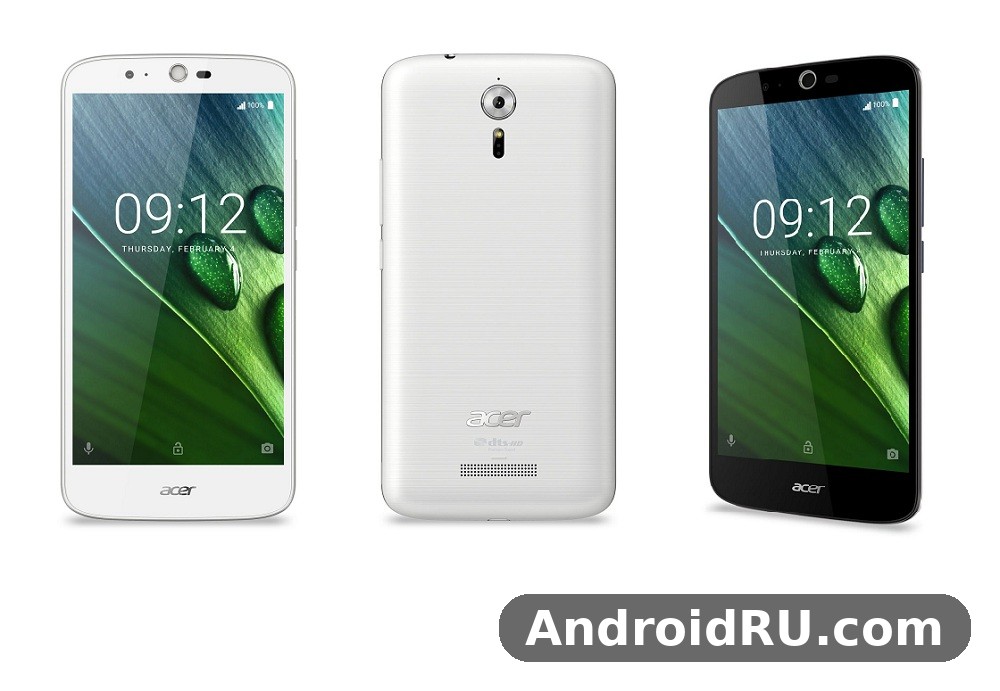
This review looks at the phone the way it deserves to be looked at: as a product of its own era, judged against the budget phones of 2016 rather than the flagships of today. You will find the full specifications, a walk through the screen, the processor, the cameras and the battery, a clear comparison with its bigger brother the Zest Plus, and a frank verdict on whether one is worth picking up second hand in 2026. If you are weighing up an Acer Liquid Zest review before buying a used one, or you simply want the facts about a phone you once owned, this is the place.
One question runs through the whole article, and it is worth asking early: is Acer Liquid Zest still worth buying today? The short answer is that it depends entirely on what you expect from it. As a backup handset, a first phone for a child, or a simple device for calls and light apps, it can still do a job. As a daily driver for modern apps, banking, and social media, it is past its best. The rest of this article explains why, spec by spec.
Acer Liquid Zest at a Glance: a 2016 Budget Phone in Context
The Acer Liquid Zest was announced in February 2016 at MWC in Barcelona, alongside the Liquid Zest 4G and the more ambitious Liquid Jade 2, and it reached shops in April 2016. The Acer Liquid Zest announced at MWC 2016 details are straightforward: Acer pitched it as an affordable everyday phone, priced at about 110 euros in Europe, with a 5-inch display and Android 6.0 Marshmallow. The 4G version cost about 149 euros and arrived a little later, in May. Both came in black or white, and both were aimed squarely at buyers who wanted a capable phone at the lowest sensible price.
That price matters, because it explains almost every decision Acer made. This Acer phone was built to a strict budget, and at 110 euros in 2016, a phone could not have a fingerprint reader, a metal body, or a huge battery. What it could have was a sharp enough screen, a respectable camera, clean software, and a battery that lasted the day. The Zest delivered all four, and the trade-offs were visible rather than hidden: a plastic body, 1GB of RAM, and 8GB of internal storage that filled up fast unless you added a memory card.
The Acer Liquid Zest release date is February 2016 for the announcement and April 2016 for the first sales, which places it in the same season as a wave of affordable Android phones from Motorola, Samsung, and a handful of Chinese brands that were just finding their feet in Europe. Acer was not trying to beat them on raw power. It was trying to offer a tidy, well-balanced package with a recognisable brand name on the back, sold through the same shops where people bought Acer laptops. For a buyer walking into a shop with a fixed budget, that counted for something.
A 2016 budget phone, judged by 2016 rules
It is easy to laugh at 1GB of RAM in 2026, when even entry-level phones ship with four times that amount. In 2016, though, 1GB was normal at this price, and Android 6.0 Marshmallow was genuinely new — it brought granular app permissions, Doze battery saving, and Google Now on Tap. The Zest ran it from day one, while plenty of rivals were still shipping older software and promising an update that never arrived. Judged by the standards of its own year, the Zest was a competent, well-timed phone rather than a cut-price compromise.
The Acer Liquid Zest price at launch in 2016 tells the same story. At about 110 euros for the 3G model and about 149 euros for the 4G model, it sat below the popular mid-range phones of the day and well below anything with a metal body or a fingerprint sensor. Buyers got a phone that looked neat, felt light, and covered the basics without drama. That is a fair deal, and it is the deal this review keeps coming back to.
Two versions: the 3G Z525 and the 4G Z528
There were two versions of this phone, and telling them apart matters. The standard Liquid Zest, model Z525, is a 3G phone with a MediaTek MT6580 quad-core chip running at 1.3 GHz and Mali-400MP2 graphics. The Liquid Zest 4G, model Z528, adds LTE Cat 4 and uses a 64-bit MediaTek MT6735 chip at 1.0 GHz with Mali-T720MP2 graphics. The Acer Liquid Zest 4G variant MT6735 chipset differences are real but modest: the 4G model trades a little raw clock speed for a newer 64-bit chip, faster graphics, and LTE data. In everyday use, both feel similar, but the 4G model is the one to look for if you are buying second hand, because 3G networks have been switched off in many countries since.
The rest of the hardware is the same on both: the same 5-inch screen, the same 8-megapixel rear camera, the same 5-megapixel front camera, the same 2,000mAh removable battery, and the same 8GB of storage with 1GB of RAM. Acer also showed the Liquid Jade 2 on the same stage at MWC 2016, a far more ambitious phone with a 5.5-inch AMOLED screen; you can read about that flagship sibling in Acer Liquid Jade 2 at a Glance: Review and Detailed Specifications. The Zest was the affordable end of the same launch, and it knew its place.
Acer Liquid Zest Design, Weight and Dimensions
The Acer Liquid Zest design weight and dimensions are modest in every sense: 145.7 x 71.2 x 8.4 mm and 125 grams. It is a slim, light plastic phone that slips into a pocket and all but disappears, and at 125 grams it is lighter than almost any phone sold today. The body is smooth plastic with a gently curved back, a removable rear cover, and a plain, tidy look that Acer kept deliberately understated. There is no metal frame, no glass back, and no attempt to pretend this is a premium handset. It is a practical object, and it wears that honestly.
The Acer Liquid Zest dimensions make it a comfortable one-handed phone. The 5-inch screen sits in a body 71.2 mm wide, so most adults can reach across the display with a thumb, and the 8.4 mm thickness feels slim without feeling fragile. The Acer Liquid Zest weight of 125 grams means it never drags a pocket down, and long calls do not tire the hand the way a 200-gram glass phone can. If you miss the days when phones were light, this one is a reminder of what that felt like.
Colour choice was simple: black or white. The black model hides fingerprints and scuffs better, while the white model shows the shape of the phone more clearly and looks a touch friendlier. Neither is a fashion statement. The removable back cover is the most interesting design feature, because it gives access to the battery, the SIM slot, and the memory card slot — a trio that modern sealed phones have abandoned entirely.
In the hand: light, smooth, and easy to hold
Pick the Zest up and the first thing you notice is how little it weighs. The curved plastic back sits naturally in the palm, and the narrow width means the phone feels secure rather than stretched. The power button and volume rocker sit on the right edge, within easy reach of a thumb or forefinger, and they press with a firm, positive click rather than the mushy feel some budget phones had. The 3.5 mm headphone jack sits on the top edge, and the microUSB port sits on the bottom, exactly where a 2016 buyer would expect them.
There is a single loudspeaker on the back, next to the camera, which is a weak spot: set the phone down on a table and the sound gets muffled. That is a common budget-phone compromise, and the Zest is no exception. Acer Liquid Zest sound through the speaker is adequate for ringtones and short videos, thin for music, and best replaced by headphones for anything longer. The Acer Liquid Zest sound through wired headphones is a different story — clear, loud enough, and perfectly fine for podcasts and calls.
What the 125-gram body means in daily use
A light phone changes small habits. You carry it without thinking about it, you hold it to your ear for a twenty-minute call without swapping hands, and you can use it one-handed on a bus without worrying about dropping a heavy slab of glass. The trade-off is that the Zest feels less solid than a metal phone, and the plastic back can flex slightly if you squeeze it hard. A cheap case fixes the grip and protects the corners, and in 2016 most buyers fitted one within a week.
Buttons, ports, and the removable back
The Acer Liquid Zest dual SIM and microSD slot details are worth spelling out, because they are genuinely useful. The phone takes a Micro-SIM, and dual-SIM versions were sold in many markets, letting you carry a work number and a personal number in one handset. The memory card slot is a dedicated microSDHC slot, so adding storage does not cost you a SIM slot — a small kindness that some rivals skipped. Pop the back cover off and everything is there: battery, SIM, and card, all user-accessible without tools.
The Acer Liquid Zest microUSB port and OTG support explained simply: the port is microUSB 2.0, the standard of its day, used for charging and for moving files to a computer. USB On-The-Go support was listed inconsistently across regions and retailers, so buyers should not count on connecting USB drives or accessories without testing it on their own unit. The microUSB port is also a reminder of the phone’s age — cables for it are still easy to find, but they are no longer the cable most households keep by the bedside.
Acer Liquid Zest Display Quality and Screen Size
The Acer Liquid Zest display quality and screen size are among its stronger points. The screen is a 5.0-inch IPS LCD with a resolution of 720 x 1280 pixels, which works out to about 294 pixels per inch. At normal reading distance, text looks crisp, app icons look clean, and photos look pleasantly detailed. The Acer Liquid Zest display is not a flagship panel, but it is a good budget panel, and in 2016 a 720p IPS screen at this price was exactly what buyers hoped for.
IPS technology gives the screen wide viewing angles and natural, believable colours. Tilt the phone and the image stays readable, which matters when you show a photo to a friend or prop the phone up to watch a video. Colours lean slightly cool rather than warm, and whites look clean rather than yellow. Blacks are grey rather than deep, as you would expect from an LCD without local dimming, but in normal indoor light that hardly registers.
The Acer Liquid Zest screen measures 5.0 inches diagonally, with a screen-to-body ratio of about 66.4 percent. The Acer Liquid Zest screen to body ratio and bezels tell you this is a 2016 design: there is a visible border above and below the display, with the earpiece, front camera, and sensors above the screen and a plain chin below it. By today’s standards the bezels look generous. In 2016 they looked normal, and the upside is that the phone is easy to hold without your palm brushing the display.
Sharpness and colour in everyday use
At 294 pixels per inch, the Zest’s screen is sharp enough that individual pixels are hard to spot without pressing your nose to the glass. Reading long articles, browsing the web, and scrolling through messages all feel comfortable, and the 16:9 shape suits video well. The screen is protected by a flat sheet of glass without the curved edges that later phones adopted, which makes screen protectors cheap and easy to fit — a small practical win.
Brightness is adequate indoors and workable outdoors, though direct sunlight washes the image out, as it did on most budget phones of the year. There is no auto-brightness sensor listed in the official specifications, so you will adjust the slider by hand when you step outside. That is a minor chore, and one that owners got used to quickly. For reading, messaging, and video at home, the display does its job without fuss.
Outdoor visibility and night-time reading
On a bright day, the Zest’s screen is readable if you shade it with a hand and turn the brightness up, but it is not a phone for long outdoor reading sessions in summer sun. Indoors, at a lower brightness, it is comfortable for an hour of reading, and the IPS panel keeps text even across the whole display without the colour shift that cheaper TN panels showed. Night-time reading is helped by the fact that the screen can go dim enough not to glare, though there is no built-in blue-light filter — that feature arrived on Android later, and on this phone it needs a third-party app.
Acer Liquid Zest Performance for Everyday Use
The Acer Liquid Zest performance for everyday use is best described as willing but limited. The standard Z525 runs a MediaTek MT6580, a quad-core Cortex-A7 chip at 1.3 GHz built on a 28 nm process, with Mali-400MP2 graphics. The Acer Liquid Zest MediaTek processor performance explained in plain terms: this is a chip designed for basic tasks — calls, messages, email, web browsing, and light apps — rather than heavy multitasking or demanding games. The 4G Z528 swaps in the 64-bit MT6735 at 1.0 GHz with Mali-T720MP2 graphics, which handles the same tasks with a little more headroom and adds LTE.
The Acer Liquid Zest chipset story is really a story about 1GB of RAM. The Acer Liquid Zest RAM is 1GB, and that single number shapes the whole experience. Android 6.0 Marshmallow can run on 1GB, and it does, but it keeps only a couple of apps in memory at once. Switch from the browser to a messaging app and back, and the browser will often reload the page. That is not a fault in the individual phone; it is the reality of a budget specification from 2016, and it was true of every rival at the same price.
Even so, for the jobs the phone was built for, it works. Calls connect quickly, the dialler opens without a wait, messages send at once, and the camera opens in a couple of seconds. The Acer Liquid Zest performance feels slow only when you ask it to do things it was never built for: running a modern social media app with auto-playing video, keeping a dozen browser tabs open, or playing a heavy 3D game. Ask it to do its own job, and it does it.
Everyday apps: calls, messages, email, and browsing
The Acer Liquid Zest for calls messaging and light apps is the honest summary of what this phone is good at. Voice calls sound clear, the earpiece is loud enough for a busy street, and the microphone picks up speech without the caller asking you to repeat yourself. Texting is quick, email syncs in the background, and a light browser with one or two tabs open works well enough for reading news and checking timetables. That is the core of the phone, and it holds up.
Where it struggles is the modern web. Today’s websites are heavier than the pages of 2016, with more scripts and more images, and a 1GB phone feels that weight. Pages take longer to load, and image-heavy sites can stutter while scrolling. A lightweight browser and a little patience help a lot, and turning off auto-playing video makes a visible difference. The Acer Liquid Zest Android software is Android 6.0 Marshmallow, which means many current apps now require a newer Android version and will not install at all — a point the FAQ at the end of this article covers in detail.
What 1GB of RAM means in practice
One gigabyte of RAM means the phone can comfortably hold the system, one foreground app, and a small background service or two. Open a third app and something gets closed to make room. The practical rule is simple: use one app at a time, close apps you have finished with, and do not expect to jump between a map, a browser, and a camera without reloads. Owners who learned that rhythm in 2016 found the phone perfectly usable. Owners who expect modern multitasking will find it frustrating, and they should look elsewhere.
Gaming and graphics on a budget chip
The Acer Liquid Zest gaming performance on Mali graphics is modest, and it is worth being specific about what that means. The Mali-400MP2 in the 3G model and the Mali-T720MP2 in the 4G model both handle casual games — puzzles, card games, simple runners, and older 2D titles — without trouble. Those games were the bread and butter of budget phones in 2016, and the Zest runs them at smooth frame rates with no drama.
Demanding 3D games are a different matter. They will run at low settings, if they run at all, and frame rates will dip in busy scenes. The phone also warms up during longer sessions, which is normal for a small plastic body with a budget chip. If gaming is your priority, Acer’s own tablet of the same era was the more interesting machine — read Acer Predator 8 Specifications and Detailed Overview: Software Explained to see what Acer offered buyers who wanted to play properly. The Zest is a phone that plays games on the side, not a gaming phone.
Storage: 8GB on board, microSD to the rescue
The Acer Liquid Zest storage space and microSD expansion deserve a careful look, because storage is where this phone bites hardest. The Acer Liquid Zest storage is 8GB in total, and after Android and Acer’s preinstalled apps, only a few gigabytes are free for the owner. A handful of apps and a small photo library can fill it. The rescue is the dedicated microSDHC slot, which takes cards up to 32GB, and Android 6.0 Marshmallow supports adopting a card as internal storage, which lets the phone treat the card as part of its own memory. It is slower than built-in storage, but it turns a cramped phone into a usable one, and a 32GB card cost very little even in 2016.
Acer Liquid Zest Camera Quality: 8MP Rear and 5MP Front
The Acer Liquid Zest camera is an 8-megapixel rear unit with autofocus, an f/2.0 aperture, and an LED flash, recording video at 1080p and 30 frames per second. The Acer Liquid Zest 8MP rear camera review, in short, is that it is a good daylight camera for its price and a limited one after dark. In bright light it takes sharp, well-exposed photos with natural colours, the kind of shots that look great on the phone’s own screen and perfectly fine when shared with friends. The f/2.0 aperture was a genuine selling point in 2016, letting in more light than the f/2.2 and f/2.4 lenses common on cheaper phones.
The Acer Liquid Zest camera quality and photo samples from the era show the same pattern reviewers found at the time: clean landscapes and portraits in daylight, decent food and street shots, and softer, noisier results indoors and at night. The camera app includes HDR, panorama, and a handful of scene modes, and HDR is worth using for high-contrast scenes such as a bright sky over a dark street — it takes a moment longer to capture, but the result keeps detail in both the highlights and the shadows.
The front camera is a 5-megapixel unit with an 85-degree wide-angle lens. The Acer Liquid Zest front camera selfie quality review is positive for group shots: the wide lens fits more people into the frame without a selfie stick, and in good light the results are sharp enough for social media. The Acer Liquid Zest wide angle front camera field of view is about 85 degrees, which is noticeably wider than the narrow front cameras on many 2016 rivals, and it is one of the phone’s quiet strengths. Video calls benefit too, because you can hold the phone at a natural distance and still stay in frame.
The rear camera in daylight
In daylight, the 8-megapixel sensor resolves plenty of detail for a phone of this class. Brickwork, leaves, and fabric textures come through clearly, and colours stay honest rather than oversaturated. Autofocus locks on quickly in good light, and the shutter responds without a long delay, so you can catch a child running or a dog mid-leap more often than you might expect. The LED flash is there for emergencies, but it is best treated as a torch for close subjects rather than a serious photographic tool — as on most budget phones, flash photos look harsh and flat.
Daylight shots: what to expect
Expect sharp, bright photos with good colour in sunlight and open shade. Keep the lens clean, tap the screen to focus on your subject, and use HDR when the scene has both bright sky and dark foreground. The camera will reward a steady hand: brace your elbows, hold the phone with both hands, and take two shots of anything important. Those habits matter more than any setting, and they cost nothing.
The rear camera after dark
After dark, the small sensor shows its limits. Noise creeps in, fine detail softens, and moving subjects blur. The f/2.0 aperture helps, but it cannot make up for a sensor that is small by any standard. The best results come from finding light — a street lamp, a shop window, a lit doorway — and letting the camera work with it rather than against it. Night shots of still subjects can be acceptable; night shots of moving subjects usually are not. That was true of almost every budget phone in 2016, and the Zest is no exception.
Low light and video
The Acer Liquid Zest video recording 1080p quality review is mixed in the same way. In daylight, 1080p video at 30 frames per second looks clean and steady enough for holiday clips and family videos, with natural colour and reasonable sound from the single microphone. In low light, video gets noisy and soft, and there is no optical stabilisation, so walking while filming produces a visible wobble. Hold the phone steady, film in good light, and keep clips short, and the results are perfectly watchable. The front camera records video too, and it is fine for video calls, though it is softer than the rear camera.
The front camera and selfies
The Acer Liquid Zest selfie experience is built around that wide-angle front lens. Group selfies fit three or four people without anyone being squeezed out of the frame, and the 5-megapixel resolution is enough for profile pictures and messaging. Skin tones look natural in daylight, and the camera app’s beauty mode — common on phones of the era — smooths skin if you want it to, though it is easy to leave switched off. Low-light selfies are grainy, as they are on most phones without a front flash, so find a window or a lamp before you shoot.
Acer Liquid Zest Battery Life Test and Charging
The Acer Liquid Zest battery is a removable Li-Ion unit rated at 2,000mAh, and the Acer Liquid Zest battery life test that matters most is the simplest one: a normal day of calls, messages, and a little browsing. In 2016, with the apps of the time, the phone got through a day of moderate use and reached the evening with a little charge to spare. Heavy users — long video sessions, constant browsing, or a lot of camera use — would need a top-up before bedtime. That is an honest result for a 2,000mAh battery driving a 5-inch screen, and it matches what owners reported at the time.
How long does Acer Liquid Zest battery last on a single charge? The answer depends on the workload, and any honest review has to say so. With light use — a few calls, some messages, and occasional browsing — the phone can stretch towards a day and a half. With the screen on for hours, streaming video or playing games, expect roughly four to five hours of screen time before the battery warning appears. Standby drain is modest, helped by Android 6.0’s Doze mode, which puts the phone into a deeper sleep when it sits untouched. The small battery is the price of the small, light body, and Acer chose lightness over longevity.
Charging is by microUSB, and there is no fast charging — the phone fills its 2,000mAh cell in around two hours from empty with the charger in the box. That is slow by today’s standards, but the battery is small, so a top-up during lunch makes a real difference. The Acer Liquid Zest unboxing contents were simple: the phone, the removable battery, a charger, a microUSB cable, and a quick-start guide. Nothing extra, nothing missing.
A day on one charge: what the numbers mean
A day on one charge means the phone is a morning-to-evening device, not a two-day device. Leave home at eight with a full battery, use it normally, and you will be reaching for the charger after dinner. That was normal in 2016, when most people charged every night, and it is still workable today if the phone is a second handset rather than your only device. The 5-inch 720p screen helps here — it draws less power than the larger, sharper screens on more expensive phones — and Doze keeps overnight drain low.
Replacing the battery years later
The Acer Liquid Zest removable battery replacement guide is short, and that is the point. Switch the phone off, peel off the back cover, lift the battery out with a fingernail, drop a fresh one in, and clip the cover back on. The whole job takes under a minute and needs no tools, no heat, and no glue. In 2026, that matters more than it did in 2016: a ten-year-old phone’s original battery will be tired, and the ability to fit a cheap replacement cell is the single best thing you can do for a second-hand Zest. Buy a reputable replacement battery, check that it is the correct model, and avoid the cheapest unbranded cells, which can swell or underperform. A spare battery in a pocket was a genuine 2016 travel trick, and it still works.
Acer Liquid Zest Software: Android 6.0 Marshmallow and Connectivity
The Acer Liquid Zest Android software shipped as Android 6.0 Marshmallow, and the Acer Liquid Zest Android Marshmallow update and software story is one of a clean start and a quiet ending. Marshmallow was current when the phone launched, and it brought the features that defined Android in 2016: permissions you could grant or refuse one by one, Doze battery saving, Google Now on Tap, and a cleaner, faster feel than the Lollipop release it replaced. Acer’s own additions were light — a few apps and a lightly restyled launcher — rather than a heavy skin, and the phone felt close to stock Android in daily use.
The quiet ending is that the Zest never received a major Android version update. It stayed on Marshmallow for its whole life, and in 2026 that is the phone’s biggest limitation. The Acer Liquid Zest software cannot run apps that require Android 7 or newer, and that now includes many banking apps, some messaging apps, and most current social media apps. The web browser still works, calls and texts still work, and older versions of some apps can still be used, but anyone buying a Zest today should go in with open eyes about what will and will not install.
That said, the software has its charms. The interface is simple and uncluttered, the settings menus are easy to navigate, and there is very little bloatware fighting for attention. For a first phone, a backup phone, or a device for someone who wants calls, messages, photos, and the radio without the noise of a modern flagship, the simplicity is a feature rather than a flaw.
What Marshmallow brought to a budget phone
Marshmallow’s headline feature for a phone like this was Doze, which cut standby drain by putting unused apps to sleep when the phone sat still. Granular permissions mattered too: for the first time, you could refuse an app access to your contacts or location without refusing to install it at all. Google Now on Tap let you hold the home button for context about whatever was on screen. None of these features feels modern now, but in 2016 they were the reason to buy a phone with the newest Android rather than one stuck on an older release.
Connectivity: Wi-Fi, Bluetooth 4.0, FM radio, and GPS
The Acer Liquid Zest connectivity is complete for a 2016 budget phone and dated in exactly the ways you would expect. Wi-Fi is 802.11 b/g/n on the 2.4 GHz band, Bluetooth is 4.0 with A2DP for wireless headphones and speakers, GPS is built in for maps and navigation, and there is an FM radio — a feature many buyers used daily and many modern phones have dropped. The Acer Liquid Zest FM radio and Bluetooth features are worth noting together, because the radio needs wired headphones as an antenna, while Bluetooth handles wireless audio. There is no NFC, so there is no tap-to-pay, and there is no 5 GHz Wi-Fi, so the phone uses the more crowded 2.4 GHz band at home.
The Acer Liquid Zest sensors accelerometer compass proximity list is short: accelerometer, proximity, and compass, with no gyroscope and no fingerprint reader. The accelerometer handles screen rotation and step counting, the proximity sensor turns the screen off during calls, and the compass keeps maps pointing the right way. The missing gyroscope means some virtual-reality apps and precise motion games will not work, and the missing fingerprint reader means unlocking is by PIN, pattern, or password. Both absences were normal at this price in 2016.
Full Specifications
The Acer Liquid Zest full specifications and features are set out in the table below, and this Acer Liquid Zest specs overview is taken from the official specifications published at launch and cross-checked against the major specification databases. Where the two versions differ, the table says so. The headline numbers are the ones that define the phone: a 5.0-inch 720p IPS display, a quad-core MediaTek chip, 1GB of RAM, 8GB of storage, an 8-megapixel rear camera, a 5-megapixel front camera, and a removable 2,000mAh battery, all running Android 6.0 Marshmallow.
| Specification | Acer Liquid Zest (Z525, 3G) | Acer Liquid Zest 4G (Z528) |
|---|---|---|
| Announced | February 2016 | February 2016 |
| Released | April 2016 | April / May 2016 |
| Status | Discontinued | Discontinued |
| Dimensions | 145.7 x 71.2 x 8.4 mm | 145.7 x 71.2 x 8.4 mm |
| Weight | 125 g | 125 g |
| SIM | Single SIM (Micro-SIM) or Dual SIM (dual stand-by) | Single SIM (Micro-SIM) or Dual SIM (dual stand-by) |
| Display type | IPS LCD, 16M colours | IPS LCD, 16M colours |
| Display size | 5.0 inches, 68.9 cm2, about 66.4% screen-to-body ratio | 5.0 inches, 68.9 cm2, about 66.4% screen-to-body ratio |
| Resolution | 720 x 1280 pixels, 16:9, about 294 ppi | 720 x 1280 pixels, 16:9, about 294 ppi |
| Operating system | Android 6.0 (Marshmallow) | Android 6.0 (Marshmallow) |
| Chipset | MediaTek MT6580 (28 nm) | MediaTek MT6735 (28 nm) |
| CPU | Quad-core 1.3 GHz Cortex-A7 | Quad-core 1.0 GHz Cortex-A53 |
| GPU | Mali-400MP2 | Mali-T720MP2 |
| RAM | 1GB | 1GB |
| Internal storage | 8GB | 8GB |
| Card slot | microSDHC, dedicated slot, up to 32GB | microSDHC, dedicated slot, up to 32GB |
| Rear camera | 8 MP, f/2.0, autofocus, LED flash | 8 MP, f/2.0, autofocus, LED flash |
| Rear camera features | HDR, panorama | HDR, panorama |
| Rear video | 1080p at 30fps | 1080p at 30fps |
| Front camera | 5 MP, 85-degree wide-angle lens | 5 MP, 85-degree wide-angle lens |
| Loudspeaker | Yes | Yes |
| 3.5 mm jack | Yes | Yes |
| Wi-Fi | Wi-Fi 802.11 b/g/n | Wi-Fi 802.11 b/g/n |
| Bluetooth | 4.0, A2DP | 4.0, A2DP |
| Positioning | GPS | GPS |
| NFC | No | No |
| Radio | FM radio | FM radio |
| USB | microUSB 2.0 | microUSB 2.0 |
| Sensors | Accelerometer, proximity, compass | Accelerometer, proximity, compass |
| Network | GSM / HSPA | GSM / HSPA / LTE Cat 4 (150/50 Mbps) |
| Battery | Li-Ion 2,000 mAh, removable | Li-Ion 2,000 mAh, removable |
| Colours | Black, White | Black, White |
| Launch price | About 110 EUR | About 149 EUR |
Reading the table: the numbers that matter most
Three rows in that table decide whether the Zest suits you. The first is the 1GB of RAM, which limits multitasking and rules out many modern apps. The second is the 8GB of storage, which makes a microSD card close to essential. The third is the network row: the standard model is 3G only, and with 3G networks closing in many countries, the 4G Z528 is the safer second-hand buy. Everything else — the screen, the camera, the battery, the weight — is good for the price, and the phone’s weaknesses are concentrated in exactly the places where ten years of progress show most.
How the two versions compare side by side
Put the Z525 and the Z528 next to each other and the differences are narrow but real. The 4G model has the newer 64-bit chip, faster graphics, and LTE data, while the 3G model has a slightly higher clock speed on an older 32-bit chip. In a speed test of everyday tasks, the two are close enough that most owners would not notice a difference. The difference that matters is the network: LTE keeps the 4G model usable for calls and data on modern networks, while the 3G model depends on networks that are disappearing. If you find both at the same second-hand price, take the 4G model.
Acer Liquid Zest vs Acer Liquid Zest Plus Comparison
The Acer Liquid Zest vs Acer Liquid Zest Plus comparison is the one most buyers asked about in 2016, because the two phones share a name, a look, and a launch window, but they are built for different buyers. The Zest Plus is bigger in every way that counts: a 5.5-inch screen instead of 5.0 inches, a 5,000mAh battery instead of 2,000mAh, and a 13-megapixel rear camera instead of 8 megapixels. It is also heavier and larger, and it cost more. The table below sets out the differences plainly.
| Feature | Acer Liquid Zest | Acer Liquid Zest Plus |
|---|---|---|
| Display | 5.0-inch IPS LCD, 720 x 1280, about 294 ppi | 5.5-inch IPS LCD, 720 x 1280, about 267 ppi |
| Battery | 2,000 mAh, removable | 5,000 mAh, removable |
| Rear camera | 8 MP, f/2.0, 1080p video | 13 MP, laser autofocus, 1080p video |
| Front camera | 5 MP, 85-degree wide-angle | 5 MP, 85-degree wide-angle |
| Chipset | MediaTek MT6580 (3G) or MT6735 (4G) | MediaTek MT6735 |
| RAM / storage | 1GB / 8GB, microSD up to 32GB | 2GB / 16GB, microSD up to 128GB |
| Weight | 125 g | 174 g |
| Launch price | About 110 EUR (3G), about 149 EUR (4G) | About 199 EUR |
| Best for | Light, pocketable everyday phone | Long battery life and bigger screen |
The comparison comes down to size against stamina. The Zest is the phone you forget you are carrying; the Zest Plus is the phone you forget to charge. The Plus lasts far longer — Acer claimed up to three days of moderate use from its huge battery — and its extra gigabyte of RAM and double storage make it noticeably more comfortable in daily use. The Zest answers with a lighter body, a sharper screen for its size, and a lower price. If you want the full story on the bigger brother, read Acer Liquid Zest Plus in Review: Usability, Value for Money and Every Spec That Matters.
Who should pick the Zest, and who should pick the Plus
Pick the Zest if you want the smallest, lightest phone of the pair, if your budget is tight, and if your use is light — calls, messages, photos, and a little browsing. Pick the Plus if battery life is your first priority, if you watch a lot of video, or if you want the extra RAM and storage for a smoother experience. Neither phone is a good main handset in 2026 for heavy modern use, but as a backup or a simple phone, the Plus has more headroom and the Zest has more charm. A buyer who wants a bigger step up from both should also look at the flagship of the same family — see Is the Acer Liquid Jade Primo Worth It? Review, Specs and Verdict — which offered a larger screen and faster hardware for buyers with a bigger budget.
Acer Liquid Zest pros and cons explained
The Acer Liquid Zest pros and cons explained honestly: the strengths are the light 125-gram body, the sharp 5-inch 720p IPS display, the capable 8-megapixel camera with its bright f/2.0 lens, the wide-angle front camera, the removable battery, the dedicated microSD slot, and the clean Android 6.0 software it shipped with. The weaknesses are the 1GB of RAM, the 8GB of storage, the small 2,000mAh battery, the lack of NFC and 5 GHz Wi-Fi, the absence of a gyroscope and fingerprint reader, and the fact that Android 6.0 can no longer run many current apps. Nothing on either list is a surprise; the phone is exactly what its price promised.
- Light and pocketable at 125 grams — the phone disappears into a pocket and never tires the hand on long calls.
- Sharp 5-inch 720p IPS display — at about 294 pixels per inch, text and photos look clean and colours stay natural.
- Capable 8MP camera with an f/2.0 lens — good daylight photos and a wide-angle front camera for group selfies.
- Removable 2,000mAh battery and dedicated microSD slot — swap the battery in a minute and add storage without losing a SIM.
- Android 6.0 Marshmallow from day one — the newest Android of its year, with Doze battery saving and granular permissions.
- Only 1GB of RAM — multitasking is limited and apps reload often.
- Only 8GB of storage — a microSD card is close to essential.
- Small 2,000mAh battery — a day of moderate use, not two.
- No NFC, no 5 GHz Wi-Fi, no gyroscope, no fingerprint reader.
- Stuck on Android 6.0 — many modern apps will not install.
Who the Zest suits in 2026
In 2026, the Zest suits a narrow but real set of buyers, and the Zest phone earns its keep precisely because it does a few simple jobs well. It suits someone who needs a backup phone that can make calls, send messages, and take photos when their main phone is charging or being repaired. It suits a parent buying a first phone for a child, where the limited apps are a feature rather than a flaw. It suits a traveller who wants a cheap handset with a removable battery and a memory card slot. And it suits a collector or a nostalgic owner who wants a tidy example of a 2016 budget phone. The Acer Liquid Zest value in 2026 is not in its performance but in its simplicity, its lightness, and its price on the second-hand market.
The Acer Liquid Zest second hand price and buying checklist is the practical part. Second-hand Zests sell for very little — typically the price of a takeaway meal rather than a phone bill — but a cheap phone can still be a bad buy if the battery is dead or the screen is failing. Check the screen for dead pixels and touch dead spots, test the camera and the speaker, make a test call, confirm the microSD slot reads a card, and ask whether the battery is the original. If the battery is original, budget for a replacement. Prefer the 4G Z528 model, check that the phone is not locked to a network you cannot use, and factory-reset it before you hand over any personal data. The Acer Liquid Zest problems most often reported by owners are covered just below.
A quick second-hand checklist
Before you pay, run through this list: screen lights evenly with no dead pixels; touch responds across the whole display; both cameras open and save a photo; the speaker and earpiece both produce sound; Wi-Fi and Bluetooth connect; the battery holds a charge for a few hours; the back cover clips on firmly; and the phone is the 4G model if you need LTE. If three or more of those fail, walk away — another Zest will come along cheaply.
Common problems and fixes for owners
The Acer Liquid Zest common problems and fixes for owners are mostly the predictable problems of a ten-year-old budget phone. The most common is storage filling up: the fix is a microSD card, ideally adopted as internal storage, plus clearing cached data and removing apps you do not use. The second is a tired battery: the fix is a replacement cell, which takes a minute to fit. The third is sluggish performance: the fix is to keep one app open at a time, restart the phone once a week, and avoid heavy apps that the hardware cannot handle. The fourth is apps refusing to install: there is no fix for that beyond accepting that Android 6.0 has reached the end of its supported life, and using the browser instead of an app where possible.
Other issues are smaller. If the phone restarts on its own, a fresh battery often solves it. If the camera is slow to open, clearing the camera app’s cache helps. If Wi-Fi drops, forgetting the network and reconnecting usually fixes it. If the back cover rattles, a thin case holds it snug. None of these is a reason to throw the phone away, and most are the kind of small maintenance that owners of older phones learn to live with. A sibling from the same Acer family had its own quirks too — the larger Liquid X2, for example, is covered in Acer Liquid X2 Review and Full Specifications: Everything You Should Know.
Acer Liquid Zest FAQ: Questions Readers Ask
These are the questions people actually ask about this phone, answered directly and without repeating the sections above word for word.
Is the Acer Liquid Zest still worth buying today?
Is Acer Liquid Zest still worth buying today as a main phone? No — Android 6.0 cannot run many current apps, 1GB of RAM limits multitasking, and 3G networks are closing. As a backup phone, a first phone for a child, or a simple handset for calls, messages, photos, and FM radio, it can still be worth its very low second-hand price, especially the 4G model with a fresh battery. Buy it for what it is, not for what it was.
How long does the Acer Liquid Zest battery last?
How long does Acer Liquid Zest battery last in normal use? A full charge covers a day of moderate use — calls, messages, and some browsing — and reaches the evening with a little spare. Light users can stretch it towards a day and a half, while heavy screen use brings it down to roughly four to five hours of screen time. The battery is removable, so a cheap replacement cell restores a tired ten-year-old phone to its original stamina.
Does the Acer Liquid Zest support 4G?
Only the Liquid Zest 4G, model Z528, supports LTE. The standard Liquid Zest, model Z525, is a 3G phone. Both look identical, so check the model number in the settings or on the label under the battery before you buy. The 4G model uses the MediaTek MT6735 chip and supports LTE Cat 4 at up to 150 Mbps down, while the 3G model tops out at HSPA speeds. If you need mobile data on a modern network, the 4G model is the one to choose.
Can the Acer Liquid Zest run modern apps?
Many modern apps cannot run on the Zest, because they require Android 7 or newer and the phone is stuck on Android 6.0 Marshmallow. Banking apps, current social media apps, and many games will refuse to install. Calls, texts, email, the camera, the FM radio, and the web browser all still work, and older versions of some apps can still be used where they are available. Treat the phone as a simple communicator with a camera, not as a modern smartphone, and it will not disappoint you.
What is the difference between the Acer Liquid Zest and the Zest Plus?
The Zest Plus is bigger and longer-lasting: a 5.5-inch screen, a 5,000mAh battery, a 13-megapixel camera, 2GB of RAM, and 16GB of storage, against the Zest’s 5.0-inch screen, 2,000mAh battery, 8-megapixel camera, 1GB of RAM, and 8GB of storage. The Zest is lighter at 125 grams against 174 grams, sharper per inch, and cheaper. Choose the Zest for lightness and price, and the Plus for battery life and headroom.
The Acer Liquid Zest is a phone that understood its job. It was light, cheap, honest, and good at the basics, and a decade later it is still good at those same basics — calls, messages, photos in daylight, and a screen that is easy on the eyes. Its limits are real and they are the limits of its year: 1GB of RAM, 8GB of storage, a small battery, and software that time has passed by. If you buy one second hand, buy the 4G model, fit a fresh battery and a memory card, and use it for the simple jobs it does well. Do that, and this little piece of 2016 still earns its place in a pocket.

