

Is the Acer Liquid Jade Primo Worth It? Review, Specs and Verdict
Acer did something bold in September 2015. While most phone makers were doubling down on Android, Acer announced a flagship built around Microsoft Windows 10 Mobile, a phone with a desktop trick up its sleeve and a camera that, on paper, outgunned phones costing twice as much. That phone was the Acer Liquid Jade Primo, and it arrived in shops in April 2016 at a price of about 220 euros. Ten years later, the question is no longer whether it could beat the flagships of its day. The question is whether this curious piece of phone history is worth your money, your time, or a place in your collection today.
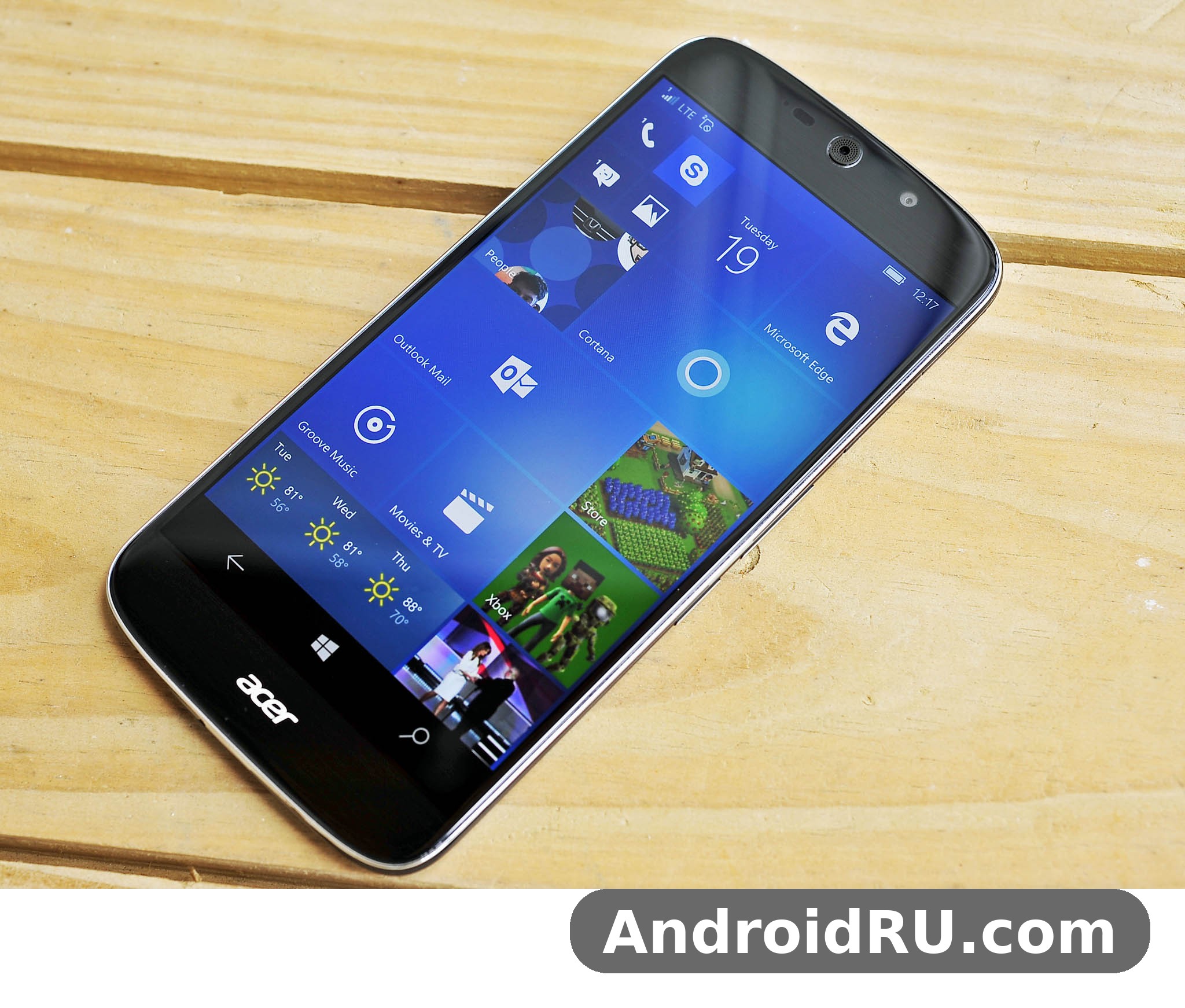
This review answers that question properly. You will find the full story of the phone, how its 5.5-inch AMOLED screen holds up, what the Snapdragon 808 chip feels like in daily use, how the 21-megapixel camera actually performs, and how long the 2,870 mAh battery lasts. You will also find the Acer Liquid Jade Primo full specifications in a complete table, a head-to-head comparison with its closest rival, honest pros and cons, and a clear verdict for collectors, Windows phone fans, and bargain hunters. Nothing here is dressed up. The Jade Primo was a brave phone with real strengths and real limits, and both sides deserve a fair hearing.
A quick note on how this review is written: this is a retrospective look at a discontinued phone from 2016, based on its published specifications, its launch history, and the documented experience of the Windows 10 Mobile era. It is not a claim that the phone was tested fresh in 2026. The Acer Liquid Jade Primo specs are the facts; the judgement comes from weighing those facts against what a buyer in 2026 can realistically do with the phone.
Acer Liquid Jade Primo Review: What This 2016 Phone Was Built For
To understand the Jade Primo, you have to remember the mood of late 2015. Microsoft had just launched Windows 10 Mobile, and its headline feature was Continuum, a mode that let a phone power a desktop-style screen when plugged into a dock. Acer saw an opening. Instead of building another mid-range Android handset, it built a phone aimed squarely at business users who wanted one device for the pocket and the desk. The Acer Liquid Jade Primo review story starts there: this was never meant to be a phone for everyone. It was a productivity phone with a camera that happened to be very good for its price.
The timing tells you a lot. Acer announced the phone in September 2015, at the same season when the big autumn flagships were landing, but it did not reach buyers until April 2016. That seven-month gap mattered. By the time the Jade Primo went on sale, the first wave of Windows 10 Mobile excitement had cooled, and the app gap that haunted the platform was already obvious. The Acer Liquid Jade Primo release date and price therefore tell two stories at once: a launch price of about 220 euros made it genuinely cheap for its hardware, yet it arrived late to a party that was already winding down.
Acer Liquid Jade Primo price and availability worked in its favour at launch. For roughly the cost of a mid-range Android phone, buyers got a Snapdragon 808 processor, 3GB of RAM, a 1080p AMOLED display, a 21-megapixel rear camera with 4K video, and USB Type-C. No Android phone at that price offered the same combination in early 2016. The catch, and it was a large one, was the software. Windows 10 Mobile had a clean interface and genuine Office integration, but its app catalogue was thin, and that thinness only grew worse over the following years.
There is also the Android question. An Android variant of the Jade Primo was sold in some markets, which confuses buyers even today. The Acer Liquid Jade Primo Android variant explained simply is this: the main, widely sold model ran Windows 10 Mobile, and that is the version this review covers in depth. A separate Android version existed in limited distribution, but it was the Windows model that carried the Continuum story and the bulk of the sales. If you are shopping second hand, check which operating system is actually on the handset in front of you, because the two versions feel like different phones.
Acer Liquid Jade Primo for business users today is a very different proposition from what it was in 2016. In its own era, the pitch was simple: carry one phone, dock it at work, and use Word, Excel, and Outlook on a big screen. In 2026, that pitch has faded, because Microsoft ended support for Windows 10 Mobile years ago and the Continuum dock is a legacy accessory. What remains is a well-built piece of hardware with a good screen and a capable camera, useful as a second device, a media player, a camera, or a collector’s item, but no longer a sensible daily phone for most people.
That framing shapes everything that follows. The Jade Primo is judged here as a classic phone: on the quality of its hardware, the honesty of its design, and what it can still do, rather than on features it never had. It never had a fingerprint sensor, it never had NFC, and it never pretended to be a gaming phone. What it did have was a sharp AMOLED panel, a fast lens, and a genuinely interesting idea about what a phone could be.
The 2015 Acer line-up and where the Jade Primo sat
Acer’s phone range in 2015 and 2016 was broad, and the Jade Primo sat at the top of it. Below it were the Liquid Zest and Liquid Z330 families, cheaper Android handsets built for everyday use rather than headlines. The Acer Liquid Zest, Reviewed in Detail: Specs, Everyday Performance and More shows the contrast clearly: where the Zest was a modest, friendly phone for calls, messages, and light apps, the Jade Primo was Acer reaching for the premium tier with flagship-grade silicon and a 21-megapixel camera. The two phones shared a brand and a design language, but they were aimed at different buyers entirely.
The same season also produced the Acer Predator 8, a gaming tablet that showed how willing Acer was to experiment outside the usual phone formula. Acer Predator 8 Specifications and Detailed Overview: Software Explained is a useful reminder that Acer in this period was trying bold ideas across its whole range, and the Jade Primo was the phone-shaped version of that same instinct. Reading the two together gives a good sense of the company behind the phone: ambitious, value-focused, and happy to bet on a platform other makers ignored.
Who this review is for
This review is written for three kinds of reader. The first is the collector or Windows phone enthusiast who already knows what Continuum was and wants a straight answer about condition, value, and what still works. The second is the bargain hunter who has spotted a Jade Primo for very little money and wants to know whether it can serve as a spare phone, a camera, or a media device. The third is the curious reader who keeps seeing the name in old “best of 2016” lists and wants to know what the fuss was about. All three get the same treatment: facts first, judgement second, and no pretending the phone is something it is not.
Acer Liquid Jade Primo Design and Display Quality
The Jade Primo looks like a phone from the era when 5.5 inches was considered large. It measures 156.5 x 75.9 x 8.4 mm and weighs 150 grams, which puts it in the comfortable middle of its class: big enough to feel substantial, light enough to carry all day, and slim enough at 8.4 mm to slide into a jacket pocket without a fight. The Acer Liquid Jade Primo weight 150 grams design balance is one of its quiet strengths. It never feels like a brick, and the weight is spread evenly, so the phone does not feel top-heavy when you hold it up for a photo.
Acer Liquid Jade Primo design language is restrained rather than flashy. The front is dominated by the screen, with slim side bezels by 2016 standards and a plain black finish. Acer Liquid Jade Primo colours were limited to black, which sounds dull until you hold the phone: the black glass and matte frame look sober and professional, exactly right for the business buyers Acer was chasing. There is no metal unibody here, no curved glass back, and no fingerprint sensor. The body is plastic and glass, well put together, with buttons that click firmly and a USB Type-C port centred on the bottom edge.
The Acer Liquid Jade Primo USB Type C port deserves a mention because, in early 2016, Type-C was still a novelty on mid-priced phones. It meant a reversible plug at a time when most phones still used micro-USB, and it was part of the Continuum story, since the same port carried the video signal to a dock or a display. The port is USB 3.1, which was genuinely quick for file transfers. Ten years on, the practical benefit is simpler: the cable is the same shape as the one you already own, even if the speeds now feel ordinary.
Acer Liquid Jade Primo dimensions and the 70.2 percent screen-to-body ratio place it firmly in its era. Modern phones squeeze far more screen into the same footprint, so the Jade Primo shows noticeable bezels above and below the display. That is not a flaw so much as a timestamp. The chin and forehead give your thumbs somewhere to rest, and the phone is easy to use one-handed for a 5.5-inch device, though reaching the top corners takes a stretch.
Acer Liquid Jade Primo AMOLED screen 401 ppi and everyday viewing
The screen is the best thing about this phone. The Acer Liquid Jade Primo AMOLED screen 401 ppi panel measures 5.5 inches, runs at 1080 x 1920 pixels, and delivers the deep blacks and punchy colours that AMOLED is known for. Text is crisp, photos look rich, and video looks far better than the price suggested in 2016. Acer Liquid Jade Primo display quality and brightness hold up well for indoor use, and the panel stays readable in shade outdoors, though direct sunlight washes it out more than a modern flagship would. For watching video, reading, and browsing photos, it remains a pleasure.
Acer Liquid Jade Primo screen protection comes from Corning Gorilla Glass, though Acer never specified the version. In practice, that means reasonable scratch resistance for keys and coins in a pocket, but not immunity: a phone this old will usually show fine scratches on the glass, and a case is still a good idea. The screen has no high refresh rate and no always-on display mode, both of which are modern expectations the Jade Primo simply predates. What it does have is a bright, saturated, high-contrast picture that flatters everything from home videos to the Windows 10 Mobile tile interface.
The Acer Liquid Jade Primo Gorilla Glass screen protection and the AMOLED panel work together nicely with the Windows interface. Live Tiles in bold colours look superb on an AMOLED screen, because the black backgrounds are truly black and the coloured tiles seem to float on the glass. It is a small thing, but it is part of why people who used the Jade Primo remember it fondly. The hardware and the software suited each other visually, even if the software’s app catalogue let the side down.
Buttons, ports and the dual SIM tray
Acer Liquid Jade Primo dual SIM Nano SIM support is built into a shared tray: the phone takes two nano-SIM cards, and the second slot doubles as the microSD slot. That shared arrangement is the one real annoyance in the design. The Acer Liquid Jade Primo microSD card slot shared with the second SIM means you choose between a second line and extra storage, not both. For most buyers, the 32GB of internal storage plus a card was the sensible pick, and the dual SIM option mattered mainly to travellers and people juggling work and personal numbers.
Elsewhere, the layout is sensible. The power button and volume rocker sit on the right edge where your thumb finds them, the 3.5 mm headphone jack sits on top, and the loudspeaker fires from the bottom. Acer Liquid Jade Primo speakers produce a single loudspeaker, not stereo, and it is loud enough for speakerphone calls and short videos but thin for music. A pair of headphones is a clear upgrade, and the presence of the headphone jack, something many modern phones have abandoned, is a genuine plus for anyone using the Jade Primo as a music player today.
What came in the box
Acer Liquid Jade Primo unboxing, as buyers experienced it in 2016, was straightforward: the phone, a charger, a USB Type-C cable, and a basic headset in most regions, with the Continuum dock sold separately. The dock was the accessory that made the headline feature work, and it was never cheap, which meant many buyers never tried Continuum at all. If you buy second hand today, expect the box to be long gone and the dock to be missing. Check that a charger and cable are included, because the Type-C cable of that era is not always interchangeable with every modern charger in the drawer.
Acer Liquid Jade Primo cases and accessories worth finding
Acer Liquid Jade Primo cases were never as common as those for Samsung or Apple phones, and in 2026 they are a niche hunt. A generic 5.5-inch sleeve or a universal pouch is the realistic option, along with a screen protector cut to size. Acer Liquid Jade Primo accessories that are actually worth tracking down are the Continuum dock, for collectors who want the full experience, and a good USB Type-C cable. Everything else, from spare batteries to official covers, is best treated as a bonus rather than a requirement.
Acer Liquid Jade Primo Performance: Snapdragon 808 in Daily Use
Acer Liquid Jade Primo performance starts with the Qualcomm Snapdragon 808, a hexa-core chip built on a 20 nm process with four Cortex-A53 cores at 1.4 GHz and two Cortex-A57 cores at 1.8 GHz, paired with an Adreno 418 GPU. In 2016, that was upper-mid-range silicon with a flagship pedigree: the same chip family powered phones that cost considerably more. The Acer Liquid Jade Primo Snapdragon 808 performance test story, as recorded by reviewers of the era, was one of smooth everyday speed with occasional warmth under sustained load. The chip was quick, but the two big A57 cores could get hot, and the phone would ease off its top speed to cool down.
Acer Liquid Jade Primo chipset behaviour in normal use is easy to describe: menus open promptly, the Edge browser of the time loaded pages without drama, email and calendar sync ran in the background without stutters, and switching between a handful of apps felt fluid. Windows 10 Mobile was a light operating system compared with the Android skins of the day, and that lightness flattered the hardware. The phone never felt slow in the tasks it was designed for. Where it showed its limits was in heavy multitasking with many apps held in memory, and in long gaming sessions, where the warmth built up and the frame rate settled lower than it started.
Acer Liquid Jade Primo processor and memory work as a pair: 3GB of RAM and 32GB of storage on eMMC 5.0. Acer Liquid Jade Primo storage is fixed at 32GB on eMMC 5.0, and the Acer Liquid Jade Primo 32GB storage eMMC 5.0 combination was standard for the price in 2016, and it is the storage, more than the RAM, that feels tight today. After the system takes its share, a buyer has roughly 20 GB or so of usable space, and the big apps and offline maps of the era ate into that quickly. The microSD slot rescues the situation for photos, music, and video, but apps themselves largely wanted internal storage. Acer Liquid Jade Primo RAM at 3GB is enough for the Windows 10 Mobile app set, and the phone keeps a reasonable number of apps suspended without reloading them every time.
Acer Liquid Jade Primo 3GB RAM multitasking performance deserves a fair summary. For office work, the phone copes well: Word open beside Outlook, a spreadsheet, and a browser tab or two is exactly the workload Continuum was built for, and the RAM is sufficient for it. For modern expectations, such as keeping a dozen heavy apps alive at once, it is not. The honest way to put it is that the phone multitasks like a good 2016 device, not like a modern one, and anyone buying it today should expect that.
Snapdragon 808, 3GB RAM and everyday multitasking
Day-to-day speed on the Jade Primo is best understood through ordinary tasks. Unlocking the phone, opening the camera, and taking a photo takes a couple of seconds, not an instant. Scrolling through a long photo gallery is smooth. Typing is responsive, and the on-screen keyboard keeps up with fast thumbs. The places where patience is needed are app installation, first launch of large apps, and switching back to an app that the system has closed to save memory. None of these are deal-breakers for a second device or a collector’s phone, but they are the difference between a 2016 mid-range flagship and a modern handset.
Heat is the other half of the Snapdragon 808 story. The chip’s big cores run warm when pushed, and the Jade Primo, with its slim 8.4 mm body, has limited room to shed that heat. Short bursts, such as opening the camera or loading a game, are fine. Ten minutes of sustained gaming warms the upper back of the phone noticeably, and the system responds by trimming performance. This is normal behaviour for the chip, not a defect in this particular phone, and it is why reviewers of the era described the Jade Primo as quick in bursts rather than relentless.
Gaming and heat on the Adreno 418
The Adreno 418 GPU handled the games available on Windows 10 Mobile without trouble, because the platform’s game catalogue was modest and its titles were rarely as demanding as the heaviest Android games of the same year. Casual games, puzzle games, and racing titles of the era ran well at the screen’s 1080p resolution. Demanding 3D titles ran, but with simpler effects and the heat build-up described above. The Android variant, where sold, had access to a wider game library, and the same GPU coped there too, though again as a mid-range performer rather than a flagship one.
For a buyer in 2026, gaming is a minor consideration. The Windows version cannot run modern mobile games, because the platform’s app store is closed to new downloads and the catalogue is frozen in time. The value of the GPU today is in smooth interface animation, video playback, and the desktop mode of Continuum, all of which it handles comfortably. Anyone buying the Jade Primo to play games should look elsewhere; anyone buying it as a piece of history will find the graphics performance perfectly adequate for what the phone can still do.
Acer Liquid Jade Primo Camera Quality Review: 21MP Rear and 8MP Front
The camera was the Jade Primo’s headline number, and it is still the most interesting part of the phone for a buyer today. Acer Liquid Jade Primo camera quality review begins with the main sensor: a single 21-megapixel rear camera with an f/2.2 aperture, autofocus, a dual-LED flash, HDR, and panorama. Video runs to 4K at 30 frames per second, with 1080p at 30 frames per second as the everyday option. The front camera is an 8-megapixel unit, also f/2.2, recording 1080p video. On paper, that was a stronger camera package than most phones at 220 euros in 2016, and it remains usable for real photography today.
Acer Liquid Jade Primo camera behaviour in daylight is genuinely good. Photos taken outdoors in decent light are detailed, with natural colours and enough resolution to crop into a shot without it falling apart. The 21 megapixels give real headroom: a landscape can be cropped to half its width and still print well, and fine detail such as brickwork, leaves, and fabric holds up when viewed at full size. Dynamic range is respectable for the era, and HDR mode helps with bright skies and shaded foregrounds, though it slows the shot down and can produce a slightly processed look if used on every photo.
Acer Liquid Jade Primo 21 megapixel camera samples, as published by reviewers in 2016, showed the same pattern: strong detail and pleasing colour in good light, softer results as the light fell. Indoors and at dusk, the small sensor and the f/2.2 lens show their limits. Noise creeps in, fine detail smears, and the dual-LED flash, while helpful at close range, gives the flat, harsh look that phone flashes always did. The camera has no optical image stabilisation, so low-light shots need a steady hand or a surface to rest the phone on. That is the honest trade-off: a very good daylight camera, an average low-light camera, and a fair deal at the launch price.
Daylight photos from the 21MP camera
Take the Jade Primo outside on a clear day and it earns its keep. Colours are vivid without going over the top, the AMOLED screen makes the preview look better than the file sometimes deserves, and the autofocus locks on quickly for still subjects. Landscapes, street scenes, and portraits in open shade all come out well. The panorama mode stitches wide scenes competently, and the HDR mode is worth switching on for high-contrast scenes such as a bright sky over a dark street. One practical tip from the era still applies: tap to focus on the subject and let the exposure settle before pressing the shutter, because the camera’s auto mode can be fooled by a bright background.
Compared with the budget Acer phones of the same period, the difference is obvious. Acer Liquid Z330 Review: Everyday Performance in Everyday Use and the Full Specs covers a phone whose camera was built for quick snaps rather than serious photography, and the Jade Primo sits a clear tier above it in resolution, detail, and video. The Z330 was a fine everyday phone; the Jade Primo was the one you reached for when the photo mattered.
Selfies and 4K video
The Acer Liquid Jade Primo 8 megapixel front camera is a solid selfie camera for its era. Self-portraits in good light are sharp and well exposed, and 1080p video calls look clean. There is no front flash and no portrait mode blur, so selfies in dim rooms are softer and noisier, but for daylight use the front camera holds up. The Acer Liquid Jade Primo 4K video recording support is the more unusual feature: 4K at 30 frames per second on a 220-euro phone in 2016 was rare. The footage is detailed and steady enough for handheld clips in good light, though it fills storage quickly and the phone warms up during long 4K takes. For most purposes, 1080p is the sensible default, with 4K kept for clips you plan to keep.
Camera settings worth changing
Two small changes improve the Jade Primo camera noticeably. First, set photo quality to the highest resolution and turn HDR to auto rather than always on, so the phone only reaches for HDR when the scene needs it. Second, for video, choose 1080p for everyday clips and reserve 4K for short, well-lit scenes, because 4K files are large and the phone heats up during long recordings. Neither change requires any special knowledge, and both make the camera behave more like the capable tool it is.
Acer Liquid Jade Primo Battery Life Test and Charging Reality
The battery is the Jade Primo’s weakest headline number. It is a sealed Li-Po cell of 2,870 mAh, non-removable, with a standby rating of up to 330 hours on 3G and talk time of up to 20 hours on 3G. Acer Liquid Jade Primo battery life test results from the era gave the phone an endurance rating of 56 hours on the old GSMArena battery test, which translates in plain terms to a phone that gets through a normal day with moderate use and needs charging every night. Heavy use, especially camera work, navigation, or Continuum sessions, pulls that down to an afternoon top-up.
Acer Liquid Jade Primo 2870 mAh battery endurance has to be judged against its 5.5-inch AMOLED screen and its Snapdragon 808 chip. The screen is efficient for dark content and thirsty for bright whites, and the chip’s big cores draw real power under load. In daily use, the pattern was familiar: a full charge in the morning, comfortable use through the working day with email, messages, browsing, and some photos, and a low-battery warning in the evening if the day included a lot of screen time. That was acceptable in 2016, when most phones behaved the same way, but it is modest by modern standards, where 5,000 mAh has become ordinary.
Acer Liquid Jade Primo battery behaviour today carries an extra warning that matters more than any test number: every Jade Primo is now a decade old, and its battery has aged with it. A sealed battery cannot be swapped by the user, and a second-hand phone may hold noticeably less charge than it did when new. Before buying, ask the seller how long the phone lasts on a charge, and budget for the possibility that it needs charging more often than the original figures suggest. A phone that dies by mid-afternoon is not broken; it is old, and the battery is the part that ages fastest.
Charging is via the USB Type-C port, and there is no wireless charging and no fast-charging standard of the modern kind. A full charge takes a couple of hours with the supplied charger, which is unremarkable but honest. The practical advice is simple: charge overnight, carry a small power bank if the phone is your only device for the day, and keep brightness at a moderate level, because the AMOLED screen at full brightness is the single biggest drain on the battery.
How long the 2870mAh battery lasts in real use
Put numbers to it, and the picture is clear. Light use, meaning calls, messages, and occasional browsing, stretches comfortably across a day. Mixed use with photos, maps, and video brings the phone to the charger in the evening. Heavy use, meaning 4K video, gaming, or a long Continuum session on an external display, drains the battery in a few hours. The standby drain is low, so the phone loses little charge overnight, which is a genuine plus for a second device that sits in a drawer between uses. Compared with its stablemate, the comparison is instructive: Acer Liquid Zest Plus in Review: Usability, Value for Money and Every Spec That Matters covers a phone built around a much larger battery, and the Jade Primo simply was not designed to compete on endurance. Acer chose screen quality, camera resolution, and Continuum over battery size, and that choice still defines the phone.
Acer Liquid Jade Primo Windows 10 Mobile Features and Continuum Support
Acer Liquid Jade Primo software is where the phone is most different from anything else Acer sold, and most different from a modern phone. It runs Microsoft Windows 10 Mobile, an operating system built around Live Tiles, a clean app list, and deep integration with Microsoft services. The home screen is a grid of tiles that flip and update with live information: the weather, the next appointment, the number of unread emails. It is a calm, readable interface that suits the AMOLED screen well, and people who used it tend to remember it fondly even now.
Acer Liquid Jade Primo Windows 10 Mobile features included the full Office suite in mobile form, Outlook mail and calendar, OneDrive cloud storage, the Edge browser, and Cortana voice assistance. For a business user in 2016, that package was the point of the phone: documents, email, and calendar that matched the desktop, with files syncing through the cloud. The interface was consistent and easy to learn, and the settings were laid out more plainly than on many Android phones of the time. The weakness was never the interface. It was the catalogue of third-party apps around it, which was thin at launch and never caught up.
Acer Liquid Jade Primo features that still work today are the built-in ones: calls, messages, email over standard protocols, the camera, the music player, the FM radio, and offline maps where they were downloaded. What no longer works is the app ecosystem. The Windows 10 Mobile store is closed, Microsoft has ended support, and many online services have moved on. That is the single most important fact about the software, and it is why the verdict later in this review draws a firm line between collecting the phone and relying on it.
Acer Liquid Jade Primo problems are mostly software problems, and they are worth listing plainly. The app gap is the biggest: banking apps, modern messaging apps, and current social apps are absent or outdated. Security updates ended years ago, so the phone should not be used for sensitive accounts. Some services that relied on Microsoft’s cloud have been switched off. The hardware is fine; the software world it belonged to has moved on. Anyone who buys the phone with open eyes about that will enjoy it. Anyone who buys it expecting a modern smartphone will be disappointed, and that disappointment is avoidable.
Continuum: a phone that becomes a PC
Acer Liquid Jade Primo Continuum support explained in plain terms is this: plug the phone into a dock or a display, connect a keyboard and a mouse, and the phone shows a desktop-style screen with a taskbar, resizable app windows, and a Start menu. Word, Excel, PowerPoint, Outlook, and Edge ran in that desktop mode, scaled up for a big screen. The phone itself could keep working as a phone while the desktop ran, so a call did not interrupt the document on screen. In 2016, that was a genuinely futuristic trick, and the Jade Primo was one of very few phones that could do it.
In practice, Continuum worked best for light office work. Writing a document, answering email, and browsing the web on a big screen felt natural, and the Snapdragon 808 had enough power for those tasks. It was not a replacement for a full PC: the desktop apps were the mobile versions with some features missing, only one app could fill the screen at a time in the early versions, and heavy multitasking slowed things down. The dock also cost extra, which meant the headline feature was an optional purchase rather than part of the box. Even so, Continuum was the reason the Jade Primo existed, and it remains the most interesting thing about the phone.
For a collector in 2026, Continuum is a party trick worth trying once, provided the dock can be found. For a practical buyer, it is a curiosity rather than a reason to buy. The desktop mode still functions on the phone itself, but the services and apps around it are frozen in time. The idea behind Continuum, that a phone can be the only computer you carry, later appeared in other forms from other makers, which is a quiet tribute to how forward-looking the Jade Primo’s bet was.
What you need for Continuum
Continuum needs three things: the phone, a display dock or a USB Type-C to HDMI adapter, and a screen with an HDMI input, plus a Bluetooth or USB keyboard and mouse. The official dock added extra USB ports and an Ethernet socket, which made a desk setup tidier. Without the dock, a simple adapter still works for the display and a Bluetooth keyboard covers input. Either way, the setup is simple: plug in, wait a few seconds, and the desktop appears. If you are buying a dock second hand, test it with the phone before paying, because docks of this age can have worn ports.
The Android variant, and the sensors and connectivity around it
The Android version of the Jade Primo, where it was sold, swapped Windows 10 Mobile for Android and opened up the Play catalogue of the time, which removed the app gap at a stroke. It kept the same screen, the same chip, and the same camera, so the hardware review in this article applies to both versions. The difference is entirely in software and in what still works: an old Android build has its own limits, but the wider app history gives it a slightly broader second life as a media device. Check the operating system on any handset before buying, because the two versions are not interchangeable and the Windows version is the one most sellers list.
Acer Liquid Jade Primo sensors cover the expected set for 2016: an accelerometer, a gyroscope, a proximity sensor, and a compass. There is no fingerprint sensor and no gyroscope-based image stabilisation for the camera, but the sensor set is complete for navigation, screen rotation, and the handful of motion-aware apps the platform offered. Acer Liquid Jade Primo connectivity is generous for the price: Wi-Fi 802.11 a/b/g/n/ac on dual bands, Wi-Fi Direct and hotspot, Bluetooth 4.0 with A2DP and low energy, GPS, FM radio, and USB Type-C 3.1. The Acer Liquid Jade Primo FM radio and headphone jack make it a handy music player even today. The Acer Liquid Jade Primo WiFi ac Bluetooth 4.0 combination was current for its year, and the only notable absence is NFC, which means no tap-to-pay and no quick pairing with NFC accessories. For a phone of 2016, that was a real omission; for a collector today, it is a footnote.
Full Specifications
The Acer Liquid Jade Primo specs are set out in full below. Every figure comes from the phone’s published specification record, and the table covers the network, body, display, platform, memory, cameras, sound, connectivity, sensors, and battery in one place. Use it to check a second-hand handset against the original specification, or to compare the Jade Primo with any other phone from its era.
| Feature | Acer Liquid Jade Primo |
|---|---|
| Announced | September 2015 |
| Released | April 2016 |
| Status | Discontinued |
| Operating system | Microsoft Windows 10 (Android variant sold in some markets) |
| Dimensions | 156.5 x 75.9 x 8.4 mm |
| Weight | 150 g |
| SIM | Nano-SIM + Nano-SIM (dual SIM, second slot shared with microSD) |
| Display type | AMOLED |
| Display size | 5.5 inches, about 70.2% screen-to-body ratio |
| Resolution | 1080 x 1920 pixels, 16:9, about 401 ppi |
| Protection | Corning Gorilla Glass (version unspecified) |
| Chipset | Qualcomm MSM8992 Snapdragon 808 (20 nm) |
| CPU | Hexa-core: 4×1.4 GHz Cortex-A53 and 2×1.8 GHz Cortex-A57 |
| GPU | Adreno 418 |
| RAM | 3GB |
| Internal storage | 32GB, eMMC 5.0 |
| Card slot | microSDXC (uses shared SIM slot) |
| Rear camera | 21 MP, f/2.2, autofocus, dual-LED flash, HDR, panorama |
| Rear video | 4K at 30fps, 1080p at 30fps |
| Front camera | 8 MP, f/2.2 |
| Front video | 1080p at 30fps |
| Loudspeaker | Yes (mono) |
| 3.5 mm jack | Yes |
| Wi-Fi | 802.11 a/b/g/n/ac, dual-band, Wi-Fi Direct, hotspot |
| Bluetooth | 4.0, A2DP, LE, EDR |
| Positioning | GPS |
| NFC | No |
| Radio | FM radio |
| USB | USB Type-C 3.1 |
| Sensors | Accelerometer, gyro, proximity, compass |
| Continuum | Microsoft Continuum support |
| Battery | Li-Po 2,870 mAh, non-removable |
| Stand-by | Up to 330 hours (3G) |
| Talk time | Up to 20 hours (3G) |
| Battery endurance rating | 56 hours (old GSMArena test) |
| Colours | Black |
| Launch price | About 220 EUR |
| Network | GSM / HSPA / LTE, LTE Cat6 300/50 Mbps, HSPA 42.2/5.76 Mbps |
Two rows in that table deserve a second look. The first is the 21-megapixel camera with 4K video, which was the phone’s strongest single specification and the reason it still photographs well today. The second is the 2,870 mAh battery, which was the weakest, and the reason the phone needs charging every night. Everything else sits in the solid middle: a good screen, a capable chip, enough memory, and a sensible set of connections. The 5.5-inch AMOLED display and the 21MP camera are the two specifications that define the phone, and they are the two that buyers remember first.
Acer Liquid Jade Primo vs the Competition: Comparison Table
No phone is judged in isolation, and the Jade Primo’s closest rival in 2016 was the Microsoft Lumia 950, the other Snapdragon 808 phone running Windows 10 Mobile. The two shared a chip, an operating system, and a target buyer, which makes the comparison a fair one. The table below sets them side by side, with the Acer Liquid Z320 added as a budget contrast from Acer’s own range, to show what the Jade Primo’s price actually bought.
| Feature | Acer Liquid Jade Primo | Microsoft Lumia 950 | Acer Liquid Z320 |
|---|---|---|---|
| Operating system | Windows 10 Mobile | Windows 10 Mobile | Android |
| Display | 5.5-inch AMOLED, 1080p, 401 ppi | 5.2-inch AMOLED, 1440p, 564 ppi | 4.5-inch, 480p |
| Chipset | Snapdragon 808 | Snapdragon 808 | Snapdragon 210 |
| RAM / storage | 3GB / 32GB | 3GB / 32GB | 1GB / 8GB |
| Rear camera | 21 MP, 4K video | 20 MP, 4K video, OIS | 5 MP |
| Front camera | 8 MP | 5 MP | 2 MP |
| Battery | 2,870 mAh, sealed | 3,000 mAh, removable | 2,000 mAh, removable |
| Continuum | Yes | Yes | No |
| NFC | No | Yes | No |
| USB | Type-C 3.1 | Type-C | micro-USB |
| Launch price | About 220 EUR | About 280 EUR | Budget tier |
Acer Liquid Jade Primo vs Microsoft Lumia 950
The Acer Liquid Jade Primo vs Microsoft Lumia 950 contest is closer than the price gap suggests. The Lumia 950 had the sharper screen, optical image stabilisation, NFC, a removable battery, and a wireless charging option, and it was Microsoft’s own showcase for Windows 10 Mobile. The Jade Primo answered with a bigger screen, a better front camera, a lower price, and a slimmer body. In daily use, the two felt very similar: the same tiles, the same apps, the same strengths and the same app gap. The Lumia was the purer expression of the platform, and the Jade Primo was the better value. A buyer in 2016 who wanted the best Windows phone camera and screen chose the Lumia; a buyer who wanted the same idea for less money chose the Acer, and was not wrong to do so.
Acer Liquid Jade Primo alternatives from outside the Windows world were plentiful even then. A buyer who did not care about Continuum could get a mid-range Android phone with a wider app catalogue for similar money, and that was the argument that ultimately mattered most: the Jade Primo’s hardware was competitive, but its software world was smaller than the Android alternative. Within Acer’s own range, the contrast is just as clear. A Closer Look at the Acer Liquid Z320: Review, Specs and Real-World Use describes a small, cheap Android phone for basic daily use, and it shows what Acer’s budget tier looked like: modest screen, modest camera, modest price. The Jade Primo was the opposite end of the same company’s thinking, and the gap between the two explains why the Jade Primo still gets talked about while the Z320 is mostly forgotten.
Pros and Cons, Who Should Buy It, and the Final Verdict
Every review should end with a straight account, and this one is no different. The Jade Primo’s strengths are real and specific: a bright 5.5-inch AMOLED screen at 401 ppi, a 21-megapixel camera that still takes good daylight photos, 4K video recording, a capable Snapdragon 808 chip with 3GB of RAM, USB Type-C, a headphone jack, FM radio, and the Continuum desktop mode that no other phone at its price could match. Its weaknesses are equally specific: a small 2,870 mAh sealed battery that has now aged a decade, no NFC, no fingerprint sensor, a shared SIM and microSD tray, and an operating system whose app store is closed and whose support has ended.
Pros of the Acer Liquid Jade Primo
- Excellent 5.5-inch AMOLED display with deep blacks and sharp 1080p detail, which still looks good for photos and video today.
- Strong 21-megapixel rear camera with 4K video, plus a capable 8-megapixel front camera, both well above the price class.
- Continuum desktop mode, a genuinely futuristic feature that turned the phone into a light office PC on a big screen.
- Good value at launch, with flagship-family silicon, 3GB of RAM, and 32GB of storage for about 220 euros.
- Clean, readable Windows 10 Mobile interface with proper Office integration and a headphone jack, FM radio, and USB Type-C.
Cons of the Acer Liquid Jade Primo
- Small sealed 2,870 mAh battery, now a decade old, that needs nightly charging and cannot be swapped by the user.
- Windows 10 Mobile is discontinued: the app store is closed, security updates have ended, and modern apps are unavailable.
- No NFC, no fingerprint sensor, and no optical image stabilisation for the camera.
- The microSD slot shares the second SIM tray, so you choose between a second line and extra storage.
- Snapdragon 808 runs warm under sustained load, and the phone eases off its top speed to cool down.
Who the Acer Liquid Jade Primo is for
The Jade Primo suits three buyers in 2026. The first is the collector or Windows phone enthusiast who wants a well-preserved example of the Continuum era, ideally with the dock, and understands exactly what still works. The second is the hobbyist who wants a cheap second device for photos, music, FM radio, and offline use, with no expectation of modern apps. The third is the reader who simply wants to understand a curious chapter of phone history and is weighing a very cheap purchase against a newer budget phone. For that third buyer, the honest advice is to buy the newer budget phone if a daily device is needed, and to buy the Jade Primo only if the history is the point.
Acer Liquid Jade Primo second hand price in 2026 is low, as it should be for a discontinued phone of this age, and that low price is part of the appeal. Expect a working example to change hands for a small sum, with the price rising only for a boxed, complete example with the Continuum dock. The Acer Liquid Jade Primo discontinued phone buying guide, in short, is this: check that the phone powers on and holds a charge, check which operating system is installed, test the camera and the touchscreen, look for screen damage, and confirm that the USB Type-C port charges properly. Do not pay a premium for a phone described as a daily driver, because it is not one any more. Do pay a fair price for a clean example if you want the history.
Acer Liquid Jade Primo verdict
The Acer Liquid Jade Primo verdict is a yes with a clear condition. As a piece of phone history, it is worth it: a brave, well-built, good-looking phone with a great screen, a strong camera, and the most interesting idea of its year. As a daily phone in 2026, it is not worth it for most people, because the software world it needs has closed. Buy it to collect, to photograph with, to play with, or to remember what Windows on a phone felt like. Do not buy it to replace the phone in your pocket. That distinction is the whole review in one sentence, and the Jade Primo, to its credit, makes the case for itself on the strength of its hardware alone. The Snapdragon 808 chip and the Microsoft Continuum mode are the two features that explain why this phone is still discussed a decade after it arrived, and they are the two reasons a collector will keep coming back to it.
Acer Liquid Jade Primo FAQ: Questions Readers Ask
Is Acer Liquid Jade Primo worth buying in 2026?
It is worth buying as a collector’s item, a second device, or a camera and media player, provided the price is low and the battery still holds a reasonable charge. It is not worth buying as a primary daily phone, because Windows 10 Mobile is discontinued, the app store is closed, and modern apps and security updates are unavailable. Buy the history, not the promise of a daily driver.
When was the Acer Liquid Jade Primo released?
Acer announced the phone in September 2015 and released it in April 2016, according to the published specification record. The launch price was about 220 euros. The gap between announcement and release was about seven months, which meant the phone arrived after the first wave of Windows 10 Mobile excitement had already passed.
Does the Acer Liquid Jade Primo run Android or Windows?
The main model runs Microsoft Windows 10 Mobile, and that is the version most buyers will find. An Android variant was sold in some markets, but it was the Windows version that carried the Continuum feature and the bulk of the sales. Always check the operating system on the actual handset before buying, because the two versions feel like different phones.
Can the Acer Liquid Jade Primo still use Continuum in 2026?
Yes, the Continuum feature itself still works on the phone with a display dock or a USB Type-C to HDMI adapter, a screen, a keyboard, and a mouse. What has changed is everything around it: the apps are frozen in time, Microsoft’s support has ended, and the dock is a legacy accessory that has to be found second hand. Treat it as a working demonstration of a good idea, not as a modern desktop replacement.
How good is the Acer Liquid Jade Primo camera today?
In daylight, it is still good: the 21-megapixel rear camera takes detailed, natural-looking photos, and the 4K video mode records sharp clips in good light. In low light, it shows its age, with noise and softer detail and no optical stabilisation to help. The 8-megapixel front camera is fine for daylight selfies and video calls. For a cheap second camera, it earns its keep; for serious low-light photography, a modern phone is far ahead.
The Jade Primo leaves a simple lesson behind. Acer bet that a phone could be a pocket computer, a good camera, and a fair price all at once, and for the hardware alone, the bet paid off. The software world around it did not survive, but the phone itself did, and a decade later it still turns on, still takes a good photo in daylight, and still shows a desktop on a big screen when you plug it in. That is more than most phones of its year can say. If you find a clean example at a low price, and you know exactly what you are buying, it is a small piece of history worth owning.

