

Acer Liquid Z330 Review: Everyday Performance in Everyday Use and the Full Specs
Some phones are remembered because they broke new ground. Others are remembered because they simply did the job, day after day, without fuss. The Acer Liquid Z330 belongs firmly in the second group. Launched in the autumn of 2015, it was never meant to headline a keynote or win a camera shootout. It was a small, cheap, honest Android phone for people who wanted calls, messages, maps, music and the odd photo, and who did not want to pay flagship money for any of it. A decade later it reads like a time capsule from an era when a 4.5-inch screen felt normal, 1GB of RAM was a standard budget figure, and Android 5.1 Lollipop was the current version.
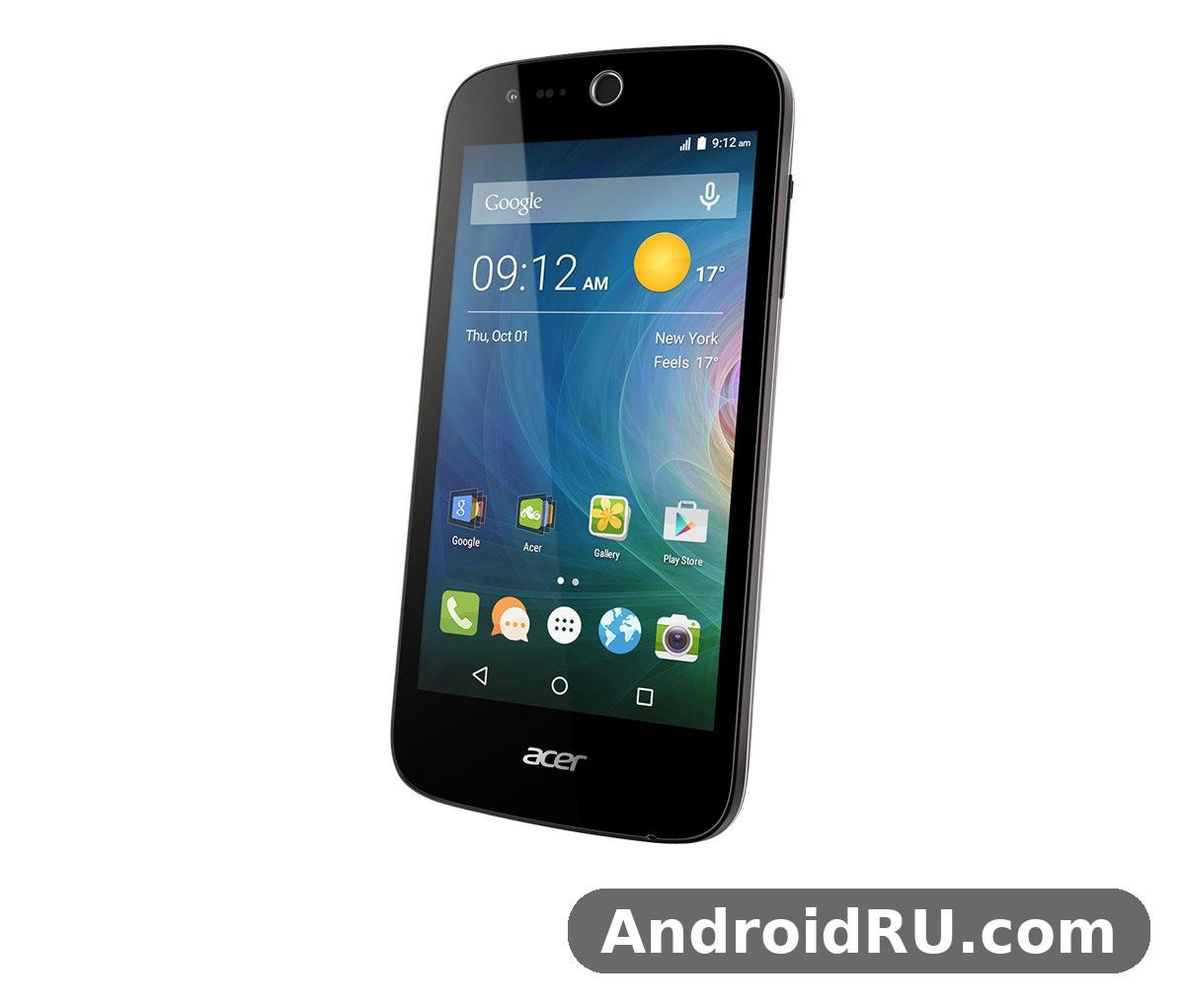
This review looks at the phone the way its buyers would have used it: in the hand, in the pocket, on a bus, at work, and on a charger at night. You will find the everyday performance, the screen, the cameras, the battery, the software, and the full specifications, plus a comparison with its closest Acer relatives, a clear list of strengths and weaknesses, and a straight answer to the question of whether it makes sense to buy one now. The Acer Liquid Z330 release date October 2015 and availability put it right in the middle of Acer’s big IFA 2015 refresh, when the company announced six new Liquid phones at once, and that context explains a lot about what this phone is and what it was never trying to be.
If you are shopping for a used handset, collecting early Android phones, or just curious about what a 130-euro phone could do in 2015, this guide covers it. The Acer Liquid Z330 price at launch in Europe was around 130 euros, which placed it at the upper end of the entry-level bracket, and every part of the phone reflects that price: modest where it could be modest, solid where it mattered, and free of the gimmicks that usually inflate a budget handset.
Acer Liquid Z330 Everyday Performance in Real Use
The first thing to understand about the Acer Liquid Z330 everyday performance in real use is the job it was designed for. This was a phone for the basics, done reliably. Calls were clear, messages arrived on time, email synced without drama, and the web browser loaded ordinary pages at a reasonable pace on Wi-Fi or LTE. It was not a phone for heavy gaming or for keeping twenty apps open at once, and judging it by those standards misses the point. Judged by the standards of its own price bracket in 2015, it was a capable little workhorse.
At the heart of the phone sits the Qualcomm Snapdragon 210, a quad-core chip built on a 28 nm process, with four Cortex-A7 cores running at 1.1 GHz and an Adreno 304 graphics processor. The Acer Liquid Z330 Snapdragon 210 processor performance test results of the time told a consistent story: the chip handled the Android interface, light apps and casual games without stutter, but it slowed down under sustained load and it was never going to impress anyone with benchmark numbers. That was true of every Snapdragon 210 phone, and Acer made no attempt to pretend otherwise.
In practice, the rhythm of using the phone went like this. Unlocking was quick. Swiping between home screens was smooth. Opening the dialler, the contacts app or the messaging app took a second or so. Opening a heavier app such as a maps app or a social feed took a little longer, and the phone would sometimes pause for a beat while it loaded images. Once an app was open, scrolling was generally fine. The 1GB of RAM was the real ceiling: the Acer Liquid Z330 1GB RAM multitasking limits and tips section below explains this in detail, but the short version is that switching between three or four apps was workable, while keeping a browser with several tabs open alongside a music player and a chat app would force the phone to reload things.
What daily use felt like in 2015
For a typical day in 2015, the phone behaved well. A morning check of messages and news, a commute with music playing, a few photos at lunch, some browsing in the evening, and a video call now and then: all of that sat comfortably inside what the hardware could do. The small screen helped in one quiet way, because there were fewer pixels to push than on a 5.5-inch 1080p phone, so the modest graphics chip had less work to do. Games of the era that were built for casual play, such as puzzle games, endless runners and card games, ran acceptably. Demanding 3D titles of the period ran, but with lower detail and the occasional dropped frame, and the back of the phone grew warm after twenty minutes of play.
The phone shipped with Android 5.1 Lollipop, and the Acer Liquid Z330 Android Lollipop software and apps experience was close to stock Android, with Acer’s own touches kept light. There was a custom launcher with Acer’s icon style, a few Acer utilities, and the usual Google apps. That lightness was a genuine advantage on 1GB of RAM, because heavy manufacturer skins of the era could eat a noticeable share of memory before the user had opened a single app. The software felt tidy rather than flashy, and that suited the phone.
Where the phone showed its limits
Honesty matters here, because the limits were real and they shaped ownership. Storage was the first pinch point. The Acer Liquid Z330 storage space and microSD expansion story starts with 8GB of internal storage, of which only around 4 to 5GB was free for the user after the system and pre-installed apps. Installing a handful of large apps or a couple of games filled it quickly, and the phone would then start complaining about low space. A microSD card of up to 32GB helped for photos, music and videos, but on Android 5.1 apps could not simply be moved to the card in the way later Android versions allowed, so the internal storage ceiling stayed in place.
The second limit was memory. With 1GB of RAM, the phone redrew the home screen more often than a 2GB phone would, and a big web page could force a background app to close. Owners who learned to keep fewer apps running, to close the browser when they were done, and to avoid live wallpapers and heavy widgets got a noticeably smoother experience. That is not an excuse for the hardware; it is simply how a budget phone from 2015 had to be managed, and most buyers in this price range understood the deal.
Tips that made the phone run better
Small habits paid off. Keeping the number of home-screen widgets low freed memory. Turning off automatic sync for apps that did not need it saved both battery and RAM. Clearing the cache of the browser once a week kept it from growing sluggish. And installing a lightweight launcher, or simply sticking with the stock launcher and a plain wallpaper, kept the interface responsive. None of this turned the phone into a flagship, but it kept the difference between a good day and a frustrating day small.
Performance verdict for its class
Measured against the phones it actually competed with, the Z330 was middle of the pack for speed and near the top for reliability. It did not crash often, it did not overheat in normal use, and its software stayed stable over months of use. The Snapdragon 210 was a known quantity, and Acer’s light software let it do its best work. Anyone expecting a pocket rocket would have been disappointed; anyone expecting a dependable daily phone for the basics got exactly that.
Acer Liquid Z330 Design Weight and Dimensions Explained
The Acer Liquid Z330 design weight and dimensions explained in plain terms: this is a small, light, rounded plastic phone that fits comfortably in one hand. It measures 136 x 66.5 x 9.6 mm and weighs 142 grams. By modern standards that is tiny, and by 2015 standards it was compact without being cramped. The 4.5-inch screen leaves a modest bezel above and below, and the curved back panel sits naturally in the palm. The Acer Liquid Z330 dimensions and the Acer Liquid Z330 weight both matter for how the phone feels, and the feeling is one of a device that disappears into a pocket and can be used one-handed without stretching a thumb across a huge slab of glass.
Acer sold the phone in two colours, Mystic Black and Pure White, and both used the same soft-touch plastic finish on the back. The black version hid fingerprints reasonably well; the white version looked cleaner for longer but showed scuffs on the edges sooner. The back cover was removable, which was normal for the time and genuinely useful: it gave access to the removable battery, the micro-SIM slot and the microSD slot. The build was entirely plastic, with a solid feel and no creaks when squeezed, though a drop onto concrete would mark the corners, as it would on any plastic phone of the era.
Button placement followed the standard pattern of the time. An Acer Liquid Z330 unboxing in 2015 revealed the phone, a charger, a cable and a quick-start guide, with nothing extra in the box. The power button and volume rocker sat on the right edge, within easy reach of a thumb. The 3.5 mm headphone jack was on the top edge, and the microUSB port sat on the bottom. The rear camera and its LED flash were centred near the top of the back panel, with the Acer logo below them and a small speaker grille lower down. Nothing about the layout was unusual, and that was a strength: a new owner could pick the phone up and use it without learning anything.
A phone built for one-handed use
One-handed use is where the small screen paid off most. Reaching the notification shade with a thumb was easy. Typing with one hand on the on-screen keyboard was comfortable, because the keys were close together. The phone could be slipped into a jeans pocket, a jacket pocket or a small bag without a bulge, and it could be held to the ear for a long call without tiring the arm. For buyers coming from an older, smaller phone, the Z330 felt like a natural step up; for buyers used to a large phone, it felt almost dainty.
The screen-to-body ratio of about 61.7 percent looks low today, when even budget phones push past 80 percent, but in 2015 it was ordinary for the class. Bezels were simply part of phone design then, and the Z330 wore them without apology. The front face was dominated by the earpiece, the front camera and the sensors above the screen, with the three capacitive navigation keys below it. Those keys lit up when touched, which helped in the dark.
Build quality and durability
Durability was reasonable for a plastic phone. The removable back meant a cracked cover could be replaced cheaply, and the battery could be swapped when it aged. The screen had no Gorilla Glass branding attached to it in the official specifications, so a screen protector was a sensible purchase, and owners who used one generally kept the display free of scratches. The phone survived ordinary knocks and drops onto carpet and wood floors without drama; drops onto stone or concrete were a gamble, as they were for every phone without a rugged case.
There was no water resistance rating, no fingerprint sensor, and no metal frame. Those were features reserved for phones costing two or three times as much in 2015, and their absence is not a criticism of the Z330. It is simply a reminder of the segment the phone occupied. What it offered instead was a practical, repairable design that a careful owner could keep in good condition for years.
Acer Liquid Z330 Display Quality and Screen Size
The Acer Liquid Z330 display quality and screen size need to be judged with 2015 eyes. The panel is a 4.5-inch IPS LCD with a resolution of 480 x 854 pixels, which works out to about 218 pixels per inch. That is not a sharp display by modern standards, and text on a web page showed a slight softness if you looked closely. In normal use at arm’s length, though, it was perfectly readable, and the IPS technology gave it decent viewing angles and reasonably faithful colours. The Acer Liquid Z330 screen resolution 480p viewing experience was honest rather than impressive: good enough for messages, maps, photos and video, with a visible step down from the 720p panels on phones that cost more.
Brightness was adequate for indoor use and for overcast days outdoors, but direct sunlight washed the screen out, as it did on most budget phones of the time. There was no automatic brightness curve as refined as the ones on flagship phones, so owners often adjusted the slider by hand when moving between indoors and outdoors. Colours were slightly cool out of the box, with whites leaning towards blue, and blacks were the greyish black typical of an LCD rather than the deep black of an OLED panel. None of this stopped the phone from doing its job, and for watching short clips or browsing photos the screen was pleasant enough.
The 16:9 aspect ratio suited video, and the small size made the phone a comfortable reading device for short sessions. Reading a long article or an e-book was possible, but the low resolution meant more scrolling and slightly less crisp text than on a larger, sharper panel. The Acer Liquid Z330 display was at its best doing the things its buyers actually did most: checking messages, glancing at the weather, following a map, and showing a photo to a friend. For those tasks, it was fine. The Acer Liquid Z330 4.5 inch panel was small by later standards, yet this Acer phone made the most of its compact screen, keeping text readable and controls within easy reach.
Screen size in everyday life
A 4.5-inch screen sounds small now, but in 2015 it was the size of a sensible budget phone. The keyboard was usable, the dialler buttons were large enough to hit reliably, and app icons were big enough to read at a glance. The trade-off was screen space: a web page showed less at once, a spreadsheet was cramped, and split-screen multitasking was not a realistic option. The phone never pretended to be a media tablet, and owners who wanted a big screen for films bought a different Acer model, such as the Z630S, instead.
Touch response was good, with no noticeable lag between a tap and the response, and the capacitive layer registered light touches reliably. The display did not support glove mode or a stylus, and there was no always-on display feature, because those were not standard in this class. What the screen offered was a straightforward, readable window onto the phone’s apps, and it delivered that without fuss.
Acer Liquid Z330 Snapdragon 210 Processor Performance Test
The Acer Liquid Z330 Snapdragon 210 processor performance test picture is consistent across every review and benchmark of the period. The Snapdragon 210, model number MSM8909, combined four ARM Cortex-A7 cores at 1.1 GHz with an Adreno 304 GPU, and it was built on a 28 nm process. It was Qualcomm’s entry-level chip of 2015, designed for affordable phones with LTE, and it brought 4G connectivity to a price point where 3G had previously been the norm. The Acer Liquid Z330 chipset was not fast, but it was modern in the ways that mattered for connectivity.
Benchmarks of the day put the chip well below the Snapdragon 410 and far below the Snapdragon 615, and the numbers matched the feeling of the phone: brisk for light work, deliberate for heavy work. App launch times for the dialler, contacts and messaging apps were around a second. The camera app took a couple of seconds to open and be ready. The browser rendered ordinary pages in a few seconds on LTE and a little longer on 3G. Games with simple graphics ran at a playable frame rate, while 3D games needed their settings turned down.
Heat was rarely an issue. The chip sipped power rather than gulping it, and the plastic body spread the warmth evenly, so the phone never became uncomfortable in the hand during normal use. Long gaming sessions warmed the upper back of the phone, but it stayed well short of the hot-to-the-touch feeling that some faster phones of the era produced. That cool running was one of the quiet benefits of a modest chip.
RAM, storage and the multitasking ceiling
The processor did not work alone, and the 1GB of RAM shaped the experience as much as the chip did. Android 5.1 itself needed a share of that memory, Acer’s launcher needed a share, and the Google services running in the background needed a share, leaving only a modest amount for the user’s apps. The practical result was that the phone could hold two or three light apps in memory comfortably, and anything beyond that would be reloaded when the user switched back to it. Music playback in the background usually survived, because Android protected the audio process, but a browser tab might reload after a detour into the camera.
Owners who understood this ceiling got along well with the phone. They kept their app count low, uninstalled apps they did not use, and avoided the heaviest social apps, which were notorious memory hogs even in 2015. The Acer Liquid Z330 performance for everyday use was best when the phone was treated as a focused tool rather than a pocket computer running everything at once. That is a fair description of how most budget phones of the era had to be used.
Connectivity and radios
Where the Snapdragon 210 genuinely shone was connectivity. The Acer Liquid Z330 connectivity covered LTE, Wi-Fi, Bluetooth and GPS without fuss, and the phone stayed connected reliably in daily use. The Acer Liquid Z330 dual SIM LTE connectivity and bands story starts with LTE Cat 4, offering download speeds of up to 150 Mbps and uploads of up to 50 Mbps on supported networks, and the phone also handled HSPA and GSM fallback for areas without 4G. Wi-Fi 802.11 b/g/n covered home and office networks, with Wi-Fi Direct and hotspot support for sharing a connection. Bluetooth 4.0 with A2DP handled wireless headphones and car kits, and GPS with A-GPS gave reliable positioning for maps and navigation.
The phone used a micro-SIM, and some markets sold a dual-SIM version, which suited buyers who carried a work number and a personal number, or a local SIM alongside a travel SIM. Call quality was clear on both the earpiece and the loudspeaker, and the microphone picked up voices well in quiet rooms. The FM radio, a feature that has almost disappeared from modern phones, was built in and worked with wired headphones as the antenna. For a budget phone, the radio was a thoughtful inclusion that cost Acer little and pleased buyers who listened to local stations.
Acer Liquid Z330 Camera Quality and Photo Results
The Acer Liquid Z330 camera quality and photo results are best described as adequate for the price and the era. The rear camera is a 5-megapixel unit with autofocus and an LED flash, recording video at 720p, and the front camera is listed as 5 megapixels in the main specification sheets, although some retailer listings of the time showed 2 megapixels for the front camera, which suggests regional or listing variation. The Acer Liquid Z330 5MP rear camera review and samples from the period show what a 5MP sensor of 2015 could and could not do, and the honest summary is that daylight photos were usable and low-light photos were not.
In bright daylight, the rear camera produced photos with decent colour and acceptable detail for sharing on a message thread or a social feed. Landscapes, street scenes and group photos came out pleasantly enough at the phone’s native resolution, and the autofocus locked onto subjects quickly in good light. The LED flash helped for close subjects indoors, though it washed out colours at very short range, as small flashes do. The camera app was simple, with modes for panorama, HDR and a basic beauty setting for portraits, and it launched in a couple of seconds.
Low light was the weak point. Without optical stabilisation and with a small sensor, the camera needed a steady hand and a still subject to avoid blur, and noise crept into shadows quickly. Night shots of city streets were grainy and soft, and indoor photos under warm artificial light took on a yellow cast. Those limits were shared by every 5MP budget camera of 2015, and the Z330 was no worse than its rivals. It simply belonged to a time when a phone camera was a convenience rather than a replacement for a dedicated camera.
Front camera and selfies
The Acer Liquid Z330 front camera selfie quality review picture is mixed, and it depends on which specification the individual handset carried. On the 5MP listing, an Acer Liquid Z330 selfie taken in good light was clear enough for video calls and profile photos, with natural skin tones and reasonable detail. Video calls worked well over Wi-Fi, and the front camera handled the job it was mainly bought for: seeing and being seen by family and friends. In dim light, the front camera struggled, producing soft, noisy images, and there was no front flash to help.
Owners who took a lot of selfies learned to face a window or step into daylight, and that simple habit made a visible difference. The beauty mode smoothed skin tones for those who liked that look, and the wide-angle framing fitted a small group into the shot. Nobody bought this phone for its selfie camera, but for casual use it did the job.
Video recording
The Acer Liquid Z330 video recording 720p quality review is short: clips were watchable, not cinematic. Recording at 720p and 30 frames per second, the phone captured family moments, school events and holiday scenes with acceptable clarity in daylight, and with the usual budget-phone softness indoors. There was no stabilisation, so walking while recording produced shaky footage, and the microphone picked up wind noise outdoors. For the short clips people actually shared in 2015, the video was good enough, and the files were small enough to send over a mobile connection without a long wait.
Camera settings worth knowing
Two settings made the most difference. HDR mode helped in high-contrast scenes, such as a bright sky over a shaded street, by combining exposures into a single image with more detail in both areas. Panorama mode stitched a wide scene together for landscapes, though it needed a slow, steady sweep to avoid visible seams. Turning the flash off for close-up shots of people avoided the washed-out look, and tapping the screen to focus on the subject rather than trusting the centre point improved results in busy scenes.
Who the camera suited
The camera suited a buyer who photographed everyday life rather than art. Birthday candles, a new haircut, a market stall, a bus timetable, a whiteboard in a meeting: the Z330 captured all of those well enough to be useful. A buyer who wanted detailed landscape photography or reliable night shots needed a phone with a larger sensor and a higher price, and that was true across the whole budget segment in 2015.
Acer Liquid Z330 Battery Life Test and Charging
The Acer Liquid Z330 battery life test story is one of modest capacity used wisely. The battery is a removable Li-Ion unit rated at 2000mAh, and the Acer Liquid Z330 2000mAh capacity was typical for a 4.5-inch phone in 2015. How long does Acer Liquid Z330 battery last on a normal day? For a light to moderate user, the answer was a full day: a morning of messages and news, some calls, a little browsing, and music on the commute, with roughly 15 to 25 percent left by bedtime. For a heavy user, especially one who streamed video or played games, the phone needed a top-up in the late afternoon.
Three things worked in the battery’s favour. The small, low-resolution screen drew less power than the large 1080p panels on bigger phones. The Snapdragon 210 was a frugal chip that idled efficiently. And the light software did not run heavy background services. Together, those three factors stretched 2000mAh further than the raw number suggested. Standby drain was low, so the phone lost only a few percent overnight, and a phone left in a drawer for a weekend would still have charge when picked up again.
Charging was by microUSB, and the Acer Liquid Z330 charging time and battery replacement guide starts with a simple fact: there was no fast charging, so a full charge from empty took around two to two and a half hours with the bundled charger. A standard 5W charger was the norm, and using a higher-rated charger did not speed things up, because the phone’s charging circuit set the limit. The removable battery was the real answer to a long day: a spare battery could be carried in a bag and swapped in under a minute, which was a freedom modern sealed phones no longer offer. Replacement batteries were inexpensive, and swapping in a fresh cell revived an ageing phone more effectively than any software tweak.
Getting more from the battery
The Acer Liquid Z330 2000mAh battery drain and saving tips that actually worked were simple. Lowering screen brightness made the biggest single difference, because the display was the largest power draw. Turning off Wi-Fi, Bluetooth and GPS when they were not needed helped on travel days. Restricting background data for the heaviest social apps stopped them waking the phone repeatedly. And switching the phone to 3G in areas with weak LTE saved power, because the radio stopped hunting for a 4G signal that was barely there.
Owners who followed those habits often gained an extra hour or two of screen time. Those who left everything on at full brightness got the shorter end of the range. Neither group got two days of use, and nobody should expect that from a 2000mAh battery, but a single reliable day was a fair result for the class.
Sound, FM radio and Bluetooth
The Acer Liquid Z330 FM radio and Bluetooth features explained in one place: the phone had a single loudspeaker on the back, which was loud enough for ringtones and speakerphone calls, but thin and tinny for music. The Acer Liquid Z330 sound through wired headphones was clear and pleasant, with decent stereo separation through the 3.5 mm jack and acceptable quality over Bluetooth 4.0 with A2DP. The FM radio worked with wired headphones acting as the antenna, and it was a genuinely useful feature for listeners who followed local stations or live sport. There was no stereo speaker setup and no dedicated audio chip, which was normal at this price, and the sound was best described as functional rather than rich.
Acer Liquid Z330 Android Lollipop Software and Apps
The Acer Liquid Z330 Android Lollipop software and apps package was a product of its moment. Android 5.1 Lollipop brought the Material Design interface, with its bright colours, card-based notifications and smooth animations, and Acer’s additions were restrained. The launcher used Acer’s icon pack and a clean home-screen layout, and the pre-installed apps included Acer’s own utilities alongside the standard Google set: Gmail, Maps, YouTube, Chrome and the Google Play catalogue. The Acer Liquid Z330 software stayed close to stock Android, which kept it light on 1GB of RAM and made it easy to learn for anyone who had used an Android phone before.
There was no upgrade path to Android 6.0 Marshmallow offered for this model, and owners should be clear about that. The phone remained on Android 5.1 for its whole life, which means it cannot run many modern apps and should not be used for sensitive accounts today. That is not a flaw in the original product; it is the normal lifecycle of a budget phone from 2015. At the time, though, the software was current, and the apps of the day ran well on it.
Acer’s software additions included a simple file manager, a system cleaner of sorts, and a few tools for managing the dual-SIM settings on the versions that had them. The notification shade, quick settings and lock screen all followed Google’s design, and the settings menu was the familiar Lollipop layout. For a buyer in 2015, there was nothing to relearn and nothing confusing in the way.
Apps that ran well and apps that did not
The Acer Liquid Z330 for calls messaging and light apps was the phone’s natural home. The dialler, the messaging app, email, calendar, calculator, clock and notes all ran without complaint. Maps and navigation worked well, with GPS locking on quickly outdoors. Music players, podcast apps and the FM radio were comfortable. Light social apps and the mobile web versions of heavier services ran acceptably, and the phone handled e-books and news readers nicely on its small screen.
Heavy apps were a different story. The full versions of the biggest social apps of the era grew demanding even in 2015, and they could make the phone pause while loading feeds full of images and video. Large games with detailed 3D graphics ran slowly or refused to install for lack of space. Owners who chose the lighter versions of apps, or used the browser instead of a heavy app, got a smoother experience. That trade-off was the price of the phone’s affordability, and most buyers accepted it.
Security and the reality of a 2015 phone today
A phone that stopped receiving updates in 2015 cannot be recommended as a daily device for banking, email or anything sensitive in 2026. The old Android version lacks years of security patches, and most modern apps no longer support it. The honest way to think about the Z330 today is as a collector’s piece, a backup phone for calls and texts on a network that still accepts it, or a simple media player and FM radio. Used that way, it is still a pleasant little device. Used as a primary smartphone, it would frustrate anyone who depends on current apps.
Full Specifications
The Acer Liquid Z330 full specifications and features are set out below, and the Acer Liquid Z330 specs in the table cover every hardware detail, taken from the phone’s official specification sheets and the standard listings of the period. Where listings of the time disagreed, the table follows the most widely published figures, and the front-camera note in the camera section explains the one value that varied between sources.
| Feature | Acer Liquid Z330 |
|---|---|
| Announced | September 2015 (IFA, Berlin) |
| Release date | October 2015 |
| Launch price | About 130 euros |
| Colours | Mystic Black, Pure White |
| Dimensions | 136 x 66.5 x 9.6 mm |
| Weight | 142 g |
| Display | 4.5-inch IPS LCD, 480 x 854 pixels, 16:9, about 218 ppi |
| Screen-to-body ratio | About 61.7 percent |
| Operating system | Android 5.1 Lollipop |
| Chipset | Qualcomm MSM8909 Snapdragon 210, 28 nm |
| CPU | Quad-core 1.1 GHz Cortex-A7 |
| GPU | Adreno 304 |
| RAM | 1GB |
| Internal storage | 8GB eMMC 4.5 |
| Memory card slot | microSD, up to 32GB |
| Rear camera | 5MP, autofocus, LED flash, 720p video |
| Front camera | 5MP (some listings show 2MP) |
| Battery | Removable Li-Ion 2000mAh |
| SIM | Micro-SIM; dual-SIM version in some markets |
| Mobile data | GSM, HSPA, LTE Cat 4 (150/50 Mbps) |
| Wi-Fi | 802.11 b/g/n, Wi-Fi Direct, hotspot |
| Bluetooth | 4.0, A2DP |
| Positioning | GPS, A-GPS |
| Radio | FM radio |
| Ports | microUSB 2.0, 3.5 mm headphone jack |
| Sensors | Accelerometer, proximity |
| Loudspeaker | Yes, mono |
| Fingerprint sensor | No |
| NFC | No |
Two details in the table deserve a second look. The first is the removable battery, which was already becoming rare in 2015 and is now almost extinct. The second is the sensor list: the Acer Liquid Z330 sensors accelerometer and proximity list is short, with no gyroscope and no compass, which meant some augmented-reality apps and precise navigation features were unavailable. The Acer Liquid Z330 microUSB port and OTG support explained briefly: the port handled charging and data transfer, and OTG support for USB accessories was not part of the official specification, so owners should not count on it.
Acer’s 2015 range put the Z330 in the middle of a large family. At the top of that family sat the Windows 10 flagship, and Is the Acer Liquid Jade Primo Worth It? Review, Specs and Verdict shows how different a phone Acer could build when it aimed at business users. The Z330 was the opposite end of the same strategy: the same design language, the same launch event, and a much smaller price.
Acer Liquid Z330 vs Acer Liquid Z320 Comparison
The Acer Liquid Z330 vs Acer Liquid Z320 comparison is the one most buyers actually faced in shops in late 2015, because the two phones looked identical and shared most of their hardware. The differences were small but real, and they explain the price gap between the two models. The Z320 was the cheaper sibling, while the Z330 added LTE and a better front camera, and that was essentially the whole story.
| Feature | Acer Liquid Z330 | Acer Liquid Z320 | Acer Liquid Z630S | Acer Liquid Zest |
|---|---|---|---|---|
| Display | 4.5-inch, 480 x 854 | 4.5-inch, 480 x 854 | 5.5-inch, 720 x 1280 | 5.0-inch, 720 x 1280 |
| Chipset | Snapdragon 210 | Snapdragon 210 (MSM8209, no LTE) | MediaTek MT6735 octa-core | MediaTek MT6580 quad-core |
| RAM | 1GB | 1GB | 3GB | 1GB |
| Storage | 8GB + microSD | 8GB + microSD | 32GB + microSD | 8GB + microSD |
| Rear camera | 5MP, AF, flash | 5MP, AF, flash | 8MP, AF, flash | 8MP, AF, flash |
| Front camera | 5MP | 2MP | 8MP | 5MP |
| Battery | 2000mAh | 2000mAh | 4000mAh | 2500mAh |
| OS | Android 5.1 | Android 5.1 | Android 5.1 | Android 5.1 |
| Launch price | About 130 euros | About 100 euros | About 200 euros | About 120 euros |
The table makes the family logic clear. A buyer who wanted LTE and better selfies paid the extra for the Z330. A buyer who only used Wi-Fi and 3G could save money with the Z320 and lose almost nothing else, and A Closer Look at the Acer Liquid Z320: Review, Specs and Real-World Use covers that sibling in detail. A buyer who wanted a bigger screen and a bigger battery stepped up to the Z630S, and Acer Liquid Z630S: Design, Software and Full Specifications in Detail sets out what that extra money bought. The Zest sat between the two, with a larger 720p screen and a better rear camera for a similar price, and The Acer Liquid Zest, Reviewed in Detail: Specs, Everyday Performance and More explains why some buyers preferred it.
Acer’s range in 2015 was not limited to phones. The company also built tablets, and Acer Predator 8 Specifications and Detailed Overview: Software Explained covers the gaming tablet that shared the same launch season. The Z330’s place in that line-up was simple: it was the small, affordable Android phone for everyday use, while the tablets and the flagship phones handled the heavier work.
Which sibling should a buyer have chosen
In 2015, the answer depended on the network. A buyer on a 4G plan had a clear reason to choose the Z330 over the Z320, because the Z320’s lack of LTE meant slower data everywhere. A buyer who lived on Wi-Fi and wanted the lowest price had a clear reason to choose the Z320. A buyer who watched a lot of video or played games had a reason to look at the Z630S or the Zest instead, because the larger screens made both activities more enjoyable. The Z330 was the balanced choice: LTE, a decent front camera, a pocketable size and a fair price.
Acer Liquid Z330 Pros and Cons Explained in Detail
The Acer Liquid Z330 pros and cons explained in detail below are the summary of everything in this review, written for a reader who wants the short version before deciding. The Acer Liquid Z330 value for money was fair in 2015: a small, reliable phone with LTE for about 130 euros, with no single feature that felt like a waste of money. The phone’s strengths were its size, its reliability, its LTE support and its honest pricing. Its weaknesses were its memory, its storage, its screen resolution and its camera in low light. None of the weaknesses were surprises, and none of the strengths were accidents; both lists follow directly from the hardware Acer chose.
Pros
- Compact and light design — at 136 x 66.5 x 9.6 mm and 142 grams, the phone fitted any pocket and worked comfortably with one hand.
- LTE Cat 4 connectivity at a budget price brought fast mobile data to buyers who had previously been limited to 3G.
- The removable 2000mAh battery could be swapped in seconds, and a cheap spare battery extended the phone’s useful life.
- Light, near-stock Android 5.1 software kept the phone stable and easy to learn, without a heavy manufacturer skin slowing it down.
- FM radio, a headphone jack and a microSD slot covered the everyday features that budget buyers actually used.
Cons
- Only 1GB of RAM limited multitasking, forcing apps to reload when switching between several of them.
- Only 8GB of internal storage filled up quickly, and apps could not easily be moved to the microSD card on Android 5.1.
- The 480 x 854 screen was soft for reading and video compared with the 720p panels on similarly priced rivals.
- The 5MP camera struggled in low light, with noisy, soft results and no stabilisation for video.
- No software updates beyond Android 5.1, which means the phone cannot run modern apps or be trusted with sensitive accounts today.
Who the phone suited
In 2015, the Z330 suited a first-time smartphone buyer, a parent buying a phone for a teenager, a traveller who wanted a cheap second phone, or anyone who mainly called, messaged, browsed and listened to music. It also suited buyers who valued a small phone and a removable battery over a big screen. It did not suit a heavy gamer, a keen mobile photographer, or anyone who needed to keep many apps open at once. Today, the same judgement applies to collectors and to anyone who wants a simple backup handset for calls and texts.
Buying a used Z330 today
The Acer Liquid Z330 second hand price and buying checklist is short, because the phone is now a low-value used item and the main risk is condition rather than price. Expect to pay only a small amount for a working example. Check that the phone powers on, that the screen has no cracks or dead zones, that the battery holds a charge for a day of light use, that the microSD and SIM slots read cards, and that the charging port is not loose. Ask whether the battery is the original, because a ten-year-old cell may be tired, and a replacement is cheap but worth factoring in. Check the IMEI is clean if you plan to use it on a network, and test a call, a text and a Wi-Fi connection before paying.
Common problems and fixes for owners
The Acer Liquid Z330 common problems and fixes for owners are the usual ones for a 2015 budget phone, and the Acer Liquid Z330 problems most owners met were small ones rather than hardware failures. If the phone runs slowly, uninstall unused apps, clear the browser cache, and restart the phone once a week. If storage runs out, move photos and music to the microSD card and delete old videos. If the battery drains quickly, lower the brightness, turn off GPS when it is not needed, and check for an app that is waking the phone in the background. If an app crashes, clear its cache first, and only then its data. If the phone will not charge, try a different cable and clean the microUSB port gently, because lint in the port was a common cause.
The Acer Liquid Z330 factory reset and hard reset guide is the last resort for a phone that is stuck or badly misbehaving. Back up photos and contacts first, because a reset erases everything. Open Settings, then Backup and reset, then Factory data reset, and confirm. If the phone cannot reach the settings menu, power it off, hold the volume-up and power buttons together until the recovery menu appears, choose the wipe option with the volume keys, and confirm with the power button. After the reset, the phone returns to its out-of-the-box state on Android 5.1.
Frequently Asked Questions About the Acer Liquid Z330
Is Acer Liquid Z330 still worth buying today?
Is Acer Liquid Z330 still worth buying today as a main phone? No, not as a primary smartphone, because it runs Android 5.1, receives no security updates, and cannot run most current apps. As a collector’s item, a backup phone for calls and texts, a bedside FM radio and music player, or a simple handset for a child to learn on, it is worth the small price a used example commands, provided the battery and screen are in good condition.
How long does the Acer Liquid Z330 battery last?
How long does Acer Liquid Z330 battery last in practice? The 2000mAh removable battery gave a full day of light to moderate use in 2015, with roughly 15 to 25 percent remaining by bedtime, and less for heavy video or gaming days. A fresh replacement battery restores that performance today, while a ten-year-old original cell will usually fall short, so the battery’s condition matters more than the phone’s age when judging a used example.
Does the Acer Liquid Z330 have 4G LTE?
Yes. The Z330 supports LTE Cat 4 with download speeds of up to 150 Mbps on supported networks, and it falls back to HSPA and GSM where 4G is unavailable. That LTE support was the main reason to choose the Z330 over its sibling the Z320, which used a version of the Snapdragon 210 without LTE. Whether the phone still connects to a given network today depends on the carrier’s bands and on whether older 2G and 3G networks in that country have been switched off.
Can the storage be expanded on the Acer Liquid Z330?
Yes, with a microSD card of up to 32GB, fitted under the removable back cover. The card is ideal for photos, music and videos. On Android 5.1, apps themselves largely stay on the 8GB of internal storage, so the card does not solve the problem of a full app drawer. Moving media to the card regularly is the habit that kept the phone usable, and it remains the right advice for anyone still using one.
The Acer Liquid Z330 review picture, taken as a whole, is of a phone that understood its job and did it without pretence. It was small, light, affordable and reliable, with LTE, a removable battery and clean software as its quiet advantages, and with 1GB of RAM, 8GB of storage and a 480p screen as its honest limits. In 2015 it was a sensible buy for anyone who wanted the basics done well. In 2026 it is a neat reminder of how far budget phones have come, and a usable little classic for calls, texts, radio and light media, as long as nobody asks it to be a modern smartphone. If you pick one up second hand, check the battery, check the screen, fit a microSD card, and enjoy it for what it is: everyday performance in everyday use, from an era when that was enough.

