

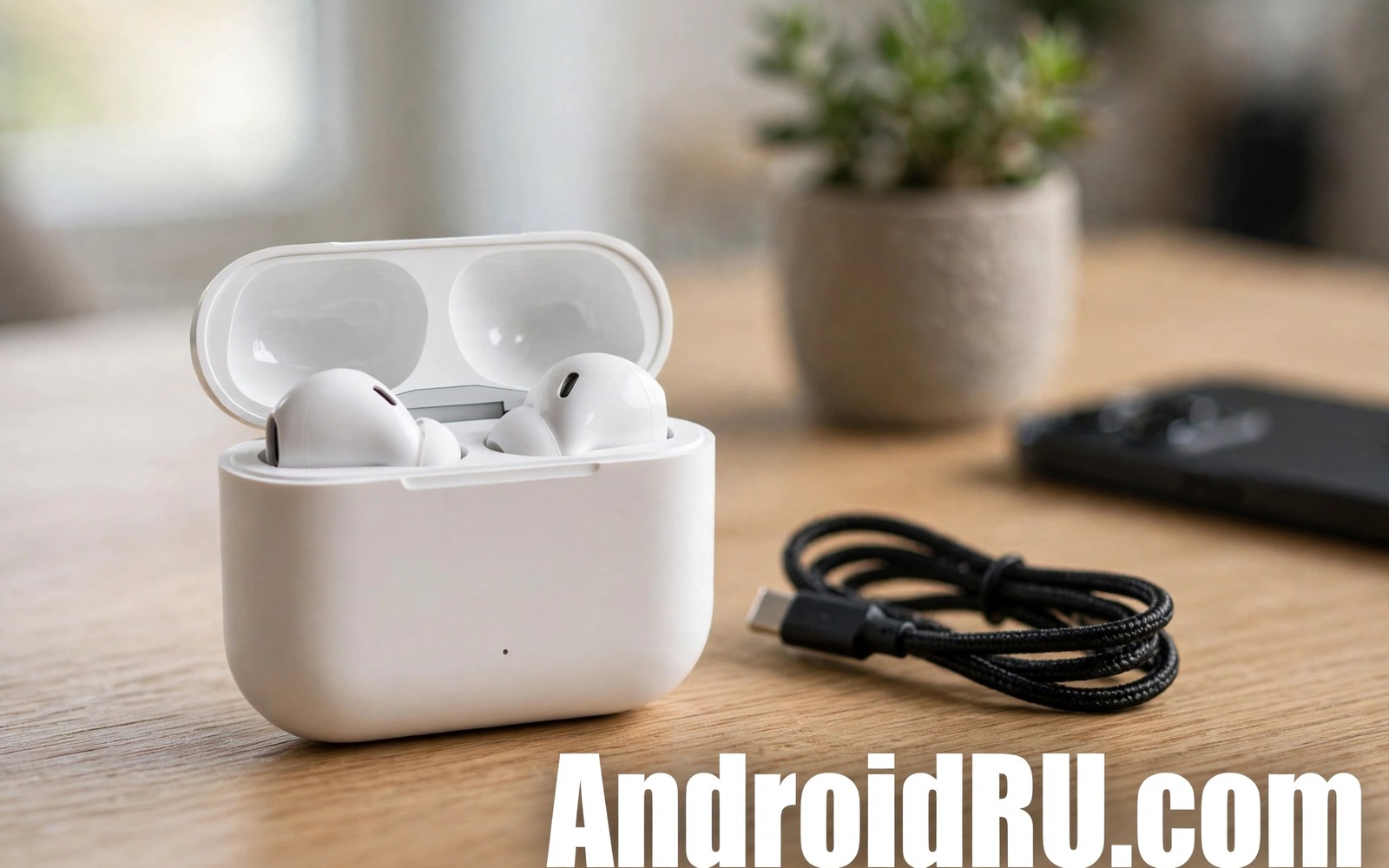
Earbuds battery life fades faster when the charging case is used badly. A case that is left empty or overcharged or stored in heat can lose capacity over months. Many users blame the earbuds when the case is the real problem. A case with a weak battery cannot recharge earbuds fully on the go. That weak case leaves earbuds dead halfway through a day. This guide explains best charging case practices that keep both earbuds and case healthy for years.
Start by keeping the case charged between a comfortable range rather than always full or always empty. A case that sits at full charge in a hot car ages faster. A case that sits empty for weeks can drop to a level that harms its cells. Charge the case when it falls to a low level and unplug it once it reaches full. A case does not need to stay plugged in overnight every night. A weekly full charge check is enough for most users who use earbuds daily.
Heat is the biggest enemy of a small case battery. A case left on a car dashboard in sun can heat far beyond a safe range. A case in a pocket next to a warm phone can also heat up during a long day. Keep the case in a cool shaded spot when not in use. Avoid wireless charging pads that heat the case during a long charge. A wired charge in a cool room is kinder to a small case battery than a hot wireless pad.
Charge Earbuds Correctly In The Case
Return earbuds to the case after each use so they stay topped up for the next call. Earbuds left out of the case drain slowly even when not playing audio. A case with a clear charge indicator helps you see when earbuds need a top up. If earbuds sit in the case yet do not charge then clean the charging contacts. Dust on earbud contacts or case pins can block charging. A dry cloth on the contacts often restores charging without any repair.
Do not force earbuds into the case if they do not sit flush. A forced earbud can bend a charging pin and it can damage the case lid. Check that the earbud orientation matches the case shape before closing the lid. A lid that does not close fully can let dust into the case and it can drain the case battery. For mic quality during long calls then fixing quiet earbuds mic audio helps with call clarity. For dual device use then Bluetooth multipoint for two devices explains switching that can affect battery use. For a tidy charging setup then rated 3 in 1 charging stations show how a station can serve earbuds nightly.
Store And Clean The Case Properly
Store the case in a clean dry pocket or pouch rather than loose with keys and coins. Keys can scratch the case and they can press the lid open in a bag. A case lid that opens in a bag can drain earbuds by keeping them awake. A small pouch keeps the case closed and clean. Clean the case interior with a dry cloth once a week. Dust in the earbud wells can block contacts and it can make earbuds sit unevenly.
Avoid using the case as a fidget toy that opens and closes repeatedly. Each lid cycle wakes the earbuds briefly and it uses a small amount of power. Repeated lid cycles over a day can drain a case noticeably. Open the case only when you need earbuds and close it promptly after returning them. That habit also protects the hinge from wear. A hinge that loosens over time may not hold the lid shut in a bag.
Log Case Battery Health With A Simple Script
A short log helps you track case battery decline over months. Note the number of full earbud charges a case gives from a full charge. This short script saves case charge notes into a plain text file. It keeps the comparison honest because memory alone forgets how many charges a case gave when new. Review the log after six months to spot a case that now gives far fewer charges.
notes = []
notes.append('case full gives three earbud charges')
with open('case_notes.txt', 'w') as f:
    for n in notes:
        f.write(n + chr(10))
Attribution: This code sample is an original example written for this article. It shows a simple way to store charging case notes in a text file. It does not come from any outside guide and it does not change device settings.
If a case that once gave three full earbud charges now gives only one then its battery has aged sharply. That decline may come from heat or from constant full charge storage. Change storage habits before replacing the case. Keep the case cooler and avoid leaving it plugged in for days. If decline continues after habit changes then a replacement case may be needed for reliable daily use.
A case firmware update can also improve battery management on some models. Check the earbuds app for updates and install them on a full charge. An update may fix a bug that drains the case overnight. After an update monitor case drain for a week. If drain improves then the update solved the problem. If drain stays high then the battery itself may be aged rather than a software fault.
Travel with a case needs a cable that matches the case port. A cable that fits loosely can disconnect during a charge in a bag. Use the cable supplied with the case or a quality cable with a firm fit. A loose cable in a moving bag can cause intermittent charging that heats the case. Check the cable fit before a trip and pack a spare cable for long journeys.
A case that is charged wirelessly while earbuds charge inside can heat both batteries at once. A wireless pad under a case can transfer heat into the earbuds as well. A wired case charge in a cool room avoids that double heat. If you must use wireless charging for the case then remove earbuds first when possible. That separation keeps earbud batteries cooler during a case charge.
A case battery indicator that shows only three lights can hide a gradual decline. Three lights may still show full when capacity has dropped noticeably. Track the number of earbud charges per case charge instead of relying on lights alone. That count reveals decline earlier than a coarse indicator. Early detection lets you change habits before the case becomes unreliable.
A case used in a gym bag should be stored in a separate pocket away from sweaty clothes. Moisture from gym clothes can enter a case through the lid gap over time. A dry pouch inside the gym bag protects the case from that moisture. Wipe the case dry after a gym session before returning it to the bag. That habit prevents corrosion on charging contacts from sweat moisture.
A case that is dropped on a hard floor can crack its own hinge even if earbuds survive. A cracked hinge may not hold the lid shut in a bag after the drop. Inspect the hinge after any case drop and test the lid closure. A case with a loose lid should be replaced before a trip because it can drain earbuds in a bag.
A case charger that is shared with a phone charger should be checked for power output. A phone charger that is too powerful for a small case is usually safe because the case limits its own draw. A charger that is too weak may charge a case very slowly overnight. Use a charger that meets the case maker rating for a reliable overnight charge.
A case that is used with a wireless charger at home should be tested for charging after outdoor use. Mud in a case back can increase the gap to a wireless pad and slow charging. Clean the case back after a muddy trip before placing it on a pad. That cleaning restores charging efficiency for the night after a hike.
A case that is stored in a hot car between trips can age faster than a case stored indoors. Heat in a parked car can warp a plastic case over a summer. Store outdoor gear indoors between trips rather than in a car boot. Indoor storage keeps cases and straps in better shape for the next trip.
A phone that is used for emergency calls outdoors should have a charged battery and a signal plan before a trail. A rugged case protects the phone but it cannot create signal where none exists. Tell a friend your trail route and expected return time before a remote hike. That safety plan matters more than any accessory when a fall injures a hiker.
A case that is charged with a cable that is frayed near the plug can heat up during charging. A frayed cable can cause intermittent power that stresses the case battery. Replace a frayed case cable promptly rather than taping it for continued use. A new cable costs little and it keeps case charging stable and safe.
A case that is kept in a jacket pocket during winter can suffer from condensation when brought indoors. Condensation on contacts can cause a brief charging fault after a cold day. Wipe the case and earbuds dry after coming indoors from cold air. That wipe prevents moisture related charging faults in winter use.
Common Mistakes
One common mistake is leaving a case plugged in for days at full charge. That habit ages small batteries faster. Another mistake is storing a case in a hot car. A third mistake is ignoring dirty charging contacts. Dust on contacts can stop earbuds from charging even when the case shows full.
Some users also open and close the case lid repeatedly out of habit. That habit wakes earbuds and drains the case. Another error is forcing earbuds into the case in the wrong orientation. Forced earbuds can bend pins and break the lid. Check orientation and close the lid gently each time.
Frequently Asked Questions
Should I leave my earbuds case plugged in overnight?
Leaving a case plugged in overnight occasionally is fine for most models. Leaving it plugged in for days at full charge can age the battery faster. Unplug the case once it reaches full if you do not need it. A case charged to full once a week suits most daily users well.
Why does my case drain even when earbuds are inside?
A case can drain when its lid opens in a bag and wakes the earbuds. Dust on contacts can also cause repeated charging attempts. Keep the case in a pouch and clean contacts weekly. If drain continues then check for a firmware update or a worn case battery.
How long should a charging case battery last?
A charging case battery should last several years with good habits. Heat and constant full charge storage shorten that life. A case that gives far fewer earbud charges than when new has aged. Good storage and cleaning habits can extend case life well beyond two years for most users.
Conclusion
Earbud battery life depends heavily on how you treat the charging case. Keep the case cool and charge it sensibly and clean its contacts weekly. Return earbuds promptly and avoid repeated lid cycles and forced fits. Track how many full charges the case gives over time. Your concrete next step is simple. Tonight clean the case contacts with a dry cloth and check how many full earbud charges your case gives from full.

