

POCO X6 Pro Review: Screen Quality, Cameras and Charging
Released in January 2024, the POCO X6 Pro arrived as a performance-led mid-range phone with a clear set of priorities: a bright AMOLED screen, a fast MediaTek chip, a 64MP main camera and 67W charging. This POCO X6 Pro review looks at how those parts work together in daily use, and where the phone asks buyers to accept a compromise. In this POCO X6 Pro review screen quality cameras and charging are the three areas tested most closely, because they shape almost every hour spent with the phone, from scrolling and streaming to taking photos and topping up the battery.
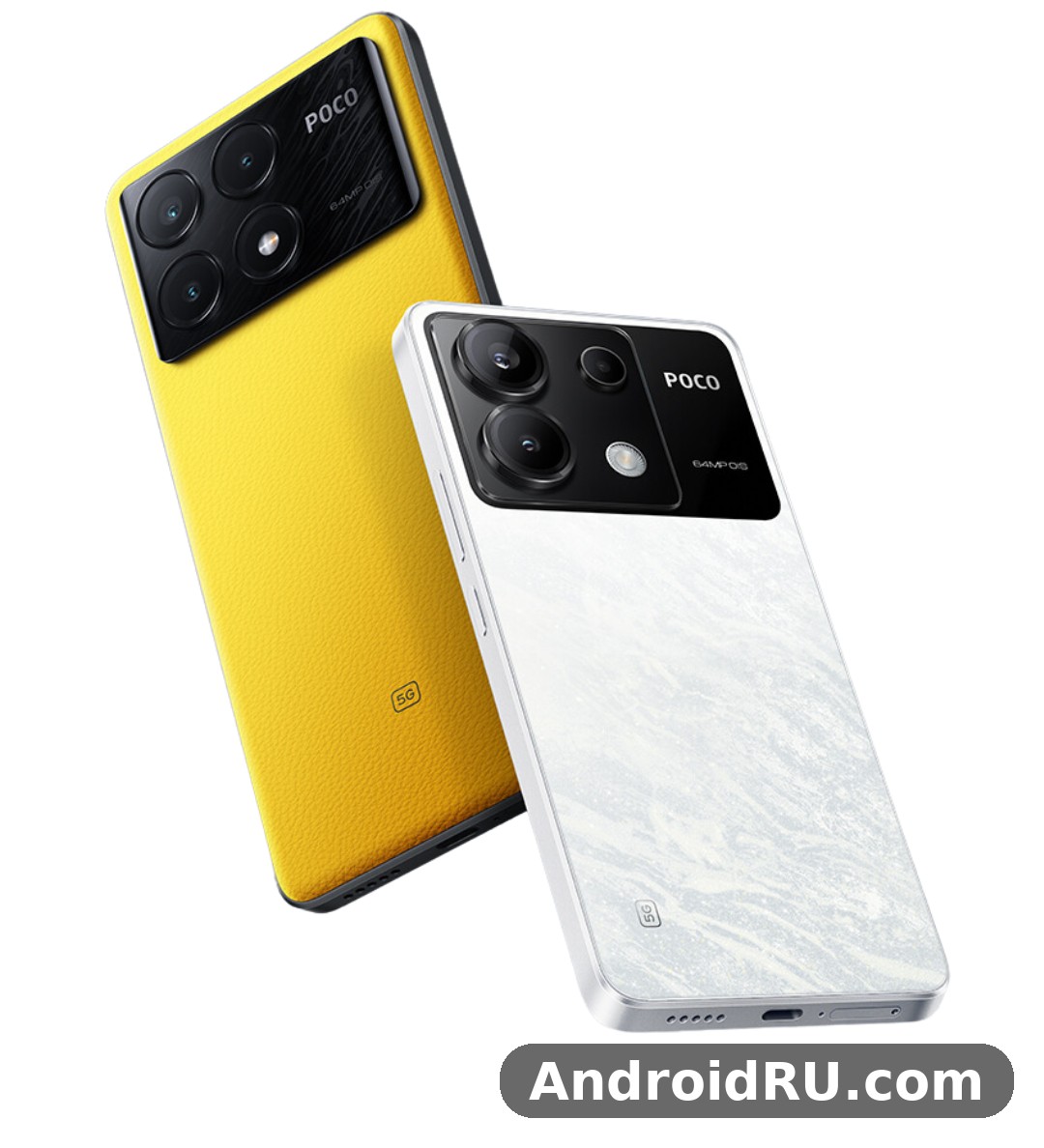
The phone sits in the familiar POCO X series position, above the standard X6 and below the later X7 models, and it still makes sense as a used or discounted buy for people who want speed first and a good screen second. It is bright, smooth and well balanced for everyday use, with a 6.67-inch panel, a 5000mAh battery and a triple rear camera led by a 64MP sensor with optical image stabilisation. The sections below cover the display in detail, the design, the Dimensity 8300 Ultra platform, the cameras, battery life and charging, software and audio, then the full specification table, a short list of strengths and weaknesses, and answers to common questions.
Screen Quality: A Bright 120Hz AMOLED
The POCO X6 Pro display is one of its strongest selling points. The 6.67-inch Flow AMOLED panel uses a 2712 x 1220 resolution, often described as 1.5K, with a 120Hz refresh rate, HDR10+ and Dolby Vision support, and a peak brightness rating of 1800 nits. Colours look rich without turning garish in the default vivid mode, text stays sharp at 446 pixels per inch, and scrolling feels fluid thanks to the high refresh rate and a touch sampling rate of up to 480Hz. For a phone launched at this price, the POCO X6 Pro AMOLED panel punches above its weight, and it is the first thing most owners notice after switching it on.
Adaptive refresh helps the panel drop to lower rates when nothing moves on screen, which saves a little power during reading, while games and fast scrolling can use the full 120Hz. The thin bezels and a small centred punch-hole camera keep the front looking modern, and the screen-to-body ratio of around 90 percent leaves little wasted space. The POCO X6 Pro screen is protected by Corning Gorilla Glass 5, which adds some peace of mind against scratches from keys and coins, although a screen protector is still a sensible addition for most owners.
Colour, HDR and Video Playback
Colour reproduction is accurate enough for photo editing on the go once the display is set to its standard or original colour mode, while the vivid mode adds extra saturation that suits video and games. HDR10+ and Dolby Vision support means supported streaming apps can show brighter highlights and deeper shadows, and the 68 billion colour depth helps gradients look smooth rather than banded. The POCO X6 Pro Dolby Vision HDR video playback on streaming apps is a genuine perk at this price, and it pairs well with the stereo speakers for watching films in bed or on a train. Dark scenes hold detail instead of crushing to black, and skin tones stay natural in most HDR clips.
Brightness Outdoors and Eye Comfort
Outdoor visibility is good for the class. The panel is rated at 500 nits typical brightness and 1200 nits in high brightness mode, with 1800 nits available for short HDR peaks, so text stays readable in bright daylight even if direct sun still forces a squint at the most extreme angles. The POCO X6 Pro display brightness outdoors under direct sunlight is helped by the high brightness mode, which kicks in automatically, and by the strong contrast that AMOLED panels keep even in glare. At night, 1920Hz PWM dimming reduces flicker at low brightness, and the POCO X6 Pro 1920Hz PWM dimming eye comfort at night is a real benefit for readers who use the phone in a dark room. A dark mode, a reading mode and a scheduled night light round out the comfort options.
Design and Build
The POCO X6 Pro uses a plastic frame with a choice of finishes: a smooth plastic back in black or blue, and a yellow vegan leather version that stands out in a crowd. The yellow model feels grippier and hides fingerprints far better than the glossy plastic options, and the POCO X6 Pro yellow vegan leather back durability over time has held up well in owner reports, with the texture resisting scuffs better than many expected. The phone measures 160.5 x 74.3 x 8.3 mm, and POCO X6 Pro weight is 186 grams for the plastic version and 190 grams for the vegan leather model, so it feels solid without being heavy for its size.
The camera module is a large rectangular block in the top-left corner, with two large lens circles and a smaller third lens, a look that divides opinion but makes the phone easy to recognise. An in-display fingerprint sensor sits near the bottom of the screen, and POCO X6 Pro fingerprint speed and accuracy in daily use are generally quick and reliable once the finger is registered twice, although wet hands can still cause a missed read. The phone carries an IP54 rating for dust and splash resistance, which covers rain and accidental splashes but not full immersion, so it should stay away from the pool. A POCO X6 Pro case is worth buying early, because the glossy black back picks up fingerprints within minutes, and the included clear case in the box helps while a better one is on its way. The POCO X6 Pro unboxing includes the phone, a 67W charger, a USB-C cable, a clear case and a SIM ejector tool, which is a generous bundle by current standards.
Performance and Gaming
At the heart of the phone is the MediaTek Dimensity 8300 Ultra, a 4nm chip with an octa-core CPU running up to 3.35GHz and a Mali-G615 GPU. POCO X6 Pro performance is fast in every ordinary task: apps open quickly, multitasking between a browser, a messenger and a camera stays smooth, and the UFS 4.0 storage keeps installs and file transfers brisk. The POCO X6 Pro Dimensity chip is paired with 8GB or 12GB of LPDDR5X RAM, and memory extension can add virtual RAM on top, although the physical RAM is ample for most people. POCO X6 Pro specs in this area were class-leading at launch, and the phone still feels quick beside newer mid-range rivals.
Benchmark results underline the point. The POCO X6 Pro Dimensity 8300 Ultra performance test results place it close to some older flagship chips, with AnTuTu scores around 1.4 million in independent tests, and strong multi-core Geekbench results for a phone at this price. That headroom matters less for messaging and browsing than it does for gaming and video editing, where the chip can sustain demanding work without the stutter that cheaper processors show. The POCO X6 Pro RAM and storage options are 8GB with 256GB, 12GB with 256GB, and 12GB with 512GB, and there is no microSD card slot, so buyers should choose the larger storage option if they shoot a lot of video.
Everyday Speed and Multitasking
Day-to-day speed is where the chip earns its keep. Splitting the screen between a video and a notes app works without lag, switching back to a game after answering a message is quick, and the 120Hz display makes the whole system feel responsive. POCO X6 Pro storage uses fast UFS 4.0, so large games install in minutes rather than tens of minutes, and photos save instantly after each shot. The phone handles long browsing sessions, maps navigation and music playback at the same time without dropping frames or closing background apps aggressively.
Gaming on the Dimensity 8300 Ultra
Gaming is the POCO X6 Pro gaming story in a sentence: smooth, cool enough, and cheaper than most phones that play this well. Popular titles run at high frame rates with stable performance, and the POCO X6 Pro gaming frame rate in popular mobile games today stays high in titles such as PUBG Mobile, Call of Duty Mobile and Genshin Impact at sensible settings, with Game Turbo offering a performance mode, a do-not-disturb toggle and a floating window for messages. The question is POCO X6 Pro good for gaming in 2026, and the answer is yes for most players, because the chip still clears the frame-rate targets of the games people actually play, even if the very latest titles need medium settings for the smoothest experience.
Frame Rates and Heat
Frame rates hold up well over a 30-minute session, with only modest drops as the phone warms, and the vapour chamber cooling keeps the back warm rather than hot during most games. POCO X6 Pro heating is not a major problem in normal play, although long sessions of the most demanding games at maximum settings can make the upper half of the phone noticeably warm and trigger a small performance dip. Keeping the phone out of direct sun and using the balanced performance mode avoids most of that, and the 5000mAh battery means a long session does not leave the phone empty.
Cameras: 64MP Main, Ultrawide and Macro
The POCO X6 Pro camera setup is a triple rear system: a 64MP main camera with an f/1.7 aperture and optical image stabilisation, an 8MP ultrawide camera with a 120-degree field of view, and a 2MP macro camera. A 16MP front camera sits in the punch hole for selfies and video calls. The POCO X6 Pro 64MP main sensor uses pixel binning to produce 16MP photos by default, which keeps file sizes sensible and improves low-light detail, while a full-resolution 64MP mode is available for bright scenes where extra detail is wanted. The POCO X6 Pro 64MP camera samples day and night show a clear gap between the two: daylight shots are sharp and colourful, while night shots rely on the dedicated night mode to pull out shadow detail.
Main Camera in Daylight and at Night
In good light the main camera is genuinely good. Photos are sharp across the frame, colours are lively without going over the top, and dynamic range is wide enough to hold both sky and shadow in the same frame. The POCO X6 Pro 64MP sensor captures fine detail in foliage, brickwork and fabric, and the fast autofocus locks on quickly for pets and children. Portrait mode gives a pleasing background blur with a natural edge in most cases, and the 2x in-sensor zoom crops the main sensor for a usable short telephoto view.
Daylight Photos
Daylight photos are the camera’s best work. The POCO X6 Pro 16MP front camera selfie quality in daylight is also strong, with accurate skin tones, good detail and a portrait mode that separates the subject from the background cleanly. The main camera handles food, street scenes and landscapes with a confident, punchy look that needs little editing before sharing, and the dedicated 64MP mode adds a little extra detail for large prints or heavy crops in bright conditions.
Night Photos and Night Mode
At night the main camera leans on optical stabilisation and multi-frame processing. POCO X6 Pro night mode brightens shadows, keeps highlights from blowing out around street lamps, and holds detail in buildings and faces that a single exposure would lose. Results are good for the price, although very dark scenes can look a little soft and show some noise if the phone moves during the exposure. The POCO X6 Pro ultrawide camera quality in low light conditions is weaker, with softer detail and more noise than the main camera, so night shots are best taken on the main lens whenever possible.
Ultrawide and Macro Cameras
The 8MP ultrawide camera is useful for landscapes, large groups and tight interiors, where the 120-degree view fits far more into the frame than the main lens. Detail is decent in daylight, colours match the main camera reasonably well, and distortion at the edges is controlled. The 2MP macro camera is the weakest of the three, as it often is on phones at this price: the POCO X6 Pro macro camera close up photos worth using are those taken in bright light with a steady hand, where the lens can show real texture in flowers, coins and small objects, but resolution is limited and focusing takes patience. Most owners will use the main camera for close-ups and crop in instead.
Video Recording
POCO X6 Pro video recording reaches 4K at 30 frames per second on the rear camera, with 1080p at 60 frames per second available for smoother motion, and the POCO X6 Pro 4K video recording quality and stabilisation are solid for holiday clips and social media, with optical and electronic stabilisation working together to smooth out walking shots. The front camera records 1080p video at 30 or 60 frames per second, which is fine for video calls and vlogs. Slow motion and time-lapse modes are included, and the phone can record with the ultrawide lens at 1080p for wide establishing shots.
Battery Life and 67W Charging
The POCO X6 Pro battery is a 5000mAh cell, and it delivers a full day of heavy use for most people, with lighter users often reaching into a second day. The POCO X6 Pro 5000mAh battery life test with heavy use, covering gaming, video streaming, maps and social media, points to around 11 to 12 hours of active use in independent testing, which is a strong result for a phone with a bright 120Hz screen and a fast chip. The question how long does POCO X6 Pro battery last daily has a simple answer for typical use: from a morning charge it should still have charge left at bedtime, even with several hours of screen time. Standby drain is low, and the 120Hz adaptive refresh helps the phone sip power when the screen is static.
Power users who game for hours or stream video over mobile data will still need a top-up before the evening, but that is true of almost every phone with a screen this bright. A POCO X6 Pro update can change battery behaviour slightly over time, so keeping the software current and checking which apps use the most power in the battery settings is worth doing every few months. For anyone who wants more life from a charge, the POCO X6 Pro for students daily use social media and study is a good example of the phone at its best, because mixed use with long standby periods stretches the battery furthest.
67W Charging Speed in Practice
Charging is one of the phone’s clearest advantages. POCO X6 Pro charging runs at up to 67W with the included turbo charger, and a flat battery reaches about half charge in roughly 15 minutes and a full charge in around 45 minutes. The POCO X6 Pro 67W charging time from zero to full is fast enough that a short top-up while getting ready in the morning adds hours of use, and the phone does not need to sit on a charger overnight. The POCO X6 Pro 67W charger in the box included or not is a question buyers ask often, and the answer at launch was yes in most regions, with the 67W charger and cable included in the box. There is no wireless charging, which is the main omission here, but wired charging this fast makes the absence easy to live with for most owners. How to improve POCO X6 Pro battery life with simple settings is also worth knowing: lowering the refresh rate to 60Hz, switching on dark mode, and limiting background activity for rarely used apps all add useful minutes across a day.
How Long a Top-Up Takes
A ten-minute top-up from a low battery typically adds around a third of a charge, enough for several hours of messaging, browsing and music, while a 30-minute charge takes the phone close to 80 percent. Charging slows near the top to protect the cell, and the phone stays only mildly warm during a fast charge. Using the supplied charger and cable gives the fastest results, and the USB-C port supports the full 67W rate without needing a special cable beyond the one in the box.
Software, Audio and Daily Use
The phone launched with Android 14 and Xiaomi HyperOS, with a promise of three major Android upgrades and four years of security updates, so it should stay current well beyond its launch year. POCO X6 Pro HyperOS feels clean and fast on this hardware, with a customisable lock screen, a control centre, floating windows and a game mode, plus the usual POCO launcher options for icon size and app drawer layout. The POCO X6 Pro software updates three years Android upgrades promised give buyers confidence that the phone will not be left behind quickly, and HyperOS updates have added small refinements to the camera and battery behaviour since launch.
Audio is handled by stereo speakers, and POCO X6 Pro sound is loud and clear for a phone at this price, with a useful amount of bass for music and dialogue that stays intelligible in films. The POCO X6 Pro speakers support Dolby Atmos, which widens the soundstage a little for video, and the POCO X6 Pro stereo speakers loudness test for movies shows they can fill a quiet room without distorting at high volume. There is no 3.5mm headphone jack, so wired headphones need a USB-C adapter, while Bluetooth 5.4 handles wireless headphones and supports high-quality codecs. Connectivity covers 5G, Wi-Fi 6, Bluetooth 5.4, NFC and an infrared blaster, and the question does POCO X6 Pro support 5G and WiFi 6 is answered with a yes on both counts, which matters for fast downloads and future-proofing. POCO X6 Pro 5G performance is strong in areas with good coverage, and the phone handles dual SIM use without fuss.
Daily use is helped by small details: the in-display fingerprint sensor, face unlock, an always-on display option, and a vibration motor that feels precise rather than buzzy. POCO X6 Pro accessories are easy to find, from cases and tempered glass to USB-C adapters, because the phone sold in large numbers and shares its size with other POCO models. The phone is a strong all-rounder at its launch price, and that balance of screen, speed and charging is what keeps it relevant beside newer rivals that cost more for a similar experience.
Full Specifications
The POCO X6 Pro specs below are the launch specifications for the global model, as listed by the manufacturer and GSMArena. The POCO X6 Pro price at launch was around 329 euros for the base model in Europe and Rs. 26,999 in India for the 8GB and 256GB version, while the POCO X6 Pro price in India 8GB 256GB variant was the entry point for most buyers there. Prices have fallen since launch, and the POCO X6 Pro 512GB storage variant value for money in 2026 is now one of the strongest parts of the deal, because the top model often sells close to the launch price of the base model. A short note on the POCO X6 Pro vs POCO X6 which phone is better question: the Pro wins on performance and charging speed, while the standard X6 has a slightly larger 5100mAh battery and a Snapdragon chip, so the Pro is the better pick for gaming and the standard model suits buyers who value battery size above all.
| Specification | POCO X6 Pro |
|---|---|
| Announced | 11 January 2024 |
| Released | 12 January 2024 |
| Display | 6.67-inch Flow AMOLED, 2712 x 1220, 120Hz, HDR10+, Dolby Vision, 1800 nits peak |
| Chipset | MediaTek Dimensity 8300 Ultra (4nm) |
| CPU | Octa-core, up to 3.35GHz (1x Cortex-A715, 3x Cortex-A715, 4x Cortex-A510) |
| GPU | Mali-G615 MC6 |
| RAM | 8GB / 12GB LPDDR5X |
| Storage | 256GB / 512GB UFS 4.0, no microSD card slot |
| Rear cameras | 64MP main (f/1.7, OIS) + 8MP ultrawide (120 degrees, f/2.2) + 2MP macro (f/2.4) |
| Front camera | 16MP (f/2.4) |
| Video | 4K at 24/30fps, 1080p at 30/60fps |
| Battery | 5000mAh, 67W wired turbo charging, charger included in the box |
| Operating system | Android 14 with HyperOS, up to 3 major Android upgrades |
| Connectivity | 5G, Wi-Fi 6, Bluetooth 5.4, NFC, USB-C, infrared blaster |
| Security | In-display fingerprint sensor, face unlock |
| Dimensions | 160.5 x 74.3 x 8.3 mm |
| Weight | 186g (plastic) / 190g (vegan leather) |
| Water resistance | IP54 dust and splash resistant |
| Colours | Black, Yellow, Blue |
| Models | 2311DRK48G, 2311DRK48I |
Readers who want to compare the next generation can look at the POCO X7 Review: Display, Audio and Overall Experience, while the standard model is covered in the POCO X6 Review: Display Quality, Speed and Daily Use. For a gaming-led successor, the POCO X7 Pro Review: Gaming, Multitasking and Battery Life is the closest match, and value hunters may prefer the older POCO X5 Pro 5G Review: Camera Quality, Battery and Value or the earlier flagship-style POCO F2 Pro Review: Camera Quality, Battery and Value. The best settings for POCO X6 Pro camera and display are simple to set: use the vivid display mode for video, the standard mode for photos, the 64MP mode only in bright light, and the night mode whenever the light drops.
The POCO X6 Pro 6.67 inch AMOLED 120Hz display quality stands out for sharp text, smooth scrolling and vivid colour. The POCO X6 Pro HyperOS Android 14 update features explained in brief are a cleaner lock screen, better multitasking and smoother animations. The POCO X6 Pro overheating issue during long gaming sessions is mild, with the phone getting warm rather than hot in most titles. The POCO X6 Pro fingerprint sensor speed and accuracy in daily use are quick and reliable once the finger is registered twice. The POCO X6 Pro colours on offer are black, yellow and blue, with the yellow vegan leather finish standing out most.
Pros and Cons
The POCO X6 Pro is a phone of clear strengths and a few honest trade-offs, and weighing them against the price is the quickest way to decide if it fits. It is fast charging remains one of its clearest strengths in daily use, alongside the screen and the chip, while the camera system and the lack of wireless charging are the places where a higher budget buys more.
Pros
- Bright 6.67-inch 120Hz AMOLED display with HDR10+ and Dolby Vision
- Fast Dimensity 8300 Ultra chip with 8GB or 12GB of RAM and UFS 4.0 storage
- 5000mAh battery with fast 67W charging and the charger included in the box
- Capable 64MP main camera with optical image stabilisation and good daylight photos
- HyperOS with three major Android upgrades promised and stereo speakers with Dolby Atmos
Cons
- No wireless charging and no 3.5mm headphone jack
- Ultrawide and macro cameras lag well behind the main camera, especially at night
- Only IP54 splash resistance, not full water resistance
- No microSD card slot, so storage cannot be expanded later
- Plastic frame and glossy back pick up fingerprints without a case
Frequently Asked Questions
Is the POCO X6 Pro still worth buying in 2026?
Yes, at a discounted price it remains a good buy for gaming, streaming and daily use, because the Dimensity 8300 Ultra chip, the 120Hz AMOLED screen and the 67W charging still match or beat many newer phones at the same price. Buyers who want the best cameras or the longest software support should look at newer models, but for speed per pound or dollar the X6 Pro is still competitive.
How good is the POCO X6 Pro camera?
The main 64MP camera is good in daylight and solid at night with night mode, producing sharp, colourful photos with reliable autofocus and optical stabilisation. The ultrawide camera is useful in daylight but softer at night, and the 2MP macro camera is best treated as a bonus for bright close-ups rather than a daily tool.
How long does the POCO X6 Pro take to charge?
With the included 67W charger, the 5000mAh battery reaches about half charge in roughly 15 minutes and a full charge in around 45 minutes. A ten-minute top-up adds roughly a third of a charge, which is enough for several hours of normal use.
Does the POCO X6 Pro have 5G and NFC?
Yes, the phone supports 5G on both SIM slots, Wi-Fi 6, Bluetooth 5.4 and NFC for contactless payments, plus an infrared blaster for controlling a television or air conditioner. There is no microSD card slot, so storage is fixed at 256GB or 512GB.
What is the POCO X6 Pro release date?
The phone was announced on 11 January 2024 and released on 12 January 2024. It launched with Android 14 and HyperOS, with three major Android upgrades and four years of security updates promised.

