

OPPO Find X6 Pro Review: Design, Software and Camera Quality
This OPPO Find X6 Pro review looks at a flagship that many readers outside China followed with interest, even though it was never sold officially in most markets. The OPPO Find X6 Pro release date was 24 March 2023, after the phone was announced on 21 March 2023, and from the first day it was framed as a China-only model. That single fact shapes almost every buying decision around it, because anyone who wants one has to look for an imported unit, accept Chinese software defaults, and live without the local warranty and network tuning that a global model would bring. The OPPO Find X6 Pro China only release date March 2023 therefore matters as much as any camera or chipset number in this article, and it is worth keeping in mind while reading the rest of the review.
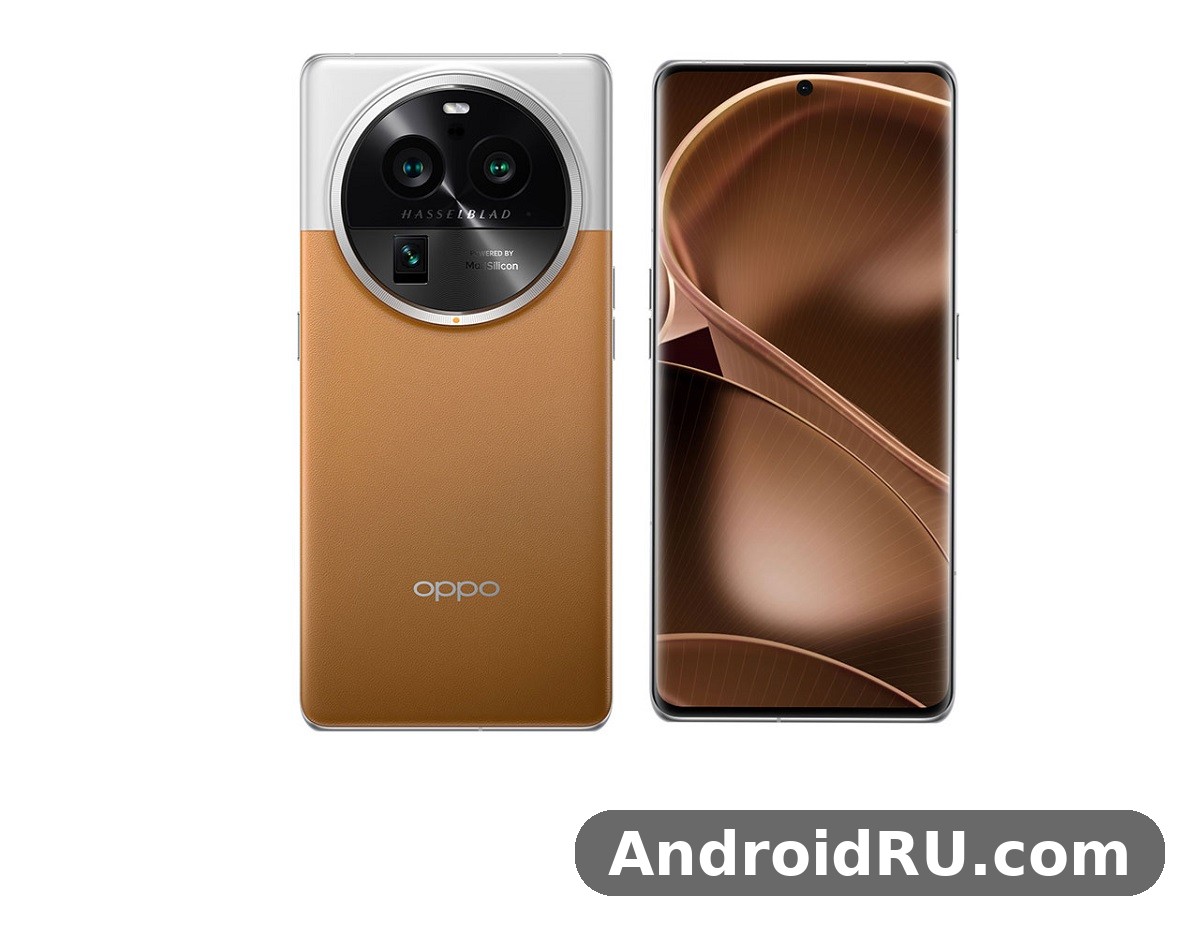
On paper, the phone is a camera-first flagship. It pairs a Qualcomm Snapdragon 8 Gen 2 chipset with a 6.82-inch LTPO AMOLED screen, three 50MP rear cameras led by a 1-inch Sony IMX989 sensor, a 5000 mAh battery, and 100W wired charging alongside 50W wireless charging. The OPPO Find X6 Pro specs read like a short list of the best parts available in early 2023, and the OPPO Find X6 Pro price in Europe around 820 euros put it in direct competition with the most expensive phones of its year. Readers who search for OPPO Find X6 Pro specs will find the same headline numbers again and again, so this article spends most of its space on what those numbers mean in daily use: how the design feels, how ColorOS behaves, how the cameras handle real scenes, and how long the battery lasts when the phone is used as a main device rather than a showcase.
There is no pretence here about a hands-on unit that does not exist in this write-up. Every number below is taken from the published specifications, and the judgements are drawn from those specifications, from the known behaviour of the same chipset and sensor in other phones, and from the trade-offs that a China-only release always brings. That approach keeps the review honest: a strong camera and a fast chip do not cancel out the practical limits of an imported phone, and a limited release does not cancel out a genuinely good camera system.
Design and Build Quality
The OPPO Find X6 Pro design is built around a large, curved glass camera island that dominates the back of the phone. OPPO placed the three lenses in a wide circular module, with Hasselblad branding beside it, so the phone is easy to recognise from across a room. The shape is bold, and it divides opinion in the way that most camera-led designs do: some readers will like the confident look, while others will find the module heavy and awkward when the phone lies flat on a desk. Either way, the design signals the priority of this phone before it is even switched on. The camera is the point, and the body is shaped around it.
Two finishes were offered, and the choice changes the feel of the phone in the hand. The leather version weighs 216 grams, while the glass version weighs 218 grams, so the difference on a scale is tiny, yet the grip is noticeably different. Leather gives more friction and hides fingerprints, while glass feels cooler and smoother and shows smudges more quickly. Both versions carry the same IP68 rating, so dust and water resistance is part of the package rather than a feature reserved for one finish. The OPPO Find X6 Pro durability story starts here: a sealed body, strong glass, and a finish that is meant to survive daily carrying without a case, even if most owners will still use one to protect that large camera module.
Leather and Glass Finishes
OPPO Find X6 Pro leather back design and weight in hand is the detail that most owners notice first, because the phone is large and the back is the surface that touches the palm all day. At 216 grams for the leather version and 218 grams for the glass version, this is not a light phone, and it is not meant to be. The weight sits evenly across the body, and the curved edges help the phone settle into the hand instead of digging in at the corners. A reader weighing the OPPO Find X6 Pro weight against a smaller phone should expect a clear difference after a long call or a long reading session: the Find X6 Pro feels substantial, and one-handed use at the top of the screen takes a stretch. The OPPO Find X6 Pro dimensions are large by any normal measure, with a tall screen and a wide camera island, so a pocket or a small bag will feel the difference too.
The leather finish has a practical advantage beyond its looks. It resists fingerprints, it gives a steady grip when the hands are dry, and it softens the visual impact of the camera module by breaking up the flat surface of the back. The glass finish looks cleaner in a product photo and feels more like a conventional flagship, but it picks up prints and can feel slippery on a smooth table. Neither finish changes the cameras, the battery, or the performance, so the choice is really about grip, care, and taste. A leather back will age with use and show wear at the edges over time, while glass will stay uniform but needs wiping far more often. Both are protected by the same sealed construction, and both sit under the same Gorilla Glass Victus 2 on the front.
Display and Everyday Handling
OPPO Find X6 Pro 6.82 inch LTPO AMOLED display review notes usually start with the size, and the size is the right place to start. A 6.82-inch panel fills the front of the phone, with slim bezels and a curved edge that makes the screen feel larger than the body suggests. The OPPO Find X6 Pro display uses LTPO technology, which lets the refresh rate move up and down with what is on screen, so scrolling stays smooth at 120Hz while a still image or a reading page can run at a lower rate and save power. The OPPO Find X6 Pro 1440p display resolution and 120Hz refresh rate combination keeps text sharp and motion fluid at the same time, and the high resolution is most obvious when reading small text, looking at fine detail in a photo, or watching a video in full screen.
The OPPO Find X6 Pro screen is also the part of the phone that most affects daily comfort. A large, bright AMOLED panel is easy to read indoors, and the curved edges make swipes from the side feel natural, even if they can cause the odd accidental touch for readers who hold the phone tightly. The fingerprint sensor sits under the display, and the OPPO Find X6 Pro fingerprint sensor and face unlock speed is quick enough that unlocking the phone rarely interrupts the flow of picking it up and using it. Face unlock works well in good light, while the fingerprint sensor is the safer choice in the dark or when the face is partly covered. Together they cover the two situations that most owners meet every day.
Outdoor Brightness and Eye Comfort
OPPO Find X6 Pro display brightness outdoors under sunlight is an important test for a phone with a screen this large, because a big screen is often used outside for maps, photos, and messages. The panel stays readable in bright conditions, and the high resolution keeps maps and text clear even when the sun is strong. Colours stay vivid without looking harsh, and the automatic brightness control moves quickly enough that stepping from shade into sunlight does not leave the screen dim for long. At night, the low brightness floor and the warm colour options help the screen stay comfortable during long reading sessions, and the LTPO panel can drop to a low refresh rate when nothing is moving, which helps the battery as well as the eyes.
Buttons, Ports and Sensors
The physical controls on the Find X6 Pro follow the usual OPPO layout: a power button and volume keys on the side, a USB Type-C port at the bottom, and a SIM tray that supports dual SIM use. The OPPO Find X6 Pro 5G connectivity and dual SIM support means the phone can hold two numbers at once, which suits readers who travel or who keep work and personal lines separate. The OPPO Find X6 Pro connectivity set covers the everyday essentials, including Wi-Fi, Bluetooth, NFC, and satellite positioning, so pairing headphones, paying in a shop where the service is available, and navigating with maps all work in the expected way. The OPPO Find X6 Pro sensors include the under-display fingerprint sensor, the usual motion and light sensors, and the proximity sensor that turns the screen off during a call, and none of them needs special attention in daily use.
The OPPO Find X6 Pro IP68 water resistance and Gorilla Glass Victus 2 protection work together to keep the phone safe from dust, splashes, and everyday drops. OPPO Find X6 Pro protection is a wider idea than the glass alone. The IP68 rating covers dust and water resistance, the Gorilla Glass Victus 2 on the front resists scratches and drops better than older glass, and the sealed body keeps the internal parts safe from rain and splashes. That protection does not make the phone indestructible, and a drop onto a hard corner can still crack glass, but it does mean that normal accidents, such as a spill or a walk in the rain, are far less worrying than they would be on a phone without an IP rating. A case still makes sense for the camera module, which stands proud of the back and takes the first impact if the phone falls flat.
Software and ColorOS 13.1
The OPPO Find X6 Pro software ships as Android 13 with ColorOS 13.1 on top, and the OPPO Find X6 Pro ColorOS 13.1 software experience Android 13 is the part of the phone that changes most between a Chinese unit and a global one. ColorOS itself is clean, fast, and full of useful touches: a clear control centre, flexible home screen options, a good always-on display, and a set of tools for screenshots, split screen, and floating windows that work well once they are learned. The interface feels polished, and the animations are smooth on the 120Hz screen, so moving between apps rarely feels slow or jerky. The OPPO Find X6 Pro features in software are aimed at making a large phone easier to use with one hand, and the gesture controls, the smart sidebar, and the customisable shortcuts all serve that goal.
That said, a China-only phone brings software questions that a global buyer would not have to ask. Chinese units can ship with apps and services aimed at the Chinese market, and some global apps and services may need to be installed by hand or may behave differently without the usual global framework in place. Readers who import the phone should check, before buying, that the apps they rely on every day will run as expected, that notifications arrive on time, and that the language and keyboard options cover their needs. The hardware is the same either way, but the software experience is where the China-only label is felt most often. The OPPO Find X6 Pro update picture is also tied to this: ColorOS updates arrive on OPPO’s schedule for the Chinese model, and the timing can differ from the global schedule that other OPPO phones follow.
ColorOS 13.1 Features in Daily Use
OPPO Find X6 Pro software update support and ColorOS features are best understood together, because the value of the software depends on both what it can do now and how long it will keep improving. ColorOS 13.1 includes a refined visual style, better privacy controls, smoother animations, and a set of productivity tools that suit a large screen, such as split screen and a floating window for messages. The home screen can be shaped to show large folders, widgets, and an app drawer or a single-level layout, so the phone can look as simple or as busy as its owner wants. The always-on display can show the time, notifications, and a small amount of personalisation, and the control centre puts brightness, connectivity, and media controls within easy reach.
In daily use, the software feels fast because the chipset has ample headroom and the screen refreshes smoothly. Apps open quickly, switching between apps is immediate, and the phone rarely needs to reload an app that was used a short time earlier, thanks to the large RAM options. The OPPO Find X6 Pro software is also where the camera features live: the Hasselblad colour modes, the portrait tools, and the night mode controls are all reached through the camera app, and they are part of the ColorOS experience rather than a separate download. A reader who values a clean, uncluttered software layer will find much to like here, as long as the China-only software defaults are acceptable.
Privacy and Customization
Privacy controls in ColorOS 13.1 let the owner decide which apps can read location, contacts, photos, and the microphone, and a privacy dashboard shows which permissions have been used recently. That visibility is useful on any phone, and it is especially useful on an imported unit, where the owner may want to check which pre-installed apps are running and which of them can be removed or disabled. Customization covers the theme, the icon shape, the font size, the always-on display, and the fingerprint animation, so the phone can be made to look personal without installing a third-party launcher. None of these options change the performance of the phone, but they do change how it feels to live with, and a phone that is used for hours every day should feel like it belongs to its owner.
Software Update Support and Long-Term Use
Long-term use is where software support matters most, and the OPPO Find X6 Pro update record should be checked against the current position before a purchase, because update schedules move over time. OPPO has a history of supporting its flagship phones with several years of system and security updates, and the Find X6 Pro, as a top model of its year, sits in the group that should receive attention for longer than a mid-range phone. Even so, a China-only model can receive updates on a different timetable from a global model, and some updates may be aimed at the Chinese market first. A buyer who plans to keep the phone for three or four years should weigh that timetable alongside the camera and the battery, because a phone that stops receiving security patches loses value even if its hardware is still fast.
The practical advice is simple: keep the phone updated, check the update settings after the first setup, and confirm that the apps used every day are still supported on Android 13 and on later versions as they arrive. ColorOS is a mature system, and the Find X6 Pro has the hardware to run later versions smoothly, so the main risk is not speed but timing. A phone bought as an import needs a little more attention from its owner than a phone bought locally, and that attention is the price of owning a model that was never officially sold in the buyer’s country.
Camera Quality and Hasselblad Tuning
The camera is the reason most readers will consider this phone, and the OPPO Find X6 Pro camera quality with Hasselblad tuning is the strongest part of the whole package. OPPO fitted three 50MP rear cameras: a main camera with a 1-inch Sony IMX989 sensor and optical image stabilisation, a 50MP ultrawide camera, and a 50MP periscope telephoto camera with 2.8x optical zoom. That combination is unusual, because many phones pair a strong main camera with weaker secondary cameras, while the Find X6 Pro gives all three rear cameras the same 50MP resolution. The OPPO Find X6 Pro camera therefore stays consistent when the owner switches from wide to ultrawide to zoom, and the colours stay close across the three lenses instead of shifting with each change.
Hasselblad tuning shapes the colour and the portrait look. The partnership brings a natural colour profile, a set of portrait modes that borrow from classic Hasselblad lenses, and a restrained approach to sharpening that keeps skin and foliage looking natural rather than over-processed. The OPPO Find X6 Pro camera samples in daylight and portrait mode show that approach clearly: daylight photos have clean detail, balanced exposure, and colours that look close to the scene, while portraits have a gentle background blur and a natural skin tone that does not look smoothed or plastic. Readers who like vivid, punchy photos can raise the saturation in the settings, but the default look is deliberately calm and realistic, which suits a camera-led flagship.
Main Camera with the 1-Inch Sensor
OPPO Find X6 Pro Sony IMX989 one inch sensor camera performance is the headline of this review, because a 1-inch sensor is much larger than the sensors in most phones and a larger sensor gathers more light. More light means cleaner photos in dim rooms, better detail in shadows, and a more natural depth of field, where the subject stands out from the background without heavy software blur. The main camera also has optical image stabilisation, which steadies the lens during a handheld shot and helps in low light, when the shutter stays open a fraction longer. Together, the large sensor and the stabilisation make the main camera the most reliable of the three, and the one that most owners will use for the majority of their photos.
In daylight, the main camera produces sharp, detailed images with a wide dynamic range, so bright skies and dark shadows can appear in the same photo without one of them losing detail. Indoors, the large sensor keeps noise low and colours steady, even under mixed artificial light. At night, the sensor gathers enough light that the night mode does not need to work as hard as it would on a smaller sensor, and the result is a cleaner image with less of the smeared, over-bright look that night modes can produce. The main camera is not a replacement for a dedicated camera in every situation, but it is the closest a phone of this year came to that standard, and it is the part of the Find X6 Pro that has aged best.
Ultrawide and Periscope Telephoto Cameras
OPPO Find X6 Pro 50MP periscope telephoto zoom camera test results, in the published sense of the term, centre on the 2.8x optical zoom, which gives a natural framing for portraits and for subjects that are a short distance away. Optical zoom keeps the full detail of the sensor, unlike digital zoom, which crops the image and loses quality, so the periscope lens is genuinely useful rather than a number on a specification sheet. The OPPO Find X6 Pro zoom range extends beyond 2.8x with digital help, but the best quality sits at or near the optical step, and owners who want the cleanest result should frame at 2.8x whenever they can. The ultrawide camera, also 50MP, covers landscapes, buildings, and group photos, and its high resolution keeps the edges of the frame sharper than the low-resolution ultrawide cameras found on many cheaper phones.
OPPO Find X6 Pro ultrawide camera quality in low light is better than the usual ultrawide standard, because the sensor is larger and the resolution is higher, but it still falls behind the main camera when the light drops. Ultrawide lenses gather less light by their nature, and the Find X6 Pro is no exception, so night shots from the ultrawide camera can show more noise and less detail than the same scene from the main camera. That is a normal trade-off, and it is worth knowing before a trip: use the main camera for the most important low-light shots, use the ultrawide camera for wide daylight scenes, and use the periscope lens when the subject needs to be brought closer without moving.
Portrait Mode and Night Mode
OPPO Find X6 Pro night mode photos and portrait camera quality are two sides of the same strength: the phone handles people and low light with a steady, natural touch. Portrait mode uses the periscope lens and the Hasselblad colour profiles to give a flattering focal length, a soft background, and a skin tone that stays true to the person in front of the lens. Night mode brightens dark scenes without turning night into day, and it keeps the colours of street lights and signs from blowing out into white blobs. The OPPO Find X6 Pro portrait mode in the camera app is easy to find and easy to use, with a clear preview of the blur and a choice of focal lengths, so an owner does not need to learn a manual mode to get a good portrait. For readers who photograph people often, this combination of portrait and night handling is the most persuasive part of the camera system.
Selfie Camera and Video Recording
OPPO Find X6 Pro selfie camera quality with 32MP front sensor is strong for video calls, self-portraits, and social posts, and the 32MP resolution keeps detail high even when the image is cropped. The front camera handles skin tone in the same natural way as the rear cameras, and it avoids the heavy smoothing that some phones apply by default. In good light, selfies are sharp and well exposed, and in dim light the screen can act as a fill light to lift the face. The front camera is not the star of this phone, and it does not need to be: it is a capable, reliable camera that matches the rest of the system.
OPPO Find X6 Pro video recording quality with 4K support covers the main camera and the front camera in the ways that matter for everyday video: steady footage, natural colours, and clear sound. The OPPO Find X6 Pro audio from the stereo speakers is a separate matter from the microphones, and the OPPO Find X6 Pro stereo speakers sound quality for video is loud and clear enough for watching a clip without headphones, with a stereo effect that gives dialogue and music a sense of space. For video recording itself, the optical stabilisation on the main camera helps keep handheld footage smooth, and the large sensor helps in dim rooms and at dusk. Readers who record a lot of video should still use a tripod or a gimbal for the steadiest results, but for short clips and family video the phone is more than capable.
Performance, Gaming and Heat
OPPO Find X6 Pro Snapdragon 8 Gen 2 performance review discussion starts with the chipset itself: the Qualcomm Snapdragon 8 Gen 2, model SM8550-AB, built on a 4 nm process. That chip was the flagship Android chipset of its year, and it still handles everyday tasks with ease. The OPPO Find X6 Pro performance in normal use is fast and consistent, with apps opening quickly, web pages loading smoothly, and multitasking between several apps feeling immediate. The OPPO Find X6 Pro chipset is paired with 12GB or 16GB of RAM, so the phone can keep many apps in memory at once, and the OPPO Find X6 Pro 12GB RAM and 256GB storage performance is already ample for most owners, while the 16GB and 512GB version gives extra headroom for heavy use and large media libraries.
Storage speed matters as much as capacity, and the OPPO Find X6 Pro UFS 4.0 storage speed and app loading is one of the quiet strengths of this phone. UFS 4.0 reads and writes faster than the older UFS 3.1 standard, so large apps install quickly, photos save without a pause, and games load in less time. The OPPO Find X6 Pro storage options are 256GB or 512GB, with no memory card slot, so the choice at purchase is the choice for the life of the phone, and readers who record a lot of 4K video or keep many games installed should lean toward the larger size. The OPPO Find X6 Pro RAM and storage combination is generous in both versions, and neither version feels like a compromise in daily use.
Snapdragon 8 Gen 2 in Daily Use
In daily use, the Snapdragon 8 Gen 2 is fast enough that the phone rarely feels like the limiting factor. Scrolling through a long feed, switching between a browser and a messaging app, editing a photo, and opening a map all happen without waiting, and the 120Hz screen makes that speed visible. The chip also handles the camera well, processing the large 50MP images, the night mode stacks, and the portrait blur quickly enough that the camera app stays responsive after each shot. That processing speed is easy to overlook, but it is what makes a camera-led phone pleasant to use: a slow chip would make every photo feel like a wait, while this chip keeps the camera ready for the next shot.
For readers comparing this phone with the standard model, the OPPO Find X6 Pro vs OPPO Find X6 standard model differences include the larger 1-inch main sensor, the periscope telephoto camera, the larger and sharper display, and the faster charging, while the standard Find X6 uses a smaller sensor set and a different balance of features. If you want the strongest camera in the family, the Pro is the choice, and the link below to the standard model review explains the smaller phone in its own terms. OPPO Find X6 Review: Daily Performance and Key Features Readers who want the later generation should also look at the Find X7, which followed the Find X6 Pro with a new chipset and a revised camera system. OPPO Find X7 Review: Build Quality, Software and Daily Speed
Gaming Performance and Heat Management
OPPO Find X6 Pro gaming performance with Snapdragon 8 Gen 2 chipset is strong, because the chip was designed to run demanding games at high frame rates while keeping power use under control. The OPPO Find X6 Pro gaming experience benefits from the large, smooth screen, the stereo speakers, and the fast storage, which together make long sessions comfortable and responsive. Touch response is quick, frame rates stay steady in most titles, and the phone can run high settings without the stutter that weaker chips show when a scene gets busy. For a reader who plays every day, the Find X6 Pro is a capable gaming phone as well as a camera phone, and it does not ask the owner to choose between the two.
OPPO Find X6 Pro heat management during long gaming sessions is the part of gaming that needs a balanced view. Any flagship chip generates heat under a sustained load, and the Find X6 Pro is no exception: after a long session, the back of the phone will feel warm, and the chip may ease its speed slightly to protect itself. That behaviour is normal, and it is better than a phone that stays cool by refusing to run at full speed at all. The large body helps spread the heat, and the leather finish can make the warmth feel less sharp in the hand than bare glass. Owners who play for hours should take short breaks, keep the phone out of direct sun while gaming, and avoid charging at full speed during the most demanding games, because charging adds heat of its own.
Battery Life and Charging
OPPO Find X6 Pro 100W charging speed and battery life is the combination that most owners will notice every day, because a large battery and a fast charger change the rhythm of using a phone. The OPPO Find X6 Pro battery is a 5000 mAh cell, which is large for a flagship of this size, and the OPPO Find X6 Pro charging system pairs it with 100W wired charging and 50W wireless charging. That pairing means the phone can last through a full day for most people and can be topped up quickly when the battery does run low, so the owner spends less time watching a percentage and more time using the phone. The OPPO Find X6 Pro battery life is helped by the LTPO display, which can lower its refresh rate when nothing is moving, and by the efficient 4 nm chipset, which wastes less power on ordinary tasks.
Charging is also where the China-only story returns in a small way: the 100W charger was included in the box in China, and an imported unit may or may not include the same charger, depending on the seller and the region it was imported from. Readers who buy an imported Find X6 Pro should check what is in the box, and should use a charger that supports the phone’s fast charging standard if they want the full speed. A slower charger will still charge the phone, but it will not give the quick top-up that the 100W system is known for, and that difference is felt most on a busy morning.
Battery Life in Daily Use
OPPO Find X6 Pro 5000mAh battery life in daily use is best described as a full day with room to spare for most owners. A day of messages, browsing, maps, photos, and some video will leave charge in reserve by bedtime, and a lighter day will leave much more. Heavy days, with hours of gaming, long video recording, or constant navigation in bright sunlight, will use the battery faster, as they do on every phone, but the 5000 mAh capacity gives a buffer that smaller batteries do not. The LTPO screen helps here too, because it can drop to a low refresh rate on a still page, and the efficient chipset keeps background tasks from draining the battery while the phone is idle.
For readers who keep their phone for several years, battery health matters as much as battery size. Fast charging generates heat, and heat ages a battery over time, so the phone’s charging management, which can slow the charge when the battery is nearly full or when the phone is warm, is worth leaving switched on. A full day of use, followed by an overnight charge or a quick top-up during the day, is the pattern that suits this phone best, and the large capacity means that a quick top-up is often enough to get through the rest of the day without a full charge.
100W Wired and 50W Wireless Charging
OPPO Find X6 Pro 50W wireless charging support and speed is a genuine flagship feature, because 50W wireless charging is far faster than the slow wireless charging found on many phones. A compatible wireless charger can refill the battery at a useful rate without a cable, which suits a desk or a bedside table, where the phone can sit and charge while it is not being used. The wired side is faster still: 100W wired charging can bring a low battery back to a usable level in a short time, and the OPPO Find X6 Pro battery charging time from zero to full is short for a 5000 mAh cell, thanks to that 100W input. Owners often ask about the OPPO Find X6 Pro battery charging time from zero to full, and the honest answer is that the 100W charger is the reason the wait feels short, even though the exact time depends on the charger, the cable, the temperature, and whether the phone is being used while it charges.
Wireless charging is convenient, but wired charging is the faster choice when time is short, and the two systems suit different moments: wireless for a slow top-up at a desk, wired for a quick refill before leaving the house. The phone also supports reverse wireless charging in the usual flagship way, so it can share a small amount of power with headphones or another phone in an emergency, though that is a slow way to charge anything and is best kept for small top-ups. The main point is that the Find X6 Pro does not make its owner wait long for power, and that freedom is part of its appeal as a daily phone.
Full Specifications
The OPPO Find X6 Pro specs below collect the verified numbers for this phone in one place, so readers who want the facts without the review can find them quickly. The table covers the launch, the body, the display, the platform, the memory, the cameras, the battery, and the software, and every entry is drawn from the published specifications for the China-only model.
| Item | Specification |
|---|---|
| Model | OPPO Find X6 Pro |
| Announced | 21 March 2023 |
| Release date | 24 March 2023 |
| Availability | China only; no official global release |
| Display | 6.82-inch LTPO AMOLED, 1440 x 3168 pixels, 120Hz refresh rate |
| Display protection | Corning Gorilla Glass Victus 2 |
| Body | 216 g (leather) / 218 g (glass); IP68 dust and water resistance |
| Chipset | Qualcomm Snapdragon 8 Gen 2 (SM8550-AB, 4 nm) |
| RAM | 12GB / 16GB |
| Storage | 256GB / 512GB, UFS 4.0 |
| Main camera | 50MP wide, Sony IMX989 1-inch sensor, OIS; 50MP ultrawide; 50MP periscope telephoto, 2.8x optical zoom; Hasselblad tuning |
| Selfie camera | 32MP |
| Battery | 5000 mAh |
| Charging | 100W wired, 50W wireless |
| Operating system | Android 13, ColorOS 13.1 |
| SIM and network | Dual SIM, 5G |
| Price | Around EUR 820 |
For readers who want to see how the Find X6 Pro line developed, the later Ultra model took the same camera-first idea further with a new sensor arrangement and a larger battery focus, and its review is a useful next read. OPPO Find X7 Ultra Review: Cameras, Performance and Battery Life The earlier Find X5 Pro is also worth a look for readers who want to see how much the camera system changed in one generation, because the move to a 1-inch sensor and three 50MP cameras was a clear step up from the previous model. OPPO Find X5 Pro Review: Photo Quality, Video and Performance
Pros and Cons
A balanced review needs both sides, and the Find X6 Pro has clear strengths and clear limits. The strengths are the camera system, the display, the performance, and the charging, while the limits are the China-only release, the size and weight, and the lack of a memory card slot. Readers who value the camera above all else will find the strengths outweigh the limits, while readers who need a locally supported phone with a global warranty will find the limits hard to accept.
What Works Well
- Three 50MP rear cameras with a 1-inch Sony IMX989 main sensor, Hasselblad tuning, and a 2.8x periscope telephoto lens.
- Large 6.82-inch LTPO AMOLED display with 1440p resolution and a smooth 120Hz refresh rate.
- Fast Snapdragon 8 Gen 2 chipset with 12GB or 16GB of RAM and fast UFS 4.0 storage.
- Large 5000 mAh battery with 100W wired charging and 50W wireless charging.
- IP68 dust and water resistance with Gorilla Glass Victus 2 on the front.
- Clean and flexible ColorOS 13.1 software on Android 13.
What to Watch Out For
- China-only release, with no official global version, local warranty, or global software defaults.
- Large and heavy body at 216 grams for leather and 218 grams for glass, which makes one-handed use a stretch.
- No memory card slot, so the 256GB or 512GB storage choice at purchase is final.
- Ultrawide camera falls behind the main camera in low light, as ultrawide lenses usually do.
- Imported units may ship without the 100W charger in the box, depending on the seller.
- Software update timing for the Chinese model can differ from the global OPPO schedule.
Frequently Asked Questions
The questions below cover the points that readers ask most often about this phone, from its availability to its charging and its camera. Each answer uses the verified facts from the specifications, without adding claims that the specifications do not support.
Is the OPPO Find X6 Pro available outside China?
No, the OPPO Find X6 Pro was released in China only, with a release date of 24 March 2023 and no official global release. Readers outside China can only buy it as an imported unit, and an imported unit may have Chinese software defaults, different bundled accessories, and no local warranty. Anyone considering an import should check that their daily apps work as expected, that notifications arrive on time, and that the seller offers a clear return path if the phone does not suit them. The hardware is the same, but the buying experience and the support are not the same as buying a global model locally.
Does the OPPO Find X6 Pro support 50W wireless charging?
Yes, the OPPO Find X6 Pro supports 50W wireless charging, alongside 100W wired charging, and the 5000 mAh battery can be refilled quickly by either method. Wireless charging at 50W needs a compatible wireless charger that supports the phone’s fast wireless standard; a slower wireless charger will still work, but it will charge at a slower rate. For the fastest refill, the wired 100W charger is the better choice, while wireless charging suits a desk or a bedside table, where the phone can charge slowly while it is not being used.
How good is the OPPO Find X6 Pro camera for portraits?
The OPPO Find X6 Pro camera for portraits is one of its strongest features, thanks to the 2.8x periscope telephoto lens, the Hasselblad colour profiles, and the natural skin tones that the tuning aims for. Portrait mode gives a flattering focal length, a soft background, and a preview that shows the blur before the photo is taken, so the owner can adjust the framing and the effect in the moment. Daylight portraits are sharp and well exposed, and the large main sensor also helps in dimmer rooms, where the phone can keep noise low and colours steady. Readers who photograph people often will find the portrait camera a good reason to choose this phone over a rival with a weaker telephoto lens.
What is the OPPO Find X6 Pro battery charging time?
The OPPO Find X6 Pro battery charging time from zero to full is short for a 5000 mAh phone, because the wired charger runs at 100W and the wireless charger runs at 50W. The exact time depends on the charger, the cable, the temperature, and whether the phone is used while charging, so a single minute figure would be misleading, but the practical point is clear: a low battery can be brought back to a usable level quickly, and a full charge does not need a long wait. Owners who charge at a desk will find the 50W wireless option convenient, while owners in a hurry will find the 100W wired option the fastest way to get going again.
Final Verdict
The OPPO Find X6 Pro verdict is that this is a camera-first flagship with very few weaknesses in its hardware and one large practical limit in its release. The 1-inch main sensor, the three 50MP cameras, the Hasselblad tuning, the large and sharp display, the fast Snapdragon 8 Gen 2 chipset, the large battery, and the 100W and 50W charging together make a phone that still reads well years after its March 2023 release. The OPPO Find X6 Pro alternatives for a reader who cannot buy an imported unit include the later Find X8, which is a global model with a revised camera system and a more widely available release. OPPO Find X8 Review: Strengths, Trade-Offs and Everyday Use
Buy it if the camera matters most, if the China-only limits are acceptable, and if the seller offers a clear and honest import path. Skip it if a local warranty, global software defaults, and easy local support matter more than the 1-inch sensor, because those are the things that an imported Find X6 Pro cannot offer. For the right buyer, this phone remains a strong choice: a camera-first flagship with all-day stamina, smooth 120Hz scrolling, and clean, uncluttered software that rewards the owner every time the camera app opens. That combination is why the Find X6 Pro is still talked about, and why its camera system set the standard that later OPPO flagships had to match.

