

OPPO Find X7 Review: Build Quality, Software and Daily Speed
The OPPO Find X7 arrived as a China-only flagship, announced on 8 January 2024 and released on 12 January 2024, and that single fact shapes every part of this OPPO Find X7 review. It was never given an official global release, so buyers outside China can only reach it through import channels, while buyers in China could walk into a local listing and choose between 12GB and 16GB of RAM. The phone pairs a MediaTek Dimensity 9300 chipset with a 6.78-inch LTPO AMOLED display, a Hasselblad-tuned triple camera, a 5000mAh battery and 100W SuperVOOC wired charging. On paper it reads like a complete flagship, and in daily use the balance between speed, cameras and battery is the part that matters most. This article looks at build quality, software and daily speed first, then works through the display, cameras and battery, using the verified specifications from GSMArena as the reference point throughout.
Anyone searching for the OPPO Find X7 price in China for 12GB RAM variant will find a starting point of around CNY 3,999, which placed the base model below the Ultra model in the same family and below several rival flagships with similar silicon. That OPPO Find X7 price makes sense only in its home market, because import costs, warranty limits and software differences change the value for buyers elsewhere. The OPPO Find X7 import options for buyers outside of China are therefore a practical question before a buying decision, not an afterthought, and the answers depend on the seller, the shipping route and the network bands in the destination country. This review keeps that China-only frame visible, so no reader mistakes a China listing for a global model with global support.
The short version is straightforward. The OPPO Find X7 specs describe a fast, well-built phone with a bright adaptive display, a capable main camera and very fast wired charging. Its limits are just as clear: no official global release, IP65 rather than IP68 protection, and software that is tuned for China first. Readers who want the closest camera-first alternative in the same family can read the OPPO Find X7 Ultra Review: Cameras, Performance and Battery Life next, while readers who want the wider Find X8 generation can compare with the OPPO Find X8 Review: Strengths, Trade-Offs and Everyday Use before deciding whether an import is worth the extra effort.
Build Quality and Design
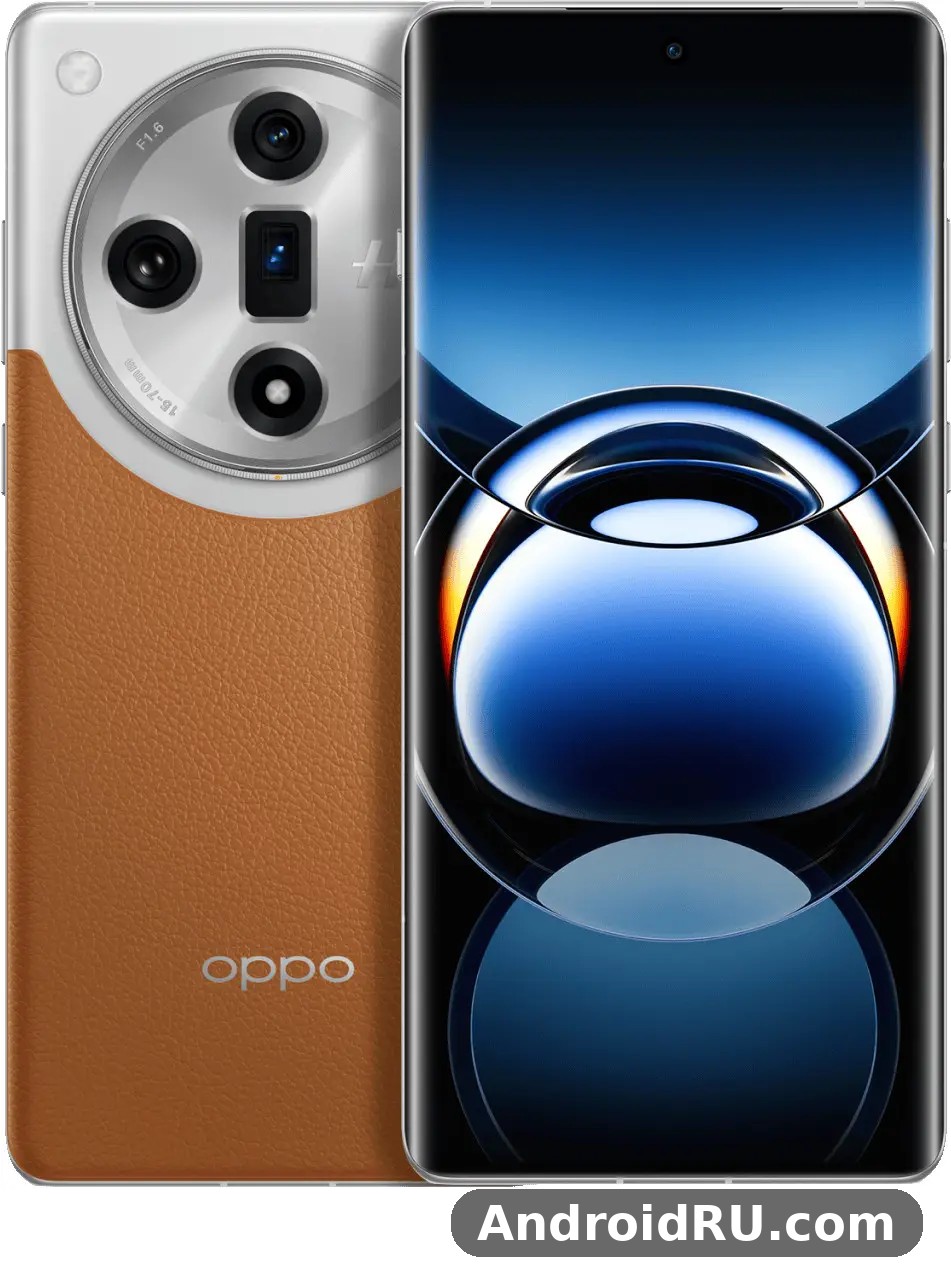
The OPPO Find X7 design follows the Find X family language, with a large circular camera module on the back, a curved display at the front and a frame that feels solid rather than sharp. At 202g the phone has real presence in the hand without feeling unusually heavy for a 6.78-inch device, and the weight is distributed well enough that long reading sessions do not tire the hand quickly. The OPPO Find X7 weight and dimensions for one handed use are a fair test of that claim, and for buyers checking the OPPO Find X7 dimensions, the 6.78-inch screen is the main size cue: the screen is wide, so reaching the top corner with one thumb takes a stretch, while the curved edges help the grip and keep the frame from digging into the palm. A case changes that balance a little, adding grip at the cost of size, and most owners in China will use one from the first day.
OPPO Find X7 build quality with Gorilla Glass Victus 2 is one of the clearer strengths in the specification sheet. The front glass is Gorilla Glass Victus 2, the back uses glass or vegan leather depending on the finish, and the frame is metal. That combination gives the phone a dense, finished feel, with tight seams around the camera module and buttons that sit flush and click cleanly. The OPPO Find X7 durability story is helped by that glass and by the metal frame, but it is still a glass phone, so a drop onto a hard surface can crack the back or the display. A case and a screen protector remain the sensible pairing, and the OPPO Find X7 accessories in China are widely available in local shops and online listings, while the OPPO Find X7 case and screen protector accessories in China include clear cases, leather-style cases and tempered glass protectors among the common choices.
Materials, Weight and In-Hand Feel
The 202g figure only tells part of the story. The camera module adds thickness at the top of the back panel, so the phone rocks slightly on a flat table without a case, and the vegan leather finishes add a little more grip than the smooth glass finishes. The OPPO Find X7 colors shown in China listings include dark and light finishes that change how fingerprints show, with darker glass showing smudges more quickly and textured finishes hiding them better. The volume and power buttons sit on the right edge within easy reach, the USB-C port sits at the bottom, and the SIM tray takes two nano-SIM cards. There is no headphone jack, which is normal for a flagship at this level, and the in-display fingerprint sensor sits low enough to reach without shifting the grip.
Durability and IP65 Protection
The phone carries an IP65 rating for dust and water resistance, which means protection against dust ingress and against low-pressure water jets from any direction. That is useful protection against rain, splashes and dust, but it is not the same as the deeper immersion protection of an IP68 phone, and it should not be treated as permission to use the phone underwater. The OPPO Find X7 IP65 water and dust resistance rating explained in plain terms is simple: rain and splashes are fine, a sink full of water is not a test to try, and the rating can weaken over time if the phone is dropped or opened for repair.
What IP65 Means in Practice
In practice, the IP65 rating covers the accidents that happen most often, such as rain on a walk, a splash from a sink, or dust on a summer trip. It does not cover swimming, showering with the phone, or long exposure to soapy water, and OPPO does not cover water damage under the standard warranty in the way it covers a hardware fault. Owners should dry the phone after a splash, keep the USB-C port clean, and avoid charging while the port is wet.
Display and Everyday Viewing
The 6.78-inch LTPO AMOLED display is one of the main reasons the phone feels fast in daily use. Its resolution is 1264 x 2780 pixels, its refresh rate reaches 120Hz, and the LTPO panel can lower that rate when the screen shows still content, which helps battery life. The OPPO Find X7 display is bright, sharp and smooth, with strong colour and deep blacks that suit video, photos and reading. Text stays crisp at normal viewing distances, and the curved edges give the screen a wide look without adding much width to the body.
OPPO Find X7 LTPO AMOLED display brightness and refresh rate are the two display facts that shape daily use most. The panel is rated for high peak brightness, so outdoor reading in sunlight is workable, and the 120Hz refresh rate keeps scrolling, swiping and animations smooth. The adaptive rate drops when nothing moves on screen, which is the quiet way the LTPO panel saves power, and the OPPO Find X7 screen on time with 120Hz refresh rate enabled will still depend on brightness, signal strength and how much video the owner watches. A reader who keeps brightness near the middle and uses Wi-Fi for most of the day will see longer screen-on time than a reader who streams video on mobile data at full brightness.
Brightness, Refresh Rate and Resolution
At 1264 x 2780 pixels the display is sharp enough for small text and fine detail in photos, and the 120Hz rate is most noticeable when scrolling through long feeds or switching between apps. The panel supports HDR video, and colours look vivid without turning skin tones orange in photos and video. The in-display fingerprint sensor sits under this panel, and the OPPO Find X7 fingerprint sensor speed and face unlock reliability are both part of the daily unlock routine: the fingerprint sensor is fast for a single registered finger, face unlock is quick in good light, and a second fingerprint or a PIN remains useful when hands are wet or the light is poor. The OPPO Find X7 speakers are stereo speakers that support that media use, and the OPPO Find X7 speaker quality for video calls and media playback is clear at normal volume, with enough separation for dialogue and enough volume for a small room, though bass stays light, as it does on most slim phones.
Performance and Daily Speed
The MediaTek Dimensity 9300 is a 4nm chipset, and it is the heart of the phone. It is paired with 12GB or 16GB of RAM and 256GB, 512GB or 1TB of UFS 4.0 storage, so the base model already has enough memory and fast storage for heavy multitasking. The OPPO Find X7 performance in daily use is quick and steady: apps open fast, switching between a browser, a camera, a map and a messaging app feels instant, and the phone rarely pauses to reload an app that was opened a few minutes earlier. That is the practical meaning of daily speed here, not a single benchmark number, and it is the area where the phone feels most like a flagship.
OPPO Find X7 Dimensity 9300 performance in daily use also covers the small delays that add up over a day, such as opening the camera, saving a photo, loading a large web page and switching keyboards. The Dimensity 9300 handles those tasks without stutter, and the UFS 4.0 storage keeps file copies and app installs moving quickly. The OPPO Find X7 storage options are 256GB, 512GB or 1TB of UFS 4.0, and the OPPO Find X7 256GB storage variant for everyday users in China is the sensible starting point for most buyers, because 256GB holds a large photo library and a long app list, while the 512GB and 1TB options suit owners who store a lot of offline video or shoot long 4K clips. The OPPO Find X7 RAM choice matters in the same way: 12GB is enough for normal multitasking, and 16GB gives more headroom for owners who keep many apps open at once.
Dimensity 9300 in Daily Tasks
The OPPO Find X7 chipset is the Dimensity 9300, and the OPPO Find X7 release date of 12 January 2024 placed it among the first phones to ship with that silicon in China. In daily tasks the chipset stays responsive, and the phone keeps background apps alive well enough that returning to a map or a document does not force a reload. The OPPO Find X7 features that help here are the fast storage, the generous RAM and the adaptive refresh rate, which together make the phone feel smooth even when the workload is mixed. There is no sign of the slowdowns that appear on phones with slower storage or too little memory, and that is a large part of why the Find X7 still reads as a strong performer.
Gaming and Sustained Load
OPPO Find X7 gaming performance with Dimensity 9300 chipset is strong for popular mobile games, with smooth frame rates at high settings and quick loading between levels. The large display, stereo speakers and fast touch response all help, and the phone can hold a long session without the frame rate falling apart in the first minutes. The OPPO Find X7 heating during long gaming sessions in summer is the limit to watch: the phone warms up under a long, demanding game, especially in a hot room or in direct sunlight, and the system may lower performance slightly to keep temperatures in a safe range. A case can trap a little more heat, so removing it for a long session or playing in a cooler room helps, and the OPPO Find X7 heating pattern is normal for a slim flagship with this level of silicon, not a fault on its own.
Heat and Throttling in Longer Sessions
Throttling is the system lowering speed to control heat, and on the Find X7 it appears as a gradual step down rather than a sudden drop. Short bursts of speed stay fast, while a very long session at maximum settings may settle at a slightly lower, steadier pace. That trade keeps the phone comfortable to hold and protects the battery, and most players will notice the warmth before they notice a change in frame rate. Keeping brightness at a moderate level and closing background downloads during a game also helps the phone stay cooler for longer.
Cameras and Hasselblad Tuning
The camera system is the second reason many buyers choose this phone. The rear setup is a 50MP main camera with a Sony LYT-808 sensor and optical image stabilisation, a 50MP ultrawide camera, and a 64MP periscope telephoto camera with 3x optical zoom, all tuned with Hasselblad colour. The selfie camera is 32MP. The OPPO Find X7 camera hardware is therefore broad: a large main sensor for low light, an ultrawide for landscapes and interiors, and a periscope lens for distant subjects that a normal zoom cannot reach cleanly.
OPPO Find X7 camera quality with Hasselblad color tuning shows most clearly in colour and skin tones. Photos look natural rather than oversaturated, greens and blues stay believable, and skin tones keep a warm, even look in daylight portraits. The Hasselblad modes add a portrait look with a distinct bokeh shape, and the main camera keeps detail well in daylight and in indoor light. Readers who want the stronger camera system in the same family should look at the Ultra model in the same family, and readers weighing the older generation can use the OPPO Find X6 Pro Review: Design, Software and Camera Quality as the direct comparison point.
Main, Ultrawide and Periscope Telephoto
The main camera uses the Sony LYT-808 sensor, and the OPPO Find X7 night mode photos with Sony LYT-808 sensor benefit from that large sensor and from optical image stabilisation, which keeps shutter speeds workable in dim rooms and at night. Night mode brightens shadows without turning the sky grey, and detail in signs and faces holds up better than on a smaller sensor. The OPPO Find X7 ultrawide camera photos in daylight conditions are sharp in the centre with good colour, though edges soften a little, which is normal for an ultrawide lens, and the periscope lens is the most useful of the three for travel and events. OPPO Find X7 periscope telephoto zoom camera performance is clean at 3x optical zoom, with good detail and stable framing, and digital zoom beyond that range stays usable for a quick shot but loses fine detail as the magnification rises. The OPPO Find X7 zoom therefore works best at 3x, with 6x as a useful second step for subjects that are still too far away.
An OPPO Find X7 versus Find X6 Pro camera comparison in China often comes down to the telephoto lens and the main sensor, because the Find X6 Pro was already a strong camera phone and the Find X7 refines rather than replaces its approach. The Find X7 keeps the Hasselblad colour, adds the newer main sensor and keeps the periscope reach, so owners of the older phone gain a newer chipset and newer software more than a complete camera change. The OPPO Find X7 comparison with its own family is therefore close, and the choice between the two depends on price in China, on the condition of a used Find X6 Pro, and on whether the buyer values the newer chipset and the newer Android version.
Selfie Camera and Video
The 32MP selfie camera produces detailed selfies in daylight, and the OPPO Find X7 selfie camera quality in low light conditions is fair rather than outstanding: faces stay recognisable and skin tones stay natural, but fine detail softens as the light falls, and the screen flash helps in a dark room. The OPPO Find X7 selfie is best in daylight or in a well-lit room, where the high resolution keeps hair and clothing detail clear. Portrait mode on the rear cameras is the stronger portrait tool, and the OPPO Find X7 portrait mode edge detection with Hasselblad cameras handles hair and glasses reasonably well in good light, though fine strands at the edge of a subject can still blur into the background. Video is steady and clean, and the OPPO Find X7 video recording stabilization at 4K resolution keeps walking shots smooth, with the main camera giving the best balance of detail and stability and the ultrawide giving a wider, slightly softer view.
Battery Life and Charging
The 5000mAh battery is a standard capacity for a phone of this size, and the OPPO Find X7 battery is sized for a full day of mixed use rather than for two days of heavy use. A normal day of messaging, browsing, maps, photos and some video leaves charge in the evening, while a day of long gaming or long video streaming on mobile data will drain it faster. The OPPO Find X7 5000mAh battery capacity for all day use is therefore a fair description for a typical owner, not a promise of two-day life, and the fast charging is the part that makes a low battery less of a problem.
OPPO Find X7 battery life with 100W fast charging is the combination that defines the battery section. The 100W SuperVOOC wired charging can reach 50 percent in about 10 minutes with the supplied charger and cable, and a full charge takes well under an hour in normal conditions. The OPPO Find X7 charging speed from zero to full battery is therefore fast enough that a short top-up before leaving home adds a useful amount of charge, and the 100W SuperVOOC wired charging is the feature owners will use most often once the novelty of the cameras fades. The OPPO Find X7 charging routine needs the correct charger and cable for the full 100W rate, because a slower charger will charge the phone at a lower speed, and the phone does not list wireless charging in its verified specification, so owners should not expect a wireless pad to fill the battery.
All-Day Use and Screen-On Time
The OPPO Find X7 battery drain during video streaming and browsing is steady rather than sudden, with video using more power than reading or messaging, and mobile data using more than Wi-Fi. A long video session at high brightness will shorten the day, while a day spent mostly on Wi-Fi with the screen at a moderate brightness will stretch it. The adaptive refresh rate helps here, because the panel drops to a lower rate for still content, and turning down brightness or using dark mode in supported apps adds a little more time. There is no single screen-on time figure that fits every owner, because signal, brightness and app mix change the result, but a full day of mixed use is a realistic expectation for the 5000mAh cell.
Software and ColorOS 14
The phone ships with Android 14 and ColorOS 14, and the software is the area where the China-only release matters most. The ColorOS 14 on Android 14 combination is fast, polished and full of useful tools, with a clean home screen, smooth animations, a good always-on display, and strong privacy controls. The OPPO Find X7 software feels modern in daily use, with quick settings that are easy to reach, a file manager that handles large photo libraries well, and a camera app that keeps the Hasselblad modes and the zoom controls close at hand.
OPPO Find X7 ColorOS 14 software features and updates include the usual ColorOS tools, such as smart sidebar shortcuts, floating windows, screen recording, and a game mode that limits notifications during play. The OPPO Find X7 hidden features in ColorOS 14 settings menu include extra gestures, custom always-on display styles, and deeper battery and privacy controls that are easy to miss on a first pass through the settings. The OPPO Find X7 updates for a China model arrive on the China schedule, and the OPPO Find X7 long term software support and security updates have not been published as a single detailed global promise for this China-only model, so buyers should check the current China update record for the model rather than assuming a fixed number of years. That uncertainty is part of buying a China-only phone, and it matters more for owners who keep a phone for three or four years than for owners who change phones sooner.
There is also the question of preinstalled apps. The OPPO Find X7 software bloatware and preinstalled apps in China include local services and partner apps that suit the China market, and some of them can be removed while others can only be disabled. Owners outside China who import the phone may find some of those apps less useful, and they may need to install their own services and check that their usual apps work as expected. The OPPO Find X7 availability outside China is limited to import sellers for that reason, and the software is the main practical difference between this phone and a global OPPO model, more than the hardware itself.
Readers comparing the software with the previous generation can use the OPPO Find X6 Review: Daily Performance and Key Features to see how much changed from the Find X6, and readers looking at the newer generation can use the OPPO Find X8 Pro Review: Display, Audio and Overall Experience to see where the Find X8 Pro moved the display and the audio forward. Those comparisons help place the Find X7 in the family, because its hardware is strong and its software is capable, but its market is narrow by design.
Full Specifications
The table below lists the verified OPPO Find X7 specs from GSMArena. It covers the launch dates, the chipset, the display, the memory and storage options, the cameras, the battery and charging, the software, the build and the price in China, so readers can check any single fact without reading the whole review again.
| Feature | OPPO Find X7 |
|---|---|
| Announced | 8 January 2024 |
| Released | 12 January 2024 |
| Availability | China only, no official global release |
| Display | 6.78 inch LTPO AMOLED, 1264 x 2780 pixels, 120Hz |
| Chipset | MediaTek Dimensity 9300, 4nm |
| RAM | 12GB or 16GB |
| Storage | 256GB, 512GB or 1TB, UFS 4.0 |
| Rear cameras | 50MP main, Sony LYT-808, OIS, plus 50MP ultrawide and 64MP periscope telephoto, 3x optical zoom, Hasselblad |
| Front camera | 32MP selfie camera |
| Battery | 5000mAh |
| Charging | 100W SuperVOOC wired, 50 percent in about 10 minutes |
| Software | Android 14, ColorOS 14 |
| Protection | IP65, Gorilla Glass Victus 2 |
| Weight | 202g |
| Price in China | Around CNY 3,999 |
Pros and Cons
The Find X7 is easy to sum up once the China-only limit is set aside, because its hardware is strong across the board and its weak points are narrow and specific. The list below keeps the balance plain, so a reader can weigh the fast chipset and the fast charging against the limited availability and the IP65 rating.
Pros
- Dimensity 9300 chipset with 12GB or 16GB of RAM and fast UFS 4.0 storage, giving quick daily speed and strong gaming.
- Bright 6.78-inch LTPO AMOLED display with 120Hz refresh rate and sharp 1264 x 2780 resolution.
- Versatile Hasselblad camera system with a 50MP Sony LYT-808 main sensor, a 50MP ultrawide and a 64MP periscope telephoto with 3x zoom.
- 5000mAh battery with 100W SuperVOOC wired charging, reaching about 50 percent in 10 minutes.
- Solid build with Gorilla Glass Victus 2, a metal frame and a comfortable 202g weight.
Cons
- China-only release, with no official global version, warranty or software support outside China.
- IP65 protection only, without the deeper immersion rating of an IP68 flagship.
- No wireless charging listed in the verified specification.
- China-tuned ColorOS 14 software with local preinstalled apps that may suit buyers outside China less well.
- Long-term software support for this China-only model has not been published as a single clear global promise.
Frequently Asked Questions
Is the OPPO Find X7 available outside China?
No, the OPPO Find X7 was released in China only on 12 January 2024, after its announcement on 8 January 2024, and it has no official global release. Buyers outside China can only obtain it through import sellers, and they should check network bands, warranty, software and the availability of their usual apps before buying.
What chipset does the OPPO Find X7 use?
The OPPO Find X7 uses the MediaTek Dimensity 9300 chipset, built on a 4nm process, paired with 12GB or 16GB of RAM and 256GB, 512GB or 1TB of UFS 4.0 storage. That combination gives fast daily speed, strong gaming and quick app loading, and it is one of the main reasons the phone still reads as a flagship performer.
How fast is the OPPO Find X7 charging?
The OPPO Find X7 supports 100W SuperVOOC wired charging, which can reach about 50 percent in 10 minutes with the correct charger and cable. A full charge from zero takes well under an hour in normal conditions, and the 5000mAh battery is sized for a full day of mixed use.
Does the OPPO Find X7 have a good camera?
Yes, the camera system is one of its strengths. The 50MP main camera uses a Sony LYT-808 sensor with optical image stabilisation, the 50MP ultrawide covers landscapes and interiors, and the 64MP periscope telephoto gives 3x optical zoom, all with Hasselblad colour tuning, while the 32MP selfie camera handles daylight selfies well.

