

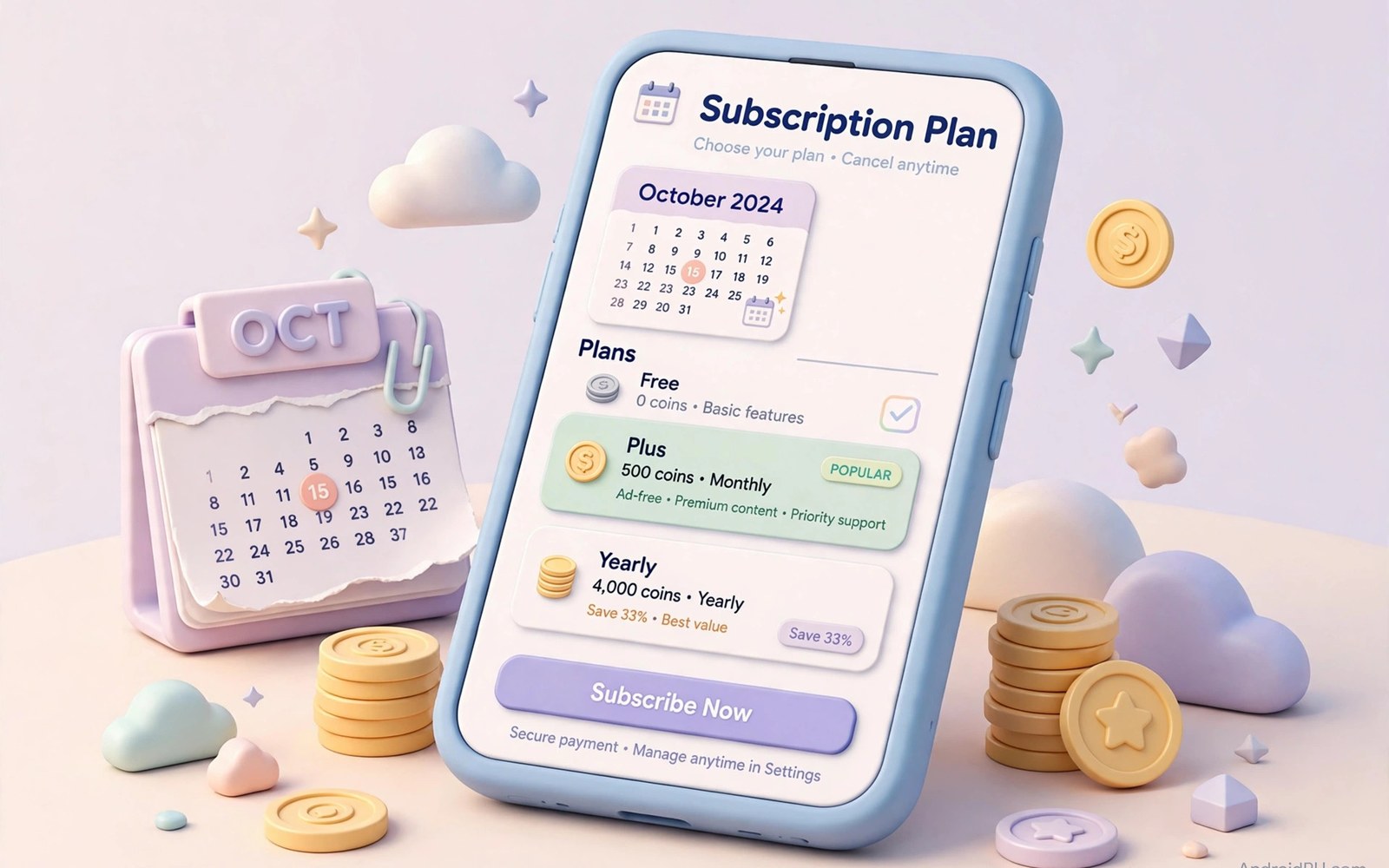
Subscriptions give users ongoing value and give developers steady revenue. They also create ongoing obligations that a one time purchase does not. Users expect clear prices and easy cancellation and honest renewal reminders. Meeting those expectations builds retention that lasts for years.
A subscription system touches billing code and server records and support processes at the same time. A fault in any part can charge the wrong user or lose a valid purchase. Design the system as a whole rather than as a single purchase button. A whole system view prevents faults that appear only after renewal.
Start with the user journey from trial to paid plan to cancellation. Map each step and each message that the user sees. Check that the price and the renewal date appear before confirmation. A clear journey reduces support tickets and reduces refund requests. Clarity is the cheapest form of billing support.
Why Subscriptions Need Care
A subscription is a promise that renews without a new decision from the user. That convenience creates a duty to remind and to disclose. Users who feel surprised by a renewal will cancel and may leave a harsh review. Users who understand the renewal will stay when the value is real.
Renewal also depends on payment methods that can expire or fail. A failed payment should trigger a helpful message and a grace period. A silent failure that locks a paying user out feels like a penalty. Design recovery flows that assume good faith from the user.
Design Subscription Tiers
Offer a small number of tiers that differ by a clear benefit. Two or three tiers are easier to explain than six tiers with subtle differences. Name each tier by its main benefit rather than by a metal or a color. A benefit name helps users choose without reading a long comparison table.
Price tiers by the value that each group receives. A student tier and a team tier can serve different needs without confusing the core offer. Test prices with a small group before a wide launch. Price feedback from real users beats a guess made in a meeting room.
Implement Billing Client
Use the official billing library rather than building a custom payment flow for digital goods. The library handles purchase dialogs and receipt validation and pending states. A custom flow can miss edge cases that the library already handles. It can also violate billing rules for digital goods.
Connect the billing client early in the app lifecycle and check its readiness before showing a buy button. Handle disconnection by retrying with a short delay. Never show a buy button that leads to a dead purchase flow. A disabled button with a clear message is better than a broken purchase.
Handle Purchases Safely
Acknowledge every purchase promptly after your server verifies it. Verification should check the purchase token and the product and the user account. Grant access only after verification succeeds. Granting access before verification invites abuse that is hard to reverse later.
Store purchase records on your server rather than only on the device. A device record disappears when the user reinstalls the app. A server record lets the user restore access on a new phone. Sync purchase state at startup so returning users see their plan without extra steps.
Manage Refunds Fairly
Write a refund policy that states the window and the method in plain words. Publish the policy where users can find it before purchase. Train support staff to apply the policy consistently. Inconsistent refunds create complaints that spread faster than the original problem.
Process refunds through the proper channel for the purchase type. Some refunds come from the store and some come from your own system. Check the purchase source before you promise a timeline. A clear timeline reduces follow up messages and keeps the user calm while the refund processes.
Handle Cancellations Gracefully
Let users cancel from inside the app with a short path that does not hide the button. A cancellation flow that requires contacting support feels like a trap. Users who cancel easily often return later. Users who feel trapped will warn others in reviews.
Keep paid access until the end of the current period after cancellation. State that end date clearly on the cancellation screen. Offer a reason survey but do not block cancellation behind it. A respectful exit protects your reputation and keeps the door open for a return.
Test Billing Thoroughly
Test with licensed test accounts before any public release. Test new purchases and renewals and cancellations and refunds. Test interrupted purchases where the network drops during confirmation. A purchase that hangs without a receipt creates a support case that is hard to resolve.
Test on a fresh account and on an account with an existing subscription. Test upgrades and downgrades between tiers. Check that access changes at the right time and that the price shown matches the charge. Billing tests take time but they prevent the most expensive kind of fault.
Track Revenue And Churn
Track monthly recurring revenue and churn and trial conversion separately. Revenue alone can hide a churn problem when new users replace leaving users. Churn alone can hide growth when a small base grows fast. Together the three numbers tell the real story of the business.
Review billing metrics weekly during a launch and monthly once the system is stable. Investigate sudden changes before they become trends. A spike in failed payments may signal a payment provider problem. A spike in cancellations may signal a broken feature rather than a pricing problem.
Communicate Price Changes
Tell users about a price change well before it takes effect. State the old price and the new price and the date of the change. Explain what improved to justify the change when an improvement exists. Users accept honest changes far better than silent changes discovered on a bank statement.
Give users a clear choice to accept the new price or to cancel before it applies. Do not change the price for users who already paid for a period. Apply the new price only at the next renewal after notice. A fair transition keeps trust even when some users choose to leave.
Support Billing Questions
Prepare support answers for the most common billing questions. Cover failed payments and duplicate charges and restore problems and refund status. Give support staff access to purchase records so they can answer without asking the user to repeat order details.
Respond to billing questions faster than to general feedback. Money questions create anxiety that grows with waiting time. A same day answer with a clear next step calms most users. A slow answer turns a simple question into a dispute that costs more to resolve.
Avoid Common Billing Mistakes
Avoid showing a price in one currency and charging in another without warning. Avoid free trials that convert without a clear reminder. Avoid burying the renewal date in small text. Each of these mistakes looks like a trick even when it started as an oversight.
Avoid granting lifetime access for a subscription product by accident. Check the product type in your code before granting access. Avoid mixing test purchases with real purchases in your records. Clean separation between test and real data prevents reports that mislead business decisions.
Keep Billing Compliant
Follow the billing rules for digital goods in every market where you sell. Rules differ by product type and by region. A physical goods flow cannot replace a digital goods flow. Check the rules before launching a new product type in a new country.
Keep purchase disclosures consistent across the app and the listing and the support pages. A price shown in the app must match the price in the listing. A trial length shown in an ad must match the trial in the purchase dialog. Consistency across surfaces prevents disputes.
Plan Subscription Growth
Grow subscriptions by improving the core value rather than by adding paywalls to basic features. Users renew when the app solves a recurring problem well. Add features that deepen the existing use rather than features that feel unrelated. A focused app retains better than a bloated app.
Use trial periods to let users experience the paid value before paying. Keep the trial long enough to form a habit. Remind users before the trial ends with a clear message. A trial that converts through value beats a trial that converts through confusion.
Long Term Billing Health
Audit billing code and records each quarter. Check for expired test data and for orphaned purchase records. Check that price changes applied correctly at renewal. A quarterly audit catches small drifts before they affect many users.
Document every billing decision with dates and reasons. Note why a tier exists and why a price changed. A billing history helps new team members and helps during disputes. A system with a clear history is easier to maintain than a system that only one person understands.
- Verify purchase tokens on your server before granting access
- Test renewals and cancellations with licensed test accounts
- Show price and renewal date before every confirmation
- Keep paid access until the end of the period after cancellation
- Respond to billing questions on the same day when possible
- Audit billing records each quarter for drift and orphaned data
Handling Failed Payments
A failed payment does not always mean that the user wants to cancel. Cards expire and banks decline transactions for many routine reasons. Send a clear message that explains the failure without blaming the user. Give a direct path to update the payment method inside the app. A helpful message can recover a subscription that a silent failure would lose.
Offer a grace period while the user updates payment details. Keep access active for a short period and send one reminder before access pauses. Do not send repeated warnings every day because that tone feels threatening. One clear reminder and one final notice are enough for most users. A calm recovery flow protects revenue and protects trust at the same time.
Coordinating Billing With Support
Support staff need clear tools to check purchase status without asking users for sensitive data. Give them a dashboard that shows plan and renewal date and refund status. Train them to explain billing outcomes in plain language. A support agent who can answer confidently reduces the number of follow up contacts for the same issue.
Create escalation rules for billing disputes that support cannot resolve alone. A dispute that involves a duplicate charge or a missing refund needs a finance owner. Define that owner in advance rather than searching for one during a crisis. Clear escalation keeps difficult cases moving instead of stalling in a general queue.
Reviewing Billing After Growth
Billing systems that work for one hundred users may strain at ten thousand users. Review server capacity and record keeping as volume grows. Automate reconciliation between store reports and your own records. Manual reconciliation that worked at small scale will fail at large scale and will hide errors.
Revisit pricing and tiers once a year with real usage data. A tier that made sense at launch may no longer match how users actually use the app. Adjust tiers based on evidence rather than on guesswork. A yearly billing review keeps the business model aligned with the product that users love.
For reference the snippet below shows the basic purchase states that billing code must handle before granting access.
// Billing purchase handling example
fun handlePurchase(purchase: Purchase) {
    if (purchase.purchaseState == Purchase.PurchaseState.PURCHASED) {
        verifyOnServer(purchase.purchaseToken)
        acknowledgePurchase(purchase)
    }
}
For more context read Google Play target API level requirements and app releases with alpha beta and internal testing tracks. You may also find Google Play copyright claims and trademark disputes helpful for your next release.
The steps above follow the approach described in the official developer documentation for this platform. That guidance explains the same sequence in general terms. This article adapts those ideas into a practical workflow for independent developers and small teams.

