

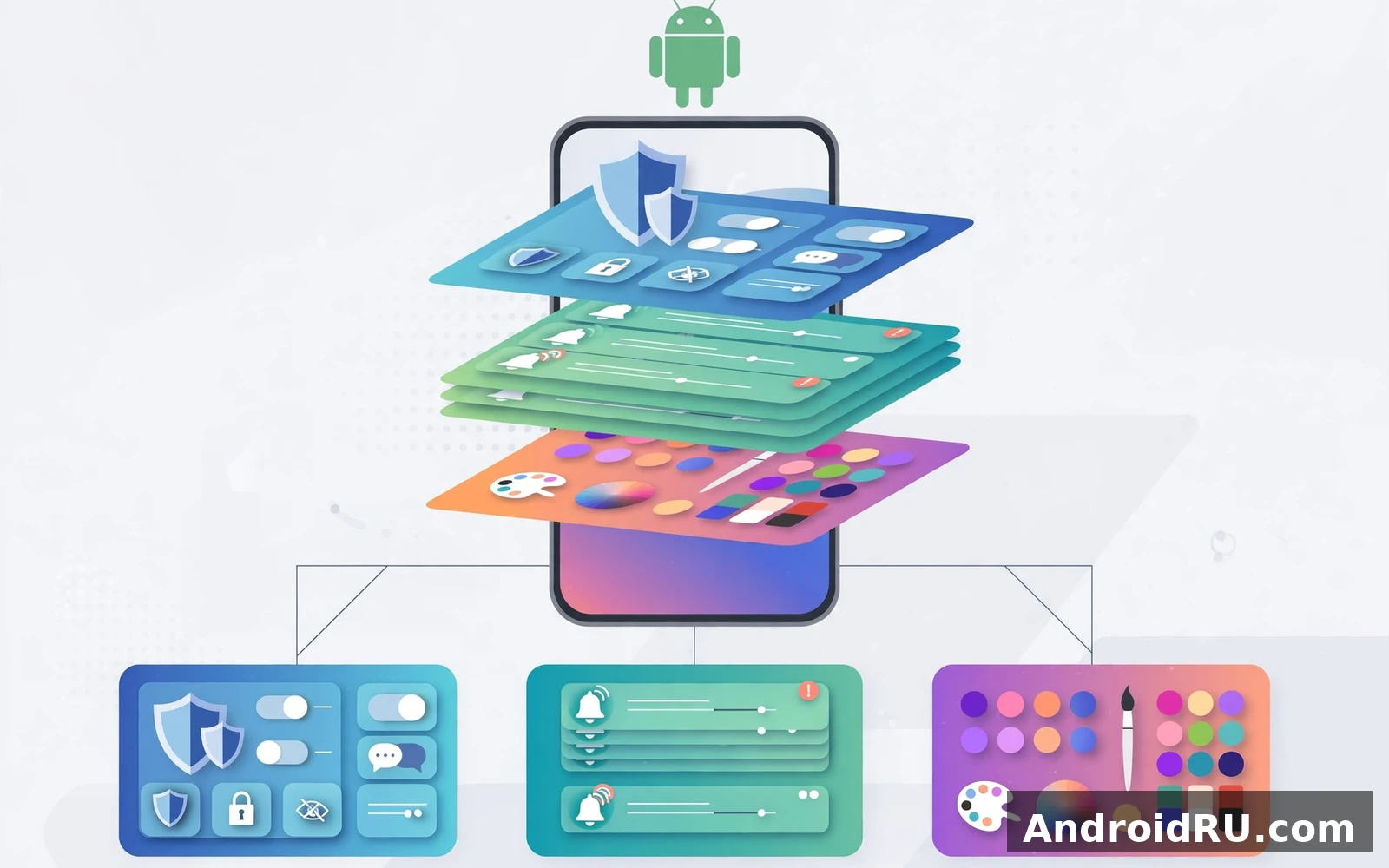
New Android 15 features for your phone change how you work and play each day. The update builds on the strengths of earlier Android versions. It focuses on privacy and control. It focuses on smoother performance. It focuses on clearer personalization. This guide explains the changes in plain language. It helps you decide what to try first. It helps you avoid confusion after the update arrives.
A major update can feel large at first. The home screen may look familiar. Many settings may stay in the same place. Some menus may gain a new option. Some apps may ask for permission again. That is normal after a system change. Take time to explore one area at a time. Start with privacy settings. Then check notification settings. Then check display settings. A calm approach makes the update easier to learn.
Privacy Controls That Give You More Choice
Privacy is a central theme in new Android 15 features for your phone. You can control what apps can see. You can control what apps can record. You can control what apps can share. Clear controls help you protect personal data. Clear controls also help you use apps with confidence.
One useful idea is separation. You can keep sensitive apps apart from everyday apps. You can keep work apps apart from personal apps. You can keep financial apps apart from games. Separation reduces the chance of accidental sharing. Separation also makes your phone feel more organized. Think about which apps hold your most private data. Give those apps extra attention first.
Permission settings deserve a regular review. Open the settings app on your phone. Look for the privacy section. Look for the permission manager. Check which apps can use the camera. Check which apps can use the microphone. Check which apps can use location. Remove permission from any app that does not need it. You can grant permission again later if an app needs it for a clear task.
Location permission needs special care. Some apps need precise location for maps. Some apps need approximate location for local weather. Some apps do not need location at all. Choose the lowest level that still lets the app work. Review location access once in a while. A small review can prevent long term tracking that you did not intend.
Screen sharing also needs care. You may share your screen in a video call. You may share your screen to show a photo. You may share your screen to help a friend fix a problem. Partial sharing lets you share one app at a time. The rest of your screen stays private. This helps you avoid showing notifications from other apps. It helps you avoid showing private messages by accident. Always check what is visible before you start sharing.
Notifications can reveal private data on the lock screen. You can hide sensitive content on the lock screen. You can show only the app name. You can hide the message preview. You can choose a different rule for each app. A banking app may need a hidden preview. A messaging app may need a hidden preview. A news app may not need that level of hiding. Match the rule to the sensitivity of the app.
Smarter Notifications And Focus
Notifications shape your attention all day. Too many alerts break focus. Too few alerts can cause missed messages. New Android 15 features for your phone aim for a better balance. You can group alerts by app. You can silence alerts for a set time. You can let important contacts break through silence.
Start with the apps that alert you most often. Open notification settings for each app. Turn off alerts that do not help you act. Keep alerts that warn you about a real task. Keep alerts that tell you about a message from a person you know. Turn off alerts that only promote a product. A short clean up can change your day.
Focus tools help you protect work time and rest time. You can create a work focus mode. You can create a rest focus mode. You can create a driving focus mode. Each mode can allow a different set of apps. Each mode can allow a different set of contacts. Each mode can change the home screen layout. Test one mode for a few days. Adjust the allowed apps based on real use. A mode that blocks everything will feel too strict. A mode that allows everything will not help focus.
Notification history can help you find a dismissed alert. You may swipe away an alert by accident. You may miss an alert while you drive. You may miss an alert while you sleep. A history list lets you review recent alerts. Check the history when you miss something important. Do not rely on history for urgent safety alerts. Keep urgent alerts loud and visible.
Performance And Battery In Everyday Use
Performance is not only about speed in a benchmark. Performance is about smooth scrolling. Performance is about fast app opening. Performance is about stable video playback. Performance is about a phone that stays cool during normal use. System updates can improve how apps use memory. System updates can improve how apps use the processor. System updates can improve how the phone handles background work.
Background apps need rules. Some apps need to run in the background for messages. Some apps need to run in the background for music. Some apps do not need to run in the background at all. Check battery usage by app. Look for an app that uses power while you do not use it. Restrict background use for that app if you do not need it always on. A small change can improve battery life without hurting function.
Storage also affects performance. A full storage drive can slow a phone. A full storage drive can block new photos. A full storage drive can block app updates. Check storage once a month. Delete large videos that you already backed up. Delete duplicate downloads. Uninstall apps that you have not opened for months. Keep some free space for system work and updates.
App archiving can help when storage is tight. Archiving removes the app files but keeps your data and icon. You can reinstall the archived app later. You can restore your data when you reinstall. This is useful for large games that you play only at times. This is useful for apps that you use only on a trip. Archiving is safer than deleting data by accident. Always check what archiving keeps before you use it.
Heat is a sign to check. A phone can warm up during a game. A phone can warm up during a long video call. A phone can warm up while charging in direct sunlight. Move the phone out of sunlight when it feels hot. Close heavy apps if heat stays high. Let the phone cool before you charge it again. Repeated heat can harm battery health over time.
Personalization With Material You
Personalization makes a phone feel like your own. You can change the wallpaper. You can change the color theme. You can change the icon style. You can change the widget layout. You can change the lock screen shortcuts. Small changes can make daily use more pleasant. Small changes can also make important tools easier to find.
Dynamic color is a key part of modern Android personalization. The system can pick colors from your wallpaper. The system can apply those colors to menus. The system can apply those colors to buttons. The system can apply those colors to widgets. The result is a theme that feels unified. If you change the wallpaper then the theme can change too. Try a few wallpapers to find a palette you like. If a palette feels hard to read then choose a simpler wallpaper.
You can shape those colors after you finish this overview. Material You customization for Android shows how wallpaper choices change the whole home screen. A calm palette makes icons easier to find. A bold palette makes the phone feel personal.
Widgets can save time. A calendar widget shows your next event. A weather widget shows the forecast. A music widget shows playback controls. A notes widget shows a quick list. Place the widgets you use most on the first home screen. Remove widgets that you never tap. A clean home screen is faster to scan. A clean home screen also reduces distraction.
Lock screen shortcuts deserve a quick setup. You can add a camera shortcut. You can add a flashlight shortcut. You can add a wallet shortcut. You can add a device control shortcut. Choose shortcuts that you use in a hurry. Avoid shortcuts that open sensitive apps without a lock check. Test each shortcut after you set it. A shortcut that fails in a hurry is worse than no shortcut at all.
Accessibility And Everyday Comfort
Accessibility features help many users. They help users with low vision. They help users with hearing loss. They help users with limited hand movement. They also help users in noisy places. They also help users in bright sunlight. Explore accessibility settings even if you do not need them today. You may find a tool that helps in a specific situation.
Text size and display size affect readability. Increase text size if small text strains your eyes. Increase display size if icons feel too small. Decrease size if you want more content on screen. Test the change in your most used app. A setting that looks good in settings may feel different in a messaging app. Adjust until reading feels comfortable for long sessions.
Captions help when sound is off. Live captioning can show text for audio playing on the phone. Captions can help in a quiet room. Captions can help on a noisy train. Captions can help when you watch a video without headphones. Turn captions on for a trial period. Keep them on if they improve understanding. Turn them off if they distract you from the video.
Sound and vibration settings also matter. You can set a distinct vibration for calls. You can set a distinct vibration for messages. You can set a distinct vibration for alarms. Distinct patterns help you know the alert type without looking at the screen. This is useful when the phone is in a pocket. This is useful when the phone is face down on a desk.
Security Updates And Safe Habits
Security updates fix problems that attackers could exploit. Install updates when they arrive. Do not delay a security update for weeks. A delayed update leaves a known gap open. A prompt update closes that gap sooner. If an update needs a restart then plan the restart at a calm time. Save your work before you restart. Charge the phone before a large update starts.
App safety starts before installation. Install apps from a trusted store when possible. Check the app developer name. Check the app reviews for recent complaints. Check the permissions that the app requests at install. If a simple flashlight app asks for contacts and location then pause and think. A permission request should match the job of the app. When in doubt do not install the app.
Lock screen security is your first defense if the phone is lost. Use a strong PIN or password. Use a fingerprint or face unlock as a convenience layer. Do not use a simple pattern that is easy to guess. Do not use a birth year as a PIN. Turn on remote find and lock tools before you lose the phone. Test remote location on a calm day so you know how it works.
Backups protect you from loss and damage. Back up photos and contacts. Back up messages that matter. Back up app data where the app allows it. Check that a recent backup exists before a major update. A backup that you never test may fail when you need it most. Restore a test file once in a while if your backup tool allows it.
Should You Update Right Away
Many users ask if they should update on day one. The answer depends on your phone use. If your phone is your main work tool then wait a few days. Watch for reports of app problems. Watch for reports of battery problems. Watch for reports of network problems. If no major problem appears then update with confidence. If your phone is a second device then you can update sooner and test new features early.
Before any major update back up your data. Charge the phone to a high level. Connect to stable Wi-Fi for the download. Free up storage if the update warns about space. Close apps that you do not need during install. Do not interrupt the install once it starts. A failed install can cause extra work and stress.
After the update check your core apps first. Open your messaging app. Open your email app. Open your banking app. Open your maps app. Check that each app signs in and works. Check that notifications still arrive. Check that calls still work. If an app fails then update that app from the store. If the app still fails then clear its cache. If the problem stays then contact the app developer for help.
Early builds can preview features that later reach stable phones. Install the latest Android beta on Google Pixel explains backup steps and enrollment steps in plain order. A backup protects photos and messages if a beta build fails. A rollback plan matters more than early access.
Your choice of system software also shapes update support. Android stock vs custom ROM performance weighs speed against stability and long term support. Stock software is easier to maintain. Custom software gives more control and more work.
Getting The Most From The Update
Start with one new feature at a time. Learn privacy controls this week. Learn focus tools next week. Learn personalization the week after. A slow pace builds real skill. A fast pace can cause confusion and missed settings. Keep a short note of settings you change. A note helps you undo a change that you do not like.
Ask for help when a setting confuses you. Search the settings app by keyword. Use the help section inside the app that confuses you. Ask a trusted friend to walk through the setting with you. Do not follow random instructions that ask you to disable security features. Do not grant full device access to an app that you do not trust. Safety matters more than a new trick.
Android 15 update highlights include stronger privacy tools and clearer focus tools and more flexible personalization. Those themes work together. Privacy tools protect your data. Focus tools protect your time. Personalization tools make the phone easier to use. When you use all three together the phone feels calmer and more personal. That calm feeling is the real benefit of a well planned update.
What is new in Android 15 is not only a list of features. It is a shift toward user control. You control data sharing. You control alerts. You control the look of the home screen. You control background work. Use that control with purpose. Review settings each month. Remove apps you no longer need. Keep backups current. Keep updates current. A phone that you maintain will serve you better for years.
Quick Checklist After Updating
- Back up photos and contacts before major changes
- Review camera microphone and location permissions
- Hide sensitive content on the lock screen
- Set focus modes for work and rest
- Check battery use by app each month
- Free storage space for updates and photos
- Test core apps after the update finishes
- Keep security updates installed without long delay
Take the update as a chance to reset bad habits. Turn off alerts that waste time. Remove apps that track too much. Organize the home screen around real tasks. Set a theme that is easy to read. The best new feature is the one that makes your daily routine simpler. Use this guide as a starting point. Return to it when you want to try a new setting. Your phone should work for you and not the other way around.

