

Is the Acer M900 Worth It? Review, Specs and Verdict
Is the Acer M900 worth it today? That question only makes sense if you judge the phone by the world it was built for. This Acer M900 review looks at a business handset from 2009, not a modern phone, and it measures the M900 against the job it was designed to do: email, calendars, documents and calls, carried in a pocket and used all day. Our Acer M900 Windows Mobile 6.1 Professional review starts with the facts. Acer announced the M900 in February 2009, and the Acer M900 release date June 2009 and price at launch placed it firmly in the business class of its year, well above the simple phones most people carried. The Acer M900 specs tell the same story: a sliding QWERTY keyboard, a fingerprint sensor, a 5 megapixel camera and a large 3.8 inch screen, all running on Windows Mobile rather than the consumer platforms that came later.
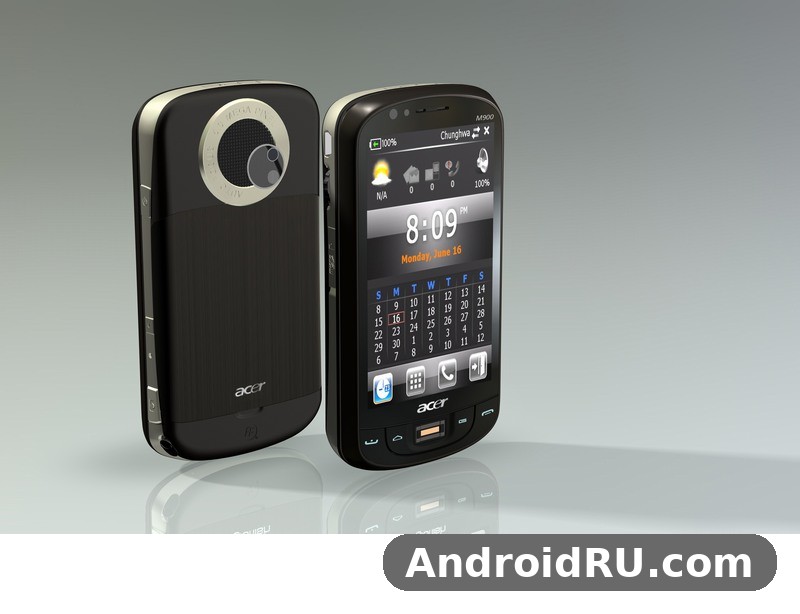
Readers searching for an Acer M900 classic business smartphone buying guide today usually fall into two groups. The first group wants to understand what the phone was, how it worked and why Acer built it the way it did. The second group collects classic phones and wants to know whether this one deserves a place on the shelf. This article serves both. It covers the design, the screen, the performance, the camera, the battery and the connectivity, then lists every key specification, weighs the strengths against the weaknesses, compares the M900 with its closest sibling, and ends with a verdict. The Acer M900 business phone for email and messaging was never meant to be a media player or a games machine, and that focus explains almost every choice Acer made.
Design, Build and the Sliding Keyboard
The M900 is a large, heavy phone by the standards of 2009, and it never pretends otherwise. An Acer M900 dimensions weight and build quality review has to start with the numbers: 119 x 62 x 17 mm and around 188 g. That is a thick slab with a sliding mechanism inside, and you feel the weight the moment you pick it up. The Acer M900 dimensions made it a two-handed device for typing, while the Acer M900 weight gave it a solid, planted feel that many business users liked. It was built to survive a working day in a jacket pocket or a bag, not to disappear into a shirt pocket. The M900 was a work phone first and everything else second, and the shape follows that idea.
The front is dominated by the screen, with a fingerprint sensor below it and the usual call keys around it. The slider moves smoothly and locks into place with a firm click, which matters because a loose slider would have ruined the typing experience. As an Acer M900 slider phone, it belongs to a family of devices that tried to give users both a large screen and a real keyboard, and the M900 is one of the more serious attempts at that idea. The build quality is best described as practical: plastics that resist scuffs, a slider that feels engineered rather than decorative, and buttons that give clear feedback.
The Sliding QWERTY Keyboard
The keyboard is the reason this phone exists. The Acer M900 sliding QWERTY keyboard and fingerprint sensor combination was unusual even in 2009, and it set the M900 apart from the many touch-only business phones of the same year. Slide the screen up and a full QWERTY keyboard appears, with separate rows of keys that are large enough to press without a stylus. The Acer M900 keyboard is spaced for thumbs, with keys that travel a short distance and click back into place, so long emails can be typed at a reasonable speed once your fingers learn the layout.
For a travelling worker in 2009, that keyboard changed how the phone was used. Short replies became long replies, and long replies became documents started on the train and finished at a desk. The slider also protects the keys when the phone is closed, so the keyboard stays clean in a pocket. Anyone comparing business phones of the era should treat the keyboard as the headline feature, because it shaped the whole design, from the thickness of the body to the position of the screen.
Typing feel on the move
Typing on the move rewards a keyboard you can use without looking at it, and the M900 comes close. The keys are slightly raised, the space bar is easy to find by touch, and the layout keeps numbers and punctuation within reach of the thumbs. It is not a laptop keyboard, and nobody should expect one, but for messages, notes and email it is fast, accurate and comfortable over a long session. The slider adds a little weight to the top of the phone when open, so holding it with both hands and typing with both thumbs feels balanced and natural.
Fingerprint Sensor on the Front
Below the screen sits a fingerprint sensor, a feature that was rare on phones in 2009 and a clear sign of the business audience Acer had in mind. The sensor reads a fingerprint and unlocks the phone, giving the owner a quick way to protect email, contacts and documents without typing a long password every time the screen wakes. The question of how to use Acer M900 fingerprint sensor for security has a simple answer: register a finger, set the phone to ask for it on wake, and keep a password as a backup for the times the sensor does not read cleanly. The Acer M900 fingerprint sensor was an early example of biometric security on a phone, years before it became common.
Sensor accuracy depends on how the finger is placed, and dry or damp skin can cause a failed read, so the backup password matters. Even with those limits, the sensor made the phone feel modern and serious, and it fitted the business story perfectly: a device that carried company mail should be hard for a stranger to open. For collectors today, the sensor is also one of the details that makes the M900 interesting, because it shows how far ahead some makers were thinking about phone security.
Security without a long password
A long password protects a phone, but it also slows down every use, and most people respond by choosing a short one. The fingerprint sensor offered a middle path: quick to use, hard to guess, and always with you. That idea later became standard across the whole phone industry, which makes the M900 an early marker of a change that took years to arrive. The sensor does not replace good habits, such as locking the phone when it leaves your hand, but it removes the friction that stops people from locking their phones at all.
Display and Touchscreen
The screen is one of the largest on a business phone of its year. The Acer M900 3.8 inch WVGA touchscreen display quality is defined by its size and its resolution: 3.8 inches across, with 480 x 800 pixels and 65K colours on a TFT panel. The Acer M900 display shows email, calendars and documents with room to spare, and the wide WVGA layout suits reading and editing far better than the smaller square screens found on many rivals. The Acer M900 touchscreen is resistive, which means it responds to pressure from a finger or a stylus rather than to the light touch used by later capacitive screens.
The Acer M900 screen resolution 480 by 800 pixels explained in plain terms means text stays sharp at normal reading sizes, and web pages of the era fit with less sideways scrolling than on a 320 pixel wide screen. Colours are typical of a TFT panel of the time: bright enough indoors, a little washed out in direct sunlight, and best viewed straight on. The Acer M900 resistive touchscreen stylus support and accuracy is a real strength for anyone who writes notes or taps small controls, because a stylus can hit targets a fingertip cannot. A stylus also suits the Windows Mobile interface, which was built around small menus and precise taps.
Resistive screens ask for a firmer press than modern screens, and fast scrolling feels less fluid than on the phones that followed. That is a fair criticism, but it misses the point of the design: this screen was chosen for accuracy with a stylus and for reading documents, not for flicking through photo galleries. Viewed that way, the display does its job well, and its size is one of the reasons the phone stayed usable for work long after smaller phones felt cramped.
Performance and Software
Under the screen, the M900 runs on a Samsung chip that was a solid choice for its year. The Acer M900 Samsung S3C 6410 processor performance review begins with the headline number: a 533 MHz processor. The Acer M900 processor handles email, calendars, messaging and documents without fuss, and it keeps the interface responsive for the tasks the phone was sold to do. It will not feel fast beside a modern chip, and it was never meant to, but within the limits of Windows Mobile in 2009 it is a capable, well-matched engine for the job.
Memory is tight by later standards and typical for the era. The Acer M900 128 MB RAM and 256 MB ROM storage split means the operating system and built-in apps live in the ROM while running apps share the RAM, and the Acer M900 RAM of 128 MB sets a clear limit on how many apps can run at once. The Acer M900 storage of 256 MB ROM holds the system and leaves limited room for the user, which is why the card slot matters. The Acer M900 microSD card slot expandable storage options let owners add a memory card for documents, music and photos, and the Acer M900 microSD slot is the practical answer to the small built-in storage. Anyone buying one second hand should check that a card is included, or plan to add one.
Windows Mobile 6.1 Professional in Daily Use
The M900 runs Microsoft Windows Mobile 6.1 Professional, which was the business platform of its day. That choice brings a familiar desktop-like structure: a Start menu, Pocket Office apps, an Outlook-style mail client, and a calendar that syncs with a work account. The Acer M900 Windows Mobile 6.5 upgrade path explained briefly is that Acer said at the time that the phone could be upgraded to Windows Mobile 6.5, which would bring a refreshed interface and small improvements, though owners should treat any old upgrade path as history rather than a promise that still works today. The Acer M900 Windows Mobile experience is best understood as a small office: useful, structured, and built around text rather than touch gestures.
The Acer M900 Pocket Office apps for work on the move cover the basics of office life: reading and editing documents, spreadsheets and presentations, with the keyboard making real editing possible. The Acer M900 office documents and calendar on the go story is the core of the phone, and it is where the M900 earns its keep: mail arrives, meetings appear on the calendar, and a document can be opened, corrected and sent back without a laptop. The Acer M900 software apps and Windows Mobile marketplace options of the era added extra tools, from navigation software to business utilities, though the catalogue was smaller and more work-focused than the app shops that came later. The Acer M900 Pocket Office suite is the software the buyer should test first, because it is the software the phone will actually be used for.
Camera and Video Calls
The camera is stronger than most business phones of 2009 offered. The Acer M900 5 megapixel camera with LED flash takes photos with autofocus, and the Acer M900 camera benefits from the flash when light is poor, though no phone camera of the era could rescue a dark room. The 5 MP resolution gives enough detail for prints of modest size and for documents photographed on a desk, and the autofocus helps with close subjects such as whiteboards and printed pages. In practice, good light mattered more than megapixels, and the M900 rewards a steady hand and a bright day.
The front of the phone carries a VGA camera for video calls, which was a genuine selling point when video calling over 3G was still new. The Acer M900 front VGA camera for video calls is modest in resolution, as VGA cameras were, but it is enough for a face-to-face call, and the Acer M900 video calls feature fitted the business pitch: a travelling worker could join a call and be seen as well as heard. The rear camera records video too, at the modest quality expected of the year, and it is best treated as a handy extra rather than a reason to buy the phone.
What the 5 MP Camera Could and Could Not Do
Outdoors in daylight, the 5 MP camera produces clear, usable photos with decent colour, and it is good enough for records, travel snaps and sharing by email or message. Indoors, the LED flash helps at short range but cannot light a large room, and moving subjects blur as the shutter slows down. The camera interface is simple, with autofocus doing most of the work and a small set of scene options for common situations. Buyers today should judge the camera as a period piece: impressive for a business phone in 2009, and a reminder of how far phone cameras have come since.
Battery Life and Connectivity
The battery is removable, which was normal in 2009 and is a real advantage for a working phone. The Acer M900 battery life with 1530 mAh removable battery is best described as a full working day with moderate use: mail, calls, some browsing and a few documents, with heavier use of GPS or Wi-Fi shortening that time. The Acer M900 battery capacity of 1530 mAh is modest by modern standards, but the phone it powers is also modest in its demands, so the balance works. A removable battery also means a spare can be carried, and a tired battery can be replaced rather than sending the whole phone away, which matters even more for collectors today.
Before buying second hand, check the Acer M900 charging port and headset jack location details on the unit in front of you, along with the condition of the battery cover and the slider, because those are the parts that show wear first. The Acer M900 WiFi Bluetooth and HSDPA connectivity options cover the three ways the phone reached the world: Wi-Fi 802.11b/g for offices and homes, Bluetooth for headsets and file transfer, and HSDPA for fast mobile data where the network supported it. The Acer M900 WiFi connection keeps data costs down indoors, the Acer M900 Bluetooth link handles hands-free calls, and the Acer M900 HSDPA radio gives mobile internet at speeds that felt quick in 2009. The Acer M900 connectivity package is complete for a business phone of its year, with no obvious gap.
Navigation is handled by GPS with a SiRF Star III chipset, a respected name in GPS hardware at the time. The Acer M900 GPS navigation with SiRF Star III chipset gives turn-by-turn directions with the right software, and the Acer M900 GPS lock is generally quick outdoors with a clear view of the sky. The Acer M900 speaker call quality and signal reception test in period reviews was favourable: calls sound clear, the earpiece is loud enough for a busy street, and reception holds up well on the move. For a phone sold to people who travel, that reliability matters more than any single feature on the specification sheet.
Full Specifications
The Acer M900 full specifications and features explained below gather every key detail in one place. This table is the quick reference for the phone: use it to check a unit before buying, to compare the M900 with its rivals, or to settle a question about what the phone could do. Where a figure comes from the launch record, it is given as announced; where it is approximate, such as the weight, it is marked as such.
| Feature | Acer M900 |
|---|---|
| Announced | February 2009 |
| Released | June 2009 |
| Operating system | Microsoft Windows Mobile 6.1 Professional, upgradeable to Windows Mobile 6.5 |
| Chipset | Samsung S3C 6410 |
| Processor | 533 MHz |
| Display | 3.8 inch TFT resistive touchscreen, 480 x 800 pixels, 65K colours |
| RAM | 128 MB |
| ROM | 256 MB |
| Expandable storage | microSD card slot |
| Rear camera | 5 MP, autofocus, LED flash |
| Front camera | VGA, for video calls |
| Battery | Li-Ion 1530 mAh, removable |
| Dimensions | 119 x 62 x 17 mm |
| Weight | About 188 g |
| Keyboard | Sliding physical QWERTY keyboard |
| Security | Fingerprint sensor on the front |
| Mobile data | HSDPA |
| Wireless | Wi-Fi 802.11b/g, Bluetooth |
| GPS | GPS with SiRF Star III chipset |
Two details in the table deserve a second look. The first is the pairing of the 3.8 inch screen with the sliding keyboard: Acer gave the phone both a large display and a real keyboard, and that combination is what defines it. The second is the fingerprint sensor, which was far ahead of its time and remains the most talked-about feature of the phone today. Together they explain why the M900 still appears in discussions of classic business phones more than a decade and a half after its release.
Pros and Cons
Every classic phone is a set of trade-offs, and the M900 is no exception. The Acer M900 pros and cons for classic phone collectors start with the keyboard, the sensor and the camera on the plus side, and the size, the weight and the ageing software on the minus side. The Acer M900 hands on first impressions from 2009 launch coverage praised the keyboard and the screen, and noted the bulk, and that first judgement has held up well: the strengths are real, and so are the compromises.
Pros: sliding QWERTY keyboard that makes long typing practical; fingerprint sensor for quick, secure unlocking; 5 MP autofocus camera with LED flash, strong for a 2009 business phone; large 3.8 inch WVGA screen that suits documents and email; GPS with SiRF Star III chipset for navigation; Wi-Fi, Bluetooth and HSDPA for flexible connectivity; removable 1530 mAh battery that can be swapped or replaced; microSD slot for extra storage; front VGA camera for video calls.
Cons: thick and heavy at 17 mm and around 188 g; resistive touchscreen needs a firm press or a stylus; only 128 MB RAM and 256 MB ROM, so multitasking is limited; Windows Mobile 6.1 Professional feels dated and its app catalogue is frozen in time; battery life falls short under heavy GPS or Wi-Fi use; camera struggles in low light despite the flash; no modern apps or services will run on it, so it cannot serve as a daily phone today.
Acer M900 Compared With the Acer F900
The closest sibling to the M900 is the Acer F900, and the two phones are easy to confuse until you look at the details. An Acer M900 vs F900 comparison starts with the keyboard: the M900 has a sliding physical QWERTY keyboard and the F900 does not. The Acer M900 vs Acer F900 keyboard and camera comparison continues with the camera, where the M900 has a 5 MP autofocus camera with LED flash and the F900 has a 3.15 MP camera, and with security, where the M900 adds the fingerprint sensor that the F900 lacks. Read the full account in Acer F900 Review and Full Specifications: Everything You Should Know to see how the F900 makes its case without those features, and you will see why the M900 cost more and weighed more: it was the fuller, more work-focused machine of the pair.
The rest of the Acer family from the same period shows the same range of ideas. The dual-screen experiment is covered in Acer DX650 Review and Specifications: Form Factor, Everyday Performance and the Verdict, while the compact touch-only approach appears in Our Acer beTouch E101 Review: Value for Money, Performance and Detailed Specs. For the entry-level side of the range, see Acer beTouch E100 Review and Full Specifications: Everything You Should Know, and for another business-minded model with a different balance of features, see Acer X960 After a Week of Use: Review, Storage and Full Specs. Taken together, these five phones show Acer trying several answers to the same question in 2009, and the M900 is the answer that put the keyboard and the fingerprint sensor first.
Frequently Asked Questions
Was the Acer M900 released with Android?
No. The M900 runs Microsoft Windows Mobile 6.1 Professional, and it has nothing to do with Android. Acer said at the time that the phone could be upgraded to Windows Mobile 6.5, which was the next version of the same platform. Anyone buying one today should expect the Windows Mobile interface, its Start menu and its Pocket Office apps, and should not expect modern apps or services to work on it.
When was the Acer M900 released?
Acer announced the M900 in February 2009 and released it in June 2009. That timing places it near the end of the Windows Mobile era, just before the market shifted toward the touch-first platforms that followed. It also explains the mix of features: a mature business platform, a strong keyboard, and early biometric security, all in one device.
Does the Acer M900 have a fingerprint sensor?
Yes. The M900 has a fingerprint sensor on the front, below the screen, and it can be used to unlock the phone instead of typing a password every time. Register a finger, keep a password as a backup, and expect occasional failed reads if the finger is wet or dirty. The sensor is one of the features that still makes the phone stand out among classic handsets.
Can the Acer M900 still be used today, and what is it worth?
It can be used as a classic phone for calls, notes and offline documents, but it cannot serve as a modern daily phone, because its software and services belong to 2009. The Acer M900 second hand price and collector value today depends on condition, completeness and whether the battery still holds a charge, so check the slider, the sensor, the screen and the battery before agreeing a price. The Acer M900 price for a working example varies widely with condition, so compare a few listings before you decide. A complete, working example with its box and accessories is worth more to a collector than a bare handset with a worn battery, and the keyboard and fingerprint sensor are the features collectors check first.
Verdict
So, is the M900 worth it? For most buyers, the answer is no, unless you collect classic phones or you specifically want a Windows Mobile machine with a real keyboard. As a daily phone it is finished: the software is frozen, the services are gone, and the resistive screen feels slow beside anything made in the last decade. The Acer M900 verdict for everyone else is kinder. As an Acer M900 classic phone, it is a well-built, serious piece of 2009 engineering, and the Acer M900 2009 phone still tells a clear story about what business users wanted before the market changed: a big screen, a real keyboard, quick security and a camera good enough for work.
If you collect, look for a clean slider, a working fingerprint sensor and a battery that still charges, and pay for condition rather than for promises about software. If you only want to understand the era, the specification table above gives you the whole picture in one place. The M900 was never the prettiest phone of its year, and it was never the lightest, but it was one of the most honest: a tool built for typing, reading and calling, with two features, the keyboard and the sensor, that pointed at the future while the rest of the phone stayed firmly in its own time.

